Biotechnology, the application of scientific and engineering principles to the processing of materials by biological agents, has been a cornerstone of human advancement. From medicine to agriculture, biotechnology holds the promise of solving some of our most urgent problems. However, like many powerful tools, it also has a dark side. When applied with malicious intent, biotechnology can give rise to biological weapons, or bioweapons, turning the achievements of modern science into instruments of warfare and terror. Understanding this terrifying aspect of biotechnology is crucial for devising strategies to counteract the threats posed by bioweapons.
The Nature of Bioweapons

Bioweapons are a category of weapons that utilize pathogens—such as bacteria, viruses, fungi, or toxins—to cause disease or death in humans, animals, or plants. Unlike conventional weapons, bioweapons can be difficult to detect and contain, as they can be spread invisibly and rapidly among populations. The use of bioweapons is not a new phenomenon; historical accounts suggest their use in conflicts throughout history, but advancements in biotechnology have exponentially enhanced their potential impact.
The Mechanism of Bioweapons in Modern Warfare
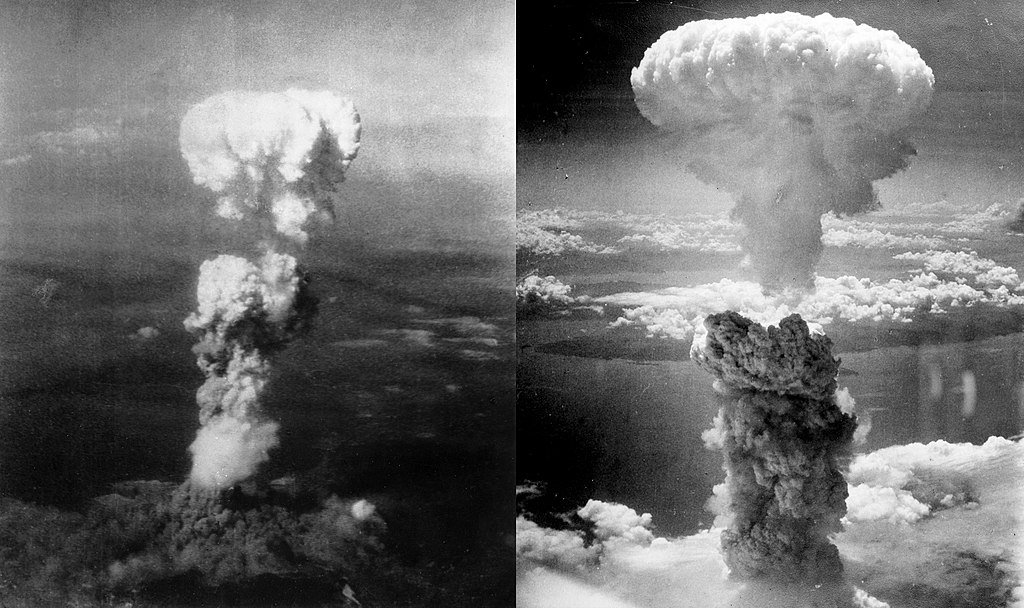
In the context of modern warfare, bioweapons are particularly insidious because they can target specific vulnerabilities within a population. Advances in genetic engineering allow for the creation of pathogens that can bypass existing vaccines or develop specific mutations to enhance lethality. Furthermore, the globalized nature of the modern world—from the movement of goods and people to the interconnectedness of systems—facilitates the rapid spread of biological agents across borders, magnifying their potential for mass devastation.
Bioweapons and Animal Science

The intersection of bioweapons and animal science is particularly concerning due to the role animals can play as vectors of disease. The use of bioweapons to target agricultural systems or animal populations can lead to disruptions in food supply and economic stability, creating further chaos in affected regions. Moreover, zoonotic diseases—those that can be transmitted from animals to humans—can be weaponized to devastating effect, as seen with various outbreaks linked to animal origins.
International Regulations and Challenges

Efforts to curb the development and deployment of bioweapons have led to several international treaties and agreements, the most notable being the Biological Weapons Convention (BWC) of 1972. The BWC aims to prevent the acquisition and use of biological weapons by prohibiting their development, production, and stockpiling. Despite these efforts, the treaty faces challenges related to enforcement and verification, as well as keeping pace with rapid biotechnological advancements that could be used for nefarious purposes.
Defensive Measures and Preparedness
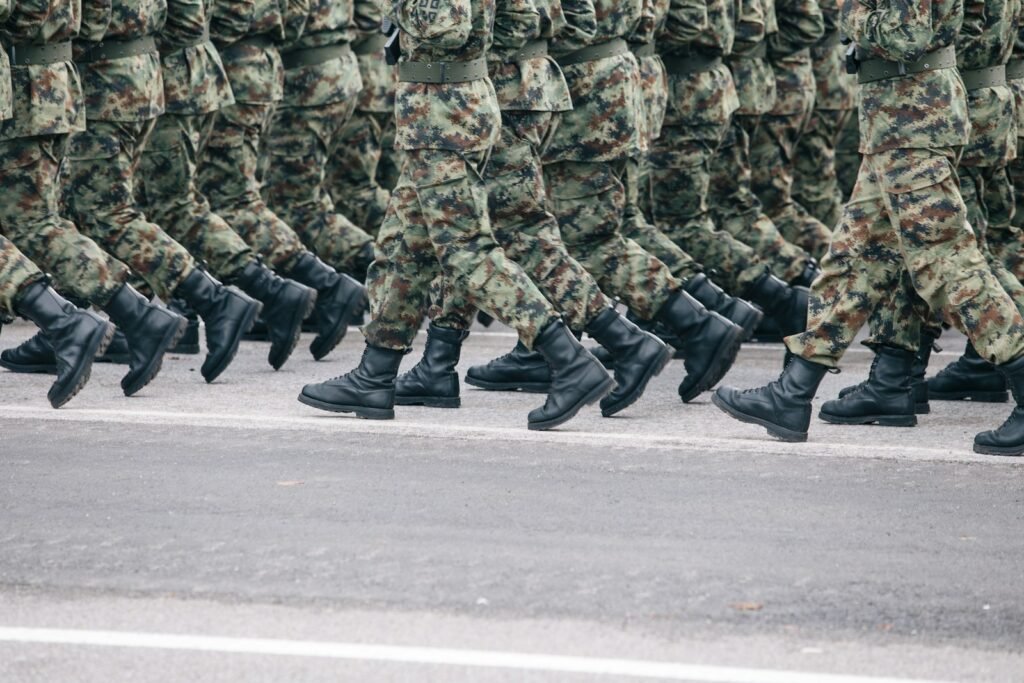
Given the potential devastation caused by bioweapons, nations around the world continue to develop defensive measures to protect against such threats. These measures include improved disease surveillance systems, the development of rapid diagnostic tools, and investment in vaccine research and stockpiling. Cooperation between countries and transparent information sharing are also vital components of a robust defense strategy against bioweapon threats.
Ethical Implications and the Role of Scientists

The dual-use nature of biotechnology—where the same scientific knowledge can be used for both beneficial and harmful ends—places a significant ethical burden on scientists and policymakers. Researchers in the field must remain vigilant and adhere to ethical guidelines to prevent the misuse of biotechnological innovations. Discussions about the ethical implications of research are essential to ensure that the pursuit of scientific knowledge does not inadvertently contribute to the creation of new forms of warfare.
Conclusion: Safeguarding Against the Dark Side

While biotechnology continues to offer profound benefits for society, the threat of bioweapons underlines the importance of maintaining strict regulatory frameworks and fostering ethical scientific research. Global collaboration and a commitment to transparency are critical to safeguarding the future against the pernicious use of biotechnology in warfare. By understanding the complexities and potential dangers of bioweapons, we can better prepare to address and mitigate the risks they pose in our interconnected world.
Linnea is a born and bred Swede but spends as much time as possible in Cape Town, South Africa. This is mainly due to Cape Town’s extraordinary scenery, wildlife, and atmosphere (in other words, because Cape Town is heaven on earth.) That being said, Sweden’s majestic forests forever hold a special place in her heart. Linnea spends as much time as she can close to the ocean collecting sea shells or in the park admiring puppies.