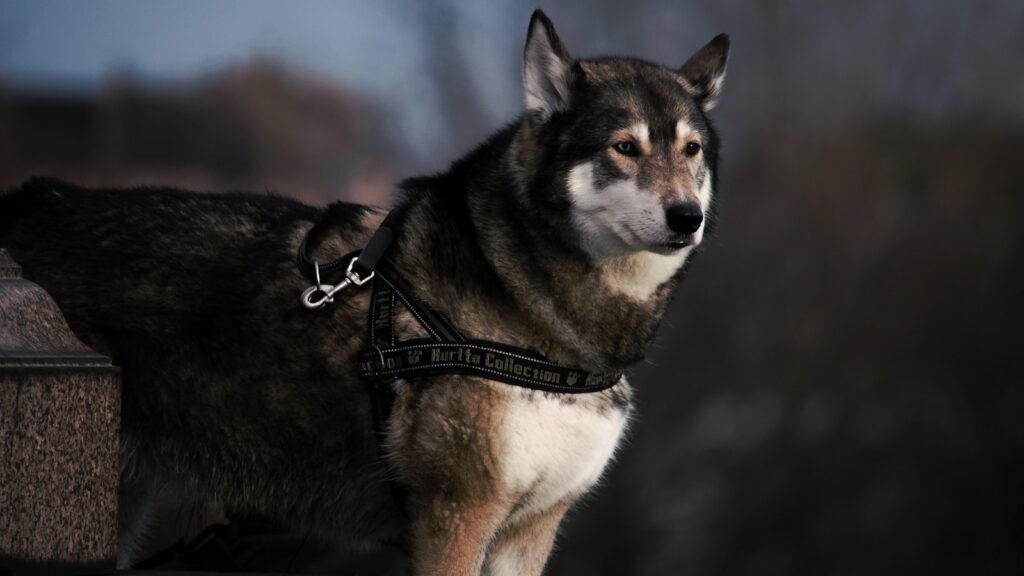

In the early 20th century, Nome, a small town located on the western coast of Alaska, was isolated from much of the world, especially during the long, harsh winter months. The town was only accessible by dog sled teams, as the snow-covered landscape made other forms of transportation impossible. In January 1925, Nome faced a public health crisis when an outbreak of diphtheria threatened the entire community. With no antitoxin available in the town, lives were at risk, particularly among children.
The Call for Help: A Race Against Time

The nearest supply of diphtheria antitoxin was in Anchorage, nearly a thousand miles away from Nome. Airplanes of the time were not suited for the harsh Alaskan weather, and ships could not reach the town due to heavy ice. This left only one option: delivering the medicine by sled dog teams. The journey, known as the “Great Race of Mercy,” became a relay involving more than 20 mushers and about 150 sled dogs.
Balto’s Leader: Gunnar Kaasen and His Team

One of the critical legs of this treacherous journey was led by Norwegian musher Gunnar Kaasen, with his lead dog, Balto. Kaasen’s team was responsible for the final stretch of the relay, which covered 53 miles from Bluff to Nome. Despite brutal conditions, including gale-force winds and temperatures dropping to minus 50 degrees Fahrenheit, Kaasen and his dogs pressed on. The treacherous landscape tested their stamina and resolve, but under Balto’s leadership, the team remained on course through blinding snow and ice.
The Arrival in Nome: Balto’s Moment of Triumph
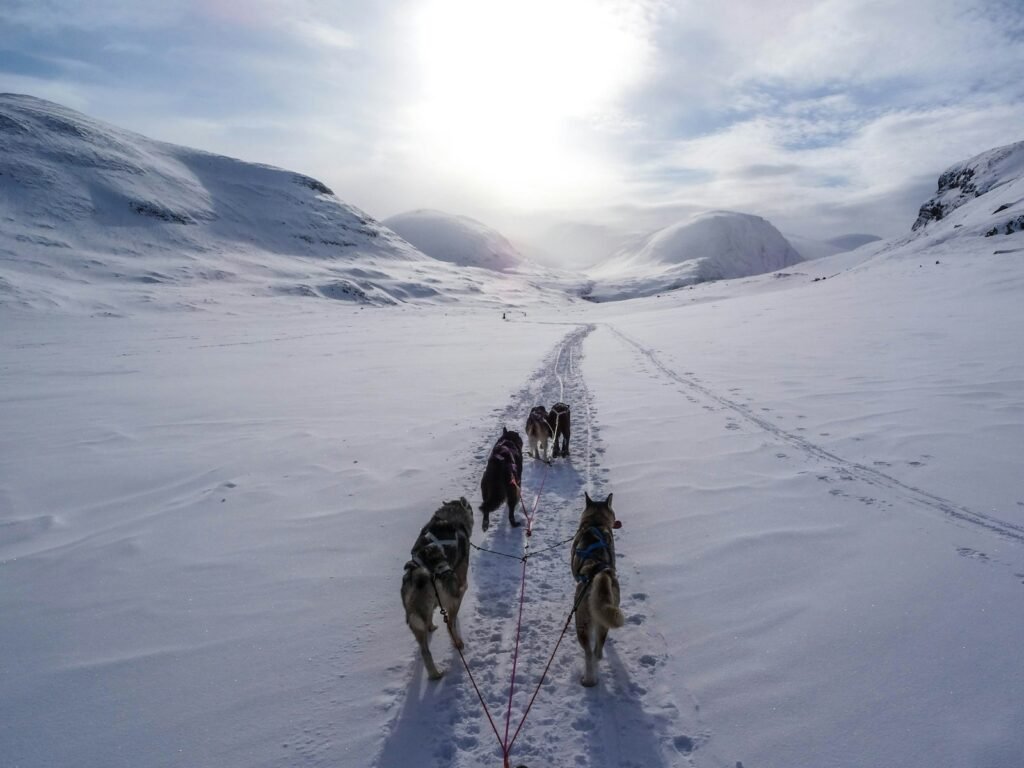
On February 2, 1925, after a grueling five-and-a-half-day trek, Kaasen and Balto reached Nome with the lifesaving serum. The delivery of the antitoxin thwarted a potential epidemic, saving countless lives and securing Balto a place in history as a canine hero. The entire dog sled relay, covering nearly 674 miles in fewer than six days under dire conditions, is considered one of the greatest physical feats of the century.
Legacy and Recognition: More Than Just a Dog Story

Balto’s heroics did not go unnoticed, and he became a symbol of courage and determination. Statues of Balto were erected, most notably in Central Park, New York City, where it stands as a tribute to all the sled dogs and mushers involved in the lifesaving mission. The statue bears the inscription, “Endurance · Fidelity · Intelligence,” capturing Balto’s essential qualities. Additionally, Balto’s story was immortalized in books and films, ensuring that the tale of his bravery would be passed down through generations.
Understanding Diphtheria: A Threat of the Past

Diphtheria, the disease that prompted the dramatic relay, is a serious bacterial infection affecting the mucous membranes of the nose and throat. Before the widespread availability of vaccinations, it was a leading cause of illness and death among children. The success of the sled dog relay not only saved lives but also highlighted the urgent need for improved medical access and disease prevention measures in remote areas. Today, thanks to vaccines, diphtheria is largely preventable, making such dramatic rescues less frequent but not forgotten.
The Science of Dogs: Balto’s Innate Abilities

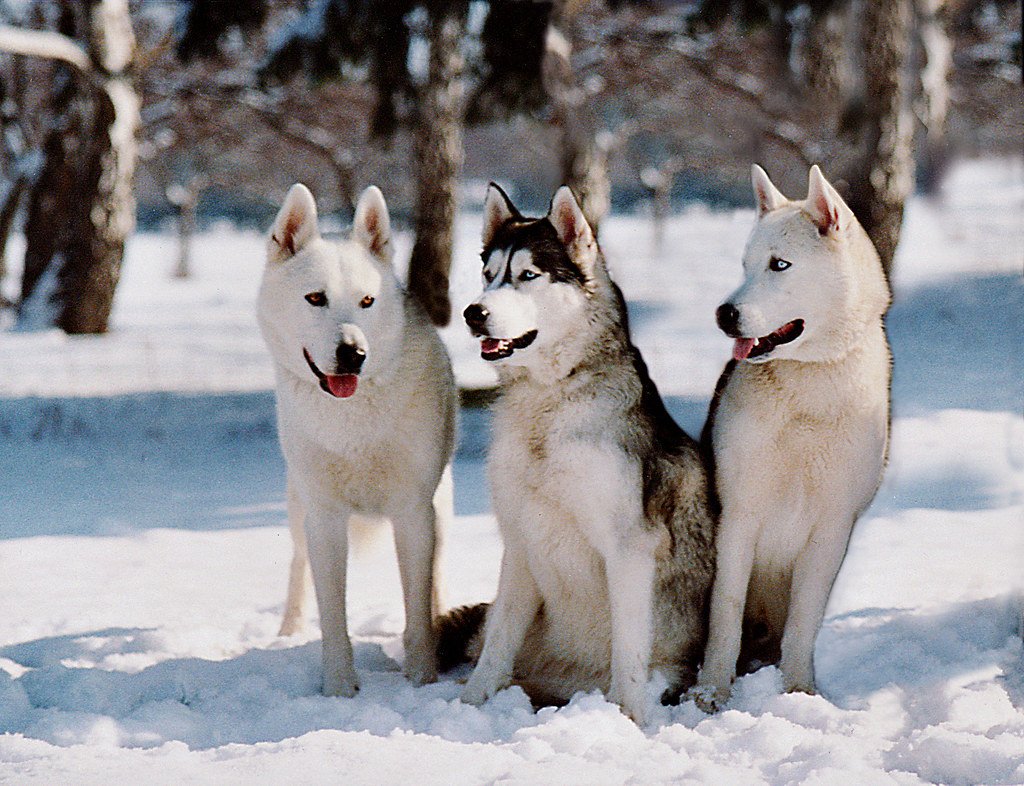
The incredible feat accomplished by Balto and other sled dogs can be attributed to the remarkable physiology and instincts specific to the Siberian husky and Alaskan malamute breeds. These dogs possess a unique combination of endurance, strength, and cold tolerance that allows them to thrive and perform in extreme climates. Their thick double coats protect them from the freezing temperatures, while their incredible sense of direction and pack mentality make them exceptional leaders in the field. Balto’s heroism in leading the team successfully through the most challenging parts of the journey speaks to the intrinsic abilities these animals have honed over generations.
Conclusion: A Timeless Tale of Bravery
The story of Balto and the Nome serum run is a powerful reminder of the incredible relationship between humans and dogs, highlighting how these loyal animals have been indispensable partners throughout history. Balto’s brave act continues to inspire new generations, reminding us of the power of courage, teamwork, and determination in the face of adversity. While scientific and technological advancements have changed how we deal with medical emergencies, the legacy of Balto and his heroic journey persists as a timeless symbol of resilience and hope.
Jan loves Wildlife and Animals and is one of the founders of Animals Around The Globe. He holds an MSc in Finance & Economics and is a passionate PADI Open Water Diver. His favorite animals are Mountain Gorillas, Tigers, and Great White Sharks. He lived in South Africa, Germany, the USA, Ireland, Italy, China, and Australia. Before AATG, Jan worked for Google, Axel Springer, BMW and others.