Dark matter constitutes about 27% of the universe, yet it remains one of the greatest mysteries in cosmology. Unlike normal matter, it does not emit, absorb, or reflect light, making it invisible and detectable only through its gravitational effects. Understanding dark matter is crucial for explaining galaxy formation and cosmic structure.
Dark Energy: The Universe’s Unknown Force

Accounting for approximately 68% of the universe, dark energy is a hypothetical form of energy proposed to explain the accelerated expansion of the universe. Its nature and properties remain unclear. Dark energy challenges our understanding of gravity and the ultimate fate of the cosmos.
Black Holes: Cosmic Enigmas

Black holes are regions with a gravitational pull so strong that nothing, not even light, can escape. While we have theories describing their behavior, their interiors remain shrouded in mystery. The existence of black holes challenges the boundaries of our understanding of physics, including general relativity and quantum mechanics.
Event Horizon: The Point of No Return

The event horizon marks the boundary around a black hole where the escape velocity exceeds the speed of light. Beyond this, conventional laws of physics break down, and our current understanding fails to explain the fate of matter absorbed by the black hole.
Quasars: The Powerhouses of the Universe
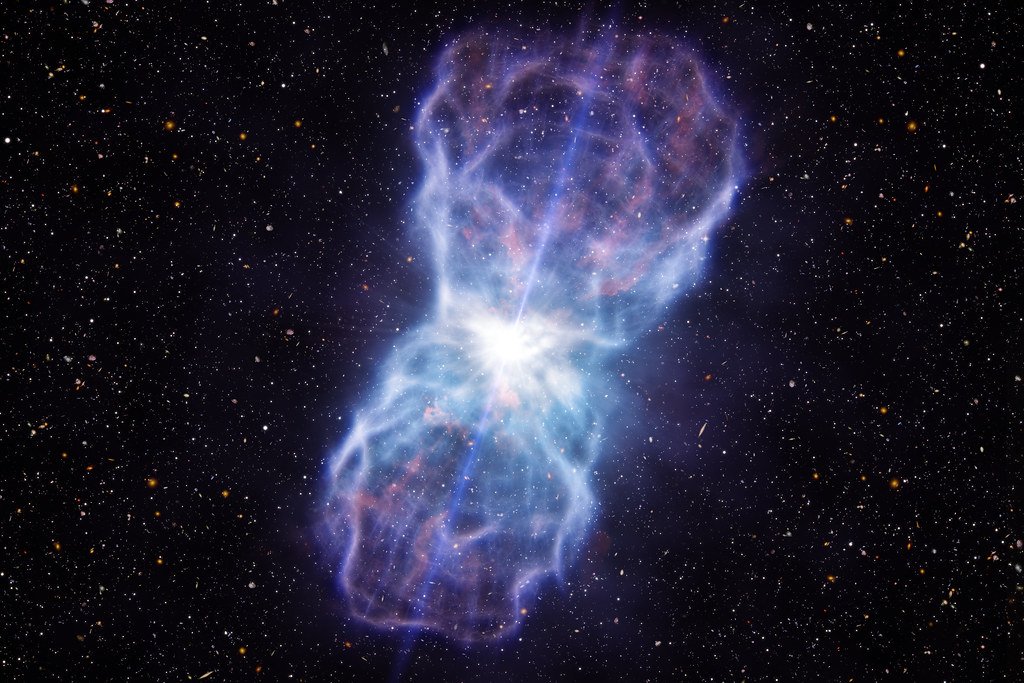
Quasars are the most luminous and energetic objects known, driven by supermassive black holes at the centers of distant galaxies. The question of how these bright objects form and their role in galaxy evolution still puzzles astronomers.
Neutron Stars: Densest Celestial Objects
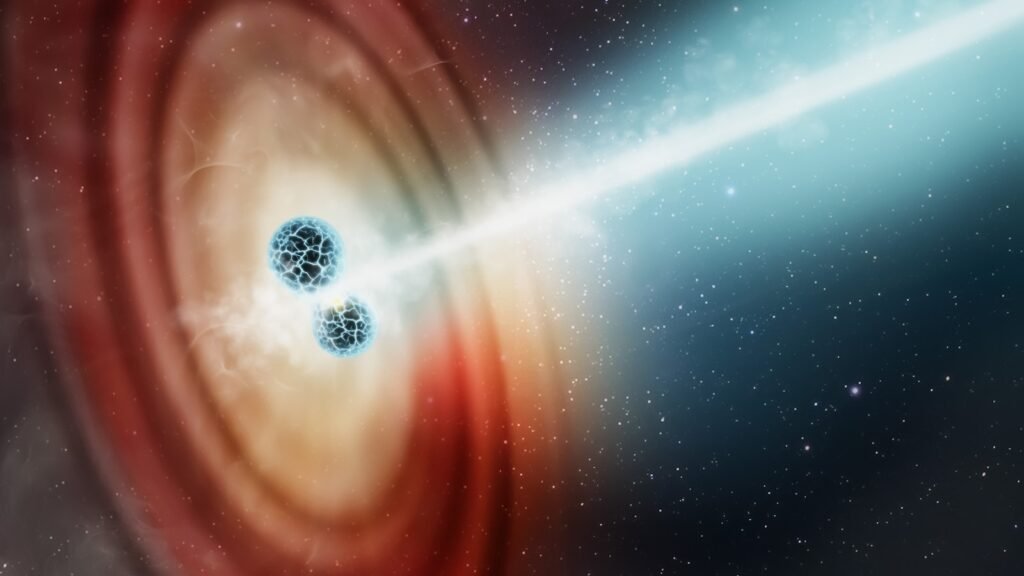
Born from the collapsed core of massive stars, neutron stars are incredibly dense, packing more mass than the Sun into a sphere only about 20 kilometers wide. Their extreme environments offer insights into quantum physics and general relativity, yet many aspects remain unknown.
Pulsars: Nature’s Cosmic Lighthouse

A type of neutron star, pulsars emit beams of radiation that sweep across the Earth at regular intervals. These precise signals help study extreme states of matter and test theories of gravity, but the precise mechanism of their formation and energy emission is not fully understood.
Magnetars: Magnetic Mysteries
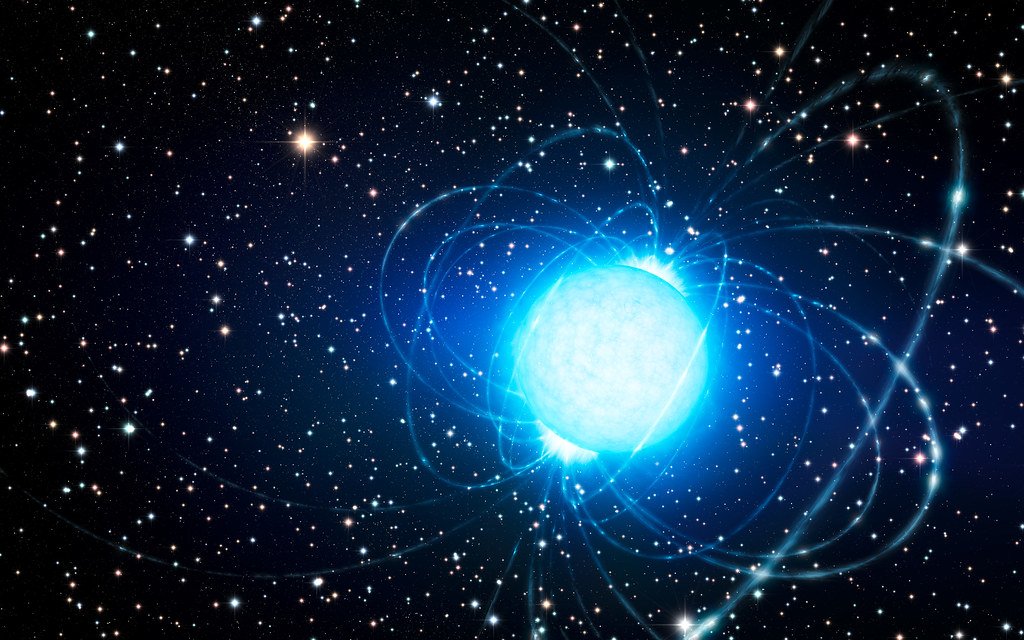
Magnetars are neutron stars with magnetic fields a thousand trillion times stronger than Earth’s. The origins of such intense magnetic fields and their interaction with surrounding space matter remain active areas of research.
The Big Bang: Cosmic Beginnings

The Big Bang marks the inception of our universe, but questions about what preceded it and the initial conditions during the event persist. These unknowns challenge physicists to reconcile quantum mechanics with cosmology.
Cosmic Inflation: Rapid Expansion
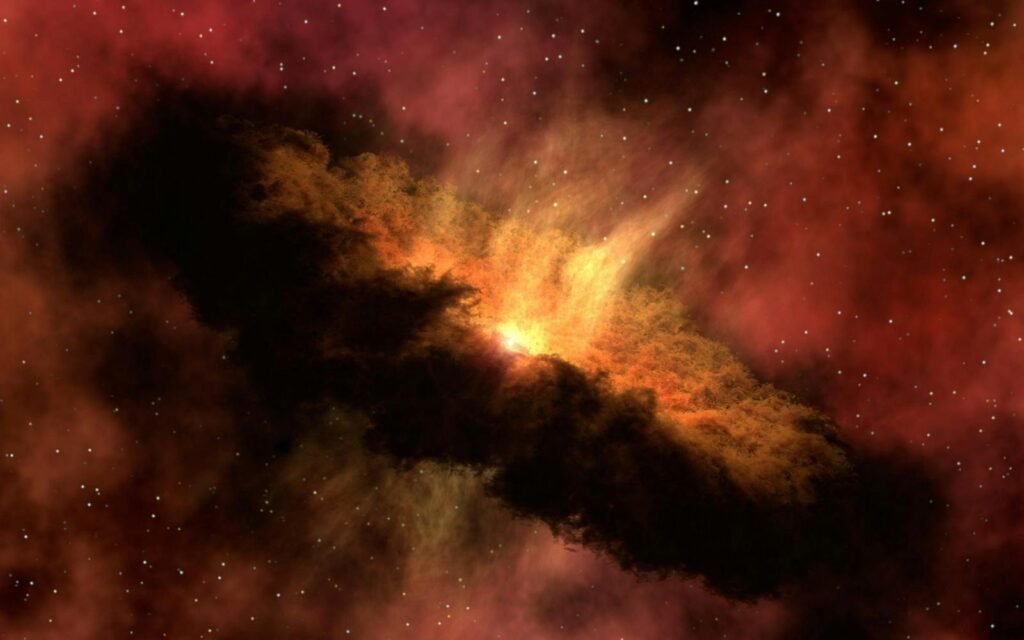
The theory of cosmic inflation suggests a rapid expansion of the universe fractions of a second after the Big Bang. Although it explains several cosmic features, the underlying mechanism and nature of the inflationary field are yet to be determined.
Multiverse Theory: Beyond Our Universe
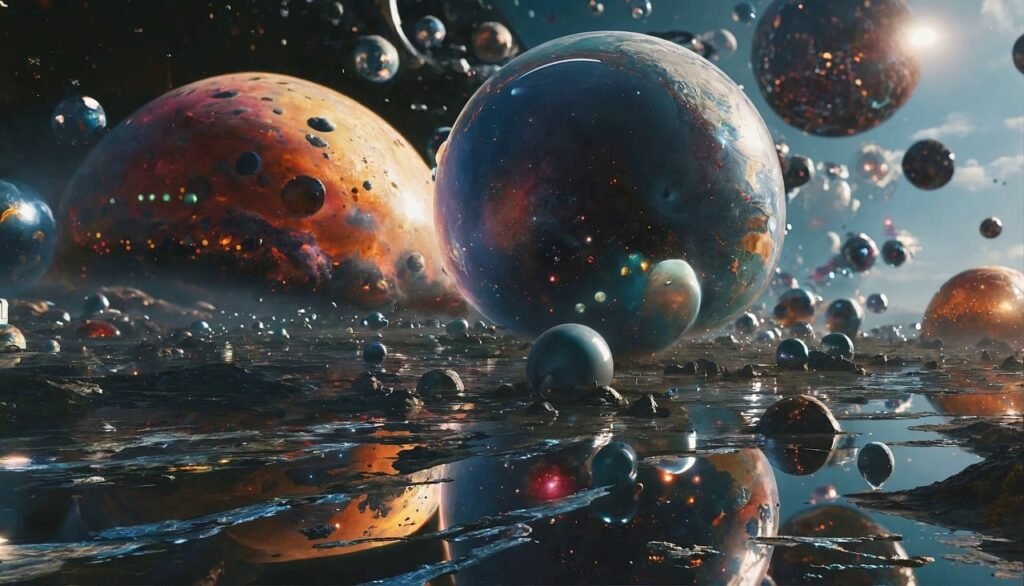
The concept of a multiverse posits multiple, possibly infinite, universes with varying physical laws. Though speculative and controversial, it could answer fundamental questions about cosmic fine-tuning and the parameters of our universe.
Gravitational Waves: Ripples in Spacetime

Gravitational waves, generated by accelerated masses like merging black holes, confirm Einstein’s theory of general relativity. Despite recent detections, their potential to reveal new physics—including the nature of dark matter—remains largely untapped.
Antimatter: The Cosmic Paradox
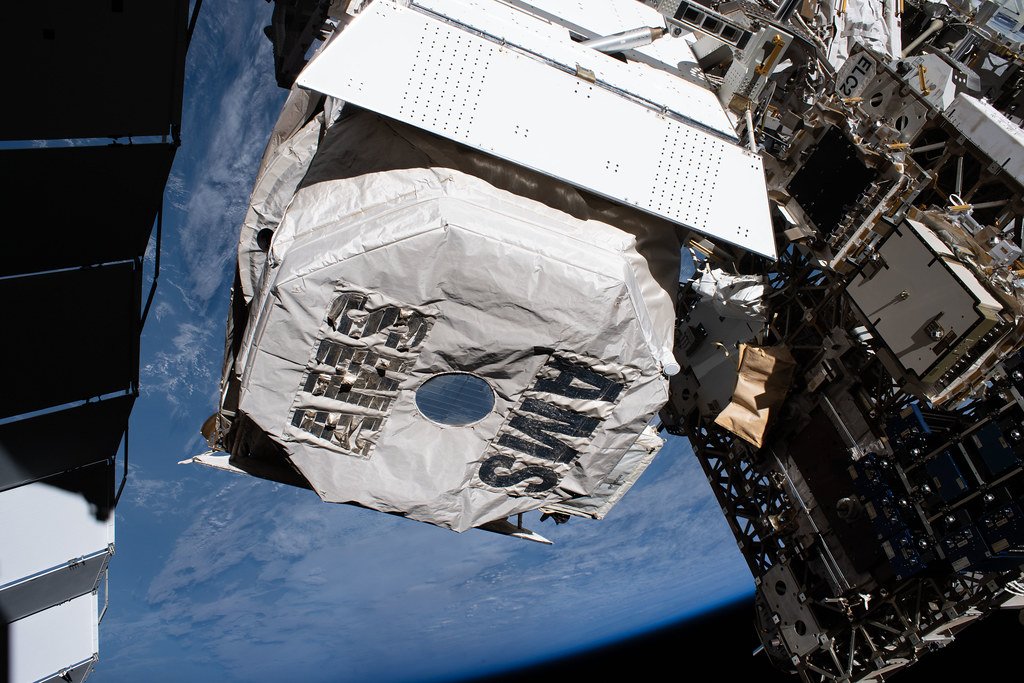
For every particle, there is an antiparticle, yet antimatter is rare in the observable universe. Understanding why our universe is dominated by matter and how antimatter interacts with matter is fundamental to understanding the early universe.
The Mystery of Cosmic Rays

Cosmic rays are high-energy particles from space that strike the Earth’s atmosphere. Their origins and the processes that accelerate them to such high energies are still largely unknown, posing questions in both astrophysics and particle physics.
Gamma-ray Bursts: Cosmic Explosions
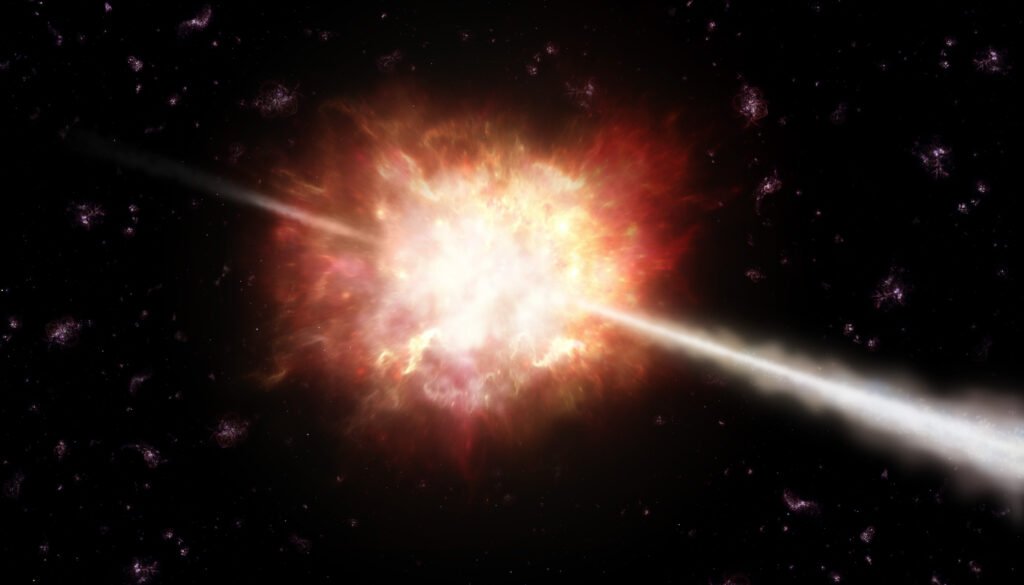
Gamma-ray bursts are the universe’s most powerful explosions, believed to result from supernovae or neutron star mergers. Despite extensive research, their exact causes and implications for understanding star life cycles remain unsolved.
Fast Radio Bursts: Unknown Origins
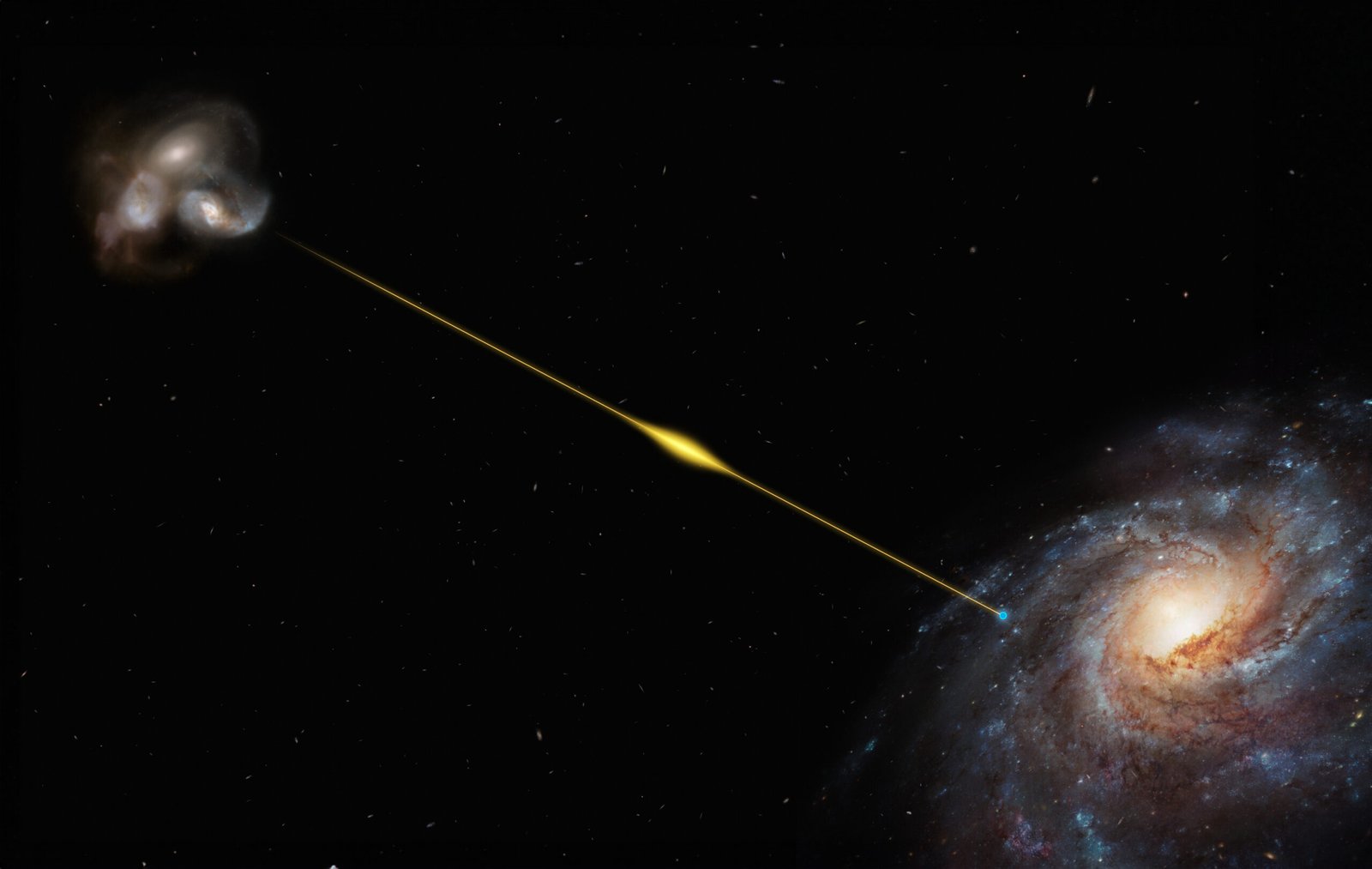
Fast radio bursts are intense bursts of radio waves lasting milliseconds. Discovered recently, their sources are still debated, ranging from distant galaxies to alien technology, illustrating the vast unknowns in cosmic phenomena.
Dark Galaxies: Ghostly Cosmological Structures

Dark galaxies devoid of stars emit little visible light and are detectable primarily through radio waves. Their scarcity and formation processes remain elusive, presenting challenging puzzles for understanding universe evolution.
Rogue Planets: The Lost Worlds

Not bound to any star, rogue planets wander the galaxy independently. Their prevalence, formation, and ability to support life, especially in substellar atmospheres, remain exciting avenues for astrophysical research.
White Holes: Time-Reversed Black Holes

Theoretical counterparts to black holes, white holes cannot be entered from the outside and supposedly expel matter. Largely speculative, they challenge and expand the conceptual scope of general relativity and cosmology.
The Great Attractor: A Galactic Conundrum

The Great Attractor is a gravitational anomaly in intergalactic space, pulling galaxies, including the Milky Way, towards it. Its composition and massive gravitational influence remain concealed behind cosmic dust.
The Cosmic Web: Large-Scale Universe Structure
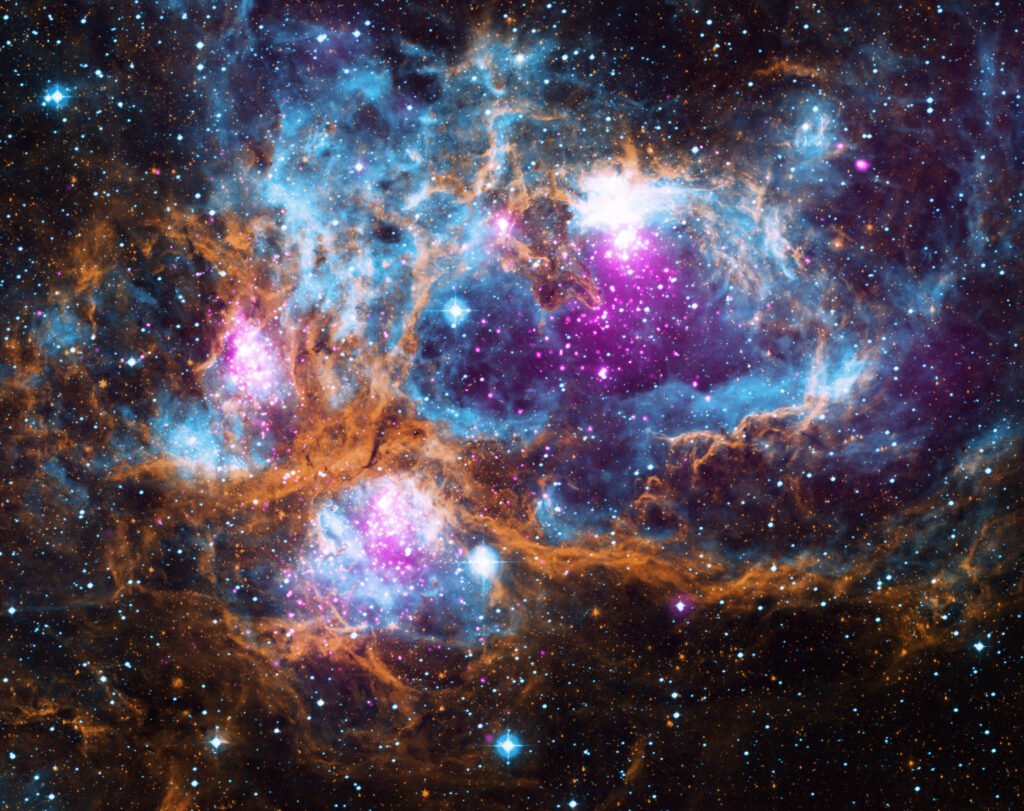
The cosmic web describes the vast and intricate network of galaxies and dark matter forming the large-scale structure of the universe. Understanding its formation and dynamics could provide insights into dark matter and energy.
Axions: Elusive Particles
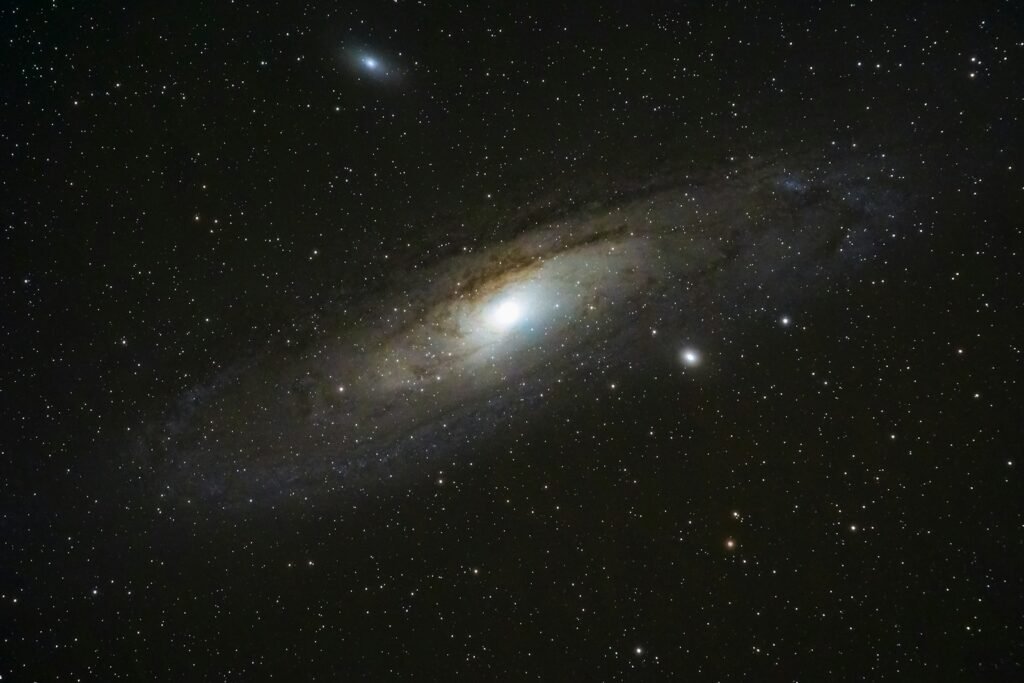
Axions are hypothetical particles proposed as dark matter candidates and potential solutions to the CP problem in quantum chromodynamics. Their existence and properties remain speculative but crucial for exploring particle physics.
The Fermi Paradox: The Silence of the Extraterrestrial

The Fermi Paradox questions why, despite the high probability of extraterrestrial life in the universe, we have found no evidence of it. Solutions range from the rarity of life to limitations in our search techniques.
Primordial Black Holes: Relics from the Universe’s Birth

Primordial black holes, forming soon after the Big Bang, could offer insights into cosmic evolution. Their detection and effects on surrounding matter remain speculative but could illuminate early universe conditions and dark matter.
Cuspy Halo Problem: Galactic Mysteries

Galaxies display a core structure with contradictory density profiles to those predicted by simulations. Resolving this cusp-core problem could unveil dark matter properties and test the paradigm of galaxy formation models.
Galactic Rotation Curves: Dark Matter Evidence

Galactic rotation curves, which remain flat at distances where mass should decline, imply unseen mass. This disparity supports dark matter theories yet raises unresolved questions about its nature and presence in galaxies.
Exotic Stars: Beyond Neutron and White Dwarfs

Research suggests various hypothetical exotic stars, including quark stars and strange stars, as neglected mass-dense entities. Their existence and nature represent uncharted territories for quantum mechanics and relativity.
The End of the Universe: Different Scenarios

Theories about the ultimate fate of the universe range from the Big Crunch to a Heat Death or Big Rip. Each scenario challenges fundamental cosmological theories, demanding an improved grasp of cosmic forces.
Unifying Gravity with Quantum Theory

One of theoretical physics’ greatest challenges is creating a unified theory that describes gravity and quantum mechanics together. Solving this would provide unprecedented insights into the universe’s workings and its initiation.