Communication is essential for survival in the animal kingdom, and while humans primarily rely on verbal language, many creatures have developed diverse and innovative ways to interact without words. From the intricate dances of honeybees to the complex social signals in elephant herds, these communication methods are as varied as the species themselves. Let’s delve into 25 incredible animal communication systems that demonstrate nature’s ingenuity.
The Dance Language of Honeybees

Honeybees use a sophisticated dance language to convey information about food sources. The famous “waggle dance” involves a series of movements that communicate the direction and distance of flowers rich in pollen and nectar. This communication method is crucial for the survival and efficiency of the hive.
Elephants’ Infrasonic Calls

Elephants are known for their deep, rumbling calls, many of which are infrasonic, meaning they’re below the human range of hearing. These calls can travel several kilometers, allowing elephants to communicate over long distances. They use these sounds to coordinate movements, warn of dangers, or express emotions such as distress or excitement.
Dolphin Echolocation

Dolphins possess an extraordinary ability known as echolocation, which allows them to navigate and hunt in murky waters. By emitting clicks and listening to the returning echoes, dolphins can determine the location, size, and shape of objects, including potential prey. This form of communication also plays a role in social interactions among dolphins.
Birdsong: The Melody of Communication

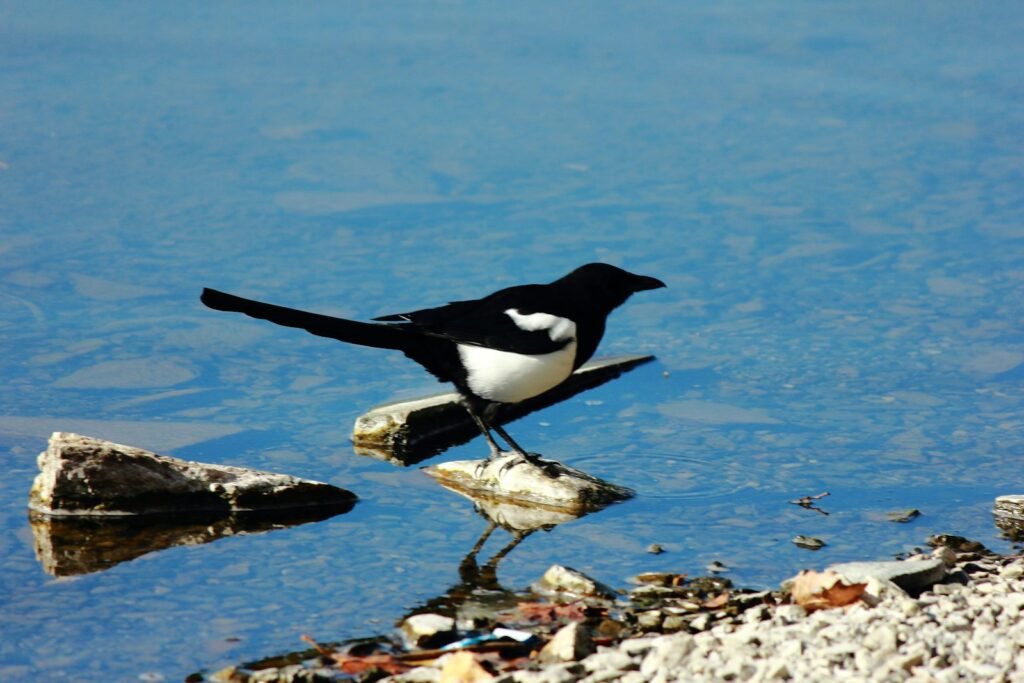
Birdsong is one of the most familiar and beautiful forms of animal communication. Birds use songs to attract mates, defend territories, and establish dominance. Each species has its own unique song, and some birds can even mimic the calls of other species, adding complexity to their communication repertoire.
Color and Pattern Communication in Cuttlefish

Cuttlefish are masters of changing color and pattern, using these abilities to communicate with potential mates and rivals. They can rapidly alter their appearance thanks to specialized skin cells called chromatophores. These visual signals can indicate readiness to mate, aggression, or camouflage from predators.
Chemical Language of Ants

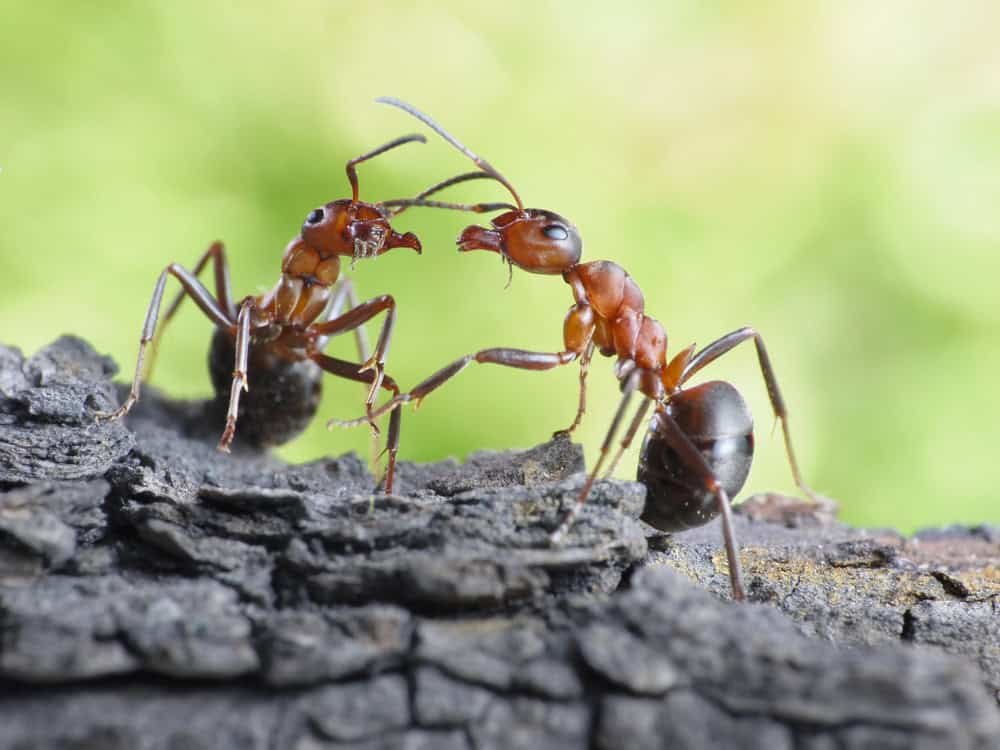
Ants heavily rely on pheromones, chemical signals used to communicate within the colony. These pheromones can indicate a variety of messages, such as marking trails to food, alerting to danger, or identifying specific individuals. This chemical language is vital for maintaining complex ant societies.
The Chorus of Frogs

Frogs use vocal signals, including croaks and calls, primarily during the mating season. Each species has a distinct call, which is essential for attracting the right mate and deterring rivals. The chorus of frogs is a symphony of communication that fills the night air in many wetlands.
Bats’ Ultrasonic Chat
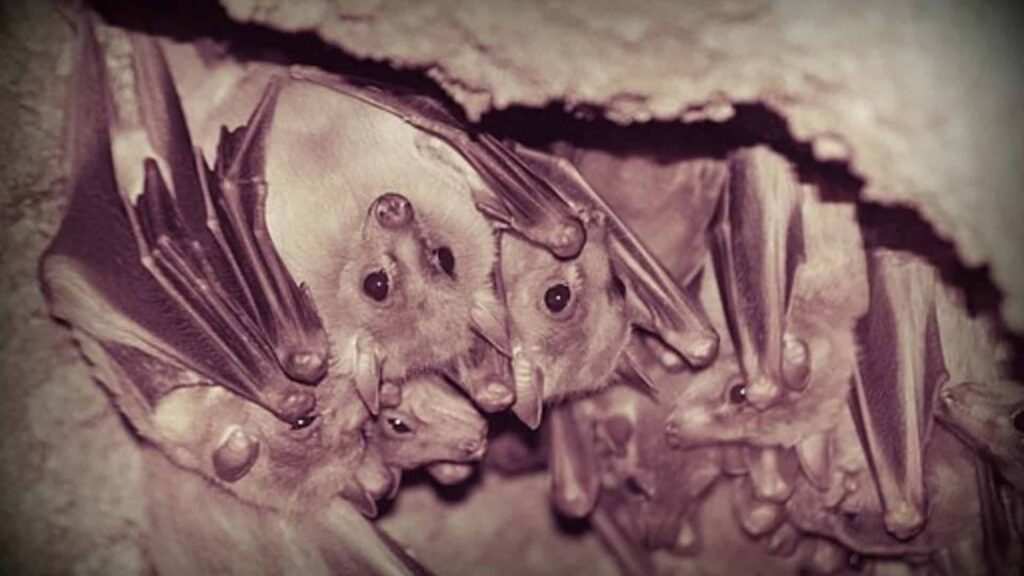
Bats, like dolphins, use echolocation to navigate and hunt. They emit high-frequency sounds that bounce off objects, helping them ‘see’ in the dark. Additionally, bats use ultrasonic calls for social interactions, such as identifying individuals and maintaining group cohesion during flights.
Primates’ Gesture Communication

Primates, including chimpanzees and gorillas, use a range of gestures to communicate. These can include signals for grooming, play, or aggression, and are often used in conjunction with vocalizations and facial expressions. This gestural language highlights the evolutionary roots of human communication.
Penguin Vocal Recognition

In the bustling colonies of penguins, vocal recognition is essential. Emperor and king penguins, for instance, rely on their unique vocal calls to identify partners and chicks among thousands of individuals. These calls are crucial for maintaining parental bonds in such chaotic environments.
Bees’ Vibrational Signals

Beyond their dance language, bees communicate using vibrations. Through the hive’s substrate, they send signals by vibrating their bodies. These vibrational messages can relay information about hive status, dangers, or changes in environment conditions.
Lobsters’ Antennal Communication

Lobsters use their long antennae to communicate during social interactions, such as establishing territory and dominance among peers. Through tactile interactions, they convey important social cues necessary for stable group dynamics in their underwater habitats.
The Bioluminescent Language of Fireflies
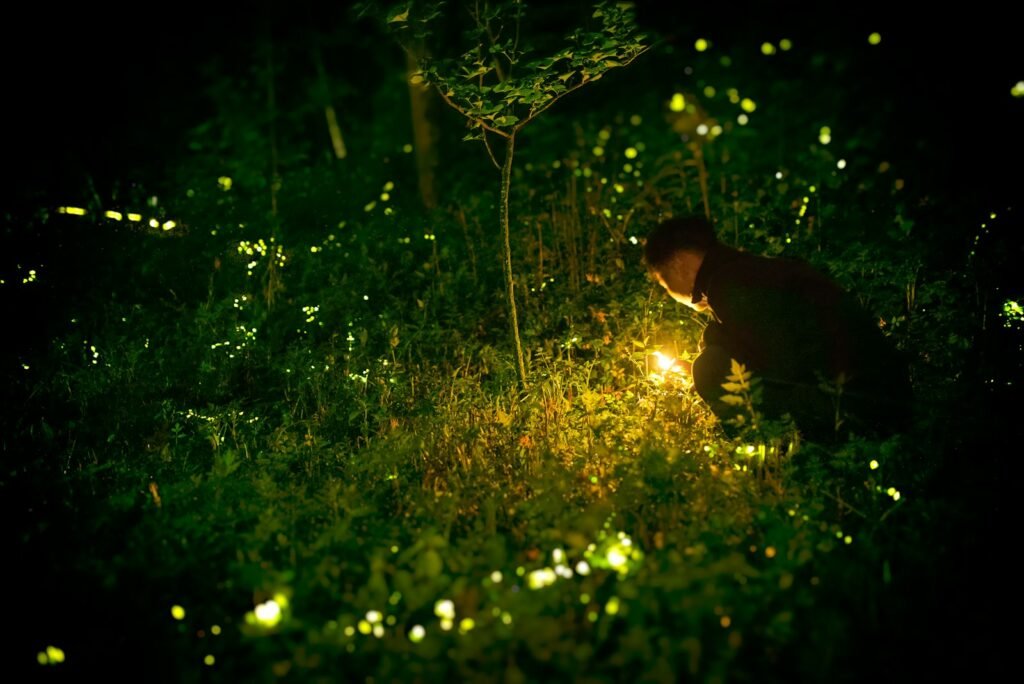
Fireflies use bioluminescence to attract mates, their flashes creating a captivating light show. Each species has its own flashing pattern, serving as a form of species-specific communication. This visual language is as mesmerizing as it is functional in ensuring reproductive success.
Octopus’ Color and Texture Communication

Octopuses are adept at changing their skin color and texture, a skill used for communication as much as camouflage. By altering their appearance, octopuses convey warnings, readiness to mate, and even moods, demonstrating remarkable control over their body’s expressive abilities.
Fish Electrocommunication

Some fish, like the electric eel, use electric fields to communicate and navigate. They emit electric signals in various patterns to identify species, recognize individuals, and even locate objects in their environment, providing a unique method of underwater communication.
The Chemical Language of Wolves

Wolves mark their territory using scent marking, which communicates ownership and alerts intruders. This chemical communication is essential for pack management, establishing dominance, and maintaining exclusive hunting territories.
The Vibrational Language of Spiders
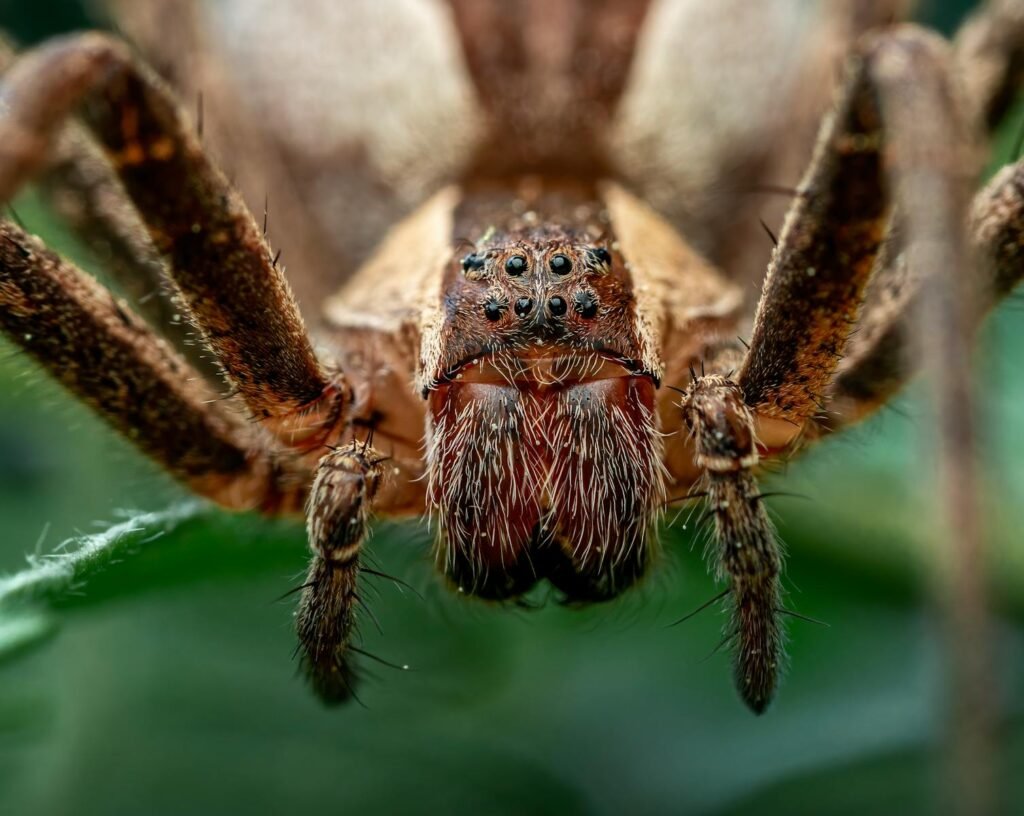
Spiders use vibrations to communicate, especially in courtship and territorial disputes. By creating specific vibrational patterns on their webs, spiders can attract mates or warn competitors, showing a nuanced use of their silken environments.
Cattle’s Vocal and Gestural Signals

Cattle communicate through a combination of vocal calls and body language. They use different vocalizations to express distress, warmth, or contentment, while their body postures can indicate dominance or submission within the herd.
The Visual Language of Peacocks

The magnificent tail display of peacocks is more than just a show of beauty—it’s a form of visual communication used during mating rituals to attract peahens. The size and vibrancy of the tail feathers can indicate health and genetic fitness, playing a crucial role in sexual selection.
Humpback Whales’ Songs

Humpback whales are known for their complex, haunting songs. These vocalizations are primarily used during mating season and can last for hours, echoing through the ocean. Each population of humpback whales has its own unique song, potentially serving as a cultural identifier.
Prairie Dogs’ Alarm Calls

Prairie dogs have a sophisticated vocal communication system for warning each other about predators. Their alarm calls can contain specific information about the type of predator and the level of threat, demonstrating an impressive depth of communicative detail.
The Tactile Language of Gorillas
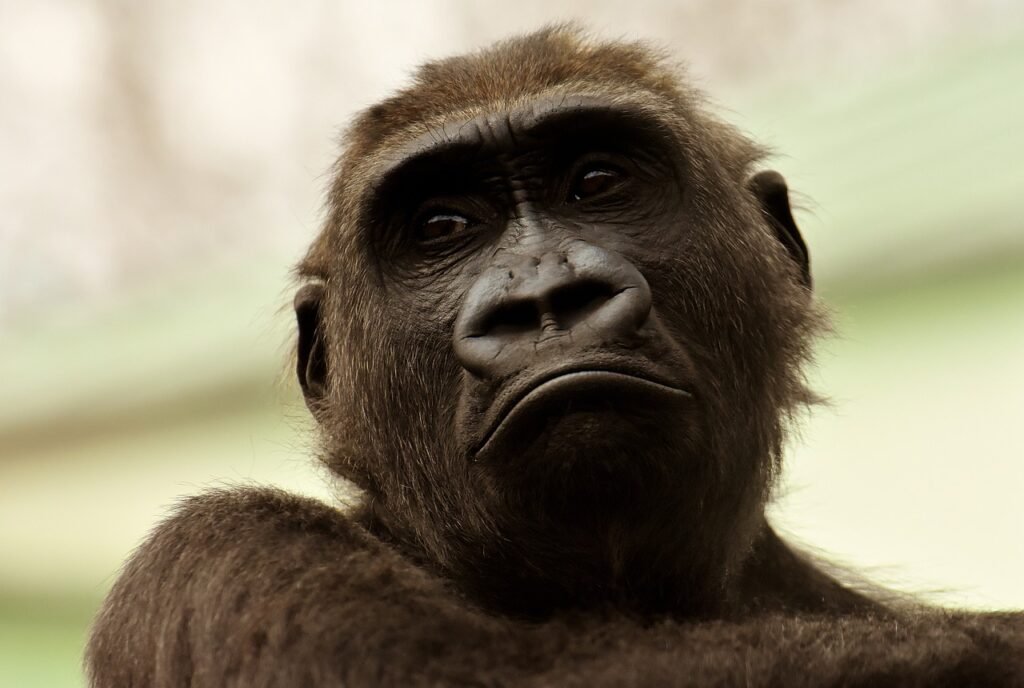
Gorillas use touch as a primary method of communication. Grooming, patting, and other tactile interactions are crucial for social bonding and hierarchy establishment in groups, showing the importance of touch in their societies.
The Complex Signals of Antbirds

Antbirds communicate with a repertoire of vocalizations and body language to maintain territory and relations in dense jungle environments. Their complex communication systems are adapted to overcome the challenges of sound transmission in thick forests.
Kangaroo Thumping

Kangaroos communicate danger through a behavior known as “foot thumping.” By pounding their hind feet on the ground, they alert others in the group to potential threats, using this rhythmic signal as a crucial survival tool.
Reflecting on the Diversity of Communication Strategies
Animal communication systems are a testament to the inventiveness and adaptability of nature. Each system, whether visual, auditory, chemical, or tactile, plays an integral role in survival and social organization. Understanding these systems not only deepens our appreciation for the animal kingdom but also offers insights into the evolutionary origins of communication itself.