Eco-friendly fashion, often referred to as sustainable fashion, is a movement within the apparel industry that aims to minimize the environmental impact of clothing production. With a focus on ethical practices, this approach values transparency, resource efficiency, and mindfulness towards both the planet and its inhabitants. As consumers become more conscious of their environmental footprints, eco-friendly fashion offers a way to look stylish without compromising ethical values.
The Environmental Impact of Traditional Fashion

The traditional fashion industry is notorious for its environmental footprint, including excessive water consumption, pollution from dyes, and significant waste from garment production and disposal. The production of a single cotton T-shirt, for example, can use up to 2,700 liters of water. Additionally, synthetic fibers like polyester, which are derived from fossil fuels, contribute to microplastic pollution in waterways, affecting both marine life and human health. The fast fashion model exacerbates these issues with its rapid turnover of trends, leading to increased waste as consumers dispose of clothes more frequently.
Sourcing Sustainable Materials
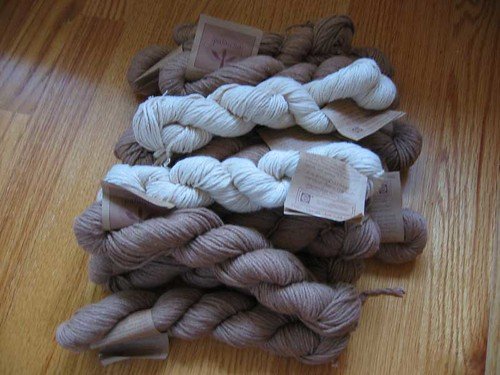
Sustainable fashion begins with the materials used to create garments. Organic cotton, hemp, and bamboo are popular choices due to their lower environmental impact. These materials require less water and fewer chemicals compared to conventional cotton. Additionally, recycled materials, such as polyester made from post-consumer plastic bottles, help reduce waste while offering the same aesthetic qualities as virgin fibers. Another innovative option includes Tencel, a fabric made from sustainably sourced wood pulp, which is both biodegradable and comfortable.
Ethical Production Practices

Beyond materials, eco-friendly fashion prioritizes ethical production processes. This includes fair labor practices, ensuring workers are paid living wages and work in safe conditions. Many sustainable brands emphasize local production to reduce carbon emissions from transportation and support local economies. Transparency is key in ethical production, with brands providing detailed information about their supply chains to build trust with consumers.
Secondhand and Upcycling: Fashion with a Purpose

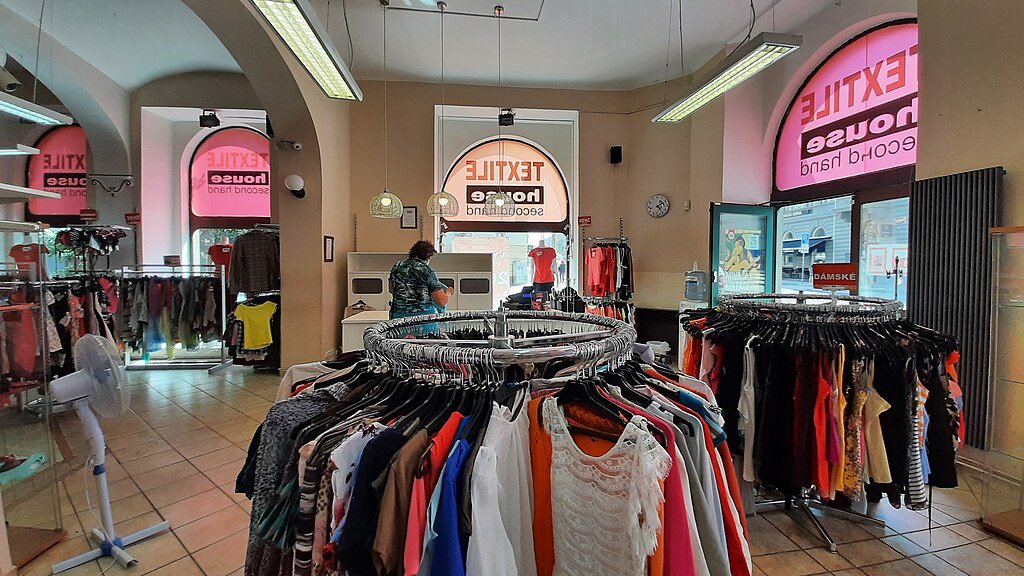
One of the simplest ways to make your wardrobe more sustainable is through secondhand shopping. Thrift stores, consignment shops, and online platforms offer an array of stylish options without the need for new resources. Upcycling takes this concept further by creatively transforming old garments into new pieces, promoting originality and reducing waste. Embracing these methods not only supports a circular fashion economy but also encourages personal expression.
Eco-Friendly Fashion Brands to Watch
Many brands are leading the charge in eco-friendly fashion, setting examples with their commitment to sustainability. Patagonia, known for its environmental advocacy, uses recycled materials and offers a program for repairing garments rather than replacing them. Everlane focuses on radical transparency, sharing factory information and pricing breakdowns with consumers. Similarly, Reformation incorporates eco-friendly fabrics and sustainable practices into their trend-forward designs.
Incorporating Sustainable Choices into Your Wardrobe

Transitioning to an eco-friendly wardrobe doesn’t happen overnight, but small changes can lead to significant impacts. Start by evaluating your current clothing and choosing pieces that are versatile and timeless. Prioritize quality over quantity to ensure longevity and reduce waste. When shopping, opt for brands that align with sustainable principles and offer eco-friendly products. Additionally, caring for your clothes by washing less frequently, repairing items, and donating rather than discarding can extend their lifespan and lessen environmental impact.
Conclusion: Fashion Meets Responsibility

Eco-friendly fashion enables individuals to express themselves stylishly while aligning with ethical and environmental values. As awareness of the fashion industry’s impact grows, embracing sustainable choices becomes essential. By choosing sustainable materials, supporting ethical production, and participating in the circular economy, we can all contribute to a more sustainable future. Looking chic doesn’t have to come at the expense of the planet—through conscious consumerism, everyone has the power to make a difference.