Zoology, a fascinating branch of biology, focuses on the study of animals and their habitats, behaviors, and physiology. For those passionate about wildlife, a career in zoology offers a path to engage with animals in diverse settings such as zoos, aquariums, and conservation areas. These roles not only involve direct interaction with animals but also contribute significantly to their welfare and conservation. This article explores the various career opportunities within zoology, providing an in-depth look at working with wildlife in different environments.
Educational Pathways in Zoology

Embarking on a career in zoology typically begins with obtaining a bachelor’s degree in zoology, biology, or a related field. These programs cover essential topics such as animal physiology, ecology, genetics, and conservation principles. For those looking to specialize or advance their careers, pursuing a master’s or Ph.D. can provide deeper knowledge and research opportunities in specific areas like marine biology, wildlife conservation, or animal behavior. Internships and volunteering at zoos, aquariums, or conservation organizations can also offer invaluable hands-on experience and networking opportunities.
Working in Zoos

Zoos provide a controlled environment where zoologists can work closely with a wide range of animal species. Careers here may involve animal care, research, education, or administration. As animal caretakers, zoologists are responsible for feeding, cleaning, and monitoring the health of the animals. Those involved in research work on studying animal behavior, breeding programs, and dietary needs. Additionally, zoologists engaged in education programs aim to raise public awareness about wildlife conservation and the importance of biodiversity. Zoos also employ conservation programmers who contribute to breeding and reintroduction programs for endangered species.
Opportunities in Aquariums
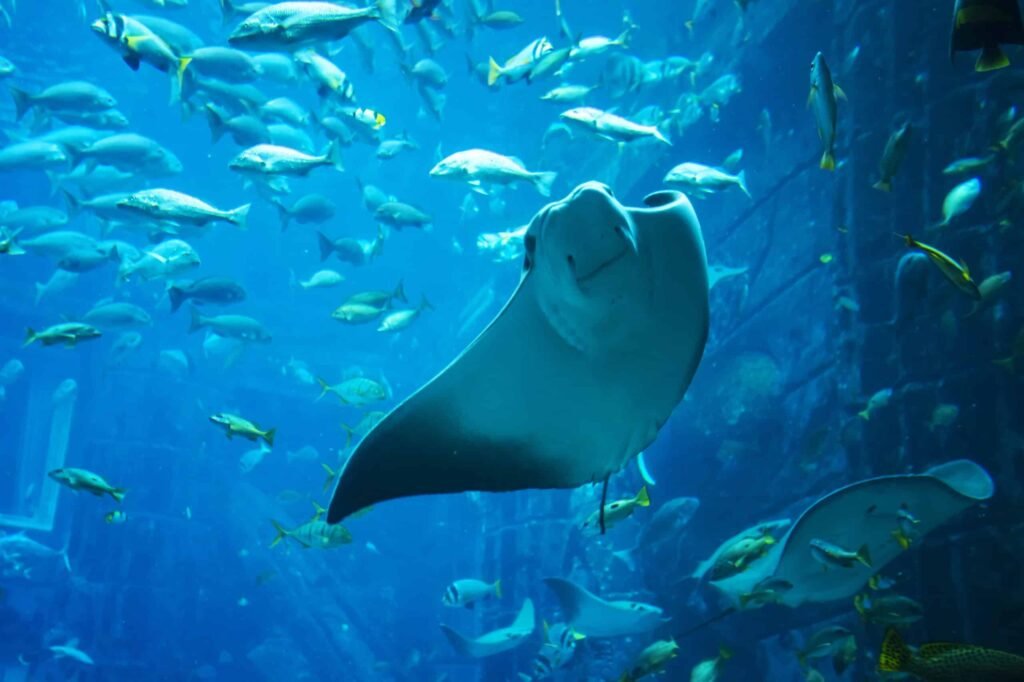
Working in aquariums involves engaging with both marine and freshwater species. Careers here are similar to those in zoos, with roles in animal care, research, education, and administration. Aquarists, for instance, are responsible for maintaining the habitats of marine life, monitoring water quality, and ensuring the proper nutrition of animals. Marine biologists working in aquariums may conduct research on marine ecosystems and fish populations, contributing to conservation efforts. Educators in aquariums strive to inform the public about marine conservation and the critical state of oceanic ecosystems.
Conservation Areas and Wildlife Reserves

For those interested in working directly in natural habitats, conservation areas provide opportunities to protect, manage, and study wildlife in their natural environments. Careers in conservation areas may include roles such as wildlife biologists, conservation officers, and environmental educators. Wildlife biologists conduct field research to monitor animal populations, study their behavior, and assess the impact of human activities. Conservation officers enforce wildlife protection laws and work on habitat restoration projects. Environmental educators within these areas aim to engage and educate communities about the importance of preserving natural habitats and biodiversity.
Other Career Paths in Zoology
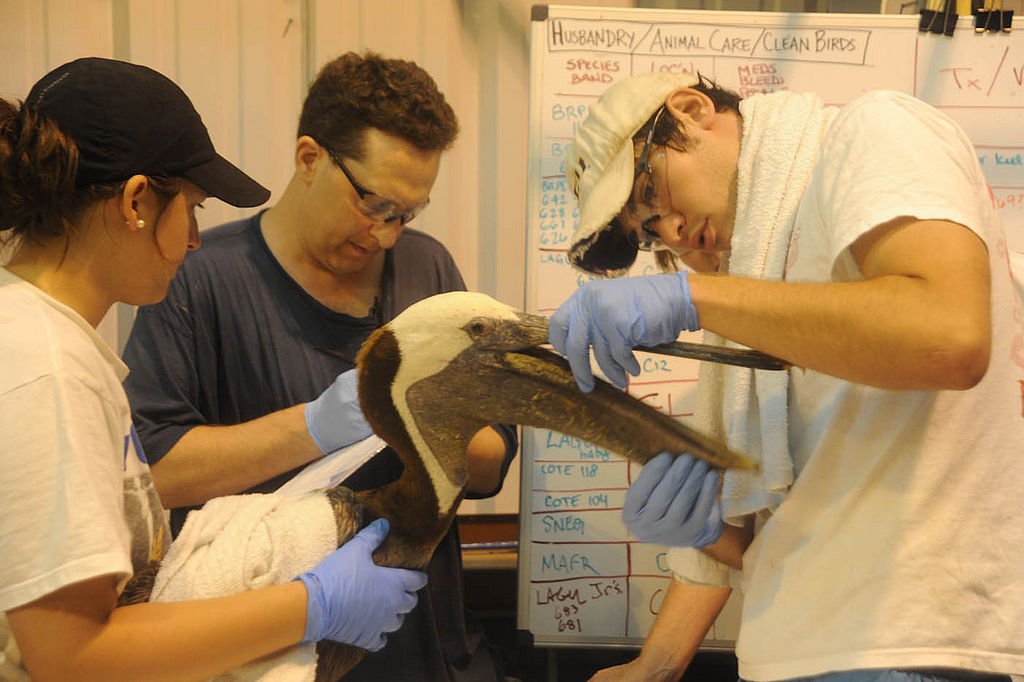
Beyond traditional roles in zoos, aquariums, and conservation areas, zoologists can pursue careers in research institutions, government agencies, non-profit organizations, and academia. Researchers may focus on studying specific species or ecological issues, while government roles might involve developing and implementing wildlife management policies. Non-profit organizations often work on large-scale conservation projects and advocacy for wildlife protection. Academic careers allow zoologists to teach the next generation of wildlife professionals, conduct research, and publish findings that contribute to the field.
Skills and Qualities of a Successful Zoologist

A successful career in zoology requires a combination of technical knowledge, practical skills, and personal qualities. Critical thinking and analytical skills are essential for conducting research and making informed decisions about animal care. A deep passion and commitment to wildlife conservation, coupled with excellent communication skills, are necessary for engaging and educating the public. Zoologists must also possess patience, resilience, and the ability to work in diverse and sometimes challenging environments. Strong observational skills and attention to detail are crucial for monitoring animal behavior and health.
Challenges and Rewards

While a career in zoology can be incredibly rewarding, it also comes with challenges. Working with wildlife can be physically demanding and may require irregular hours, especially for those in field research. There is also the emotional challenge of dealing with sick or endangered animals. However, the opportunity to contribute to the conservation of species, gain unique experiences, and inspire others to appreciate and protect wildlife far outweighs these challenges for many professionals in the field.
Conclusion

Careers in zoology offer diverse opportunities for those passionate about wildlife and conservation. Whether working in zoos, aquariums, or natural reserves, zoologists play a vital role in understanding and preserving the animal kingdom. Aspiring zoologists are encouraged to pursue the necessary education, gain hands-on experience, and develop the skills needed to succeed in this fulfilling field. By doing so, they can make significant contributions to wildlife conservation and inspire future generations to cherish the natural world.