In recent years, drones have become an invaluable tool in the field of wildlife conservation. As technology advances, these unmanned aerial vehicles (UAVs) are becoming more accessible and affordable, allowing conservationists to monitor endangered species more effectively than ever before. This development is transforming how scientists collect data, protect habitats, and ensure the survival of at-risk animals. This article explores the innovative ways drones are being used in the conservation of endangered species, highlighting key benefits and challenges associated with their use.
Enhanced Data Collection Capabilities
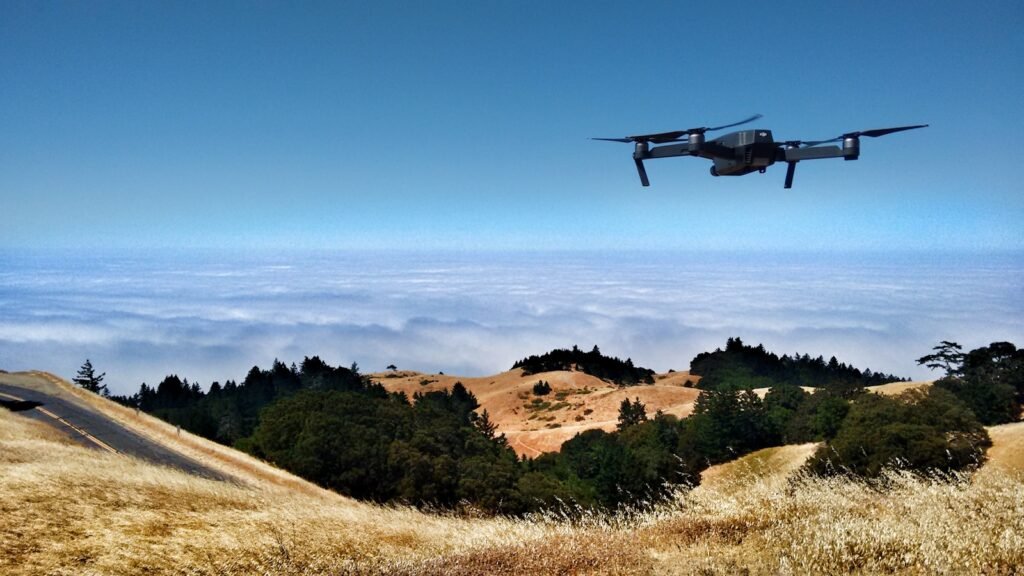
Drones have revolutionized data collection in wildlife conservation by offering a bird’s-eye view of vast and remote areas that are often difficult for humans to access. Equipped with high-resolution cameras and sensors, drones can capture detailed images and videos of wildlife populations. This technology allows researchers to monitor animal behaviors, track their movements, and collect population data without disturbing their natural habitats. For example, drones have been instrumental in studying large marine animals like whales and dolphins, providing crucial information about their feeding patterns and migration routes.
Accurate and Non-Invasive Monitoring
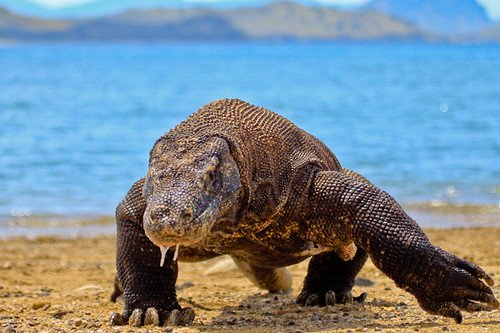
Traditional methods of monitoring endangered species often involve tagging or physically tracking animals, which can be intrusive and stressful for the wildlife. Drones, however, offer a non-invasive way to observe and gather data, minimizing human interference in natural ecosystems. They can fly quietly at high altitudes, capturing vital information without altering animal behavior. This is particularly beneficial for studying shy or elusive species that may be challenging to observe with ground-based methods.
Overcoming Geographic Barriers

Many endangered species inhabit regions with challenging terrain or climates, making it difficult for researchers to conduct fieldwork. Drones excel in such conditions, capable of flying over mountains, through dense forests, and across bodies of water with ease. This ability to navigate challenging environments enables scientists to reach previously inaccessible areas, leading to more comprehensive and accurate environmental assessments. Drones are being used, for example, in the Amazon rainforest to study biodiversity, deforestation, and the impact of human activity on wildlife habitats.
Efficient and Cost-Effective Solutions

Conservation efforts often face budgetary and resource constraints, making cost-effective solutions critical. Drones offer a relatively inexpensive alternative to traditional aerial surveys conducted with manned aircraft. They require less fuel, less personnel, and can cover large areas in a fraction of the time. This efficiency enables conservationists to allocate resources more effectively, conducting more frequent surveys and responding rapidly to environmental changes that may threaten endangered species.
Improved Anti-Poaching Efforts
Poaching remains a significant threat to many endangered species worldwide. Drones are playing a vital role in enhancing anti-poaching operations by providing real-time surveillance and monitoring of protected areas. Equipped with thermal imaging cameras, drones can detect illegal activities even at night, alerting park rangers and law enforcement in time to intervene. This technology has been successfully implemented in various national parks, leading to a decrease in poaching incidents and increased security for vulnerable wildlife populations.
Addressing Challenges and Ethical Considerations

While the use of drones in wildlife conservation presents numerous advantages, it also raises challenges and ethical considerations. Privacy concerns, wildlife distress, and airspace regulations are some of the issues that need to be addressed. Conservationists must ensure that drone operations comply with local laws and adhere to ethical standards to minimize potential harm to the animals and their habitats. Balancing technological advancement with conservation ethics is key to maximizing the positive impact of drones in this field.
The Future of Drones in Conservation

As drone technology continues to evolve, its application in monitoring endangered species is expected to expand further. Innovations such as artificial intelligence and machine learning are enhancing the analytical capabilities of drones, enabling automated identification of individual animals and better prediction of ecological trends. The future of drones in conservation holds great promise, providing scientists and conservationists with the tools they need to protect the world’s most vulnerable species and preserve biodiversity for generations to come.