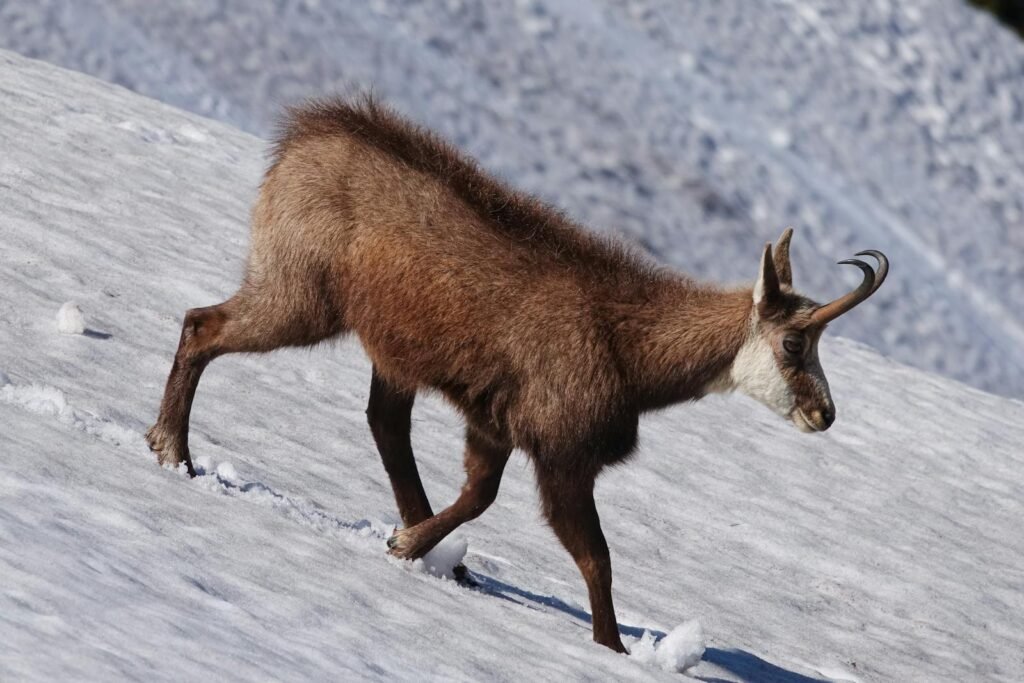
Conservation genetics is an exciting and rapidly evolving field that merges principles of genetics with efforts to protect and conserve endangered species. This discipline uses genetic data to help manage wildlife populations, aiming to maintain biodiversity and prevent extinction. Understanding the genetic dynamics of threatened species can reveal insights into their population sizes, genetic diversity, and evolutionary resilience, leading to more effective conservation strategies.
The Importance of Genetic Diversity

Genetic diversity is the foundation of a species’ ability to adapt, survive, and thrive in changing environments. It provides the raw material for evolution and is crucial for populations to withstand pressures such as diseases, climate change, and habitat loss. Low genetic diversity can lead to inbreeding and increase the likelihood of genetic disorders, reducing a species’ chances of survival over time. Conservation genetics plays a pivotal role in assessing and managing this genetic diversity, aiming to preserve as much variation as possible.
Tools and Techniques in Conservation Genetics

Modern conservation genetics relies on a suite of advanced tools and techniques that allow researchers to analyze genetic material in great detail. DNA sequencing, genotyping, and the study of mitochondrial DNA are just a few methods employed to gather genetic data. These tools enable scientists to identify genetic differences within and between populations, assess the genetic health of these populations, and make informed decisions about their conservation.
Applications of Conservation Genetics
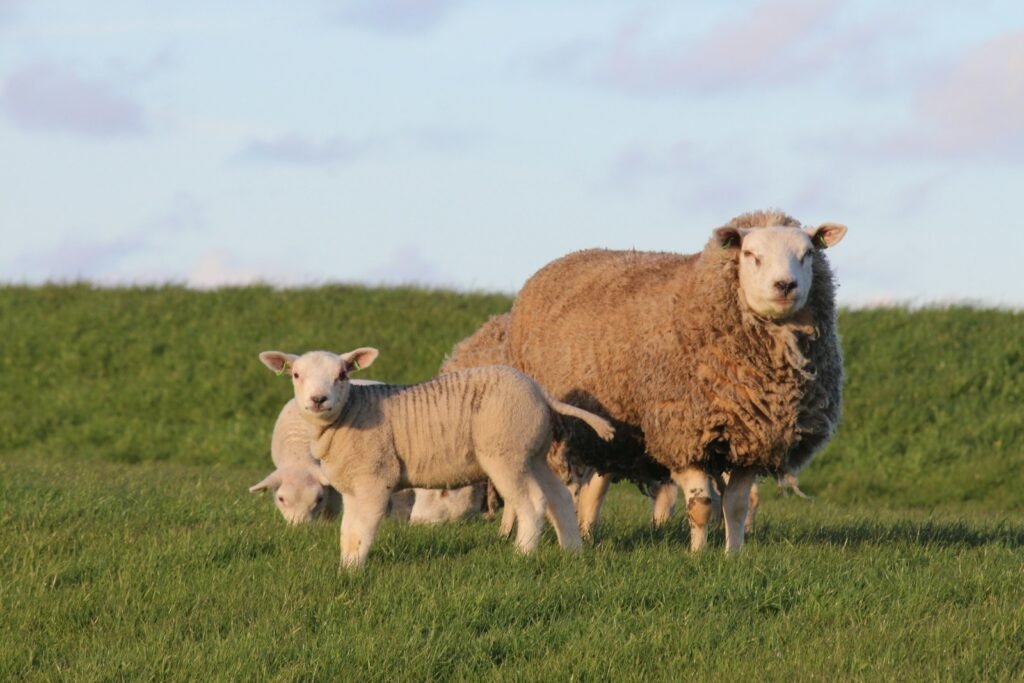
Conservation genetics has several practical applications that significantly contribute to wildlife conservation efforts. One notable application is in the management of breeding programs. By analyzing the genetic makeup of individuals, conservationists can make strategic decisions to pair animals in a way that maximizes genetic diversity and strengthens populations.
Another key application is in identifying and prioritizing populations for conservation. Genetics can reveal which populations possess high levels of unique genetic diversity or are genetically distinct, suggesting they should be prioritized for conservation actions to preserve their unique traits.
Success Stories

There are several notable success stories where conservation genetics have played a critical role in protecting endangered species. For example, the Florida panther was facing severe inbreeding depression until conservationists introduced Texas cougars to increase genetic diversity. Through genetic monitoring and careful management, the genetic health of the population improved significantly.
Another example is the giant panda, where genetic analyses helped refine breeding programs and guide habitat protection efforts, contributing to the species’ recent reclassification from “endangered” to “vulnerable.”
Challenges and Considerations

Despite its potential, conservation genetics faces challenges that must be considered. One of the primary challenges is accessing high-quality and sufficient genetic data from wild populations, which can be difficult and expensive. Additionally, translating genetic data into actionable conservation strategies requires interdisciplinary collaboration, which can be logistically and politically complex.
Ethical considerations also play a role, particularly concerning the genetic manipulation of species and the potential unintended consequences of such actions. Conservation strategies should remain focused on preserving natural processes and respecting ecological balance.
The Future of Conservation Genetics
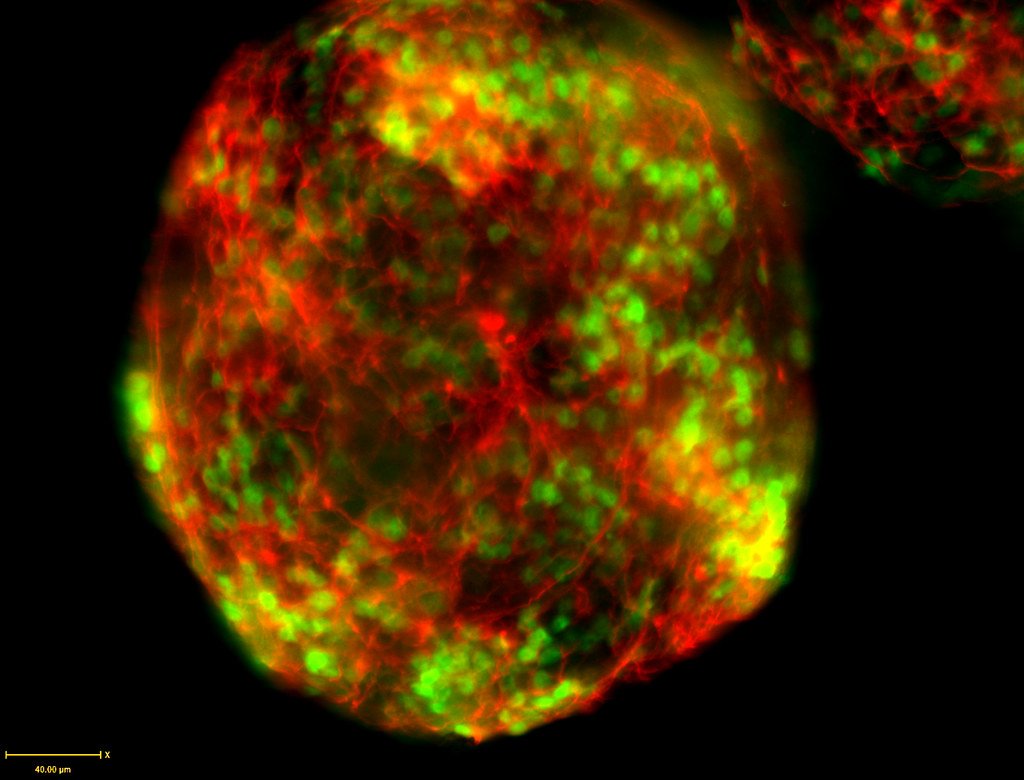
The future of conservation genetics is bright, with ongoing technological advancements offering new possibilities. CRISPR and other gene-editing technologies present the potential to address genetic disorders directly within wild populations, although their use remains controversial and warrants careful consideration.
As climate change and human activities continue to impact biodiversity, integrating genetic insights into larger conservation frameworks will be crucial. Education and outreach will also be vital in building public support for these initiatives, ensuring continued momentum in the fight to save endangered species.
Conclusion
Conservation genetics stands at the intersection of science and conservation, offering powerful tools to protect endangered species from extinction. By prioritizing genetic diversity and understanding genetic dynamics, we can create robust, effective conservation strategies that safeguard our planet’s incredible biodiversity for future generations.