Lions, often referred to as the “kings of the jungle,” play a crucial role in the ecosystems of Africa. As top predators, they have significant impacts on both the environment and the species that inhabit it. Understanding their role within these ecosystems is vital for effective conservation efforts. In this article, we will explore the ecological significance of lions, the challenges they face, and the measures being implemented to ensure their survival.
The Ecological Significance of Lions

Lions are apex predators, meaning they occupy the top position in the food chain. Their position as dominant hunters helps to regulate prey populations, ensuring that no single species becomes too dominant. This maintains a balance within the ecosystem, which is crucial for its overall health and stability. By preying on herbivores such as zebras, antelopes, and wildebeests, lions help manage these populations and prevent overgrazing, which can lead to habitat degradation.
Lions and Biodiversity
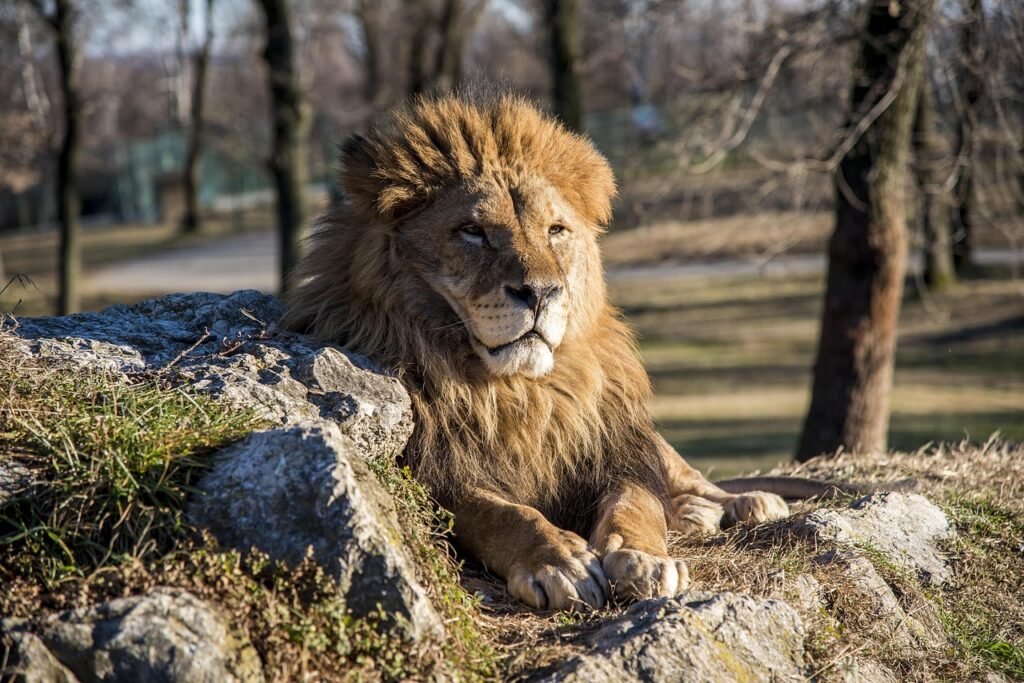
The presence of lions within an ecosystem can have a cascading effect on biodiversity. By controlling herbivore populations, lions indirectly protect plant species, which in turn benefits other wildlife that depends on those plants for survival. This trophic cascade ensures a diverse range of species can flourish, contributing to a more resilient and stable environment.
Challenges to Lion Populations

Despite their ecological importance, lion populations are under threat. The International Union for Conservation of Nature (IUCN) lists African lions as vulnerable, with populations decreasing due to numerous factors, including habitat loss, human-wildlife conflict, and poaching. The expansion of human settlements and agriculture into lion territories leads to habitat fragmentation and a decrease in their natural prey. In addition, lions are often killed to protect livestock, exacerbating their decline.
Conservation Strategies for Lions
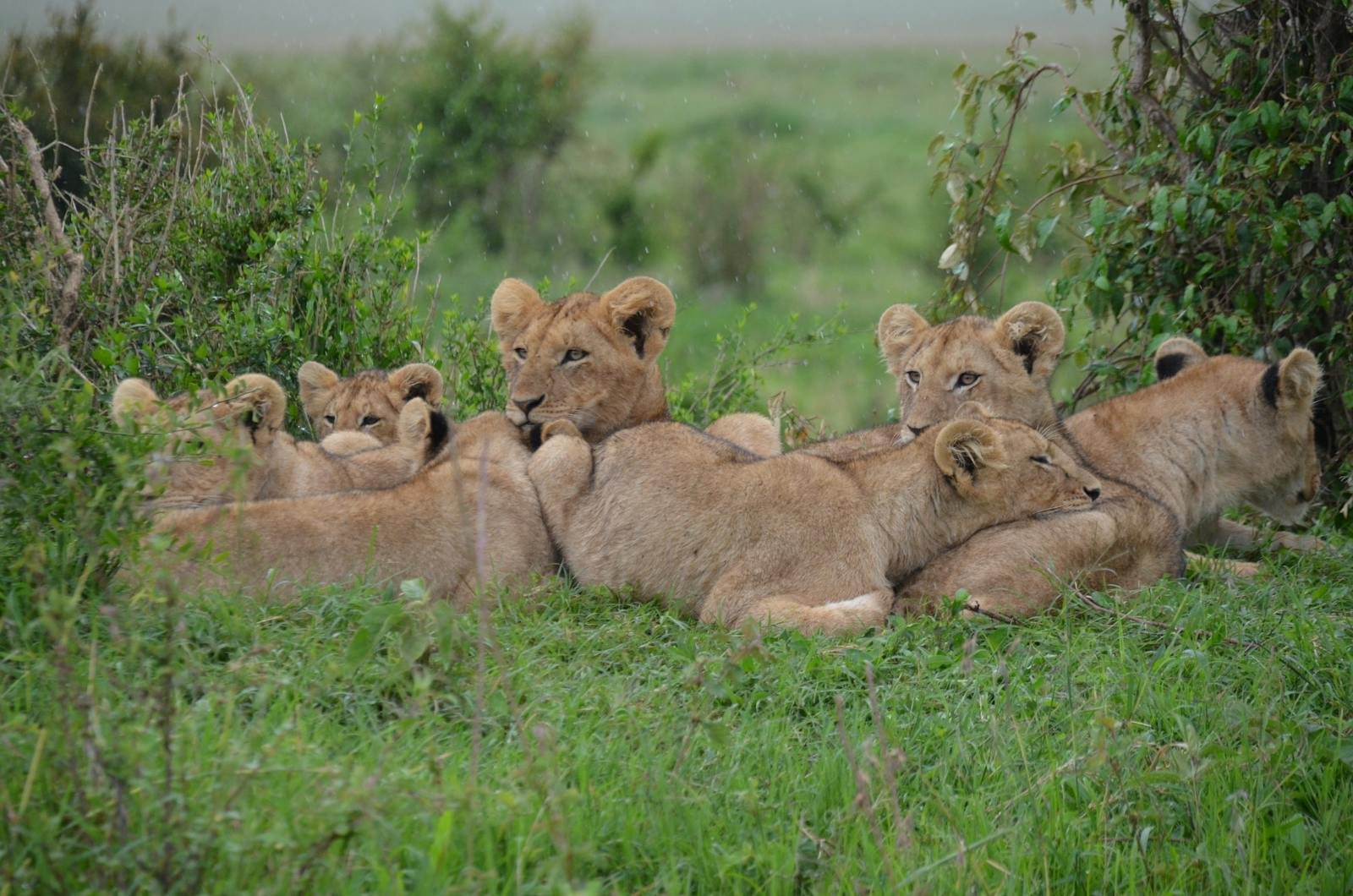
Numerous conservation strategies are being implemented to preserve lion populations. These initiatives focus on habitat conservation, anti-poaching measures, and promoting coexistence between humans and lions. Protected areas, such as national parks and wildlife reserves, provide safe havens where lions can hunt and roam without the threat of human encroachment.
Initiatives like community-based conservation help foster a positive relationship between local communities and wildlife. By involving communities in conservation efforts and providing economic incentives through eco-tourism, these programs aim to reduce human-wildlife conflict and promote sustainable coexistence.
The Role of Technology in Lion Conservation

Advancements in technology are playing an increasingly important role in lion conservation. GPS collars and camera traps allow researchers to track lion movements and behaviors, providing valuable data that informs conservation strategies. Drones are also used for monitoring hard-to-reach areas, enabling conservators to effectively manage habitats and respond to threats in real-time.
Conclusion
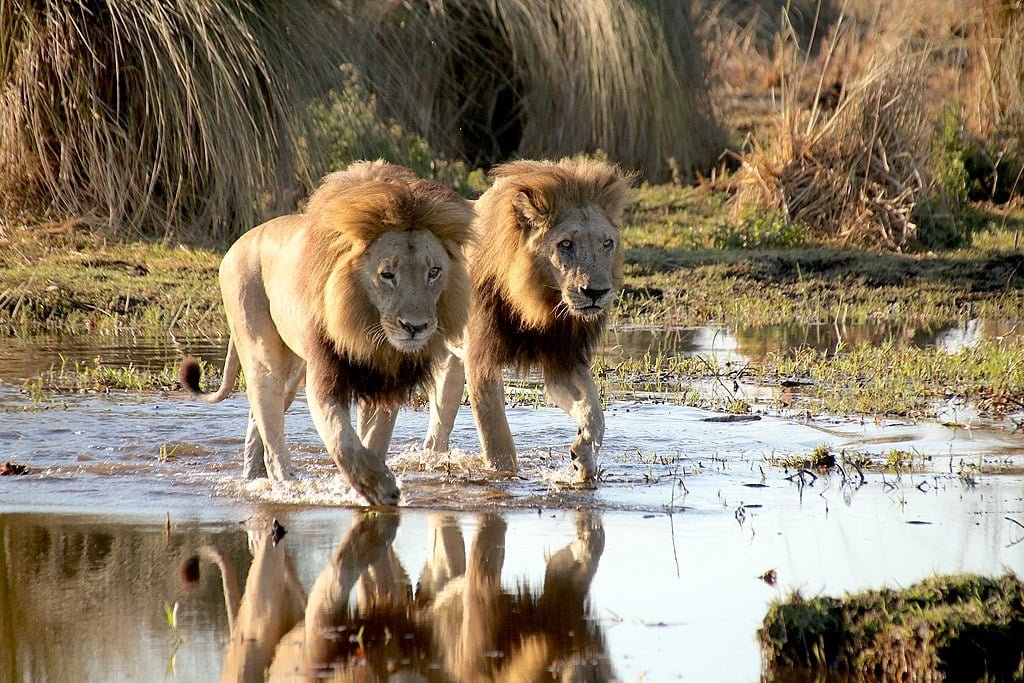
Lions are integral to the health of African ecosystems, and their conservation is essential for maintaining biodiversity and ecological balance. Through a combination of protected areas, community engagement, and technology, we can help ensure the survival of these magnificent predators. It is imperative for governments, conservation organizations, and local communities to work together to address the challenges lions face, securing a future where they continue to reign as the kings of Africa’s landscapes.