
Overfishing is a growing threat to ocean ecosystems, disrupting marine life, depleting fish populations, and endangering communities that rely on fishing for their livelihoods. By harvesting fish faster than they can reproduce, this practice harms biodiversity, destroys habitats, and throws food chains off balance. From the collapse of Atlantic cod populations off Newfoundland to the unintentional capture of endangered species, the effects of overfishing are far-reaching. Addressing this issue is crucial to protecting marine life and ensuring sustainable oceans for future generations.
Decline of Fish Populations
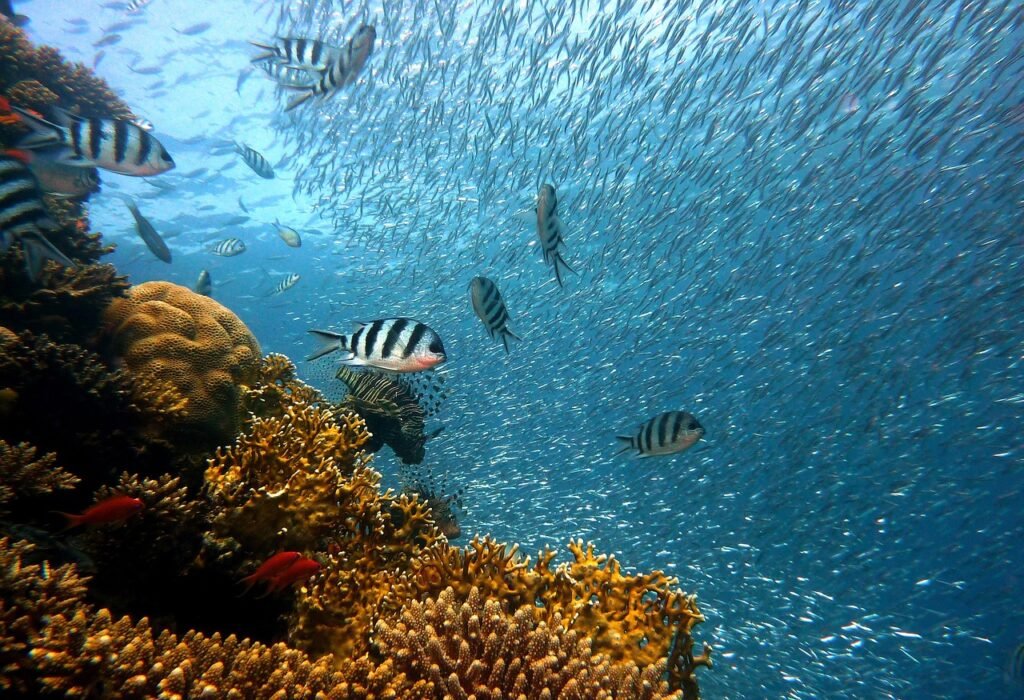
Overfishing occurs when fish are harvested faster than they can reproduce, leading to dwindling populations. For instance, the Atlantic cod off Newfoundland’s coast has seen drastic declines due to intense fishing pressure. This depletion affects the entire food chain, as many species depend on cod as a primary food source.
Damage to Marine Habitats

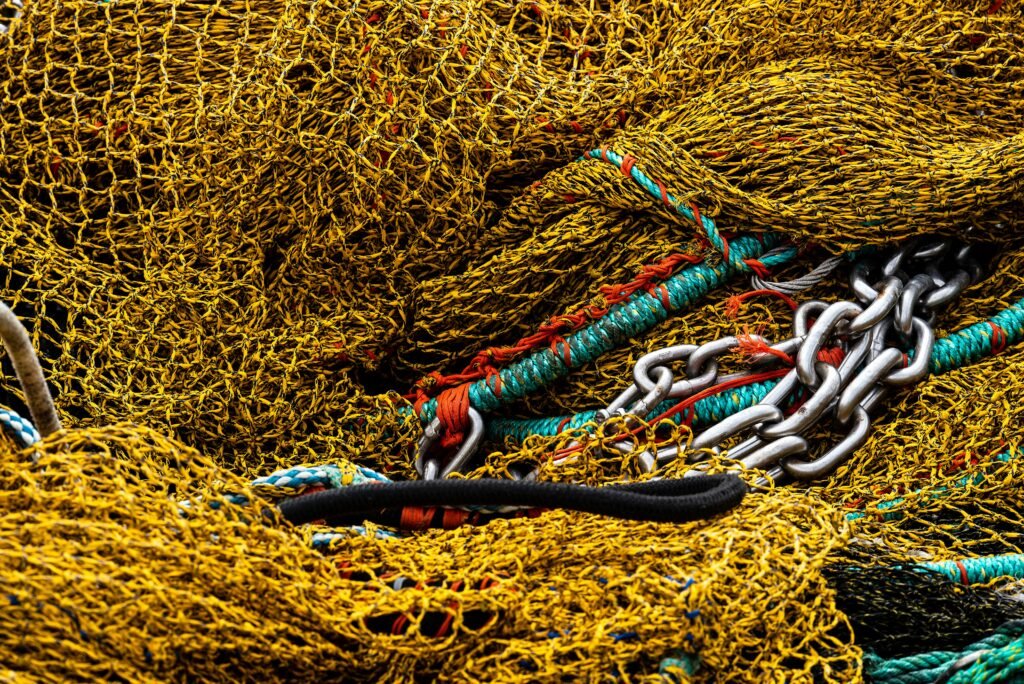
Certain fishing methods, like trawling, involve dragging heavy nets across the sea floor, causing significant damage to underwater habitats such as coral reefs and seagrass beds. These habitats are essential for the survival and reproduction of many marine creatures, and their destruction has long-term effects on marine biodiversity.
Bycatch and Its Consequences

Bycatch refers to the unintentional capture of non-target species like dolphins, sea turtles, and seabirds during fishing operations. This often results in injury or death for these animals. For example, shrimp trawling has recorded high levels of bycatch, negatively impacting populations of endangered species.
Disruption of Marine Food Chains
Removing large numbers of specific fish species disrupts the natural predator-prey balance within marine ecosystems. This imbalance can lead to the overpopulation of certain species, further altering the ecosystem and potentially causing the collapse of fish stocks.
Economic Impacts on Coastal Communities

Overfishing not only affects marine life but also has significant economic consequences. Coastal communities that rely on fishing for their livelihoods face reduced catches, leading to financial instability and loss of income. Sustainable fishing practices are essential to support these communities.
Threats to Food Security
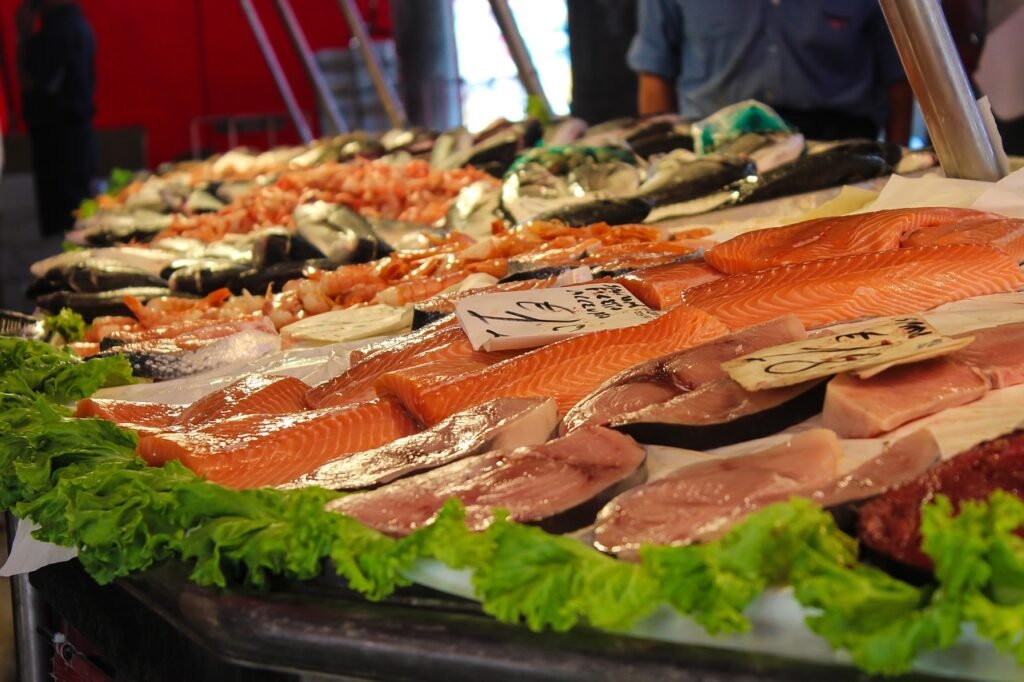
Fish are a vital source of protein for millions of people worldwide. Overfishing threatens food security by reducing the availability of fish, impacting nutrition, especially in developing countries where fish is a primary food source.
Loss of Marine Biodiversity
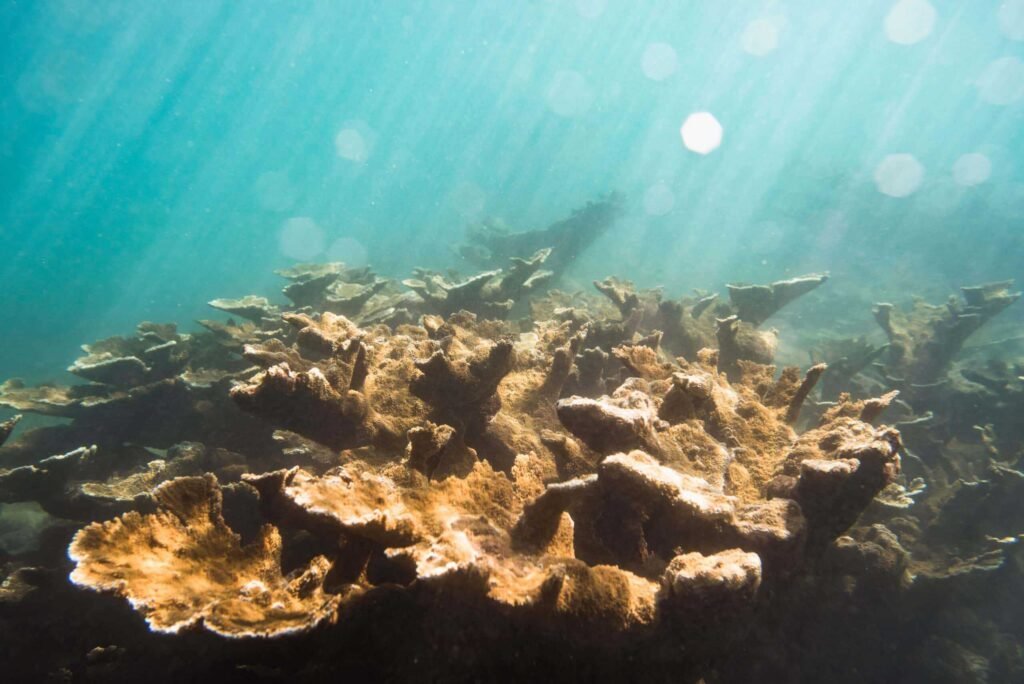
The continuous removal of certain fish species leads to a loss of biodiversity. This loss weakens the resilience of marine ecosystems, making them more vulnerable to environmental changes and reducing their ability to provide essential services.
Impact on Endangered Species
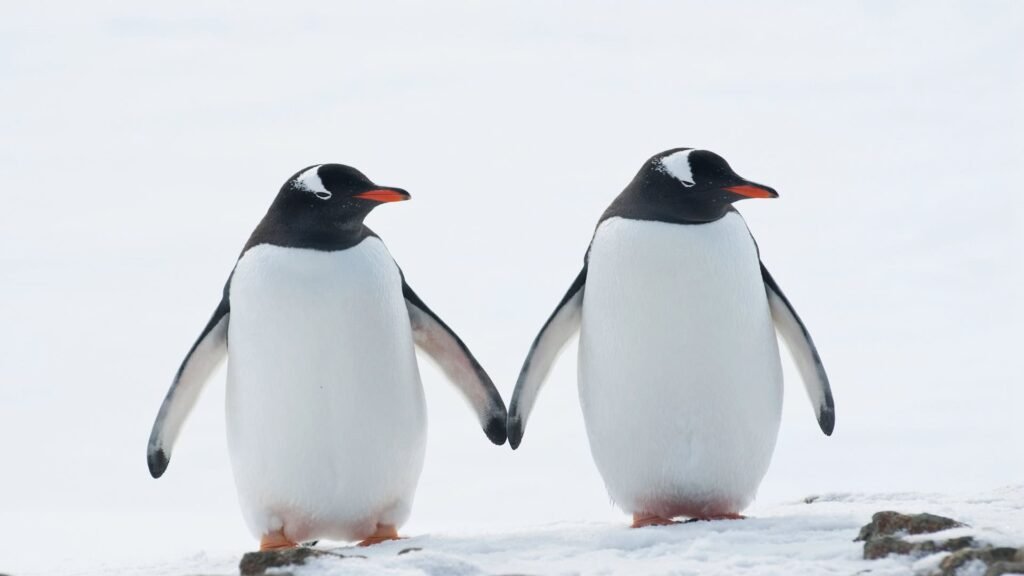
Overfishing poses a significant threat to endangered species. For example, the African penguin population has decreased by 97% in the past century, primarily due to overfishing of their prey, such as sardines and anchovies.
Role of Sustainable Fishing Practices

Implementing sustainable fishing practices, such as setting quotas and using environmentally friendly fishing methods, is crucial to allow fish populations to recover and maintain the health of marine ecosystems. Supporting responsible aquaculture can also help reduce pressure on wild fish stocks.
Importance of Global Cooperation

Addressing overfishing requires global cooperation to enforce regulations, monitor fishing activities, and promote sustainable practices. International agreements and collaboration are essential to ensure the long-term health and sustainability of our oceans.