
Every now and then, history behaves like a stubborn old vault: we hear the clank of mechanisms moving, we see a crack of light, and then… nothing. Just when experts think they’re close to cracking an ancient mystery, new evidence appears and rips the theory apart. That tension between “we almost know” and “we really don’t” is exactly what makes some ancient puzzles so addictive to read about.
These are not simple whodunits. They’re unfinished stories carved into stone, buried in desert sands, and left in forgotten scripts. I still remember the first time I read about one of these mysteries as a teenager; it felt like someone had handed me a key to a door that didn’t exist yet. The puzzles below continue to haunt archaeologists, historians, and curious night-owls scrolling history threads at 2 a.m. – and you’re about to see why.
The Disappearance of the Indus Valley Civilization
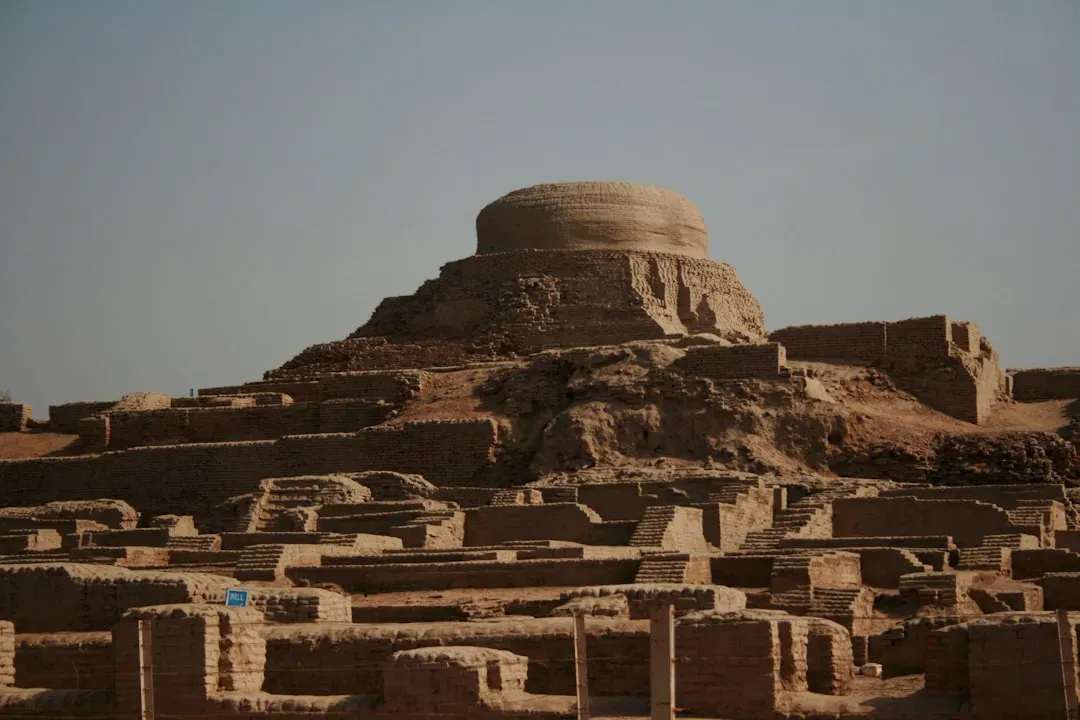
Imagine a civilization so advanced that its cities had precise grid layouts, standardized bricks, and what look like early sewage systems – then one day, its story simply stops. That’s the Indus Valley Civilization, spread across what is now Pakistan and northwest India, flourishing roughly four thousand years ago in cities like Harappa and Mohenjo-daro. Archaeologists have found evidence of sophisticated trade, peaceful urban planning, and a culture that left behind thousands of seals and artifacts.
And yet, no one can say with certainty why it collapsed or where its people went. There are theories: shifting river courses that strangled agriculture, gradual climate change, internal social stress, or disease. Some suggest slow decline rather than dramatic catastrophe, more like a light dimming than a bulb shattering. The biggest frustration? Their script remains undeciphered, so the civilization that organized its cities so neatly still refuses to tell us, in its own words, what happened in the end.
The Purpose of Stonehenge
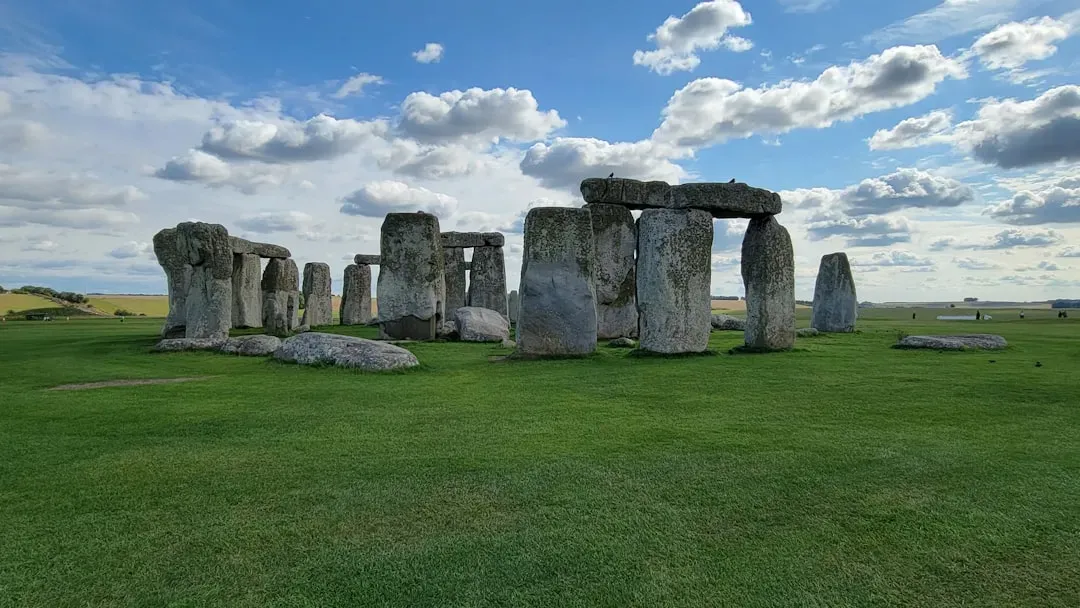
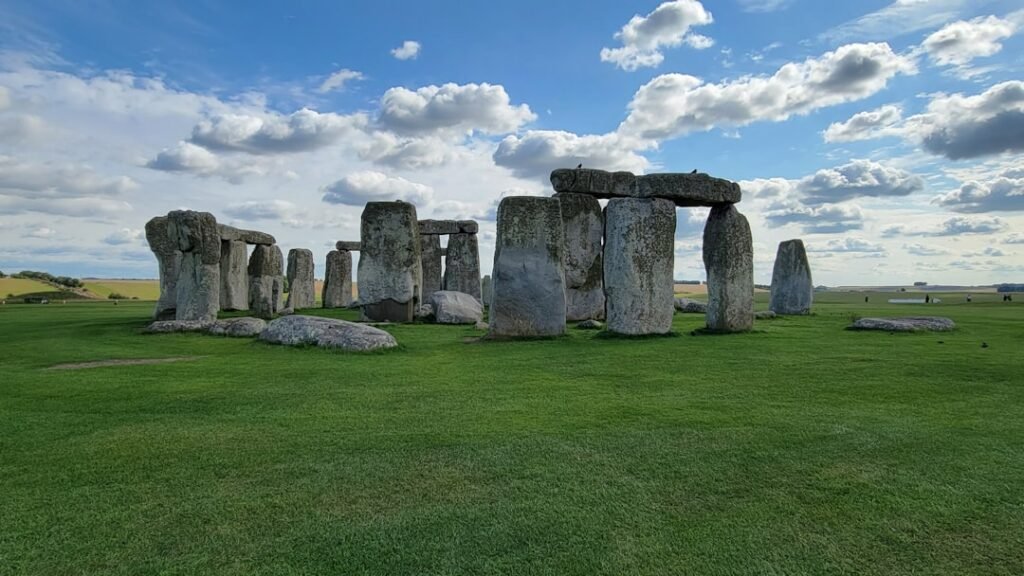
There’s something almost unsettling about standing in front of Stonehenge in southern England, knowing those massive stones were dragged and arranged by people who had no metal tools, no wheels, and yet somehow pulled off precise alignments. Archaeological digs have revealed that Stonehenge was built in stages over many centuries, with different stone circles and nearby burial mounds suggesting it was part of a much larger ritual landscape. It clearly mattered enough for people to invest enormous time and energy into reshaping the land.
But the big question – why? – remains stubbornly out of reach. Some evidence points to an astronomical function, with alignments to solstices hinting at ceremonial calendars or rituals tied to the sun’s yearly journey. Others see it as a cemetery for an elite, or a pilgrimage site where communities gathered and feasted. The most likely answer is that Stonehenge was many things at once: observatory, shrine, cemetery, and social glue. The people who built it probably didn’t separate “religion” and “science” the way we do, which might be why modern explanations keep falling short.
The Identity of the Sea Peoples
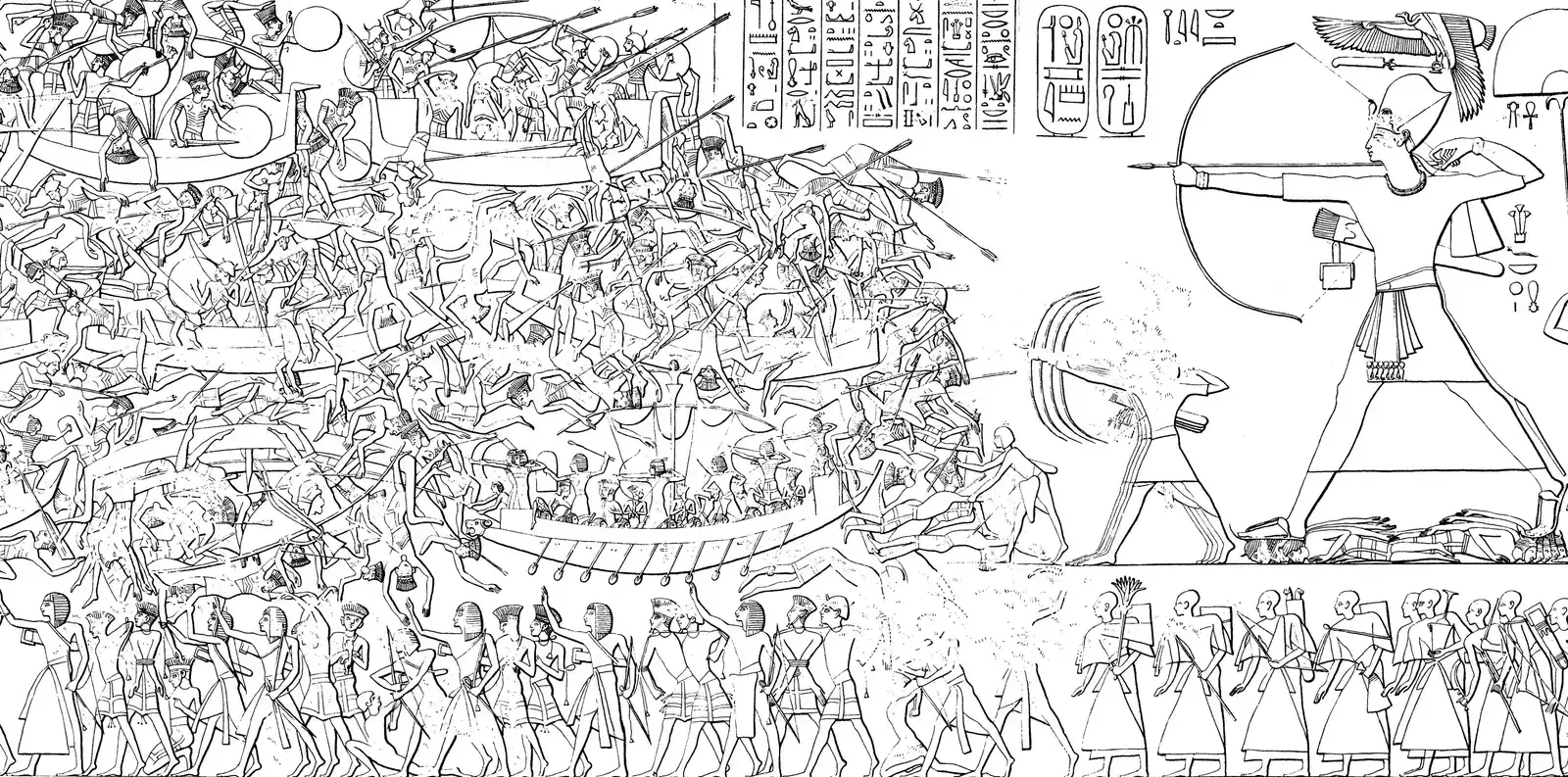
At the tail end of the Bronze Age, around three thousand two hundred years ago, something violent and chaotic swept across the eastern Mediterranean. Powerful kingdoms like the Hittites collapsed, cities burned, and trade networks snapped. In Egyptian inscriptions, a mysterious group shows up again and again: the so-called Sea Peoples, described as foreign invaders attacking by land and by sea. These texts depict them as a confederation with different tribal names, but never bother to explain who they really were.
Modern scholars have tried to match those names with familiar regions: maybe migrants from the Aegean, displaced groups from Anatolia, desperate refugees from crumbling societies. Some argue they weren’t a single people at all, but a collection of various groups caught in a spiral of climate change, famine, and political collapse. It’s tempting to blame a shadowy enemy for a world falling apart, but the evidence suggests something more complex: a perfect storm of drought, internal rebellions, and shifting trade routes. The Sea Peoples remain both real and symbolic – a label pinned to a crisis that no one fully understands.
The Voynich Manuscript’s Impossible Script
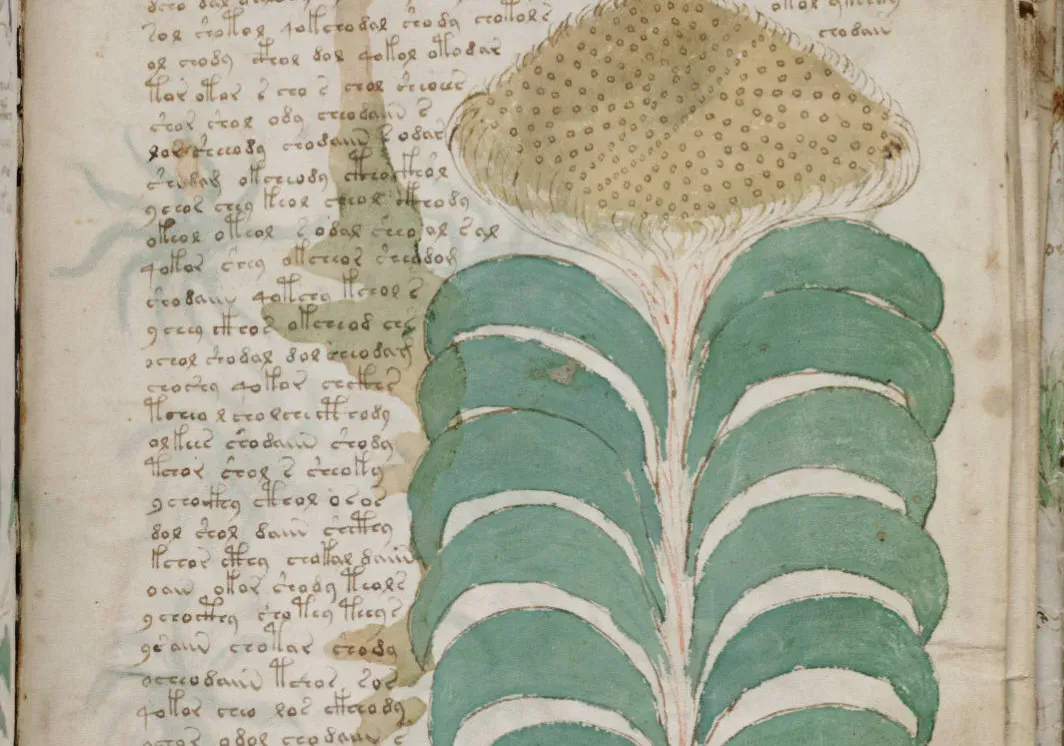
The Voynich Manuscript looks like a prop from a fantasy movie: a thick, centuries-old book filled with looping, unreadable script and strange illustrations of plants, stars, and nude figures in green pools. Carbon dating places it in the early fifteenth century, and it’s written in an unknown language or code that has stubbornly resisted every attempt at decipherment. Linguists, codebreakers, and even modern algorithms have all taken a crack at it, and still the text refuses to give up its meaning.
What keeps everyone hooked is that the writing behaves suspiciously like a real language. It has patterns, structure, and curious regularities that don’t quite match outright nonsense. Some think it’s an elaborate hoax created in the Middle Ages to dazzle a rich patron, while others see it as a lost medicinal, astrological, or scientific compendium encoded for secrecy. Every few years, a new claim of “decoding” makes headlines, only to fall apart under scrutiny. The manuscript sits there, smugly silent, a reminder that even in the age of supercomputers, a single book can still beat us.
The Fate of the Lost Ninth Roman Legion
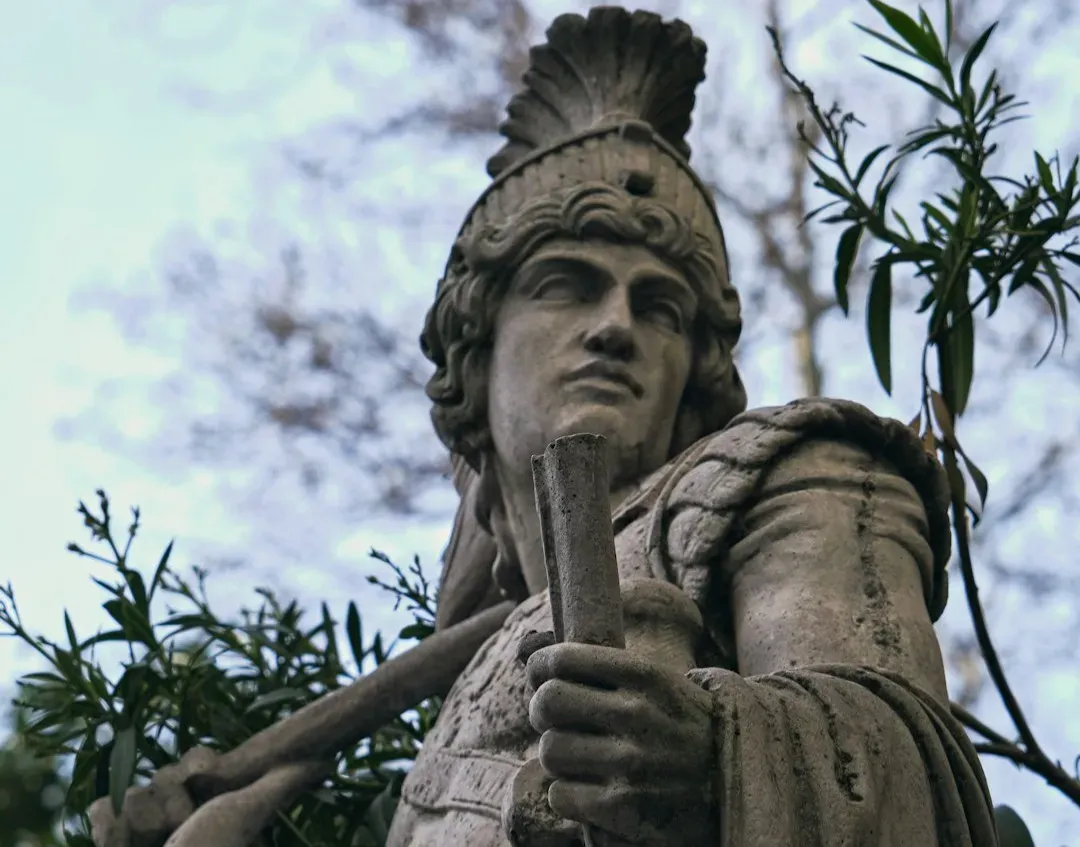
Few ancient stories feel as cinematic as the mystery of Rome’s Ninth Legion, the Legio IX Hispana. This legion carved its way across Europe, fought in major campaigns, and was stationed in Britain in the early second century. Then, almost without warning, its trail just… fades. Long-standing popular theories imagined the Ninth marching into northern Britain and being wiped out by local tribes, a vision of legionary eagles sinking into mist and bog.
Modern research has turned the story into an even bigger puzzle. Some evidence suggests elements of the legion or its officers may have turned up in other parts of the empire later on, hinting at relocation rather than annihilation. The problem is that Roman records are patchy, and silence in the sources can mean many things: quiet transfer, political embarrassment, or bureaucratic shrug. The Ninth has become a kind of Rorschach test for how we imagine empire – either invincible until it breaks, or quietly reabsorbed and forgotten by its own system.
The Origin and Purpose of the Nazca Lines
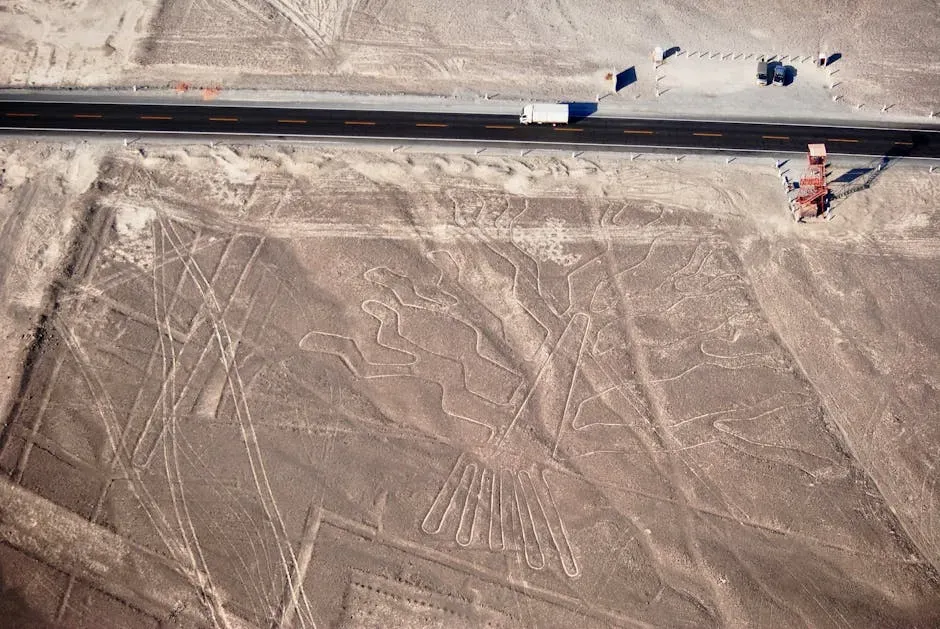
From the ground, the Nazca Desert in Peru looks barren and empty. From above, it turns into a vast sketchpad etched with huge geoglyphs: hummingbirds, monkeys, straight lines stretching for kilometers, and geometric shapes so large you can only fully see them from the sky. These lines were made by removing the dark surface pebbles to expose lighter soil underneath, and they’ve survived for centuries thanks to the region’s dry, stable climate. They’re the kind of thing that makes your brain itch: why would a premodern culture create gigantic designs they couldn’t easily view in full?
Researchers have suggested religious processions, astronomical markers, pathways to sacred places, or symbols linked to water and fertility in a harsh environment. Some lines seem to point toward mountain ranges or ancient ritual sites, while other shapes cluster near possible water sources. The old “aliens did it” claim still pops up in popular culture, mostly because it’s easier than accepting that human imagination can be strange and ambitious. The real answer is probably grounded in local beliefs and rituals we no longer fully understand, which makes the desert feel like an enormous, half-erased prayer.
The Builders of Göbekli Tepe
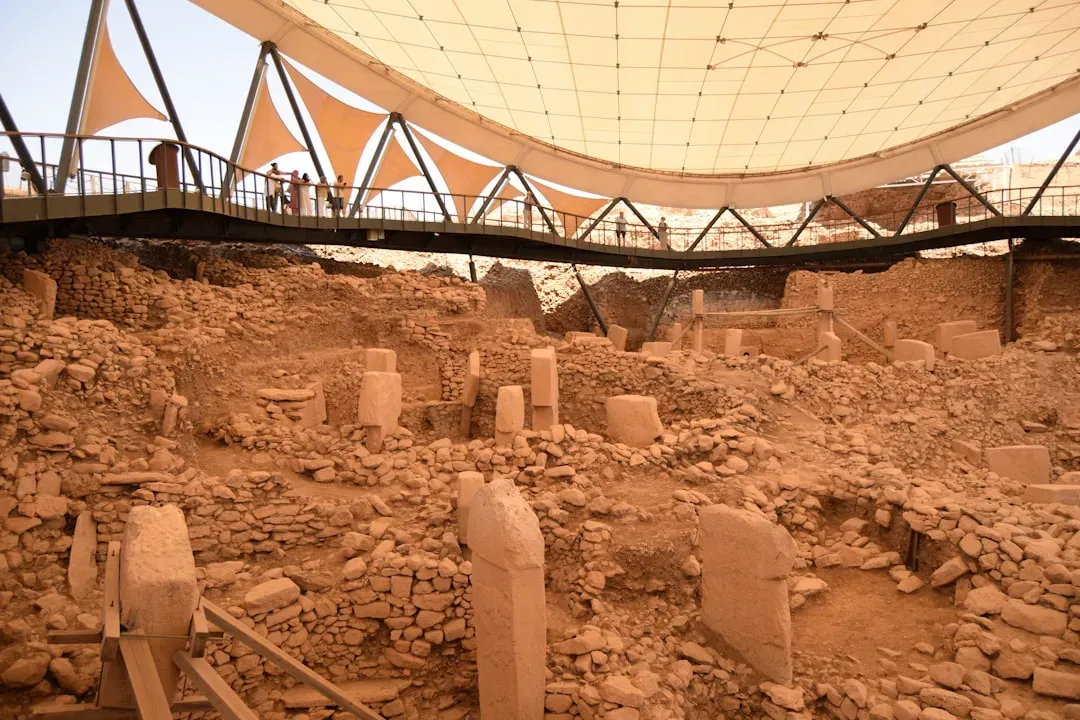
Göbekli Tepe in southeastern Turkey has turned the timeline of human civilization upside down. It’s a complex of huge stone pillars arranged in circles, decorated with carved animals and abstract symbols, and it dates back more than eleven thousand years – long before cities or pottery in most regions. The usual story we tell is that agriculture leads to villages, then cities, then temples. But at Göbekli Tepe, it looks like people built a monumental ritual site first, before they had fully settled farming communities.
That raises a haunting question: who were these people, and how did they organize the labor to carve and move such massive stones? The site appears to have been deliberately buried after centuries of use, as if the builders retired it on purpose. Some archaeologists argue it was a communal cult center where scattered hunter-gatherer groups gathered seasonally, forging social ties and shared myths. If that’s true, religion or shared ritual might have been the glue that pulled people together strongly enough to make farming and permanent settlement seem worthwhile. In other words, belief could have built the stones that then built civilization.
The Undeciphered Indus Script
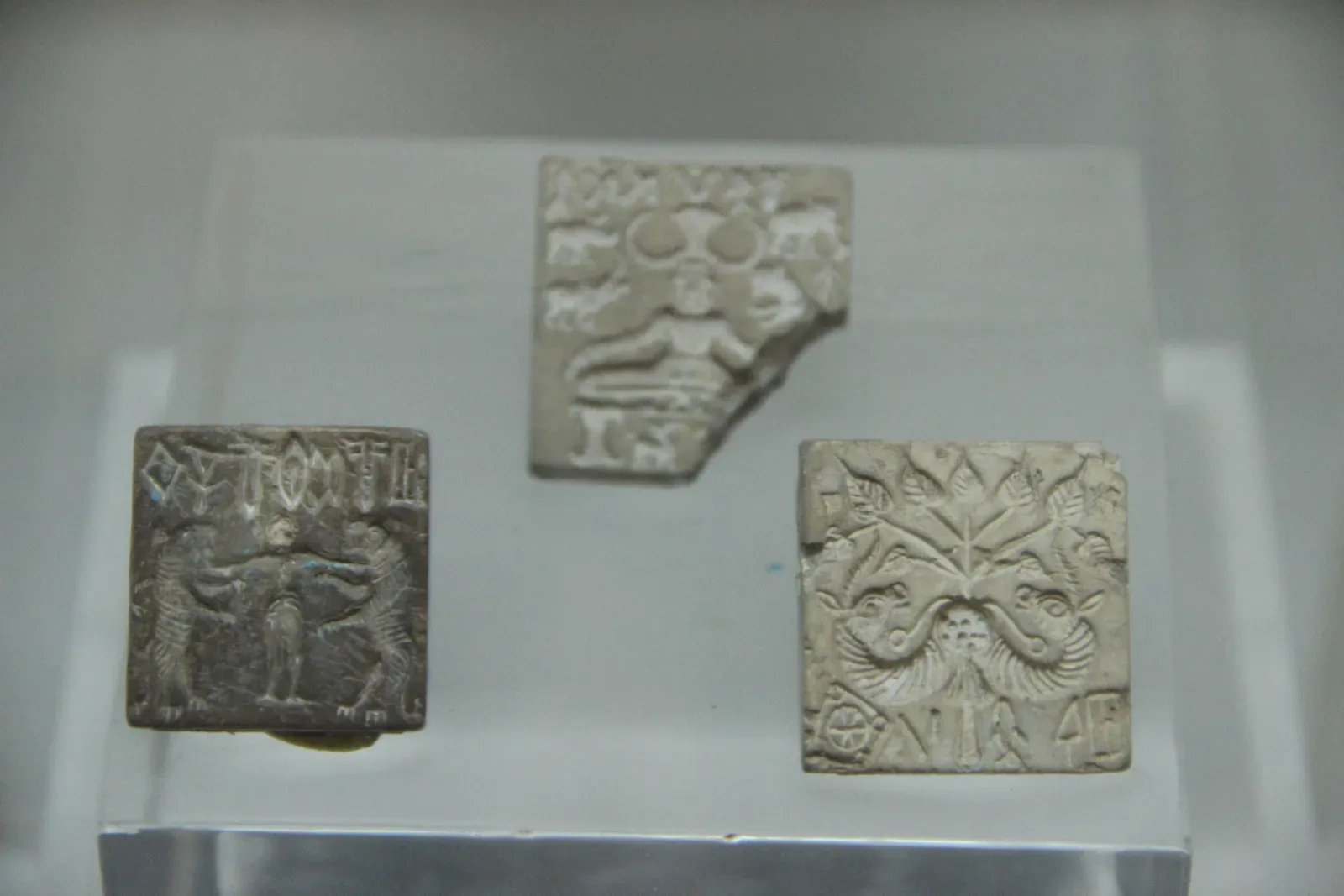
On tiny seals, pottery shards, and amulets from the Indus Valley Civilization, there’s a compact, elegant script: short lines of symbols arranged in consistent patterns, repeated across sites hundreds of kilometers apart. It looks tantalizingly like writing, with signs that seem to follow rules and maybe even indicate names or titles. Unlike other ancient scripts, though, no one has found a bilingual “Rosetta Stone” that pairs Indus signs with a known language, and the inscriptions are often very short, which makes decryption incredibly hard.
Some researchers argue that the symbols might not be a full writing system at all, but a set of non-linguistic signs used for identification, trade, or religious purposes. Others see enough structure to insist that it really does encode language, perhaps an early Dravidian tongue or something completely lost. Computer analyses have suggested patterns that resemble known written languages, keeping hope alive that one day a breakthrough will connect those tiny symbols to spoken words. For now, the people who planned their cities with such clear logic still speak to us only in silent pictures and undeciphered marks.
The Vanished City of Helike
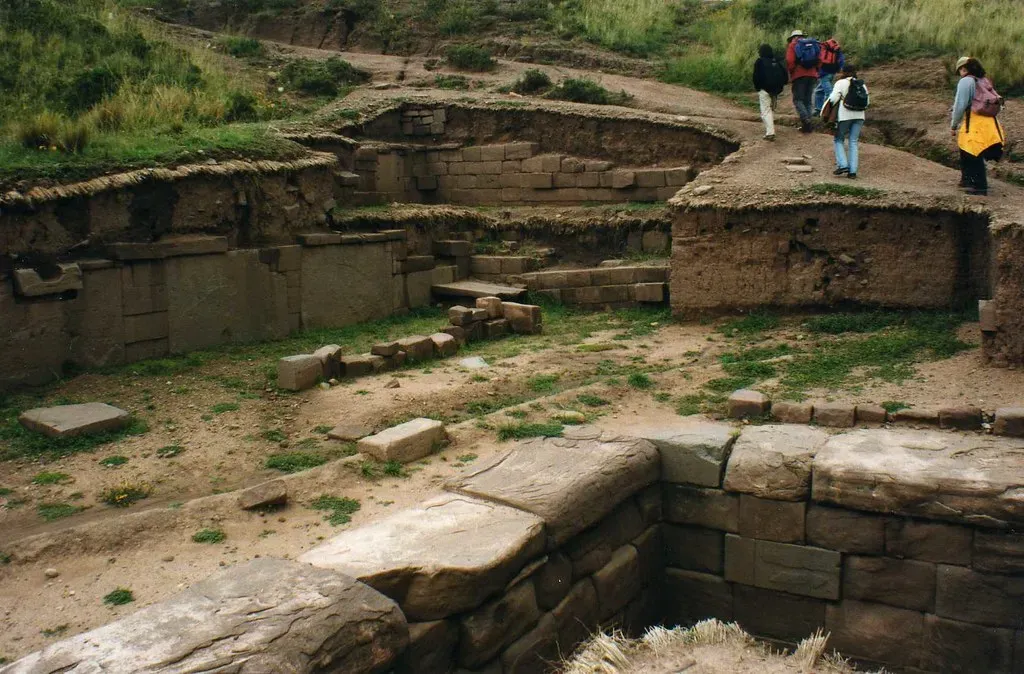
Long before stories of Atlantis spread, there was a real Greek city called Helike that vanished in a single night. Ancient writers describe an earthquake and a massive flood around the fourth century BCE that swallowed the city, leaving only a lagoon where it once stood. For centuries, Helike’s location was debated or dismissed as legend, a cautionary tale about hubris and natural disaster told more as moral story than geographical fact.
In the late twentieth and early twenty-first centuries, archaeologists finally found compelling remains near the Gulf of Corinth that match the descriptions: submerged ruins and buried layers showing seismic destruction and sudden inundation. Yet even with this progress, big questions linger. Was Helike a modest regional town or a more significant center than later writers admitted? How exactly did local geology, tsunamis, and fault lines combine to erase it so completely from the landscape? Helike sits at a crossroads between myth and geology, reminding us that some “lost cities” are not just fantasy – they’re warnings written in mud and stone.
These nine puzzles are like loose threads poking out of the fabric of our shared past, inviting anyone with a curious mind to tug on them. We may never get final, neat answers, but in chasing them, we end up asking better questions about how people live, believe, build, and break. The mysteries endure, but so does the urge to solve them, and maybe that stubborn curiosity is the most revealing part of the story.