
Most people think they know American wildlife: bald eagles, bison, alligators, maybe a black bear if they have good luck or bad timing. But hidden in deserts, swamps, and mountain forests are animals so strange and surprising they sound like they were dreamed up for a fantasy novel, not living quietly in the same country as interstate highways and strip malls. Once you learn they’re out there, it’s hard not to feel like the map of America just got a little more magical.
Some of these species are tiny and overlooked, some are secretive giants, and a few are hanging on by a thread as habitats shrink and the climate shifts. Yet each one carries a story – of survival, adaptation, and weird evolutionary twists that make you suddenly appreciate how wild this continent still is. Let’s meet nine of the most unusual creatures you probably never knew were sharing the land with you.
Florida Bonneted Bat – America’s Rarest, Almost Ghost-Like Bat
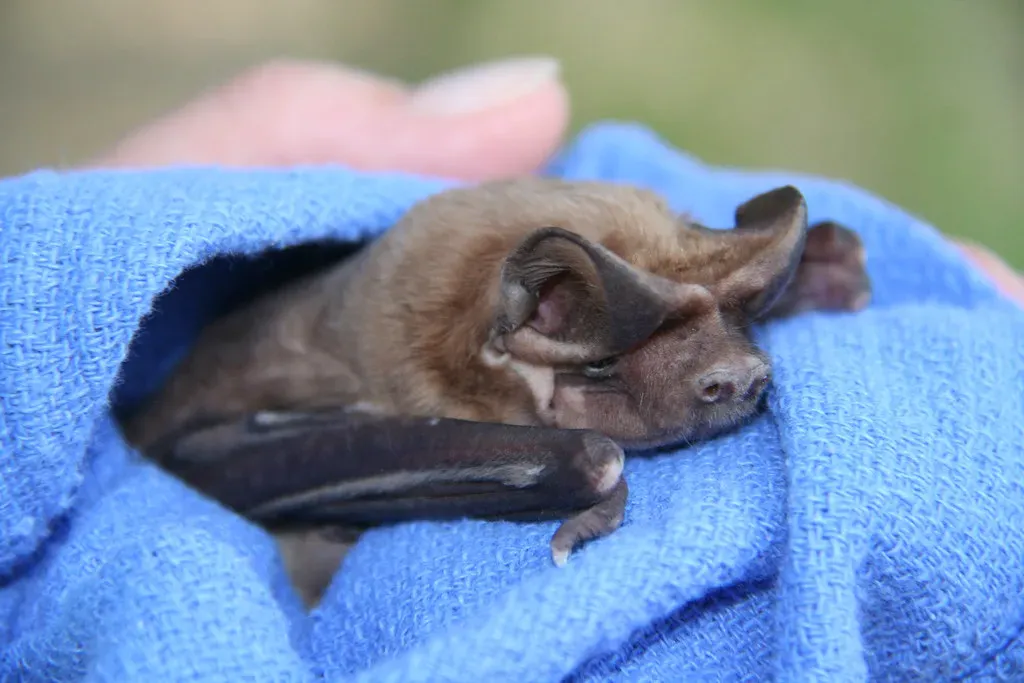
If you walked under a Miami night sky, you could have an animal flying right above your head that almost nobody has ever seen up close. The Florida bonneted bat is considered one of the rarest bats in the United States, found only in a small slice of southern Florida. Its name comes from the big bonnet-shaped flap of skin that stretches over its forehead, giving it a slightly bulldog-like face that looks oddly endearing once you get used to it. What really sets it apart, though, is its size and voice: it’s the largest bat in the eastern U.S., and its echolocation calls are so low in frequency that people can sometimes hear them without special equipment.
Their story is quietly heartbreaking and inspiring at the same time. Urban development, pesticide use, and hurricanes have shrunk their habitat and hollow-tree nesting spots to a frightening minimum, landing them on the endangered species list. Conservation groups in Florida now install artificial bat houses on tall poles and buildings to give them safe roosts, a bit like putting up tiny high-rise condos for a very secretive tenant. I remember the first time I saw a recording of their calls – it felt like listening in on a language we were never meant to hear. Knowing they’re out there, gliding over city lights, makes Miami’s skyline feel a little wilder.
American Pika – Tiny “Mountain Rabbit” Living on the Edge of Climate Change
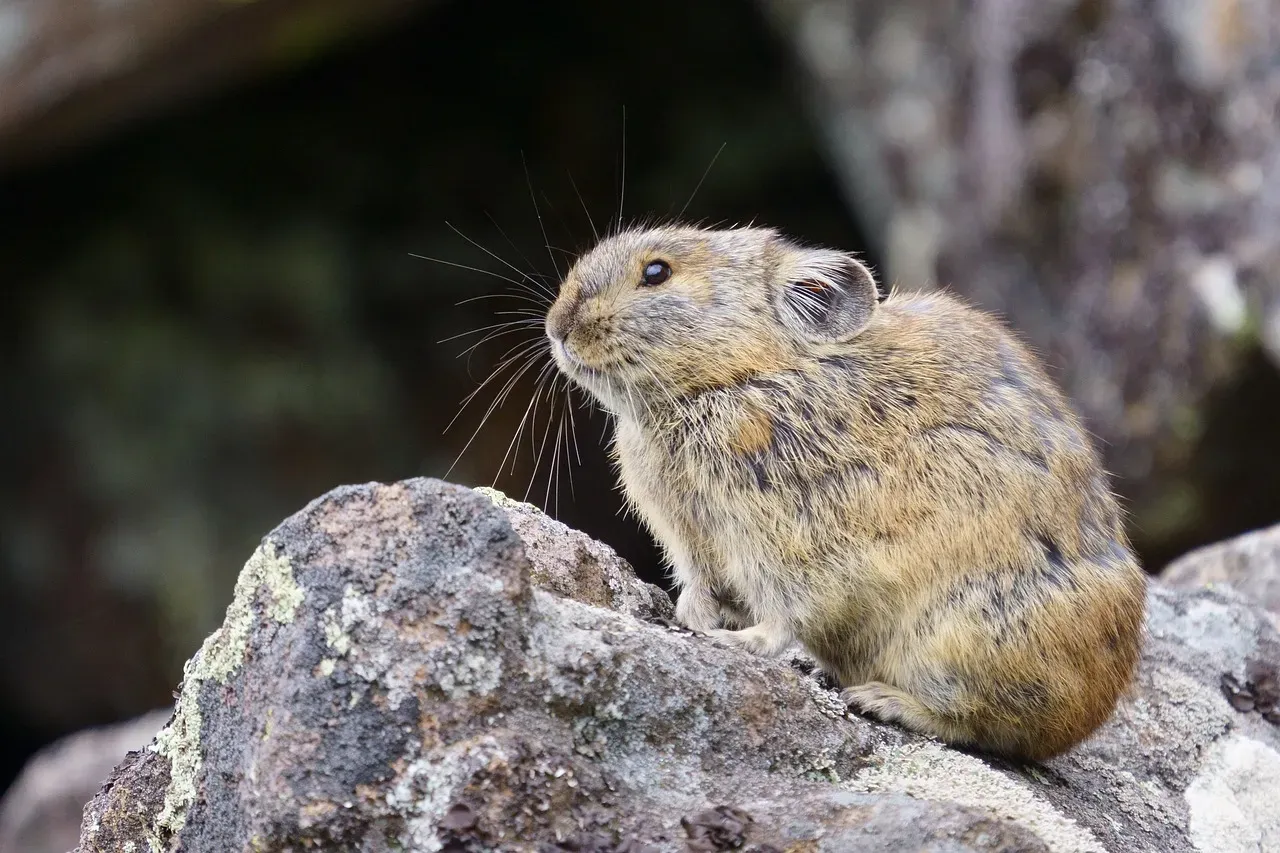
Picture a rabbit shrunk in the wash, with no visible tail, round ears, and a squeaky voice that sounds like a toy out of batteries. That’s the American pika, a small relative of rabbits that lives high in the rocky talus slopes of western mountains, from the Sierra Nevada to the Rockies. They never hibernate, which is shocking for such a small animal in such cold places. Instead, they spend their short summers frantically harvesting wildflowers and grasses, building hay piles that they stash under rocks like tiny farmers stockpiling winter groceries.
What makes pikas truly special – and a bit tragic – is how finely tuned they are to cold environments. They can literally overheat and die in what most people would consider mild weather, so they rely on the cool air that seeps through broken rock piles at high elevation. As mountain temperatures warm and snowpacks shrink, some pika populations have already disappeared from lower, hotter areas, making them one of the clearest living warning signs of climate change in North America. I once hiked in Colorado and heard their sharp calls bounce off the rocks long before I spotted one; it felt like hearing a tiny alarm bell ringing from the future, reminding us how fragile these “hidden world” specialists really are.
Star-Nosed Mole – The Bizarre “Alien” of American Wetlands
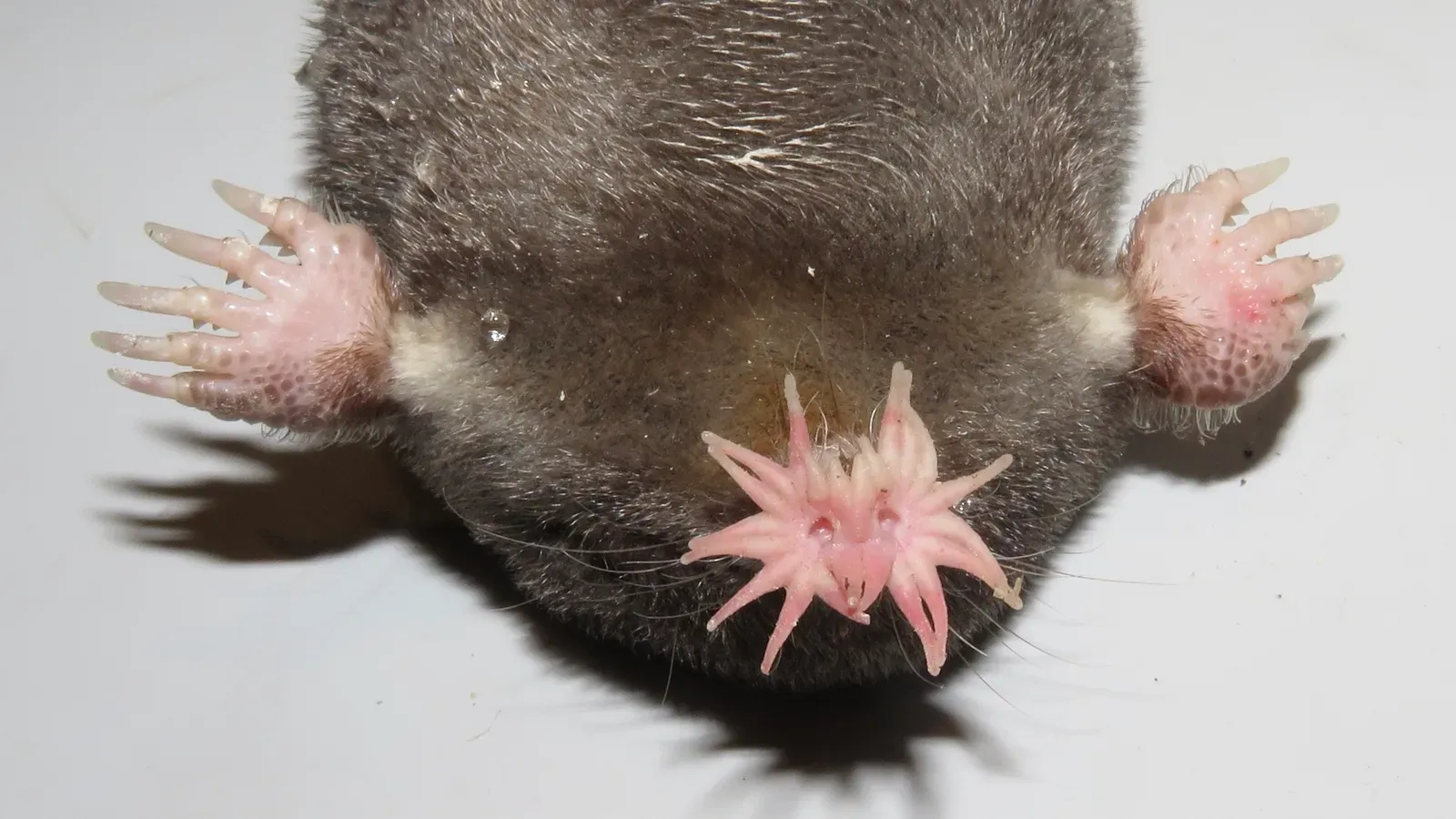
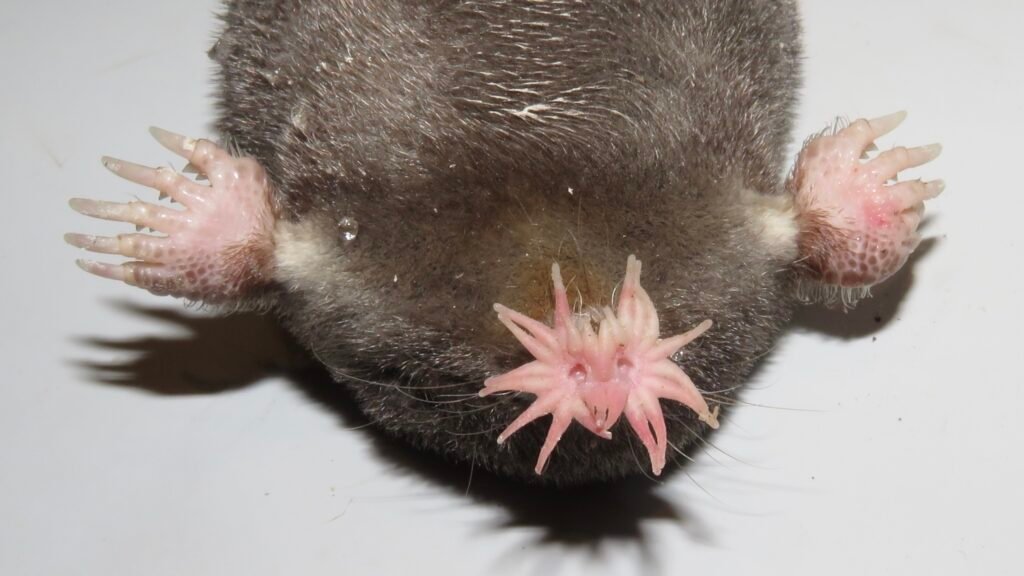
If you saw a close-up photo of a star-nosed mole’s face without context, you might assume it was a movie monster or a deep-sea creature. In reality, it’s a small, semi-aquatic mole that lives in wet soils and marshes across northeastern North America, from parts of the U.S. into Canada. Its most unforgettable feature is the strange pink star of twenty-two fleshy tentacles at the tip of its snout, which looks disturbingly like something from science fiction. Yet that bizarre star is one of the most sensitive touch organs known in the animal kingdom, packed with thousands of microscopic sensory structures.
Scientists have found that star-nosed moles can identify and eat small prey in a fraction of a second, making them some of the fastest feeders on Earth. They often hunt with their eyes practically useless, relying on that star to feel their way through mud and water for insects, worms, and tiny aquatic creatures. To me, they’re a reminder that evolution doesn’t care about our sense of beauty; it optimizes for survival, even if the end result looks unsettling. Knowing that something so odd is quietly tunneling under wetlands and stream banks while we drive over bridges above makes the landscape feel like it has a secret underground level.
Gila Monster – The Slow, Venomous Jewel of the American Desert
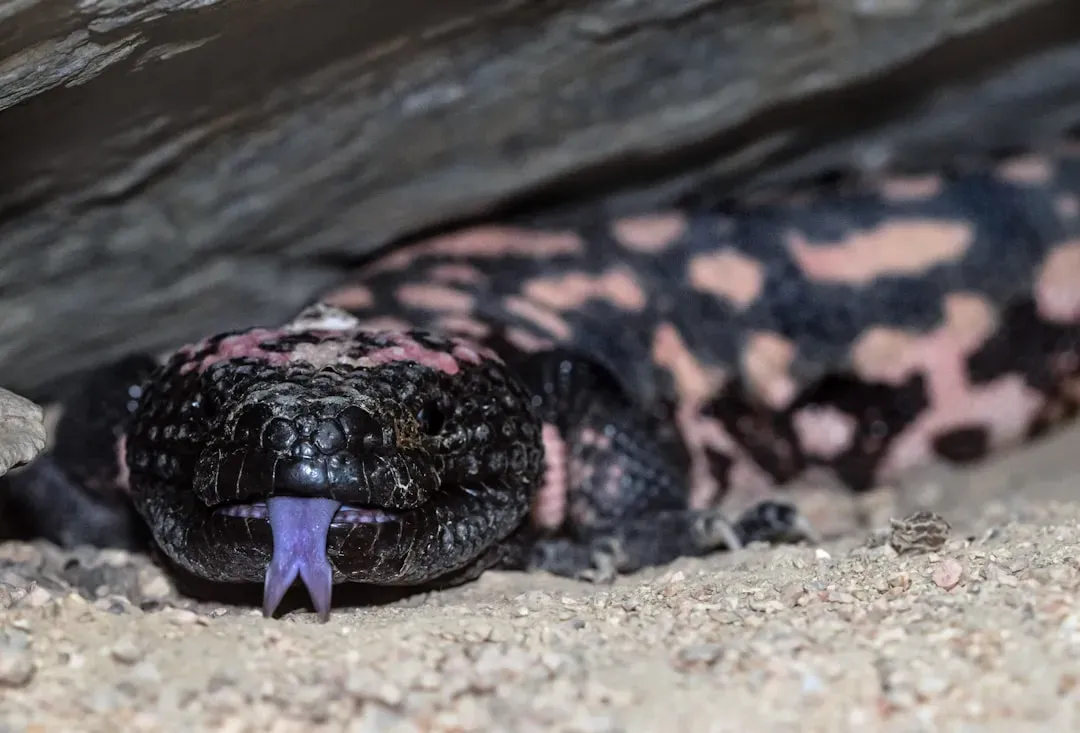
Most people associate venomous reptiles with cobras and vipers in faraway countries, but the United States has its own heavy-bodied, bead-skinned legend: the Gila monster. Found mainly in the deserts of the Southwest, especially Arizona and parts of Nevada, Utah, New Mexico, and California, this lizard moves with a slow, deliberate swagger that totally contradicts its dangerous reputation. Its black, orange, and pink patterning looks like mosaic tile work, making it one of the most visually striking reptiles on the continent. Unlike many lizards, it spends much of its life hidden underground, emerging mostly in spring and after rain.
The Gila monster is one of the very few venomous lizards in the world, using grooved teeth and chewing motions to deliver its venom rather than injecting it like a snake. The bite is intensely painful but rarely deadly to humans, yet the venom has turned out to be incredibly valuable in medicine. A drug for type 2 diabetes was derived from a compound in Gila monster saliva, a twist that still amazes me every time I think about it: a feared desert reptile helping people manage a chronic disease. It’s the kind of reversal that makes you look at “dangerous” animals differently, as potential partners in survival rather than villains in a nature documentary.
Devil’s Hole Pupfish – The Most Isolated Fish in America
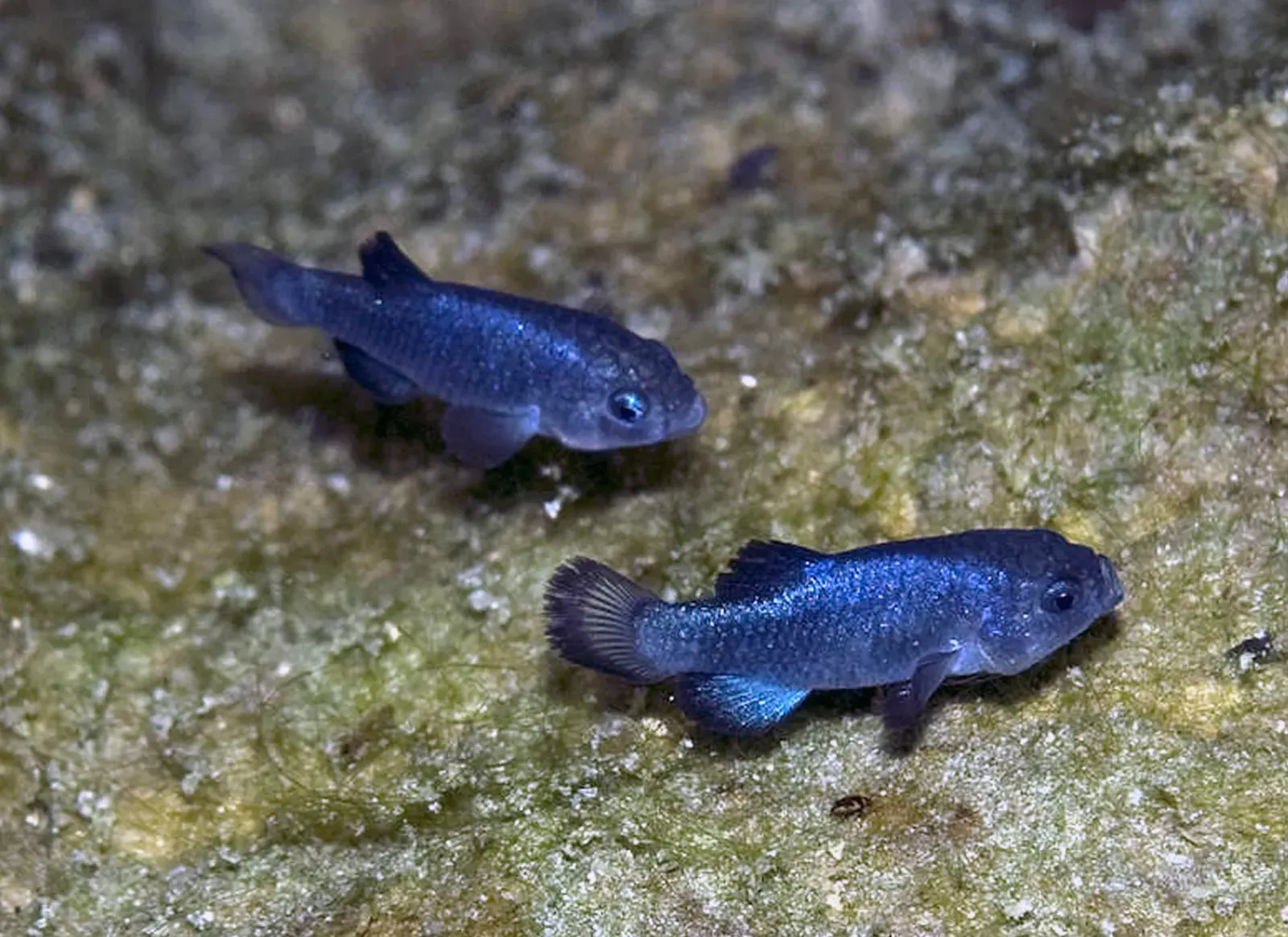
These pupfish are special not just because of how isolated they are, but because they’ve adapted to an extremely harsh environment: warm, oxygen-poor water with very little space and food. Groundwater levels and even distant earthquakes can affect the water in Devil’s Hole, making the pupfish incredibly vulnerable to changes far beyond their control. Conservationists monitor them closely, count them regularly, and maintain backup populations in special facilities in case disaster strikes. To me, they feel like a living metaphor for how fragile uniqueness can be – an entire branch of life balanced on a single, narrow ledge in a desert cave.
American Marten – The Ghost of the Northern Forests
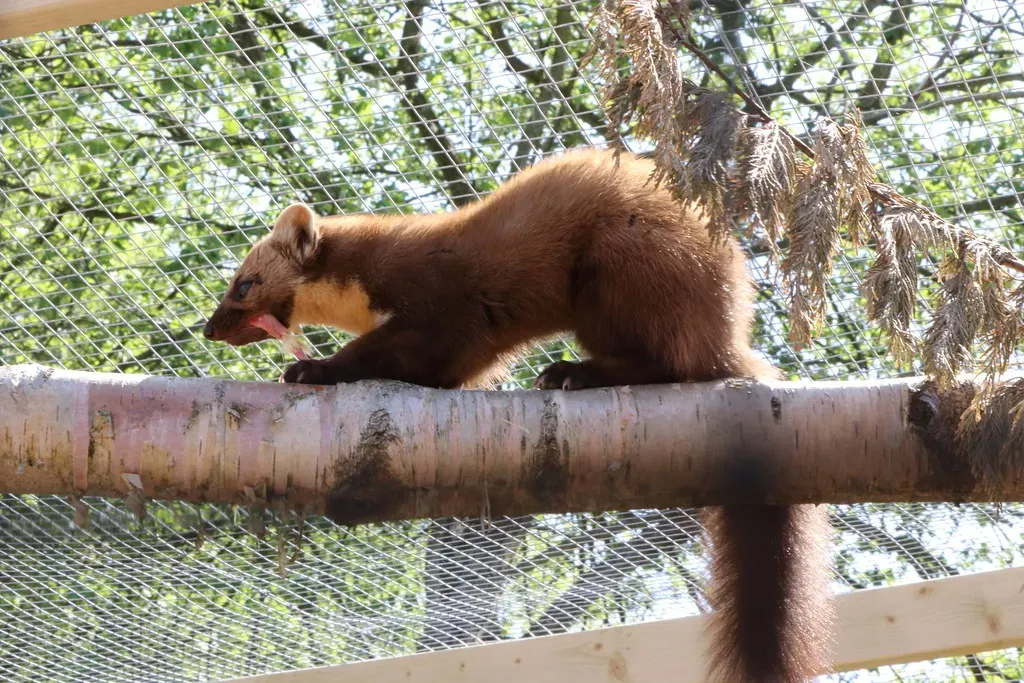
Slip into an old conifer forest in the northern United States at dawn and you might be sharing space with an animal that moves like a cross between a cat and a ferret. The American marten is a slender, tree-climbing carnivore found in northern forests from the Great Lakes region to the Rockies and into New England. With its rich brown fur, pointed face, and lighter throat patch, it looks almost elegant, like it’s wearing a natural winter coat tailored just for it. Martens are agile predators, chasing squirrels through the branches and hunting rodents, birds, and even the occasional snowshoe hare.
They’re special partly because they are so tied to intact, older forests with plenty of downed logs and complex structure. In many places, trapping and logging pushed martens to the brink, and they vanished from large areas of their former range. Over the past few decades, reintroduction efforts and better forest management have helped them return to parts of states like Michigan and Pennsylvania, although their presence is still patchy. The idea that an animal this charismatic can slip out of our awareness for decades and then quietly come back feels strangely hopeful. It’s a reminder that when we give ecosystems room to recover, their original residents often try to move back in.
Ozark Hellbender – The Giant Salamander That Looks Ancient
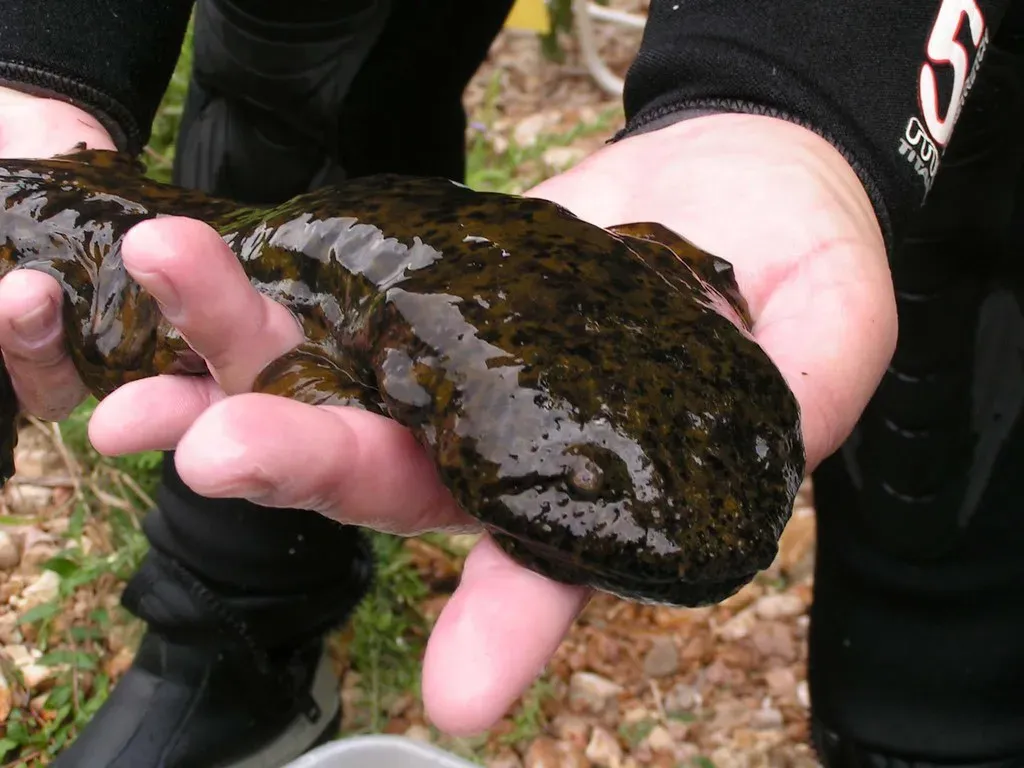
With a name like “hellbender,” you’d expect something terrifying, but the Ozark hellbender is more strange than scary. It’s a large, fully aquatic salamander that can grow longer than a human forearm, found only in cool, fast-moving streams of the Ozark region in Missouri and Arkansas. Its wrinkled, flattened body and broad head make it look like a creature that missed the memo about evolving into something sleeker. Those loose folds of skin are actually useful: they increase surface area, helping the salamander absorb oxygen from the water.
The Ozark hellbender is a distinct subspecies that’s in serious trouble, mainly because of habitat degradation, pollution, and the loss of clean, rocky streambeds it needs for shelter and breeding. Many individuals in the wild have also been hit by fungal diseases and physical deformities like missing limbs or damaged toes, which has alarmed biologists. Zoos and conservation organizations have stepped in with captive breeding programs, carefully raising young hellbenders and releasing some into protected streams. When I first learned there was a giant salamander living in American rivers, it completely reshaped how I imagined those waters – less like simple “fish streams” and more like ancient highways carrying relics from a much older world.
Hispid Cotton Rat – A Secret Star of Medical Research
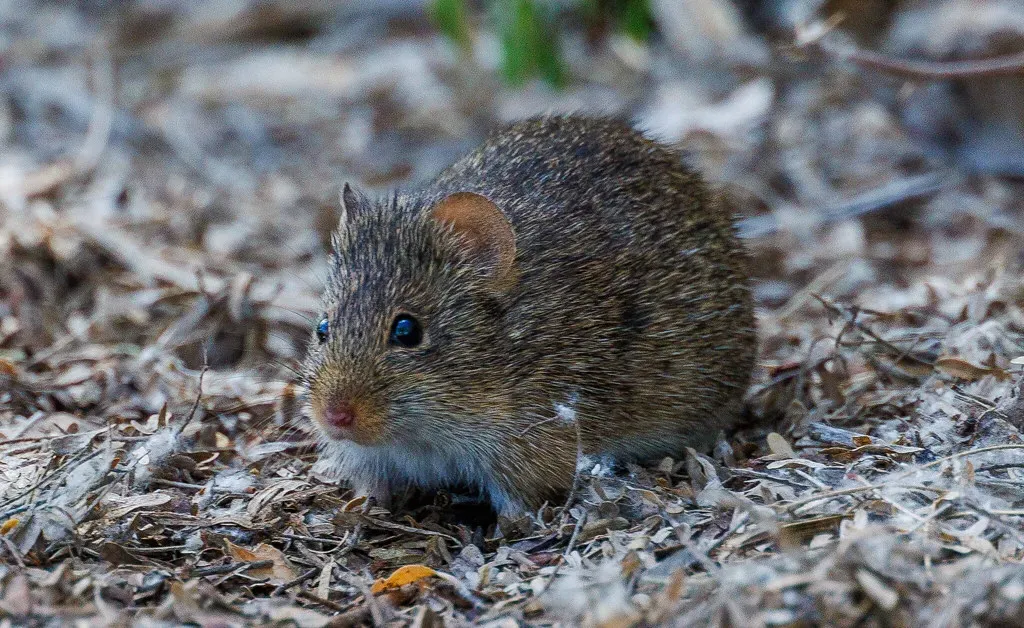
At first glance, the hispid cotton rat does not look like anything special. It’s a mid-sized, somewhat scruffy rodent with coarse fur, found in grassy, brushy areas from the southern United States down into Central America. In parts of Texas and the Southeast, it shuffles through fields and roadside vegetation mostly unnoticed, overshadowed by flashier wildlife. Yet this unremarkable little animal has a surprisingly important role far beyond its habitat: it has become a quietly crucial model species in medical research.
Hispid cotton rats are unusually susceptible to certain human respiratory viruses, which makes them extremely valuable for studying infections and testing vaccines and treatments. They’ve been used to help develop and refine strategies against illnesses that affect millions of people worldwide. It’s a strange twist that a creature many people would instantly label as a “pest” is actually helping save human lives behind the scenes. Every time I see a small brown rodent dart through tall grass, I catch myself wondering if it belongs to a lineage that has unknowingly been part of medical breakthroughs in distant labs.
Red-Cockaded Woodpecker – The Cooperative Carpenter of Southern Pines
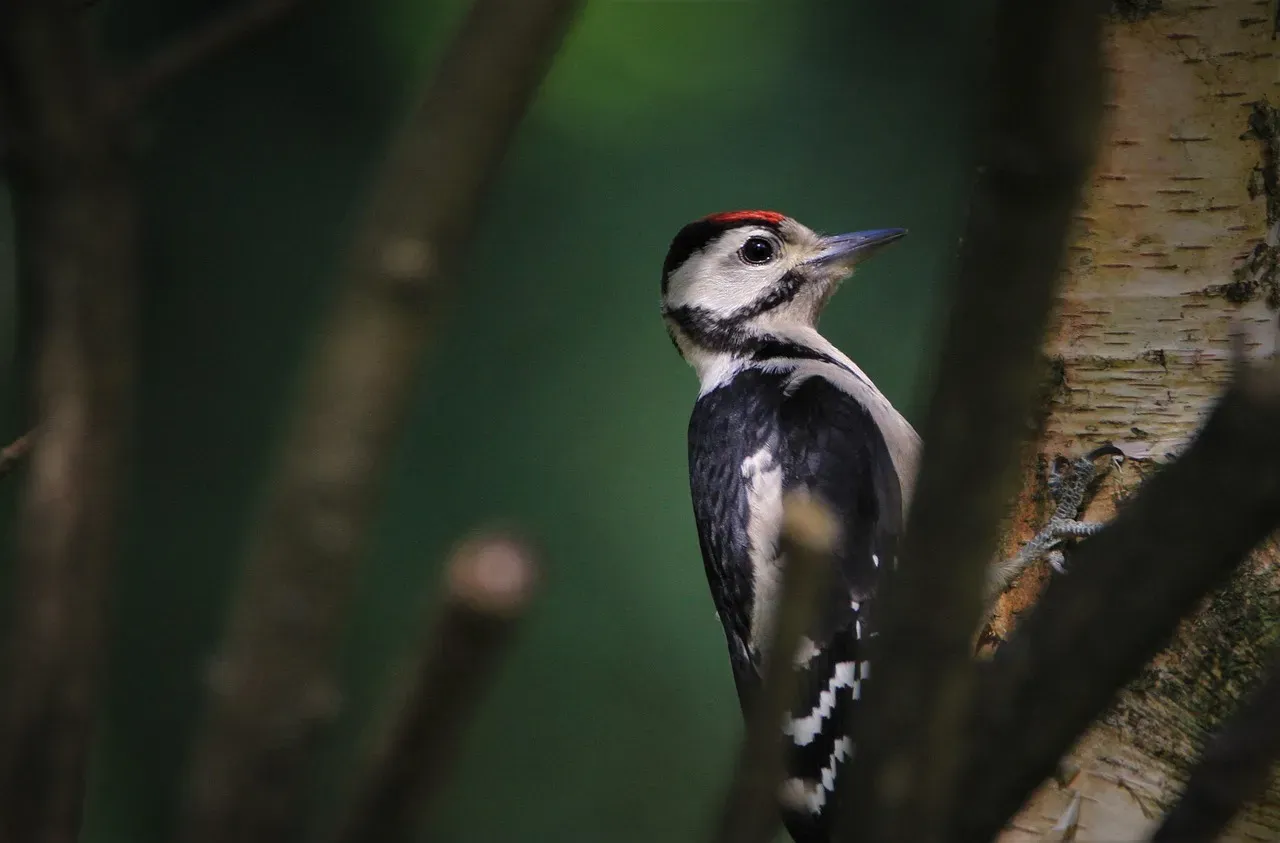
Deep in the longleaf pine forests of the southeastern United States lives a bird whose name is far more dramatic than its appearance. The red-cockaded woodpecker is small and mostly black and white, with just a tiny flash of red on the males that is surprisingly easy to miss. What makes this bird truly special is not how it looks, but how it lives. Unlike most woodpeckers, red-cockaded woodpeckers carve their nesting cavities exclusively in living pine trees, often in very old ones affected by a fungus that softens the heartwood. It can take them years to complete a single cavity, a massive investment of time and energy.
These birds also live in cooperative family groups, with grown offspring sometimes staying on as “helpers” to raise younger siblings instead of immediately striking out on their own. Their dependence on old longleaf pine forests, which once covered a huge area of the Southeast, turned into a major vulnerability as logging, agriculture, and development wiped out most of that habitat. The species became one of the first birds listed under the Endangered Species Act, sparking large restoration efforts that include controlled burns and the installation of artificial nest cavities. I find it oddly moving that these tiny, determined carpenters helped force people to rethink how they manage entire forests – proof that even small, overlooked animals can shape big decisions about the land we share.
A Wilder America Than We Were Taught
The animals that usually get the spotlight in American wildlife stories are the big, obvious ones: bears, wolves, mountain lions, bison. But once you meet creatures like the Devil’s Hole pupfish or the star-nosed mole, it’s hard not to feel like a curtain has been pulled back on a much stranger, richer stage. Each of these nine species carries a different kind of wonder – from bat calls you can hear with your own ears to salamanders that look like they slipped through time, to desert lizards whose venom has been turned into medicine. They may not show up on postcards, but they quietly redefine what it means to call a place wild.
Personally, learning about them has changed how I walk through nature, even in ordinary places. A roadside ditch might hide a rare rodent; a dark stream could shelter an ancient-looking salamander; a patch of old pines might host a whole woodpecker family drama no one ever knows is unfolding. America is still full of animals most people have never heard of, some of them hanging on to survival by the thinnest margin. Knowing they exist is the first step toward caring whether they’re still here for the next generation to discover. Which one of these animals surprised you the most?