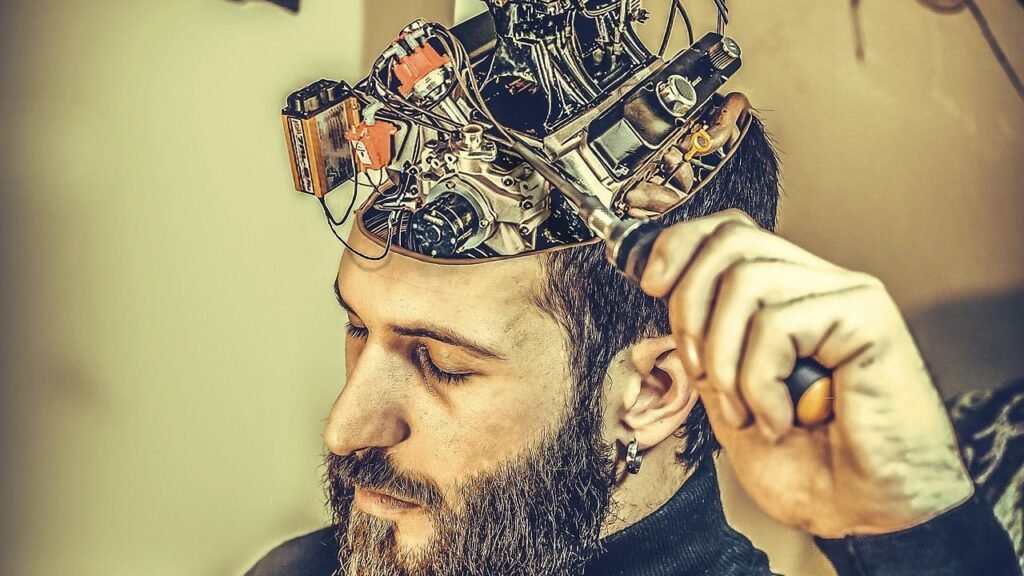

You might think we’ve figured out most of the mysteries of the human mind by now. After all, we’ve mapped brain regions, identified neurotransmitters, and developed sophisticated imaging techniques that let us peer into the very structure of thought itself. Yet despite centuries of inquiry and decades of advanced research, there remain baffling quirks and capabilities of human cognition that continue to mystify even the brightest minds in neuroscience.
What’s particularly intriguing is that some of these phenomena happen to nearly everyone, while others occur in just a small fraction of the population. From the way your brain generates the feeling of being “you” to the mysterious mechanisms behind a sugar pill relieving real pain, these cognitive puzzles challenge everything we think we know about how minds work. Let’s dive into the fascinating world of mental mysteries that science hasn’t cracked yet.
The Hard Problem of Consciousness
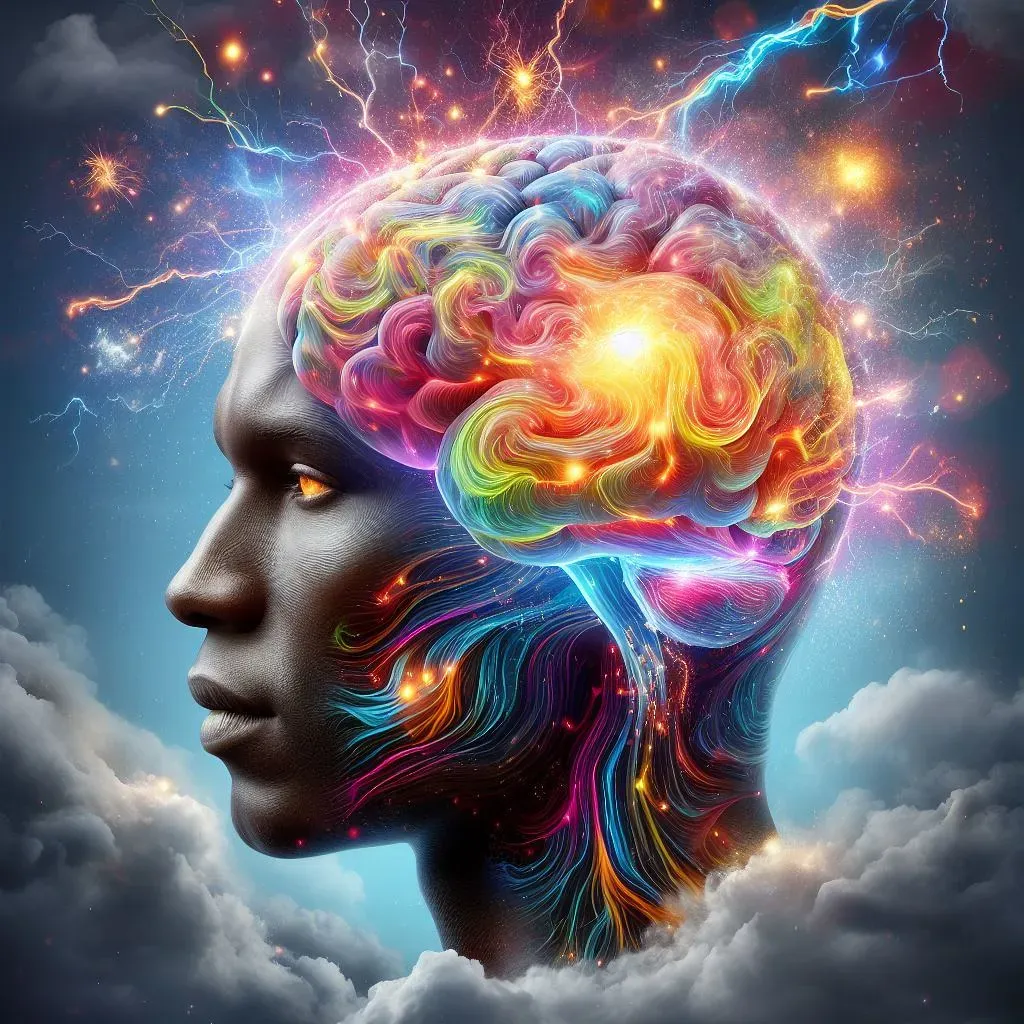
How physical processes in the brain give rise to subjective experiences remains one of the most profound puzzles in all of science. How the brain produces a subjective “feel” is the “hard problem” of consciousness, a term coined by philosopher David Chalmers in the mid-1990s. Scientists can explain how neurons fire and how brain regions communicate, but explaining why any of this creates the inner movie of experience – what it feels like to taste chocolate, see the color red, or feel sadness – is entirely different.
Why being awake and alive, being yourself, feels like anything at all, and where this singular sense of awareness comes from in the brain, are questions that exist at the boundaries of what the scientific method can reveal. Some researchers argue the problem isn’t really about consciousness itself but about our limited ability to understand our own subjective experiences. Most neuroscientists and cognitive scientists believe that Chalmers’ alleged “hard problem” will be solved, or shown to not be a real problem, in the course of solving the so-called “easy problems”, though a significant minority disagrees entirely.
The Placebo Effect’s Neural Mechanics

While knowledge of the placebo effect has existed for centuries, the mechanisms that trigger it, maintain its resilience, and create a life-long mindset are still under study, though recent research has identified a specific neural circuit involving the rostral anterior cingulate cortex, pontine nucleus, and cerebellum that reduced pain perception. What’s truly remarkable is that the magnitude of the placebo effect is often under-appreciated, and placebos have been shown to influence both psychology and physiology, with effects sometimes stronger than the medications being compared.
Your brain essentially creates its own pharmacy when you expect relief. The prefrontal cortex can connect to brain regions responsible for making neurochemicals like dopamine, oxytocin, and opioids – yes, your brain makes its own opioids naturally – which has a strong calming and anti-pain effect, and in response to the placebo, all these neurochemicals increase. Yet scientists still can’t fully explain why some people respond dramatically to placebos while others don’t, or why the effect works for some conditions but not others. The expectation of pain relief is mediated by a population of neurons in the brain’s limbic system, but unexpectedly, these neurons send signals to parts of the brainstem and cerebellum, regions usually associated with more-basic functions such as coordinating movement.
Synesthesia’s Cross-Wired Sensations
Imagine tasting words, seeing sounds as colors, or experiencing numbers as having distinct personalities. Synesthesia is a fascinating neurologic condition in which stimulation of one sensory or cognitive pathway leads to involuntary experiences in another, such as seeing colors when hearing music, associating specific colors with numbers or letters, or even experiencing tastes when hearing words, creating unique, often vivid perceptions that are consistent for each synesthete. For someone with grapheme-color synesthesia, the letter A might always appear red, not as imagination but as a genuine perceptual experience.
The exact mechanisms are not fully understood, but research suggests it may result from increased connectivity or “cross-wiring” between sensory regions of the brain, as different sensory pathways are normally processed in distinct brain regions, but these pathways seem to be more interconnected in synesthesia. Some theories propose that synesthesia arises from reduced synaptic pruning during early development, leaving more connections intact, and functional imaging studies have shown that when synesthetes experience cross-modal perceptions, regions of the brain associated with both sound and color processing light up, suggesting enhanced communication between sensory areas. The condition appears partly heritable and more common in women, indicating a genetic component, but researchers still debate whether it represents an evolutionary advantage or simply a quirk of neural development.
The Mysterious Mechanics of Intuition

Intuition has intrigued philosophers and scientists since at least the times of the ancient Greeks, but scientists have had trouble finding quantifiable evidence that intuition actually exists, until a team of researchers developed a novel technique demonstrating just how much unconscious intuition can inform and even improve decision-making. Research demonstrates that even when people were unaware of emotional images shown to them, they were still able to use information from the images to make more confident and accurate decisions, suggesting we can use unconscious information in our body or brain to help guide us through life.
In normal people, nonconscious emotional cues may play a role in decision-making before conscious processes do, and the ventromedial prefrontal cortex is believed to be part of a system that stores information about past rewards and punishments and triggers the nonconscious emotional responses that normal people register as intuition or a “hunch”. Still, how exactly the brain processes patterns from past experiences and converts them into that distinctive gut feeling remains only partially understood. This might correspond with what we perceive as intuition, as the brain is constantly predicting and actively shaping what we perceive based on what it expects to find, rather than passively receiving information.
Memory’s Unreliable Architecture
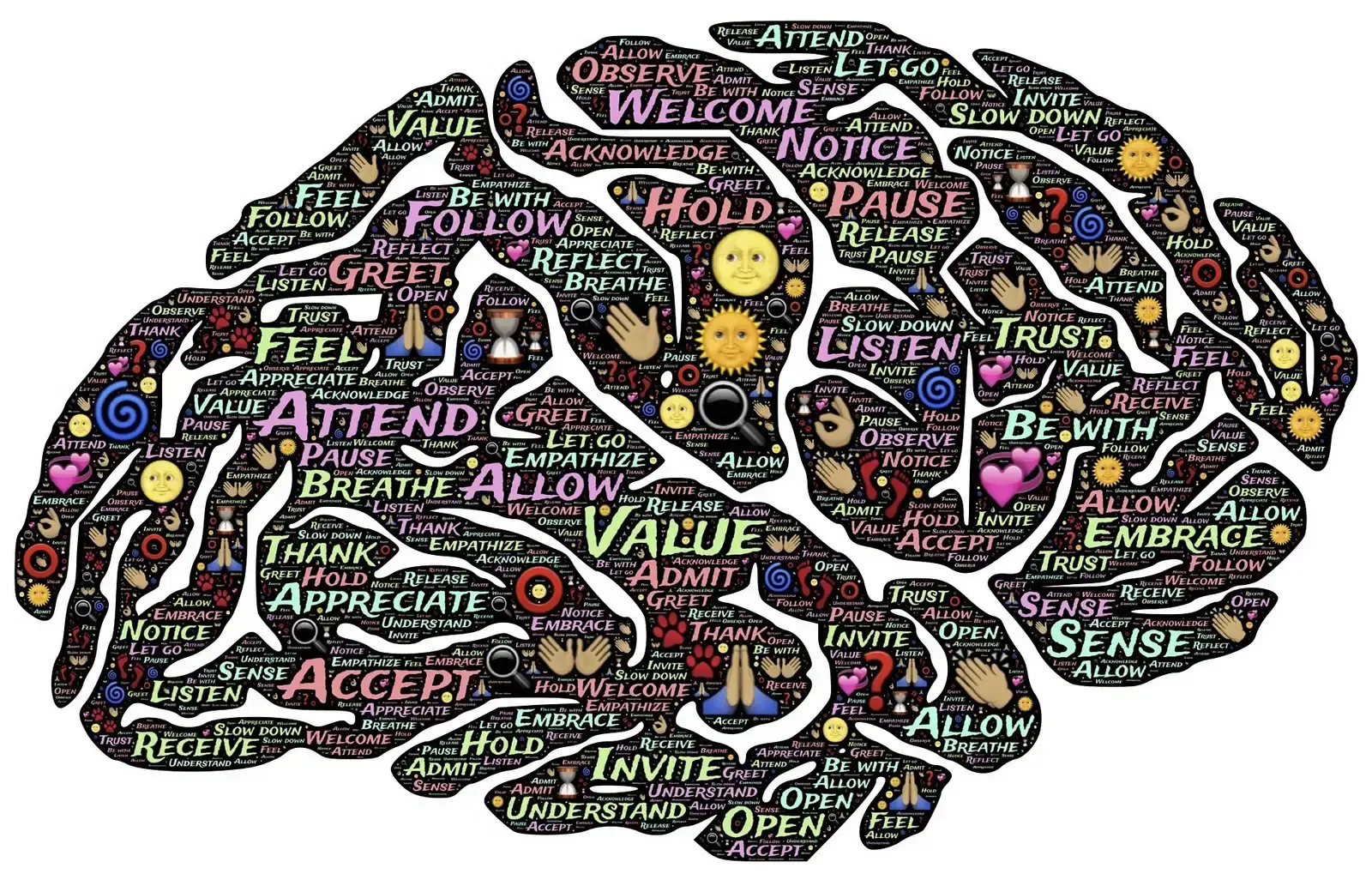
You’d think your memories work like a video recorder, faithfully capturing and storing experiences for later playback. Turns out, that couldn’t be further from the truth. Each time you recall a memory, your brain essentially reconstructs it from scattered fragments stored across different regions. This reconstruction process makes memories vulnerable to distortion, contamination, and outright fabrication.
What’s particularly unsettling is that false memories can feel just as vivid and emotionally charged as real ones. Scientists still don’t fully understand why some memories remain sharp for decades while others fade within hours. The mechanisms that determine which experiences get consolidated into long-term storage and which get discarded remain frustratingly opaque. Even more puzzling is how the brain decides what details to preserve and what to let go, often keeping seemingly trivial information while losing what should be significant moments.
The Phenomenon of Contagious Yawning

Yawning is something you likely do every day, but scientists still aren’t sure why, as the scientific community has moved toward the idea that yawning is a thermoregulatory behaviour that cools down the brain, but its true biological function is still unclear. Even stranger is why yawning spreads from person to person like wildfire. Scientists aren’t entirely sure why yawning is contagious among social animals such as humans, though a 2005 study found that the networks in your brain responsible for empathy and social skills are activated when you see someone yawn.
Researchers have also observed that chimpanzees can “catch” yawns from humans, suggesting this phenomenon has deep evolutionary roots. Yet the precise neural mechanisms that cause you to yawn when watching someone else do it remain mysterious. Is it purely empathy-driven? Does it serve some social bonding function? Or is there another explanation entirely? Despite countless studies, we still don’t have definitive answers.
The Binding Problem of Perception
Right now, as you read this, your brain is performing an extraordinary feat without you even noticing it. Different regions are processing the shape of letters, their color, the background, the meaning of words, and the sound of your inner voice – all separately and simultaneously. Yet somehow, all these disparate pieces of information get bound together into a single, unified conscious experience.
How does your brain know that the blue color, round shape, and smooth texture all belong to the same coffee mug sitting on your desk? This is called the binding problem, and neuroscientists still can’t fully explain how the brain creates coherent perceptual objects from scattered neural activity. Some theories suggest synchronized neural firing patterns might be responsible, but the complete picture remains elusive. It’s one of those things that seems obvious until you really think about it – then it becomes deeply weird.
Time Perception’s Elastic Nature

Five minutes can feel like an eternity when you’re bored, or vanish in what seems like seconds when you’re engaged in something enjoyable. Your brain’s internal clock is remarkably flexible, yet scientists struggle to pinpoint exactly where and how the brain keeps track of time. Unlike vision or hearing, there’s no single “time organ” in the brain.
Research suggests that multiple brain regions contribute to our sense of duration, from milliseconds to hours, but how they coordinate remains unclear. Even more baffling is why time seems to speed up as we age, why traumatic moments can appear to unfold in slow motion, or how some neurological conditions can dramatically warp time perception. The subjective experience of time passing is one of the most fundamental aspects of consciousness, yet it’s also one of the least understood.
The Mystery of Human Creativity

Where do truly novel ideas come from? How does the brain generate something genuinely new rather than just recombining existing concepts? Despite decades of research, the neural basis of creativity remains frustratingly elusive. Brain imaging studies show that creative thinking involves complex interactions between multiple networks, including regions associated with imagination, memory, and cognitive control.
Yet knowing which brain areas light up during creative tasks doesn’t explain how creativity actually works. Why do some people seem naturally more creative than others? What happens during those “eureka” moments when solutions appear seemingly out of nowhere? Scientists have identified factors that enhance or inhibit creative thinking, but the fundamental mechanisms that allow human minds to conceive entirely new ideas, art forms, or scientific theories remain one of cognition’s greatest mysteries. It’s as though we can describe the ingredients without understanding the recipe.
Conclusion
These nine phenomena represent just a fraction of the puzzles that continue to challenge our understanding of the human mind. What’s perhaps most striking is how many of these mysteries involve everyday experiences – consciousness, memory, decision-making, perception of time. We live with these cognitive processes every moment of every day, yet in many ways, they remain as enigmatic as they were centuries ago.
The good news? Each unanswered question represents an opportunity for discovery. As neuroscience technology advances and our research methods become more sophisticated, we’re slowly chipping away at these mysteries. Still, something tells me that even as we solve some puzzles, we’ll uncover entirely new ones we never knew existed. The human mind has a way of staying one step ahead of our attempts to fully understand it. What do you find most intriguing about these cognitive mysteries?