
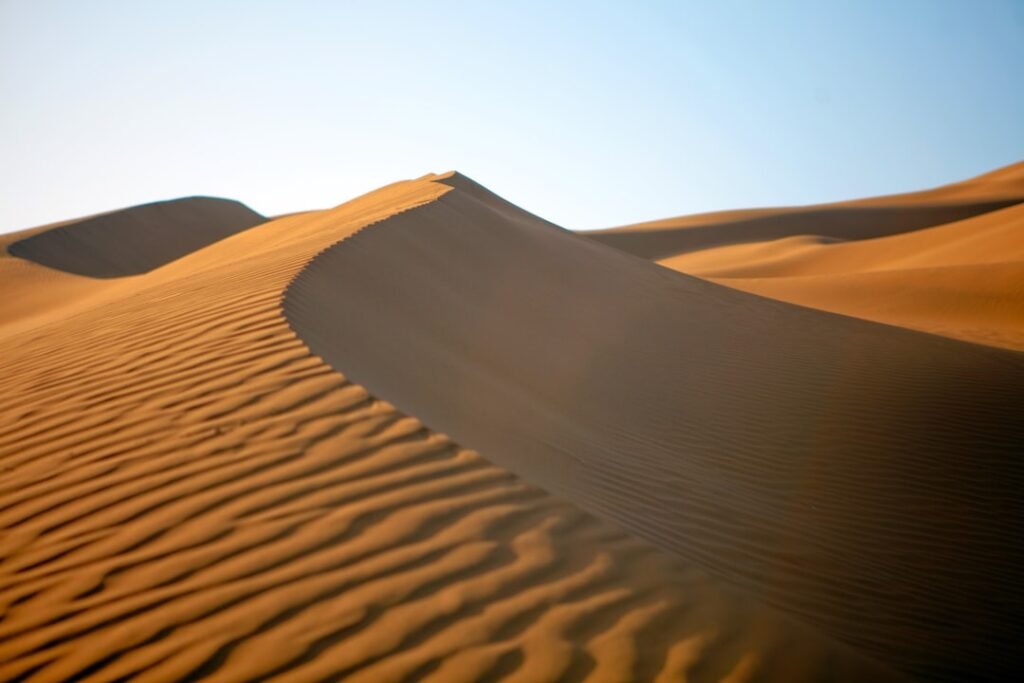

You’ve probably heard of sand dunes humming in sci-fi movies, creating an otherworldly soundtrack to desert scenes. Well, here’s something that’ll make you question reality: those sounds aren’t fiction at all. In deserts scattered across the United States, massive sand formations actually create their own haunting music, producing sounds that can reach over 100 decibels and carry for miles.
These mysterious acoustic phenomena occur at about 35 desert locations around the world, with roughly nine exceptional sites right here in America. The sounds themselves range from deep, resonant booms to high-pitched whistles, each dune having its own distinct “voice.” Let’s explore these natural concert halls where Mother Nature performs her most puzzling symphony.
Great Sand Dunes National Park, Colorado
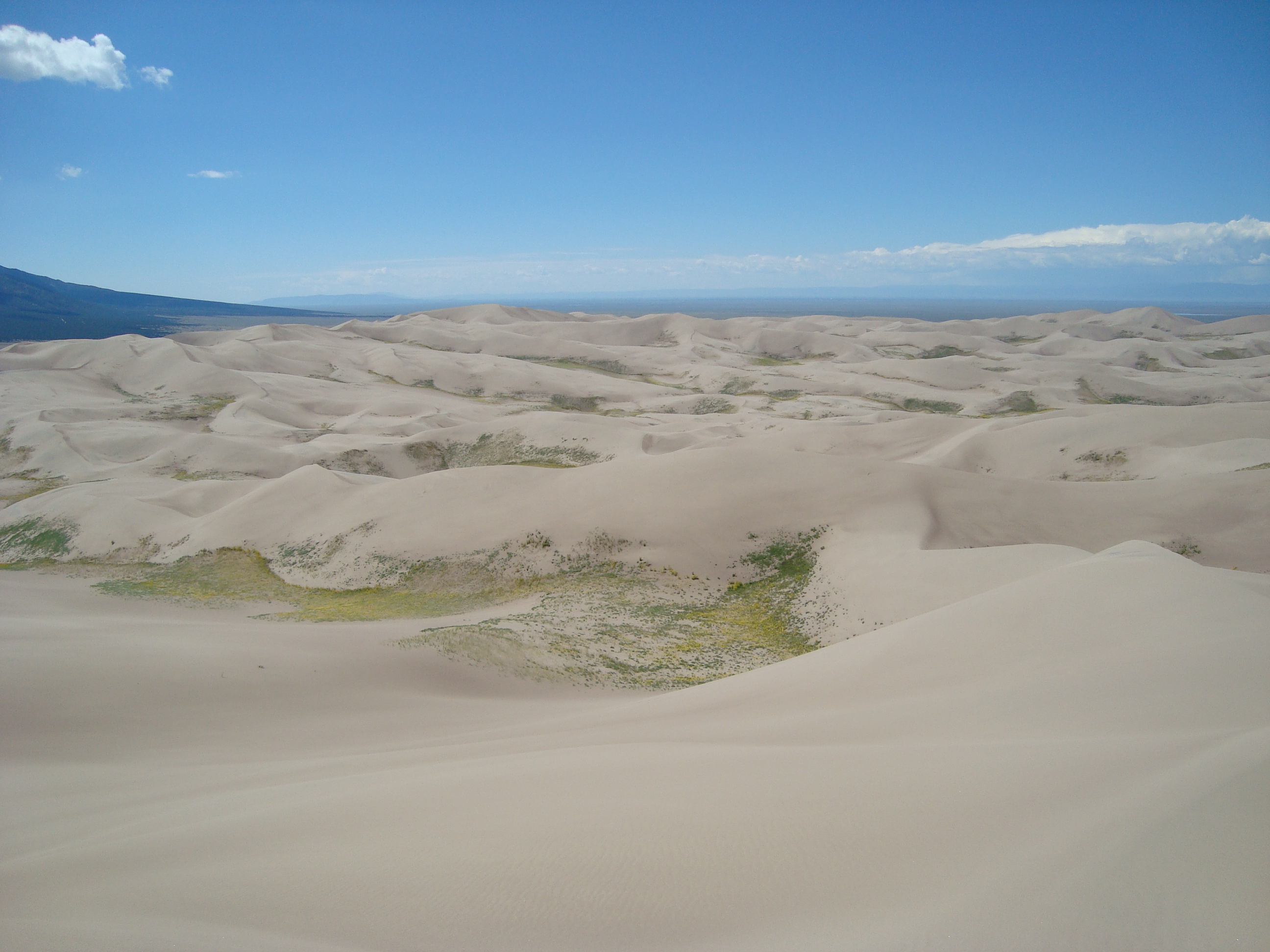
Nestled in the San Luis Valley of southern Colorado, the singing dunes cover an area of about 77 square kilometers and reach a height of over 750 feet (230 m). These massive formations have been performing their ancient songs for nearly twelve thousand years, creating what sounds like a deep humming or booming when conditions are just right. These dunes have been singing for nearly 12,000 years and produce a variety of sounds, ranging from a low groan to a high-pitched whine.
The Great Sand Dunes in Colorado are not only the tallest sand dunes in North America, but also one of the few places where you can experience the singing sand phenomenon year-round. The sand at Great Sand Dunes produces a wide range of musical tones, from a deep booming sound to a high-pitched squeak, creating a mesmerizing experience for visitors. The best way to trigger the songs is through sandboarding down the steep faces, where the avalanching sand creates vibrations that resonate through the entire dune system.
Sand Mountain, Nevada
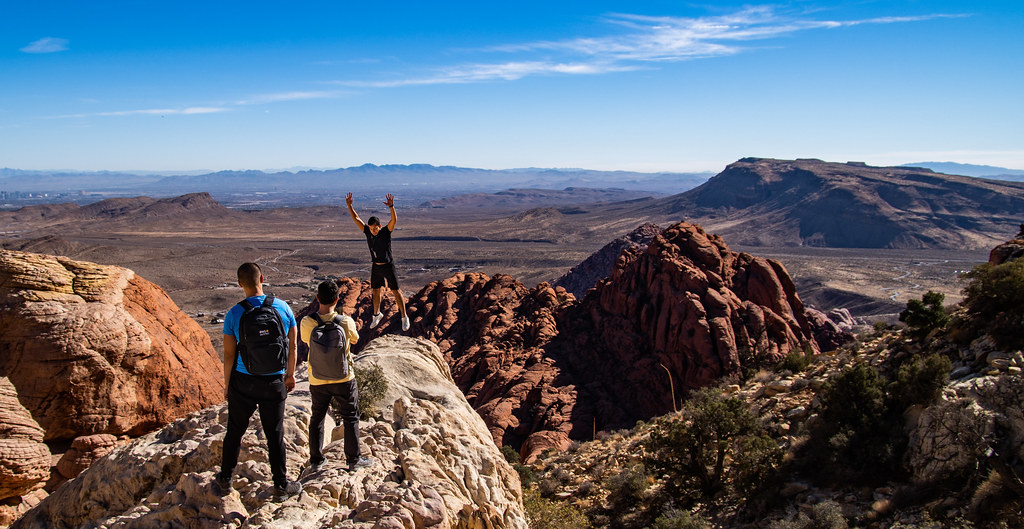
Sand Mountain is a singing sand dune 20 miles (32 km) east of Fallon, Nevada along U.S. Route 50. The dune is two miles long and 600 feet (180 m) high. This massive formation stands as one of Nevada’s most remarkable acoustic wonders, where three are in Nevada: Sand Mountain, Big Dune, and Crescent Dunes. The large quantity of sand needed to build such an impressive dune comes courtesy of the ancient Lake Lahontan, which dried up around 9,000 years ago and left massive piles of sand behind.
Depending on the conditions, Sand Mountain can produce sounds ranging from a “low-pitched boom” to an eerie “moan” to high-pitched “singing!” The dune is particularly popular among off-road vehicle enthusiasts, though its singing abilities remain uncompromised by the activity. This phenomenon is caused by avalanches that move down the surface of the sand dune, causing what some describe as roaring, booming, squeaking, or – my personal favorite – the Song of the Dunes. These unique noises can last for a few seconds or even several minutes, reaching levels of up to 105 decibels, which is equivalent to a nearby helicopter, table saw, or motorcycle!
Kelso Dunes, California
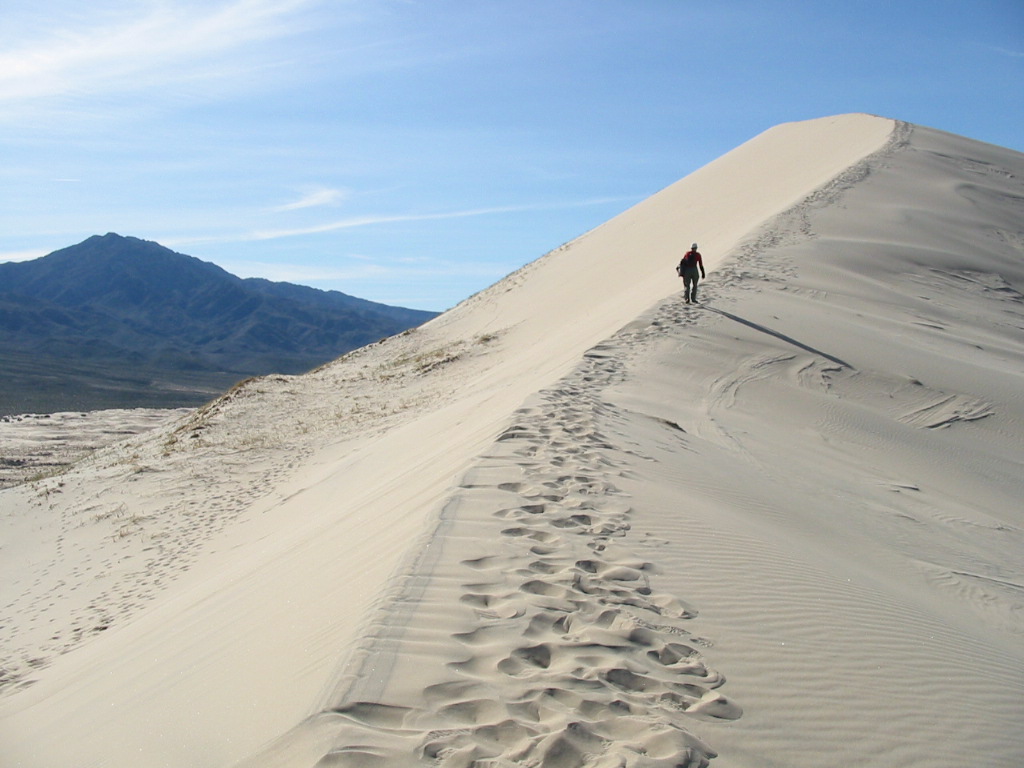
Located in the heart of the Mojave Desert, Kelso Dunes, located in the Mojave Desert, California, is known for its unique phenomenon of ‘singing sands’. These dunes stretch across the Mojave National Preserve and are composed of rose-colored quartz and feldspar grains that have been weathered over thousands of years. This is an extensive patch of shapely, windblown dunes, composed of pinkish quartz and feldspar particles, surrounded by flat desert and distant mountains.
To witness the singing sand phenomenon at Kelso Dunes, visitors can embark on a challenging hike to the top of the dunes and slide down the slopes, causing the sand to vibrate and produce its distinctive hum, an experience that is truly awe-inspiring. The acoustic experience here differs from other singing dunes due to the unique mineral composition of the sand grains. As you glide down the dunes, surrounded by the vast desert landscape, you are enveloped in the haunting melodies of the singing sands, creating a sensory symphony that seems almost otherworldly
Eureka Dunes, Death Valley, California
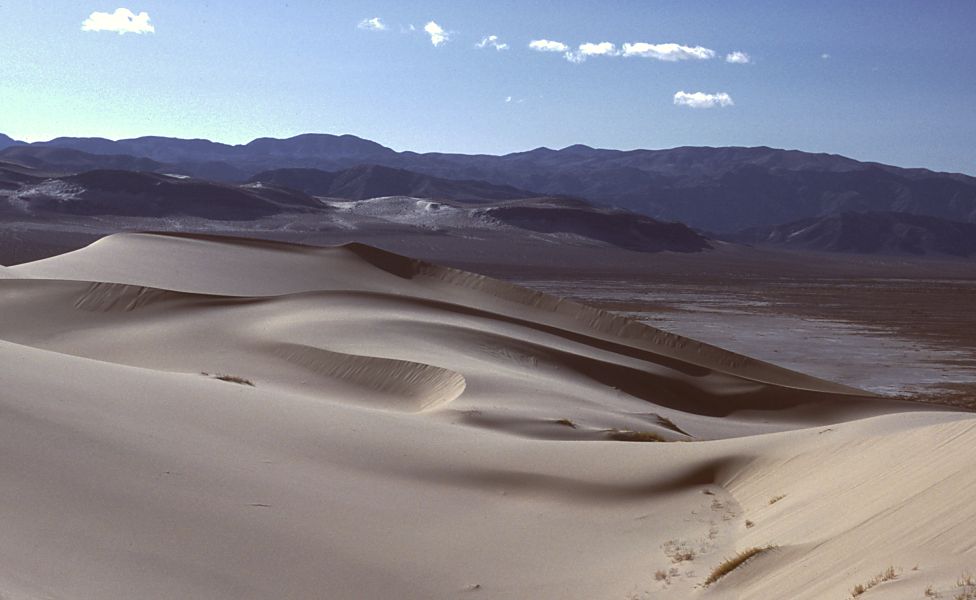
Hidden in Death Valley’s remote northern reaches, the Eureka Dunes are some of the tallest sand dunes in North America, reaching heights of up to 700 feet. These towering formations require a significant journey to reach, making the singing sand experience even more special for those willing to make the trek. The isolation of Eureka Dunes means fewer disturbances, allowing for clearer acoustic experiences when conditions align perfectly.
Death Valley National Park contains several noted dune fields, namely at Mesquite Flat near Stovepipe Wells (the most easily accessed location), Eureka Valley in the far north, Saline Valley in the northwest, Panamint Valley in the west (3 miles from CA 190) and near Saratoga Springs in the southeast corner (the Ibex Dunes). The Eureka Dunes stand apart not just for their impressive height but for their ability to produce sustained, deep tones that can carry across the valley floor. The remoteness of these dunes creates an almost mystical atmosphere when the singing begins.
White Sands National Park, New Mexico
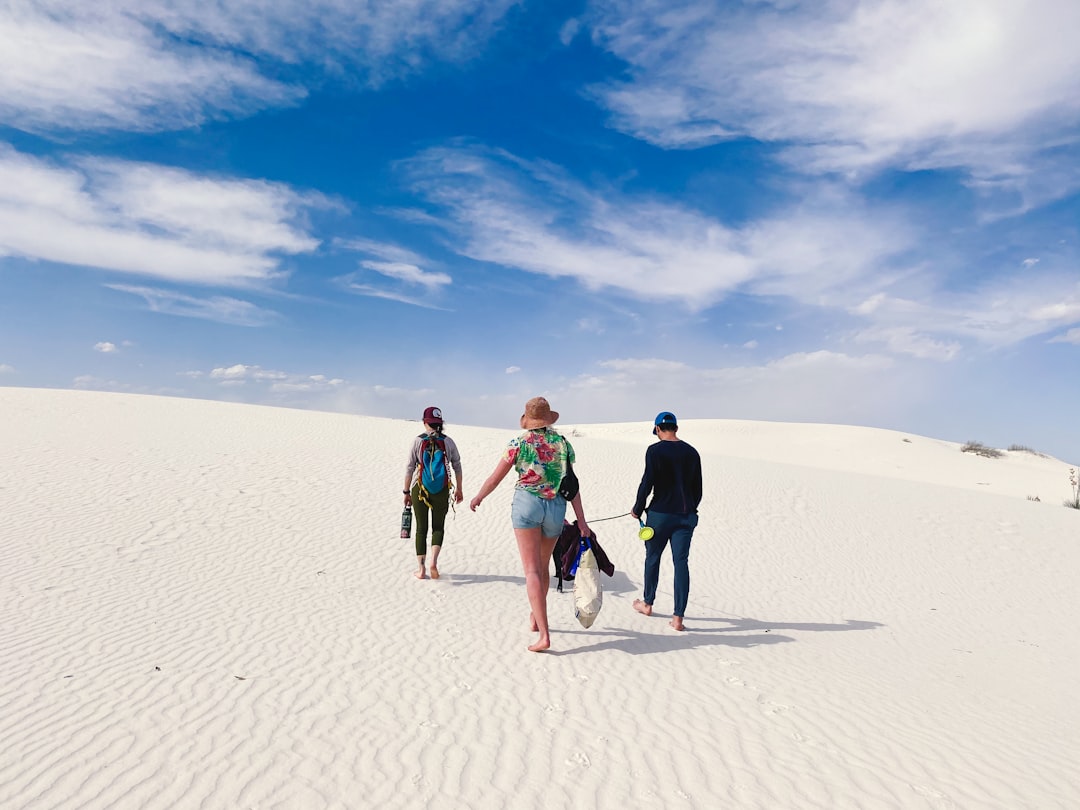
It consists of 275 square miles of snow-white gypsum sand. Drive into the park, and you will immediately be surrounded by glistening hills framed by a deep-blue New Mexico sky. Though not traditionally known for singing like some desert sand dunes, White Sands National Park in New Mexico appears on several lists of locations where this phenomenon can occur under specific conditions.
The unique gypsum composition of White Sands creates different acoustic properties compared to silica-based singing dunes. The crystalline structure of gypsum grains, when properly aligned with humidity and wind conditions, can produce subtle musical tones. After decades of being a national monument, White Sands was designated a national park in December of 2019. The dunes were finally given the recognition that they have long deserved. While the singing phenomena here may be less pronounced than at other locations, the stark beauty and unusual composition make it a unique addition to America’s singing dune sites.
Coral Pink Sand Dunes State Park, Utah
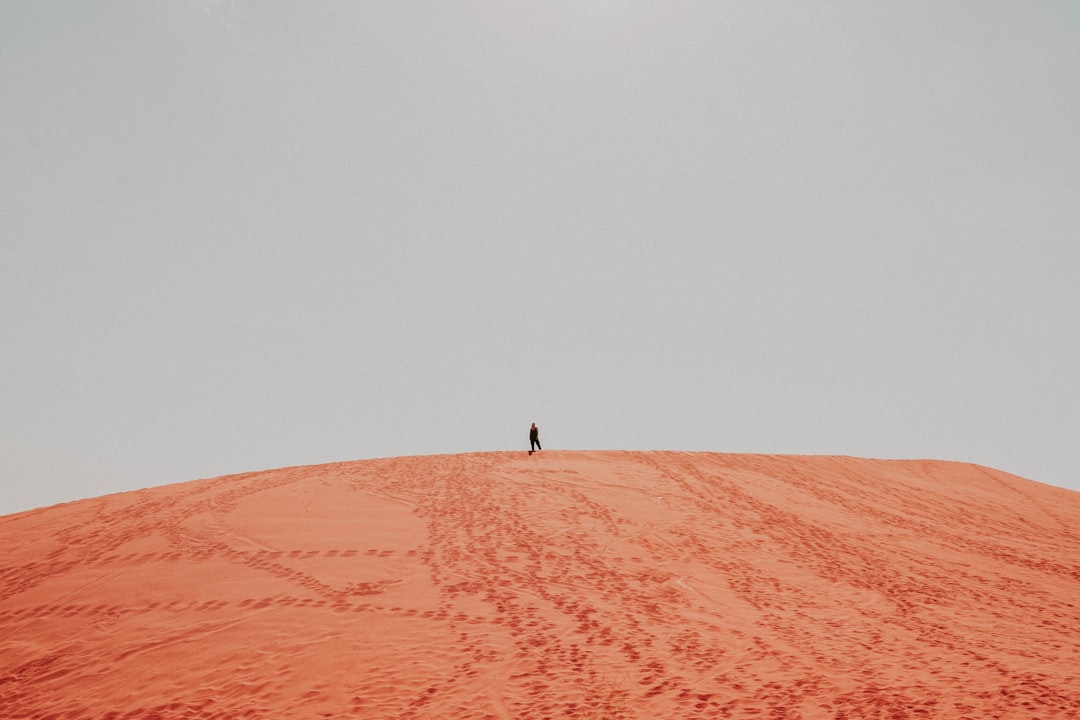
Tucked amidst the Navajo sandstone formations west of Kanab, Utah, is a delightful natural wonder: the shifting sea of red sand in the Coral Pink Sand Dunes State Park. These distinctively colored dunes get their rosy hue from Navajo Sandstone that has been eroded by wind and water over millions of years. Utah’s Coral Pink Sand Dunes State Park features on the list of North American singing dune locations.
There are three state parks with sand dunes, all of which allow ORV use – Little Sahara near Jericho at the edge of the Great Basin Desert, Coral Pink Sand Dunes near Kanab and Sand Hollow near St George, a recently created park that also contains a reservoir and outcrops of weathered red rocks. All three have campgrounds, and Little Sahara is the most scenic place, best for hiking and photography, owing to the stark mixture of sand and rocks, and its far-reaching views over the Sevier Desert. The singing effect at Coral Pink occurs when the fine, uniform grains slide down the steeper dune faces, though the phenomenon is less predictable here than at some other locations.
Bruneau Dunes State Park, Idaho
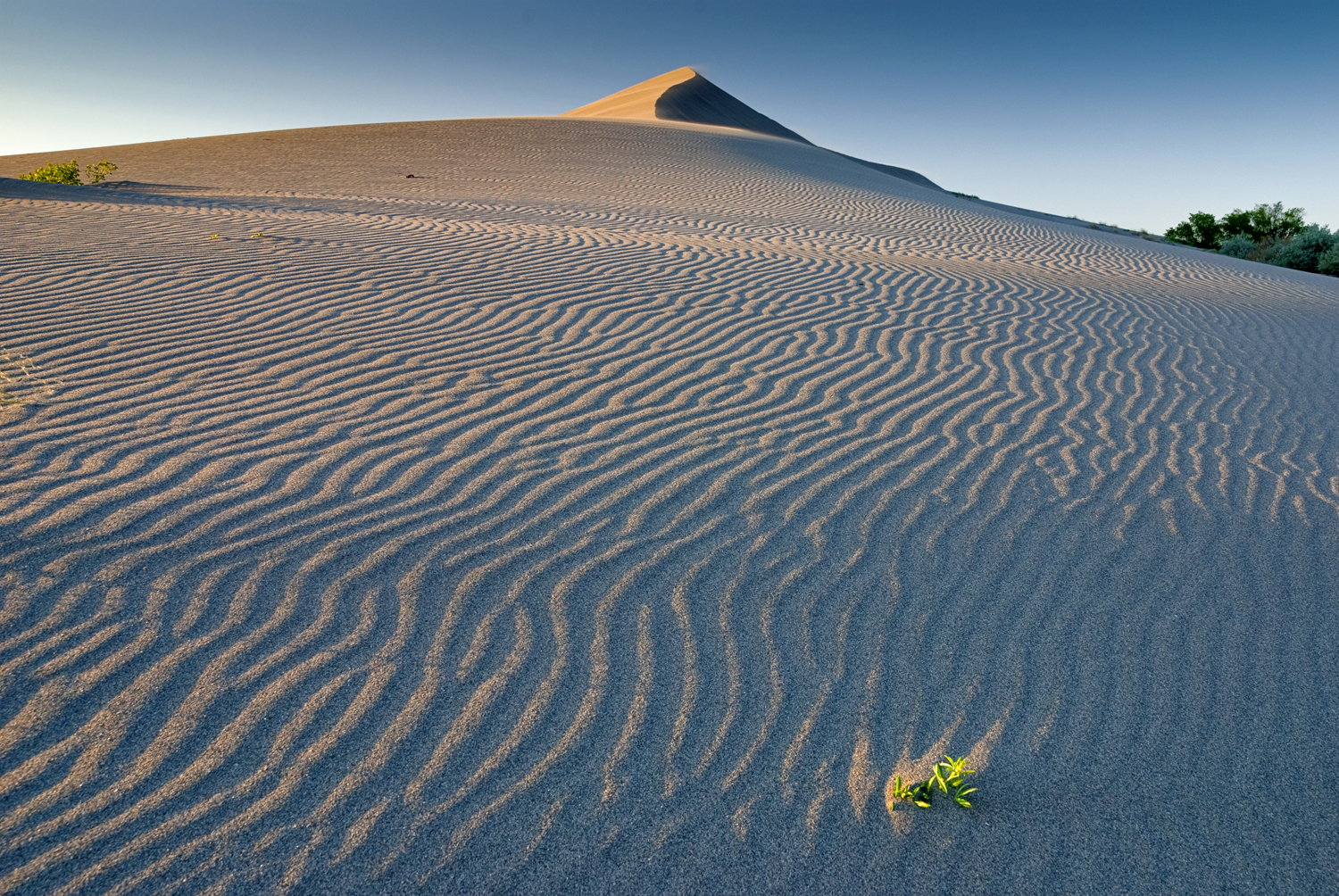
Idaho’s Bruneau Dunes State Park rounds out the list of North American singing dune locations, offering a unique desert experience in a state not typically associated with major sand formations. These dunes formed in a natural basin where winds from different directions converge, creating a stable dune system that has persisted for thousands of years.
Sandboarding is a fun and unique way to experience the dunes. Board rentals are available at the park Visitor Center daily, $15 for one board or $25 for two. The park also features an observatory, making it perfect for stargazing after listening to the dunes’ evening songs. The singing phenomena at Bruneau Dunes occurs less frequently than at larger desert sites, but when conditions align – typically during dry, windy periods – visitors can experience the distinctive humming or booming sounds that make these formations so special.
Warren Dunes State Park, Michigan
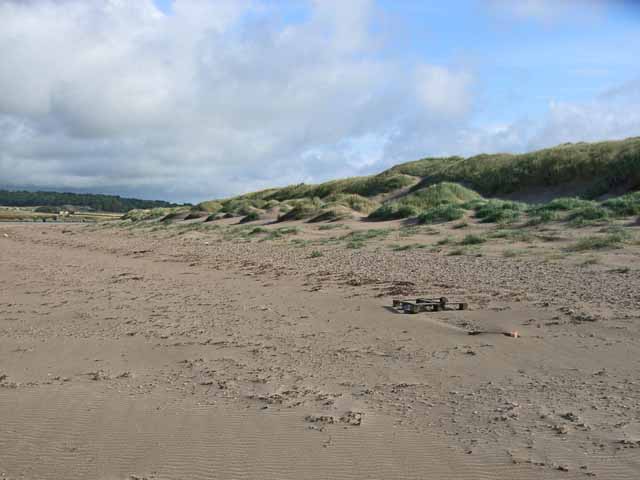
Though located on Lake Michigan rather than in a traditional desert setting, Warren Dunes in southwestern Michigan creates singing sand phenomena that rival their desert counterparts. Warren Dunes State Park is a 1,952-acre (790 ha) public recreation area located along the eastern shore of Lake Michigan in Berrien County, Michigan. The state park’s large sand dunes and lakeshore beaches make it one of the most popular of Michigan’s state parks.
Among the park’s dunes are Mt. Fuller, Pikes Peak, and Mt. Edwards, with the most significant being Tower Hill, the highest point in the park, which stands 240 feet (73 meters) above the Lake Michigan. Easy access to the dunes make it a popular location to practice the sport of sandboarding. The lakefront location creates unique humidity conditions that can enhance or diminish the singing effects depending on seasonal weather patterns. Southwest Michigan’s dunes are part of the largest freshwater dune system in the world, making the acoustic phenomena here particularly noteworthy in a non-desert environment.
Indiana Dunes National Park, Indiana
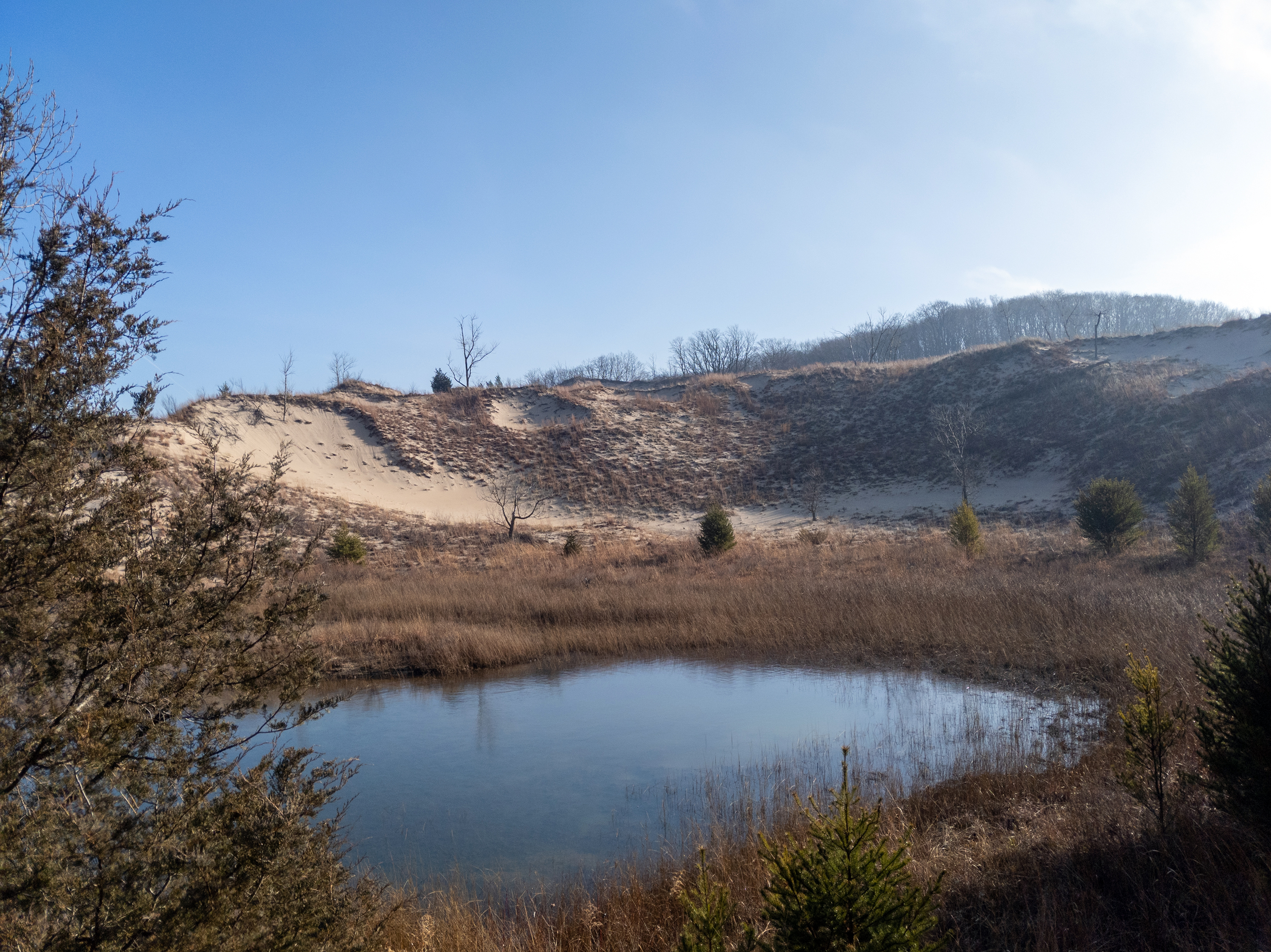
Indiana Dunes in Indiana represent another Great Lakes singing dune location where the phenomenon occurs in a non-desert environment. The sand at Indiana Dunes National Park is up to 90% mineral quartz and silica left behind long, long ago by retreating glaciers, which is another necessary factor in the dunes’ abilities to sing. This unique composition creates ideal conditions for acoustic phenomena.
Those 45 miles are special, not just because they’re “ours” (though that’s a part of the reason) but because sometimes, when conditions are just right, the sand dunes packed along the shoreline in Indiana do something amazing: they “sing”, emitting a strange noise one might not be able to recognize right away on the first visit, but once you hear it, you’ll never not hear it again. The sound is described as everything from an ethereal humming as the wind blows it around to a startling bark, particularly if you walk a certain way and be sure to kick the sand up as you go, much like one would kick-scoot their sneakers on the tile in gym class to make the floor squeak as a kid.
The Science Behind the Song
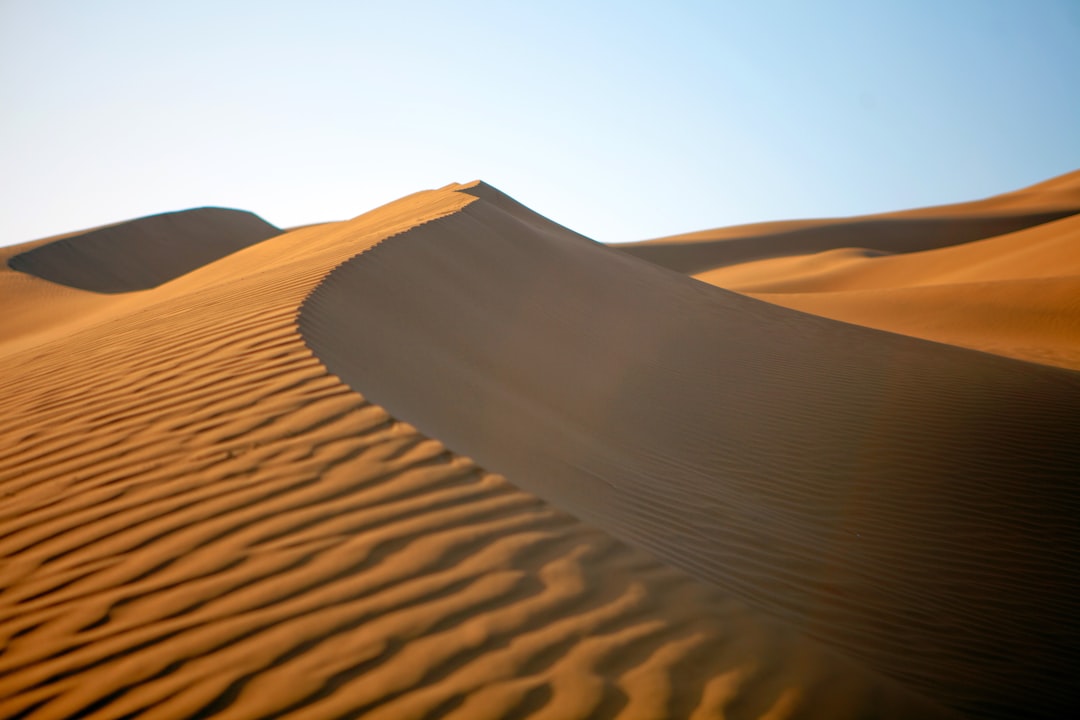
Understanding why sand dunes sing requires looking at the perfect storm of conditions that must align for this phenomenon to occur. The sand grains have to be round and between 0.1 and 0.5 mm in diameter. The sand has to contain silica. The sand needs to be at a certain humidity. When these conditions meet, frequencies typically range from 70-300 Hz, with some reaching up to 450 Hz.
Although it is still not completely understood, many researchers have studied this phenomenon, noting several factors singing dunes have in common. It is the sand that sings, not the dune. Singing sand produces sounds even if it is removed from the dune to a laboratory. Cooler temperatures and lower humidity levels tend to produce clearer sounds. This is why the best time to hear the dunes sing is often in the early morning or late afternoon when conditions are optimal. The mystery continues to fascinate scientists who work to unlock the secrets of these natural orchestras.
Conclusion
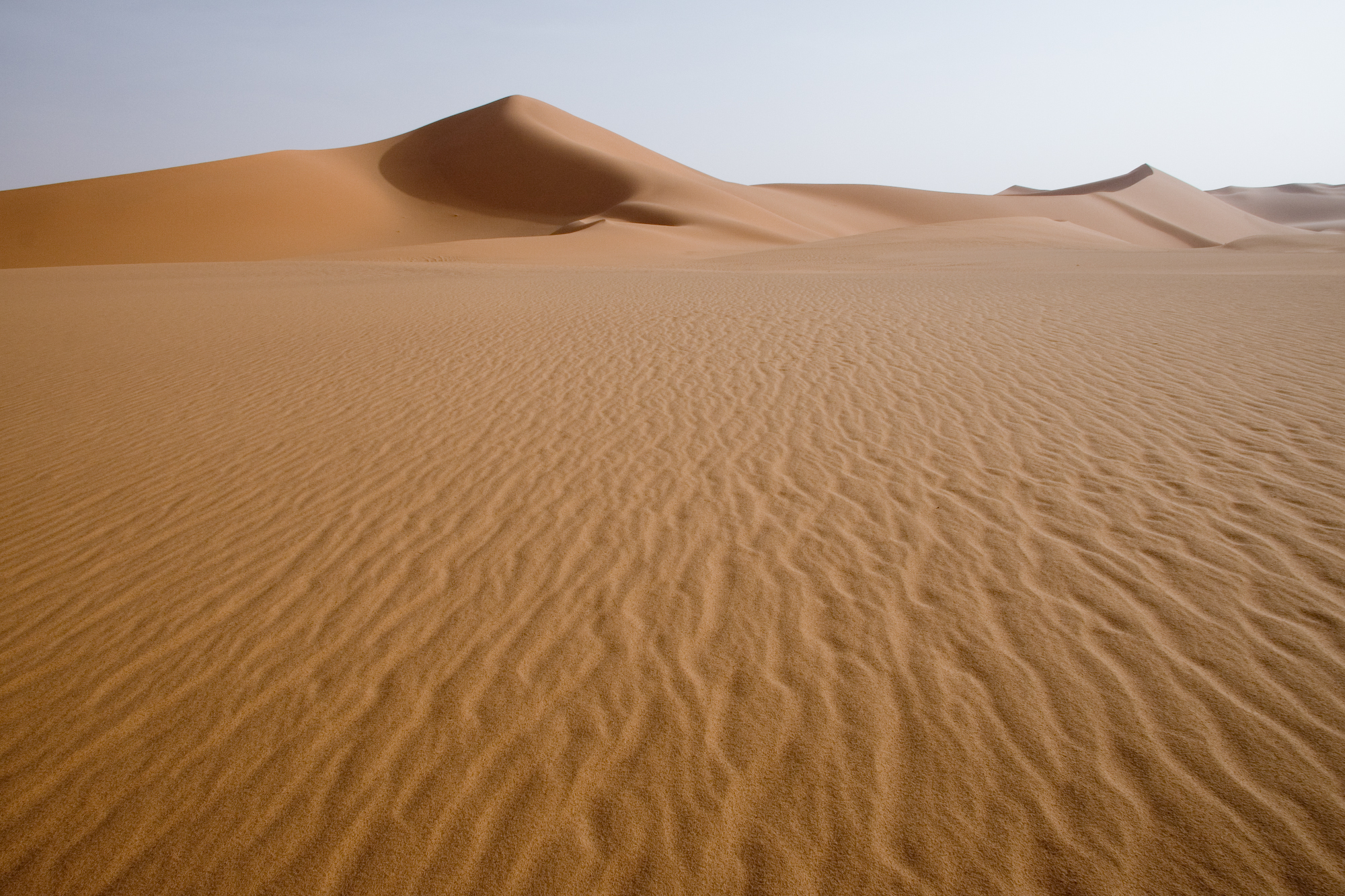
These nine remarkable locations across the United States prove that some of nature’s most extraordinary concerts happen in the most unexpected places. From the towering dunes of Colorado’s national park to the lakeside formations of Michigan, each site offers its own unique acoustic signature. The phenomenon reminds us that our planet still holds mysteries that science is only beginning to understand, creating sounds that have captivated travelers from Marco Polo to modern-day adventurers.
Whether you hear a deep, resonant boom echoing across a desert valley or a high-pitched whistle carried on lake winds, experiencing singing sand dunes connects you to one of Earth’s most enchanting natural phenomena. What do you think about these musical landscapes? Have you ever heard sand sing?
Hi, I’m Andrew, and I come from India. Experienced content specialist with a passion for writing. My forte includes health and wellness, Travel, Animals, and Nature. A nature nomad, I am obsessed with mountains and love high-altitude trekking. I have been on several Himalayan treks in India including the Everest Base Camp in Nepal, a profound experience.


