

Emotional steadiness looks unremarkable from the outside – until the moment the heat turns up. In a year thick with uncertainty, researchers keep finding that the who bend without breaking share a recognizable psychological signature. Their calm isn’t luck; it’s a set of learnable skills that sit on top of measurable biology and well-mapped brain circuits. From heart rhythm patterns to the language we use for feelings, the science of groundedness has quietly matured from hunch to handbook. Here’s what the latest evidence and lived experience reveal about the traits that keep some minds steady when the ground shifts.
The Hidden Clues: Calm Physiology Under Pressure

show a body that collaborates with the mind, especially when stress arrives uninvited. A common thread is flexible heart rhythm – higher resting heart-rate variability – linked with better top-down regulation and quicker recovery after spikes of fear or anger. Their stress response still fires, but it ramps down efficiently, like a thermostat that knows when the room is warm enough.
This physiological agility isn’t mystical; it is trainable through slow breathing, aerobic activity, and consistent sleep that stabilizes circadian timing. Imaging studies point to steadier communication between the prefrontal cortex and the amygdala when regulation works well. In plain terms, the brakes and the engine talk to each other before the skid begins.
Words That Fit the Feeling: High Emotional Granularity

Ask a grounded person how they feel and you get more than “stressed.” They might say they’re keyed-up, uneasy, or quietly dreading a conversation, which narrows the target for action. This precision – often called emotional granularity – predicts better coping because specific labels suggest specific fixes.
Granularity is built like a vocabulary, growing with exposure, reflection, and practice naming sensations without judgment. Brain-wise, richer emotion language engages networks that integrate memory, context, and bodily cues, turning undifferentiated alarm into usable information. When words fit the feeling, the feeling becomes workable.
Reframe, Don’t React: Cognitive Reappraisal in Real Time

Grounded people don’t silence emotions; they negotiate with them. A favorite tool is reappraisal, reframing a stressful event to reduce emotional intensity without distorting reality. It’s the difference between “I’m doomed” and “I’m challenged,” which changes both behavior and biology.
Reappraisal strengthens prefrontal oversight and reduces limbic overdrive, effects seen repeatedly in lab tasks and daily-life sampling. Crucially, they reframe early – before reactions harden – using cues like breath tightness or a sharp inner monologue as the signal to step back. The story shifts by a few degrees, and the day follows.
Boundaries Without Brick Walls: Secure Attachment in Practice

Another hallmark is the ability to hold closeness and independence at the same time. People with more secure attachment patterns take others seriously without being swallowed by their moods, which protects relationships when conflict arrives. They say no without apology and yes without resentment.
Security grows from repeated experiences that connection is safe and repair is possible, and it’s never too late to practice. Techniques like assertive communication and time-limited cooling-off periods prevent spirals before they widen. In social storms, a grounded boundary feels less like a fence and more like a shoreline.
The Body as a Barometer: Strong Interoception

Emotionally grounded folks are unusually fluent in signals from inside the body – heartbeat, breath depth, gut tension, temperature drift. This interoceptive literacy acts as an early-warning system for overwhelm and a map for calming down. When they sense rising arousal, they act before words are even formed.
Training interoception can be surprisingly concrete: paced breathing, mindful movement, and brief body scans that connect sensation to context. The insula, a brain region integrating internal signals, appears more engaged when people accurately track these cues. A better barometer means fewer sudden storms.
Values as North Star: Consistent, Prosocial Choices
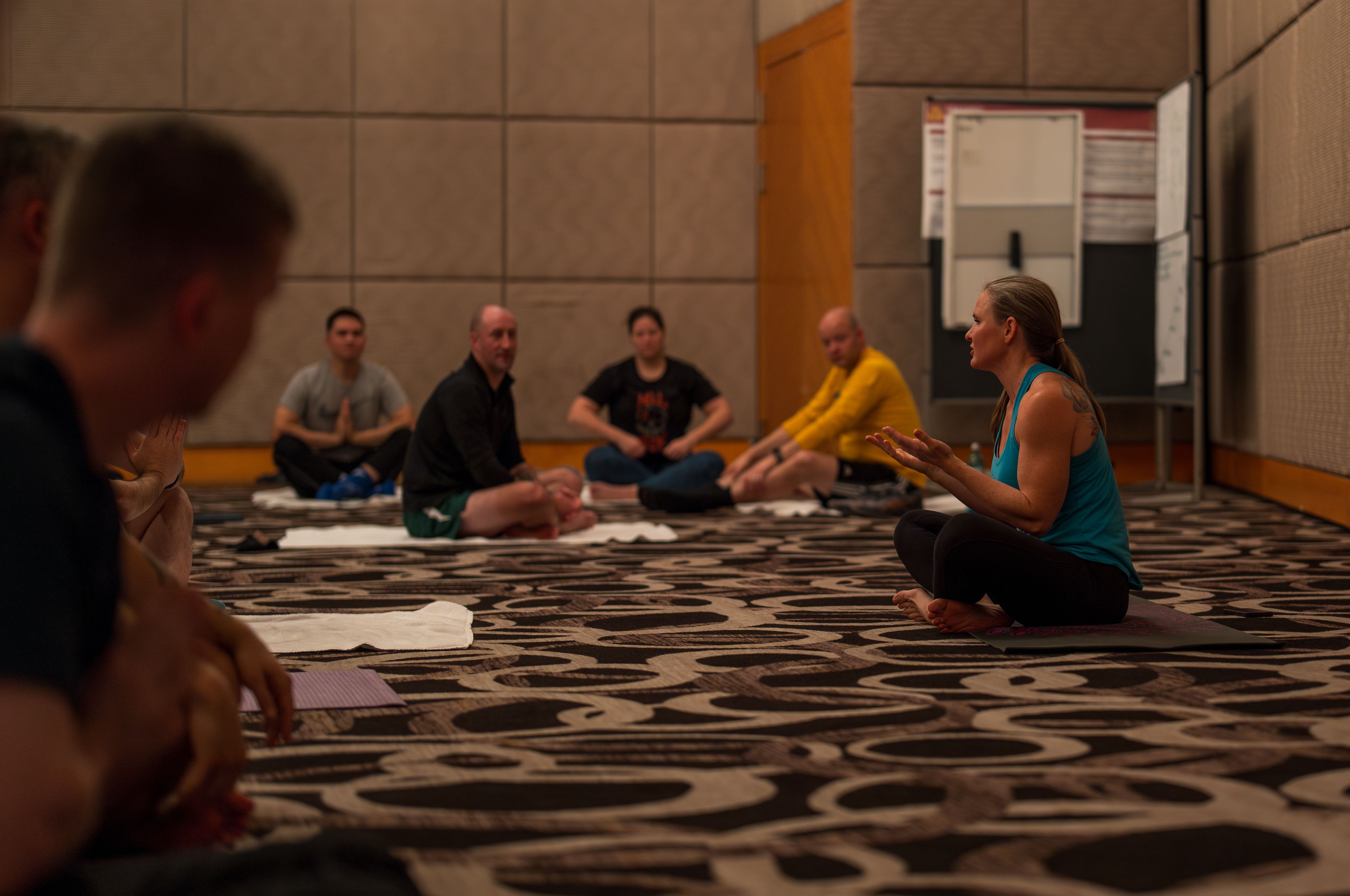
Grounded people don’t chase every feeling; they consult values that outlast mood swings. Purpose acts like cognitive ballast, keeping decisions stable when emotions surge or social pressures pile on. This orientation often shows up as everyday prosocial behavior – tiny acts that strengthen community ties and personal meaning alike.
Why it matters: values reduce decision fatigue and buffer stress, a pattern observed across cultures with strong community norms. Aligning actions with a few chosen principles – honesty, care, curiosity – simplifies complex days and narrows regret. When the compass is set, detours rarely become derailments.
Repair Over Perfection: Conflict Skills and Distress Tolerance

expect rupture and plan repair. They can stay with discomfort long enough to learn from it, rather than rushing to numb, blame, or flee. This capacity – distress tolerance – makes room for growth in the messiest moments.
Skills include naming the stuck point, acknowledging harm, and proposing next steps without performative blame. Studies of couples and teams show that swift, sincere repair predicts longer-term stability far better than the absence of conflict. Progress beats perfection when the aim is trust.
Curious, Not Certain: Cognitive Flexibility and Perspective-Taking

Another trait is the habit of asking what else might be true. Cognitive flexibility keeps the mind from locking into doom narratives or single-cause explanations, which are soothing but brittle. Perspective-taking – imagining the view from the other chair – widens options and lowers heat.
This flexibility shows up in the brain as more adaptable network switching between focused and exploratory modes. It also appears in behavior: testing small experiments instead of betting the house on a hunch. Curiosity pries open a window before the room gets stuffy.
Tech-Aware, Not Tech-Ruled: Mindful Use of Tools and Data

Grounded people use technology as a lever, not a leash. Wearables that track sleep, heart rhythm, or breathing become feedback, not verdicts, and notifications are tamed to reduce jitter. They treat digital spaces as environments to design, not inevitabilities to endure.
Looking ahead, biofeedback via earbuds, phone cameras, and even steering wheels will make regulation prompts more seamless. The promise is real-time nudges when physiology drifts, but the risk is over-monitoring and anxiety about numbers. The grounded stance is simple: let tools inform experience, never define it.
Practice Makes Steady: Daily Habits That Anchor Mood

The final trait is pragmatic devotion to small, repeatable behaviors that keep the system resilient. Think boring brilliance: consistent sleep and wake times, movement that raises the heart but not the drama, unhurried meals that stabilize energy. A brief emotion-labeling practice – two sentences in a notes app – can quietly sharpen granularity over weeks.
Pair that with a two-minute breathing drill before hard conversations and a weekly values check to recalibrate priorities. Keep relationships on purpose by scheduling micro-connection – a short walk, a voice note – before problems snowball. Groundedness grows where attention goes; what will you practice tomorrow?
Suhail Ahmed is a passionate digital professional and nature enthusiast with over 8 years of experience in content strategy, SEO, web development, and digital operations. Alongside his freelance journey, Suhail actively contributes to nature and wildlife platforms like Discover Wildlife, where he channels his curiosity for the planet into engaging, educational storytelling.
With a strong background in managing digital ecosystems — from ecommerce stores and WordPress websites to social media and automation — Suhail merges technical precision with creative insight. His content reflects a rare balance: SEO-friendly yet deeply human, data-informed yet emotionally resonant.
Driven by a love for discovery and storytelling, Suhail believes in using digital platforms to amplify causes that matter — especially those protecting Earth’s biodiversity and inspiring sustainable living. Whether he’s managing online projects or crafting wildlife content, his goal remains the same: to inform, inspire, and leave a positive digital footprint.