
In the grand theatre of nature, filled with mysteries and wonders, there are tales that astonish us and ignite hope. Among these tales are those where creatures believed to have disappeared forever from the face of the Earth suddenly reappear, much to the delight and surprise of scientists and nature enthusiasts alike. These stories remind us of the resilience of life and the vastness of our planet, where secrets still lurk in the shadows. Join us as we explore nine remarkable instances where animals, once thought to be extinct, made a triumphant return.
The Coelacanth: A Living Fossil Resurfaces

The coelacanth is perhaps the most famous example of a “Lazarus taxon,” a species that was presumed extinct but reappeared. Once believed to have vanished 65 million years ago, this ancient fish was rediscovered in 1938 off the coast of South Africa. Its discovery was like finding a dinosaur alive today, as coelacanths are often referred to as living fossils. These fish have unique lobed fins and a peculiar way of swimming, reminiscent of early vertebrate ancestors. The coelacanth’s unexpected reappearance has provided scientists with invaluable insights into the evolutionary history of vertebrates.
The Takahe: New Zealand’s Feathered Return
Thought to be extinct since the late 19th century, the takahe is a flightless bird native to New Zealand. In 1948, a small population was rediscovered in the remote Murchison Mountains. This vibrant bird, with its striking blue and green plumage, had managed to survive in isolation. Conservation efforts since its rediscovery have helped stabilize its population, showcasing the importance of habitat preservation. The takahe’s story is a testament to nature’s tenacity and the impact of human intervention in species recovery.
The La Palma Giant Lizard: A Canary Island Surprise

The La Palma giant lizard was believed to have disappeared due to human activity and predation by introduced species. However, in 2007, a small population was found thriving in a secluded area of the Canary Islands. These lizards are notable for their robust size and distinctive coloration. Their rediscovery has highlighted the need for protecting vulnerable habitats and understanding the ecological dynamics that allow species to persist against the odds. The La Palma giant lizard’s tale is a reminder of the delicate balance within ecosystems.
The Lord Howe Island Stick Insect: A Climatic Comeback

This insect, also known as the “tree lobster,” was thought extinct after rats invaded its habitat on Lord Howe Island in the 1920s. Yet, in 2001, a tiny population was discovered on Ball’s Pyramid, a rocky outcrop in the Pacific Ocean. The survival of the Lord Howe Island stick insect is a story of resilience and adaptation. Conservationists have since initiated breeding programs to ensure its survival, illustrating the power of dedicated efforts in species conservation. The stick insect’s return is a beacon of hope for insect enthusiasts and conservationists worldwide.
The Black-Footed Ferret: Rediscovery in the American West
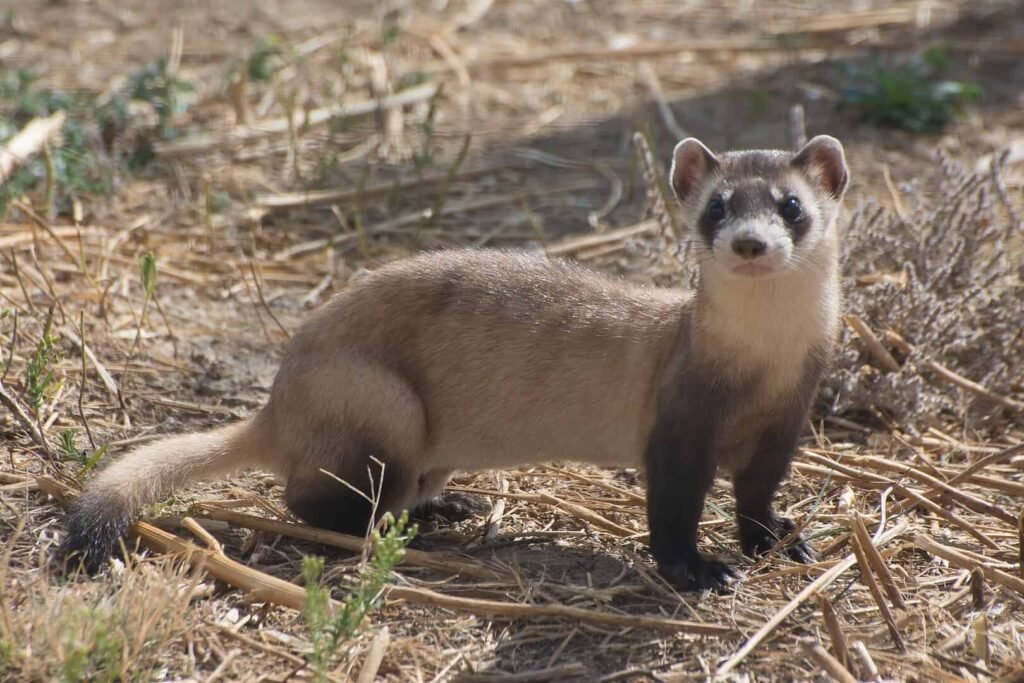
The black-footed ferret was thought to be extinct until a ranch dog in Wyoming discovered a small population in 1981. These ferrets, native to North America’s grasslands, play a crucial role in their ecosystem as predators of prairie dogs. Their rediscovery led to captive breeding and reintroduction programs, which have been instrumental in reviving the species. The ferret’s story underscores the importance of biodiversity and the interconnectedness of species within an ecosystem. It also highlights the unexpected ways in which human actions can aid conservation efforts.
The Bermuda Petrel: A Seabird’s Return from the Brink

Known locally as the “Cahow,” this seabird was believed extinct for over 300 years due to human exploitation and introduced predators. However, in 1951, a small population was found nesting on a few isolated islets in Bermuda. The Bermuda petrel’s rediscovery has led to intensive conservation measures, including habitat management and predator control. This seabird’s story is a poignant example of the challenges and triumphs in species recovery, emphasizing the need for sustained conservation efforts.
The Javan Elephant: A Hidden Giant
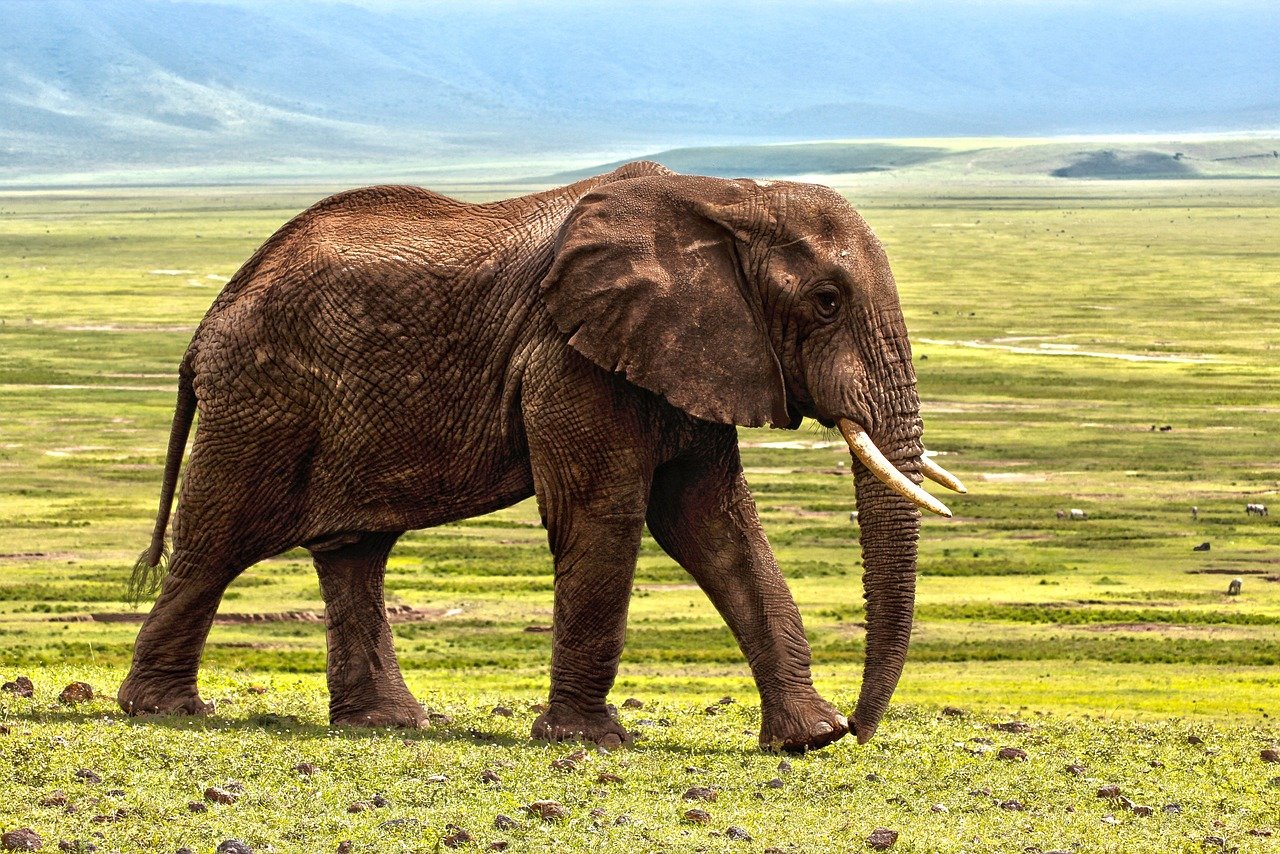
Long considered extinct due to habitat loss and poaching, the Javan elephant was rediscovered in the dense jungles of Java. These elephants were thought to have vanished in the 1800s, but a small group was found in the 21st century. Their return has sparked renewed interest in the biodiversity of Southeast Asia and the importance of protecting large mammals from threats. The Javan elephant’s survival is a reminder of the hidden treasures within our world’s forests and the need for vigilant conservation practices.
The Cuban Solenodon: A Nocturnal Survivor
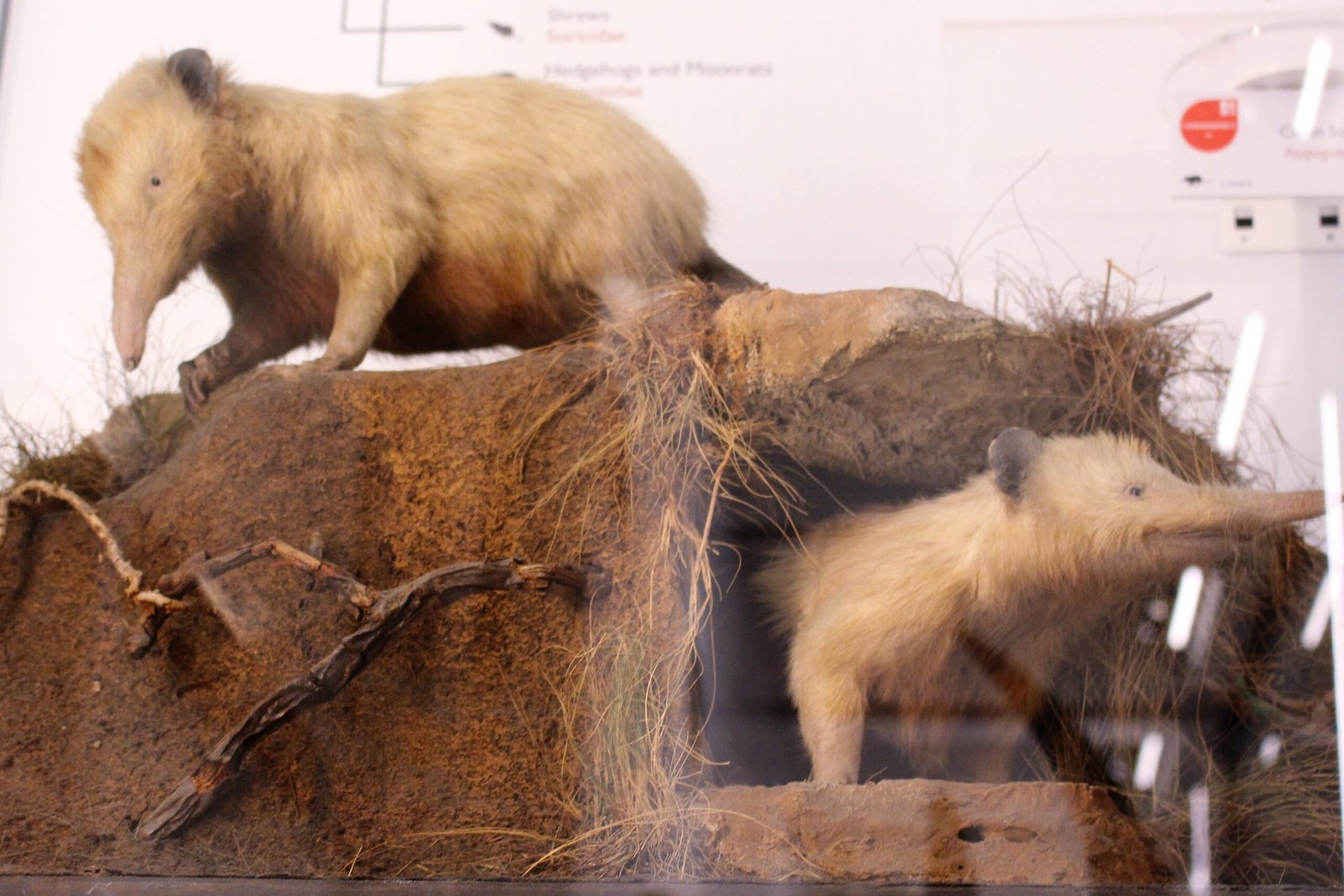
The Cuban solenodon, an ancient insectivorous mammal, was believed to be extinct until it was rediscovered in the 1970s. This peculiar creature has a venomous bite and a unique evolutionary lineage, making it a subject of scientific fascination. Its reappearance has shed light on the evolutionary history of mammals in the Caribbean. The Cuban solenodon’s survival highlights the resilience of small, nocturnal animals and the ongoing need for research into lesser-known species.
The Omura’s Whale: A Marine Mystery Unveiled
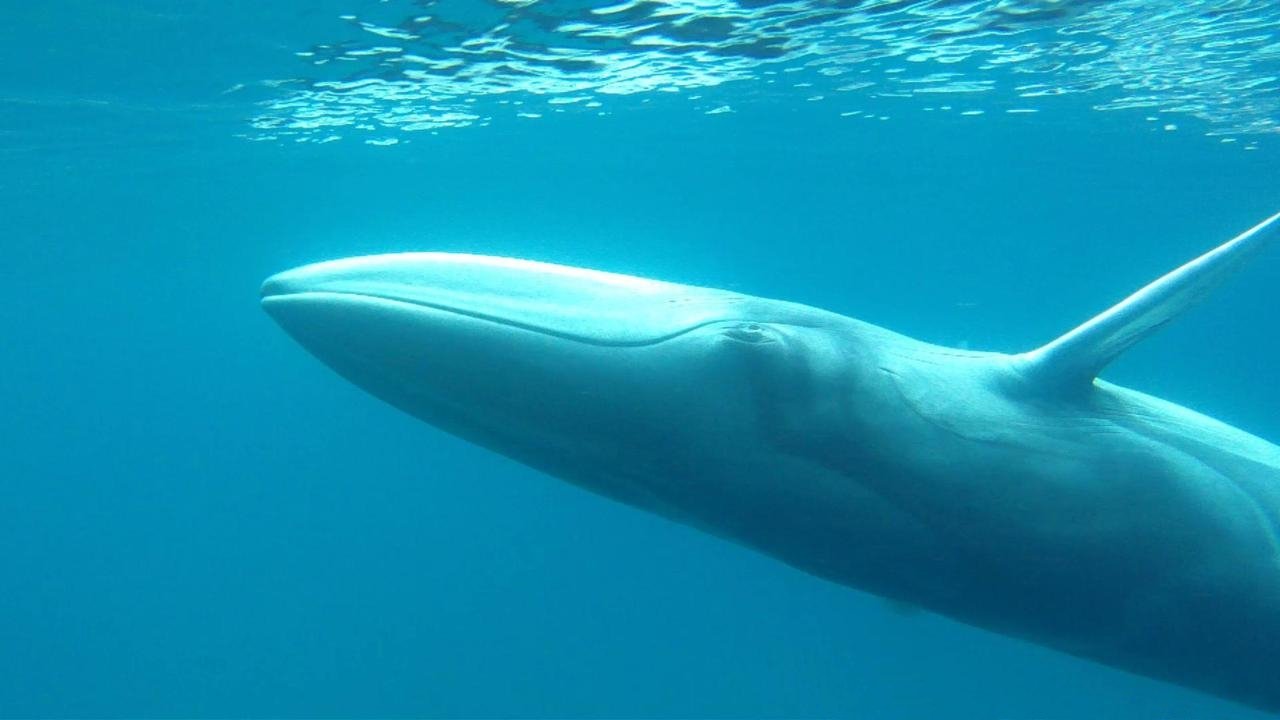
For decades, the existence of Omura’s whale was shrouded in mystery, with only a few fragmented records suggesting its presence. It wasn’t until 2015 that a small population was observed off the coast of Madagascar. This elusive whale species had been mistaken for other whales due to its similar appearance. Its rediscovery has provided marine biologists with a new avenue for research, emphasizing the vast unknowns of our oceans. The Omura’s whale serves as a symbol of the ocean’s mysteries and the potential for discovery beneath the waves.
In these stories of rediscovery, we find lessons of hope, resilience, and the enduring mysteries of nature. Each tale is a testament to the wonders of the natural world and the ongoing efforts to understand and protect it. As we continue to explore our planet, who knows what other hidden treasures await discovery?