


Engineers are raiding the wild for blueprints, and the results feel both futuristic and oddly familiar. Faced with climate stress, resource limits, and rising performance demands, designers are turning to living systems that have quietly optimized solutions for millions of years. The headline story is simple: when we copy nature with respect and rigor, machines get quieter, cleaner, lighter, and smarter. The deeper story is more human – I’ve stood in labs where a seashell’s shimmer or a feather’s fringe sparks a quiet gasp, the kind you hear at a dawn lookout. This is where wonder becomes hardware, and where the next generation of tech might finally feel alive to the world around it.
The Hidden Clues: Kingfisher Beaks and Quieter Trains
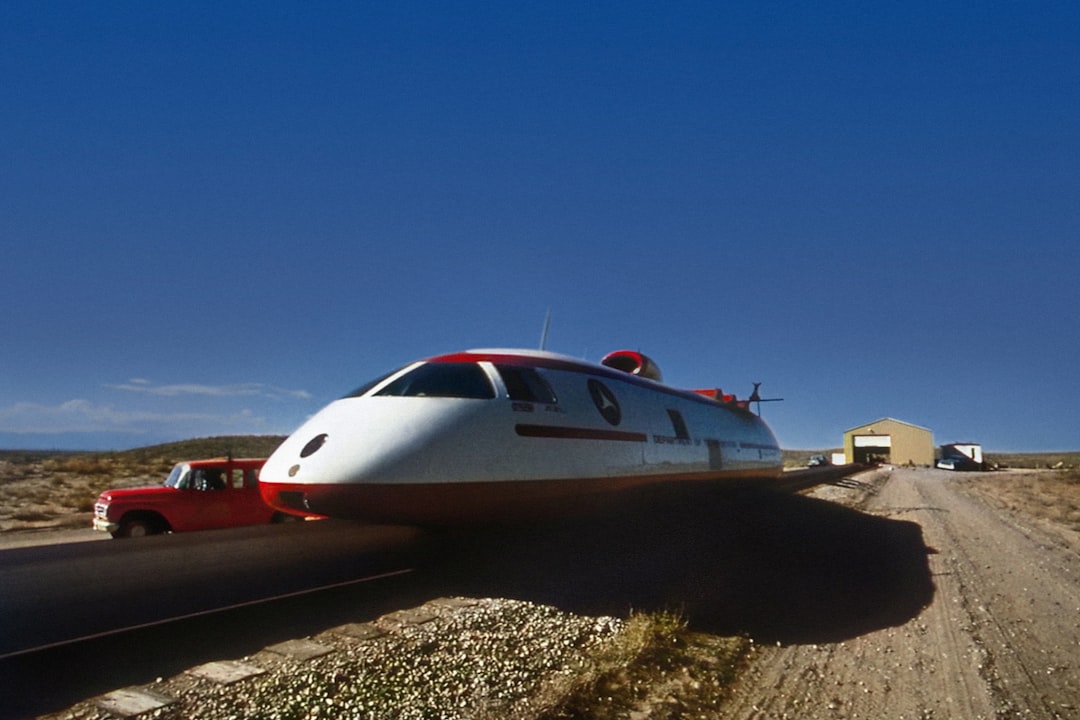
A kingfisher slices into water with barely a splash because its beak tapers into a sleek, pressure-friendly profile. Train designers studied that geometry to reshape high‑speed noses, cutting the thunderous tunnel boom that once rattled neighborhoods. The new contours reduce sudden air pressure changes, trimming noise and energy losses at the same time. What reads like bird poetry on a riverbank becomes math in aluminum and composites at industrial scale. I remember first hearing this story and realizing the bird wasn’t a mascot – it was a co‑author of quieter transport.
The lesson is profound: the right shape can solve multiple problems at once. By harmonizing with airflow rather than wrestling it, trains can maintain speed with less power and fewer complaints from the communities they pass. It’s efficiency that feels humane, not just clever. Nature’s design nudges engineering toward elegance over brute force. That shift is the real milestone, not a single decibel figure.
Skin That Stays Clean: Shark-Inspired Microtextures
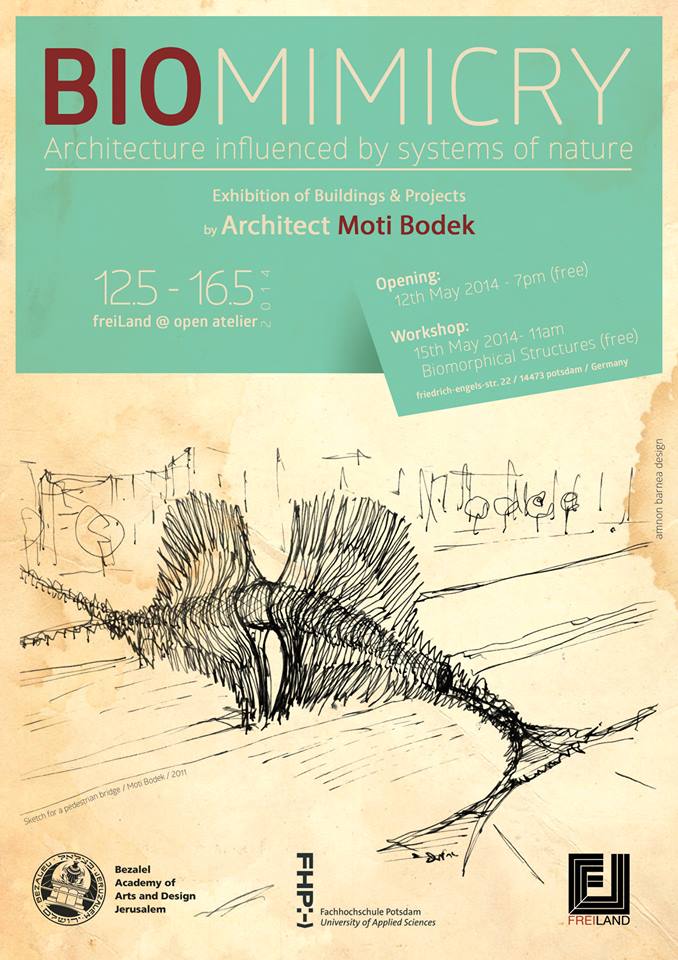
Shark skin is covered in tiny ribbed scales that disrupt flow and discourage hitchhiking microbes. Material scientists translated that microtexture into films and coatings that resist fouling on ship hulls and reduce bacterial attachment on high‑touch surfaces. In water, the ridges can tame turbulence and shave drag, saving fuel over long routes. On land, patterns that microbes struggle to colonize may reduce cleaning time and chemical use in the right settings. It’s not magic; it’s geometry meeting biology.
The shocker is how passive these defenses are. No harsh additives, no constant dosing – just texture that gently pushes the physics toward a cleaner outcome. In hospitals and labs, small gains in cleanliness compound into meaningful risk reductions. On ships, even modest drag cuts across global fleets can save vast amounts of fuel. Tiny grooves, massive implications – that’s the shark’s quiet thesis.
Dry Grip, Wet Mind: Gecko-Inspired Adhesives
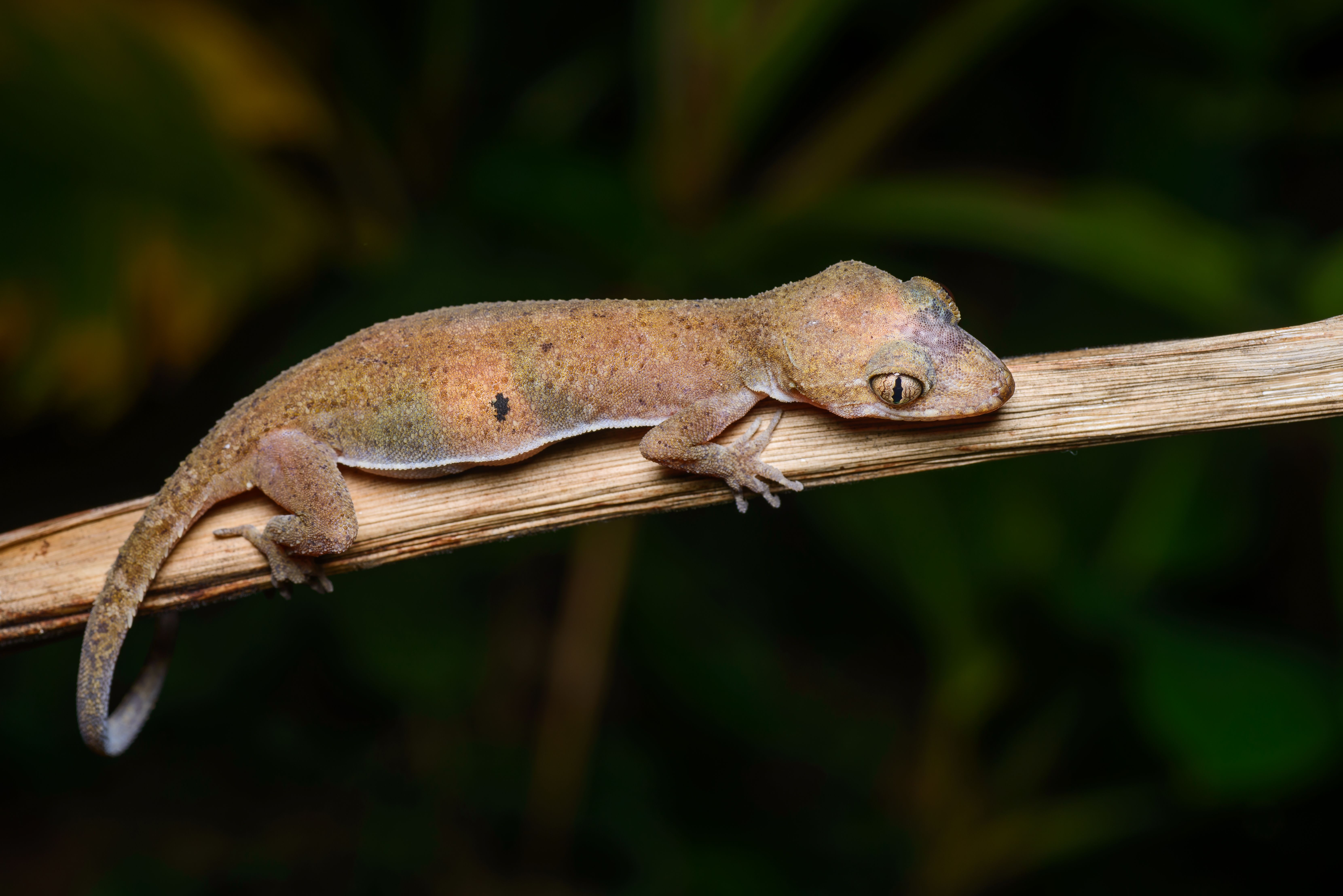
Geckos sprint along ceilings because each toe carries forests of microscopic hairs that summon weak molecular forces into strong, reversible grip. Engineers emulated those arrays with synthetic pillars and spatula-like tips, creating tapes and pads that cling without glue and release without residue. The dream is a reusable adhesive that works cleanly on glass, metal, and delicate electronics. Researchers wrestle with scale, durability, and performance on dusty real‑world surfaces. But every year, those hurdles look a little shorter.
What excites me most is the control dial built into the concept. As with the lizard, a gentle peel or slight twist can break contact on command, avoiding messy solvents. In factories, that could mean faster assembly with fewer consumables. In space, it suggests tools that latch onto panels in vacuum where liquids fail. This is manufacturing with a climber’s confidence and a pianist’s touch.
Self‑Cleaning by Design: The Lotus Effect on Everyday Surfaces

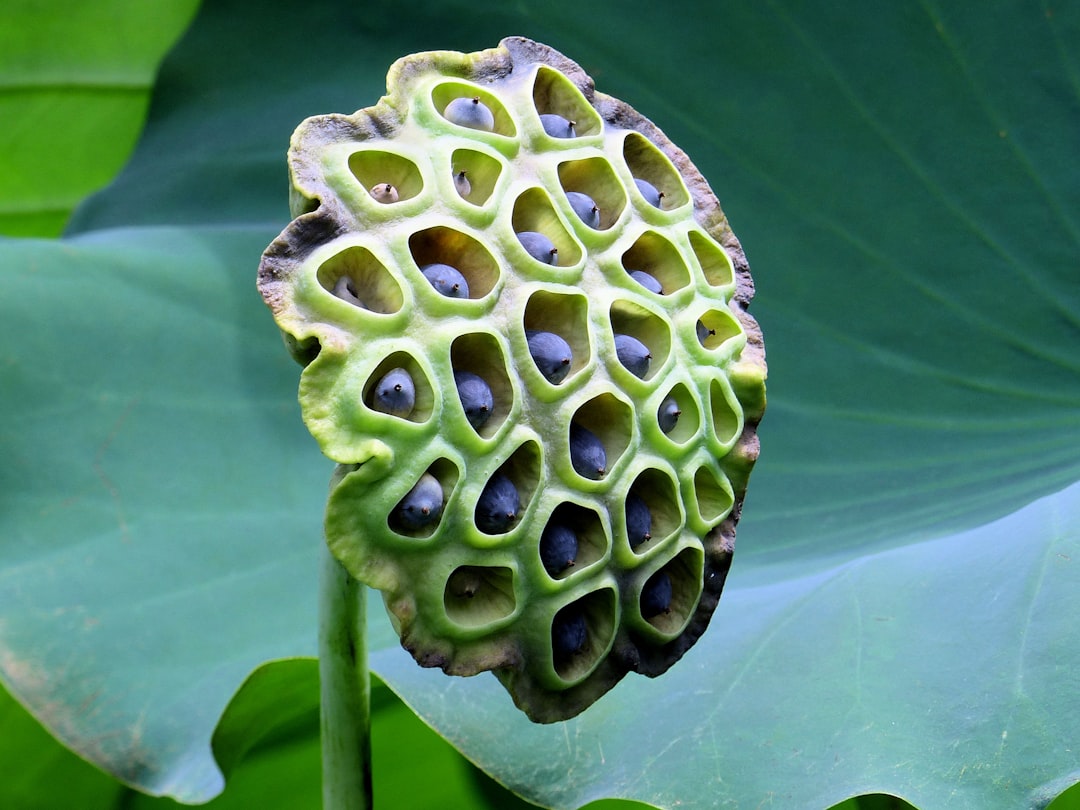
Lotus leaves stay astonishingly clean because waxy nanostructures make water bead up and roll away, sweeping dirt as it goes. Engineers mirrored that texture in paints, textiles, and solar panel coatings so grime has a harder time sticking. A brief rain or light rinse becomes a free cleaning event. Less scrubbing and fewer detergents can save time, water, and money in buildings and infrastructure. The leaf shows that cleanliness can be engineered into the surface itself.
There’s a mindset shift tucked inside these droplets. Instead of inventing stronger chemicals, we redesign contact at the microscopic level. That pivot lowers maintenance and extends useful life, which is quietly climate‑friendly. Solar panels in dusty regions, for instance, can hold output steadier between cleanings. The lotus doesn’t hustle – it lets physics do the housekeeping.
Breathing Buildings: Termite Mounds and Passive Ventilation
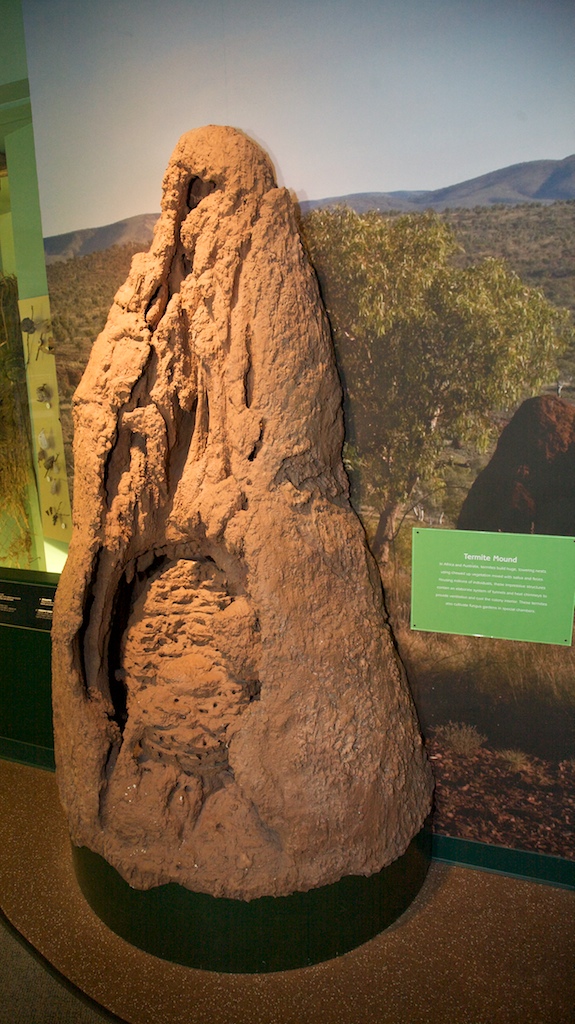
Some termite mounds stay surprisingly stable inside, despite brutal temperature swings outside, thanks to porous walls and clever channels that drive natural airflow. Architects and engineers borrowed the idea to create buildings that vent and cool with minimal mechanical help. Air moves because the structure invites it to, not because fans command it to. The result can be lower energy bills and gentler indoor climates in the right urban and weather contexts. It’s architecture that listens to wind and heat the way a musician listens to rhythm.
When I walked through a passively cooled office on a summer day, the air felt calm rather than forced. You sense the absence of hum, the way a quiet library feels different from a busy café. These choices don’t eliminate HVAC everywhere, but they trim its workload. That means less peak demand and more resilience during heat waves. In a warming world, every watt spared is a small victory.
Whispering Wings: Owl Feathers and Quieter Machines
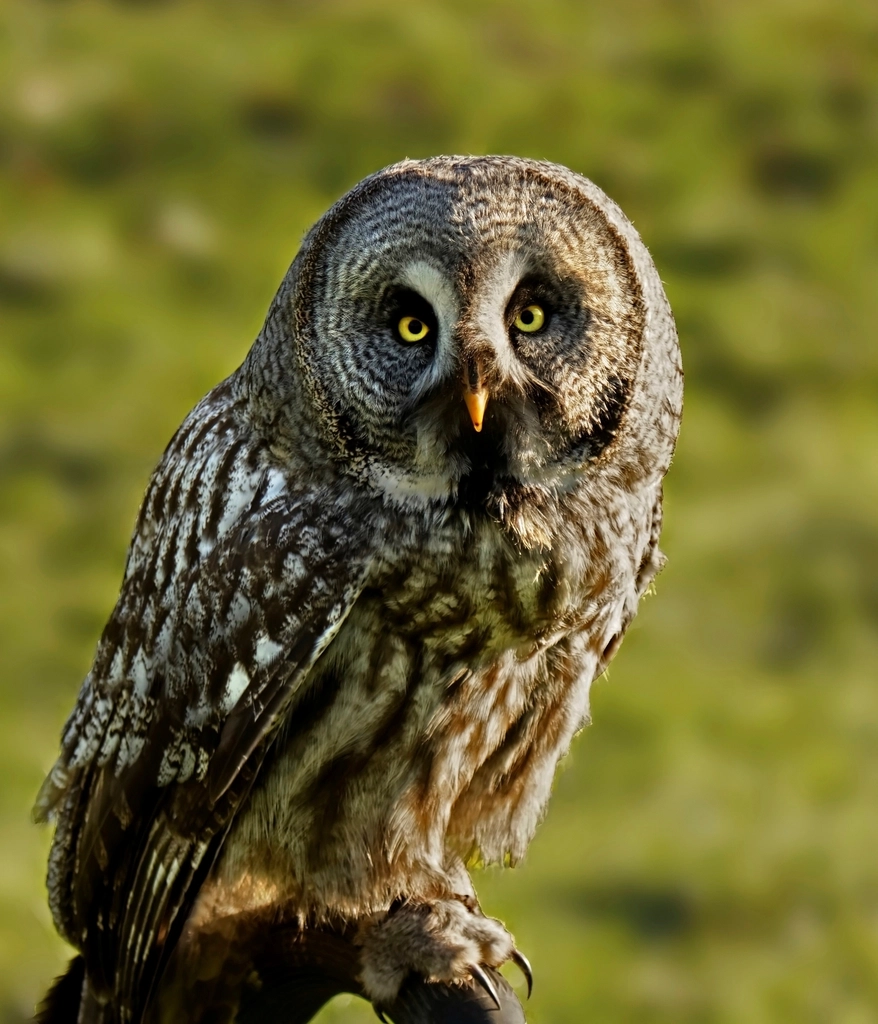
Owls hunt by sound, so evolution softened their flight: serrated leading edges, frayed trailing fringes, and velvety surfaces that break up noise. Engineers carry those cues into fan blades, drone propellers, and wind turbines to hush the whoosh without sacrificing lift. The trick is to scatter turbulent vortices before they organize into audible roar. Prototypes show that small features can change the acoustic signature meaningfully. Where community acceptance hinges on noise, that difference matters.
Silence, in this case, is a public‑health strategy as well as an engineering flex. Quieter urban ventilation can make dense housing more livable. Quieter drones may support emergency response at night without waking entire blocks. Quieter turbines can smooth the path for wind farms near populated coastlines. The owl teaches that performance and civility can share the same wing.
The Rippled Edge Advantage: Whale Flippers and Lift You Can Trust
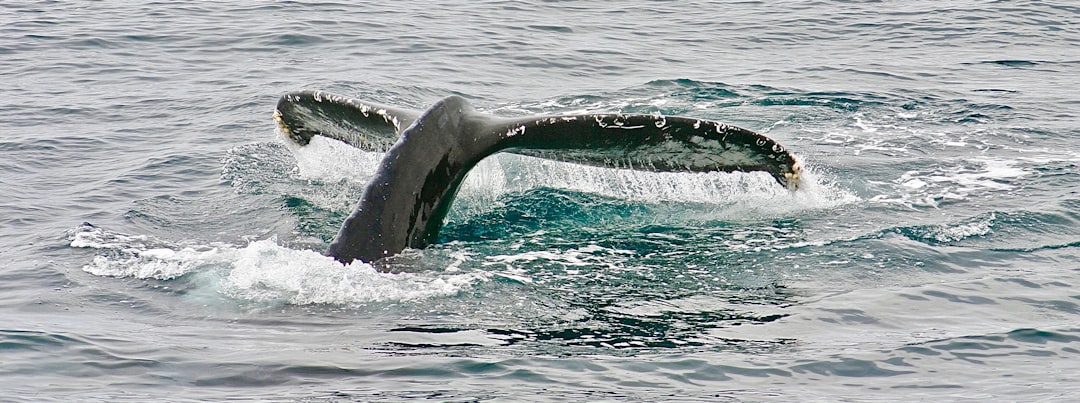
Humpback whales steer with flippers lined by knobby ridges called tubercles, which channel flow into stable streams that delay stall. Add similar bumps to a blade and you can keep lift at higher angles while improving control. Researchers have tested versions on fans, compressors, and turbines with promising gains in efficiency and stability. The payoff is safer margins and better performance in messy, real‑world conditions. Nature’s wavy edge turns out to be less drag queen and more drag whisperer.
I once watched side‑by‑side smoke tests where the bumped wing kept smooth streamlines longer than the clean wing. The visual was unforgettable: a subtle geometry tweak transformed the chaos. For operators, that might mean devices that shrug off gusts and run quietly in variable weather. For designers, it’s permission to break the obsession with razor‑straight edges. Curves, it turns out, can be smarter than lines.
Nature’s Super Glue: Mussel Chemistry for Wet Adhesion
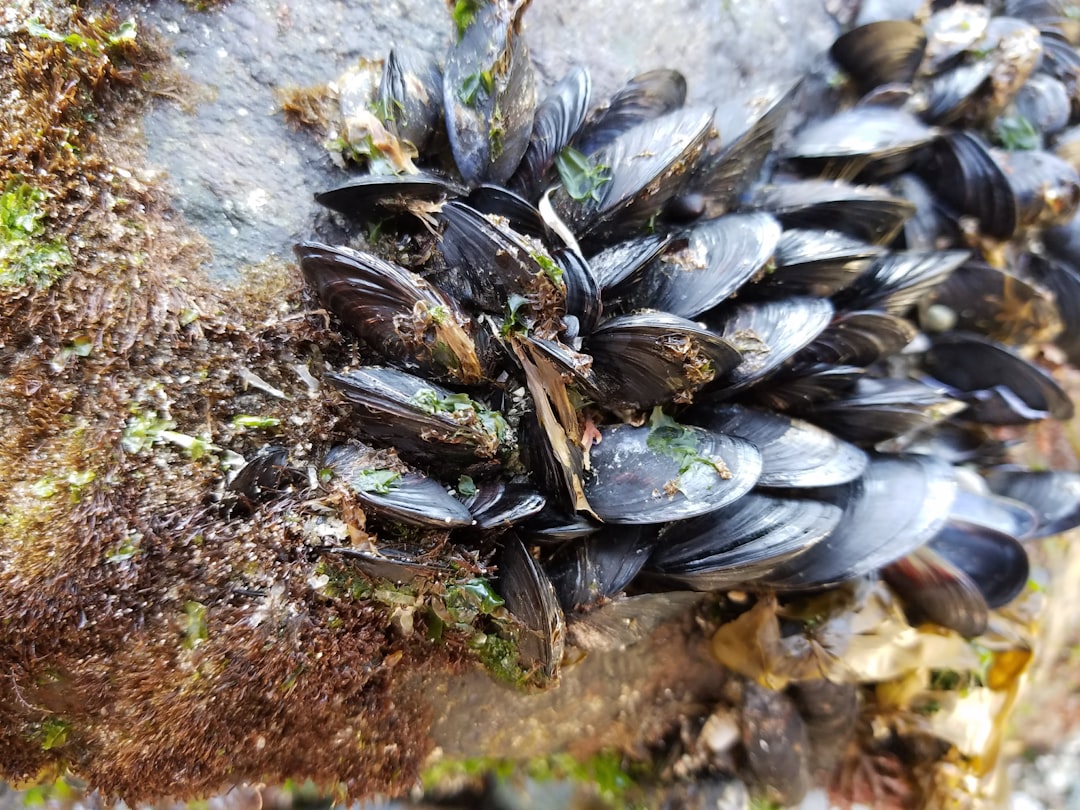
Mussels anchor to wave‑pounded rocks using proteins rich in catechol groups that bond in wet, salty environments. Chemists mimicked that chemistry to formulate adhesives and coatings that set underwater or inside the body. Surgical sealants derived from this approach aim to reduce leaks where stitches struggle. Industrial versions promise repairs on damp pipes or submerged structures without elaborate drying steps. When water stops being the enemy, design options multiply.
The beauty is the balance between stickiness and biocompatibility. You want strong bonding, but you also want materials that play well with tissues or delicate ecosystems. Mussel‑inspired polymers offer a path through that trade‑off. They shift the question from whether to work wet, to how best to do it. That feels like freedom in domains that once avoided moisture at all costs.
Toughness, Not Just Strength: Spider Silk and Next‑Gen Fibers
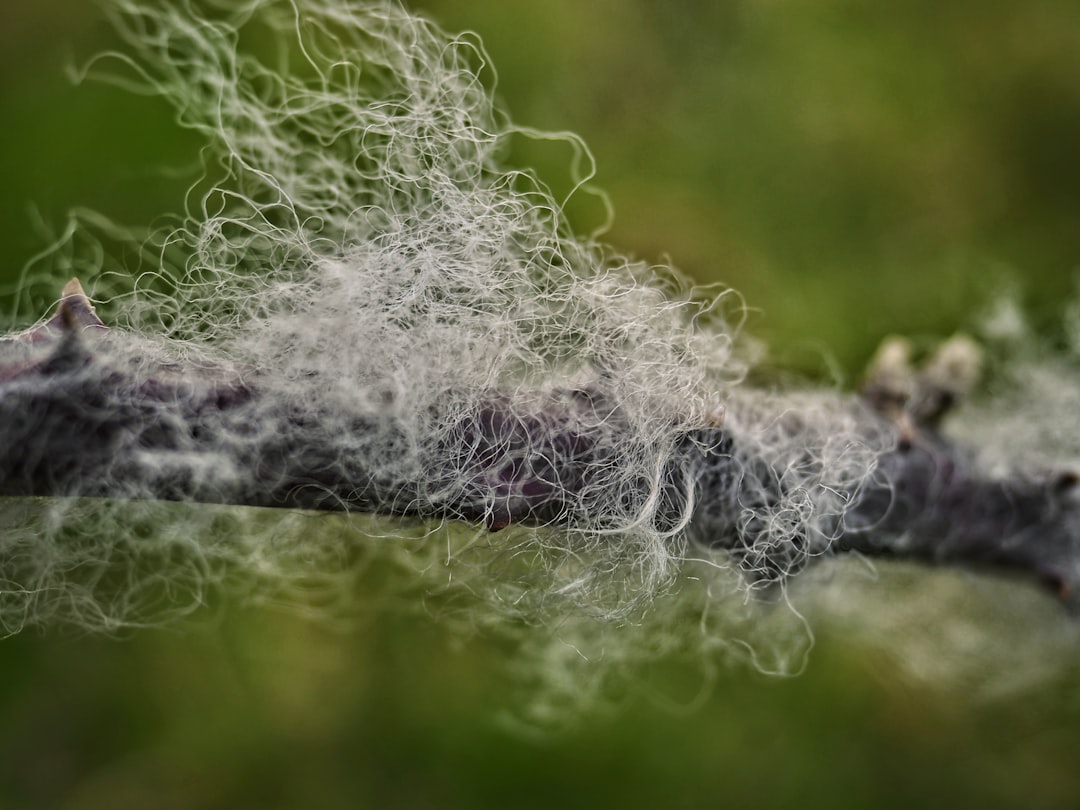
Spider silk is famous because, weight for weight, it rivals steel in strength while stretching without snapping. Engineers chase that combo with engineered silks, hybrid polymers, and bio‑manufactured fibers spun by microbes. The goal is materials that absorb energy gracefully, not just resist it. Think lighter protective gear, softer landings, and flexible components that survive repeated stress. The spider’s lesson is to blend elasticity with strength, the way a tree bends in wind.
Scaling production remains the hard part, but progress keeps coming. Labs tune protein sequences and spinning conditions to coax better filaments from bioreactors. Designers already test bio‑based yarns for apparel and medical devices where comfort and resilience both matter. If the supply puzzle cracks, we could rethink how we build everything from helmets to hinges. That would turn a web into a new industrial fabric – literally.
Why It Matters: From Copying Shapes to Rethinking Systems
Biomimicry isn’t a novelty; it’s a strategy for doing more with less by aligning with physics, chemistry, and ecology. Compared with brute‑force engineering, nature‑inspired designs often cut energy use, reduce waste, and improve reliability. They’re not always cheaper on day one, but they can pay back through performance and longevity. They also broaden the talent pool, inviting biologists and ecologists into the design room. In my view, that cross‑pollination is where the biggest breakthroughs will germinate.
The stakes are practical and planetary. Cleaner ships and quieter turbines help communities breathe easier. Passive buildings take pressure off stressed grids. Medical glues and gentle adhesives improve care while trimming disposables. When technology learns from living systems, the result is not just smarter products – it’s a kinder footprint on the world. Did you expect that?
Suhail Ahmed is a passionate digital professional and nature enthusiast with over 8 years of experience in content strategy, SEO, web development, and digital operations. Alongside his freelance journey, Suhail actively contributes to nature and wildlife platforms like Discover Wildlife, where he channels his curiosity for the planet into engaging, educational storytelling.
With a strong background in managing digital ecosystems — from ecommerce stores and WordPress websites to social media and automation — Suhail merges technical precision with creative insight. His content reflects a rare balance: SEO-friendly yet deeply human, data-informed yet emotionally resonant.
Driven by a love for discovery and storytelling, Suhail believes in using digital platforms to amplify causes that matter — especially those protecting Earth’s biodiversity and inspiring sustainable living. Whether he’s managing online projects or crafting wildlife content, his goal remains the same: to inform, inspire, and leave a positive digital footprint.


