
If all the world’s animals vanished tomorrow, we wouldn’t just miss their beauty. Forests would collapse, rivers would change course, coastlines would erode, crops would fail, and the air itself would slowly start to change. Life on Earth is stitched together by millions of small, often invisible acts carried out by animals every single day.
Most of us know that bees pollinate flowers and that worms are good for soil, but that’s barely scratching the surface. From elephants shaping woodlands to tiny plankton in the oceans influencing the climate, animals are constantly engineering the planet behind the scenes. Let’s dig into nine surprising ways they quietly hold everything together.
1. Elephants As Forest And Savannah Architects
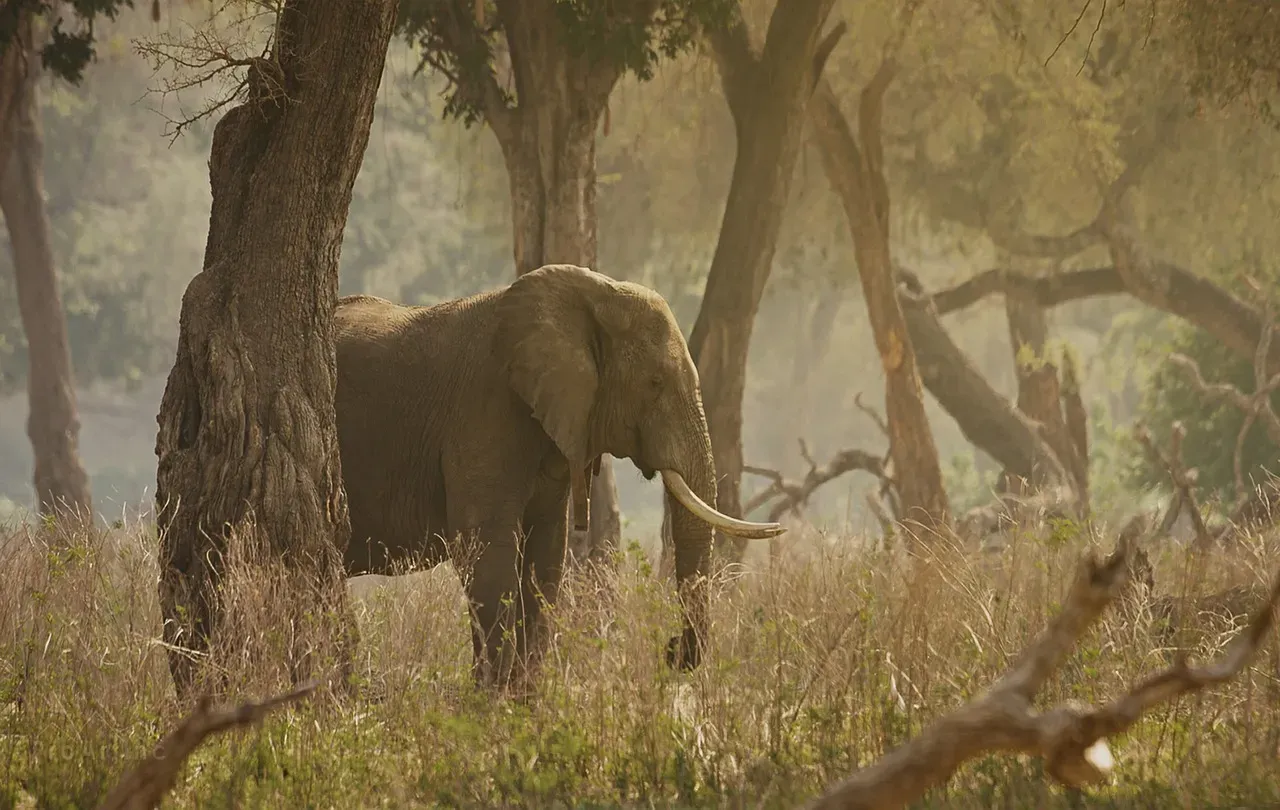
It’s hard to think of elephants as “subtle,” but their impact on landscapes is almost like a slow-motion art project. As they move through forests and savannahs, they knock down trees, strip branches, and rip up shrubs, which can sound destructive until you realize they’re actually preventing some areas from becoming too overgrown. This opens up sunlight for grasses and smaller plants, creating a richer mix of habitats instead of a single dense wall of trees.
Elephants also act like giant seed delivery trucks. They eat fruits and foliage, then drop seeds miles away in nutrient-rich dung that acts as a ready-made fertilizer pack. Some tree species in Africa and Asia rely heavily on elephants to spread their seeds over long distances, keeping forests diverse and resilient. Without elephants, parts of savannah can slowly convert into thickets, and some forests lose key tree species that depend on these heavy-footed gardeners.
2. Wolves And Big Predators Keeping Ecosystems In Balance
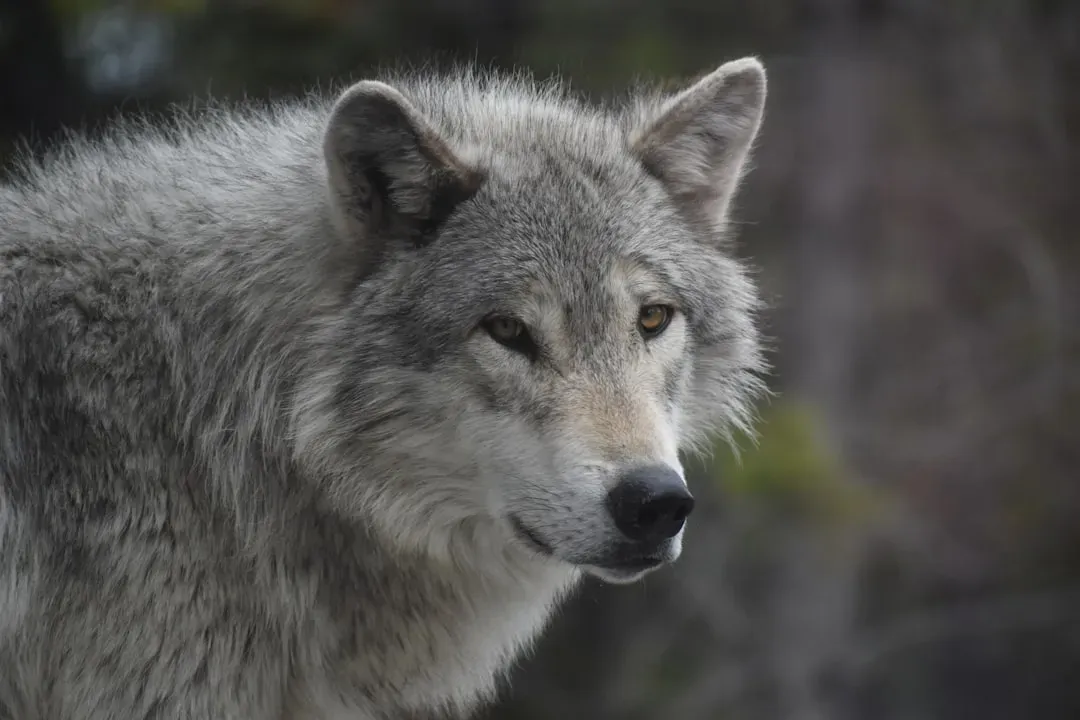
When top predators like wolves, big cats, or wild dogs disappear, their absence doesn’t just mean more deer or antelope running around. Prey animals often linger in one place, overgrazing plants, stripping young trees, and trampling riverbanks. Once predators return, their presence changes how prey behave, pushing them to move more, avoid certain areas, and spread out their feeding pressure. Ecologists call this a “trophic cascade,” and it can reshape entire landscapes.
A famous example is what happened when wolves were reintroduced to Yellowstone National Park in the United States. With wolves back on the scene, elk stopped over-browsing young willows and aspens along streams, allowing those trees to bounce back. As the vegetation recovered, birds, beavers, insects, and even fish benefited from cooler, more shaded waters and stronger riverbanks. It’s a reminder that predators don’t just eat; they set the rules of the ecosystem game.
3. Beavers Re-Engineering Water And Creating Wetlands
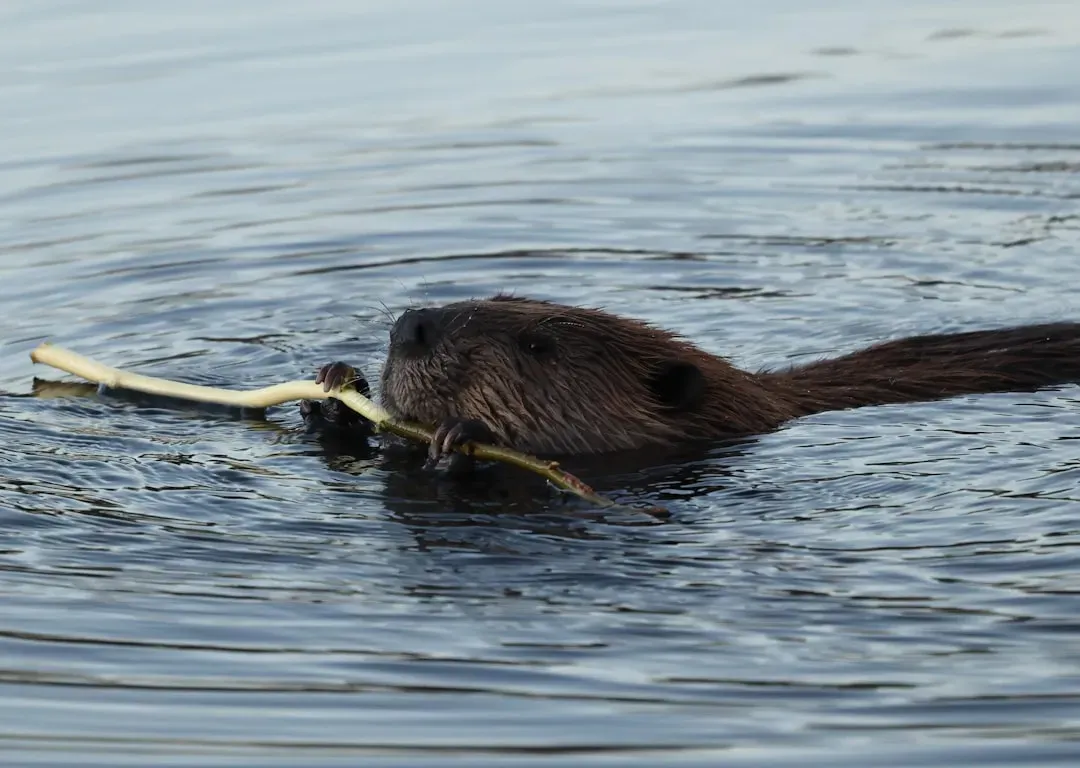
Beavers are often called “ecosystem engineers,” and for good reason: they literally remodel rivers. By building dams and lodges from wood and mud, they slow down fast-flowing streams, turning them into ponds and wetlands. This might look messy at first, but these new wet zones become magnets for life, attracting frogs, fish, insects, birds, and mammals that all need calm, shallow water to thrive.
These beaver-made wetlands also store water like natural sponges. During heavy rains, they reduce downstream flooding by absorbing and spreading out the flow, and during droughts, they release stored water slowly, helping keep streams running longer. They trap sediments, filter pollutants, and improve water quality. In a warming, more unpredictable climate, beavers are quietly becoming allies for both wildlife and people who live downstream.
4. Vultures And Scavengers As Nature’s Clean-Up Crew
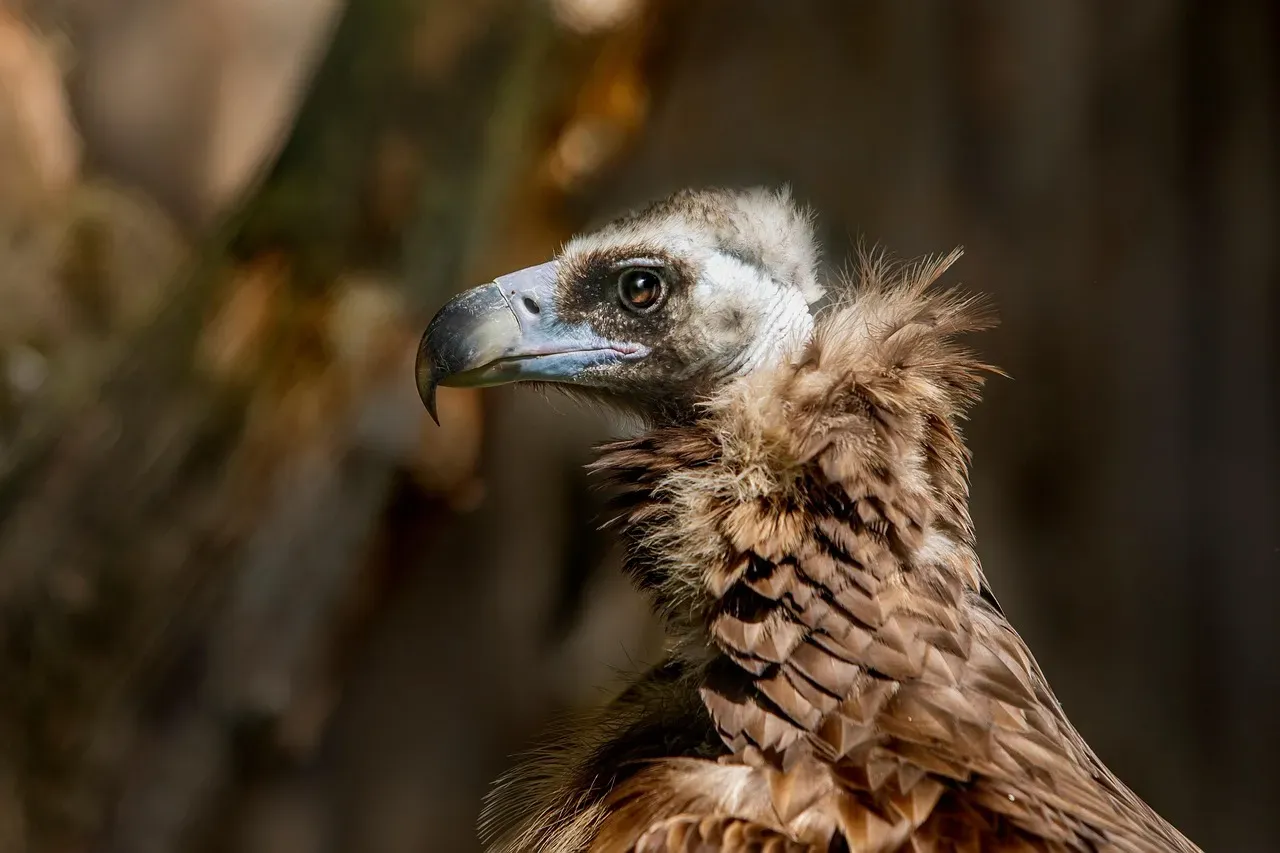
Vultures don’t get much love. They’re not cute, they eat dead things, and they often show up in unsettling scenes. But they play a critical role in stopping disease from ripping through ecosystems. By rapidly consuming animal carcasses, vultures remove potential breeding grounds for dangerous bacteria and viruses. In many regions, they can strip a carcass down to bone in a matter of hours, leaving little behind for harmful microbes to thrive on.
Where vulture populations have crashed, researchers have seen worrying side effects. More carcasses are left to rot, drawing in feral dogs and rats that are much more likely to spread diseases such as rabies and other infections to humans and livestock. In that sense, vultures act like a public health shield, resting on wings instead of being built into hospitals and laboratories. Their unglamorous work keeps the nutrient cycle moving without turning every dead animal into a potential health hazard.
5. Earthworms And Soil Creatures Building Fertile Ground
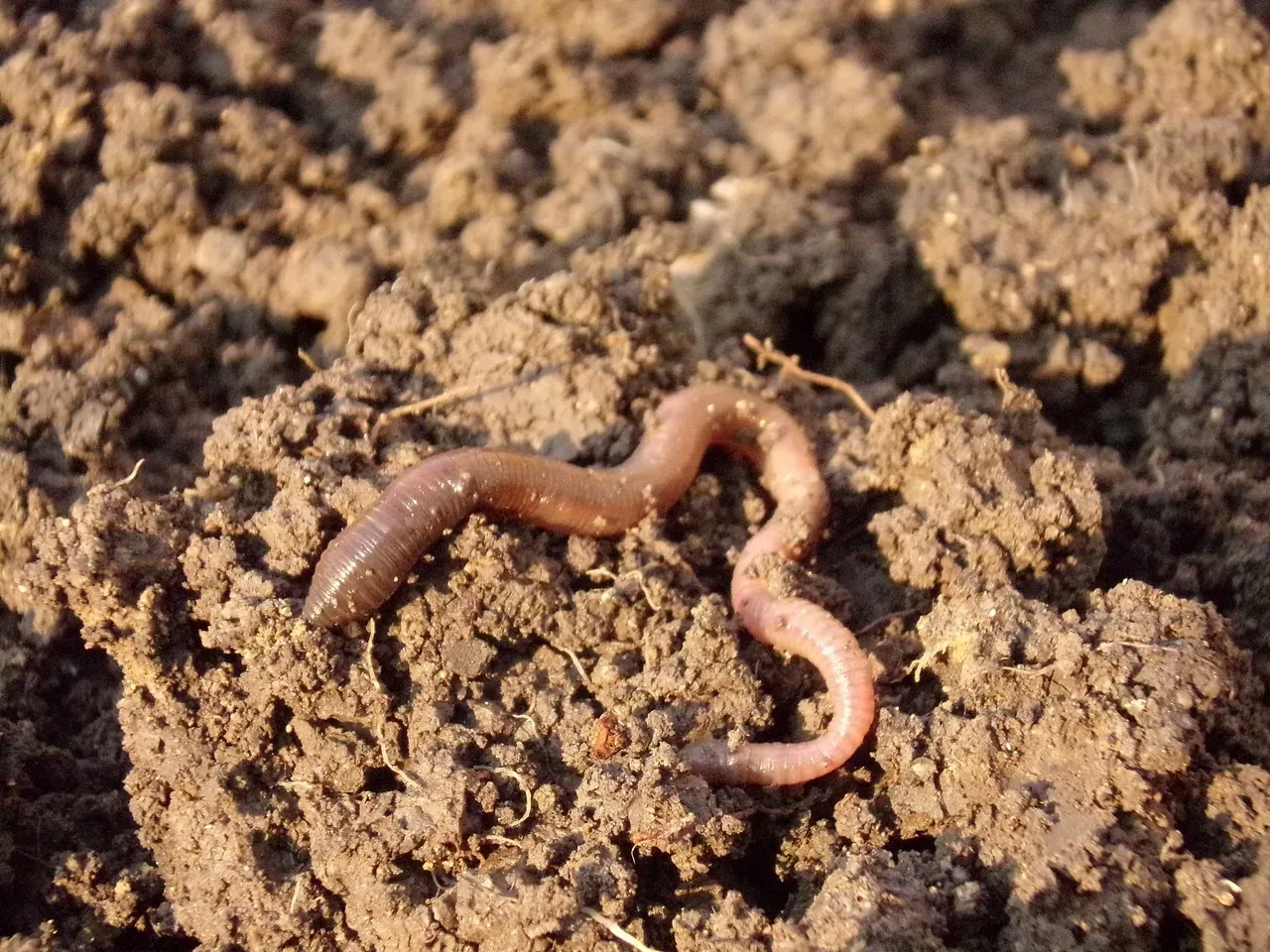
If you’ve ever turned over a patch of garden soil and seen it wriggling with earthworms, you were looking straight at nature’s underground workforce. Earthworms tunnel through soil, dragging bits of leaves and plant material down with them. As they eat and excrete, they mix organic matter into the soil and create tiny channels that let water soak in and roots spread more easily. The result is softer, richer, better-aerated earth that can support stronger, healthier plants.
They’re not alone, either. Termites, ants, beetle larvae, and a whole army of tiny invertebrates churn and recycle the ground constantly. In grasslands and forests, this underground traffic helps lock carbon into soil, improves water storage, and reduces erosion. Without this slow, constant maintenance, soil can harden, wash away, or lose nutrients, making whole landscapes more fragile and less productive, especially under the stress of heat and drought.
6. Bees, Bats, And Other Pollinators Feeding The Planet
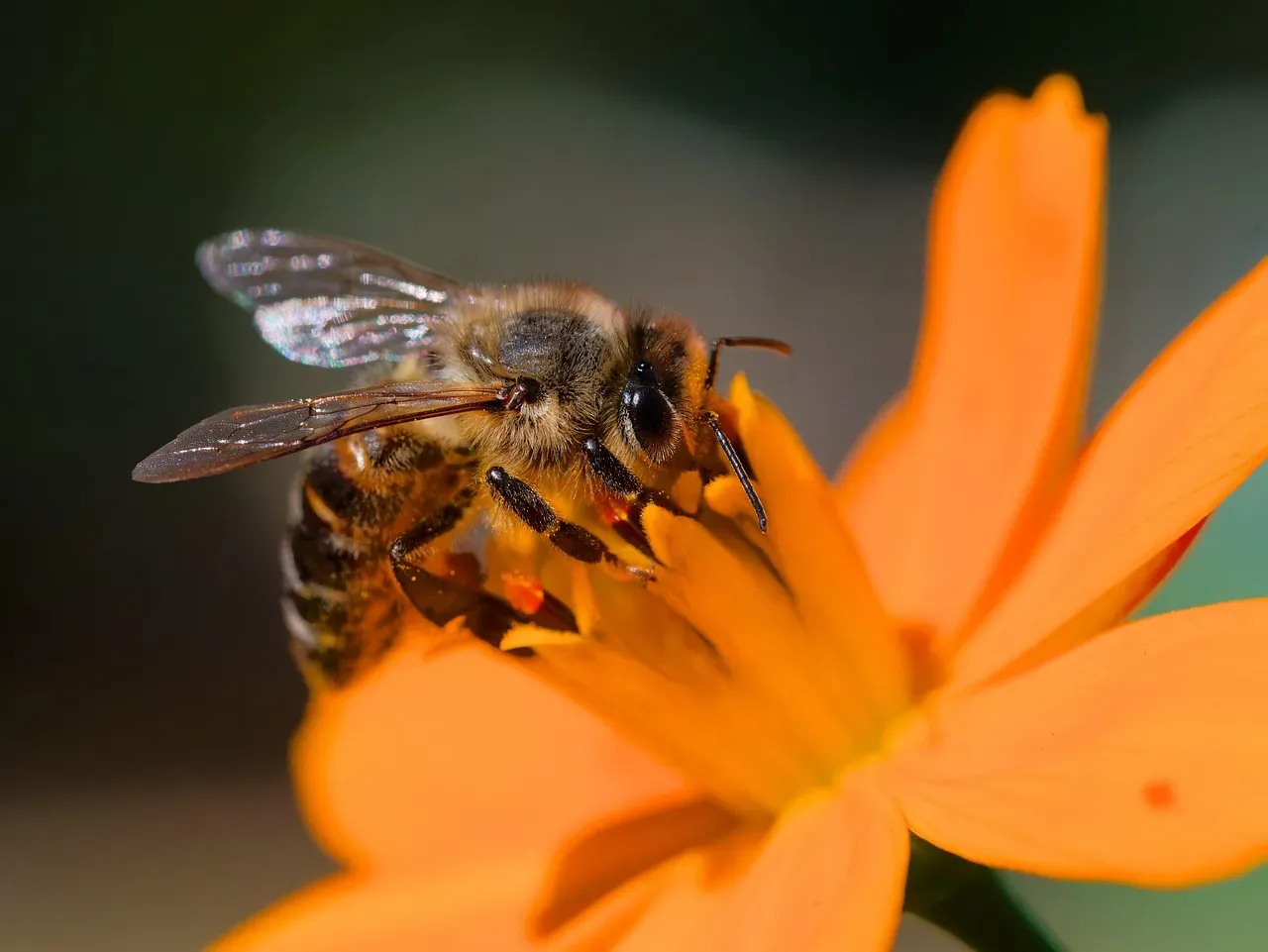
Pollinators are the matchmakers of the plant world. Bees may get the most attention, but bats, butterflies, moths, flies, beetles, and even some birds are all part of this romantic drama. As they move from flower to flower searching for nectar or pollen, they unintentionally transfer pollen grains, allowing plants to reproduce and set fruit. A huge share of the fruits, vegetables, nuts, and seeds people eat depend on these animals making those connections.
In natural ecosystems, pollinators keep forests, meadows, and shrublands blooming with a wide variety of plant species. That diversity supports insects, birds, mammals, and countless microorganisms, creating a stable, interlocking web of life. When pollinator numbers drop because of pesticides, habitat loss, or climate shifts, both wild plants and crops can fail to reproduce properly. It’s like quietly removing bolts from a bridge; it may stand for a while, but the structure is getting weaker with every missing piece.
7. Sea Otters And Marine Grazers Protecting Underwater Forests
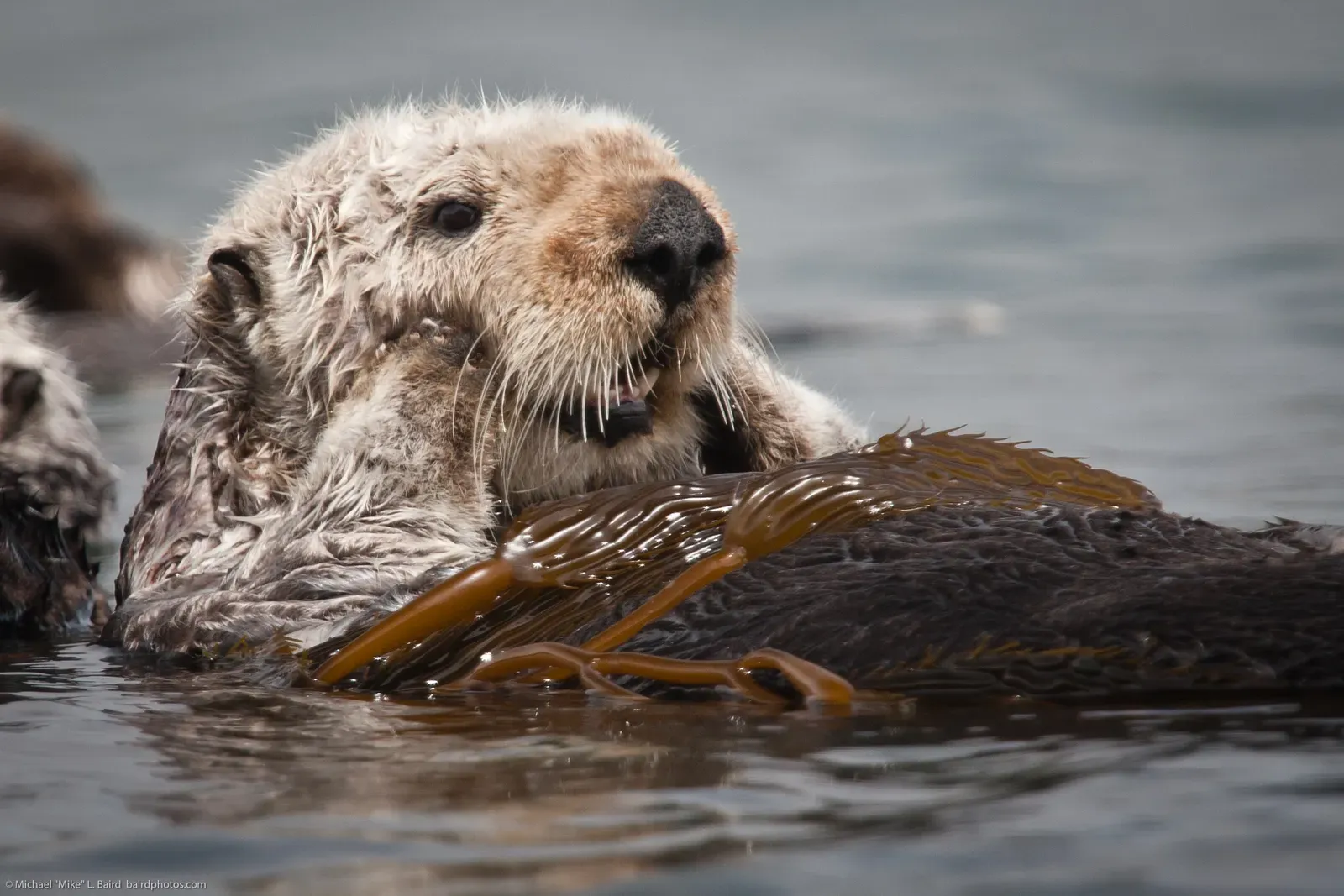
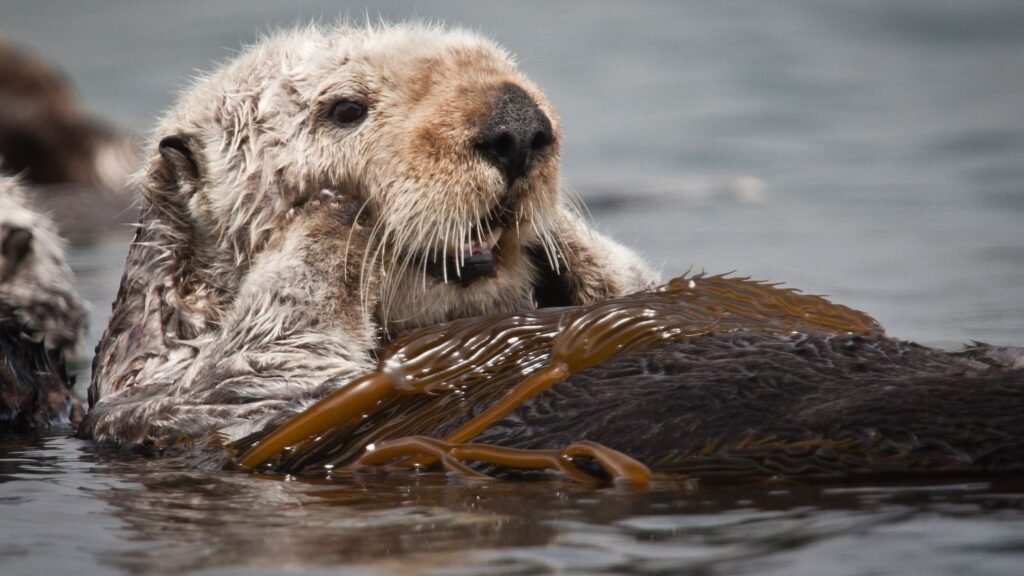
Beneath the waves, animals are just as busy shaping their environments as they are on land. Sea otters, for example, play a huge role in protecting kelp forests along some coastlines. They love eating sea urchins, which are spiny grazers that can mow down kelp if their numbers get out of control. When otters are abundant, they keep urchins in check, and the kelp forests stay thick, towering, and full of life.
Healthy kelp forests offer hiding places and food for fish, crabs, snails, and many other marine creatures. They also absorb carbon and buffer coasts from waves and storms by breaking up incoming swells. When sea otters disappear due to hunting, pollution, or ecosystem shifts, urchins can overrun the seabed, turning lush kelp forests into barren “urchin deserts.” This underwater chain reaction shows how one furry predator can help stabilize an entire marine community.
8. Large Animals As Nutrient And Seed Transporters
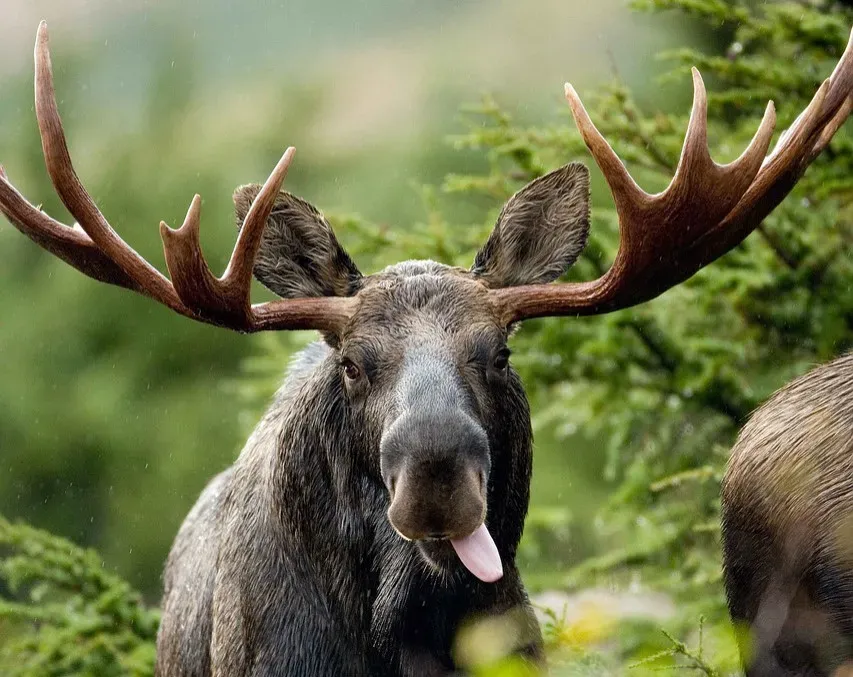
Large animals like bison, wildebeest, tapirs, and even big fish and whales act like moving bridges that connect different parts of ecosystems. As they wander, they carry nutrients in their bodies and spread them through dung, urine, and even their decaying remains. In rivers and oceans, migrating fish move nutrients from one habitat to another, such as from nutrient-rich seas into nutrient-poor upstream waters where they spawn and eventually die, feeding whole food webs.
On land, many trees and shrubs have evolved fruits that are just the right size or shape for specific animals to eat. The seeds then pass through the animal’s digestive system and are deposited far from the parent plant, packaged in a clump of fertilizer. In tropical forests, the loss of large fruit-eating mammals has already started to change the kinds of trees that dominate, favoring those with smaller seeds that do not need big animals. Over time, that shift can alter the forest’s ability to store carbon and withstand storms and droughts.
9. Tiny Marine Organisms Helping Regulate The Climate
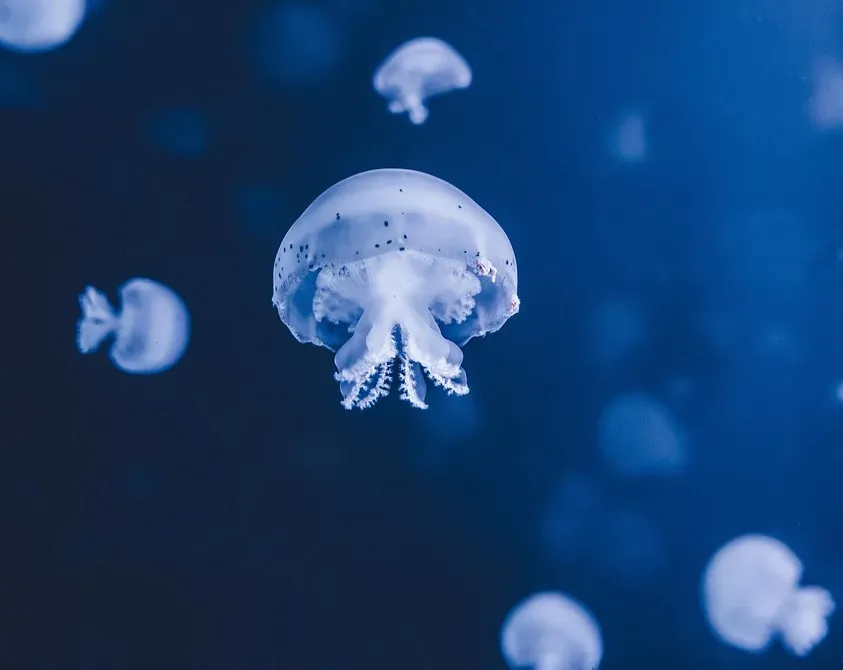
Some of the most important climate helpers on Earth are so small you could fit thousands on a fingertip. Marine plankton, especially tiny plant-like organisms called phytoplankton, use sunlight and carbon dioxide to grow, just like land plants. In doing so, they draw huge amounts of carbon out of the atmosphere and form the base of the ocean food web, feeding everything from small crustaceans to massive whales. When they die, some of that carbon sinks into deep water and sediments, where it can stay locked away for centuries or longer.
Animals in the ocean help drive this “biological pump” by eating plankton, releasing nutrient-rich waste, and migrating up and down through the water column every day. Even fish moving between shallow and deeper waters can help shuffle nutrients and carbon around the ocean. If plankton communities or the animals that feed on them are disrupted by warming waters, acidification, or pollution, it can nudge the climate system in ways scientists are still racing to understand. The slightest imbalance among these tiny creatures can ripple out into weather patterns, fisheries, and the stability of coastlines.
Conclusion: A World Held Together By Wild Lives
From elephants thinning forests to microscopic plankton nudging the climate, animals are not just decorative add-ons to nature; they are the living machinery that keeps Earth running. Each species, whether feared like wolves or ignored like worms, plays roles that weave into a bigger pattern of water, soil, air, and life. Remove enough of those threads, and the fabric of ecosystems begins to fray in ways that are often slow at first but eventually impossible to ignore.
I remember the first time I learned that bringing wolves back to one park could change the shape of rivers; it completely flipped how I saw wildlife conservation. Protecting animals is less about rescuing a few charismatic species and more about defending the invisible systems that feed us, shield us from disasters, and make the planet livable. The real surprise is not that animals help maintain Earth’s ecosystems, but how much our own future depends on whether we let them keep doing their jobs. Did you expect that?