


Open a streaming app and you’ll find more than playlists – you’ll find a mood machine running on biology. From the first drumbeat our ancestors hammered in caves to today’s algorithmic soundscapes, music has always reached past words to stir feeling. Scientists now map that feeling to circuits, hormones, and rhythms that nudge our minds and bodies in measurable ways. The mystery isn’t whether music moves us; it’s how a pattern of air pressure can reset heart rate, quiet anxiety, or fire up motivation. Here’s what the latest research reveals – and how those invisible vibrations take hold.
The Hidden Clues: Rhythm Entrainment Syncs Brain and Body
Why does a steady beat coax your foot to tap even when you try to sit still? Neurons in auditory and motor regions naturally lock onto musical pulses, a process called neural entrainment. This synchronization ripples outward: breathing, gait, and even subtle fluctuations in heart rate can align with tempo. The basal ganglia, a timing hub for movement, lights up when we track a beat, linking rhythm to the urge to move.
Rhythmic alignment doesn’t just prime motion; it shapes mood by stabilizing internal states. Slow, regular tempos encourage parasympathetic calm, while brisk, accentuated beats promote alertness. In rehabilitation, precisely timed rhythms can steady walking in Parkinson’s disease, suggesting a deep bridge between groove and control. That same bridge makes an upbeat chorus feel like momentum in your chest.
From Sound to Pleasure: Dopamine, Anticipation, and Reward
Music can feel rewarding even without food, money, or social approval because it recruits the brain’s reward system. As melodies build, dopamine release ramps in anticipation, peaking during moments we find especially moving. The nucleus accumbens and ventral tegmental area, key reward nodes, register those musical payoffs much like they do other valued outcomes. It explains why a favorite drop or chorus can deliver a physical rush.
Anticipation is the secret sauce: our brains predict what comes next, and music teases, delays, or satisfies those predictions. When the payoff arrives – an unexpected harmony resolving just right – the pleasure surge lands. Over time, we chase those patterns the way runners chase a second wind. It’s not indulgence; it’s learning circuitry wired to love well‑timed surprises.
The Precision of Surprise: Predictive Coding in the Auditory Brain

We don’t passively hear; we actively forecast. The auditory cortex constantly models upcoming notes, and when a song violates those expectations just enough, it produces an error signal the brain finds compelling. That small jolt is emotional currency, turning harmony, rhythm, and timbre into shades of tension and release. Too much predictability bores us; too much chaos frays the nerves.
Composers intuit this calculus, balancing familiarity with deviation to keep listeners engaged. Even simple production choices – like a sudden drop in volume or a well‑timed pause – can sharpen attention and feeling. Mood, in this view, is the brain’s readout of prediction success or failure across time. Music writes the equations; our emotions solve them in real time.
Memory on Cue: How Music Binds to Emotion

A few opening chords can yank you back to a high‑school dance or a cross‑country drive because music binds tightly to memory. The hippocampus tags musical episodes with context, while the amygdala stamps them with feeling, creating unusually sticky recollections. This coupling makes music a potent retrieval cue for autobiographical memories, often more vivid than photographs. The nostalgia isn’t accidental; it’s architecture.
Clinicians harness this by using familiar songs to spark communication in dementia care, where other cues fall flat. Even for healthy brains, music can scaffold studying, workouts, and rituals by linking sound to desired states. I keep a three‑track “reset” list for writing slumps; by the second song, the keyboard feels lighter. The melody is a key, and memory is the lock it fits.
Together in Time: Social Synchrony and the Biology of Bonding

Sing with strangers and you may leave feeling like friends. Group music‑making aligns posture, breathing, and timing, which nudges brain chemistry toward affiliation. Studies point to rises in social neurochemistry – including oxytocin and endorphin signaling – when people sing or drum together, mirroring the warmth of shared laughter. This bodily alignment makes trust easier and conflict softer at the edges.
Sports crowds, protest marches, and religious ceremonies all exploit the same mechanism: move together, feel together. That’s why an anthemic chorus can feel like belonging distilled. In classrooms, synchronized clapping or simple rhythm games improve cooperation. Music, in short, is social glue that dries fast.
Global Perspectives: Culture, Familiarity, and Learned Emotion

While certain acoustic cues – like rough, distorted sounds – often read as urgent across cultures, many emotional reactions to music are learned. We absorb tonal systems and rhythmic patterns through exposure, then treat those norms as natural. A cadence that signals closure in one tradition may feel unresolved in another. The feelings are real, but the rules are local.
Familiarity also breeds liking through a simple principle: repeated exposure tunes neurons to expect a pattern, and comfort follows. That’s why radio rotation can transform a “meh” track into a guilty favorite. Global streaming has supercharged this learning loop, blending styles so quickly that genre borders blur. Our emotional palette expands as our playlists do.
Calm in a Chorus: Stress, the HPA Axis, and Pain Relief

Music can lower the body’s stress load by dampening the hypothalamic‑pituitary‑adrenal (HPA) axis, the system that governs cortisol release. Slow, steady music with gentle dynamics tends to encourage parasympathetic recovery, easing heart rate and muscle tension. In medical settings, music before and after procedures reduces reported anxiety and can cut perceived pain. The effect isn’t magic; it’s physiology steering perception.
Pain is not just a signal from tissue but a brain state shaped by context and attention. Music redirects attention and reframes threat, changing how intense and unpleasant sensations feel. For some patients, rhythmic breathing to music also smooths respiration, adding another route to relief. The right song can be a warm compress for the nervous system.
Why It Matters: Music as a Low‑Risk Tool for Health and Performance

Compared with many interventions, music is inexpensive, scalable, and low risk, which gives it unusual power in public health and daily life. In schools, structured music time helps focus and self‑regulation; in hospitals, playlists tailored to tempo and timbre can aid recovery windows. Athletes exploit tempo to pace workouts and push through fatigue, turning rhythm into a metronome for effort. Office workers, meanwhile, can use lyric‑light, moderately arousing tracks to protect deep‑work blocks.
What’s compelling is not that music works for everyone the same way, but that it offers knobs to turn – tempo, harmony, familiarity – without side effects that require prescriptions. Compared with silence or random noise, intentional music choices give us leverage over mood trajectories. In a world crowded with stressors, that leverage is practical science. The takeaway is simple: treat listening like a tool, not background wallpaper.
The Sound of Speech: Prosody, Meaning, and Emotional Appraisal
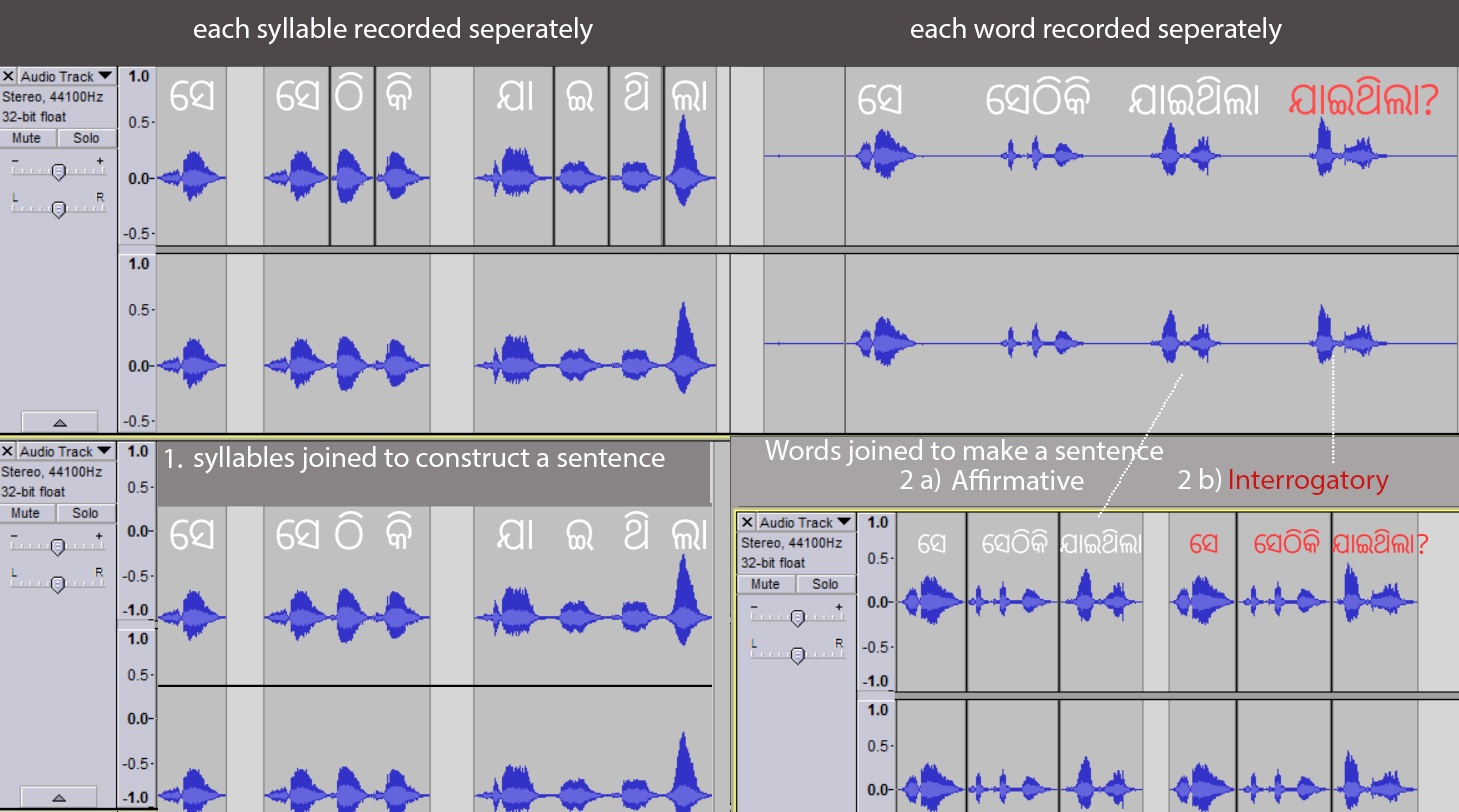
Music and speech share overlapping circuits for timing, pitch, and contour, which is why a minor change in melody can feel like a change in meaning. Prosody – the rise and fall of pitch and rhythm in speech – primes the brain to hear intention, and music piggybacks on that system. Lullabies soothe not because of lyrics but because their contours match the gentle arcs we interpret as safe. Growling timbres and sharp attacks read as urgent for similar reasons.
These shared pathways help explain why film scores can tilt a scene from hopeful to ominous without a single word. They also clarify why voice‑like instruments tug at emotion so effectively. In development, infants track these contours early, setting the stage for later musical sensitivity. The line between talking and singing is thinner than it seems.
The Future Landscape: AI‑Composed Sound, Biofeedback, and Ethics
The next wave of mood‑aware music is adaptive: algorithms that read heart rate, movement, or even brain rhythms to shape songs in real time. Imagine a playlist that slows your breathing during a tense commute or ramps energy as your focus wanes. Wearables already supply the data; generative systems supply the sound. Clinical tools are close behind, pairing biofeedback with tailored compositions for anxiety, insomnia, or motor rehab.
With power comes risk. Mood‑tuning at scale raises thorny questions about manipulation, privacy, and consent, especially in advertising or workplaces. We’ll need standards for transparency – when music is personalized, why, and to what end – and guardrails against coercive design. The same science that lifts a mood could steer one, so ethics must keep tempo.
Conclusion: Using the Science to Tune Your Mood Daily

Start by building three micro‑playlists: one to calm (slow, consistent tempo, minimal lyrics), one to focus (moderate tempo, low variability), and one to energize (faster tempo, strong pulse). Test each at the same time of day for a week and keep notes on mood and productivity. For stress, pair music with paced breathing; for pain or tough tasks, use rhythmic tracks to guide movement or timing. Protect your hearing so music stays effective – keep volume sensible and take quiet breaks.
Make it social when you can: sing with others, join a community choir, or just share a song with a friend who needs a lift. Revisit old favorites to tap memory’s boost, and explore new genres to widen your emotional toolkit. Treat your listening like a daily variable you can set with intent. What will you press play on next?”
Suhail Ahmed is a passionate digital professional and nature enthusiast with over 8 years of experience in content strategy, SEO, web development, and digital operations. Alongside his freelance journey, Suhail actively contributes to nature and wildlife platforms like Discover Wildlife, where he channels his curiosity for the planet into engaging, educational storytelling.
With a strong background in managing digital ecosystems — from ecommerce stores and WordPress websites to social media and automation — Suhail merges technical precision with creative insight. His content reflects a rare balance: SEO-friendly yet deeply human, data-informed yet emotionally resonant.
Driven by a love for discovery and storytelling, Suhail believes in using digital platforms to amplify causes that matter — especially those protecting Earth’s biodiversity and inspiring sustainable living. Whether he’s managing online projects or crafting wildlife content, his goal remains the same: to inform, inspire, and leave a positive digital footprint.


