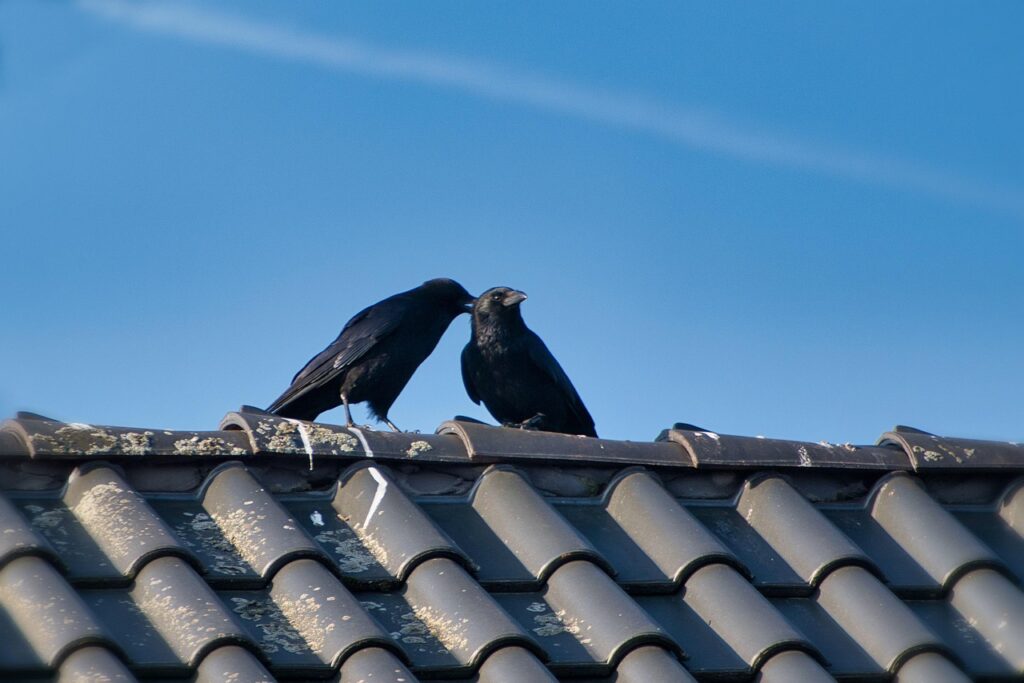
You wake up, glance at the clock, and right on cue you hear them again: crows on the roof, same time, every morning. It starts to feel eerie, like they know your schedule better than you do. Are they trying to tell you something, or is it just another weird quirk of nature?
When you start looking closely at crow behavior, that daily rooftop gathering stops feeling random and starts looking incredibly organized. You are not imagining the pattern, and it is not just superstition. There are solid, science-backed reasons these birds are turning your roof into their morning meeting spot – one of which really does have to do with you and your habits.
1. Your Roof Is a Perfect Morning Lookout Post
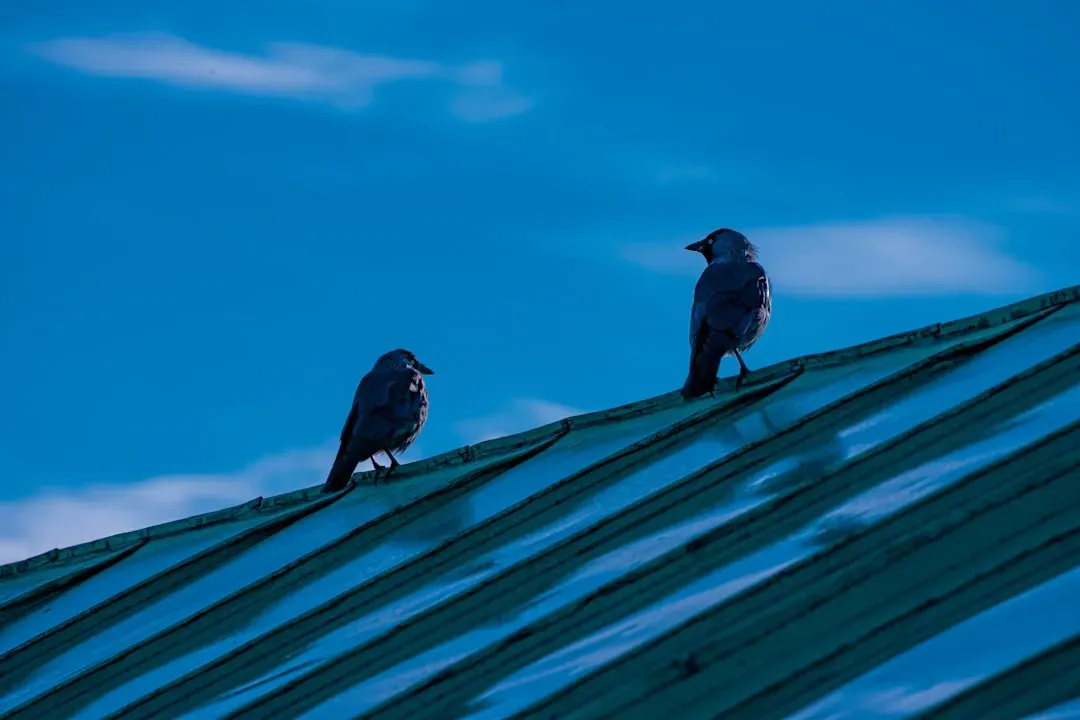
Think of your roof the way you might think of a balcony with a great view: it is high, open, and safe. Crows are naturally wary, and a high vantage point lets them scan for predators, food, and other birds without being easily ambushed. Your roof might simply offer a clear line of sight over trees, yards, trash bins, and streets that other nearby spots cannot match.
If your roof happens to be higher than your neighbors’ houses, or if it is less cluttered by chimneys and satellite dishes, you have basically offered the crows prime real estate. At the same time each morning, when light conditions are similar and activity is beginning to pick up, that vantage point becomes extra valuable. So they show up on schedule, like commuters heading to their favorite corner table at the same café every day.
2. Crows Love Routines Even More Than You Do
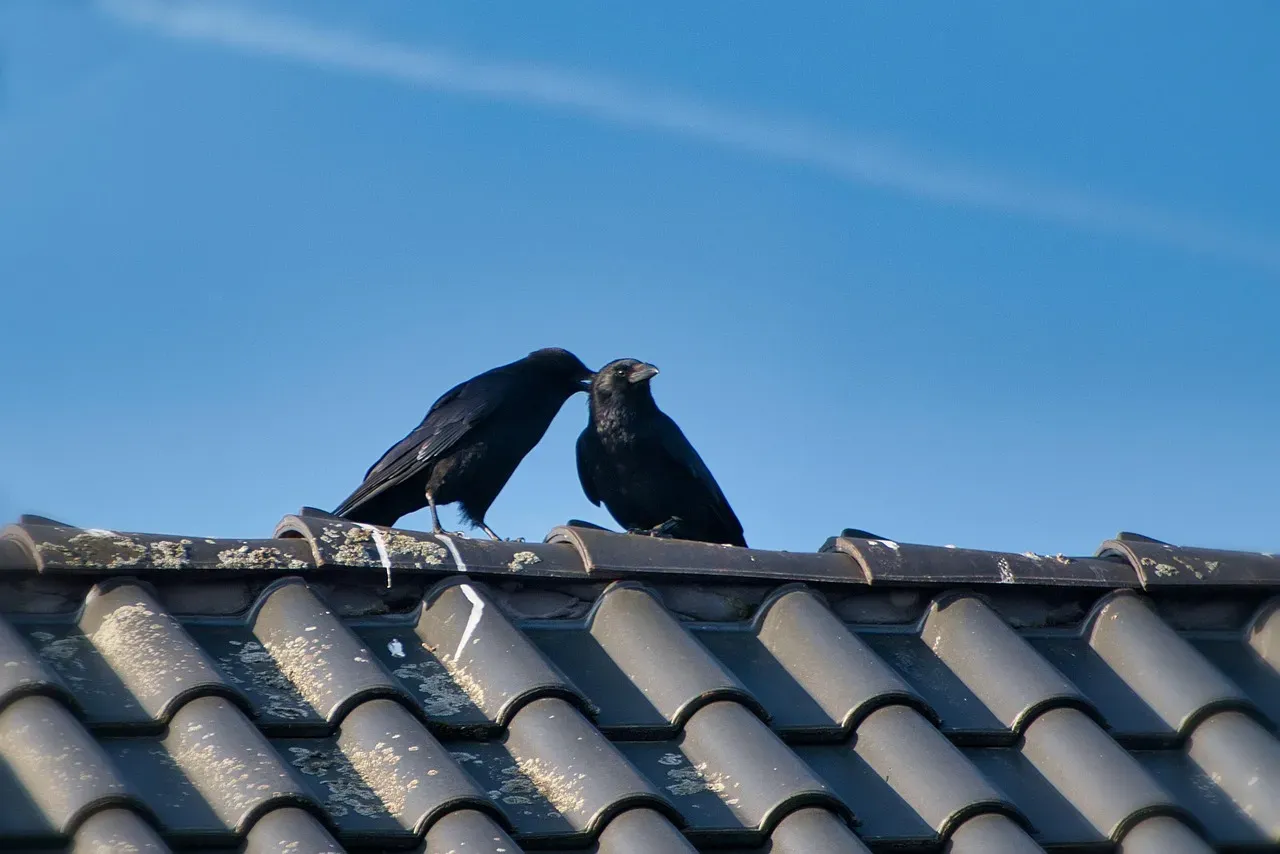
You might think of routine as a human thing – wake-up time, coffee time, commute time – but crows are just as hooked on predictable patterns. Once they discover a safe, useful place to perch or gather, they tend to return again and again, often at remarkably regular times. Their internal clocks sync up with daylight, traffic, and even your own daily noise patterns.
If you pay attention, you may notice they arrive within the same narrow window every day, often tied to sunrise or the moment the neighborhood really “wakes up.” That repetition is not spooky; it is strategy. Establishing repeatable routines saves energy, lowers risk, and helps them communicate and coordinate. Your roof just happens to be one of the stops on their daily route.
3. You Have Accidentally Trained Them (Yes, You Personally)
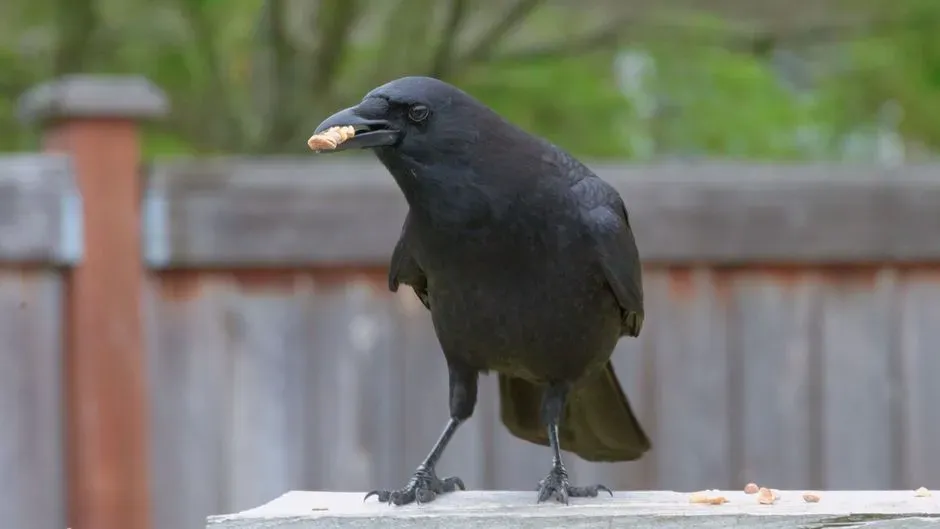
This is where it gets uncomfortably specific: you might be rewarding them without realizing it. Maybe you put food scraps in an open bin at a certain time. Maybe you fill a bird feeder, let the dog out, or toss bread into the yard before work. Even if you only did this a few times, crows are skilled at linking your actions and your timing with potential food.
Over time, they learn that “when you’re up and moving, food appears” and adjust their schedule to match yours. They do not need you to hand-feed them; dropped crumbs, unsecured trash lids, and even pet food bowls can be enough. From their perspective, your roof is the waiting room outside the kitchen, and you are the unpredictable but promising chef.
4. Your Neighborhood Soundscape Acts Like a Daily Alarm Clock
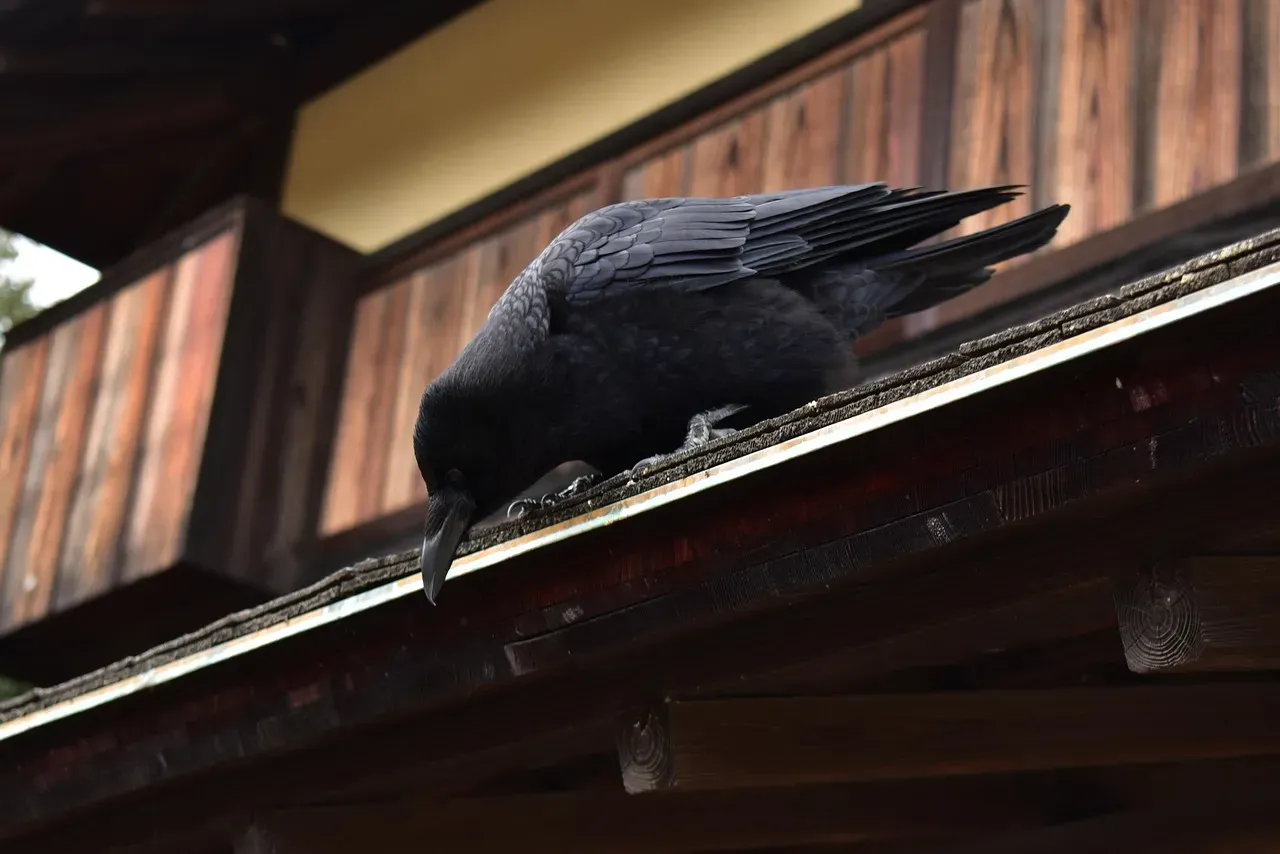
Crows pay close attention to sound. Car doors slamming, garbage trucks roaring by, sprinklers turning on, dogs barking, even your own alarm going off with the windows cracked – these become reliable signals. If your area gets noisy at roughly the same time each morning, the crows can treat that as their cue to move into position on your roof.
They are not just responding to noise randomly; they are using a consistent pattern. Morning sounds often mean people moving, trash going out, and food opportunities surfacing. So they sync their arrival with that moment. To you it feels like eerie precision, but to them it is simply good timing based on the soundtrack of your neighborhood.
5. There Is a Nearby Food Source You Have Not Noticed
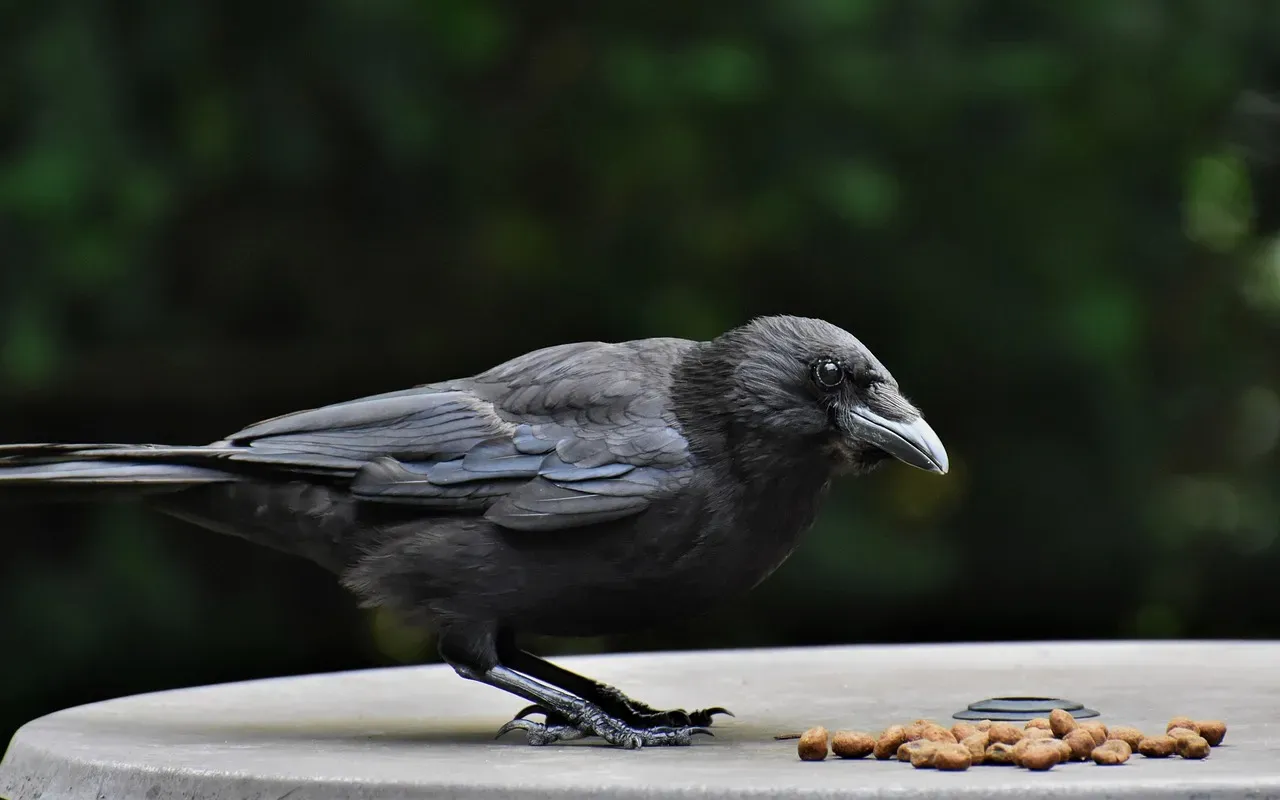
You might swear you are not feeding them, but the real draw could be somewhere just out of sight. A schoolyard, a fast-food place, a compost pile, open dumpsters, or even a neighbor who puts out pet food can act as a daily buffet. Your roof then becomes the staging ground where they gather before or after visiting that food source.
If that other source becomes predictable – say, a business opens at the same time every morning or trash is collected on a regular schedule – the crows will time their movements accordingly. They might briefly gather at your roof to regroup, preen, or keep watch, then head off en masse. From your angle, it looks like they are obsessed with you, but they might just be using your home as a convenient rest stop next to their favorite restaurant.
6. Your Roof Design Makes It Comfortable and Safe
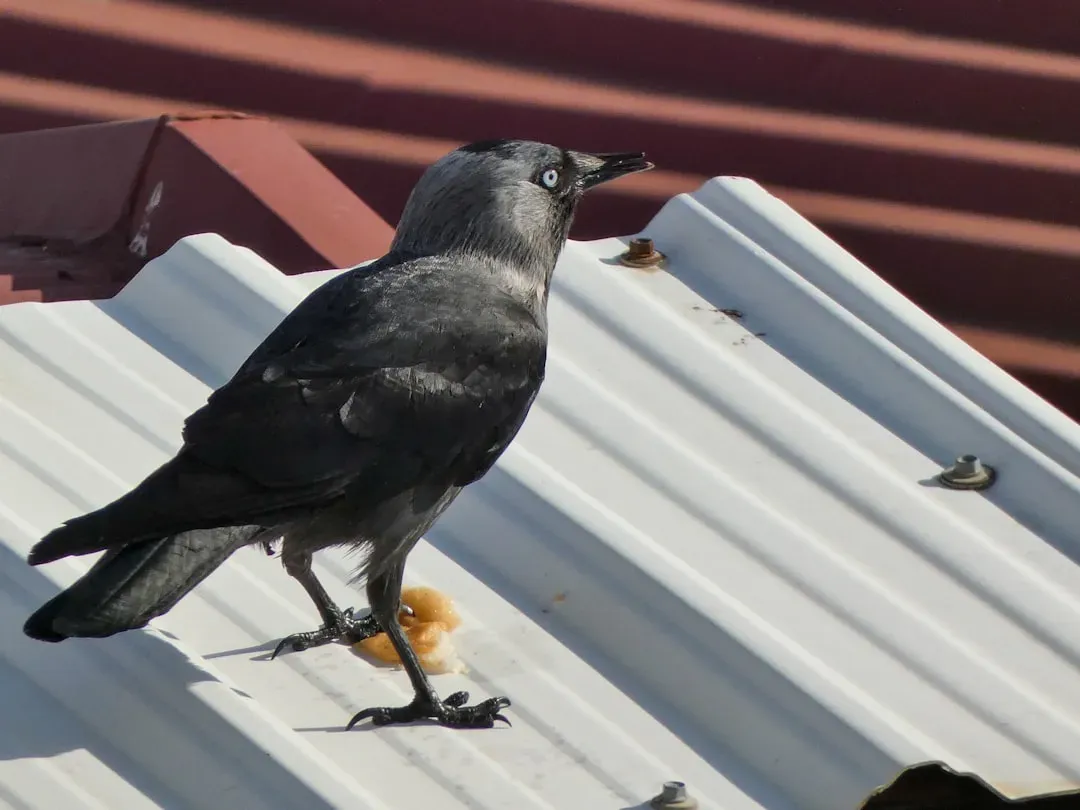
The shape, color, and material of your roof can make a bigger difference than you think. A flat or gently sloped surface is easier for crows to stand and walk on, especially if it has ridges, railings, or chimneys where they can perch securely. Darker roofs can soak up a bit more warmth in cooler mornings, turning your house into a heated bench.
They also pay attention to obstacles and hiding spots for predators like cats or hawks. If your roof has few places for threats to hide but plenty of open visibility, it feels safer. Combine that with a comfortable surface and you basically have a crow lounge. Once they decide your roof is safe at a specific time when traffic is lower and predators are less active, it becomes their habitual meeting point.
7. They Use Your Roof as a Social Meeting Hub
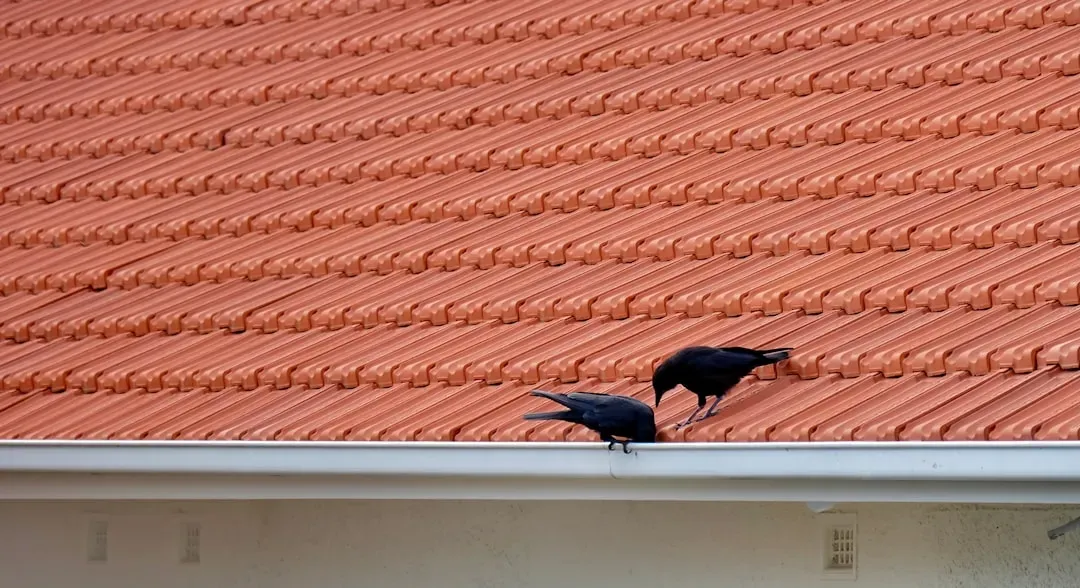
Crows are not just looking for food; they are also living highly social lives. Your roof can play the role of a morning plaza where they gather to call to each other, pair up with mates, or keep tabs on family members. Those loud, sometimes chaotic-sounding calls are often them checking in, sharing information, or reinforcing bonds.
If you see them facing different directions or taking turns calling, they might be coordinating where to fly next or warning each other about changes in the environment. The reason they show up at the same time is simply that this is their daily meetup slot. You just happen to live under their version of a breakfast club.
8. The Light and Weather Make Your Roof Ideal at That Hour
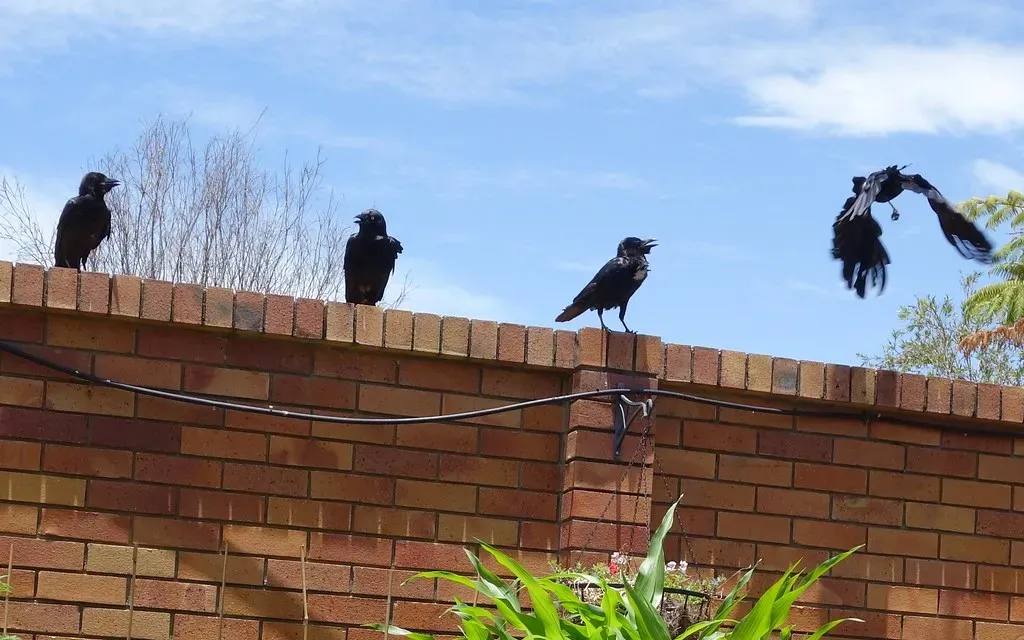
The exact time they visit often lines up with specific light and weather conditions. Early morning light can make it easier for them to spot insects, glints of food, or movement in yards and streets. At that angle, the sun might highlight reflections or shadows that reveal things they cannot see as well later in the day.
Weather plays a part too. In cooler seasons, that time might be when your roof starts to warm up just enough to be comfortable. In hotter seasons, it could be before the roof becomes too hot to stand on. So what feels like a mysterious, symbolic hour is usually just the sweet spot in the daily cycle of light and temperature that makes your place more inviting than others.
9. You Are Noticing a Pattern Your Brain Cannot Unsee
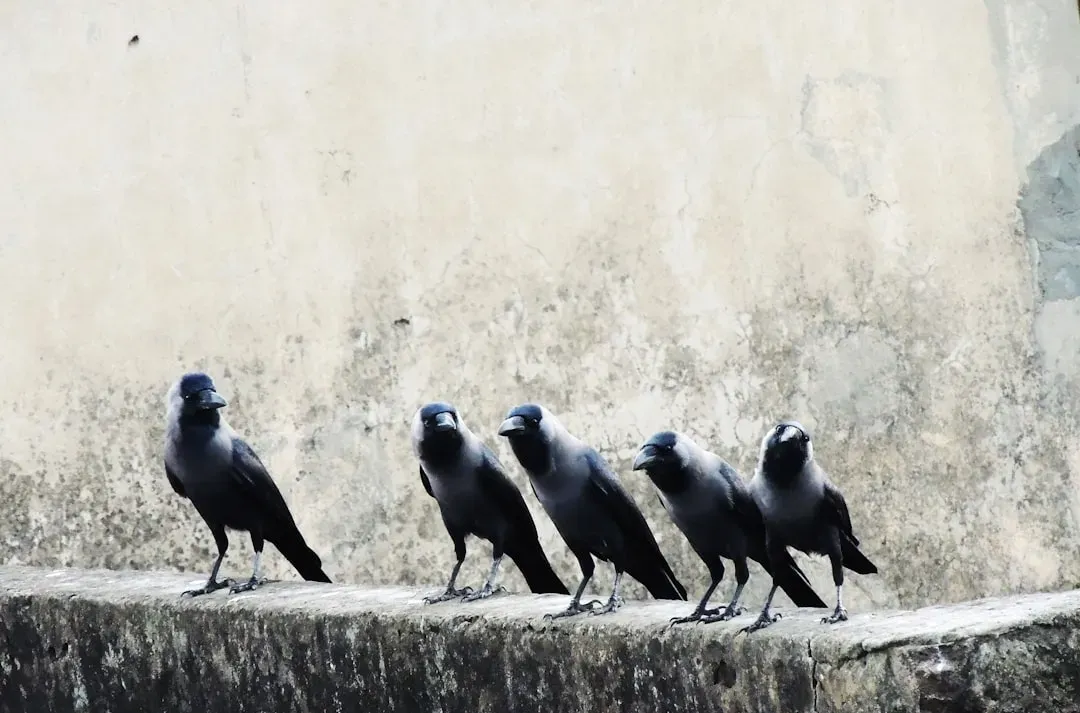
Crows really are smart and intentional, but your own brain is also built to spot patterns and attach meaning to them. Once you notice them on your roof at, say, seven-thirty in the morning, you are more likely to pay attention the next day at that time. You may miss the days they arrive slightly earlier or later, or when they skip a visit altogether.
This does not mean you are imagining everything, only that your perception can sharpen around certain moments. The mix of real crow habits, your schedule, your environment, and your attention creates a loop that feels almost personal. It is not that the crows are mystically fixated on you, but you and they are definitely entangled in the same daily rhythm.
Conclusion: When Everyday Nature Starts to Feel Personal
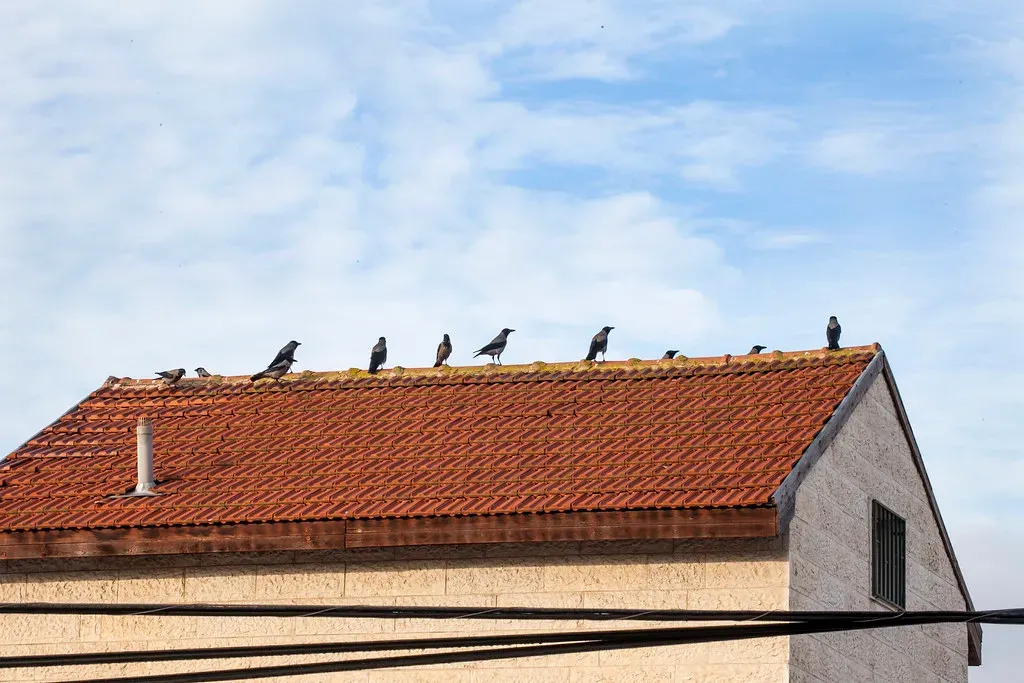
When crows gather on your roof at exactly the same time every morning, it is easy to jump to eerie explanations. But once you peel it back, what you are really seeing is a blend of sharp bird intelligence and your own routines overlapping in a surprisingly precise way. Your roof offers them safety, visibility, social space, and sometimes subtle rewards that tie directly to what you do and when you do it.
If you want to change the pattern, you can start by changing what happens in your yard around that time: secure trash, adjust feeding routines, or alter outdoor noise. Or you might decide to lean into the weirdness and just observe them like a daily nature show on your roof. Now that you know what is really going on, does their visit feel a little less creepy and a lot more fascinating?