


In the vast tapestry of the animal kingdom, there exist creatures that defy the norms of nature with their unique ability to change their form. These shape-shifters intrigue scientists and nature enthusiasts alike, offering a glimpse into the adaptability and survival strategies that have evolved over millions of years. Imagine a creature that can alter its appearance to blend seamlessly into its surroundings, or another that can entirely change its form to ward off predators. Such transformations aren’t mere tricks of illusion but an essential part of these animals’ life strategies. Let’s explore nine of these remarkable shape-shifters that inhabit our planet.
The Mesmerizing Mimic Octopus
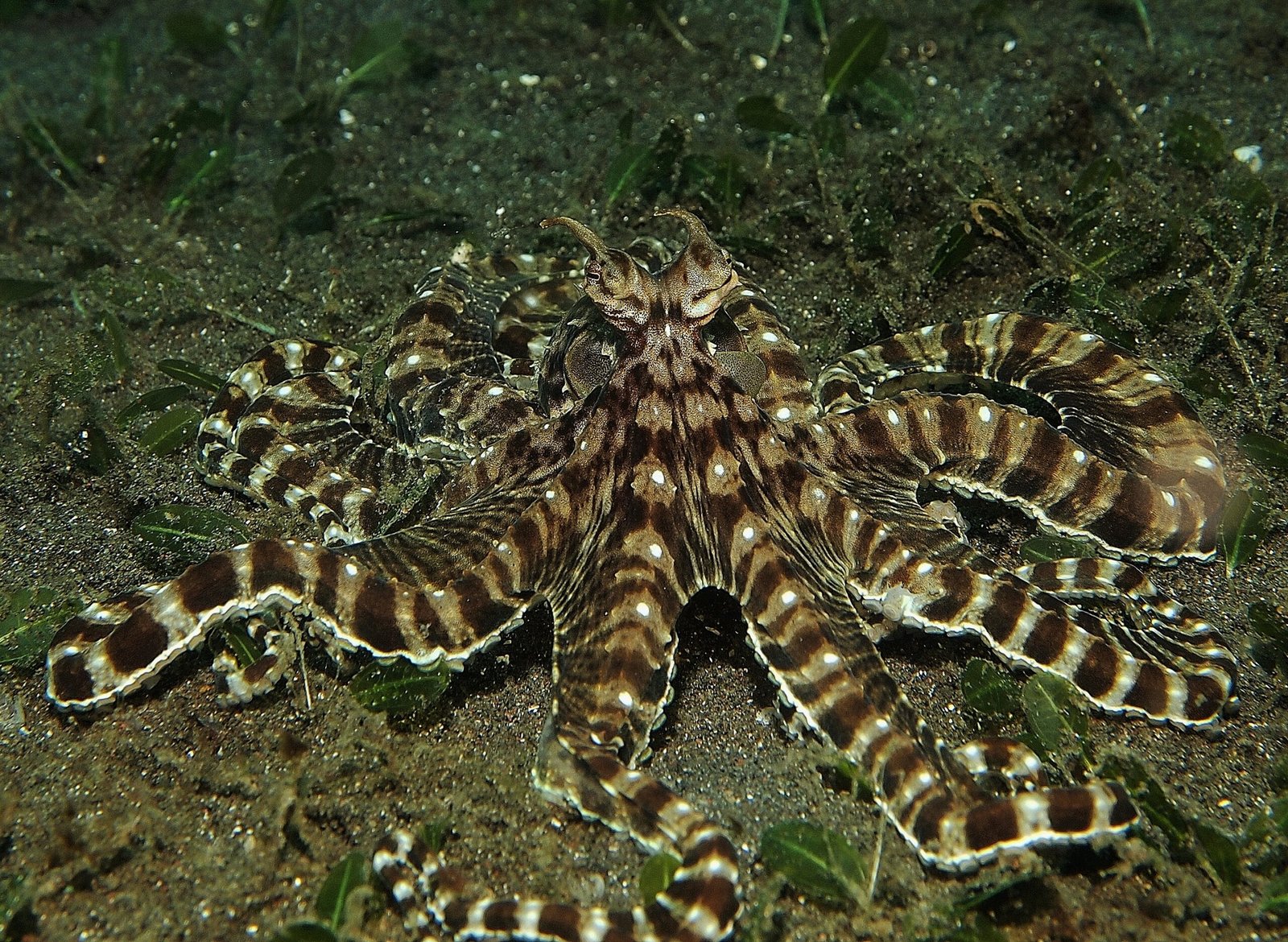
The mimic octopus is a master of disguise, flaunting an ability to imitate more than fifteen different marine animals. Found primarily in the shallow waters of Southeast Asia, this octopus can morph its shape and behavior to mimic creatures such as lionfish, flatfish, and even sea snakes. Its primary defense mechanism is deception; by imitating a more dangerous or unappealing species, it deters potential predators. The mimic octopus’s coloration and movement are so convincing that it can swim like a flounder or display the black-and-white bands of a venomous sea snake. This remarkable adaptability not only showcases its intelligence but also highlights the evolutionary advantage of mimicry as a survival tactic.
The Color-Changing Chameleon
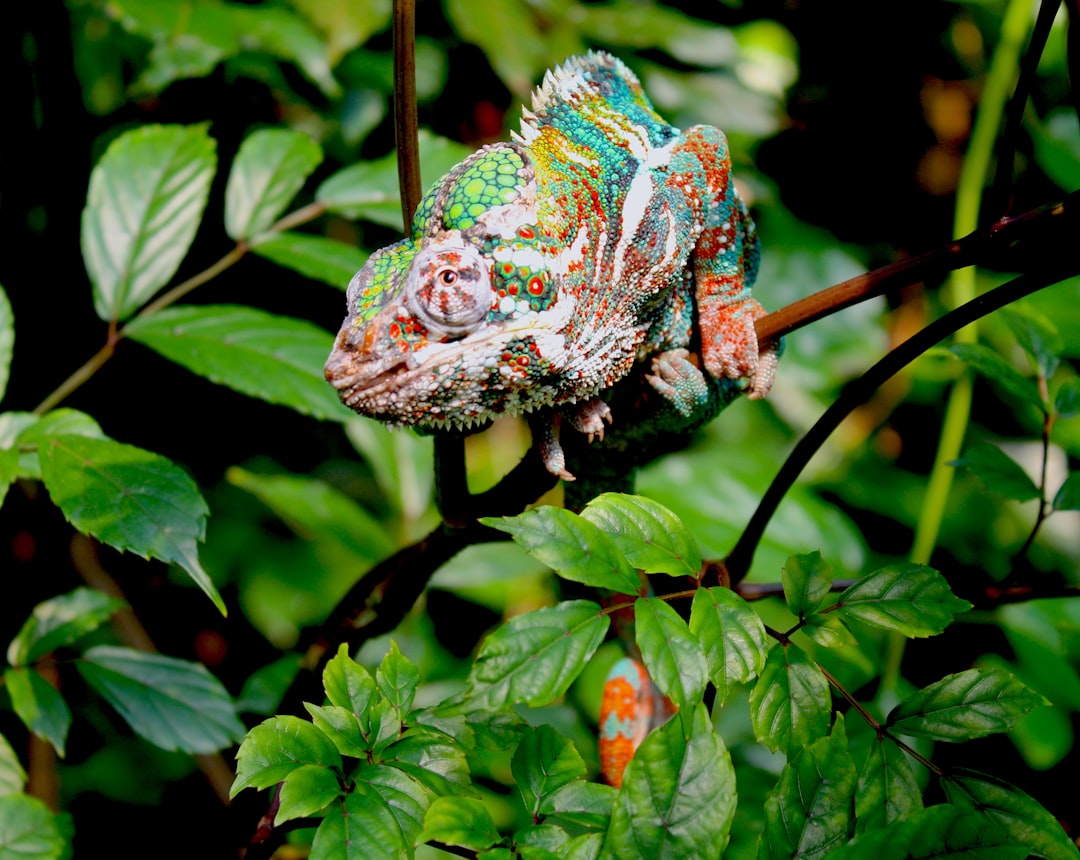
Perhaps the most famous shape-shifter is the chameleon, known for its vibrant color transformations. Living in diverse habitats ranging from rainforests to deserts, chameleons use their color-changing ability to communicate, regulate their temperature, and camouflage themselves. Contrary to popular belief, these reptiles don’t change color solely to blend in; their transformations are often responses to mood, light, and temperature. Specialized cells called chromatophores in their skin layers expand or contract to reflect different colors. This ability not only helps chameleons avoid predators but also plays a crucial role in social interactions, particularly during mating rituals.
The Enigmatic Cuttlefish
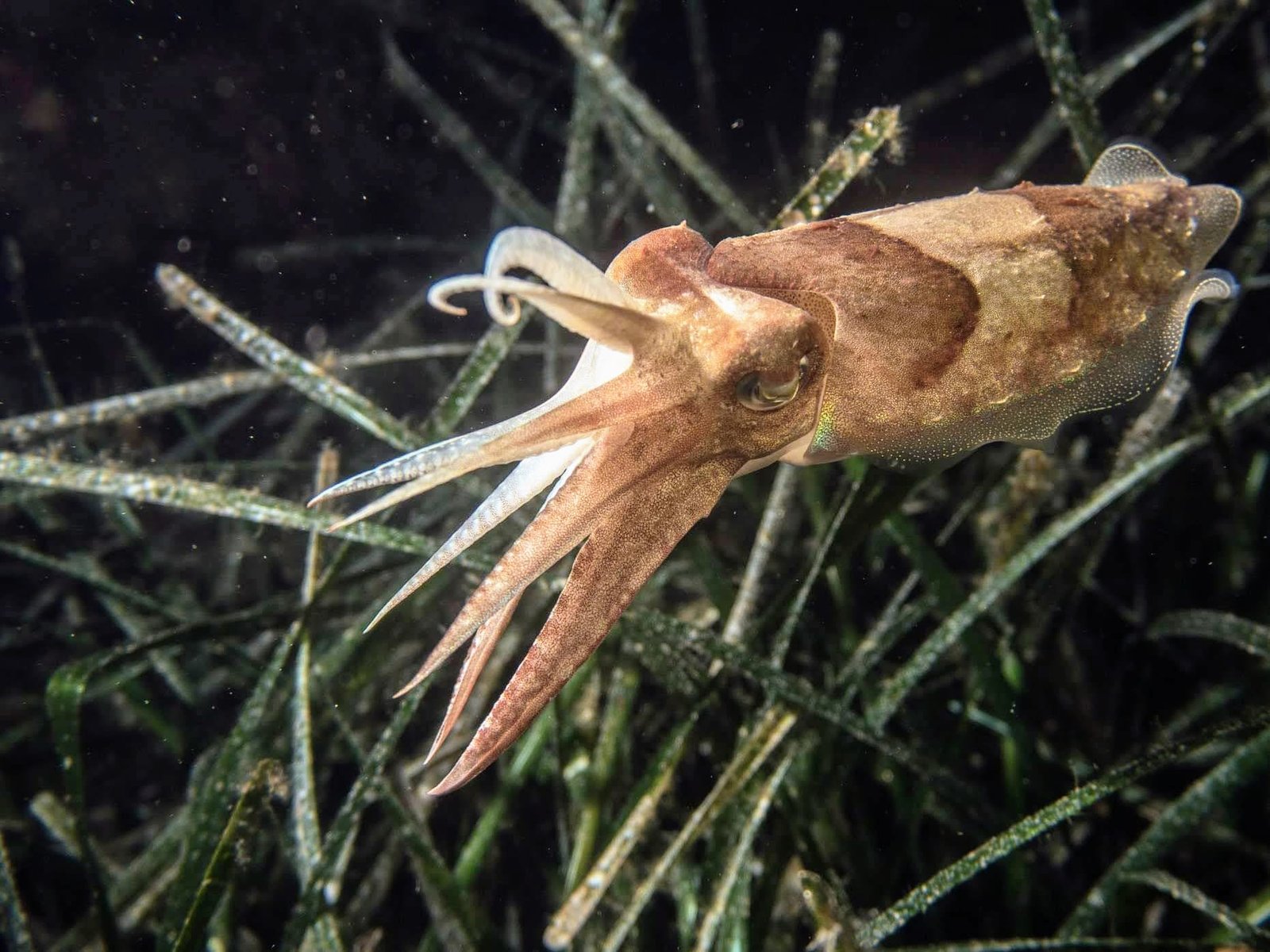
Cuttlefish, cephalopods closely related to squids and octopuses, are renowned for their dynamic color displays and shape-shifting skills. Through complex skin cells known as chromatophores, iridophores, and leucophores, cuttlefish can rapidly alter their skin color and texture. This allows them to communicate, hunt, and hide from predators with remarkable precision. Their ability to mimic sand, rocks, or seaweed on the ocean floor is so effective that they can essentially vanish from sight. Cuttlefish also use their shape-shifting skills to hypnotize prey, such as crabs, by flashing mesmerizing patterns, making them easy targets in the marine world.
The Transformative Flatfish
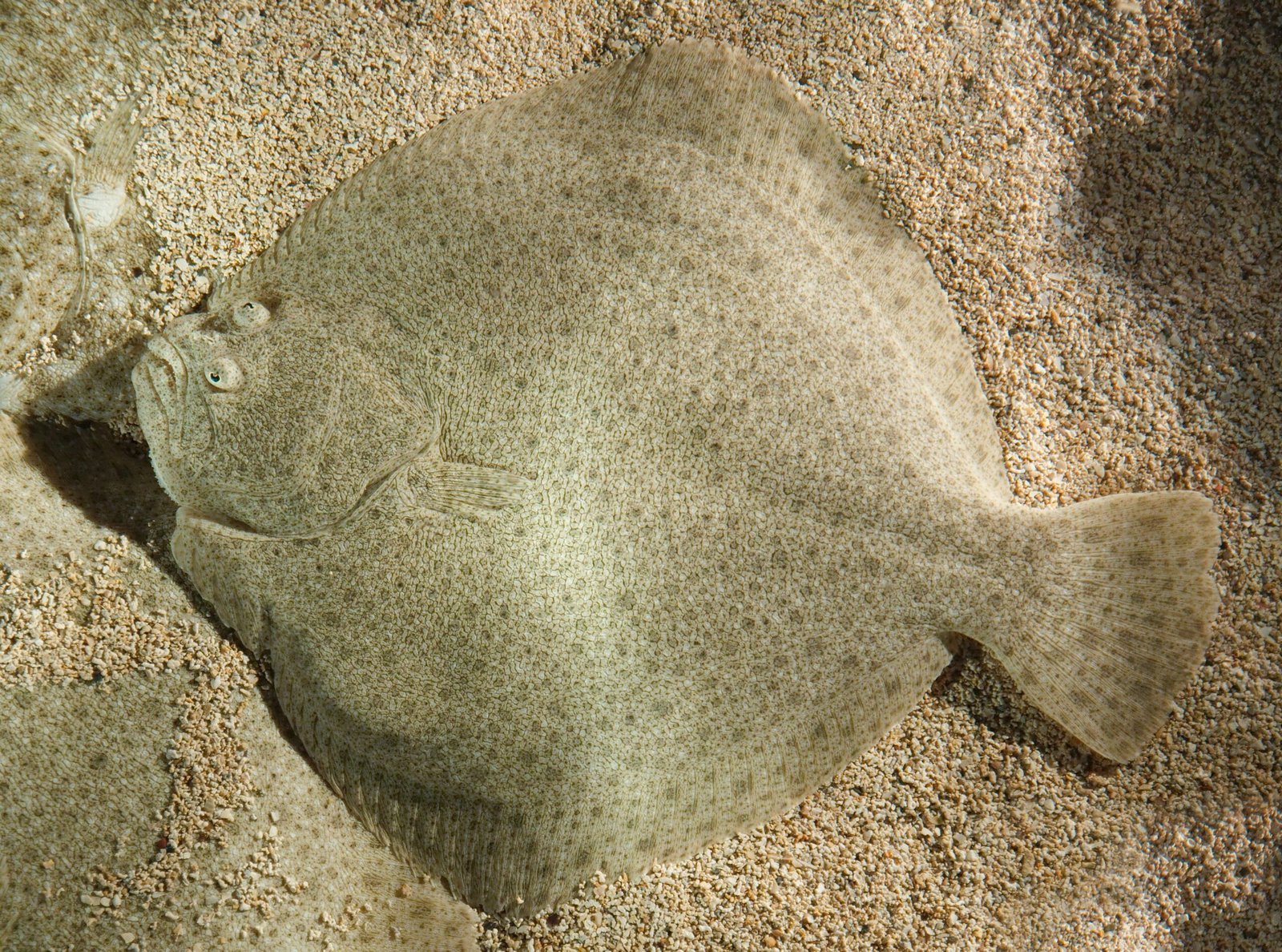
Flatfish, including species like flounders and soles, undergo a dramatic metamorphosis from birth to adulthood. When young, they swim upright like typical fish, but as they mature, their bodies flatten, and one eye migrates to the opposite side of their head. This remarkable transformation allows them to lie flat on the ocean floor, camouflaging themselves from predators and ambushing prey. Their ability to blend into sandy or muddy bottoms is crucial for survival, showcasing how these fish have adapted their body structure to suit their environment perfectly. This unique evolutionary trait ensures that flatfish remain one of the most successful bottom-dwelling predators in the ocean.
The Incredible Leaf-Tail Gecko
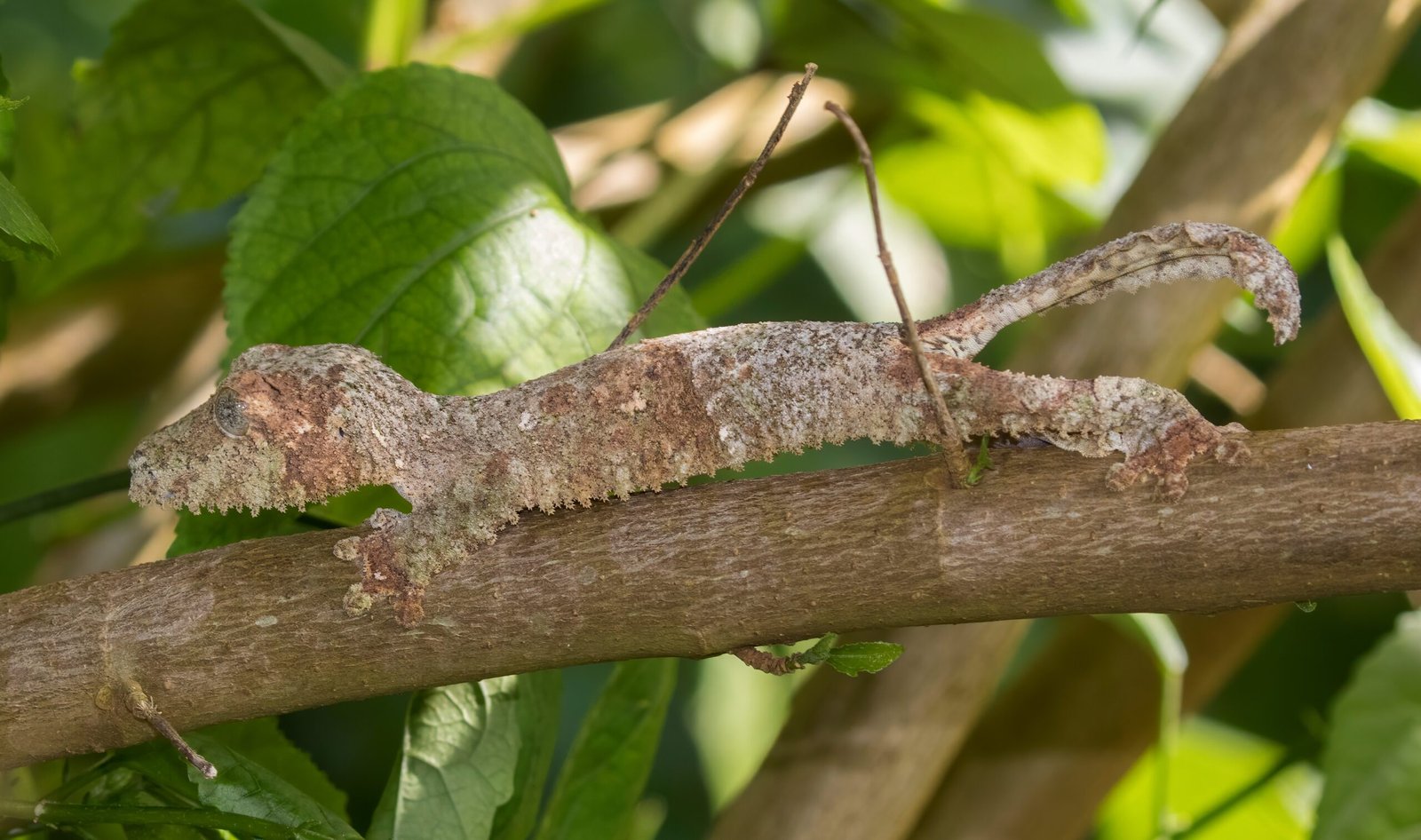
The leaf-tail gecko is a master of disguise, capable of mimicking the appearance of dead leaves or bark. Found primarily in Madagascar, these geckos use their cryptic appearance to avoid predators and ambush prey. Their flattened bodies, fringed tails, and mottled skin patterns allow them to blend seamlessly with their surroundings. Some species even have skin flaps along their sides, which help break up their outline and eliminate shadows. This remarkable camouflage not only provides protection but also enhances their ability to surprise insects and other small creatures in their habitat.
The Astonishing Pygmy Seahorse
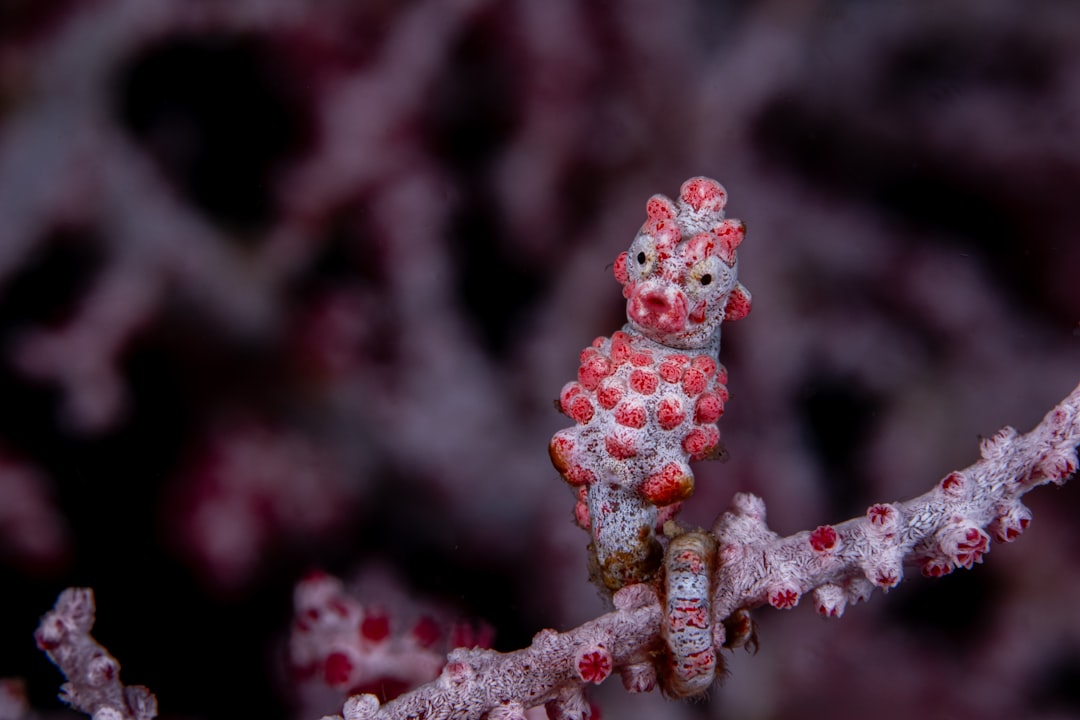
Pygmy seahorses are tiny marine creatures that excel in the art of camouflage. They inhabit coral reefs and are often found clinging to sea fans, where their knobby bodies and colors blend perfectly with their host. These seahorses can change their coloration to match the coral, making them nearly invisible to predators and divers alike. Their ability to adapt their appearance so precisely to their surroundings is crucial for their survival in the competitive and predatory environment of the ocean. This extraordinary camouflage not only protects them but also allows them to thrive in their vibrant underwater world.
The Shape-Shifting Frog
Deep within the forests of Ecuador lives a frog with an uncanny ability to change its skin texture. Known as the mutable rain frog, it can alter its skin’s texture from smooth to spiny in a matter of minutes. This transformation helps it blend into different environments, such as mossy surfaces or leaf litter. The frog’s shape-shifting ability is believed to be a defense mechanism against predators, allowing it to remain undetected in its natural habitat. This fascinating adaptation underscores the incredible diversity of life in the rainforest and the many ways animals have evolved to ensure their survival.
The Mysterious Sea Cucumber
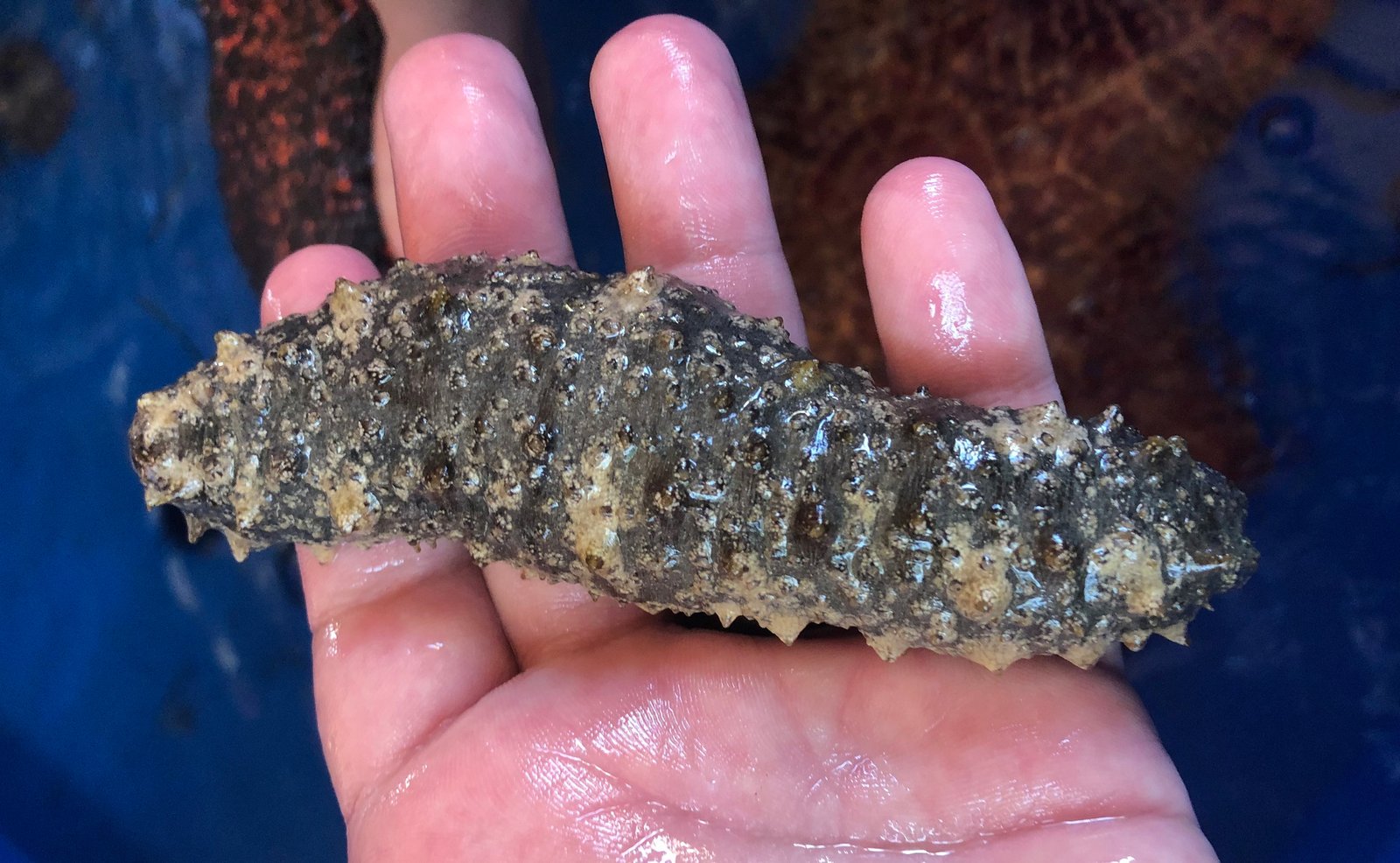
Sea cucumbers might not seem like shape-shifters at first glance, but their ability to change their body structure is truly remarkable. These echinoderms can alter the stiffness of their body walls by adjusting the alignment of collagen fibers, allowing them to squeeze through tight spaces or become rigid to deter predators. Some species can even expel their internal organs as a defense mechanism, later regenerating them. This unique ability to reshape their bodies highlights the sea cucumber’s adaptability and resilience in the ever-changing marine environment.
The Adaptive Anole Lizard
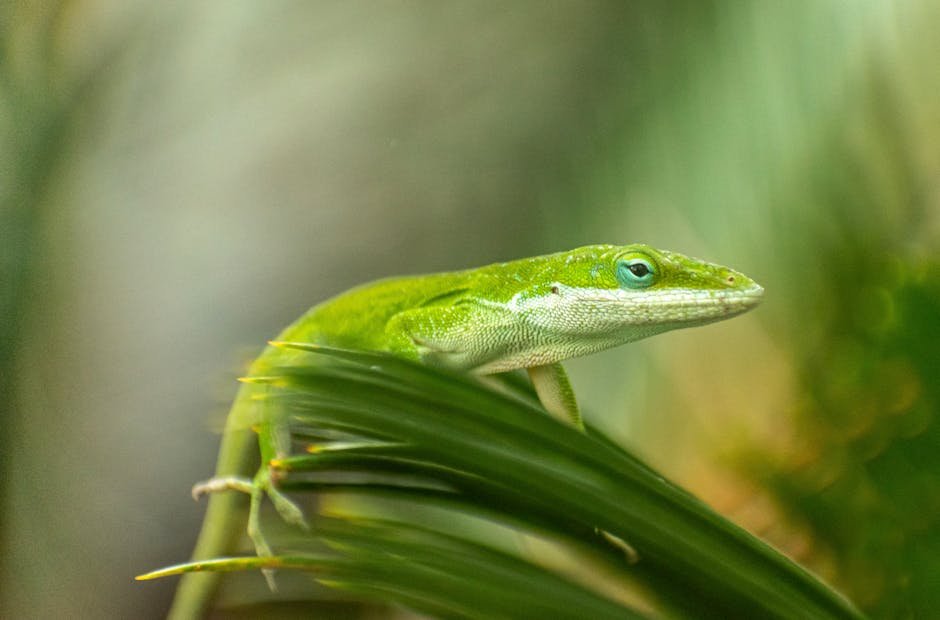
Anole lizards, found in the Americas, are known for their ability to change color, much like chameleons. However, their shape-shifting abilities extend beyond mere color change. Anoles can also alter the size of their dewlaps, the colorful flaps of skin beneath their throats, to communicate and attract mates. This dual ability to change both color and shape makes them highly adaptable in their diverse habitats. Anoles use these transformations to establish territory, signal readiness to mate, and avoid predators, showcasing the intricate balance of survival strategies in the animal kingdom.
In the grand theater of nature, shape-shifters stand as testament to the incredible adaptability and ingenuity of life on Earth. Each of these creatures employs its unique transformation abilities not just for survival but as a profound expression of the evolutionary artistry that has shaped their existence. By understanding and appreciating these real-life shape-shifters, we gain a deeper insight into the complex and wondrous web of life that surrounds us.


