
If you think you’ve already seen the best our planet has to offer because you’ve heard of the Grand Canyon, Mount Everest, and the Great Barrier Reef, you’re in for a shock. Scattered across the globe are natural wonders so strange, so beautiful, and so unlikely that they almost feel like a glitch in reality. Many of them are tucked away from tourist brochures, hidden behind remote locations, harsh climates, or just plain lack of hype.
Some of these places glow in the dark, some grow and move like living things even though they’re made of rock, and some are so perfectly shaped that they look computer-generated. A few are disappearing faster than we can study them, quietly changing as the climate shifts. This isn’t the usual list of postcard icons; it’s a tour of the planet’s secret showpieces – the ones you never knew you were missing.
The Stone Forest of Shilin, China
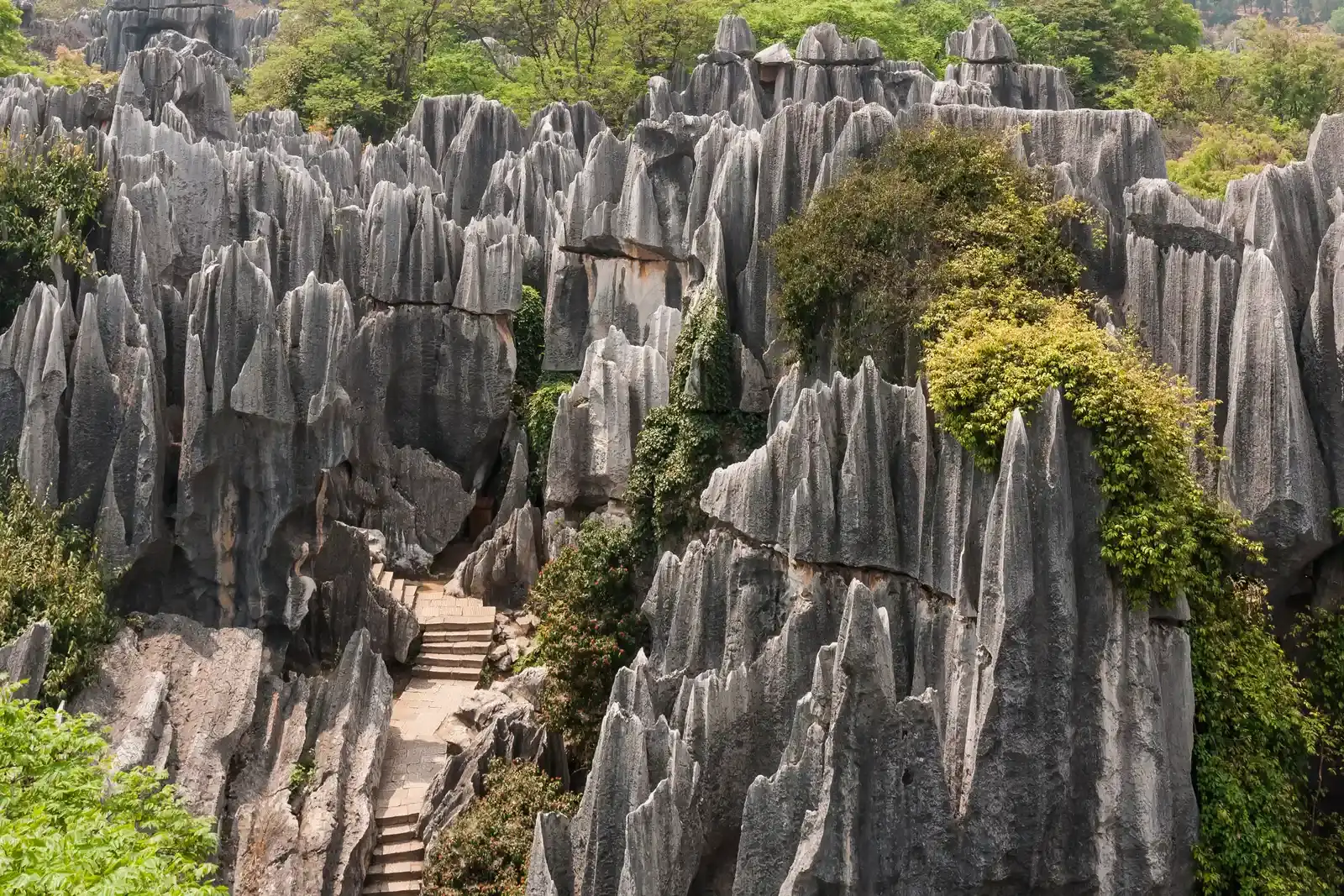
Imagine walking through a forest where every tree has turned into stone spikes stabbing toward the sky, and you’ll get close to Shilin in China’s Yunnan province. Instead of trunks and branches, this “forest” is made of towering limestone pillars, some taller than a ten-story building, carved by more than two hundred million years of rainwater and erosion. From a distance, the formations really do look like a jagged woodland turned to rock, which is how it earned its name. Up close, the pillars twist into narrow corridors and sudden open spaces that feel almost like a stone maze.
What fascinates geologists is how precisely water sculpted this landscape, dissolving limestone along tiny fractures and slowly leaving behind razor-like fins and columns. Walking among them, you can spot arches, mushroom shapes, and formations that look uncannily like animals if you tilt your head just right. Despite being recognized as a UNESCO site, it still flies under the radar compared to China’s more famous attractions, partly because it’s tucked inland and takes effort to reach. The payoff, though, is stepping into a landscape that looks less like Earth and more like a fantasy movie set that someone forgot to pack up.
The Giant’s Causeway Hexagonal Rocks, Northern Ireland
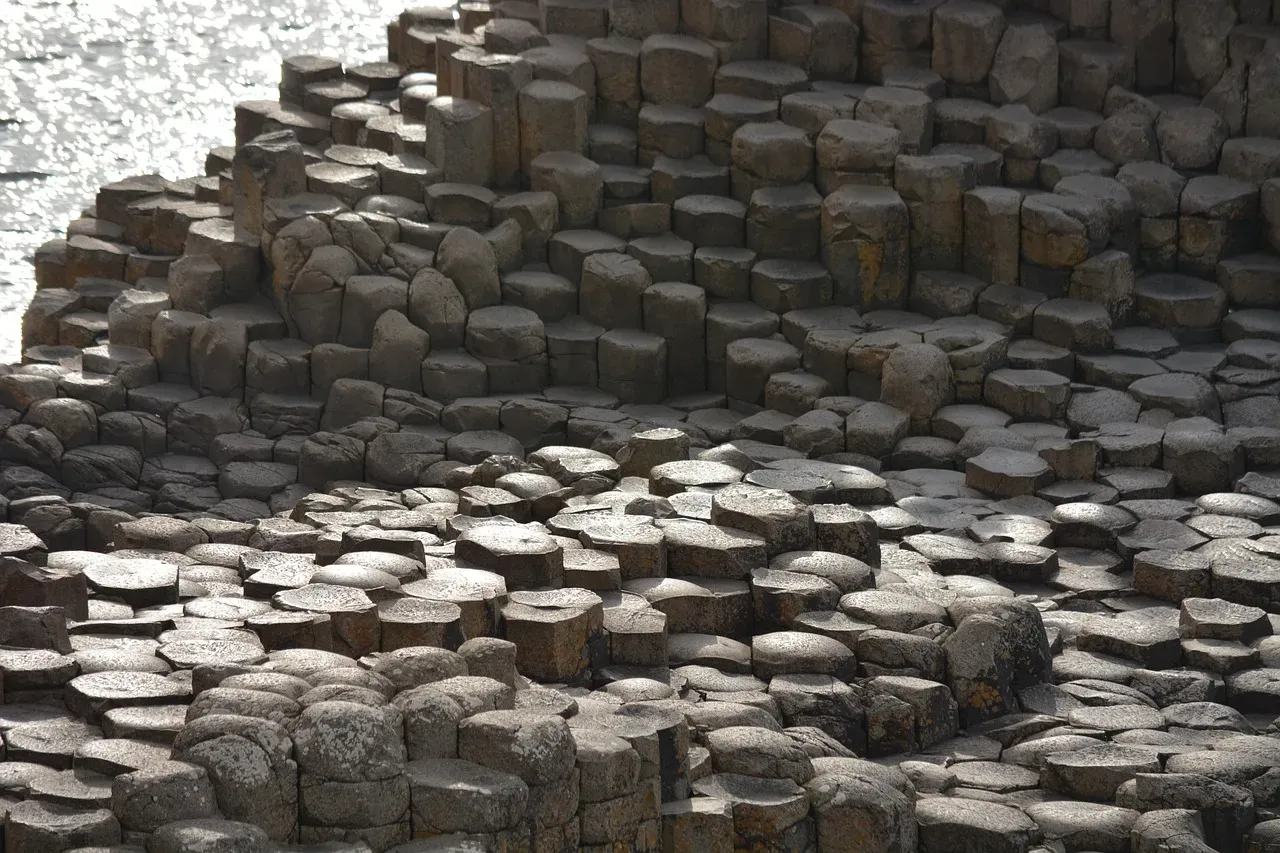
At first glance, the Giant’s Causeway in Northern Ireland looks like a gigantic, half-finished Lego project left by a distracted god. Stretching from the cliff foot into the sea are tens of thousands of tightly packed basalt columns, most of them with near-perfect hexagonal tops. You can literally walk out on them like a cracked stone road disappearing into the Atlantic, and the geometry is so precise that it almost feels man-made. The real story is volcanic: around fifty to sixty million years ago, molten lava cooled and contracted in such a uniform way that it cracked into these polygonal columns, like mud drying in a pan but on a massive scale.
What makes this place so striking is the way logic and mystery collide. On one hand, the science is well understood; on the other, your brain still whispers that this can’t just be an accident of physics. Some columns rise as high as a multi-story building, while others barely crest the surf, and together they form steps, platforms, and natural seating that visitors climb all over. While it’s not completely unknown, it’s often overshadowed by flashier European landscapes, which is a shame because very few spots on Earth let you stand on raw geological math made visible. It’s like walking on the blueprint of a volcano’s heartbeat.
The Living Moving Stones of the Racetrack Playa, USA
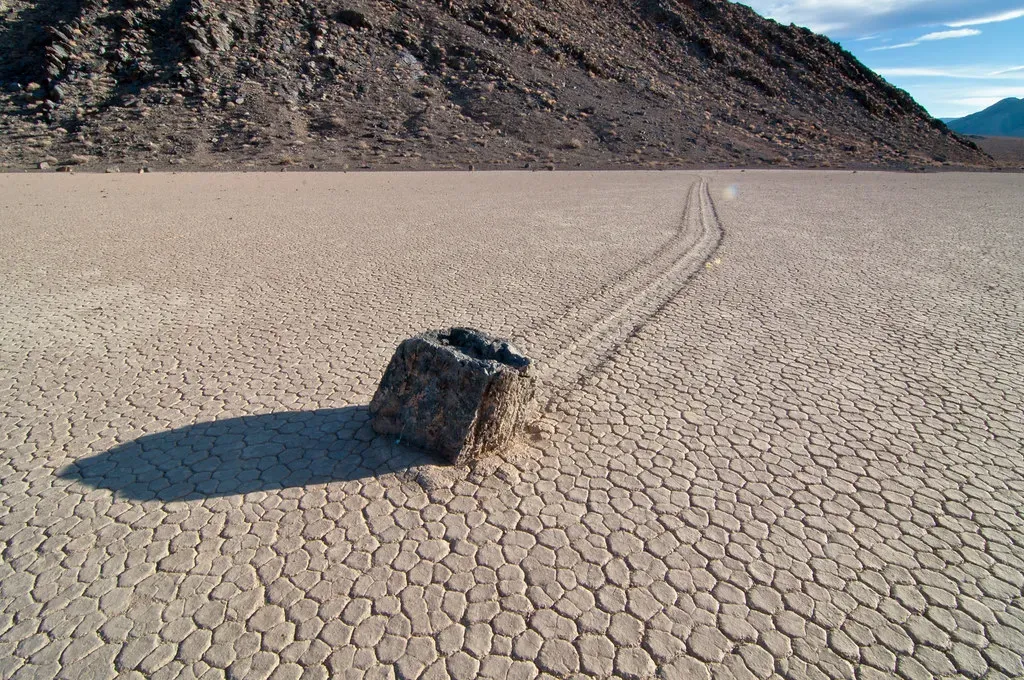
In California’s Death Valley lies a dry lakebed called Racetrack Playa, which at first looks like a simple flat sheet of cracked mud. Then you notice the rocks – lonely, scattered boulders with long, etched trails behind them, as if they’ve been slowly sliding across the ground. For decades, nobody could prove exactly how these “sailing stones” moved; there were wild theories about magnetism, aliens, even pranksters with trucks. The truth turned out to be subtler and weirder: under rare winter conditions, thin sheets of ice form around the stones, and when the sun softens that ice and a light wind picks up, the rocks very slowly glide, leaving tracks in the soft mud beneath.
What’s wild is that this movement is almost never seen directly – it happens quietly, rarely, and at just the right mix of temperature, water, and wind. The result is that you walk onto the playa on a normal hot day and see only the ghostly evidence: perfectly straight lines, gentle curves, even intersecting paths like stone traffic. It feels like the rocks came alive at night, marched for a while, then froze in place at sunrise. I remember seeing photos for the first time and refusing to believe there wasn’t some trick involved. Knowing the scientific explanation doesn’t really make it less magical; if anything, it’s more impressive that such delicate forces can move heavy stones across a desert floor.
The Fairy-Tale Glowworm Caves of Waitomo, New Zealand
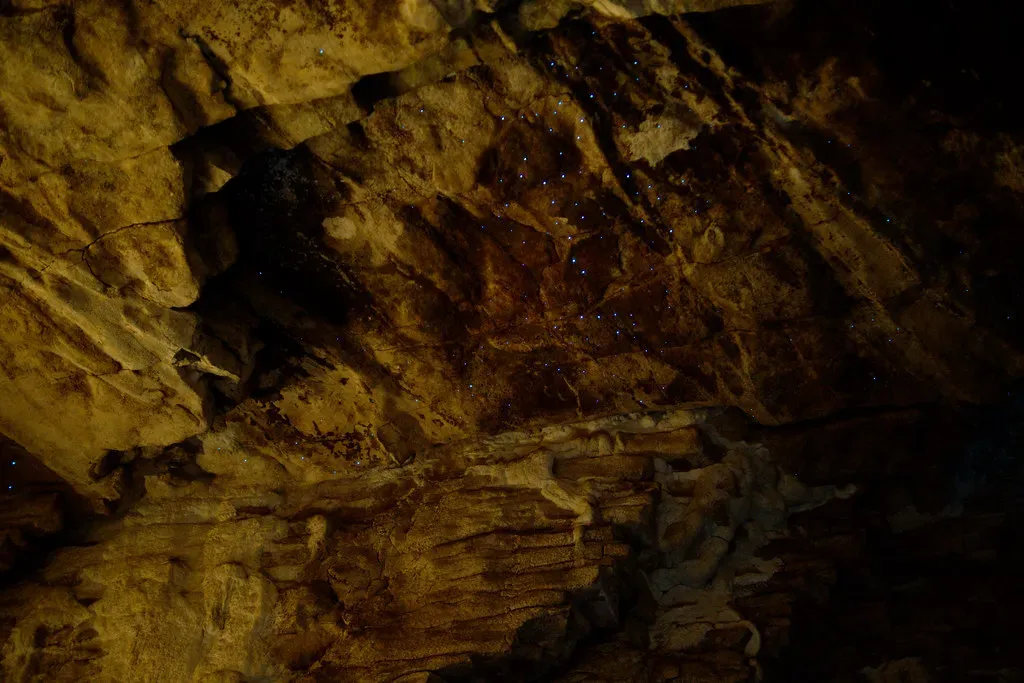
Step into the Waitomo caves in New Zealand, and you could be forgiven for thinking you’ve been dropped inside the Milky Way. Overhead, thousands upon thousands of tiny blue-green lights shimmer on the cave ceiling, forming glowing constellations that reflect in the underground rivers below. Those lights come from glowworms – actually the bioluminescent larvae of a fungus gnat – that use their glow to lure prey into sticky threads they hang from the cave roof. It’s a ruthless little trap if you think about it, but the effect is pure enchantment.
Bioluminescence like this is more often associated with deep-sea creatures, yet here it is, just a short boat ride into the darkness. Visitors float silently along the black water, the air cool and damp, guided only by the soft halo of the glowworms overhead. The silence is almost uncomfortable at first, then strangely calming, like being beneath a living night sky that hums instead of twinkles. Despite being a known attraction in New Zealand, many people outside the region have never heard of these caves, which feels almost criminal when you see how otherworldly they are. It’s one of those rare places where science and fantasy blur into a single, unforgettable scene.
The Pink Lakes That Defy Your Eyes
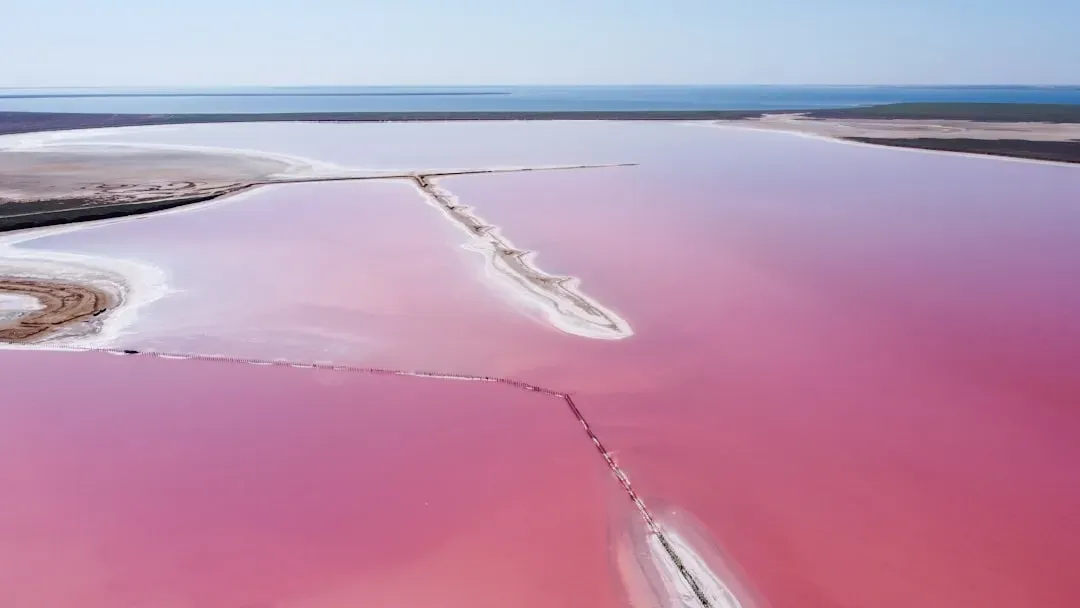
There are lakes around the world that look like someone poured in bubblegum dye and forgot to stir. Places like Lake Hillier in Australia or Lake Retba in Senegal are naturally vivid shades of pink, sometimes sliding toward hot magenta under strong sun. Stand on the shore and the color feels wrong, like a glitch in your camera or a filter gone wild, but it’s real. The secret lies in microscopic life: salt-loving algae and bacteria that produce reddish pigments, especially in high-salinity water under intense light.
What throws you off is that the color is not just a surface trick; if you scoop up water in a bottle, it often stays faintly pink. Some of these lakes are used for salt harvesting, so you might see workers walking through surreal strawberry-colored pools, stacking white salt like snowdrifts in a candy-colored world. These pink waters rarely make the big “world wonder” lists, probably because they’re scattered and often remote, but they are some of the most Instagram-breaking scenes you can witness in person. They’re proof that color on Earth can be as outrageous as anything dreamed up in a fantasy novel, no filters required.
The Rainbow Mountains of Zhangye Danxia, China
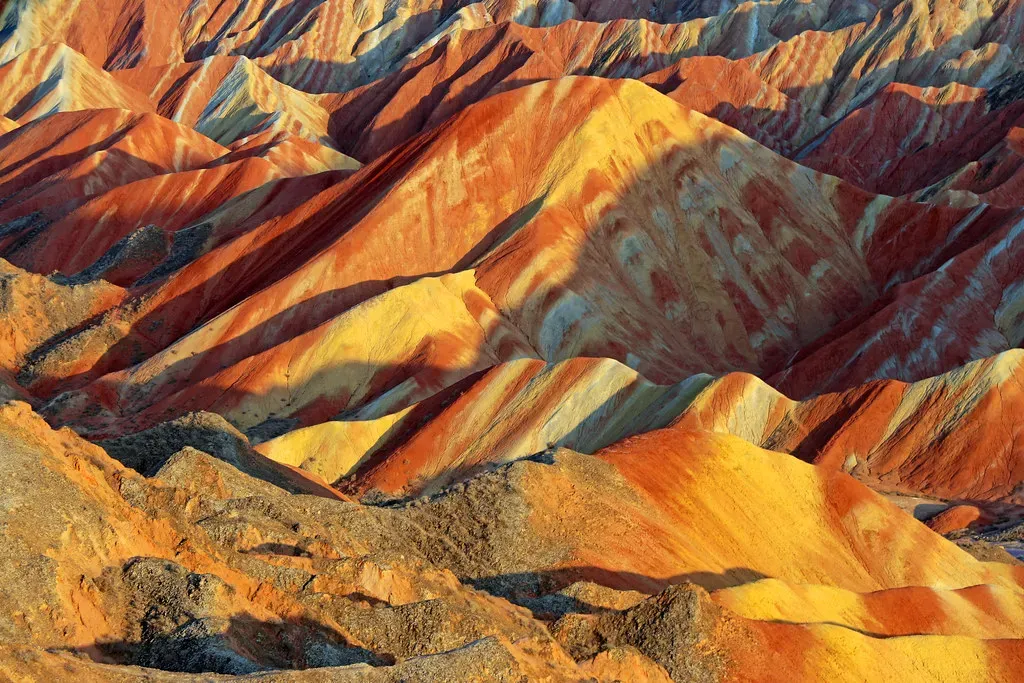
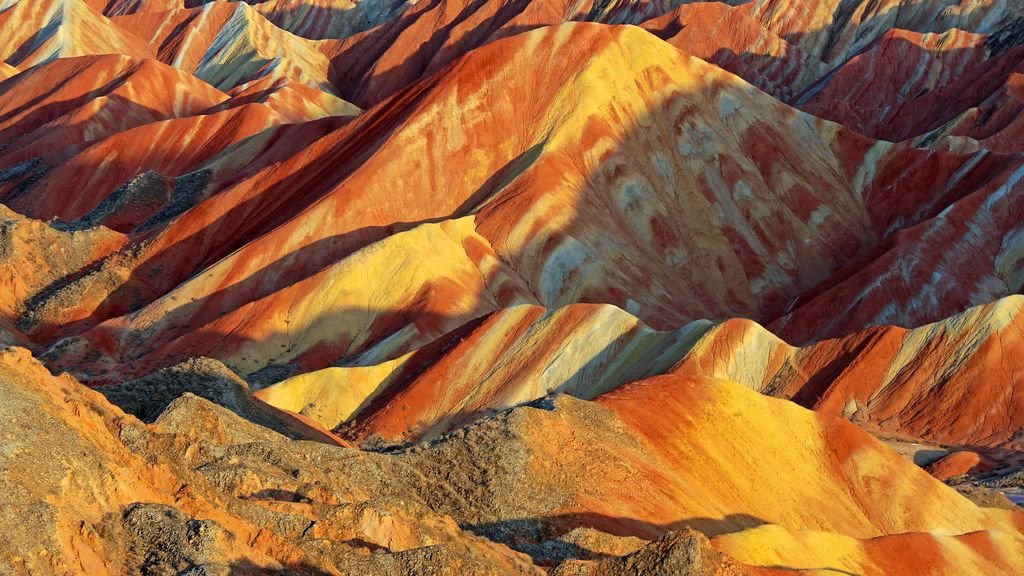
In China’s Gansu province, the Zhangye Danxia landform looks like someone painted the hills with streaks from a giant box of crayons. Layer upon layer of red, orange, yellow, and pale gray rock stretches across ridges and valleys, forming stripes so clean and bold that they almost look fake. The colors come from mineral-rich sandstone and siltstone laid down in different eras, then tilted and carved by tectonic activity and erosion. Over tens of millions of years, the layers were exposed and weathered, leaving behind this striped landscape like a slice of rainbow cake.
Photos of Zhangye Danxia often look over-edited, but even toned-down images barely capture what it feels like to stand there. In certain lighting – especially after rain or at sunset – the colors deepen, and the whole place seems to glow from within. Wooden walkways wind through lookout points, but step back from the platforms in your mind and you can easily imagine this as the backdrop for some alien planet scene. It’s far less famous internationally than other Chinese attractions, maybe because it doesn’t fit neatly into the usual “historic site” narrative. Yet as a raw display of what time, pressure, and minerals can create, it’s one of the boldest natural canvases on Earth.
The Boiling River Hidden in the Amazon
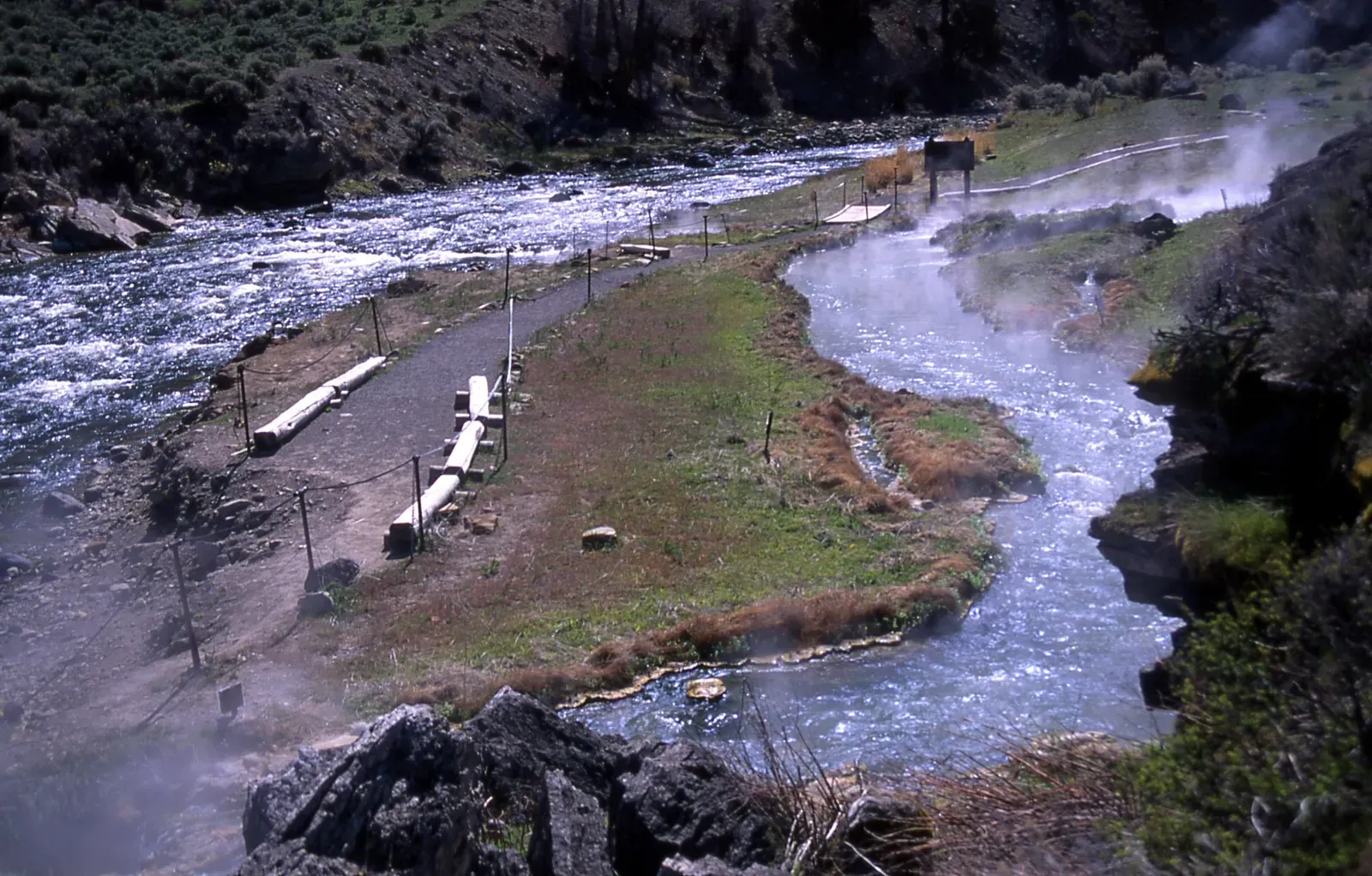
Deep in the Peruvian Amazon, there’s a river that looks normal until you get close enough to feel the heat hitting your skin. Local communities long spoke of a stretch of water so hot it could kill animals that accidentally fell in, and modern scientific surveys eventually confirmed it: temperatures in parts of this river are hot enough to cause serious burns within seconds. Unlike the usual hot springs that sit near volcanoes, this river is far from any major volcanic system, which only deepens the mystery. The current understanding is that rainwater seeps far underground, heats up from the Earth’s geothermal energy, and then resurfaces in this concentrated area.
What makes this river particularly haunting is the combination of beauty and danger. Mist curls up off the water in cooler air, creating an almost dreamlike scene that hides just how lethal it can be to step in. Fallen leaves and unlucky animals that drift into the hottest sections literally cook, a brutal reminder that nature doesn’t soften its edges for our comfort. Very few people will ever see this place in person, partly because reaching it requires navigating remote rainforest. Yet just knowing there is a boiling river tucked inside the jungle reshapes how you picture the Amazon – not just as a green ceiling of trees, but as a complex, hidden machine of heat and water humming beneath.
The Ice Bubbles Trapped in Frozen Lakes, Canada
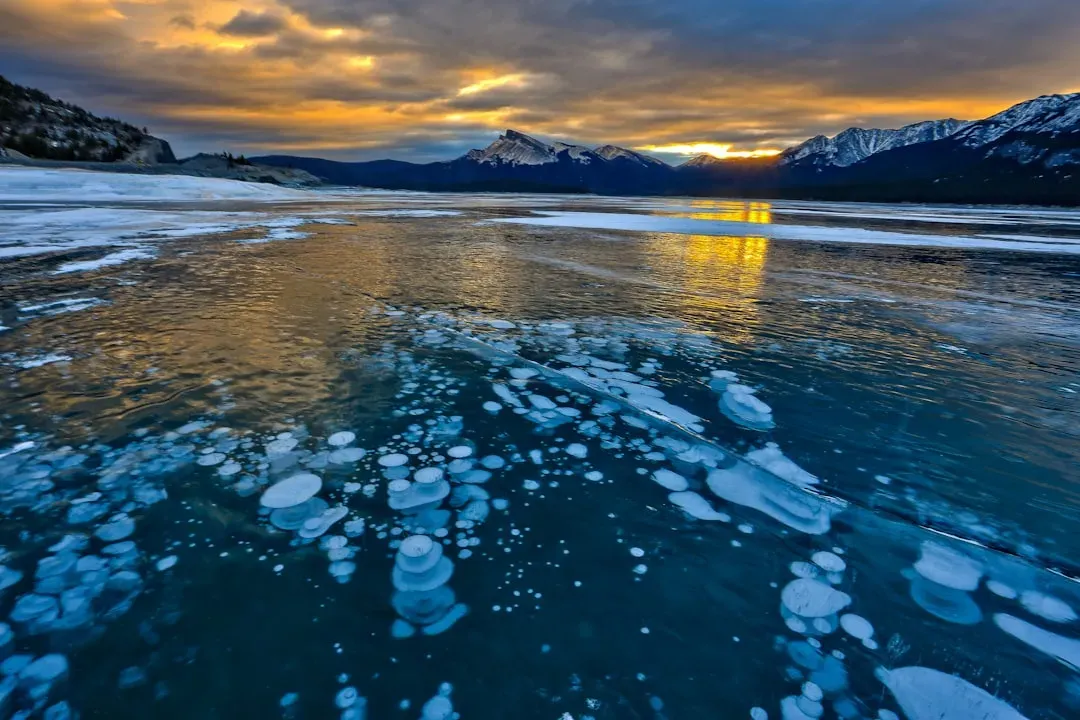
In winter, some deep, cold lakes in Canada turn into clear windows holding frozen time. One of the most striking examples is Abraham Lake in Alberta, where the surface ice often captures thousands of white, disk-like bubbles stacked in vertical chains. At first you might think they’re air pockets, but they’re mostly methane gas rising from decomposing organic matter on the lakebed. In summer, that gas bubbles away unnoticed, but in winter, as the lake freezes layer by layer, those bubbles get trapped, forming ghostly towers locked inside the ice.
Walk carefully across the frozen surface and you feel like you’re standing above a three-dimensional galaxy of white planets suspended in blue glass. It’s stunning, but it also carries an unsettling edge when you realize what methane means for the climate if it reaches the atmosphere in large amounts. Photographers travel specifically to capture these patterns, yet the phenomenon still doesn’t have the household recognition that famous glaciers or polar lights do. On calm, clear days, with mountains reflecting in the ice and bubble stacks fading into the distance, it’s one of those scenes that makes you feel both lucky to witness it and slightly nervous about what invisible processes are happening under your feet.
The Underwater Forest of Lake Kaindy, Kazakhstan
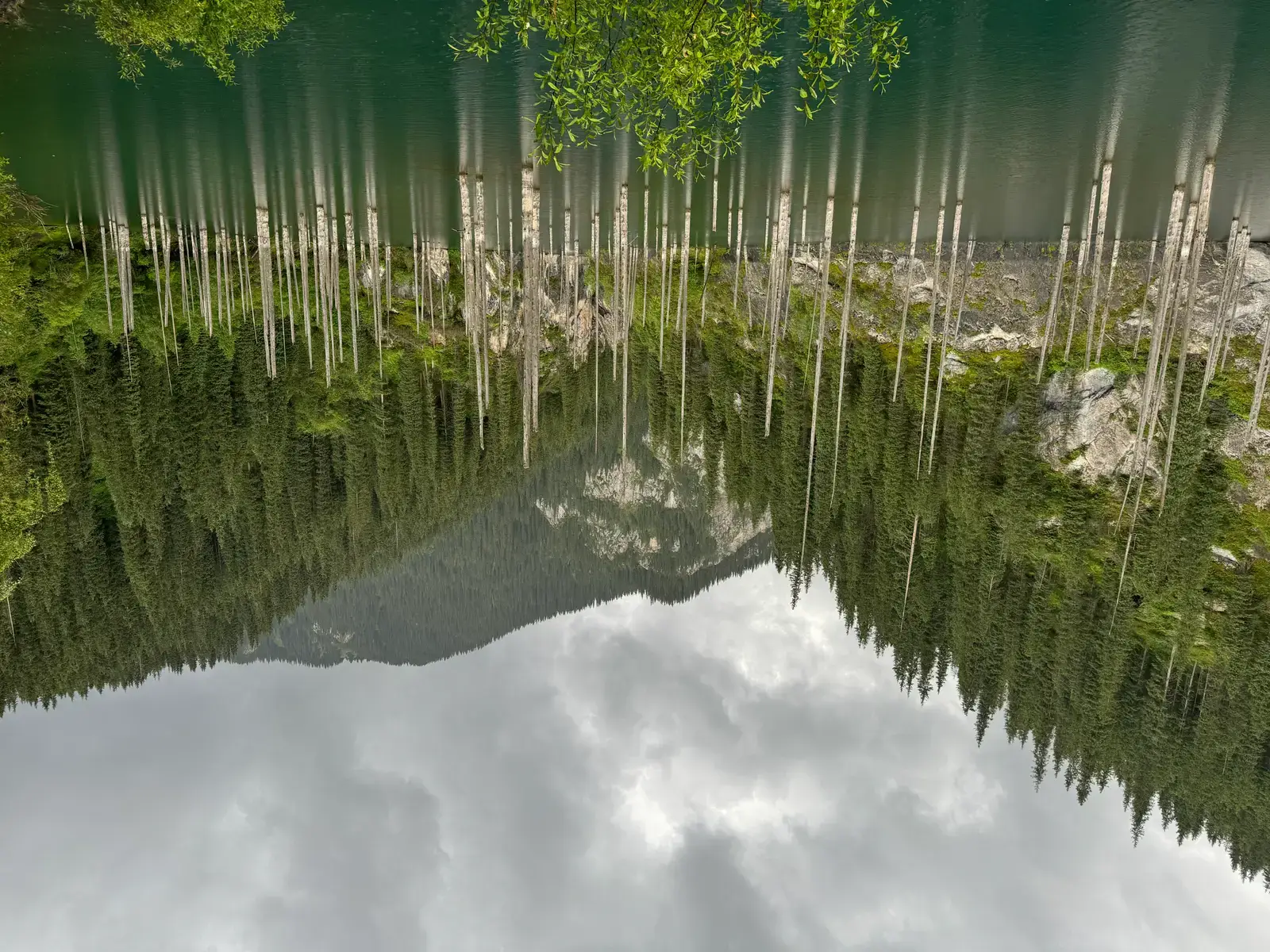
High in the mountains of Kazakhstan, Lake Kaindy hides a scene that looks like something from a sunken fantasy city. Above the waterline, you see a milky-blue alpine lake pierced by dozens of bare, pale tree trunks sticking straight up like spears. Below the surface, though, the story changes: the stone-cold water has preserved the submerged parts of the trees, with branches still fanning out like ghostly skeletons beneath the surface. The lake formed after an earthquake in the early twentieth century triggered a landslide that dammed a valley and flooded the forest, turning it into an accidental underwater museum.
The water’s unusual color, caused by dissolved limestone, adds to the otherworldly vibe, especially when sunlight slides across and reveals outlines of branches in the depths. Divers who brave the frigid temperatures can swim through these drowned trees, weaving among trunks that look almost too intact for their age. From shore, it already feels uncanny: a forest that decided to grow upward from water instead of soil. Despite being one of the most visually striking lakes on the planet, it’s rarely mentioned outside niche travel circles. It’s a reminder that some of Earth’s most remarkable sights happen when disaster, geology, and climate accidentally collaborate.
The Wonders Hiding Between the Headlines
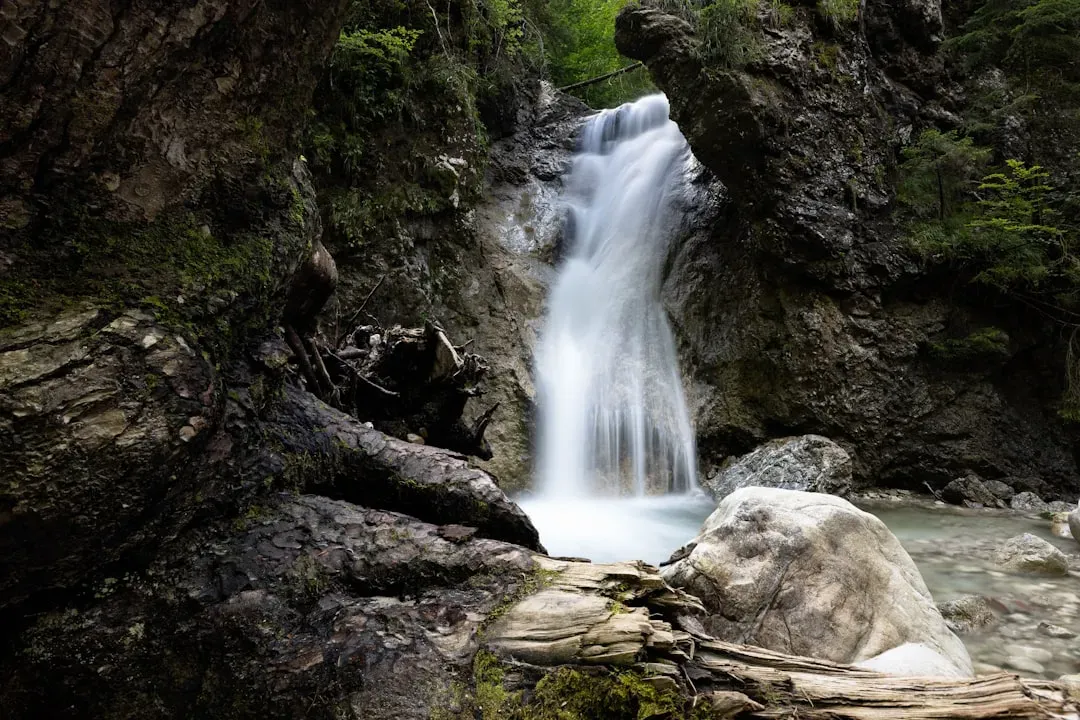
These nine places barely scratch the surface of what the planet is quietly doing when nobody’s looking. While the same handful of big-name landmarks soak up most of the attention, landscapes like boiling rivers, rainbow-striped mountains, and glowing cave ceilings keep rewriting what we think is possible on Earth. Many of them are fragile, changing faster than we’d like to admit, whether because of climate shifts, tourism pressure, or simple erosion ticking along on its own schedule. That mix of beauty and vulnerability makes them feel even more precious.
What sticks with me is how easy it is to assume we’ve already seen it all through screens and search results, when in reality we’ve barely peeked behind the curtain. Somewhere right now a new sinkhole is opening, a glacier is revealing something that has been frozen for thousands of years, or a remote lake is changing color for reasons we do not yet understand. The world is still far stranger than our curated highlight reels suggest, and that’s oddly comforting. Which of these overlooked wonders surprised you the most?