

History loves a good hero story. You know the kind: Edison with his light bulb, the Wright brothers defying gravity at Kitty Hawk, Steve Jobs holding up a sleek rectangle and calling it a revolution. These are the stories we memorize in school, the ones that get the museum wings and the Hollywood biopics.
Yet underneath all that fame, there exists a deeper, more fascinating layer of human genius. Quiet inventions. Misunderstood devices. Contraptions that were dismissed, forgotten, or simply born too early into a world that wasn’t ready. Honestly, some of the most powerful ideas in history came from people whose names you’ve probably never heard, in places you’d never expect. If you think modern technology appeared out of thin air, prepare to think again. Let’s dive in.
1. The Antikythera Mechanism: The World’s First Computer
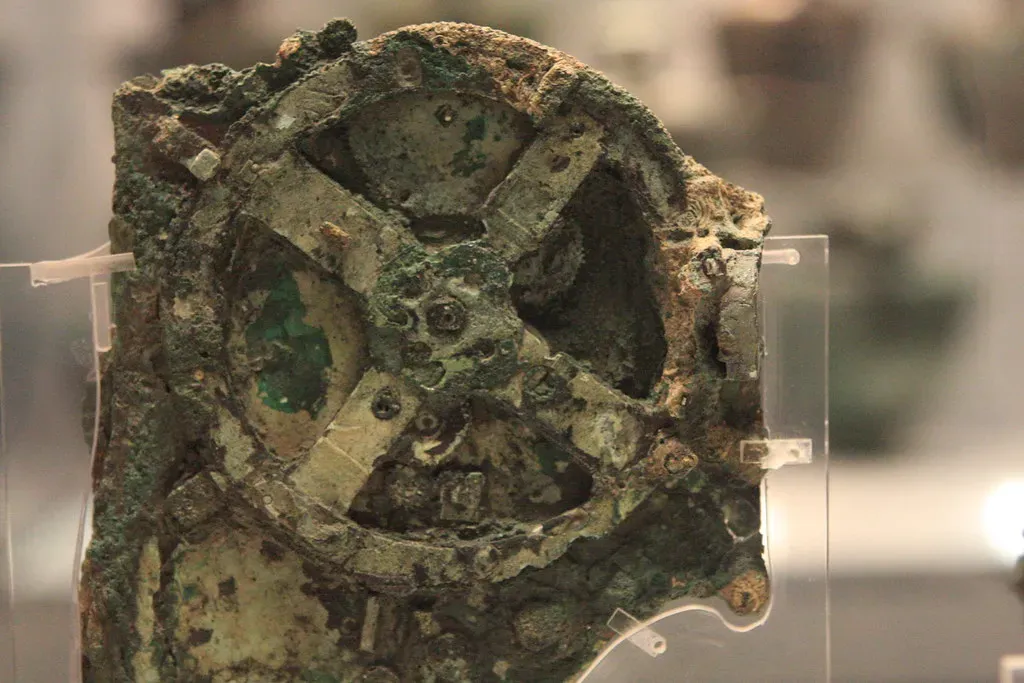
Imagine pulling a corroded, bronze-covered chunk of gears from a two-thousand-year-old shipwreck and realizing you’re holding a computer. That’s essentially what happened in 1901 when divers stumbled across a sunken Greek vessel near the island of Antikythera. The Antikythera Mechanism, discovered in that ancient shipwreck, is considered one of the earliest known analog computers. Dating back to around 100 BCE, this intricate device was used to predict astronomical positions and eclipses, with a complex arrangement of gears and dials that showcased an advanced understanding of celestial mechanics. The level of engineering required to build it was not just remarkable for its age – it was almost unbelievable.
The mechanism is estimated to date from 150 to 100 BCE, and its complexity was unmatched in Europe until the 14th century – over a thousand years later. Think about that for a moment. A civilization crafted something so technically sophisticated that humanity essentially forgot how to build anything comparable for more than ten centuries. The device is often referred to as the world’s first computer, and it is the first known geared mechanism containing the oldest existing set of scientific scales. You could argue everything you carry in your pocket today has a distant ancestor in this ancient bronze marvel.
2. The Jacquard Loom: A Weaving Machine That Taught Computers to Think
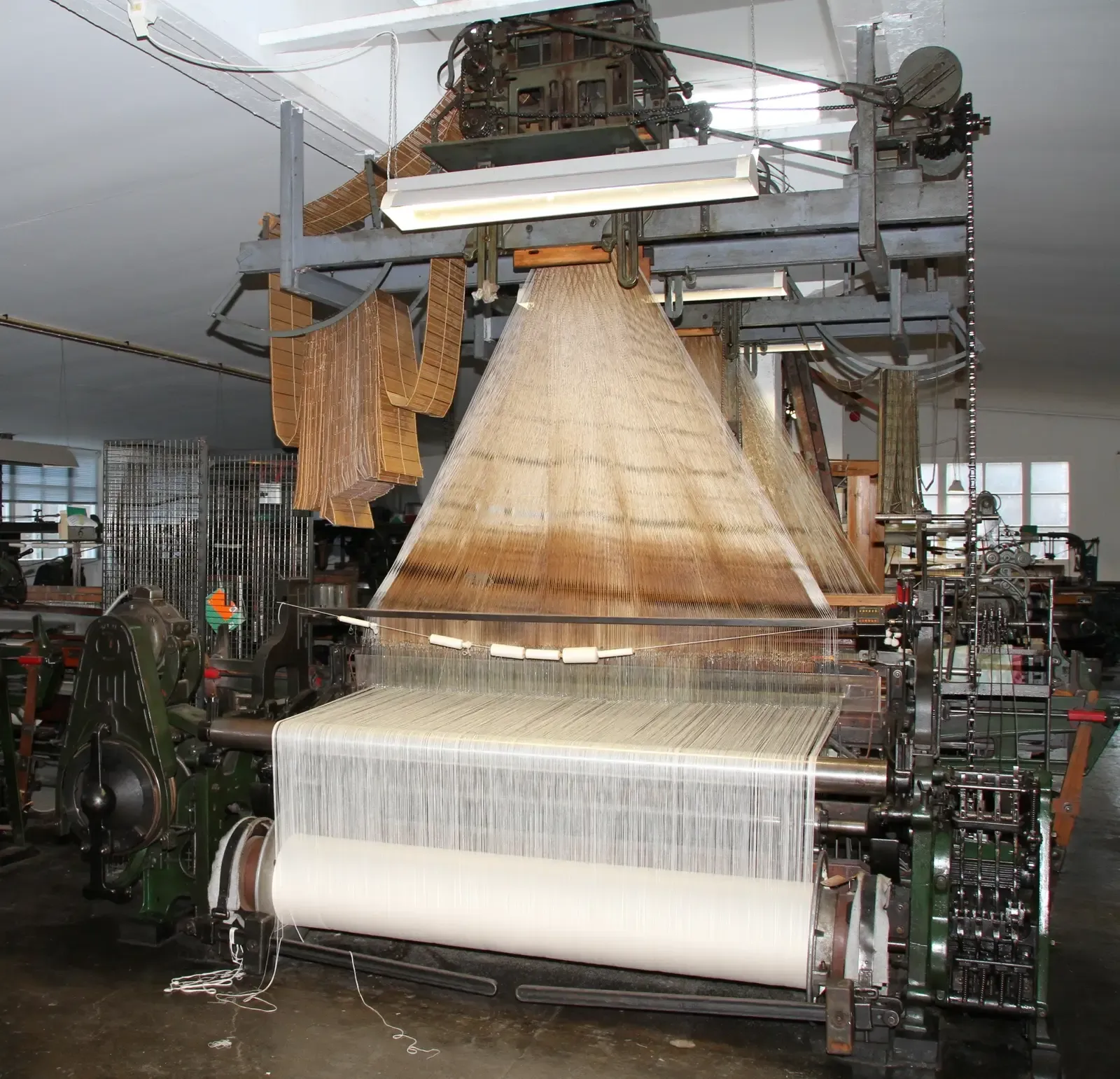
Here’s the thing most people don’t realize: the conceptual engine of modern computing didn’t come from a laboratory. It came from a textile workshop in France. When Joseph-Marie Jacquard, a French weaver and merchant, patented his invention in 1804, he revolutionised how patterned cloth could be woven. His Jacquard machine made it possible for complex and detailed patterns to be manufactured by unskilled workers in a fraction of the time it took a master weaver and his assistant working manually. That alone was a spectacular achievement. But the deeper magic was something else entirely.
The Jacquard loom is often considered a predecessor to the modern computer because it uses a binary system to store information that can be read by the loom and reproduced many times over. These punched cards were adopted by the English inventor Charles Babbage as an input-output medium for his proposed Analytical Engine, which would have been the first digital computer, and were later used by the American statistician Herman Hollerith to feed data to his census machine. You could trace a direct line from a 19th-century silk loom to every modern computer chip on the planet. I find that absolutely mind-bending.
3. The Baghdad Battery: Ancient Electricity Nobody Talks About
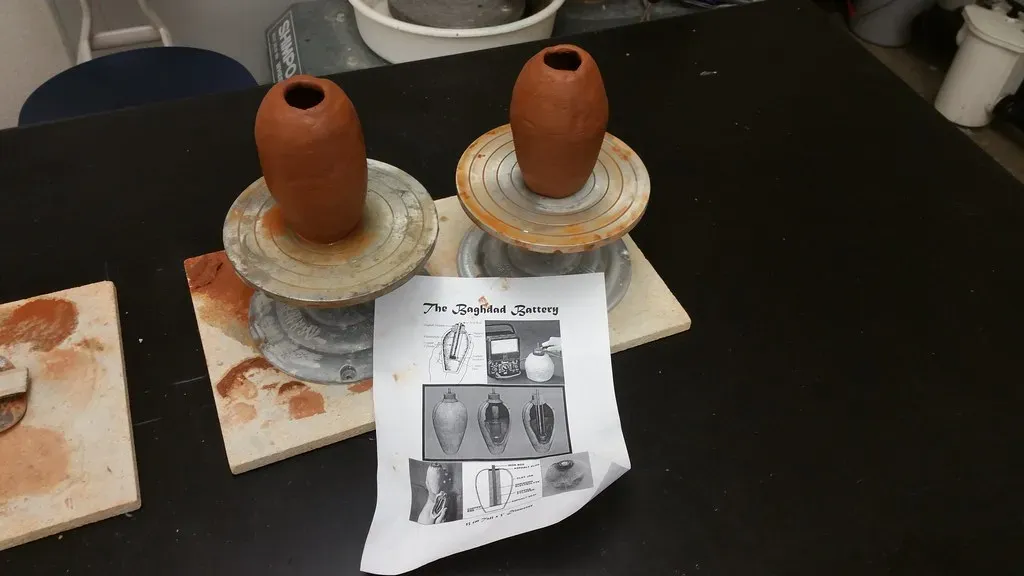
Picture a small clay jar, no taller than a coffee mug, with a copper cylinder inside and an iron rod at its center. Unremarkable, right? Except when you reconstruct it and pour in an acidic liquid, something extraordinary happens. The components, when reconstructed, behaved like a simple galvanic cell – a primitive form of battery. Since then, the artifact now known as the Baghdad Battery has stood at the crossroads of science, history, and unanswered questions. The artifact dates back to the Parthian period, somewhere between 250 BCE and 250 CE, and was first described formally in 1939.
Subsequent reconstructions of the Baghdad Battery have proven the concept. When built using comparable materials and filled with acidic liquids, the device produces between 0.5 and 1.5 volts – enough to cause a tingle or power a very small device. One theory suggests the batteries were used for electroplating – depositing a layer of metal like gold or silver onto another object. This process requires a direct current and acidic solution, which the Baghdad Battery could theoretically provide. Whether ancient artisans used it intentionally or stumbled into the physics accidentally, the fact that something resembling a battery existed nearly two millennia before Alessandro Volta’s famous pile should genuinely astonish you.
4. The Phonautograph: Sound Recorded Before Anyone Could Play It Back
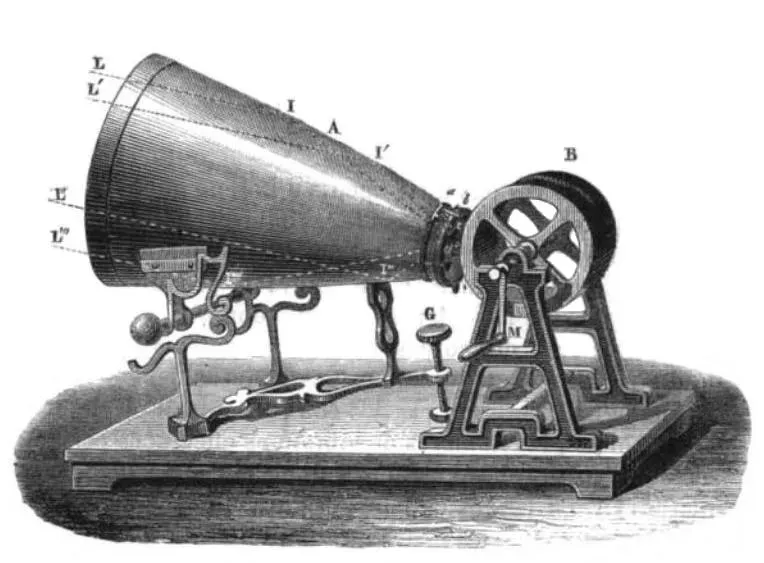
Most people credit Thomas Edison with inventing sound recording, and that’s fair enough. His phonograph was a staggering achievement. But the true first device to capture sound came earlier, and almost nobody knows it. Before the phonograph, there was the phonautograph, invented by Édouard-Léon Scott de Martinville in 1857. This device could visually record sound waves, but it had no mechanism for playback. It marked the first time that sound could be captured, leading the way for future sound recording technologies. Think of it as a photograph of a sound wave, beautiful and frozen in time but frustratingly silent.
For decades, the phonautograph was forgotten, overshadowed by Thomas Edison’s phonograph, which could both record and play back sound. It wasn’t until the 21st century that researchers played back Scott’s recordings, finally giving voice to this forgotten invention. The significance of Scott de Martinville’s invention lies in its concept of capturing sound waves mechanically, a fundamental idea that would later be refined and developed into the technology for sound recording and playback. Every streaming service you use today, every podcast you listen to on your morning commute, carries a little DNA from a device most people have never heard of. Pun absolutely intended.
5. Vacuum Tubes: The Unsung Ancestors of Every Electronic Device
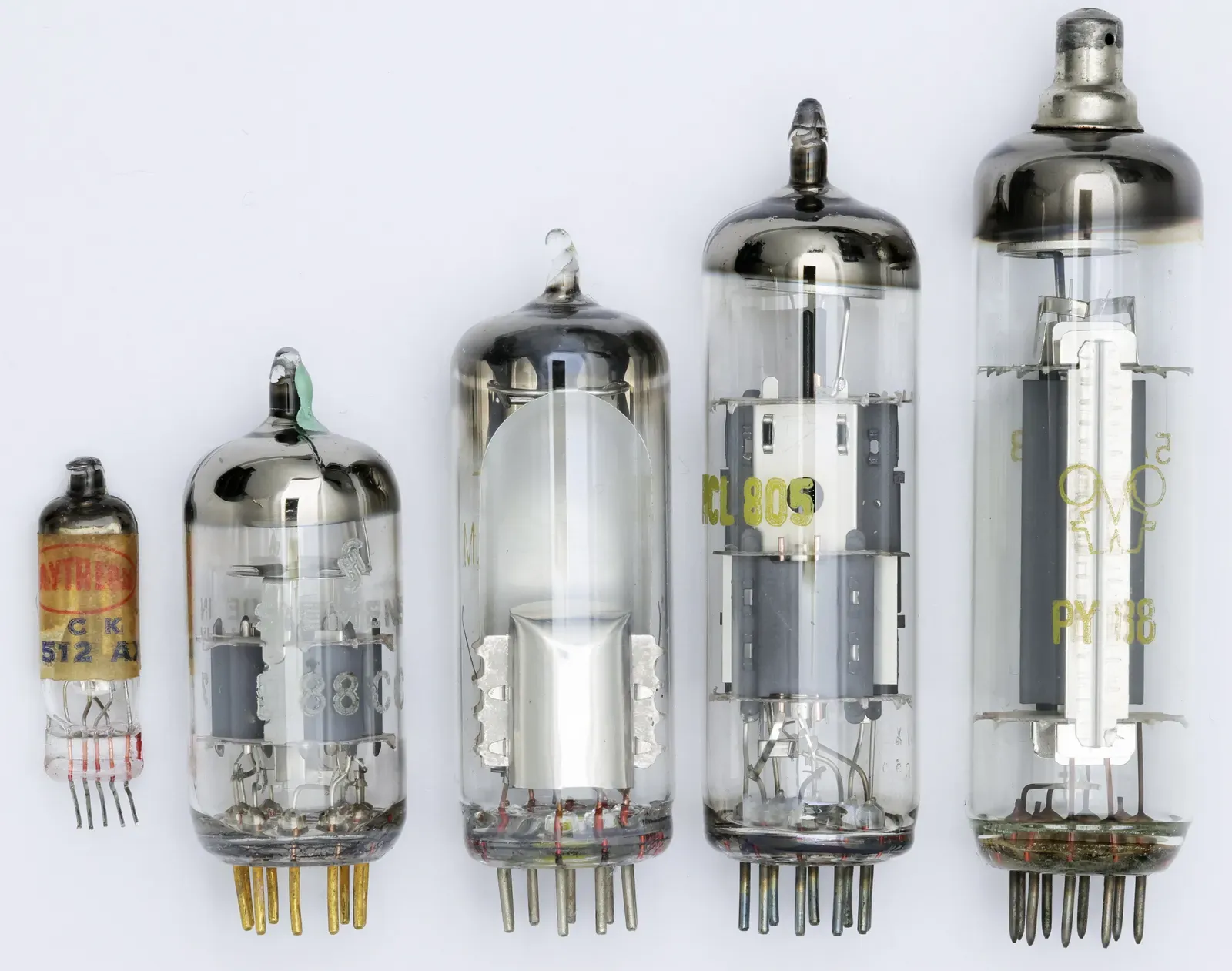
Before microchips, before transistors, before any of the slim, elegant electronics you use daily, there were vacuum tubes. Bulky, fragile, heat-generating glass cylinders that somehow powered the first era of modern electronics. Vacuum tubes were the heart of early electronics, powering radios, televisions, and the first computers. These glass components could amplify signals and switch currents, making modern computation possible. They were essentially the transistors of their age, just far less convenient and far more temperamental.
The ENIAC, completed in 1945, was one of the first general-purpose electronic computers. It used thousands of vacuum tubes, consuming enormous amounts of power and requiring frequent maintenance due to tube failures. While revolutionary for its time, the limitations of vacuum tube technology became increasingly apparent as the demand for more powerful and reliable computing systems grew. The invention of the transistor ultimately replaced vacuum tubes due to its smaller size and greater reliability, launching the era of microelectronics. Yet vacuum tubes still find niche uses in high-end audio equipment and specialized scientific instruments. Without those clunky glass tubes laying the conceptual and functional groundwork, the transistor revolution might never have had a reason to happen.
6. The Pascaline: Blaise Pascal’s Forgotten Calculator
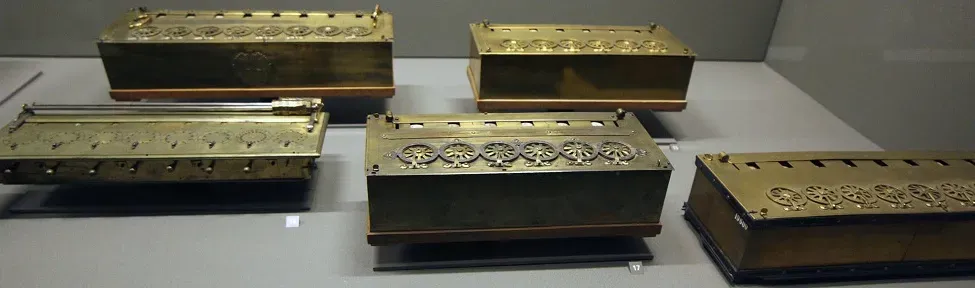
Long before Charles Babbage dreamed up his Analytical Engine, a 19-year-old French prodigy named Blaise Pascal built something genuinely extraordinary. Blaise Pascal invented the Pascaline, one of the earliest mechanical calculators, in 1642. It could perform basic arithmetic operations like addition and subtraction using a series of gears and wheels. Although groundbreaking, the Pascaline was expensive and not widely adopted, overshadowed by simpler tools like the abacus. Pascal built it to help his father, a tax commissioner, crunch through endless arithmetic – the original labor-saving software, you might say.
The tragedy is that the Pascaline was simply too expensive for most people to afford and too delicate for rough everyday use. It existed in a world that wasn’t ready for automated calculation. Today, it is recognized as a precursor to modern computing machinery. Pascal’s invention showed that the dream of automated calculation has long been part of human innovation. It’s hard not to feel a little sorry for Pascal, who poured years into a device that the world shrugged at. Still, that stubborn idea of letting a machine do the math never went away. It just needed a few more centuries to mature into something the world was willing to accept.
7. The Water Wheel: Ancient Renewable Energy That Started the Industrial Clock Ticking
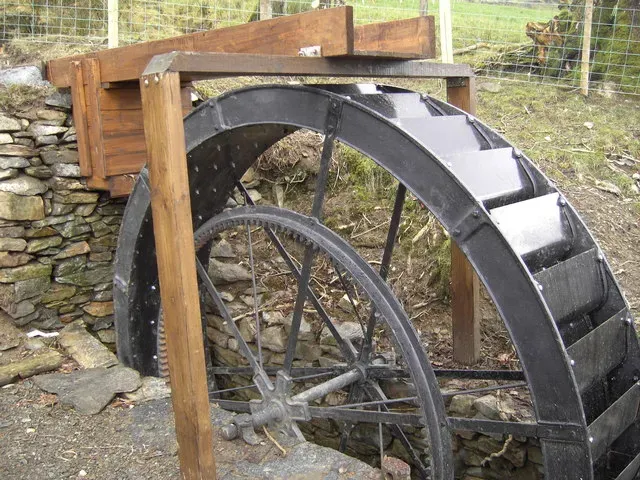
You might see the water wheel as a quaint relic, something belonging in a picturesque village postcard rather than a technology timeline. That would be a serious underestimation. The water wheel, dating back to ancient Greece, was a revolutionary way to harness natural energy. Used primarily for grinding grain, water wheels transformed river power into mechanical energy, laying the groundwork for future industrial machinery. For centuries, this was the engine of civilization itself, powering mills, forges, and workshops across the ancient and medieval world.
Although water wheels were common in ancient and medieval times, they became less essential with the advent of steam power. Forgotten in the industrial age, this invention helped catalyze early mechanical progress. The water wheel’s simple, yet effective design made it a key invention in early agricultural and industrial development. It’s a direct philosophical ancestor to hydroelectric power plants and, more broadly, to the concept of converting natural forces into usable energy. Every time you flip a light switch powered by a dam-generated current, you owe a quiet nod to the humble water wheel. It started a chain of thinking about harnessing nature that we still haven’t finished exploring.
8. The Lodestone Compass: The Navigation Tool That Opened the World
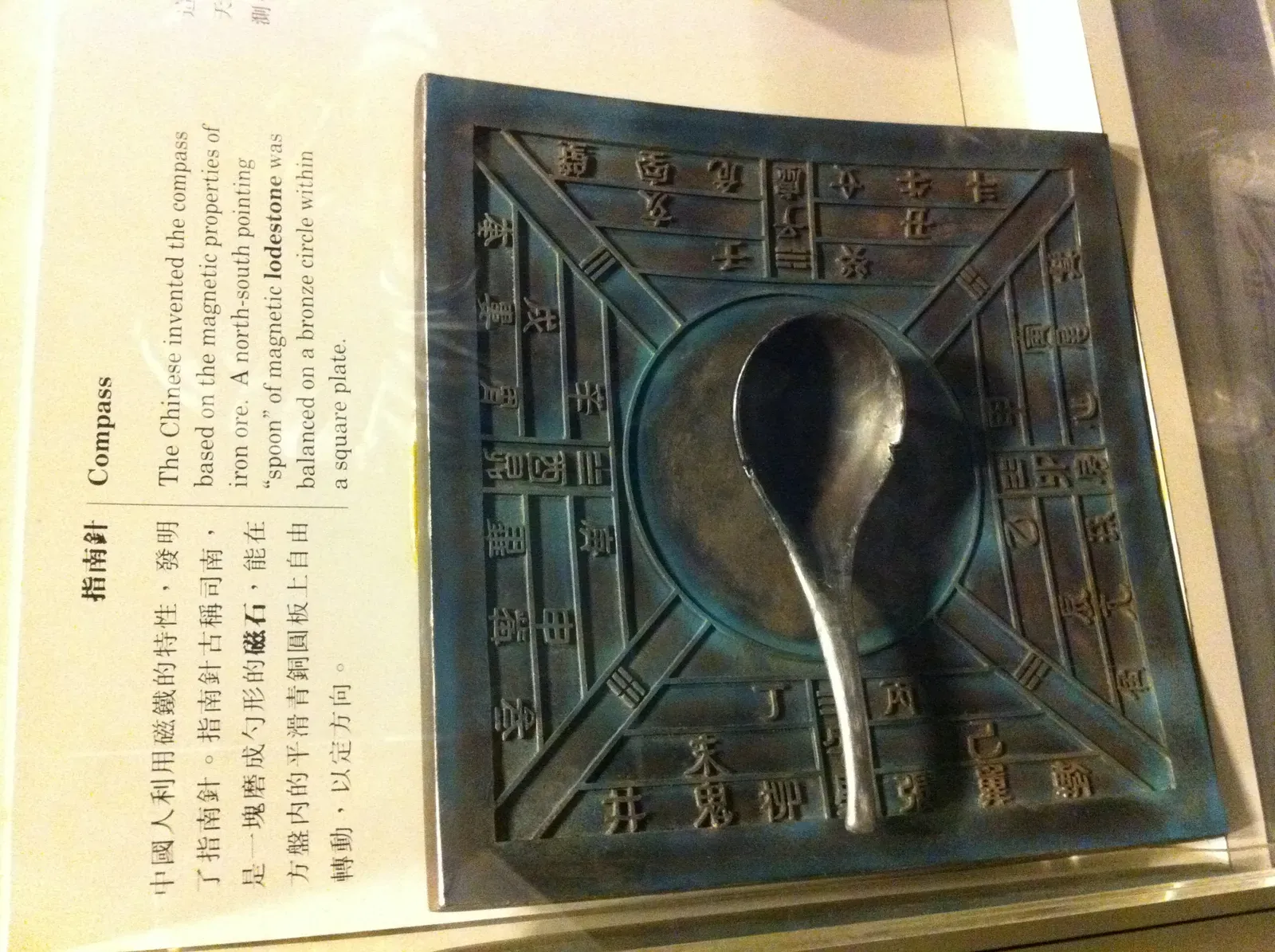
Before GPS, before maps with real-time traffic updates, before any of the pinpoint navigation you take for granted, sailors crossed vast, featureless oceans using a piece of naturally magnetized rock. Let’s be real – that alone deserves enormous respect. The lodestone compass, used by ancient navigators as early as the 1st century, changed how humanity explored the seas. This natural magnet pointed to magnetic north, making sea voyages more predictable and safer. It turned the open ocean from a terrifying mystery into a navigable space.
Although widely used by early explorers, the lodestone compass was gradually replaced by more advanced magnetic compasses. Its role in enabling the Age of Exploration is often overlooked in history books. Forgotten by many, this simple invention was critical in shaping global trade and exploration routes. You can draw a straight line of conceptual influence from that magnetized stone to the GPS chip sitting inside your smartphone right now. The idea that a device could orient you on a featureless surface – whether ocean or city grid – is one of humanity’s most powerful navigational insights. The lodestone compass planted that seed, and everything grew from there.
9. The Transistor: A Criminally Overlooked Revolution in a Small Package
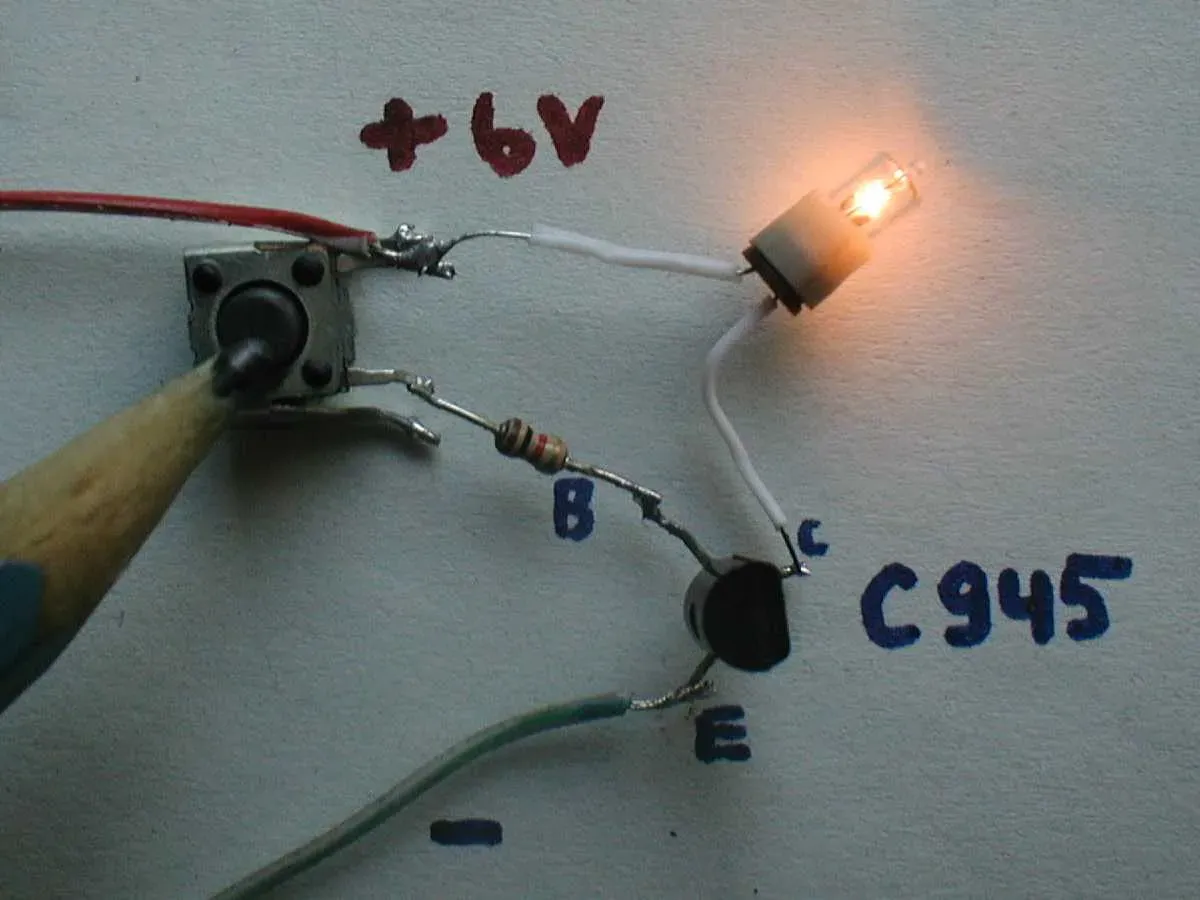
Of all the inventions on this list, the transistor is perhaps the most consequential and the least celebrated in everyday conversation. People talk about the internet, smartphones, and artificial intelligence constantly. Very few people pause to think about the tiny switch that makes all of it possible. A criminally under-appreciated innovation, the transistor is an essential component in nearly every modern electronic gadget. First developed in late 1947 by Bell Laboratories, these tiny semiconductor devices allow for precise control of the amount and flow of current through circuit boards. Originally used in radios, transistors have since become an elemental piece of the circuitry in countless electronic devices including televisions, cell phones, and computers.
The number of transistors in integrated circuits doubles nearly every two years – a phenomenon known as Moore’s Law – so their remarkable impact on technology will only continue to grow. Integrated circuits dramatically reduced the size, cost, and power consumption of electronic devices while increasing their reliability and performance. This innovation laid the foundation for the rapid advancement of computer technology and the rise of the digital age. Every app on your phone, every search query you run, every video call you make operates because billions of transistors are flipping on and off at incomprehensible speeds. It’s the kind of invention so foundational that the world built an entire civilization on top of it and promptly forgot to say thank you.
Conclusion: The Forgotten Giants Beneath Modern Technology

History reveals a multitude of innovations that were either too advanced for their time, commercially unsuccessful, or replaced by superior alternatives. Despite their obscurity, these inventions contributed significantly to the technological framework of the modern world. The story of technology is never as linear or as clean as the textbooks suggest. It’s messy, surprising, and full of brilliance that got buried under the weight of louder names and better marketing.
What strikes me most about these nine inventions is how deeply human they all are. Someone, somewhere, had a problem they wanted to solve, and they built something. They didn’t always get the credit. The world didn’t always listen. Each lost marvel represents not only lost knowledge but also the untapped potential to shape our world in new ways. Their stories remind us to value, protect, and share innovation, so that brilliant ideas are never forgotten. Next time you scroll your phone, stream music, or use GPS to navigate an unfamiliar street, remember: you’re riding the shoulders of inventors whose names most people will never know. Doesn’t that make you want to look a little deeper at the past? What other world-changing ideas are still waiting to be rediscovered?