

Every so often, nature behaves in a way that seems to shrug at common sense, forcing scientists to admit that even their best theories have loose threads. These paradoxes are not magic tricks or urban legends; they are real, measurable phenomena that stubbornly resist neat explanations. From ecosystems that seem to break the rules of physics, to animals that blur the line between individual and collective, the natural world keeps handing us puzzles that feel almost designed to mess with our heads. This article explores nine of the strangest of these natural paradoxes, where hard data and intuition collide, and where even the experts have to say: this really should not work, and yet it does.
The Mpemba Effect: When Hot Water Freezes Faster Than Cold
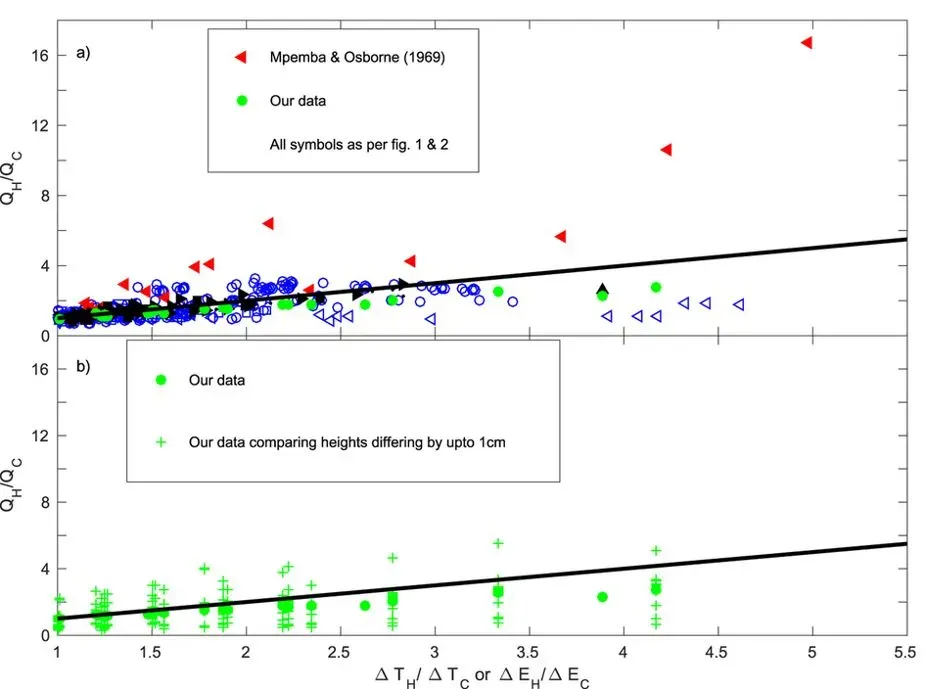
Imagine putting two identical cups of water in a freezer, one warm and one cool, and discovering that the hot one freezes first; it sounds like a bad science fair myth, but the so‑called Mpemba effect has been observed often enough to be taken seriously. High school student Erasto Mpemba popularized the puzzle in the 1960s after noticing hot ice cream mix freezing more quickly than cooler mixtures, and researchers since then have confirmed similar behavior in certain conditions. The paradox is obvious: classical thermodynamics suggests that cooler water should always reach the freezing point sooner, yet experiments have hinted that reality can be messier.
Scientists have proposed a laundry list of possible explanations, including differences in evaporation, convection currents, dissolved gases, and how hydrogen bonds reorganize in warmer water as it cools. The frustrating part is that the effect does not show up consistently, which makes it hard to pin down with a single clean theory or reproducible setup. Recent work using carefully controlled samples suggests that under specific combinations of container shape, water purity, and starting temperature, subtle changes in how heat flows and how ice crystals nucleate might indeed favor the initially warmer sample. For now, the Mpemba effect remains a kind of experimental ghost: real enough to chase, elusive enough to haunt the textbooks.
Quantum Biology’s Night Vision: Coherence Inside Warm, Wet Cells
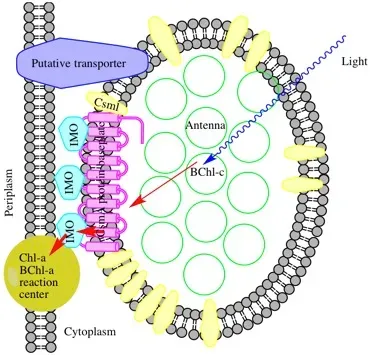
For decades, the standard story in physics textbooks was that quantum weirdness lives in cold, isolated labs, not in the messy warmth of living cells. Then biologists began turning up evidence that some organisms might be using quantum effects in ways that seem to defy common expectations about decoherence, the process that usually destroys fragile quantum states. In photosynthetic bacteria and plants, for example, ultrafast spectroscopy has revealed signatures that look like quantum coherence helping energy move through protein complexes more efficiently than classical hopping would allow.
Similarly, migratory birds appear to navigate using Earth’s magnetic field through a protein in their eyes that may rely on quantum entanglement between paired electrons. The paradox is not that quantum mechanics applies to life – it applies to everything – but that these delicate effects appear to persist long enough in warm, noisy biological environments to influence behavior. Researchers are still arguing over how robust these signatures really are, and whether simpler classical models could explain the same data. Yet the notion that a robin may, in a sense, be “seeing” magnetic fields thanks to quantum chemistry inside a living retina turns our old neat boundary between the quantum and the everyday into a blurry, uncomfortable gradient.
The Arrow Of Time Versus Reversible Laws Of Physics
Stir a drop of ink into a glass of water and it spreads out, never spontaneously gathering itself back into a perfect, pristine droplet. On everyday scales, nature clearly prefers disorder, which is why entropy, a measure of that disorder, almost always increases – a one‑way arrow of time that seems to give direction to the universe. Yet when physicists look down at the microscopic laws governing atoms and molecules, they find equations that are largely time symmetric: run them backward and they still make sense.
This is the paradox at the heart of thermodynamics and statistical mechanics: how does a time‑symmetric microscopic world produce the painfully obvious fact that broken eggs do not leap back into shells? One answer points to probabilities and initial conditions, arguing that while reverse processes are not forbidden, they are overwhelmingly unlikely given the vast number of ways particles can arrange themselves. But this pushes the mystery back to why the early universe started out in such a low‑entropy, highly ordered state in the first place. Cosmologists and philosophers of physics are still debating whether the arrow of time is an emergent illusion of statistics or a deep feature of reality that our equations only hint at.
Life That Loves Extremes: Organisms Thriving Where Life Should Fail
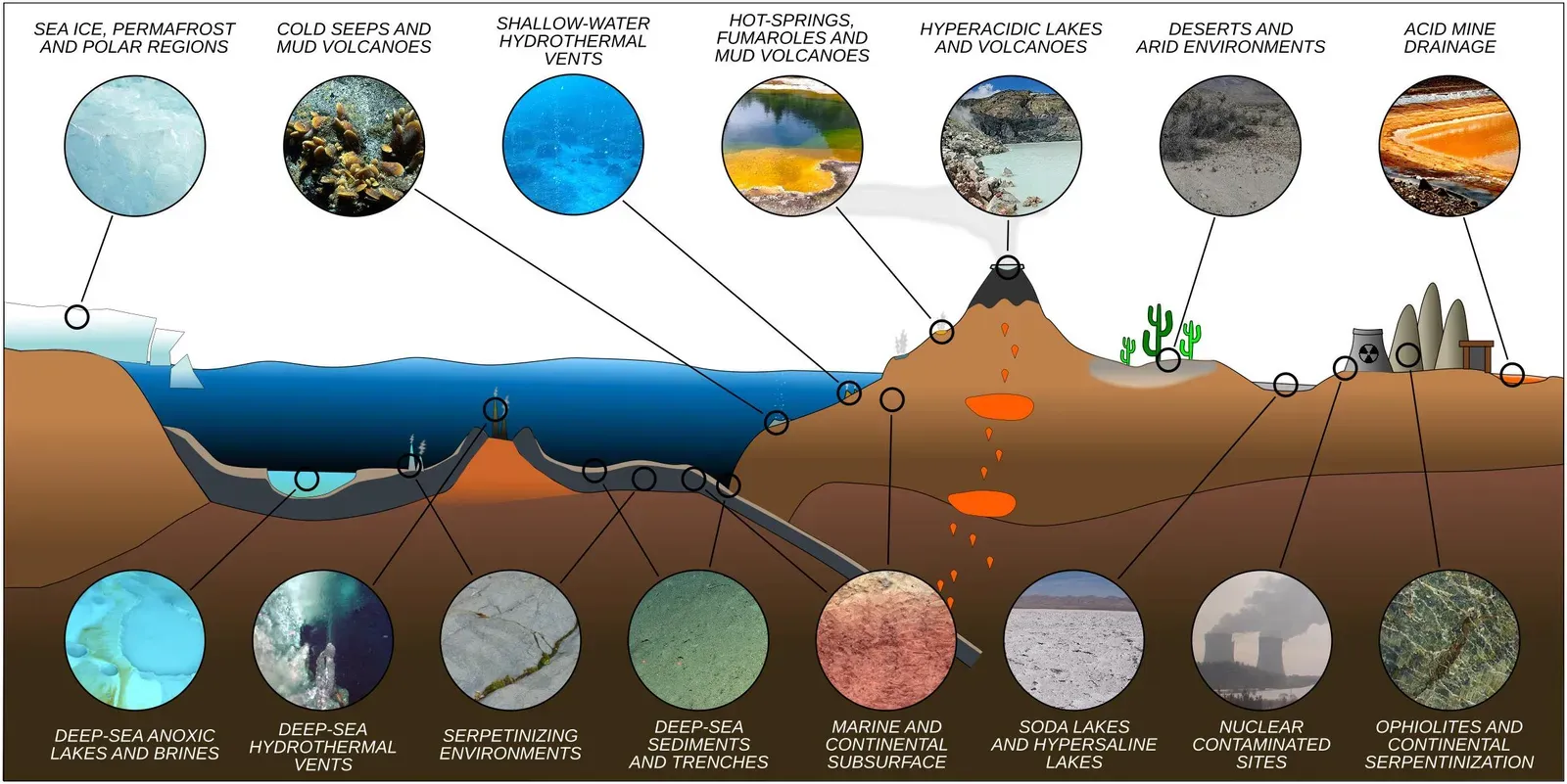
If you grew up thinking life needs gentle temperatures, neutral water, and mild conditions, extremophiles feel like a direct insult to common sense. These organisms flourish in environments that should be unsurvivable: superheated hydrothermal vents, ultra‑salty lakes, acidic hot springs, deep‑crust rocks starved of sunlight, and Antarctic brine pockets that remain liquid in brutal cold. Microbes have been found metabolizing sulfur near volcanic vents at temperatures close to boiling, while others keep their cellular machinery running in ice that barely thaws over entire seasons.
The paradox here is not just that life can tolerate extremes, but that in some cases these extremes are optimal, with enzymes and cell membranes specifically tuned to conditions that would rip apart ordinary biomolecules. Biochemists have uncovered ingenious adaptations, from heat‑stable proteins and specialized lipids to molecular chaperones that constantly refold damaged structures. Yet big questions remain about how such life evolved in the first place and whether its existence hints that life in the universe might be far more common than we once thought. Extremophiles force us to admit that our previous definition of a “habitable” environment was more about human comfort than biological necessity.
Superfluid Helium: A Liquid That Climbs Walls And Flows Forever
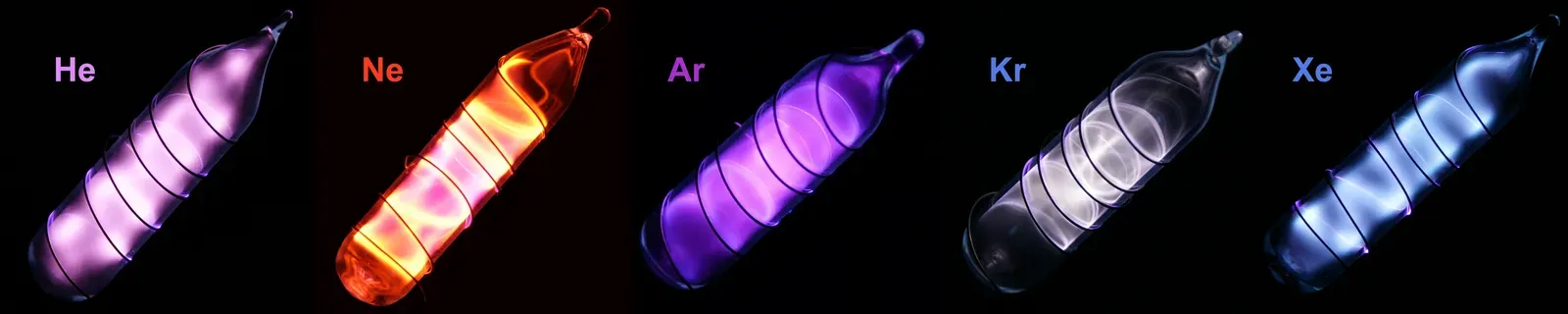
Cool helium down close to absolute zero, and it suddenly stops behaving like any normal liquid; it becomes a superfluid, a phase of matter that slips through tiny pores and crawls up container walls as if gravity and friction were optional suggestions. In this state, helium can flow through ultra‑thin channels that would block any ordinary fluid, and once set swirling in a loop, it can keep going seemingly indefinitely without slowing down. Watching videos of superfluid helium forming thin films that climb and spill over beakers feels almost like watching a special effect, except it is very real and very reproducible in low‑temperature labs.
The established theory of superfluidity explains it as a manifestation of quantum mechanics on a macroscopic scale, where a significant fraction of atoms condense into a single quantum state. The paradox is psychological as much as physical: we simply do not expect a puddle of liquid to act like a giant coherent wavefunction obeying rules that look more at home in particle physics. On top of that, helium’s behavior differs depending on the isotope, with helium‑3 and helium‑4 each displaying their own strange superfluid phases, some involving subtle pairing of atoms. These systems remain a playground where intuition fails quickly, and where even seasoned physicists sometimes admit that the math makes more sense than their mental pictures.
Cooperation In Evolution: Altruism That Seems To Defy Survival Of The Fittest
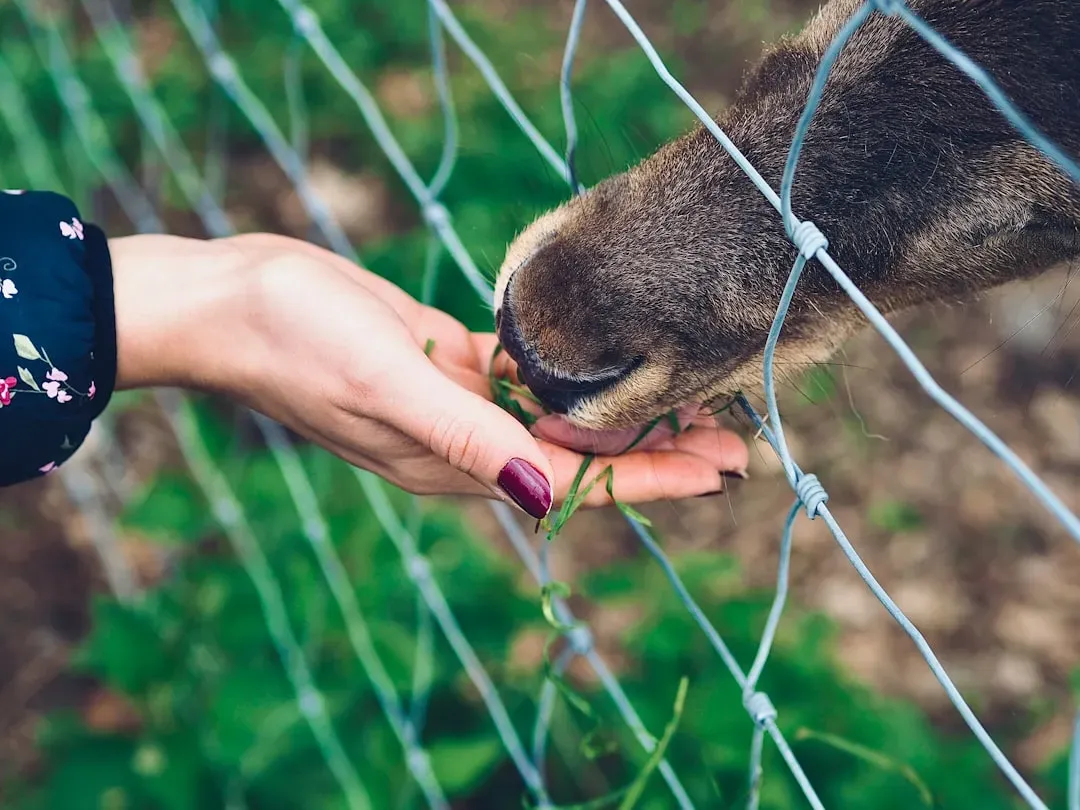
In nature documentaries, competition often takes center stage: predators chasing prey, rivals fighting for mates, plants battling for sunlight. Against that backdrop, genuine cooperation – animals risking their own survival to help others – can feel like a deep contradiction to the idea of evolution as a ruthless filter for individual advantage. Vampire bats share blood meals with unrelated roost‑mates, meerkats stand guard and sound alarms that draw attention to themselves, and sterile worker ants sacrifice any chance of personal reproduction to build colonies that benefit queens.
Biologists have developed powerful frameworks such as kin selection, reciprocal altruism, and group selection to explain how cooperation can, in the long run, still maximize the spread of shared genes or safeguard mutually beneficial relationships. Yet the paradox is not entirely resolved, especially when cooperation scales up into vast social systems that include punishment, culture, and seemingly self‑destructive behaviors. Humans magnify this tension dramatically, building institutions that encourage acts of generosity that offer no obvious genetic payoff at all. The line between self‑interest and self‑sacrifice in evolutionary terms remains blurry, forcing us to rethink what “fitness” means in complex, interdependent worlds.
The Hard Problem Of Consciousness In A Material Brain
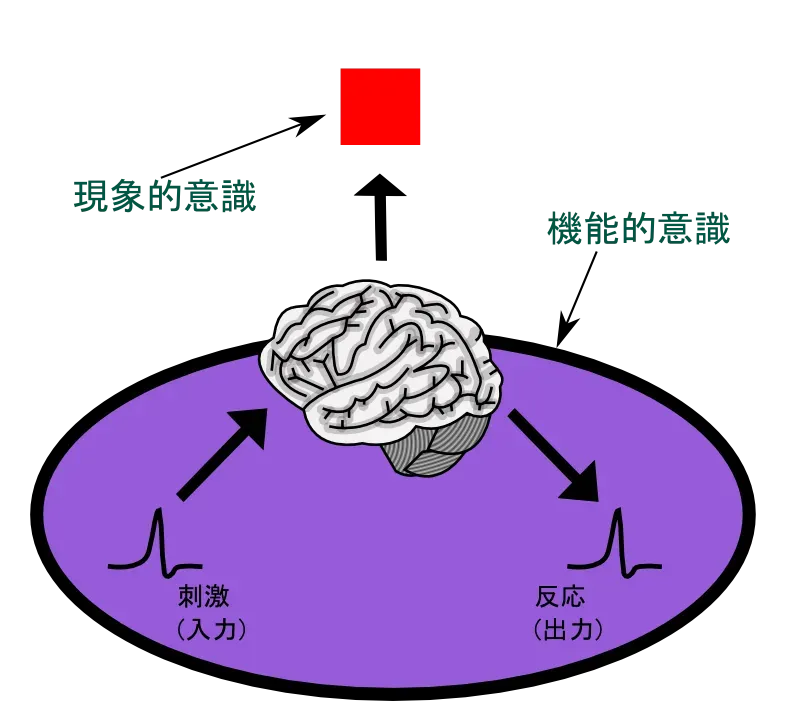
There is something almost offensively paradoxical about the idea that all of your vivid experiences – the color of a sunset, the taste of coffee, the feeling of embarrassment – arise from the activity of cells that are, in the end, just complicated arrangements of atoms. Neuroscientists have made astonishing progress mapping which brain regions light up when we see, move, remember, or decide, and modern imaging can track electrical activity down to tiny networks. What remains stubbornly mysterious is how these physical processes give rise to subjective experience itself, the inner movie that feels inescapably real from the first‑person point of view.
This is sometimes called the hard problem of consciousness: why brain activity should be accompanied by experience at all, rather than simply producing behavior with no inner life. Different camps argue for theories ranging from integrated information across networks to global broadcasting of neural signals, while others suspect we are still framing the question in the wrong way. The paradox sits uncomfortably inside mainstream science, which relies on objective, third‑person measurements to study a phenomenon that is, by definition, first‑person and private. Until we find a way to bridge that gap more convincingly, consciousness remains one of nature’s most disconcerting reminders that understanding the parts does not automatically yield understanding of the whole.
Scale Invariance: Self‑Similar Patterns From Coastlines To Clouds
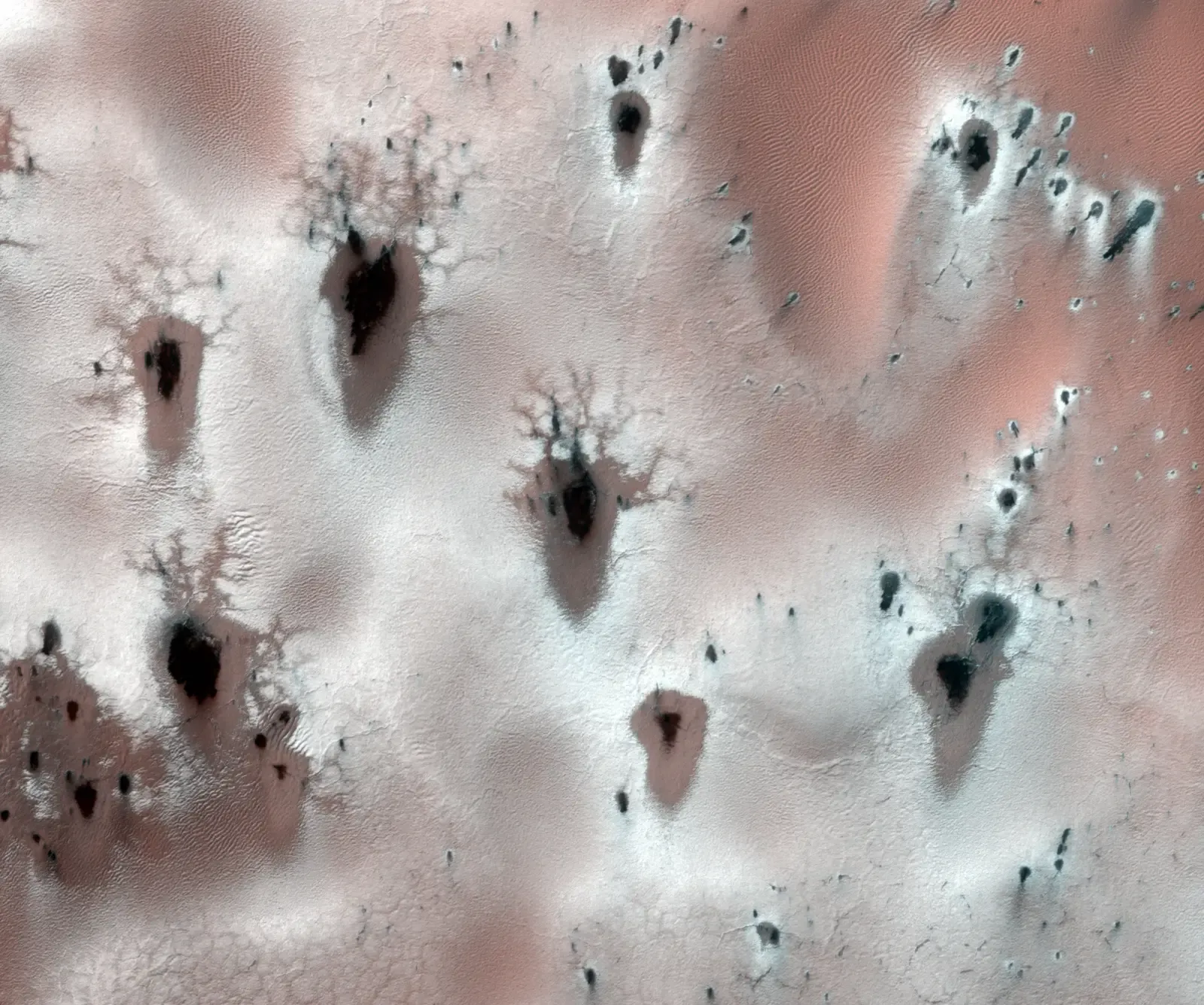
Look at an aerial photo of a jagged coastline, then zoom into a small section, and then zoom again, and the scene keeps playing a strange visual trick: each level looks uncannily similar to the last. The same thing happens with branching trees, river networks, and even the fine structure of clouds and mountain ranges, where patterns repeat at different scales in a way that defies our tidy geometric instincts. Mathematicians describe these structures as fractal‑like or scale invariant, meaning no single zoom level is the “right” one; the pattern keeps echoing itself.
The paradox for physics and biology is how such complexity emerges from relatively simple rules: local erosion, growth, flow, and feedback processes that somehow produce global shapes that look both irregular and weirdly orderly. Models of critical phenomena in condensed matter and ecology show that many systems naturally tend toward states where fluctuations of all sizes coexist, but connecting those elegant equations to the messy details of actual landscapes and living tissues is still a major challenge. Scale invariance also crops up in statistics of earthquakes, forest fires, and even species extinctions, hinting that seemingly different natural systems may share deep organizing principles. The more we look, the more nature seems to recycle the same baffling idea of patterns without a characteristic size.
Dark Energy’s Cosmic Tug‑Of‑War With Gravity
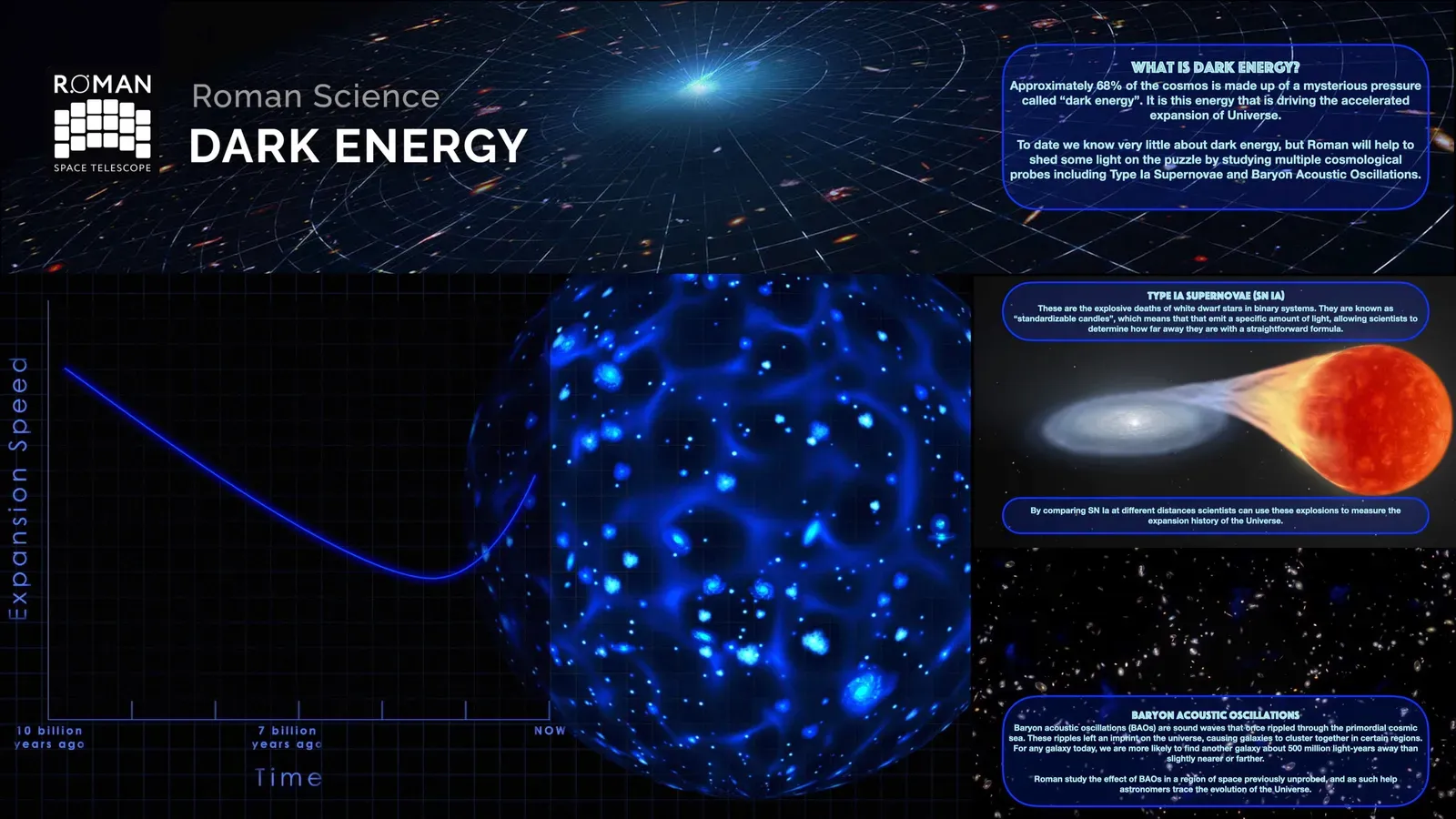
On the biggest scales we can measure, the universe behaves in a way that feels almost deliberately perverse: instead of gravity slowly pulling everything back together, the expansion of space itself is speeding up. Observations of distant supernovae, the cosmic microwave background, and galaxy clusters all point to some kind of dark energy pervading space, exerting a repulsive effect that overcomes gravitational attraction on cosmic distances. This leads to the deeply unintuitive picture of galaxies rushing away from one another faster and faster, while locally, stars and planets remain bound.
The paradox sharpens when physicists try to calculate how strong this dark energy should be using quantum field theory; naïve estimates overshoot the observed value by an absurd factor, making this one of the worst theoretical predictions in science. Different ideas compete, from a genuine cosmological constant built into the fabric of spacetime, to dynamic fields that slowly change over time, to the possibility that our theories of gravity break down on very large scales. None of these proposals yet fits all the data without serious complications. As things stand today, we can measure dark energy’s fingerprints with increasing precision, but the underlying cause of this cosmic antigravity remains an open wound in our understanding of nature.
What These Paradoxes Reveal About How We Do Science
Looked at together, these nine paradoxes are not just a list of oddities; they form a kind of X‑ray of how science advances when reality refuses to fit the model. In each case, careful observation exposes a tension between what equations predict and what the world actually does, whether it is hot water freezing first or birds exploiting quantum tricks. Historically, many breakthroughs have started with exactly this kind of embarrassment, when researchers are forced to choose between ignoring inconvenient data or rebuilding their theoretical scaffolding from deeper foundations.
There is also a cultural side to these puzzles: some paradoxes lived for years at the margins of respectability, dismissed as experimental error or cute curiosities before accumulating enough evidence to be taken seriously. That tug‑of‑war between skepticism and openness is a feature, not a bug, of a healthy scientific culture, but it means paradoxes often serve as stress tests for our intellectual habits as much as for our theories. Comparing older, more rigid interpretations of thermodynamics, evolution, or cosmology with modern, more nuanced views shows a pattern: the most stubborn paradoxes usually signal that we have been asking the wrong questions. Nature, in that sense, uses paradox as a teaching tool, forcing us to upgrade not just our models, but the very ways we think about complexity.
How To Stay Curious In A World Full Of Contradictions
You do not need access to a particle accelerator or a deep‑sea submersible to engage with these paradoxes; paying attention is often enough to start. Watching a flock of birds turn like a single organism, noticing how a coastline never looks smooth no matter how close you get, or simply wondering why your own sense of self feels so solid even though your brain is a shifting storm of activity – these are all small doors into big scientific questions. From there, you can follow research news, read open‑access papers, or explore museum exhibits and university outreach talks that dig into these topics without requiring a PhD.
On a more practical level, cultivating comfort with not knowing may be the most valuable habit these paradoxes can inspire. Instead of treating contradictions as failures, we can learn to see them as signposts marking the edge of current understanding, whether in physics, biology, or our own personal lives. Supporting science education, voting for evidence‑based policy, and encouraging kids to ask “why” even when the answer is “we do not know yet” are all small acts that help build a culture ready to face hard puzzles honestly. In a world that often rewards quick, confident answers, there is something quietly radical about letting a paradox sit in your mind, unanswered, and choosing to stay curious anyway.
Suhail Ahmed is a passionate digital professional and nature enthusiast with over 8 years of experience in content strategy, SEO, web development, and digital operations. Alongside his freelance journey, Suhail actively contributes to nature and wildlife platforms like Discover Wildlife, where he channels his curiosity for the planet into engaging, educational storytelling.
With a strong background in managing digital ecosystems — from ecommerce stores and WordPress websites to social media and automation — Suhail merges technical precision with creative insight. His content reflects a rare balance: SEO-friendly yet deeply human, data-informed yet emotionally resonant.
Driven by a love for discovery and storytelling, Suhail believes in using digital platforms to amplify causes that matter — especially those protecting Earth’s biodiversity and inspiring sustainable living. Whether he’s managing online projects or crafting wildlife content, his goal remains the same: to inform, inspire, and leave a positive digital footprint.


