
Stand on solid ground, and it feels permanent, almost timeless. But that sense of stability is a beautiful illusion: the planet beneath your feet is restless, reshaping itself over millions of years in ways so strange and powerful they’re hard to fully grasp. Some of the most familiar landscapes we love today – mountains, coastlines, valleys, even the air we breathe – are the products of violent, hidden, and frankly mind-bending geological forces.
Once you realize that oceans have opened and closed, continents have collided like slow-motion car crashes, and whole regions have been buried, melted, and reborn, it changes how you see a simple rock or a distant horizon. In a strange way, geology is like reading Earth’s long, messy autobiography, written in stone instead of words. Let’s dive into nine of the wildest phenomena that carved, cracked, and sculpted the planet we call home.
Plate Tectonics: The Invisible Engine Moving Continents
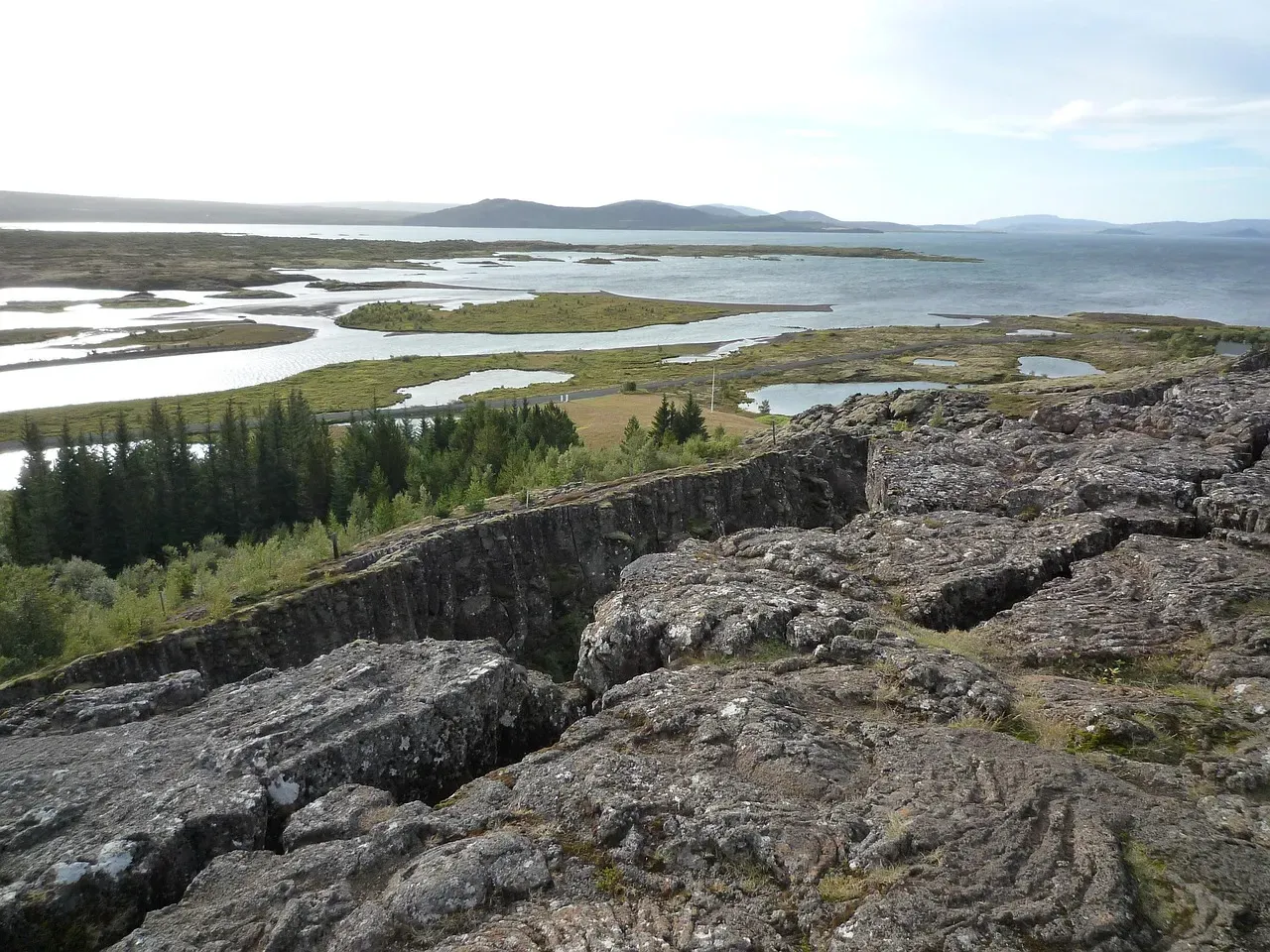
It’s hard to believe, but the continents are not fixed; they drift like colossal rafts on a slow, churning mantle. Plate tectonics is the quiet engine beneath everything, driving earthquakes, building mountains, opening oceans, and recycling the seafloor. The idea sounded almost ridiculous when it was proposed seriously in the twentieth century, because the speeds involved are so small – a few centimeters per year – that you’d never notice it in a lifetime.
Yet over tens of millions of years, that snail’s pace has ripped apart supercontinents like Pangaea and rearranged the map over and over again. Where plates collide, the crust crumples up into towering ranges like the Himalayas; where they pull apart, mid-ocean ridges ooze lava and create new ocean floor. I still remember standing on a map at a museum, tracing how Africa and South America fit together like puzzle pieces – once you see it, you can’t unsee it. Our present world map is just one snapshot in a long, ongoing dance.
Supervolcanoes: The Eruptions That Could Reset the Climate
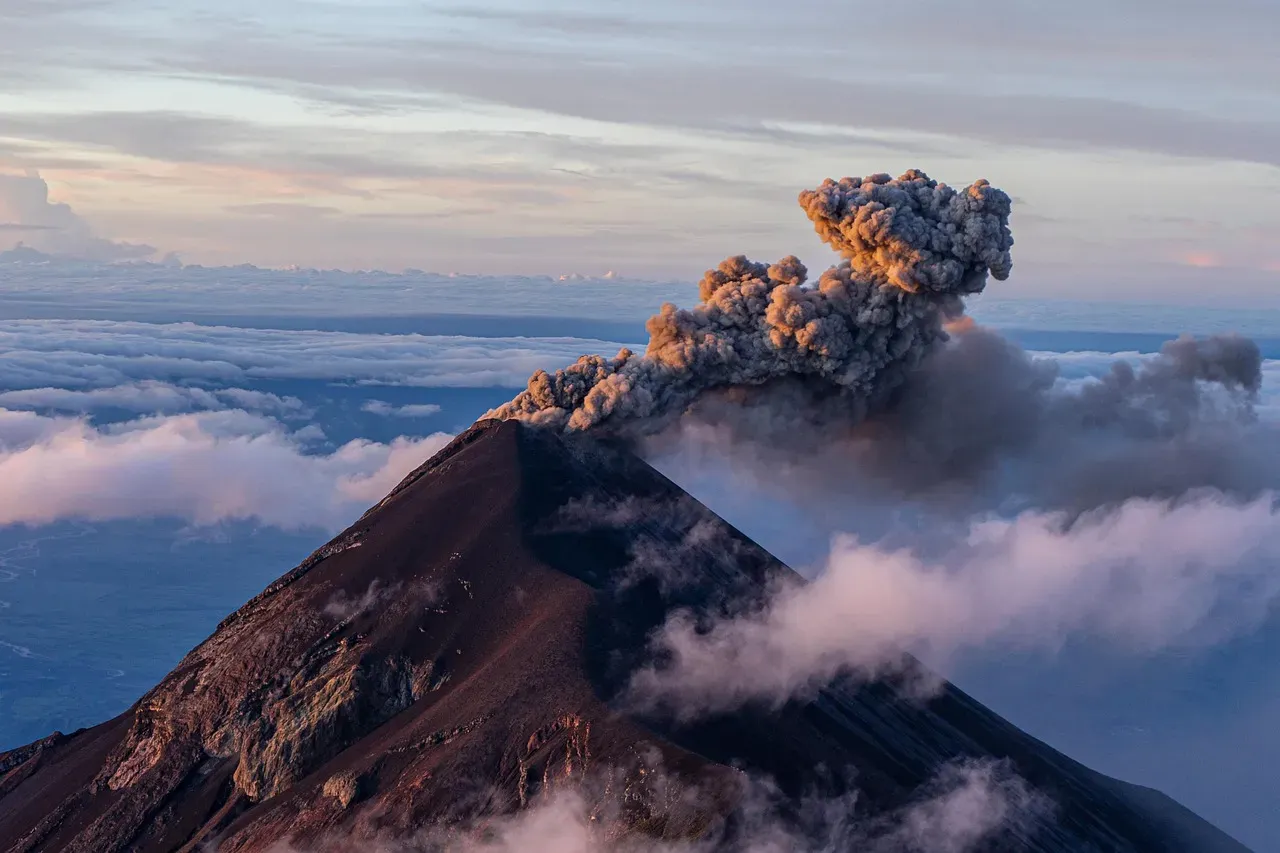
Normal volcanoes are intimidating enough, but supervolcanoes are in a league of their own. Instead of a classic cone, many of them sit as vast, subtle depressions called calderas, like the one largely hidden beneath Yellowstone in the United States. These giants erupt so rarely that no human civilization has witnessed a truly massive one, which makes them feel almost mythical – until you look at the evidence locked in ash layers and ancient rocks.
When they do blow, they can eject thousands of times more material than a typical eruption, spreading ash across continents and tossing fine particles high into the atmosphere. That dust can dim sunlight and cool the planet for years, disturbing ecosystems and agriculture in ways that would feel almost apocalyptic. Some scientists think past super-eruptions likely triggered abrupt climate shocks and perhaps even nudged species toward extinction. It’s eerie to stand in a calm hot spring area and realize you’re basically walking on the scar of an ancient planetary-scale explosion.
Orogeny: Mountain Building on a Planetary Scale
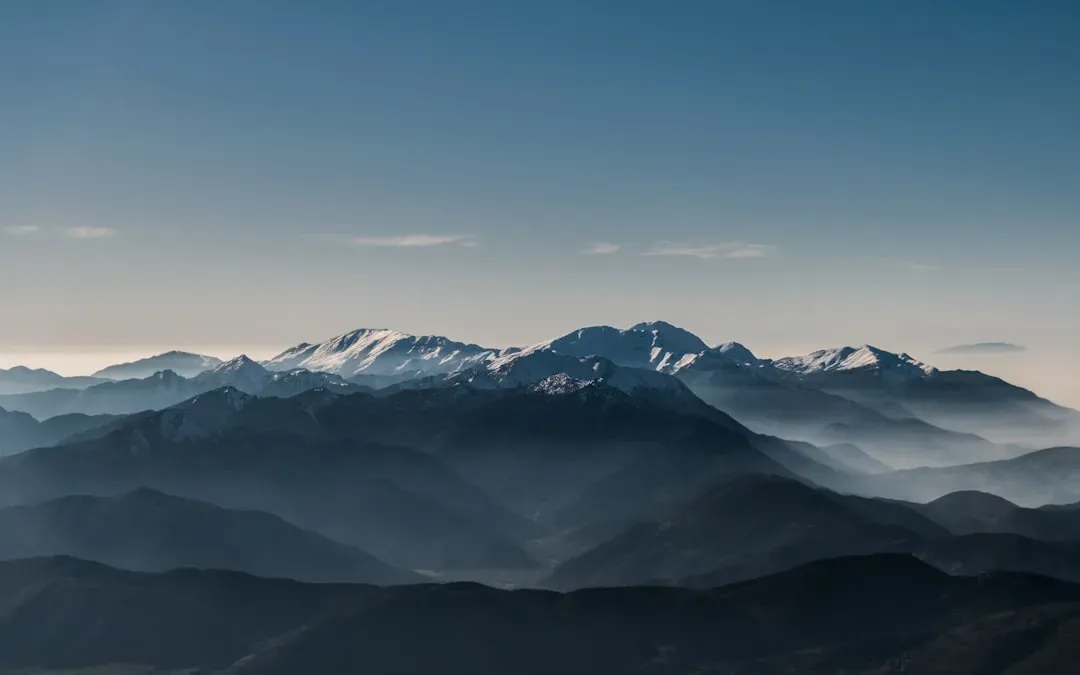
The world’s great mountain belts – the Andes, Alps, Himalayas, Rockies – didn’t just “rise up” out of nowhere. Their creation, called orogeny, is a prolonged, brutal process of collision, compression, and uplift that can continue for tens of millions of years. When two plates crunch into each other, especially when continents collide, the crust doesn’t simply stack neatly; it folds, fractures, and thickens like a carpet pushed against a wall.
That thickened crust then rises, sometimes helped along by buoyant roots that extend deep into the mantle, forming peaks that pierce the atmosphere. At the same time, erosion carves those uplifted rocks into dramatic ridges, valleys, and cirques, constantly whittling them down even as tectonics pushes them up. Some of the rocks at the tips of famous summits actually formed in ancient seas, later lifted more than eight kilometers into the sky. Once you know that, standing on a mountain suddenly feels like standing on the roof of a vanished ocean.
Glaciation: Ice Sheets That Sculpted Continents
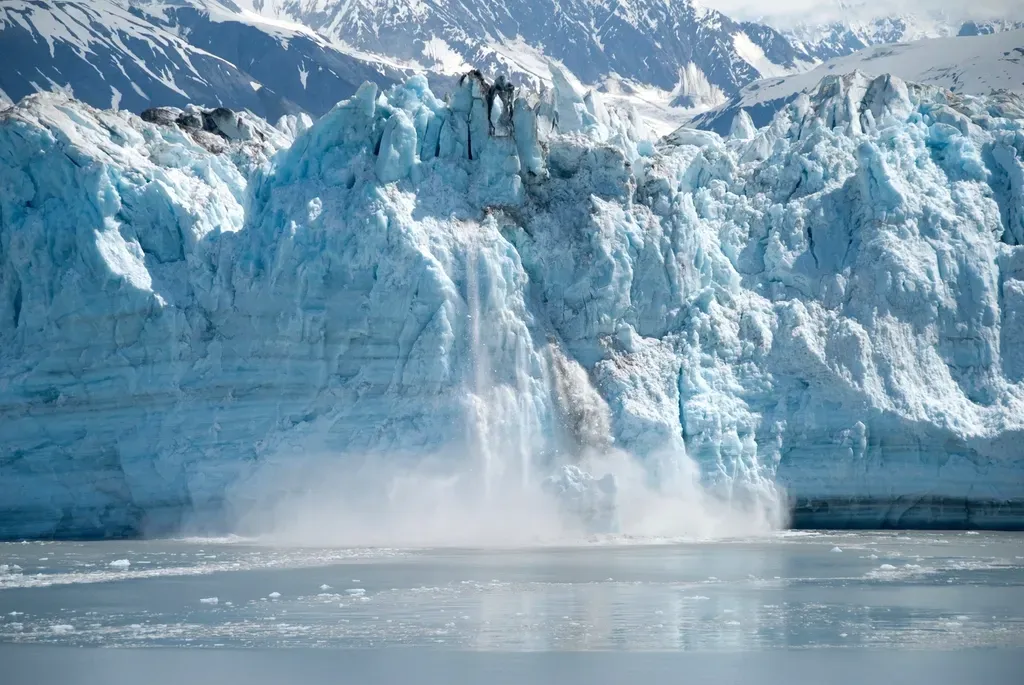
Huge ice sheets once smothered large parts of North America, Europe, and Asia, transforming the face of the land in slow, relentless motion. Glaciation can feel abstract if you live in a warm region, but the fingerprints of ancient ice are everywhere: U-shaped valleys, smoothed bedrock, scattered boulders dropped in seemingly random places. Imagine a sheet of ice kilometers thick grinding its way across the landscape like a bulldozer made of frozen rock.
As glaciers flow, they pluck chunks from mountainsides, grind rock into fine powder, and carve deep basins that later fill with lakes. When the climate warms and ice retreats, it leaves behind ridges of debris, broad plains of sediment, and coastlines scarred by fjords. The repeated advance and retreat of ice during the recent ice ages helped shape where soils formed, which rivers existed, and even where early humans and animals could migrate. If you’ve ever stood by a deep, cold, blue lake in a carved valley, there’s a good chance you were looking at the handiwork of ancient ice.
Subduction Zones: Where Crust Is Swallowed and Recycled
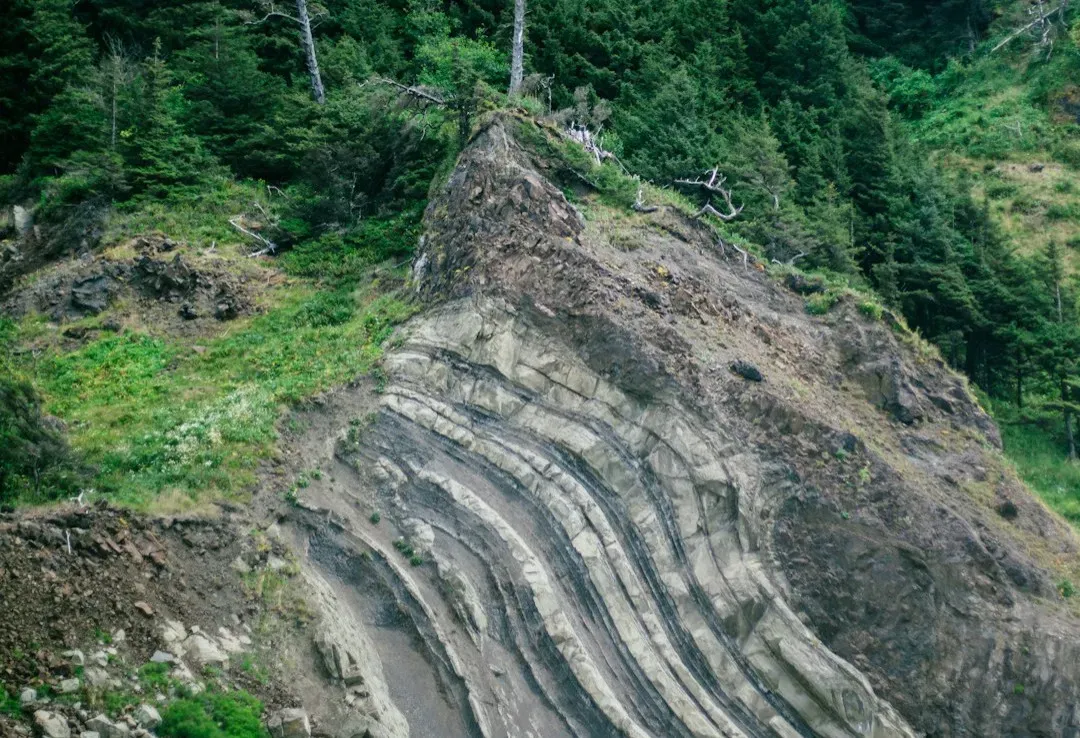
Far out at sea and along some continental margins, parts of Earth’s crust are literally being dragged back down into the deep interior. These regions, called subduction zones, form where one tectonic plate dives beneath another, sinking into the mantle. It’s a strangely unsettling thought: “solid” ground being slowly devoured, a conveyor belt feeding old ocean floor back into the planet’s hot interior.
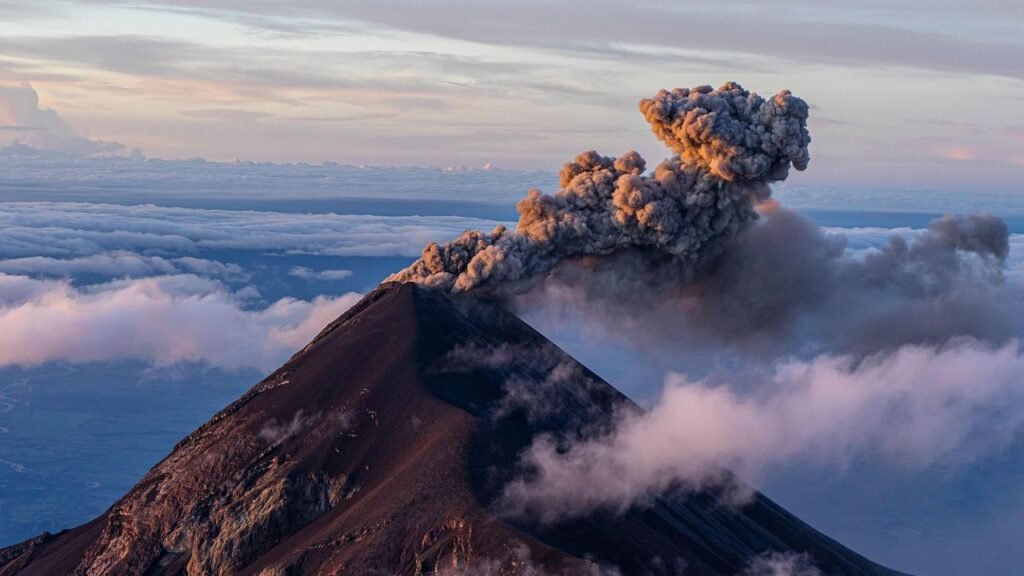
This process powers many of the world’s strongest earthquakes and most explosive volcanoes, especially around the so-called Ring of Fire circling the Pacific. As the descending plate heats up and releases water, it helps melt the overlying mantle, generating magma that rises to build volcanic arcs like the Andes or Japan. Over immense timescales, subduction zones also help regulate the composition of Earth’s atmosphere and oceans by locking away certain elements and releasing others. In a very real way, they act like a reset button, preventing the crust from simply piling up endlessly on the surface.
Rifting and Continental Breakup: How Oceans Are Born
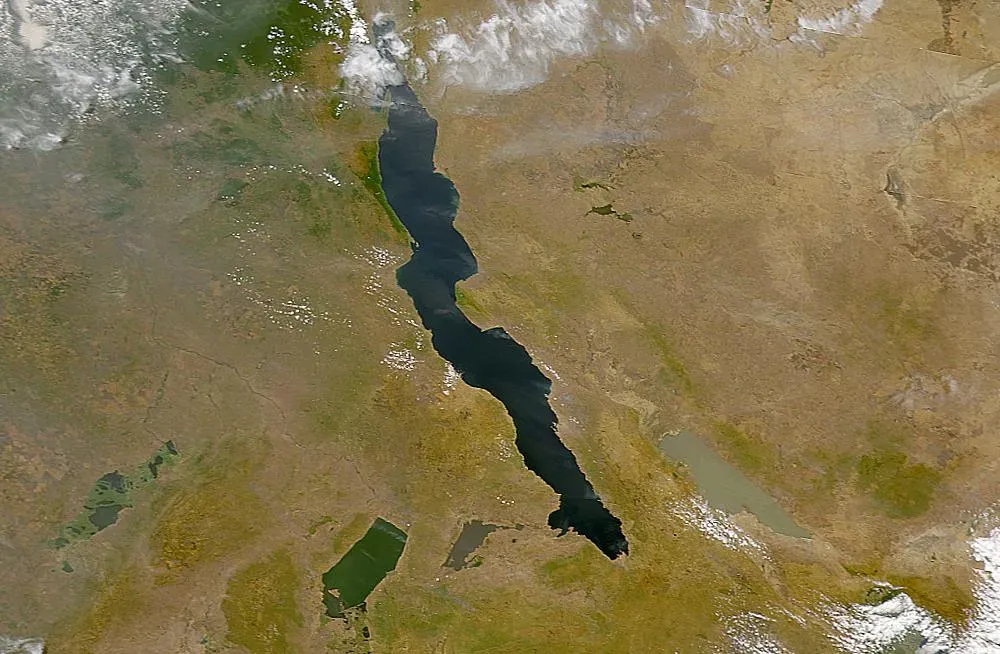
At first, continental breakup begins almost quietly: the crust stretches, fractures, and sinks slightly, forming long rift valleys. Over time, as magma wells up and fills in the gaps, those rifts can widen into new ocean basins, splitting a continent into separate pieces. The East African Rift today is a living example of the early stages – a long scar of volcanism, earthquakes, and thinning crust that many geologists think could eventually host a new ocean.
As the rift continues to open, water can flood in from nearby seas, and a narrow gulf slowly enlarges into a real ocean with a central mid-ocean ridge. The Atlantic Ocean, for instance, began as a rift that tore Pangaea apart, leaving matching coastlines and rock layers on opposite sides. It’s wild to think that what looks like a stable continent under your feet could, over tens of millions of years, be stretched until it snaps in two. Today’s continents are tomorrow’s scattered fragments, separated by oceans that do not yet exist.
Mass Extinction Triggers: When Geology Reshapes Life Itself
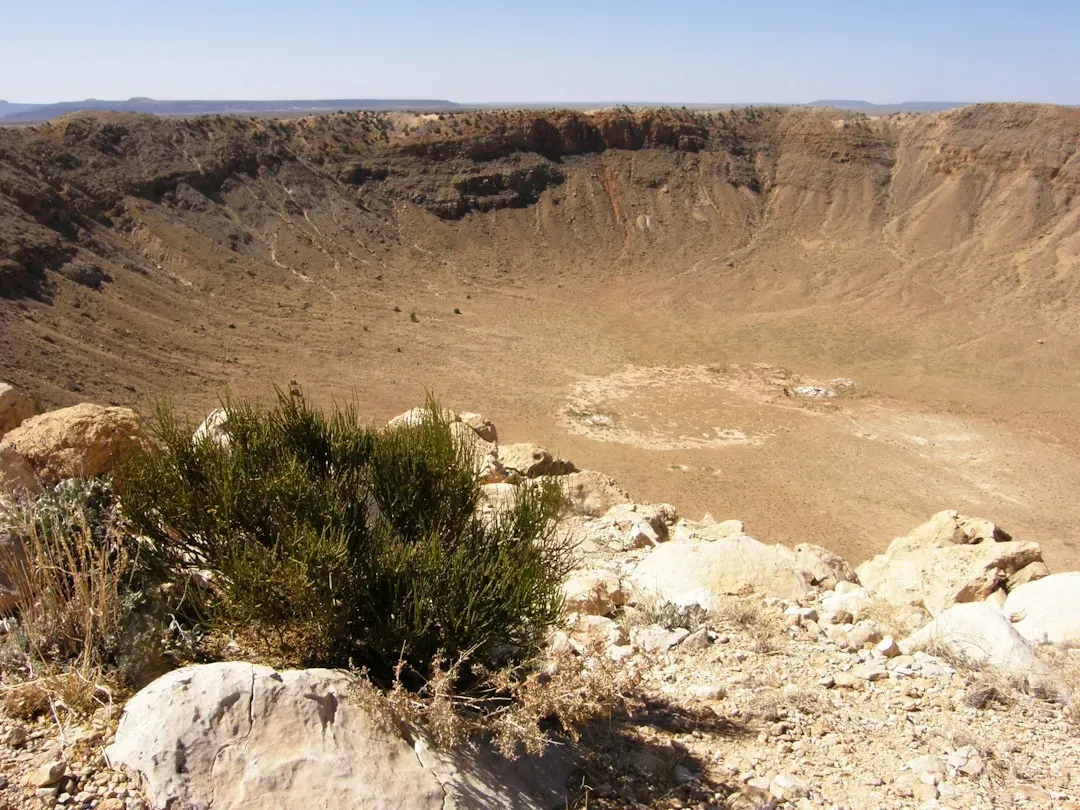
Some of the most dramatic turning points in the history of life were driven by geological chaos. Massive volcanic eruptions, rapid climate shifts, and sudden changes in sea level have repeatedly pushed ecosystems past their breaking points. One of the most infamous events, at the end of the Permian period, appears to have involved enormous volcanic outpourings in what is now Siberia, linked to runaway warming and a catastrophic loss of species.
Other extinctions, like the one that ended the age of non-avian dinosaurs, involved not just a huge asteroid impact but also widespread volcanism and shifting tectonics. These events rewired the planet’s climate systems, ocean chemistry, and food webs, clearing ecological space for new groups to rise. Without those geological shocks, mammals – including humans – might never have had the chance to dominate. It’s uncomfortable but humbling to realize that deep Earth processes can decide which branches of the tree of life flourish and which wither away.
Hotspots and Flood Basalts: Plumes That Rewrite Landscapes
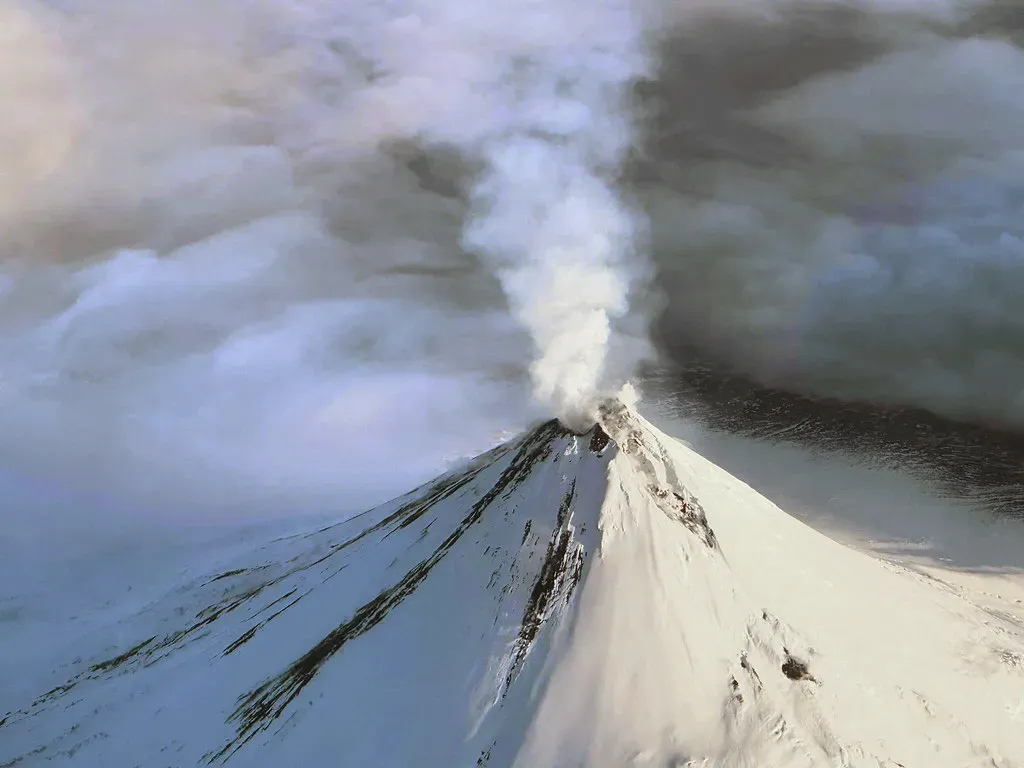
Not all volcanism happens neatly along plate boundaries. In some places, narrow columns of unusually hot rock, known as mantle plumes, rise from deep within the Earth and punch through the crust as hotspots. The Hawaiian Islands are a classic example: as the Pacific Plate slides over a relatively fixed hotspot, a chain of volcanoes forms, with the youngest island perched directly above the plume.
In more extreme cases, plumes can produce flood basalts – immense outpourings of lava that cover huge regions in thick layers, sometimes stacked hundreds of meters high. These events can unfold over hundreds of thousands to a few million years, but in geological terms that is astonishingly rapid. Regions such as the Deccan Traps in India or the Columbia River Basalt Group in the United States are relics of such enormous eruptions. They can alter atmosphere and climate, and in some intervals of Earth’s history they may have coincided with major ecological upheavals.
Isostasy and Rebound: When the Crust Springs Back
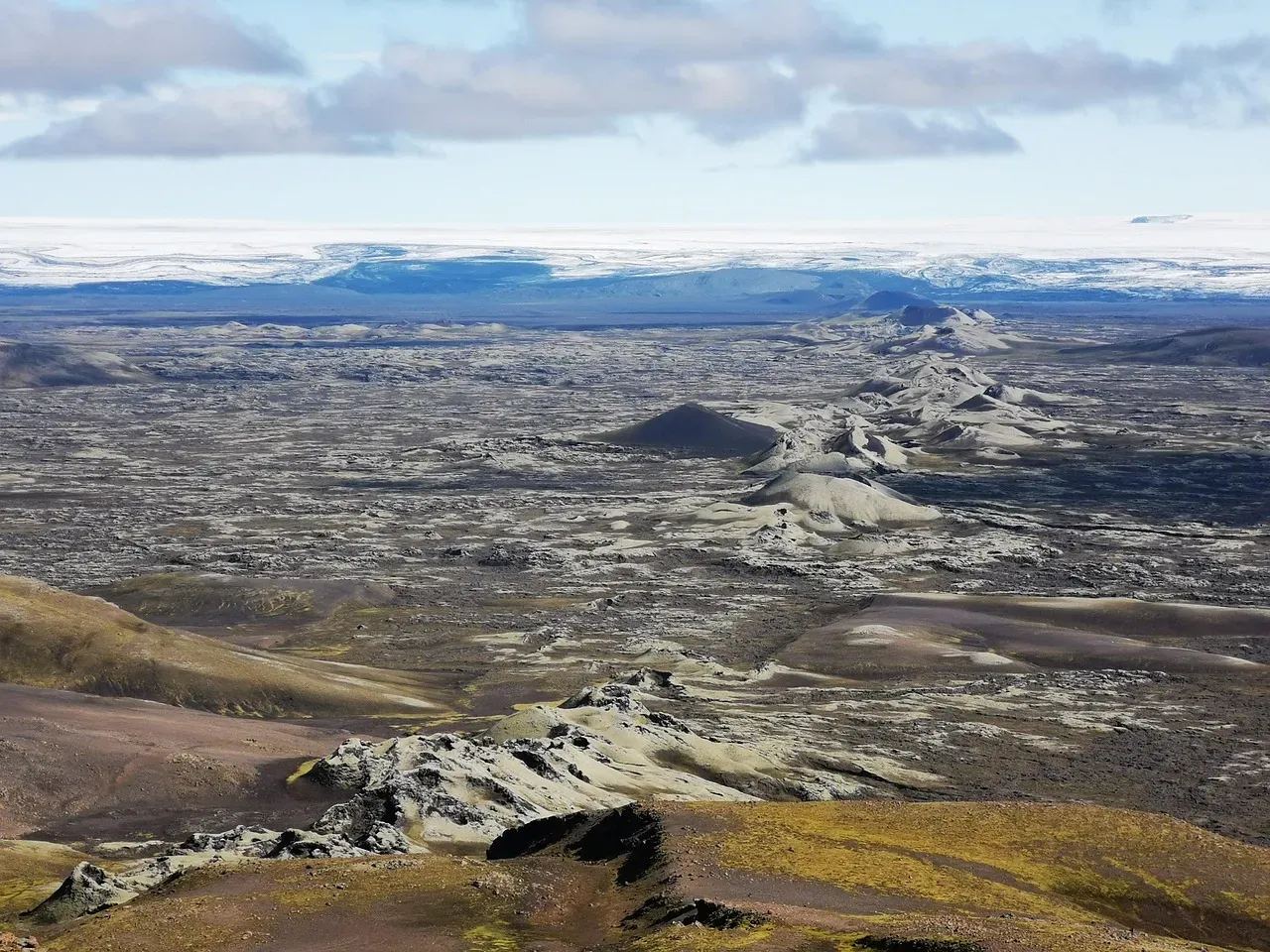
Earth’s crust might look rigid, but on long timescales it behaves more like a raft floating on a thick, slow-moving fluid. This concept, called isostasy, explains why areas once buried under huge ice sheets are still slowly rising today. When that enormous weight of ice melts away, the crust begins to rebound upward, a process that can continue for thousands of years after the ice is gone.
In parts of Scandinavia and Canada, the land is still lifting measurably each year due to the melting of the great ice sheets that covered them during the last ice age. This vertical motion can subtly change coastlines, river courses, and even local sea levels. Something similar happens when large mountain belts erode: as mass is stripped from the top, the underlying crust can bob upward like a de-loaded ship rising higher in the water. It’s a quiet reminder that even without spectacular eruptions or quakes, the planet is always adjusting, always in motion.
A Restless Planet Beneath Our Feet
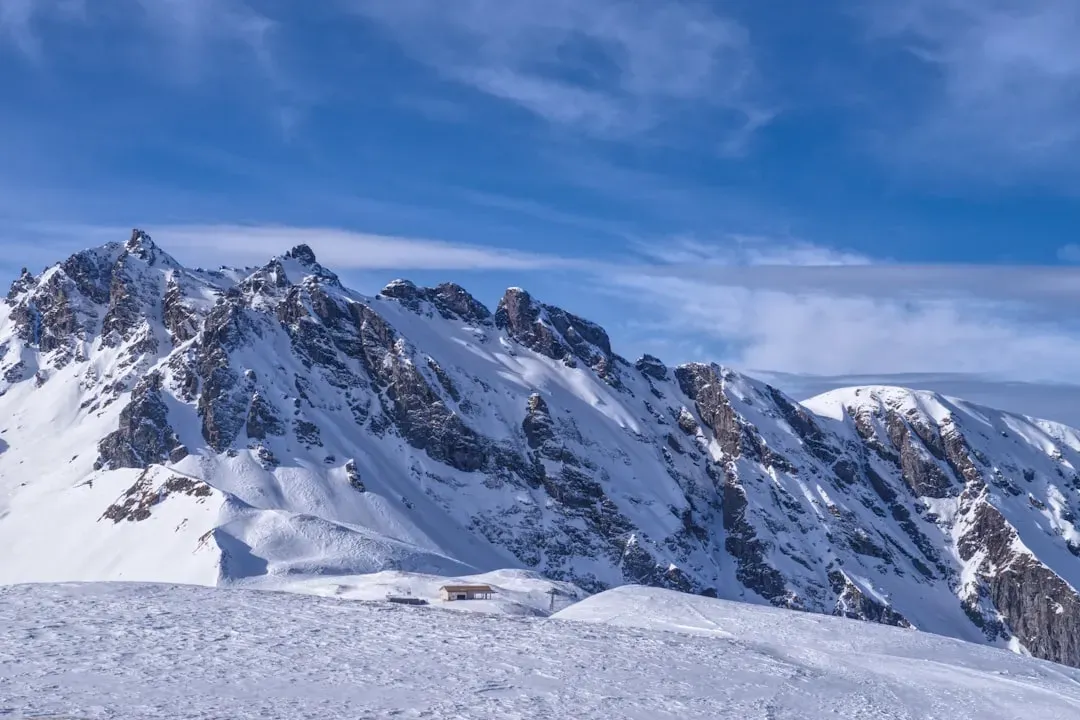
When you pull all these phenomena together – drifting plates, colliding continents, vanishing crust, erupting plumes, and rebounding land – a clear picture emerges: Earth is anything but static. The landscapes we cherish exist because of unthinkably long, often violent processes that have been running since the planet cooled. In a sense, we are just temporary guests living on the surface of a giant, heat-driven engine that never really turns off.
Yet there’s something strangely comforting in that realization, too. The same forces that bring disaster also create fertile soils, rich mineral deposits, towering mountains, and the stable climate that allowed complex life to flourish. Next time you pick up a rock, stand on a cliff, or look out over an ocean, you’re seeing one frame in a movie that’s been playing for billions of years. What part of that story surprises you the most?