
Earth is old enough to feel almost familiar, like a well‑worn neighborhood we think we know by heart. Yet beneath our feet is a planet full of strange scars, impossible patterns, and wild events that even the best geologists still can’t fully explain. For every neat textbook diagram, there’s a mystery that refuses to fit, quietly mocking our confidence in how this planet works.
Some of these puzzles are about the deep past, others are about forces still moving under us right now. They shape continents, shift oceans, and sometimes rewrite what we thought we knew about life itself. Let’s dive into nine of the most brain‑twisting geological mysteries that keep scientists up at night – and might make you see the ground beneath you a little differently.
The Great Unconformity: A Missing Billion Years of Rock
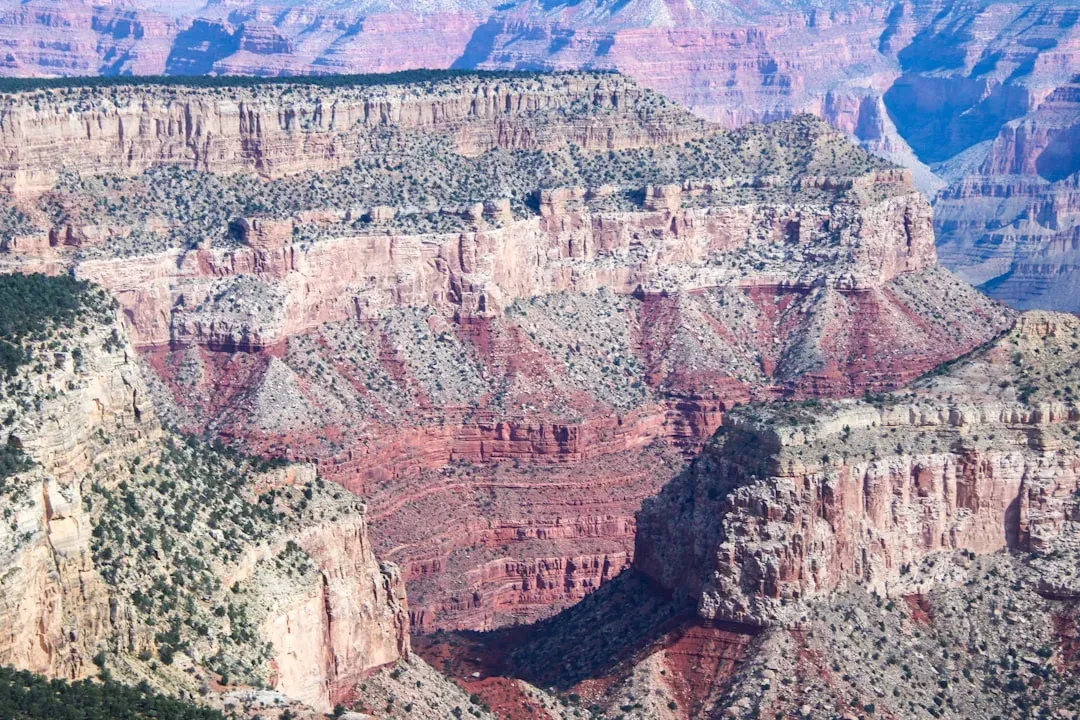
Imagine opening a history book and discovering that a thousand pages in the middle have been ripped out. That’s essentially what geologists found with the Great Unconformity, a massive gap in the rock record where up to a billion years of Earth’s history just…vanishes. In places like the Grand Canyon, ancient rocks more than a billion years old sit directly beneath much younger layers, with almost no trace of what happened in between.
Scientists have floated several possibilities: maybe the missing rocks were scraped away by massive glaciations, or perhaps they were never deposited in the first place due to radically different conditions on early Earth. The trouble is, the pattern isn’t the same everywhere, and no single explanation fits all the evidence. It’s like trying to explain a torn novel when every missing chunk is ripped out in a slightly different way. For now, the Great Unconformity remains a brutal reminder that huge chapters of Earth’s story are gone, and we may never know exactly what we lost.
Plate Tectonics: Why Did the Continents Start Drifting at All?
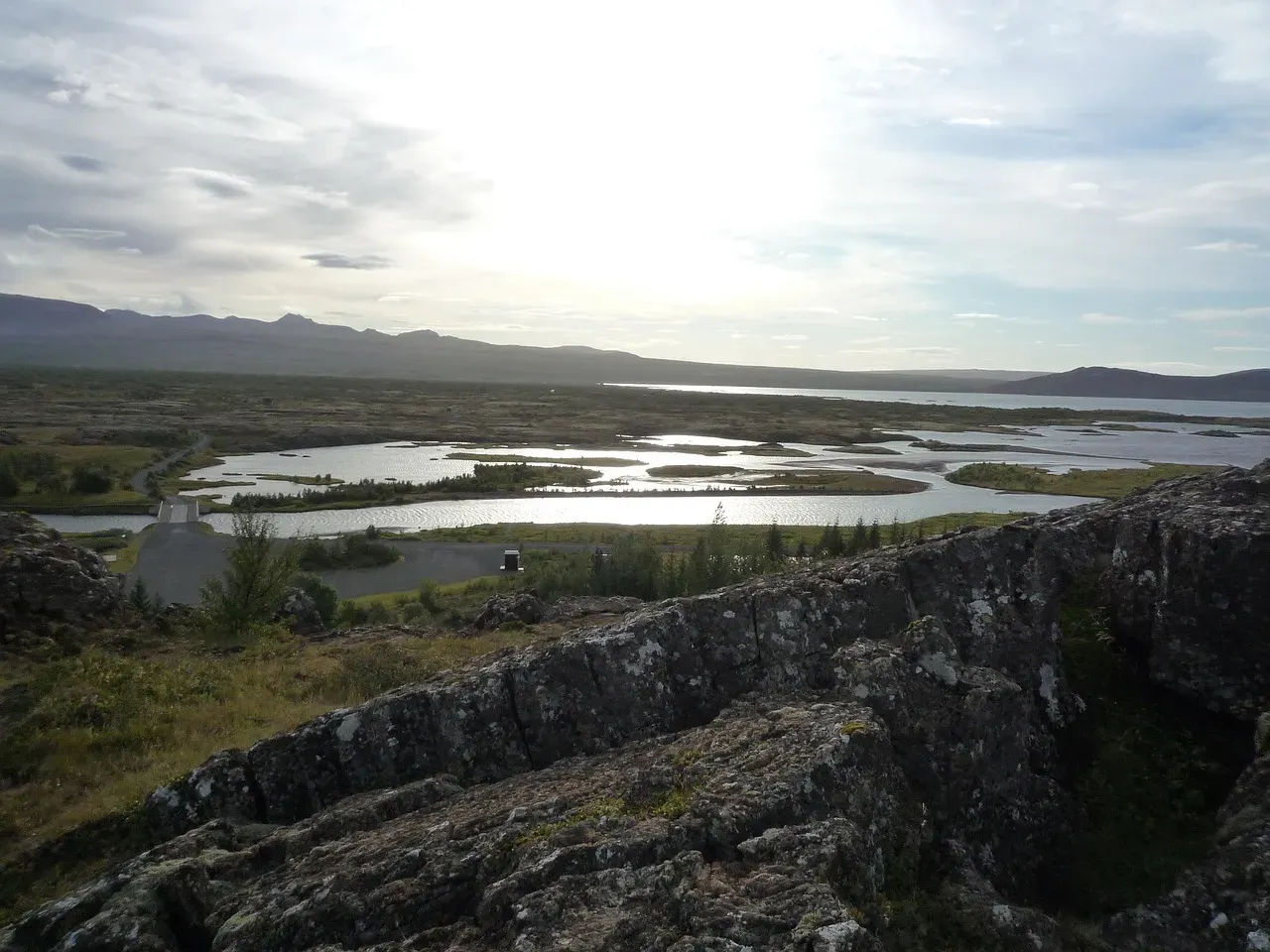
Today, plate tectonics explains so much that it’s easy to forget how mysterious it still is at its core. We know that Earth’s outer shell is broken into plates that slide, grind, and collide, forming mountains, oceans, and earthquakes. But one of the biggest unanswered questions is: why did this system start in the first place, and why on Earth did it happen here and not (as far as we know) on most other rocky planets?
Some researchers argue that plate tectonics slowly emerged as the planet cooled and the crust thickened, while others think giant asteroid impacts may have cracked the surface into mobile pieces early on. There’s also debate about when it truly began – some evidence hints at very early plate movement, while other data suggests it kicked in much later. Without a time machine to watch the first plates form, scientists are left piecing together clues from tiny mineral grains and battered ancient rocks. The big engine behind the drifting continents still has a lot of unexplored gears.
Deep Mantle Blobs: The Enigmatic Structures Beneath Our Feet
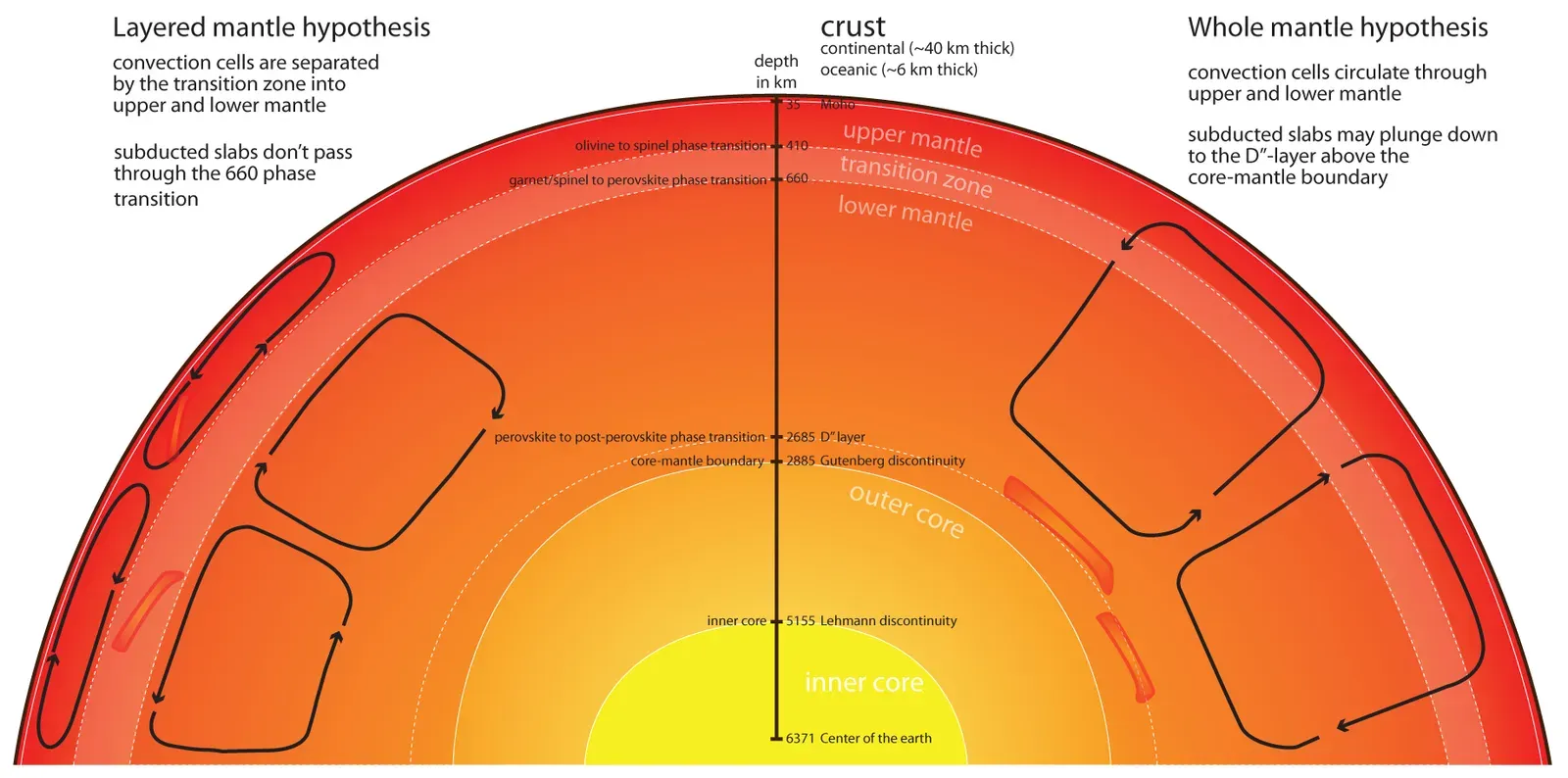
Far below our feet, near the boundary between Earth’s mantle and its core, seismic waves reveal two colossal, continent‑sized “blobs” of strange material – one beneath Africa, the other under the Pacific. These structures, sometimes called large low‑shear‑velocity provinces, slow down seismic waves and appear denser or hotter (or both) than the surrounding mantle. They’re so huge that if you could somehow lift one to the surface, it would tower far above Mount Everest.
What they actually are, though, is still a mystery. Some scientists think these blobs might be remnants of ancient subducted slabs crushed and pooled at the base of the mantle; others suspect they could be leftover “scars” from early Earth, or even material chemically distinct from the rest of the mantle. They might control where supervolcanoes form, how continents drift, and where plumes like the one under Hawaii rise. But until we can sample something nearly three thousand kilometers down – which we can’t – the blobs remain shadowy giants, shaping the world in ways we only partially grasp.
The Sudden Dawn of Complex Life: The Cambrian Explosion
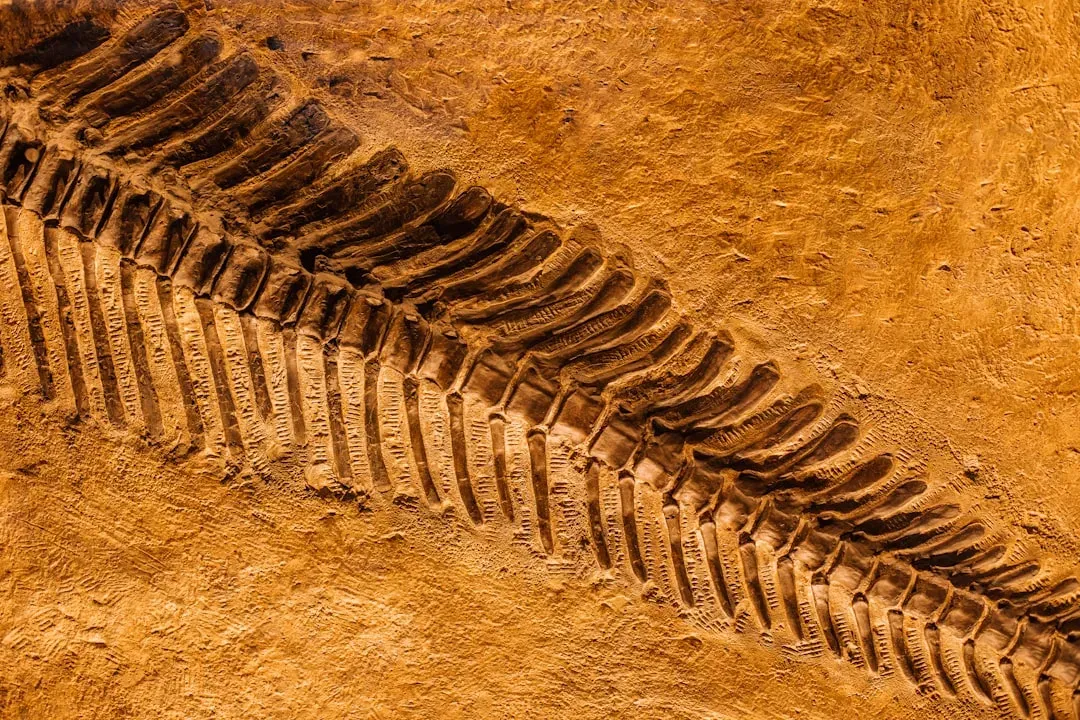
Roughly about half a billion years ago, life on Earth went from relatively simple to wildly complex in what feels, geologically speaking, like the blink of an eye. This burst of innovation, known as the Cambrian Explosion, saw the appearance of most major animal groups, complete with hard parts, eyes, shells, and intricate body plans. The fossil record changes almost overnight, from a world dominated by microbes and odd soft‑bodied creatures to one teeming with predators, burrowers, and armored life forms.
We know this transformation happened, but we still don’t fully know why it happened when it did – or why it happened so dramatically. Hypotheses range from rising oxygen levels and changing ocean chemistry to genetic breakthroughs in developmental biology and ecological “arms races” among early animals. Each idea explains part of the pattern, but none nails the full picture. It’s as if Earth’s biological story went from a quiet rehearsal to a full Broadway production in a single act, and we’re still trying to figure out what flipped the lights on.
Snowball Earth: Was Our Planet Once Frozen Solid?
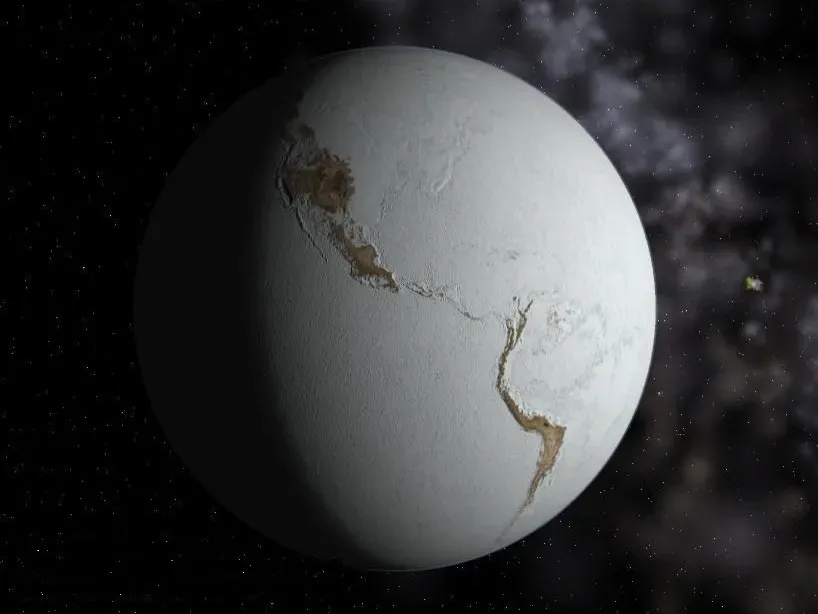
Evidence from ancient rocks suggests that, several times in its deep past, Earth may have been almost entirely covered in ice – from the poles all the way to the equator. This idea, known as Snowball Earth, sounds like science fiction, but glacial deposits found in tropical latitudes and odd chemical signatures in sediments strongly hint that something extreme happened. If true, our planet would have looked like a shimmering white marble drifting through space.
The real puzzle isn’t just whether Earth fully froze, but how it ever got out of such a state. Once oceans are sealed under thick ice, the planet reflects more sunlight, cooling even further. One leading idea is that volcanic carbon dioxide slowly built up in the atmosphere because weathering had effectively stopped, eventually triggering a massive greenhouse meltdown. But details like how much ice there really was, how long these frozen episodes lasted, and how life survived under those conditions are still under active debate. The fact that complex life emerged not long after some of these icy events only deepens the mystery.
Earth’s Magnetic Field Reversals: Chaotic Compass Flips
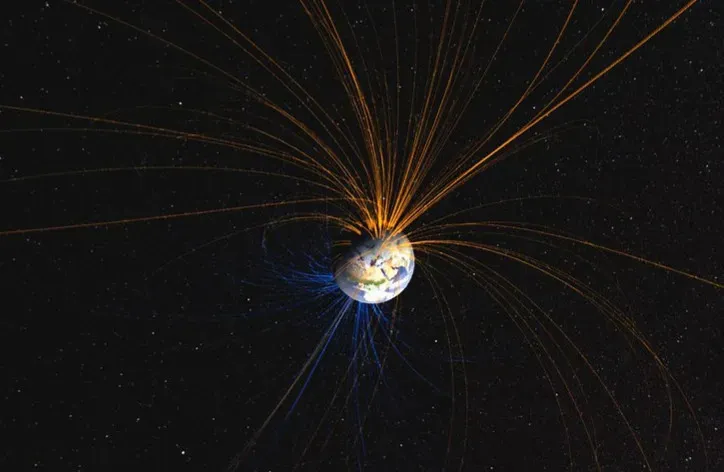
Every so often – on timescales of hundreds of thousands to millions of years – Earth’s magnetic field flips. North becomes south, south becomes north, and compasses would point the “wrong” way if anyone were around to use them. We’ve mapped these reversals in volcanic rocks and seafloor crust, where cooling minerals lock in the direction of the field like tiny magnetic tape. The pattern is irregular and sometimes wild, with long stable epochs interrupted by rapid flips.
What drives these reversals remains surprisingly unclear. We know Earth’s field is generated by the motion of molten iron in the outer core, a self‑sustaining geodynamo. But why it sometimes gets unstable, weakens, and then flips is still being teased out with models and simulations. Some scientists suspect changing heat flow at the core‑mantle boundary plays a role; others think the fluid flow in the core simply becomes chaotic from time to time. We also don’t fully know how these events affect life and climate at the surface, especially during prolonged periods when the field is weak and cosmic radiation more intense.
Volcanic Super-Eruptions: What Triggers the Biggest Blasts?
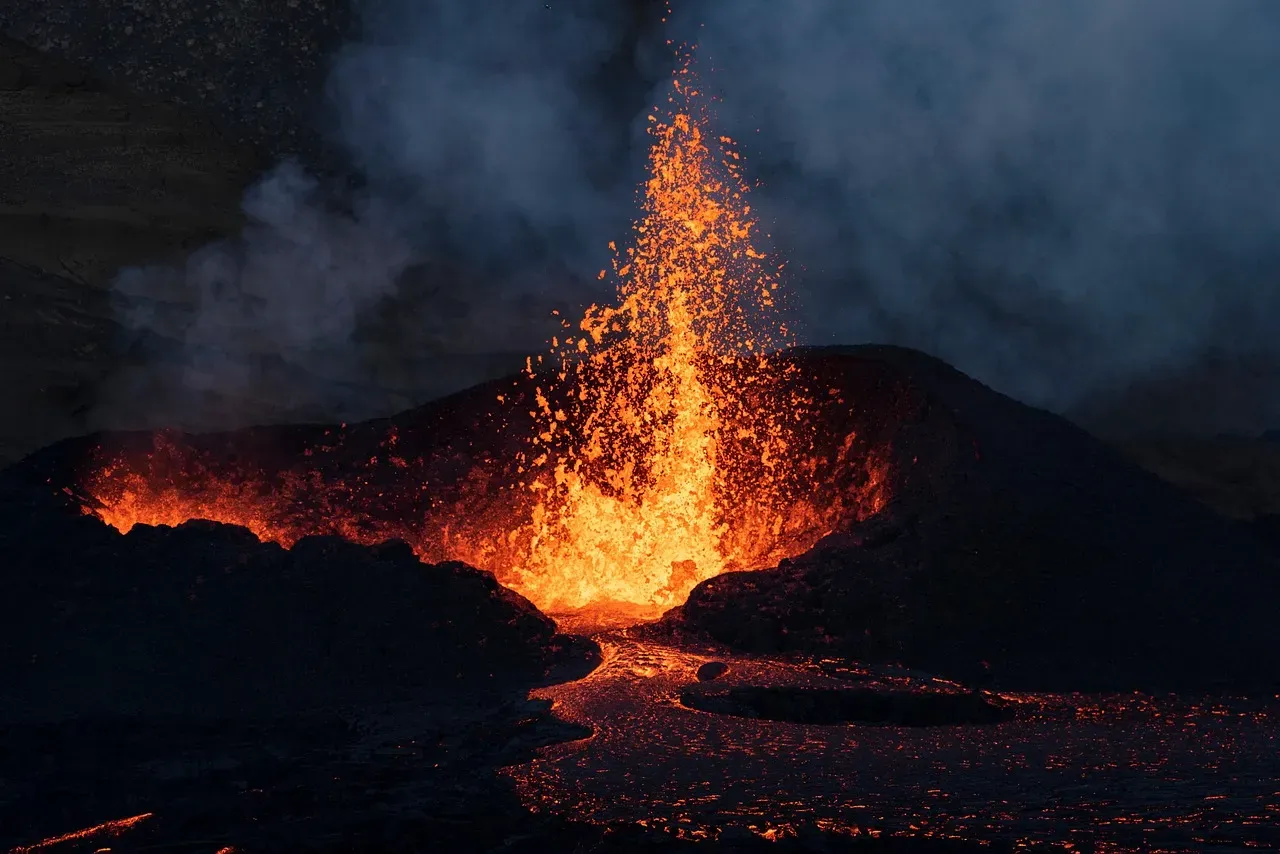
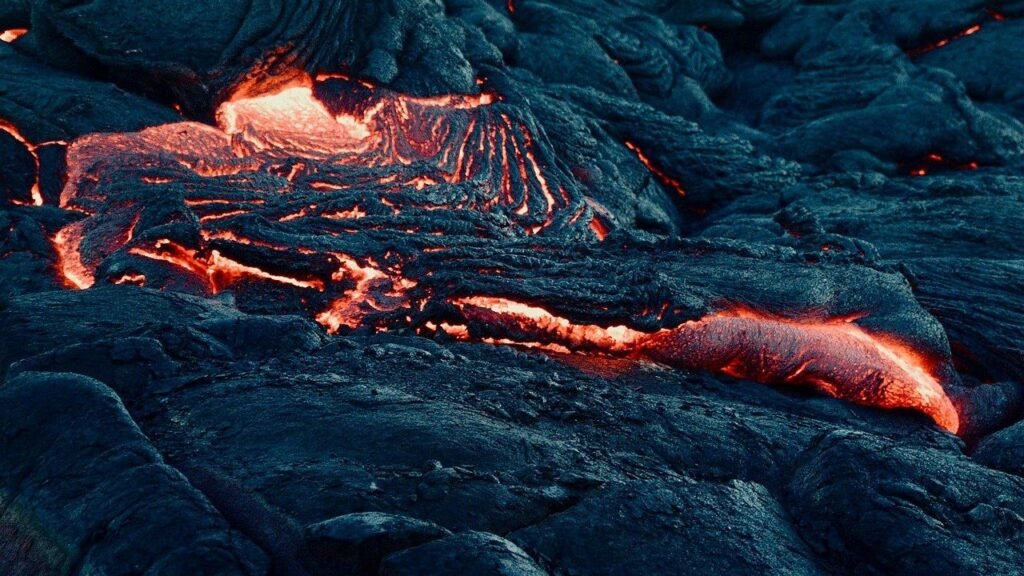
Most eruptions we hear about are tiny compared to the true monsters in Earth’s history: super‑eruptions that can eject hundreds or even thousands of cubic kilometers of magma. Regions like Yellowstone in the United States, Toba in Indonesia, and Taupō in New Zealand are all sites of past events on this terrifying scale. These eruptions can blanket continents in ash, disrupt global climate for years, and possibly stress ecosystems in ways that ripple through evolution.
What scientists still do not fully understand is what pushes a large magma system from simmering to catastrophic failure. We can identify growing magma bodies and monitor deformation, gas, and earthquakes, but the specific tipping point remains elusive. Is it linked to the rate at which magma is supplied from below, the way crystals grow and lock in gases, or changes in regional stress? Different calderas seem to behave differently, which makes creating a one‑size‑fits‑all model nearly impossible. For now, we can say where super‑eruptions are possible, but not precisely when – or exactly why – they happen.
Subduction Initiation: How Do the First Plates Start to Dive?
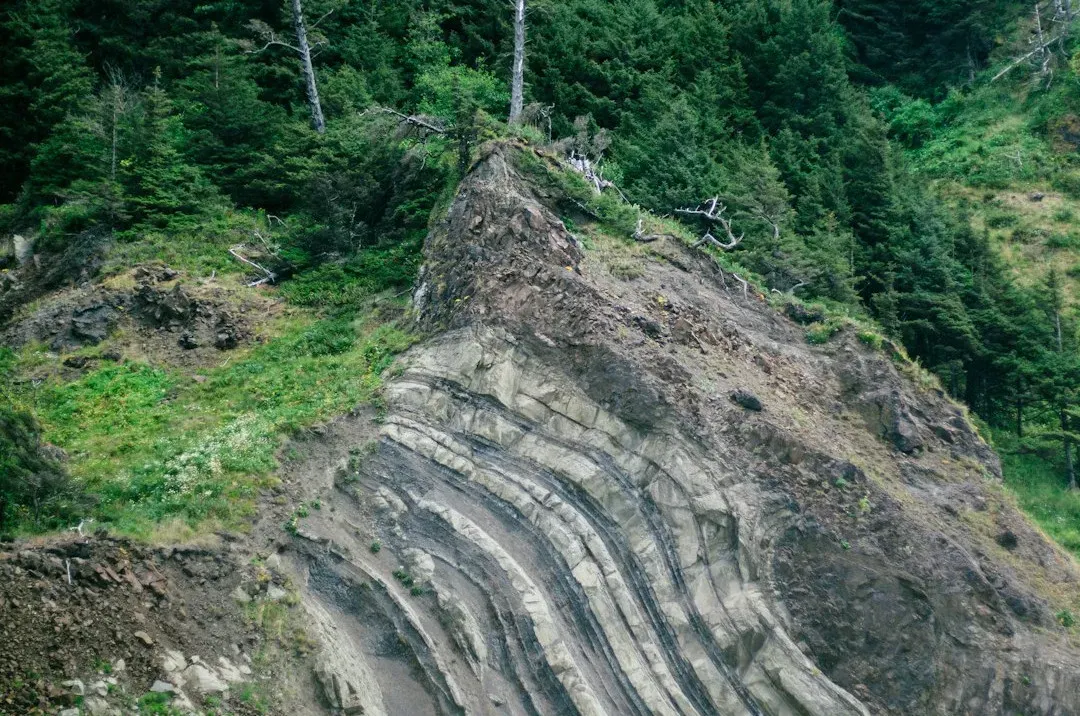
Subduction zones – those deep trenches where oceanic plates sink back into the mantle – are absolutely central to plate tectonics. They recycle crust, drive volcanism, and help shape continents. Strangely, while we have a decent grasp on how existing subduction zones operate, we’re far less sure how a brand‑new one starts. It’s a bit like understanding how an engine works once it’s running, but not fully knowing how it first cranked to life.
Some researchers argue that subduction can begin when a plate becomes too old and dense and simply starts to sink under its own weight, bending and cracking like a sagging board. Others suggest that major collisions or tearing events are needed to kick‑start the downward plunge. The geological record shows hints of young subduction zones, but they’re messy and overprinted by later activity. Without clear “before and after” snapshots, the birth of subduction remains one of the most stubborn open questions in solid Earth science.
Tektites and Mysterious Glass: Traces of Ancient Catastrophes
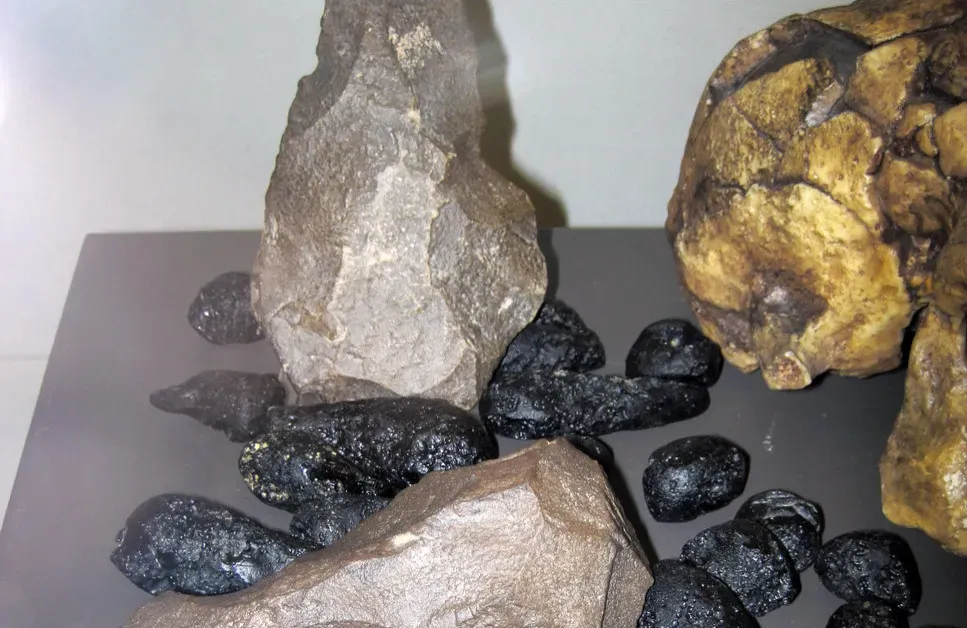
Scattered around certain parts of the world are strange, often glassy objects called tektites – smooth, aerodynamic shapes of natural glass that seem to have been flung through the air at incredible speeds. They’re thought to form when an asteroid or comet slams into Earth, melting target rocks and blasting droplets into the atmosphere, where they cool and rain back down. Fields of these objects, known as strewn fields, can cover enormous areas and are tied to dramatic past events.
Yet even here, where the impact origin is widely accepted, nagging questions remain. In some cases, scientists struggle to confidently match strewn fields to specific craters, or to fully explain the uniform composition over such vast distances. Other types of natural glass, like certain desert glasses, also raise debates about whether they formed from impacts, atmospheric explosions, or other exotic processes. These shiny, deceptively simple pebbles are like crumbs from disasters we only partially understand, hinting at chapters of violent planetary history that are still being reconstructed.
A Restless Planet with Unfinished Stories
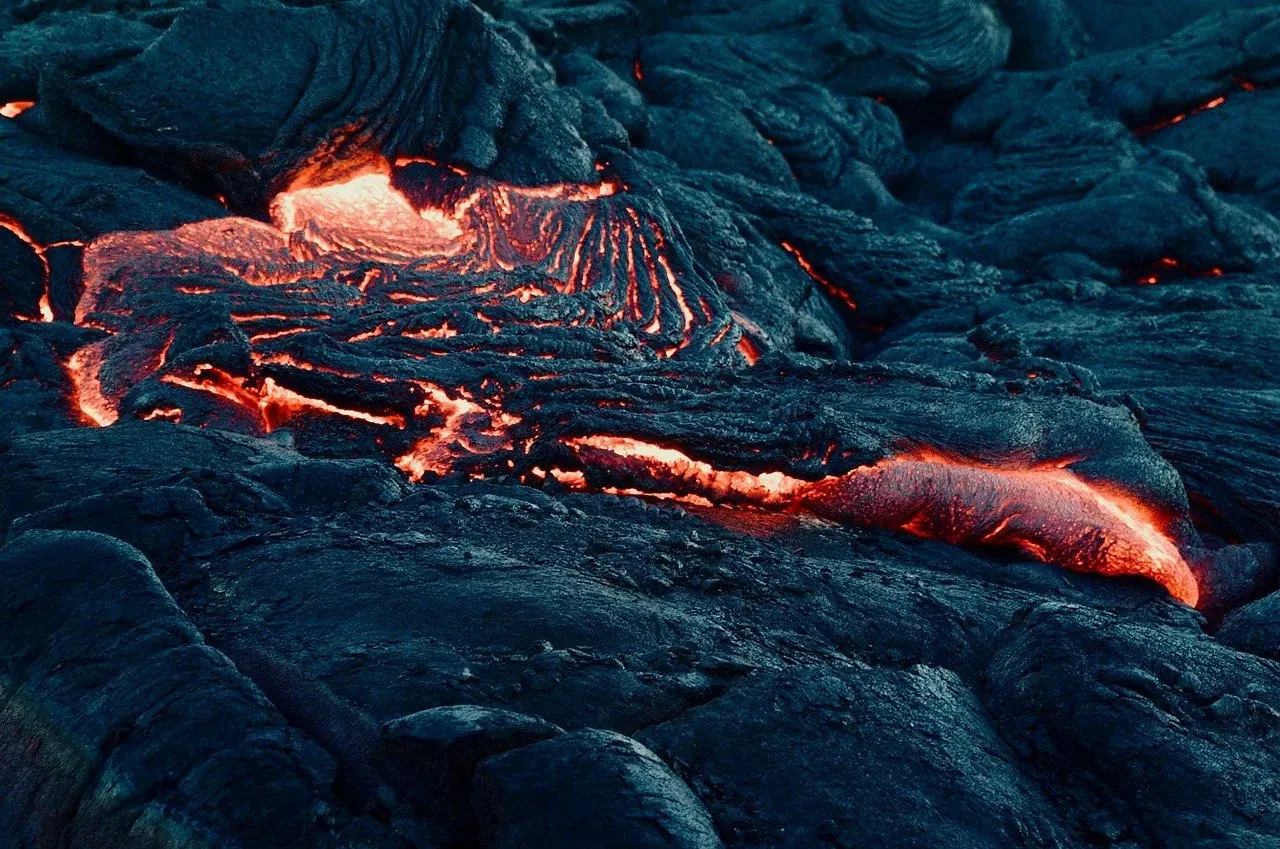
For all our satellites, supercomputers, and deep‑drilling projects, Earth keeps its biggest secrets buried, blurred, or partially erased. The missing rock layers, ghostly mantle blobs, global ice ages, and sudden bursts of life all tell us that our planet’s story is far stranger and less straightforward than the neat diagrams we grew up with in school. The ground beneath us isn’t just solid; it’s mysterious in ways that stretch from the surface to the core.
What makes these geological puzzles so gripping is that they’re not just academic – they shape the continents we live on, the climate we inherit, and even the path life has taken. As new data arrives from better instruments and creative experiments, some of these mysteries will slowly sharpen into clearer pictures, while new questions almost certainly appear. When you look at a mountain, a canyon, or a piece of ancient rock now, it’s hard not to wonder: how much of Earth’s true story are we still completely missing?