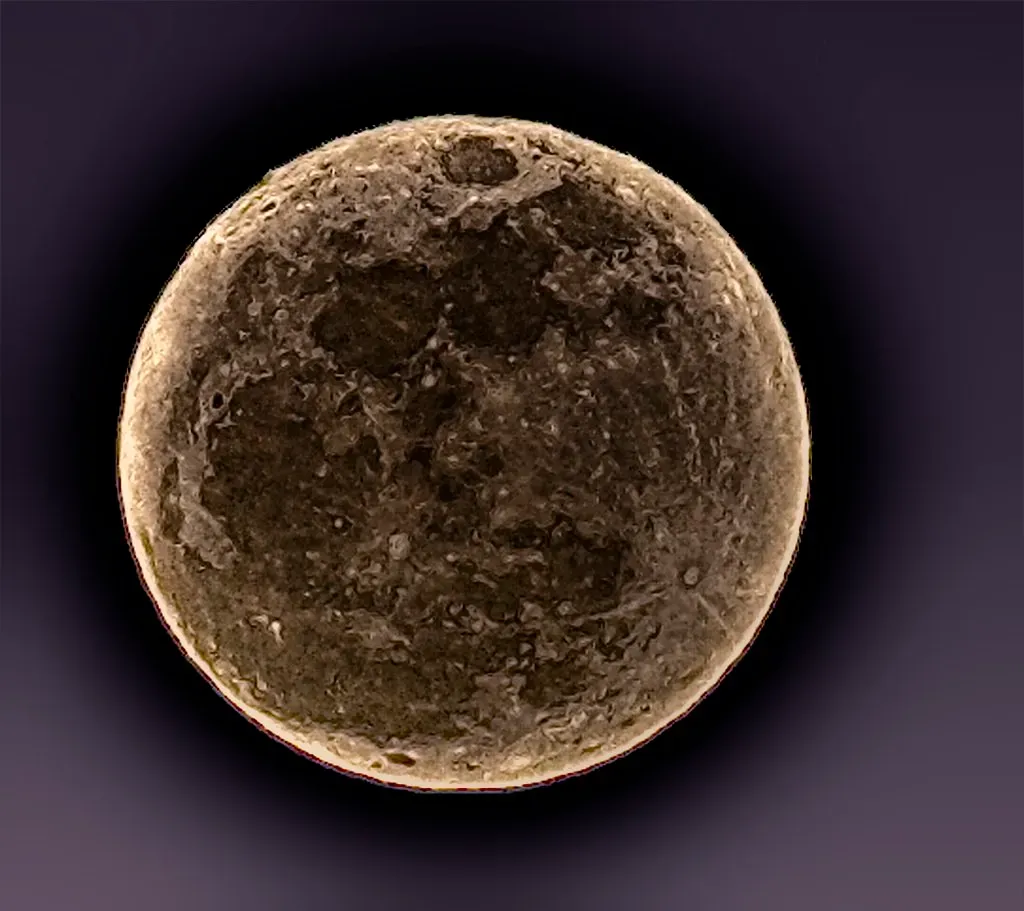

You’ve seen it a thousand times. It hangs there in the night sky, glowing, familiar, almost boring in its regularity. The Moon. Earth’s constant companion. You think you know it. Honestly, most people don’t. Beneath that cool, silvery surface lies a world of jaw-dropping science, bizarre history, and mind-bending quirks that rarely make it into casual conversation.
From its dusty surface that smells like gunpowder to the eerie quakes that shake it for nearly half an hour, the Moon is far stranger than it appears. So grab a seat, look up, and let’s dive into nine facts about our closest celestial neighbor that just might change how you see the night sky forever.
The Moon Was Born from a Catastrophic Collision
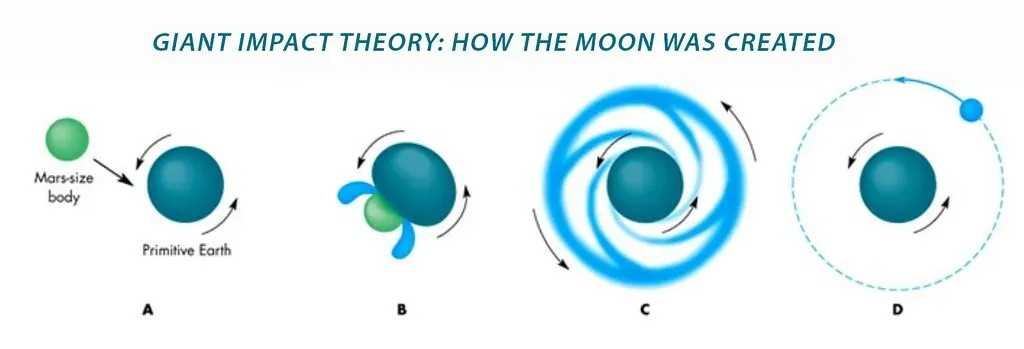
You might assume the Moon has always just been there, orbiting peacefully like it’s always belonged. The reality is far more violent. The prevailing idea is that the Moon was formed in a violent event between the proto-Earth and an object about the size of Mars, with debris ejected into space that then coalesced to form the Moon. This collision is believed to have happened around 4.5 billion years ago and would have been roughly 100 million times larger than the event that wiped out the dinosaurs.
The newly formed Moon was in a molten state, but within about 100 million years, most of the global “magma ocean” had crystallized, with less-dense rocks floating upward and eventually forming the lunar crust. Think about that for a moment. The very ground you see illuminated on a clear night was once a bubbling ocean of fire. It’s hard to look at the Moon the same way after picturing that.
The Moon Is Slowly Drifting Away from Earth
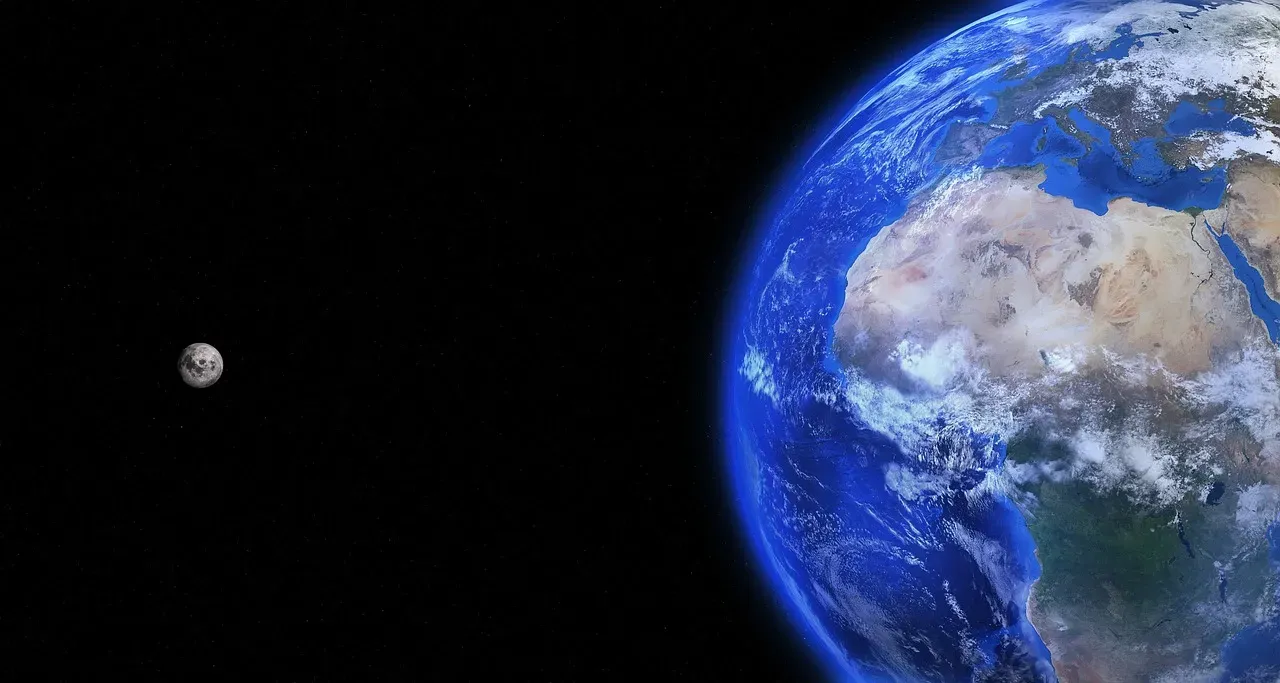
The Moon is moving approximately 3.8 cm away from our planet every year. That might sound like nothing, but over billions of years, it adds up dramatically. The Moon started out around ten times closer to the Earth than it is now. Computer simulations suggest the Moon could even have been 12 to 19 times closer, at a distance of just 20,000 to 30,000 kilometers, compared to 384,000 kilometers today.
Imagine looking up and seeing the Moon absolutely dominating the sky, almost incomprehensibly large. That was once a real sight for our ancient planet. It is estimated that the Moon will continue drifting away for around 50 billion years. By the time that happens, the Moon will be taking around 47 days to orbit the Earth instead of the current 27.3 days. Still think of it as a fixed, permanent feature? Think again.
The Moon Causes Tides in Rock, Not Just in the Ocean
You already know the Moon pulls on the oceans. You’ve seen tides your whole life. Here’s the part most people miss: the Moon not only causes tides in the oceans and seas on Earth, but as it orbits the Earth, it also causes a tide of rock to rise and fall in the same way it does with the water. The effect is not as dramatic as with the oceans, but it is a measurable effect, with the solid surface of the Earth actually moving by several centimeters with each tide.
Let that sink in. The ground beneath your feet is literally flexing like a slow, gentle breath every time the Moon passes overhead. There are two bulges in the Earth due to the gravitational pull that the Moon exerts, one on the side facing the Moon and the other on the opposite side that faces away from the Moon, with the bulges moving around the oceans as the Earth rotates, causing high and low tides around the globe. The Moon isn’t just affecting the sea. It’s physically reshaping the entire planet, constantly.
The Moon Actually Shakes – and for a Very Long Time
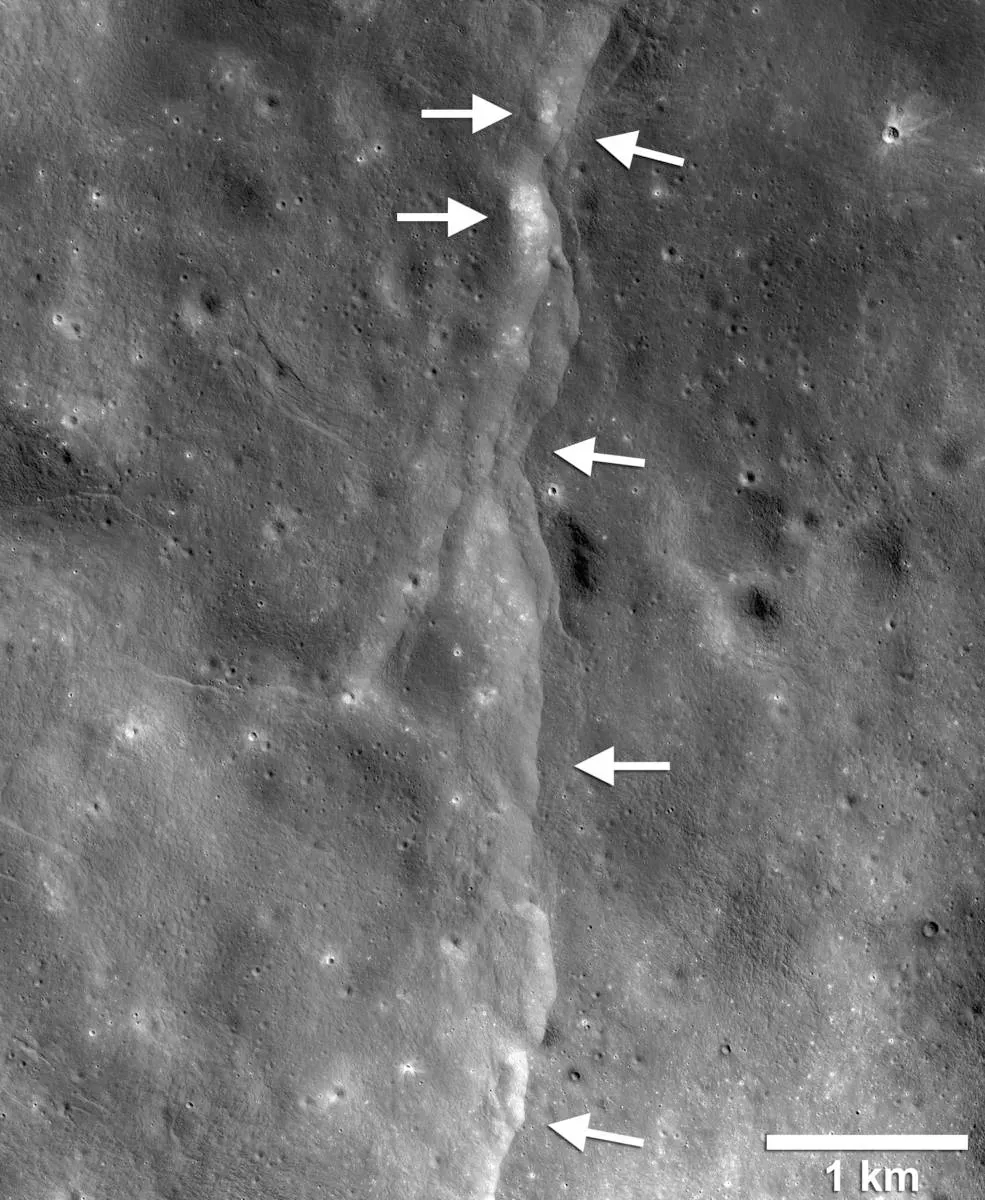
The Moon experiences its own seismic activity called moonquakes. They are caused by the gravitational influence of the Earth. Unlike quakes on Earth that last only a few minutes at most, moonquakes can last up to half an hour, though they are much weaker than earthquakes. That’s genuinely unnerving. An earthquake that lasts 30 minutes would be catastrophic beyond imagination.
Moonquakes can occur when the lunar crust warms and expands, or they can be triggered by meteorite impacts. While moonquakes don’t reach the same level of intensity as earthquakes, they can last much longer because the Moon has no water to combat seismic vibrations. Water acts like a dampener for seismic waves on Earth. Without it, the Moon just keeps shaking, reverberating like a giant cosmic bell that refuses to stop ringing.
The Moon’s Dust Smells Like Gunpowder
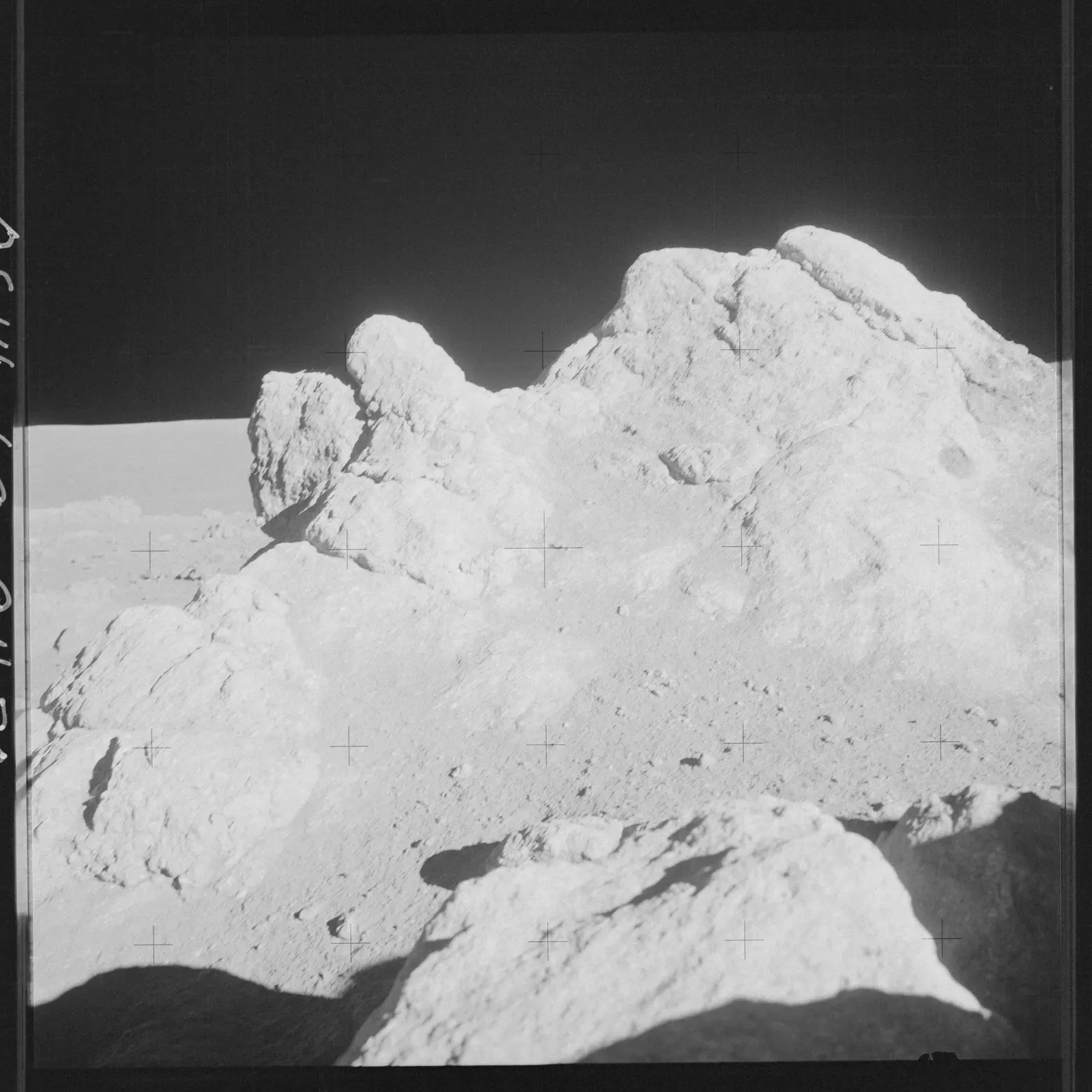
You’d never expect an airless, barren rock to have a smell. Yet every Apollo astronaut who tracked lunar dust back into the lunar module reported something extraordinary. There is a lot of dust on the surface of the Moon, and the Apollo astronauts found their suits covered in it when they climbed into their lunar modules. One astronaut on the Apollo 17 mission, Harrison “Jack” Schmitt, likened its smell to that of gunpowder.
The surface is covered in a fine, powdery dust called regolith. This dust is incredibly sharp because there’s no wind or water to smooth it down. It clings to everything it touches. Here on Earth, tiny dust particles get rounded off over time by water and wind erosion. The Moon has neither, so its dust remains microscopically jagged, like tiny shards of broken glass. Breathe that in and you’d have a serious problem, which is one of many reasons why future lunar explorers will need serious protection.
The Moon Reflects Almost No Light at All
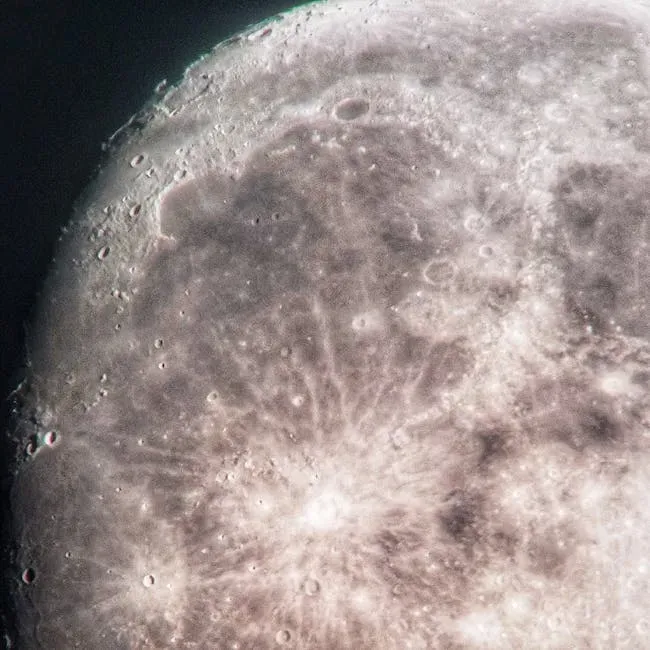
Here’s a fact that will genuinely make you question your senses: the Moon looks brilliantly white and luminous in the night sky, and yet it’s one of the least reflective objects you could imagine. The Moon reflects very little sunlight, having a low albedo that makes its surface darker than weathered asphalt. Yes, darker than a used parking lot. Let that image rattle around in your brain for a second.
The Moon’s surface reflects only about 12 percent of the light that falls on it. The only reason it appears so dazzlingly bright from Earth is because space is extraordinarily dark and there’s nothing else around it for context. Although compared to the night sky it appears very bright, with a reflectance just slightly higher than that of worn asphalt. So the next time you stare up at that glowing orb in the sky, know that you’re essentially looking at a giant dark rock that is expertly tricking your eyes.
There Is Water Ice Hiding on the Moon
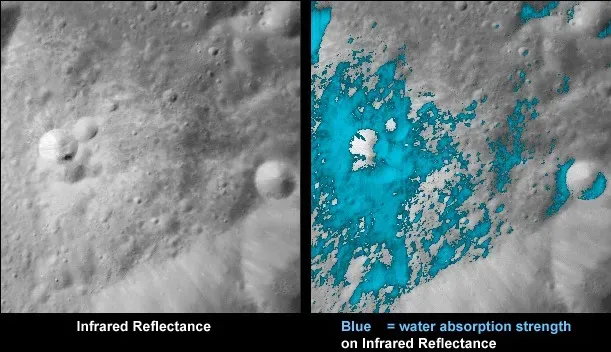
For decades, the Moon was considered completely dry, a dead, waterless world with nothing hospitable about it. That picture has changed significantly. Although liquid water cannot exist on the Moon’s surface, scientists have confirmed the presence of ice within permanently shadowed craters at the poles. These craters are so deep that sunlight never reaches them, keeping temperatures so cold that ice deposited billions of years ago has never melted.
The water on the Moon was likely delivered to the surface by comets. Over billions of years, comets crashed into the lunar surface, leaving behind traces of frozen water that became trapped in those permanently dark polar craters. The discovery that the Moon harbors water ice, and that the highest concentrations occur within darkened craters at the poles, makes the Moon a little more hospitable for future human colonists. That changes everything for future exploration. Water means drinking, oxygen, and even rocket fuel. The Moon might not be as inhospitable as we once thought.
The Moon Helps Stabilize Earth’s Climate
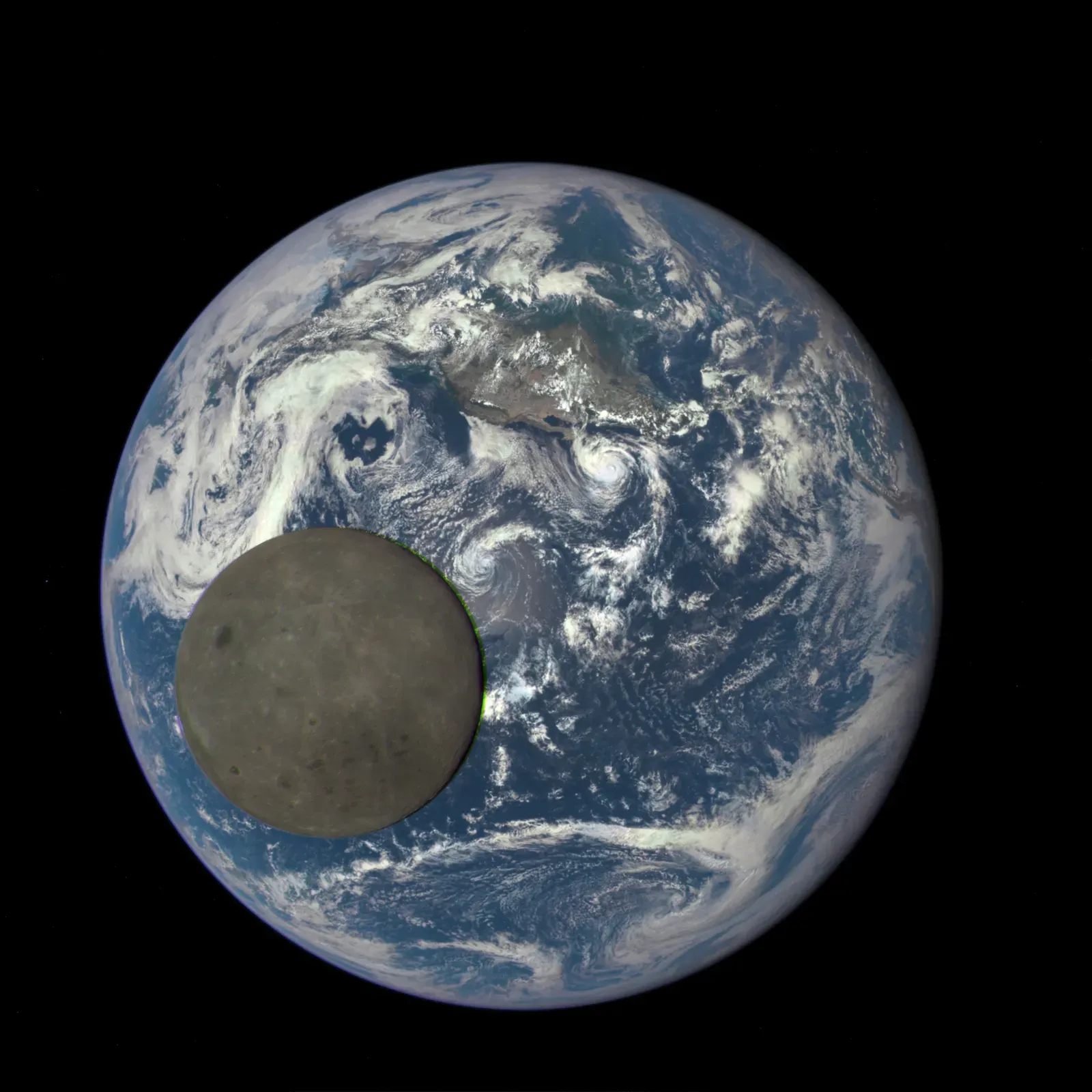
It’s easy to take the Moon for granted as just a passive object in the sky. Here’s the thing: it plays a far more active role in making Earth livable than most people realize. By helping stabilize Earth’s axial tilt, the Moon contributes to long-term climate stability on our planet. Without the Moon’s gravitational steadying influence, Earth’s axis could wobble wildly over millions of years, causing extreme, catastrophic climate swings.
Think of the Moon as a kind of silent, invisible anchor for Earth’s orientation in space, constantly holding things steady so that seasons remain relatively predictable. It’s a bit like having a quiet, reliable friend you never thank because they never cause drama. The Moon’s orbit slowly drifts outward at a rate of about 3.8 centimeters per year, which will eventually make total solar eclipses impossible. So the perfect solar eclipses we experience today are actually a fleeting cosmic coincidence. Future generations, millions of years down the line, won’t get to enjoy them.
A Remarkable Geometric Coincidence Makes Solar Eclipses Possible
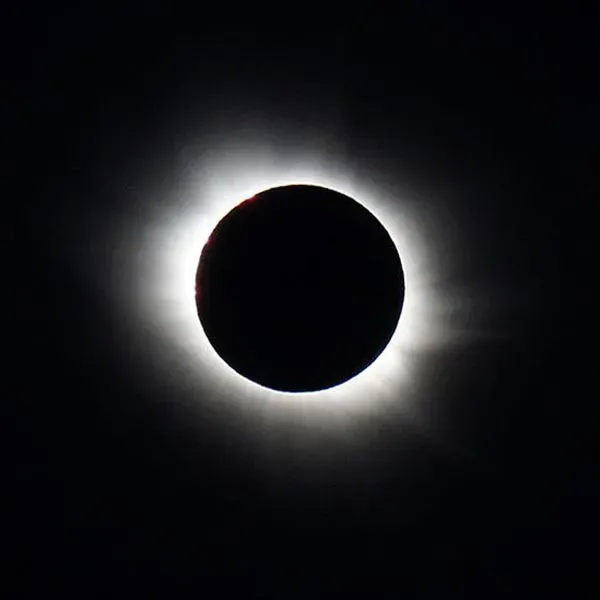
Of all the facts on this list, this one honestly feels the most like something out of a science fiction novel. From Earth, both the Sun and the Moon look about the same size. In fact, the Moon is 400 times smaller than the Sun, but also 400 times closer to Earth. This is an almost impossibly precise cosmic coincidence that creates perfect total solar eclipses, where the Moon fits exactly over the Sun’s disk. No other planet in our solar system has a moon that pulls off this trick.
The Moon’s orbit tilts 5.14 degrees to Earth’s orbit around the Sun. This is the reason we don’t have solar eclipses at every new Moon and lunar eclipses at each full Moon. If the orbits were perfectly aligned, you’d get an eclipse every single month without fail. The slight tilt makes them rare enough to feel like genuine events worth chasing. And as already mentioned, this perfect geometric alignment is temporary on a cosmic timescale, making every total solar eclipse you witness a genuine once-in-a-billion-years privilege.
Conclusion
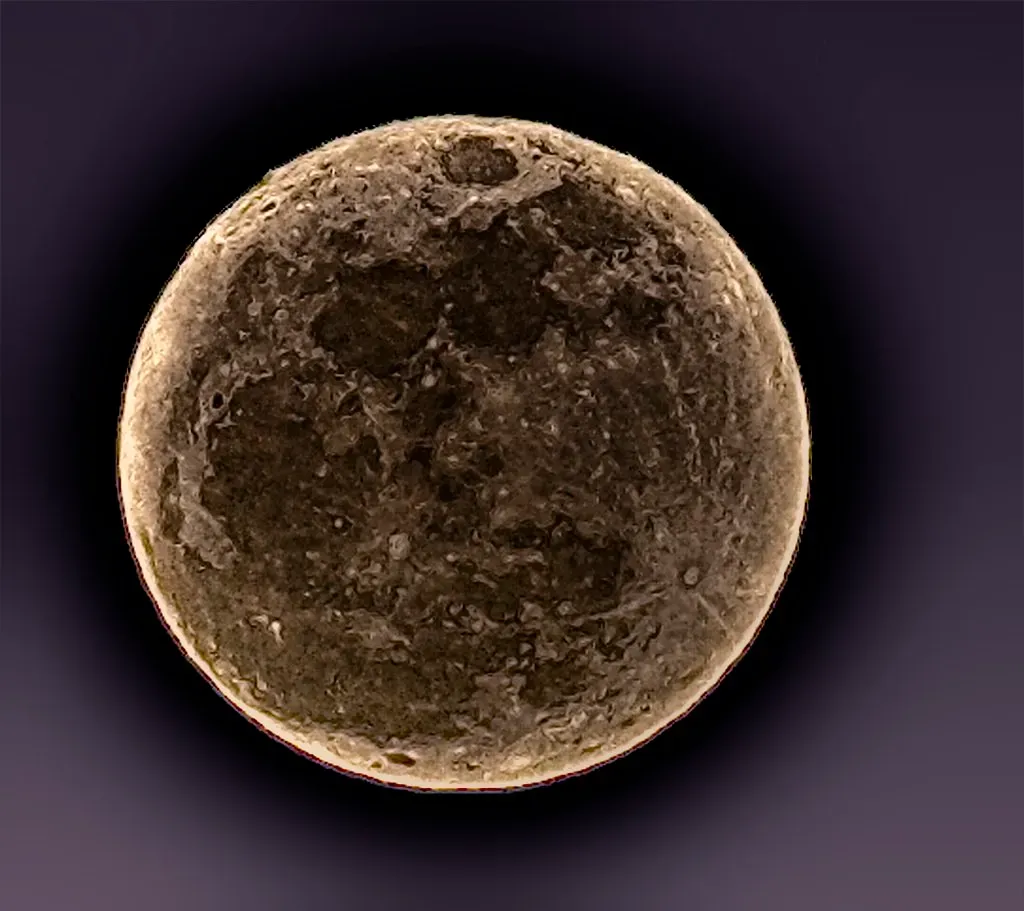
The Moon might seem like the most familiar thing in your night sky. You’ve seen it your whole life. Chances are you’ve barely thought twice about it. Yet it was born from a collision that dwarfs anything in human history, it’s slowly but surely leaving us, it shakes like a tuning fork, its surface is darker than a parking lot, and it may even hold the water that helps humanity’s future in space.
There’s something both humbling and wildly exciting about realizing how little we truly know about the world just above our heads. The Moon isn’t just a pretty light in the dark. It’s a scientific treasure chest that keeps revealing new secrets the more closely we look. Next time you glance up at it on a clear night, remember: you’re looking at one of the most fascinating objects in the known universe. What other secrets do you think it’s still hiding? Drop your thoughts in the comments.