
Think about the last time you felt the ground beneath your feet and wondered about the incredible forces shaping our planet. Every pebble, every mountain range, and every earthquake tells a story that stretches back billions of years. You might be surprised to learn that the very rock you’re standing on has traveled thousands of miles, endured unimaginable pressures, and witnessed the rise and fall of entire continents.
isn’t just about dusty rocks and boring textbook diagrams. It’s a thrilling narrative of explosive volcanoes, moving continents, and ancient seas that once covered vast landmasses. The forces operating beneath your feet are more dynamic and powerful than you might imagine, constantly reshaping our world in ways both subtle and dramatic.
Your Feet Rest on Massive Moving Puzzle Pieces
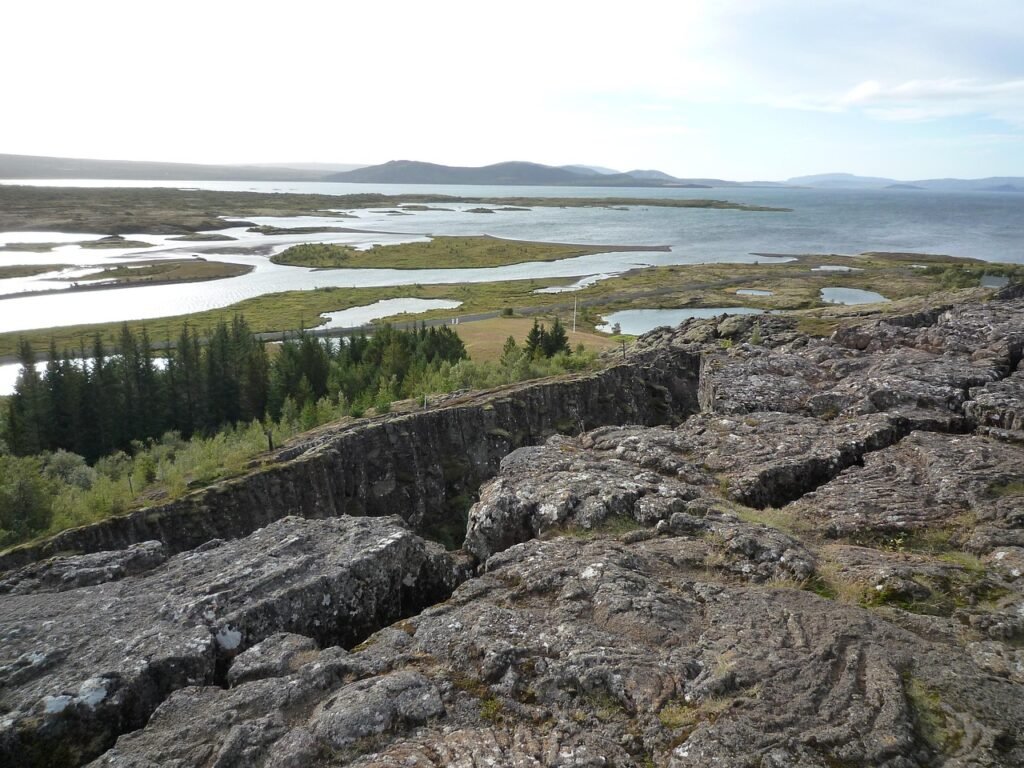
You’re currently riding on one of roughly fifteen massive tectonic plates that fit together like an enormous jigsaw puzzle covering Earth’s surface. The Earth’s lithosphere is composed of seven or eight major plates (depending on how they are defined) and many minor plates.
These colossal slabs of rock don’t sit still. Plate motions range up to a typical 10–40 mm/year (Mid-Atlantic Ridge; about as fast as fingernails grow), to about 160 mm/year (Nazca Plate; about as fast as hair grows). Imagine Los Angeles slowly creeping toward San Francisco at roughly the speed your fingernails grow, and you’ll understand the relentless patience of geological time.
They move at a rate of one to two inches (three to five centimeters) per year. Where plates serving landmasses collide, the crust crumples and buckles into mountain ranges. This constant motion means that over millions of years, the geography you know today will look completely different.
The Pacific Plate is Earth’s Earthquake Powerhouse
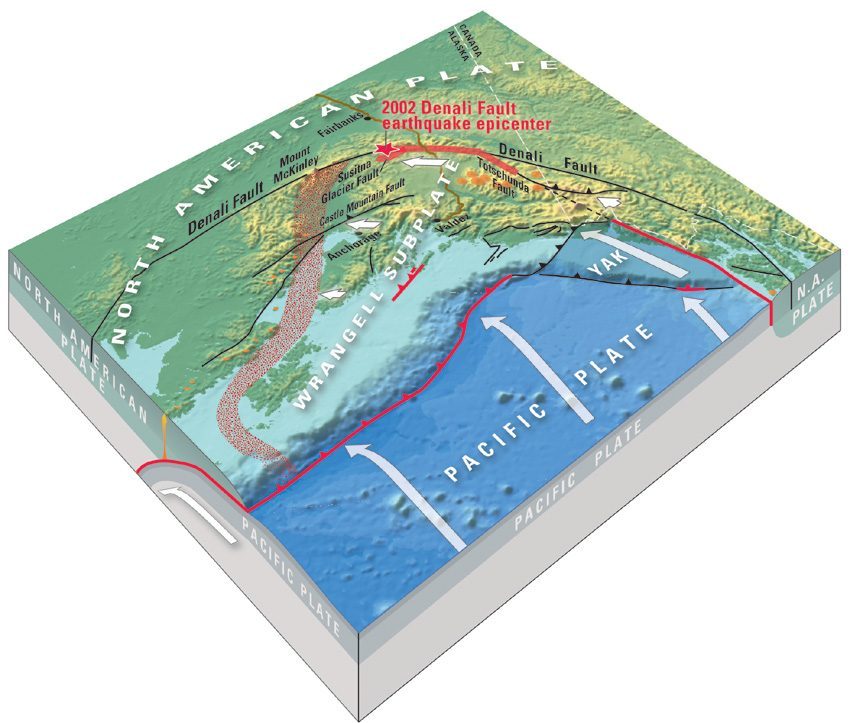
The largest tectonic plate on the Earth’s crust is the Pacific Plate. The Pacific Ring of Fire, which involves multiple plates including the Pacific Plate, accounts for approximately 90 percent of the world’s earthquakes. This massive oceanic plate stretches across much of the Pacific Ocean, making it the undisputed champion of seismic activity.
The reason behind this earthquake dominance lies in the Pacific Plate’s borders. The vast majority of the world’s active volcanoes occur along plate boundaries, with the Pacific plate’s Ring of Fire being the most active and widely known. This notorious Ring of Fire isn’t just a catchy name – it’s a horseshoe-shaped belt of intense geological activity that affects millions of people living around the Pacific’s edges.
Your understanding of global earthquake patterns becomes clearer when you realize that this single plate system influences the geological destiny of countries from Japan to Chile, from Alaska to New Zealand.
Volcanoes Created Most of Earth’s Surface
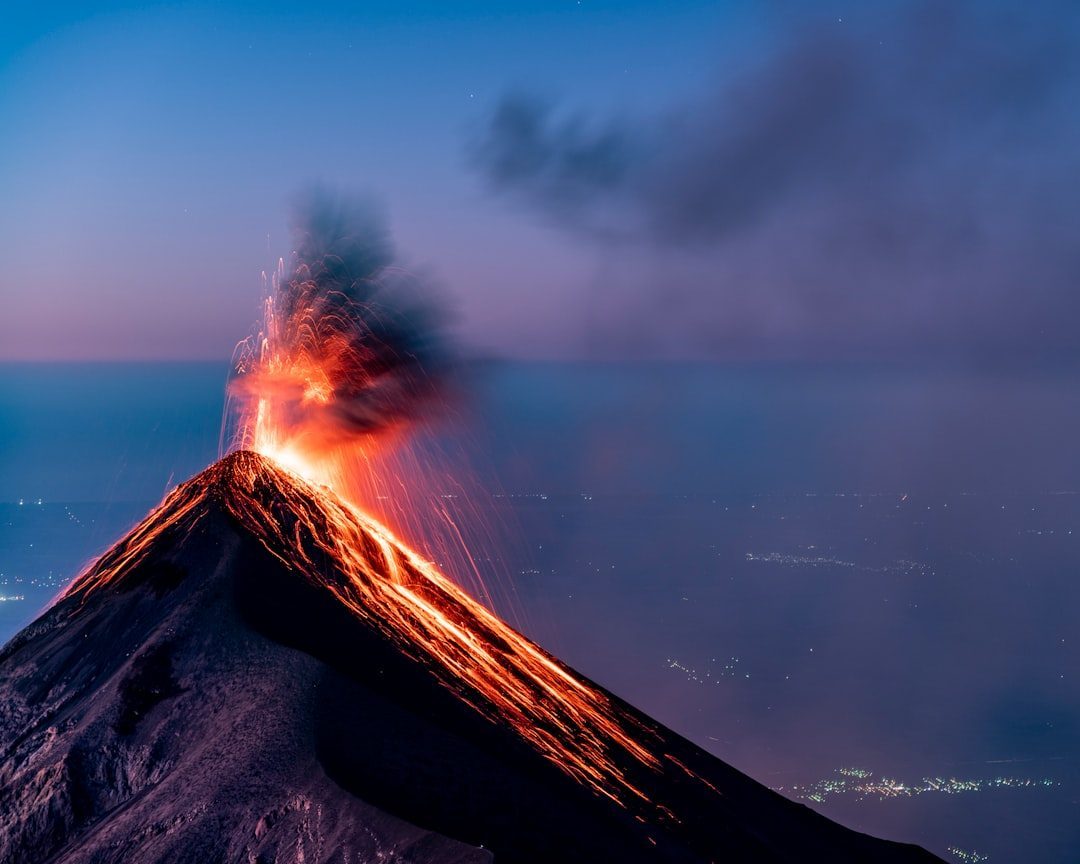
Here’s something that might blow your mind: in the geological world, volcanoes are known as the planet’s architects, as they have played a major role in creating Earth’s surface, particularly the oceanic crust. These fiery mountains aren’t just destructive forces – they’re the primary builders of our planet’s crust.
Speaking of magma, minerals are born from a process beginning with volcanic eruptions, after which cooling lava hardens into many of Earth’s minerals. When you hold a piece of granite or admire a crystal formation, you’re looking at the artistic handiwork of ancient volcanic processes that occurred millions of years ago.
The process continues today as underwater volcanoes constantly add new material to the ocean floor, while continental volcanoes build mountain ranges and create new landforms. It’s like watching Earth’s construction crew at work, though their timeline operates on scales that dwarf human experience.
Earth’s Oldest Rocks Hold Controversial Secrets
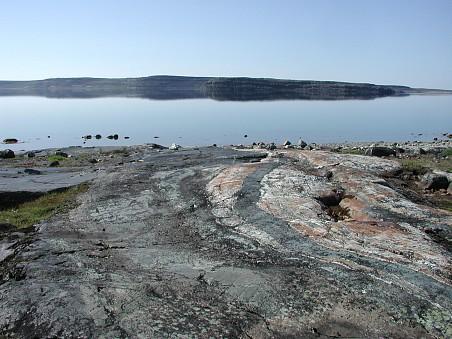
You might assume geologists agree about Earth’s oldest rocks, but the truth is far more intriguing. The Acasta Gneiss Complex, a group of rocks exposed along a riverbank nearly 200 miles (300 kilometers) north of Yellowknife, in northwestern Canada, is more widely agreed to be the planet’s oldest geological formation. These rocks are unambiguously dated at 4.03 billion years old.
However, there’s an ongoing scientific debate about even older candidates. In 2001, geologists found the oldest known rocks on Earth, the Nuvvuagittuq Greenstone Belt, on the coast of the Hudson Bay in northern Quebec. Geologists dated the oldest parts of the rockbed to about 4.28 billion years ago.
Since the rocks’ discovery, their age has been contested as different research has turned up different dates ranging between 3.7 billion – 4.37 billion years. This uncertainty reveals how challenging it is to read Earth’s earliest chapters, where the geological record becomes fragmented and complex.
The Oldest Minerals on Earth Are Time Capsules
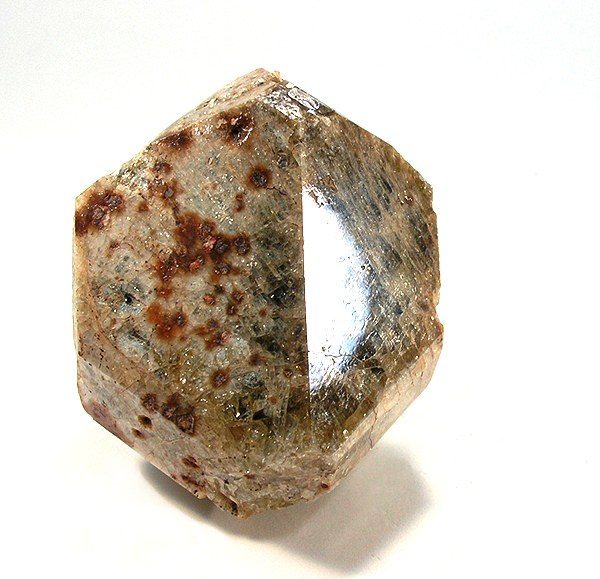
The Jack Hills Zircon is believed to be the oldest geological material ever found on Earth, dating back to about 4.4 billion years. Scientists published their findings in February 2014 in the journal of Natural Geoscience after analyzing single atoms of lead in a zircon crystal from Australia’s Jack Hill range.
These tiny crystals are more than just ancient curiosities. These zircons also show another feature; their oxygen isotopic composition has been interpreted to indicate that more than 4.4 billion years ago there was already water on the surface of Earth. Think about that: these microscopic time capsules suggest our planet had oceans when it was barely formed.
Zircons are great because they’re time capsules. They survive when their parent rocks are destroyed, carrying chemical signatures that reveal what Earth was like during its violent youth, when asteroid impacts were common and the planet was still cooling from its formation.
Some of Earth’s Most Valuable Gems Share a Secret Identity
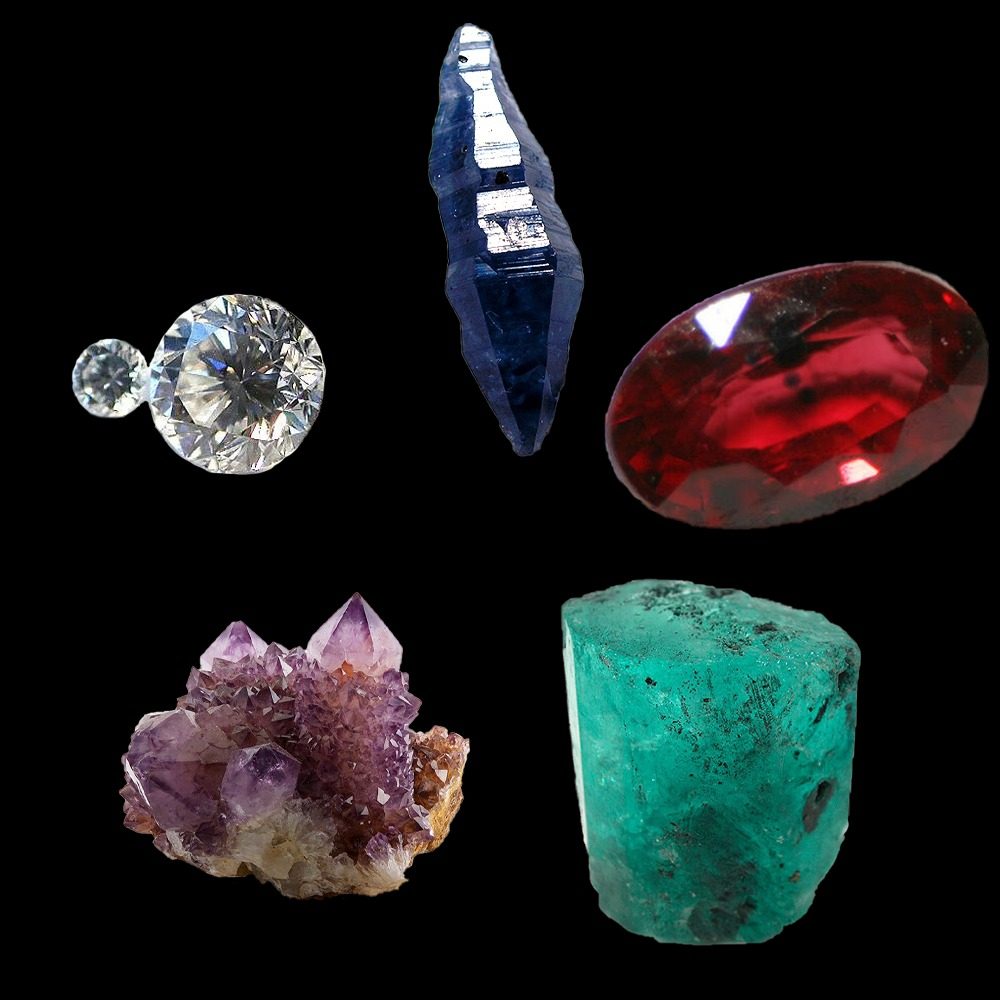
You probably think of rubies and sapphires as completely different gemstones, but has a surprise for you. Rubies and sapphires are actually the same mineral – corundum. The basic chemical formula of corundum is Al2O3, but traces of iron stain the mineral red (ruby) while traces of chromium or titanium stain the mineral blue (sapphire).
This revelation gets even more interesting when you consider rarity. Rubies, sapphires and emeralds are all more rare than diamonds. The diamond industry’s marketing has convinced many people that diamonds are the ultimate precious stone, but geologically speaking, colored gemstones are actually much harder to find.
Even diamonds themselves come in surprising varieties. They come in a variety of colors (called “fancies”), including yellow, green, blue, orange, brown (“champagne”), purple, grey, black (called carbanado, recently shown to be meteroic), milky white, pink, and red. Red is by far the rarest.
The San Andreas Fault is Slowly Rearranging California
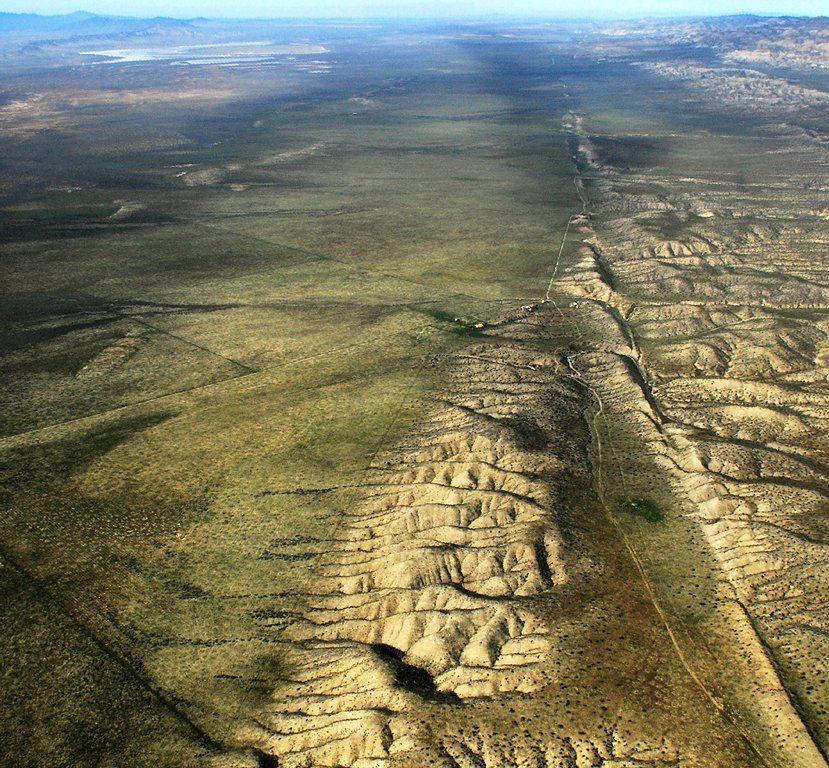
California’s famous San Andreas Fault isn’t just sitting there waiting to produce the next big earthquake – it’s actively reshaping the state’s geography. The earth is slipping along the San Andreas fault at a rate of about 2″ per year. This means that in about 15 millions years Los Angeles and San Francisco will be neighbors.
This transform boundary represents one of the most studied geological features on Earth. The San Andreas Fault in California is an example of a transform boundary, where two plates grind past each other along what are called strike-slip faults. These boundaries don’t produce spectacular features like mountains or oceans, but the halting motion often triggers large earthquakes.
The fault’s relentless movement creates a geological time bomb that affects millions of Californians, while simultaneously serving as a natural laboratory where scientists study the mechanics of plate tectonics in action.
Your Antacids Contain Ancient Ocean Life
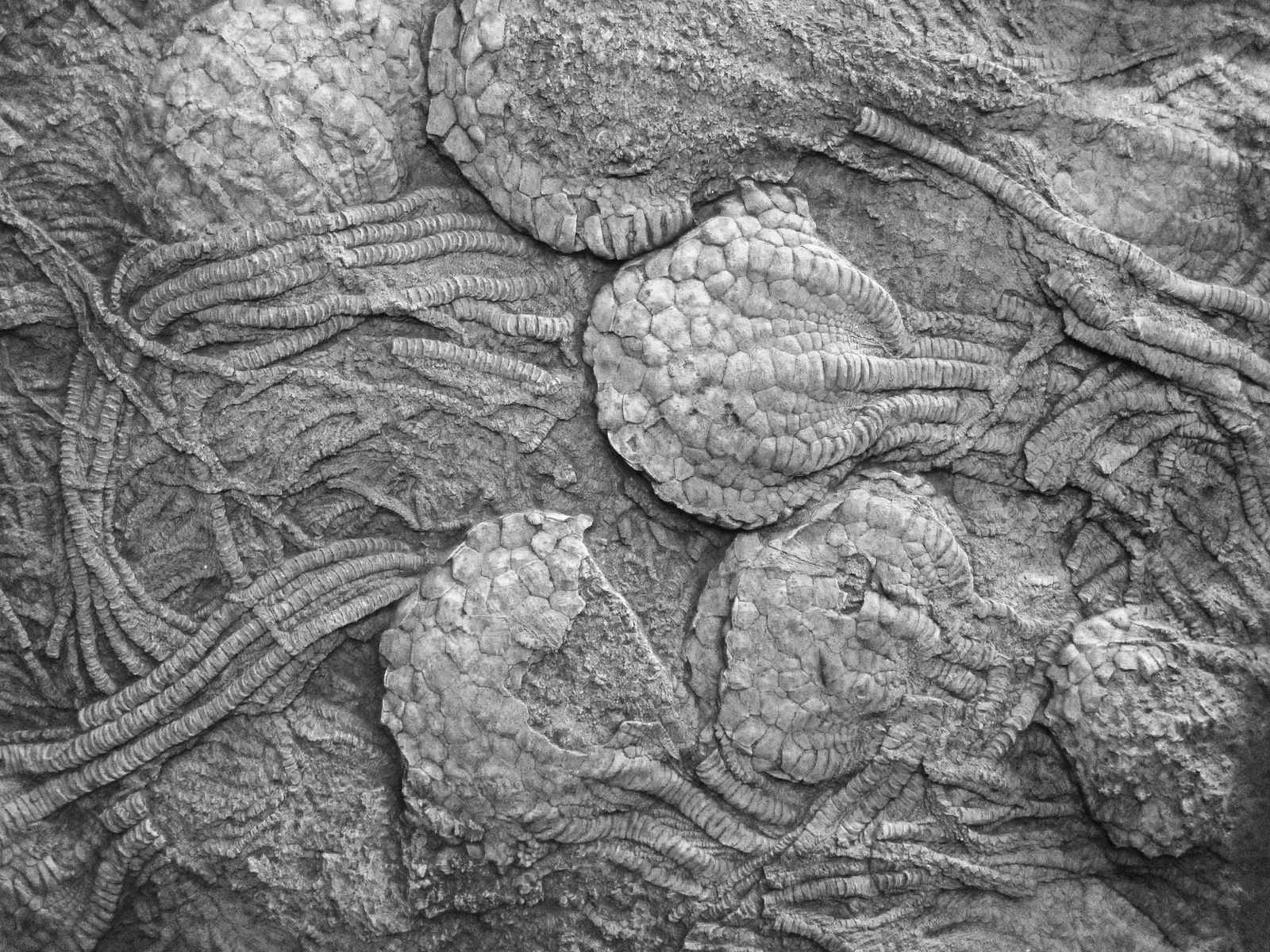
Here’s a fact that might make you think twice about your next stomach remedy: Antacids taste like chalk because they ARE chalk, a.k.a. calcium carbonate. That chalky taste you experience isn’t just a coincidence – you’re literally consuming the compressed remains of ancient marine organisms.
Chalk and limestone formations represent vast graveyards of microscopic sea creatures that lived millions of years ago. These organisms extracted calcium carbonate from seawater to build their shells and skeletons. When they died, their remains accumulated on ocean floors, eventually becoming compressed into the white, soft rock we call chalk.
This means that when you take an antacid, you’re essentially consuming a piece of ancient ocean history – the fossilized remains of countless tiny creatures that lived in prehistoric seas. It’s a direct connection between your medicine cabinet and deep geological time.
Earth is the Solar System’s Only Active Geological Planet
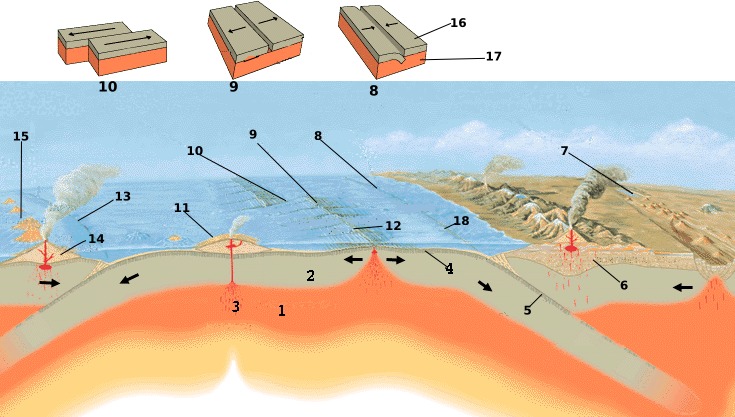
Earth is the only planetary body in our solar system that exhibits plate tectonics in action – at present as well as in the geologic past. While other planets and moons show evidence of past geological activity, only Earth maintains the dynamic system of moving plates that continuously reshapes its surface.
This unique characteristic makes our planet remarkably different from its neighbors. Mars shows evidence of ancient volcanism and water flow, Venus has volcanic features, and Jupiter’s moon Europa has a subsurface ocean, but none possess the complex, ongoing geological dance that characterizes Earth.
Your existence depends on this geological uniqueness. The constant recycling of crustal material through plate tectonics helps regulate Earth’s temperature, maintains the chemical balance of the oceans, and creates the diverse environments that support life. Without this geological engine, Earth might resemble the barren, unchanging landscapes of Mars or the Moon.
Conclusion
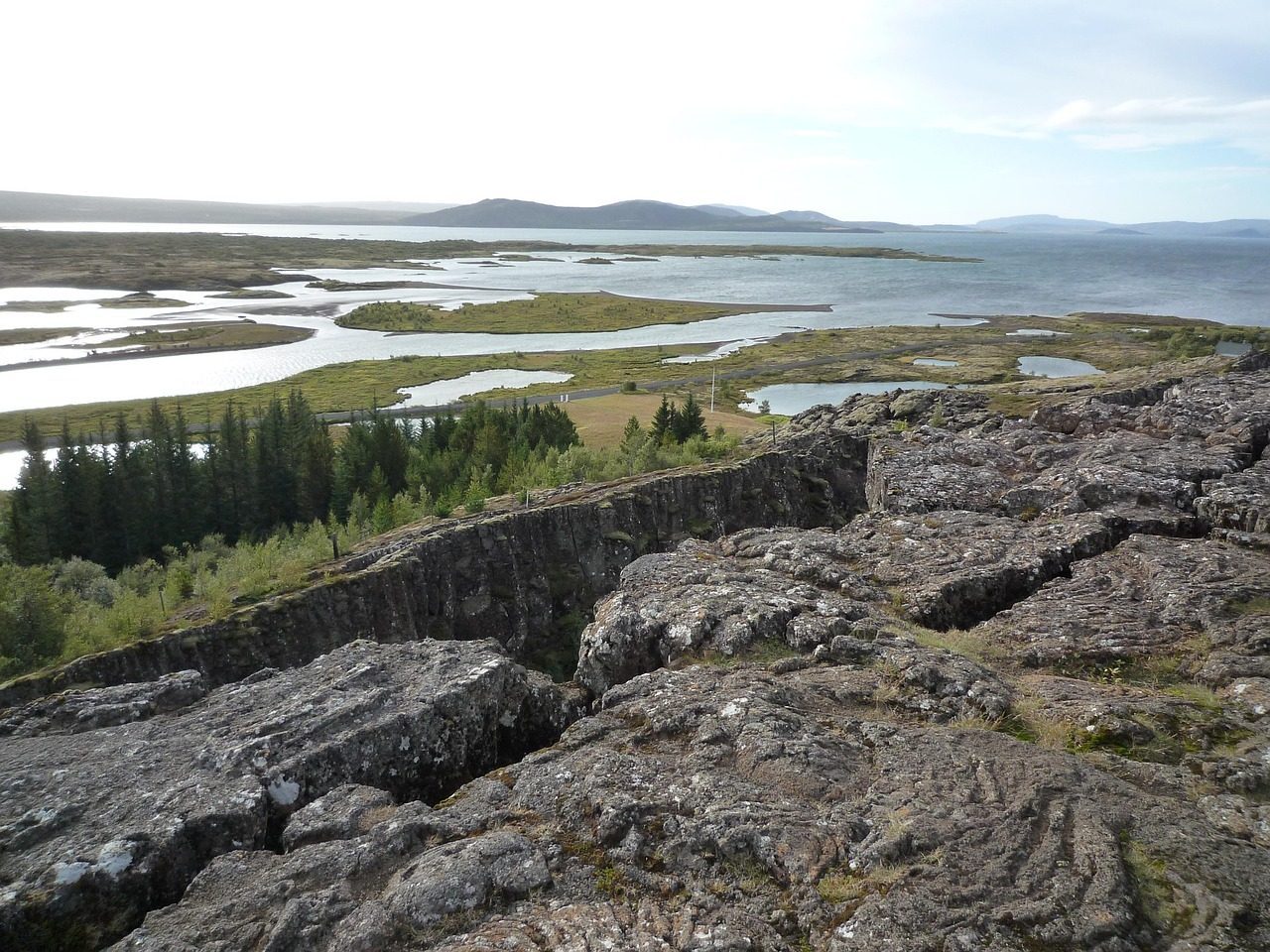
These geological facts reveal that you live on a remarkably dynamic planet where ancient processes continue to shape your world. From the microscopic zircon crystals that preserve Earth’s earliest memories to the massive tectonic plates that carry continents across the globe, surrounds you with evidence of our planet’s incredible four-billion-year journey.
Understanding these forces helps you appreciate that the solid ground beneath your feet is anything but static – it’s part of an ongoing story of creation, destruction, and renewal that will continue long after human civilization. What fascinates you most about the hidden geological forces constantly reshaping our world?
Hi, I’m Andrew, and I come from India. Experienced content specialist with a passion for writing. My forte includes health and wellness, Travel, Animals, and Nature. A nature nomad, I am obsessed with mountains and love high-altitude trekking. I have been on several Himalayan treks in India including the Everest Base Camp in Nepal, a profound experience.