
Picture standing before a stone the size of a small building. You didn’t move it with cranes or power tools. You didn’t have GPS, engineering software, or even a written blueprint. Yet somehow, you and your people hauled it across miles of terrain and set it down with breathtaking precision. That is exactly what ancient civilizations did, repeatedly, across nearly every corner of the globe.
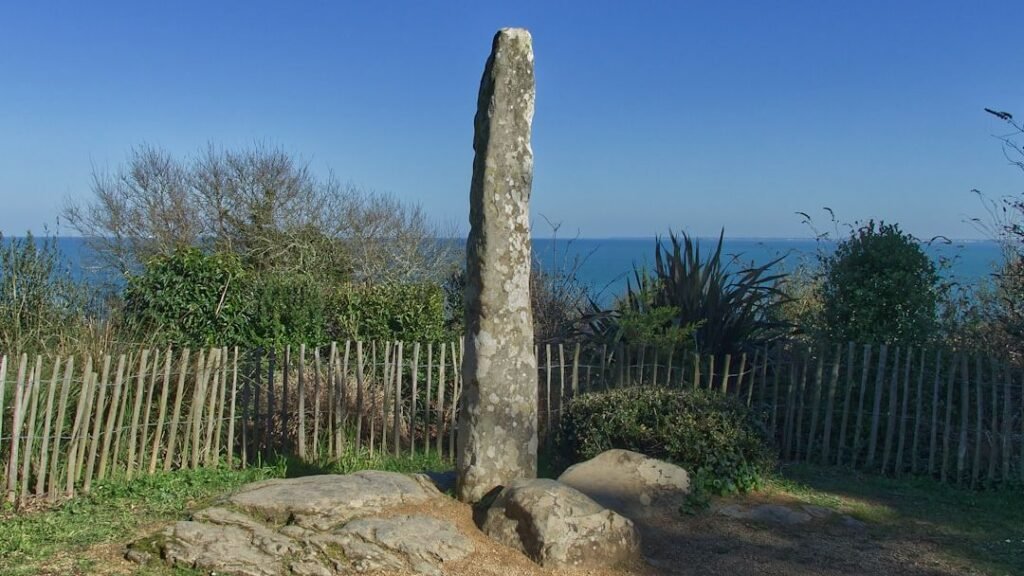
A megalith is a large stone used to construct a prehistoric structure or monument, and more than 35,000 such structures have been identified across Europe alone. The questions those stones raise are some of the most magnetic in all of archaeology. Why did our ancestors pour massive resources into building them? The answers are surprising, complicated, and honestly, a little mind-blowing. Let’s dive in.
Theory 1: Astronomical Observatories and Celestial Calendars
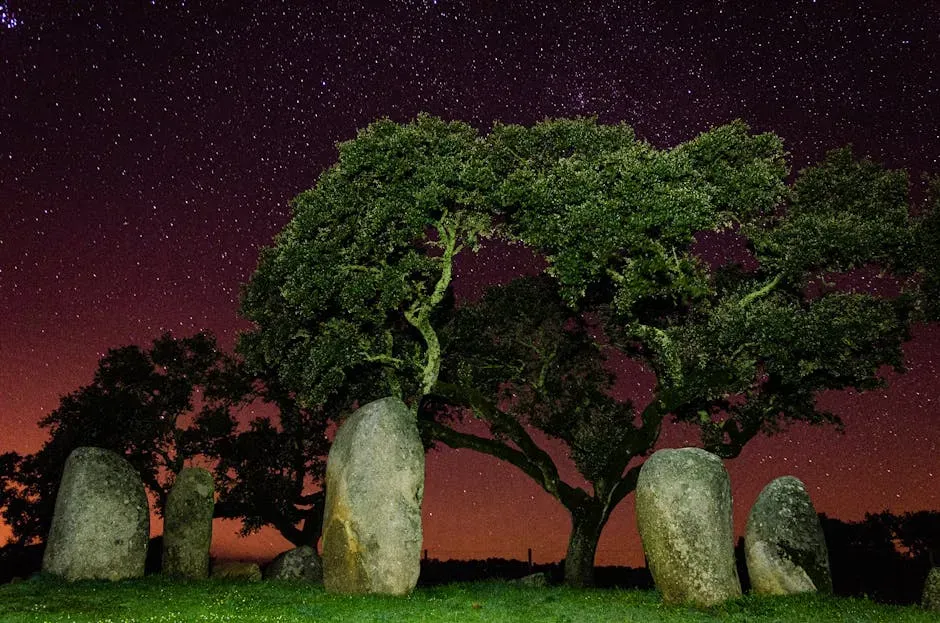
Of all the theories out there, this one has probably the most hard evidence behind it. Many megalithic sites align with solar or lunar events. Stonehenge’s main axis aligns with the summer solstice sunrise, and at Newgrange, a narrow roof box above the entrance allows sunlight to penetrate its 19-meter passage and illuminate the inner chamber for about 17 minutes at the winter solstice sunrise. Think about that for a second. Seventeen minutes of light, once a year, perfectly engineered without modern tools.
An assembly of huge stone slabs found in Egypt’s Sahara Desert, dating from about 6,000 to 6,500 years ago, has been confirmed by scientists to be the oldest known astronomical alignment of megaliths in the world, predating Stonehenge and similar prehistoric sites by about 1,000 years. Research into megalithic sites in Europe, temple complexes in the Americas, and observatories in Asia has shown that many alignments could not have occurred by accident, and scholars now use computer software to recreate ancient skies and test alignment theories. It’s hard to argue with that kind of evidence.
Theory 2: Sacred Temples and the Birth of Organized Religion
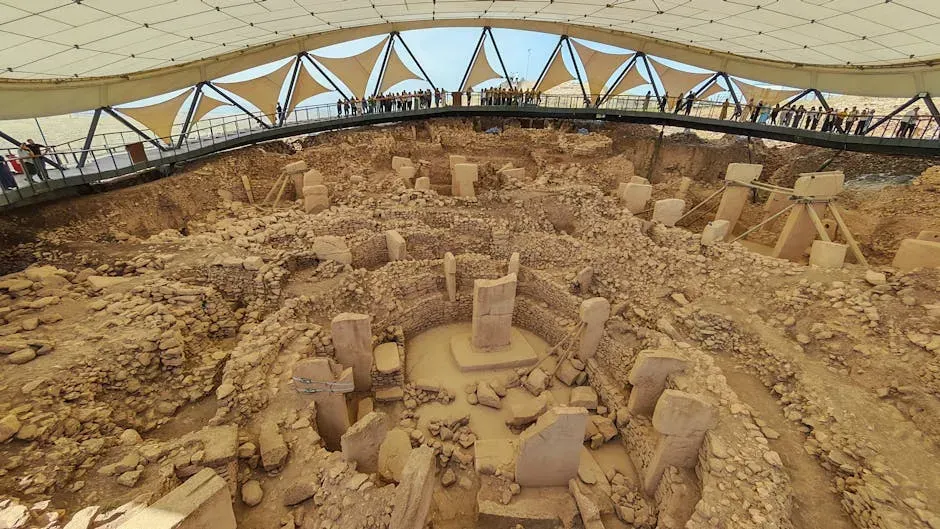
Göbekli Tepe is estimated to be around 11,000 to 12,000 years old, dating back to the dawn of the Neolithic era, making it older than Stonehenge by about 6,000 years and even older than the first known cities of Mesopotamia. What makes this site so staggering is not just its age. There are no village remains at or near the Göbekli Tepe ruins, suggesting that the unique site was a ceremonial center exclusively used for the practice of the Neolithic religion of local hunter-gatherer groups.
Göbekli Tepe suggests a reversal of the standard story: the construction of a massive temple by a group of foragers is evidence that organized religion could have come before the rise of agriculture, suggesting that the human impulse to gather for sacred rituals arose as humans shifted from seeing themselves as part of the natural world to seeking mastery over it. In other words, you didn’t need a city to build a cathedral. You just needed a calling. Göbekli Tepe may have been a gathering place for widely scattered groups, drawn together by shared beliefs, rituals, or cosmologies, and in this sense, religion may not have been a product of civilization but one of its catalysts.
Theory 3: Tombs and Portals to the Afterlife
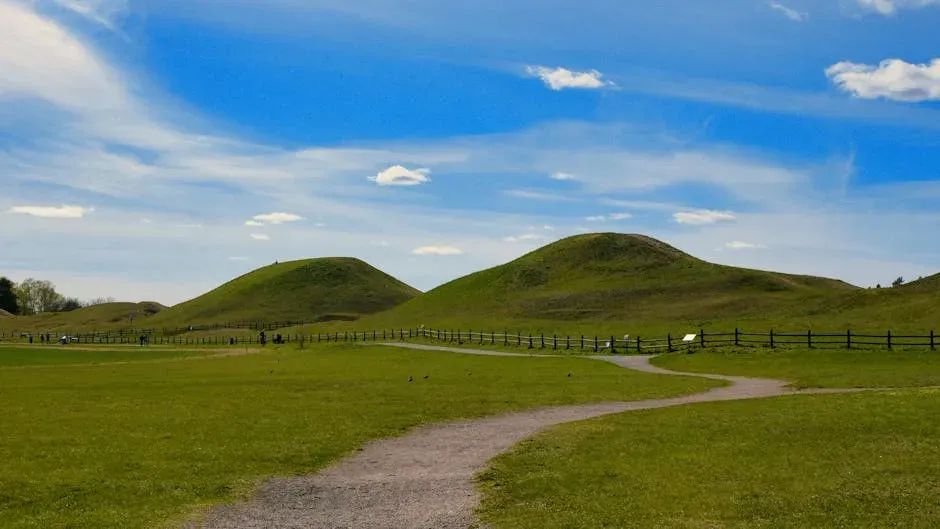
Megalithic sites served as gathering places for religious ceremonies, feasts, and ancestor worship, and burial remains found in dolmens and passage tombs suggest these were sacred spaces connecting the living to the dead. Honestly, the idea is both beautiful and haunting. These weren’t just graves. They were architectural statements about death, memory, and what lies beyond.
Newgrange is an incredibly beautiful Neolithic passage tomb created approximately 3,200 BCE, making it older than the Egyptian pyramids or Stonehenge, and a massive round mound with an internal stone tunnel and chambers makes up the site. Starting around 4,500 BCE, a new phenomenon of constructing megalithic monuments, particularly for funerary practices, emerged along the Atlantic façade. Generation after generation chose to dedicate enormous effort to caring for their dead in permanent, massive structures. That tells you something profound about how seriously they took life after death.
Theory 4: Territorial Markers and Claims of Land
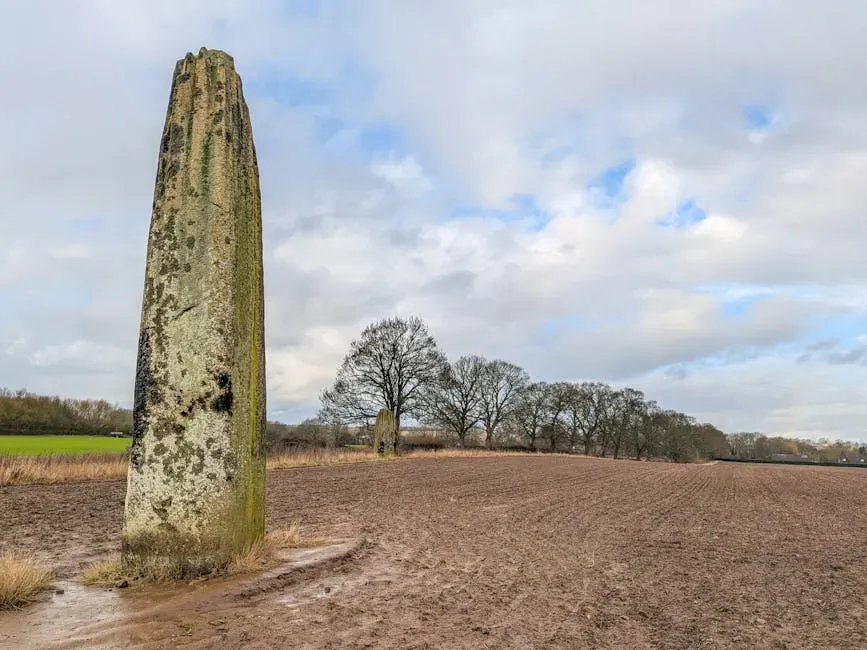
Megaliths were used for a variety of purposes ranging from serving as boundary markers of territory, being reminders of past events, to being part of the society’s religion. Think of them as ancient “no trespassing” signs, but a thousand times more dramatic. The shift towards agriculture around 9,000 BCE resulted in communities becoming more settled, increasing demand for cultural or religious symbols like megaliths, which served as markers of territory, burial places, or locations for social events.
Many megaliths in the Deccan plateau seem strategically positioned to mark territorial boundaries, which could serve a dual purpose: laying claim to resources and serving as a deterrent to invasions, thereby ensuring stable and effective administration. The emergence of these communities and above all the assumed need for external demarcation by territorial markers are explained by increasing pressure on natural resources due to a growing population. You can see the logic clearly. As competition for farmland grew, you needed a visible, unmovable declaration of where your people stood. Literally.
Theory 5: Demonstrations of Social Power and Elite Status
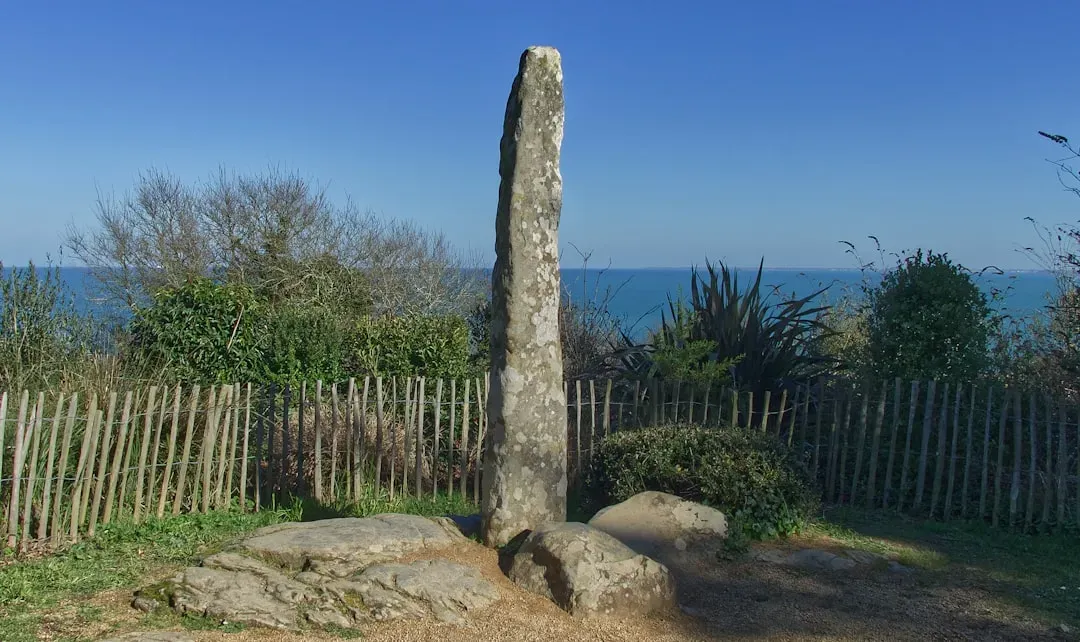
In Social Evolutionary terms, many scholars have suggested that the megalithic period represented “chiefdoms,” and while monumental aspects like stone superstructures have been emphasized as markers of wealth, the creation of these structures may be usefully understood as products of pooling labor and shared consumption activities during their construction, which appears to have involved feasting. Let’s be real: when you can mobilize hundreds of workers to haul a 150-ton stone across the landscape, you are making a very loud statement about your authority.
Megalithic tomb building is closely tied to accumulating social power within clans, as individuals build tombs to gain status and reinforce clan solidarity, and significant tombs can take years to construct and require feasts involving over 100 pigs and more than 10 water buffaloes. Politically, these structures represented a shared sense of identity and power, strengthening community ties and early forms of religious leadership. Power, prestige, and permanence, all rolled into one massive slab of stone. It’s not unlike how rulers throughout history have built towering monuments to cement their legacies.
Theory 6: Community Bonding and Large-Scale Social Organization
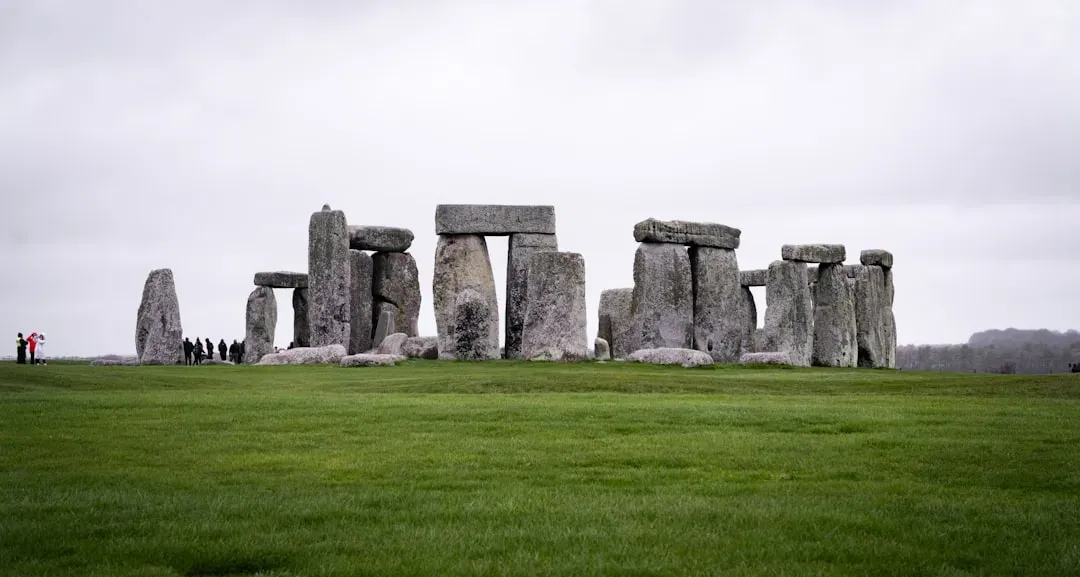
The construction of such a site as Göbekli Tepe would have required hundreds of people working together, moving massive stones, carving intricate designs, and coordinating labor across seasons, implying a level of cooperation and social complexity not typically associated with hunter-gatherer societies. Here’s the thing: building something nearly impossible together might itself be the entire point. Shared struggle creates shared identity.
The answer to why hunter-gatherers would devote such energy to stone monuments likely lies in belief, since shared rituals and sacred spaces can bind communities together, creating social cohesion and a sense of purpose beyond individual survival. The scale of coordination required to erect such vast alignments suggests strong social organization and shared cultural meaning. Think of it like a massive communal project, a prehistoric barn-raising, except the barn weighs hundreds of tons and will still be standing twelve thousand years later.
Theory 7: Practical Engineering and Scientific Knowledge
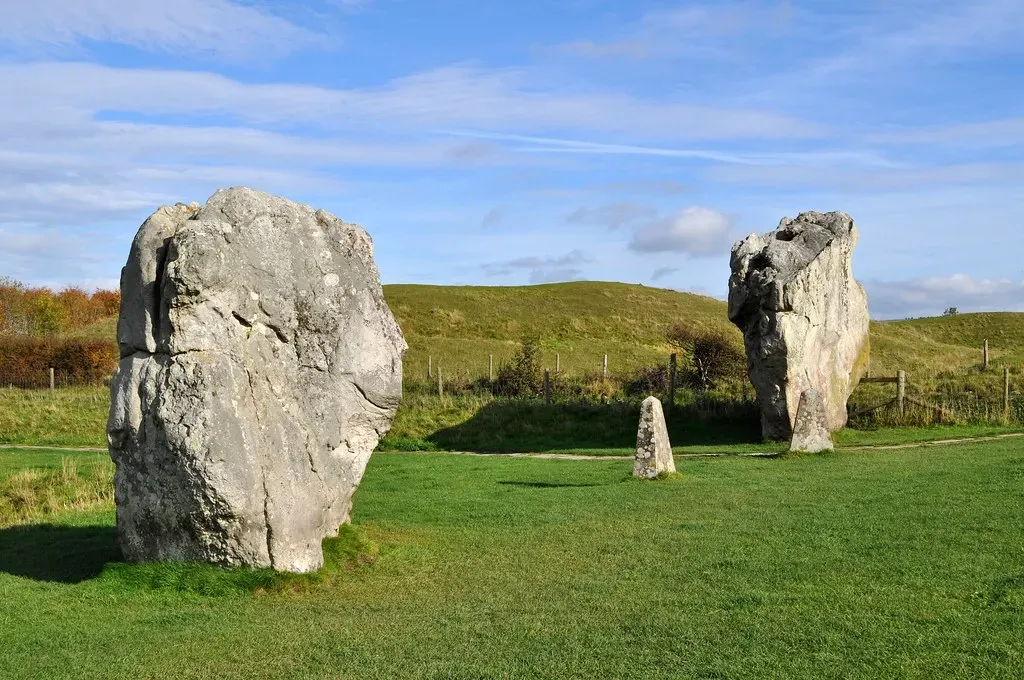
You might be surprised to hear this theory described as “fascinating,” but stay with me. A study published in Science Advances argues that the builders of the Dolmen of Menga had a far more sophisticated understanding of engineering and scientific principles than prehistoric people are usually given credit for, and the engineering on display reflects a process of trial, error, and learning similar to how scientists solve problems today. That challenges everything you thought you knew about “primitive” peoples.
The evidence suggests Menga’s builders had not just expert logistics and planning, but a sophisticated understanding of structures and materials, and they understood the geologic properties and locations of available rocks as well as physical properties such as friction, load-bearing capacity, and mass, and in fitting all the stones together, Menga’s builders employed a grasp of geometry. Monuments like Menga make us think that “perhaps we miscalculate the amount of intelligence” that Neolithic people had. It’s hard to say for sure exactly how much scientific thinking was formalized, but these stones don’t lie.
Theory 8: Messages Designed to Last Across Millennia
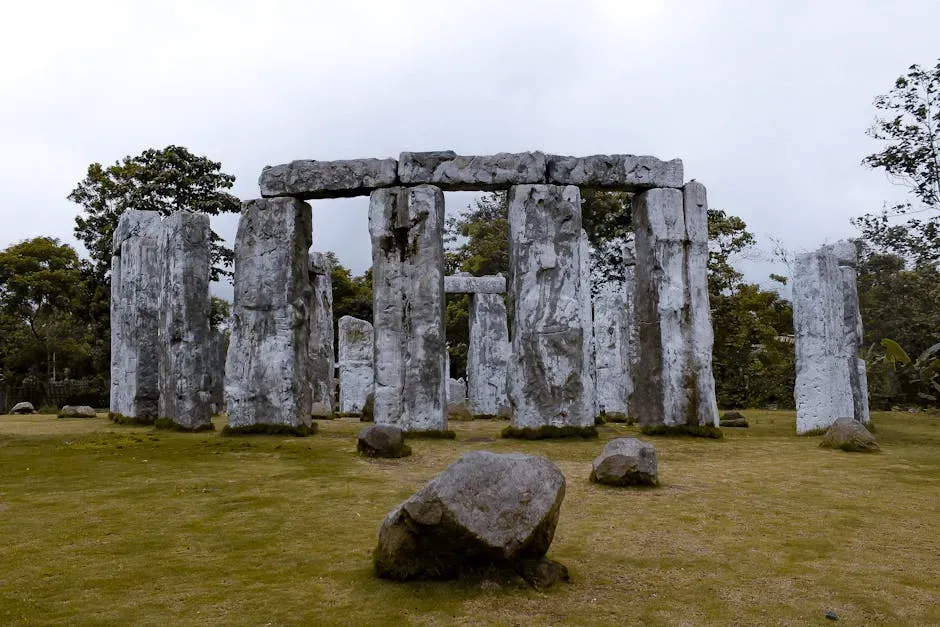
Evidence suggests that ancient builders used these huge megalithic structures to transmit, at the very least, a simple message that can be translated in any language and over eons of time, though there is a high degree of likelihood that the symbolic language would appear to be child-like and not at all sophisticated. It’s a chilling and oddly moving idea. What if some of these structures are essentially extremely durable letters to the future?
The degree of work performed on each megalithic block is equivalent, in many cases, to the texture of a fine polished granite countertop, the tolerance is so exacting that we find no examples of any mortars or cements used to set these huge blocks, and simply put, no building engineer would chance building structures in this manner today. The older the megalithic structure, generally the more massive the stones that were used, and we can see sites built on the foundations of ancient sites where layer by layer the building techniques become less exacting, with smaller stones and less superior materials all the way up to the current epoch. There’s something strange and almost poignant about that pattern of deterioration over time.
Theory 9: Religious Pilgrimage and Spiritual Gathering Centers
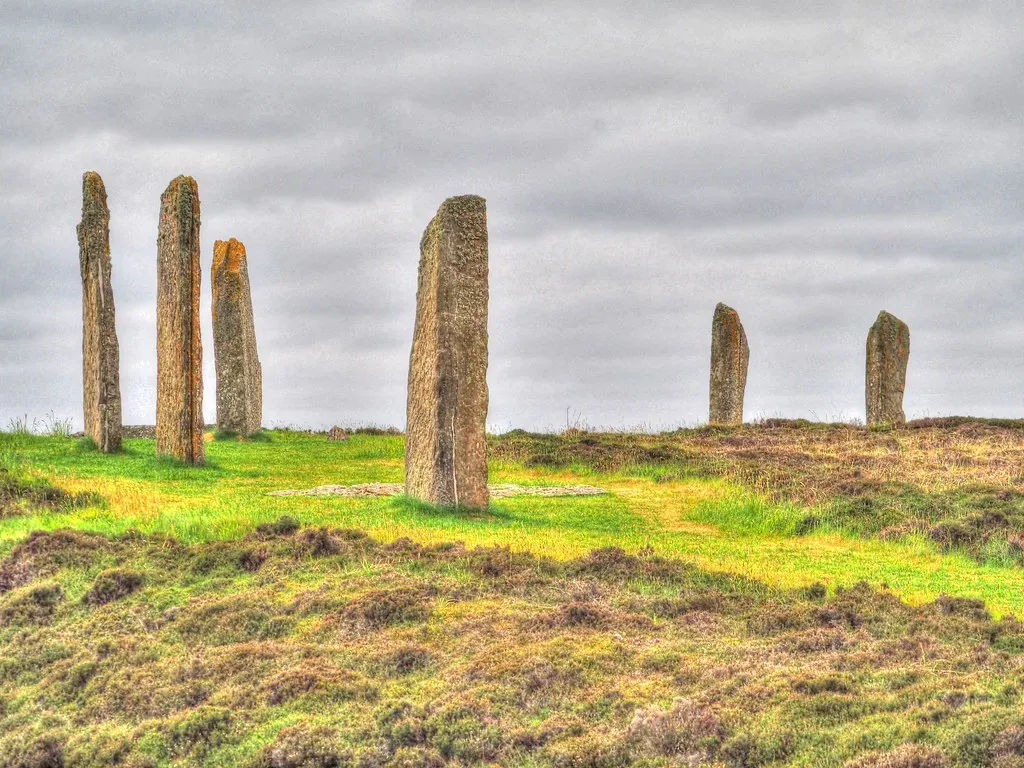
According to journalist Charles Mann, Göbekli Tepe may have been the destination for a religious pilgrimage, a monument for spiritual travelers to be awed by a religious experience, like the travel now made by pilgrims to the Vatican, Mecca, or Jerusalem. Objects found at the site support this theory, as researchers have traced certain obsidian artifacts to volcanoes hundreds of miles away, and other tools found among the ruins exhibit carving styles suggesting far-flung origins such as the eastern Mediterranean.
Schmidt speculates that foragers living within a hundred-mile radius of Göbekli Tepe created the temple as a holy place to gather and meet, perhaps bringing gifts and tributes to its priests and craftspeople, and some kind of social organization would have been necessary not only to build it but also to deal with the crowds it attracted. Researchers believe the small clans would gather periodically to find mates and to trade objects, and apparently these groups began to build a sense of higher purpose, an inspiration, a call to do something without materialistic benefits, setting out to build a beautiful structure for ritual purposes and for spiritual satisfaction. That impulse, building something sacred together, feels deeply, recognizably human.
Conclusion: The Stones Still Have Something to Say
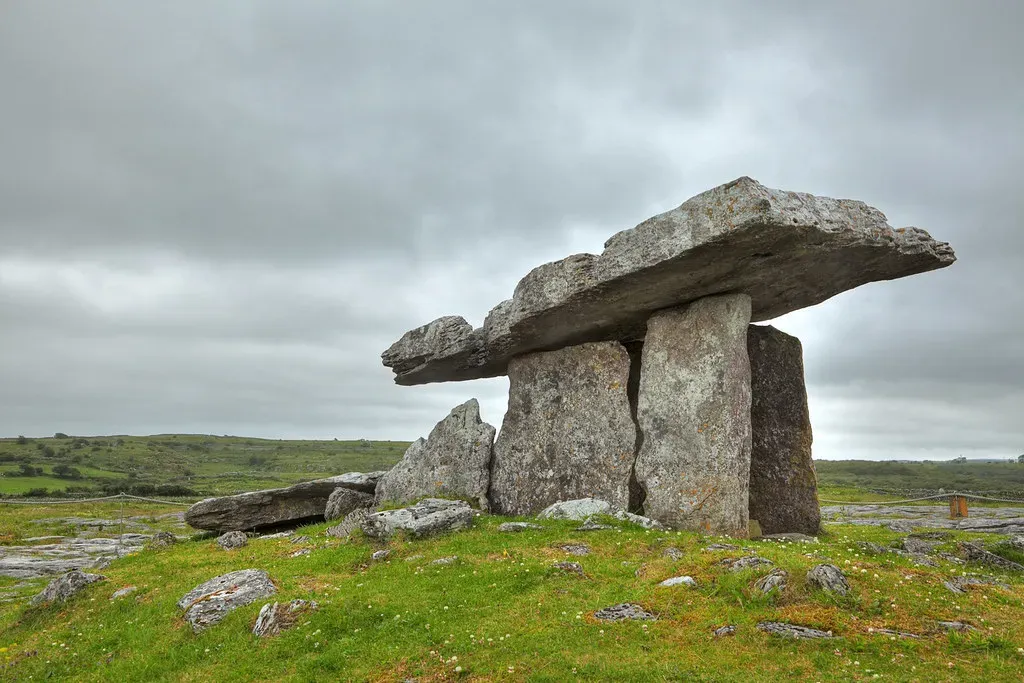
What’s remarkable about all nine of these theories is that none of them are mutually exclusive. A megalith could be an astronomical observatory, a territorial marker, a sacred tomb, and a demonstration of power all at once. People are complex, and ancient people were no different. These monuments represent some of the earliest evidence of organized, large-scale construction, and they reveal how complex early societies actually were in terms of engineering, social organization, and ritual life.
Megaliths are reminders that ancient people were neither primitive nor simplistic. They were thinkers, observers of the sky, organizers of communities, and storytellers in stone. Every generation that stands before Stonehenge, Göbekli Tepe, or Newgrange is essentially receiving a message from thousands of years ago, proof that human beings have always needed to reach beyond the ordinary. The stones endured. The questions they raise endure with them.
Which of these theories surprised you most? Drop your thoughts in the comments, because honestly, the conversation about these ancient wonders is just getting started.