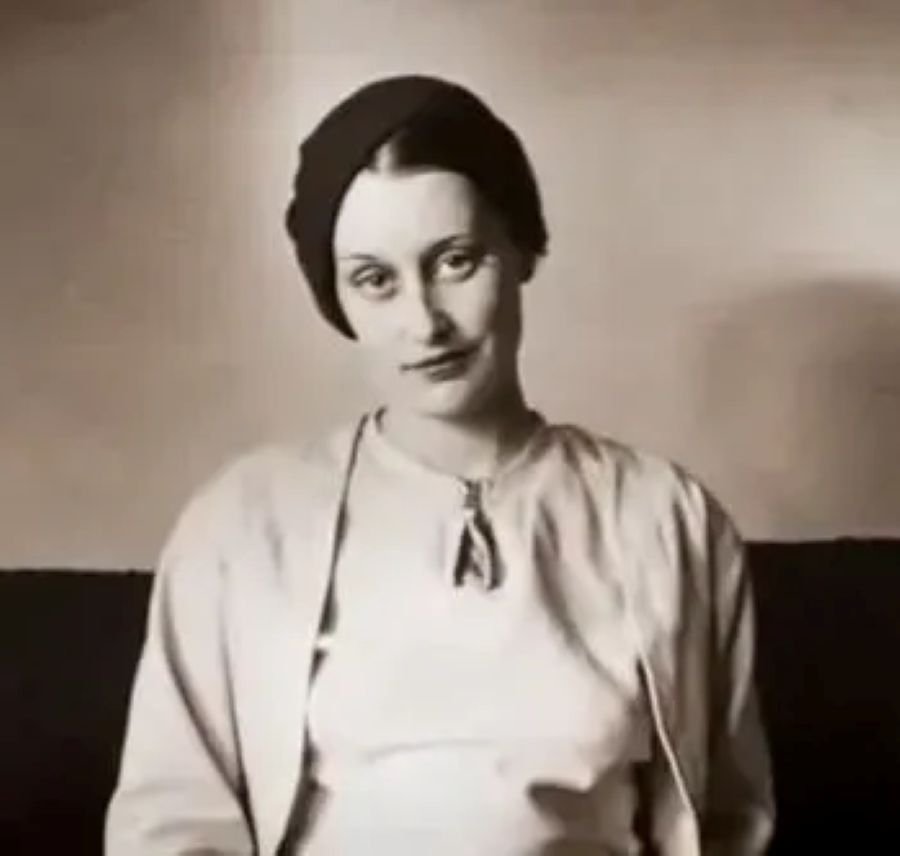

History is brimming with tales that defy belief, where the lives of certain individuals unfold in ways that seem more like the plot of a novel than reality. Let’s delve into the stories of nine such figures whose real-life adventures are truly stranger than fiction.
James Annesley: The Kidnapped Heir
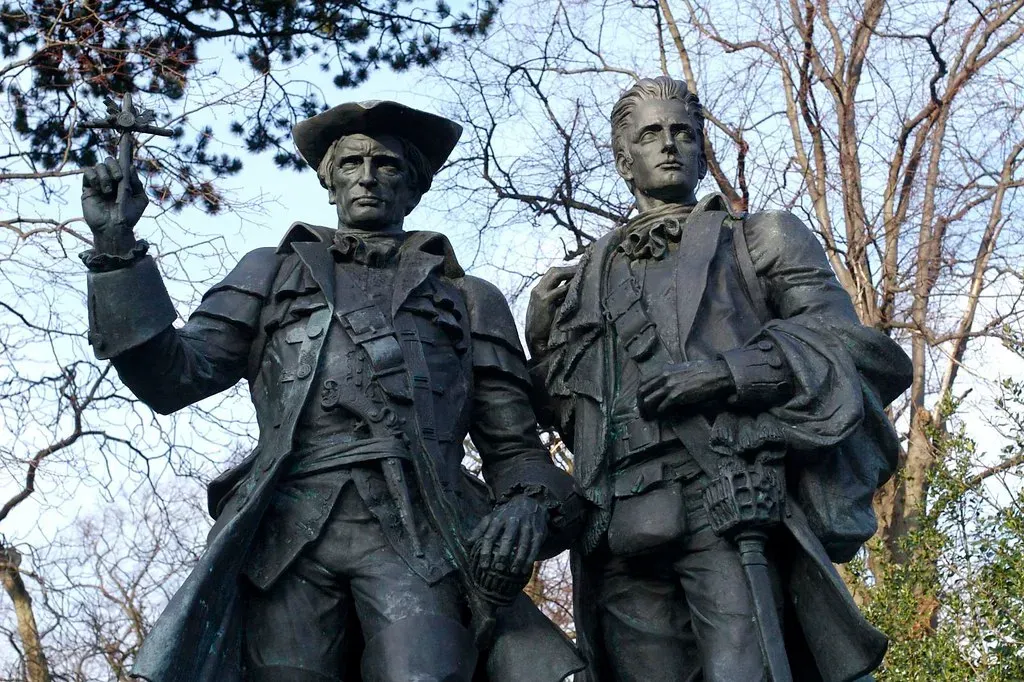
Imagine being the rightful heir to a vast estate, only to be kidnapped and sold into servitude by your own uncle. This was the fate of James Annesley in the 18th century. Born into Irish nobility, James’s life took a dramatic turn when his uncle, Richard Annesley, sought to claim the family title and wealth for himself. To eliminate James from the line of succession, Richard had him abducted and shipped off to America as an indentured servant.
After enduring years of hardship, James managed to escape and return to Ireland, where he initiated a legal battle against his uncle to reclaim his birthright. His story captivated the public and is believed to have inspired literary works, including Robert Louis Stevenson’s “Kidnapped.” The tale of James Annesley serves as a stark reminder of the lengths to which individuals will go for power and the resilience of the human spirit in the face of betrayal.
Jonathan Wild: The Criminal Mastermind
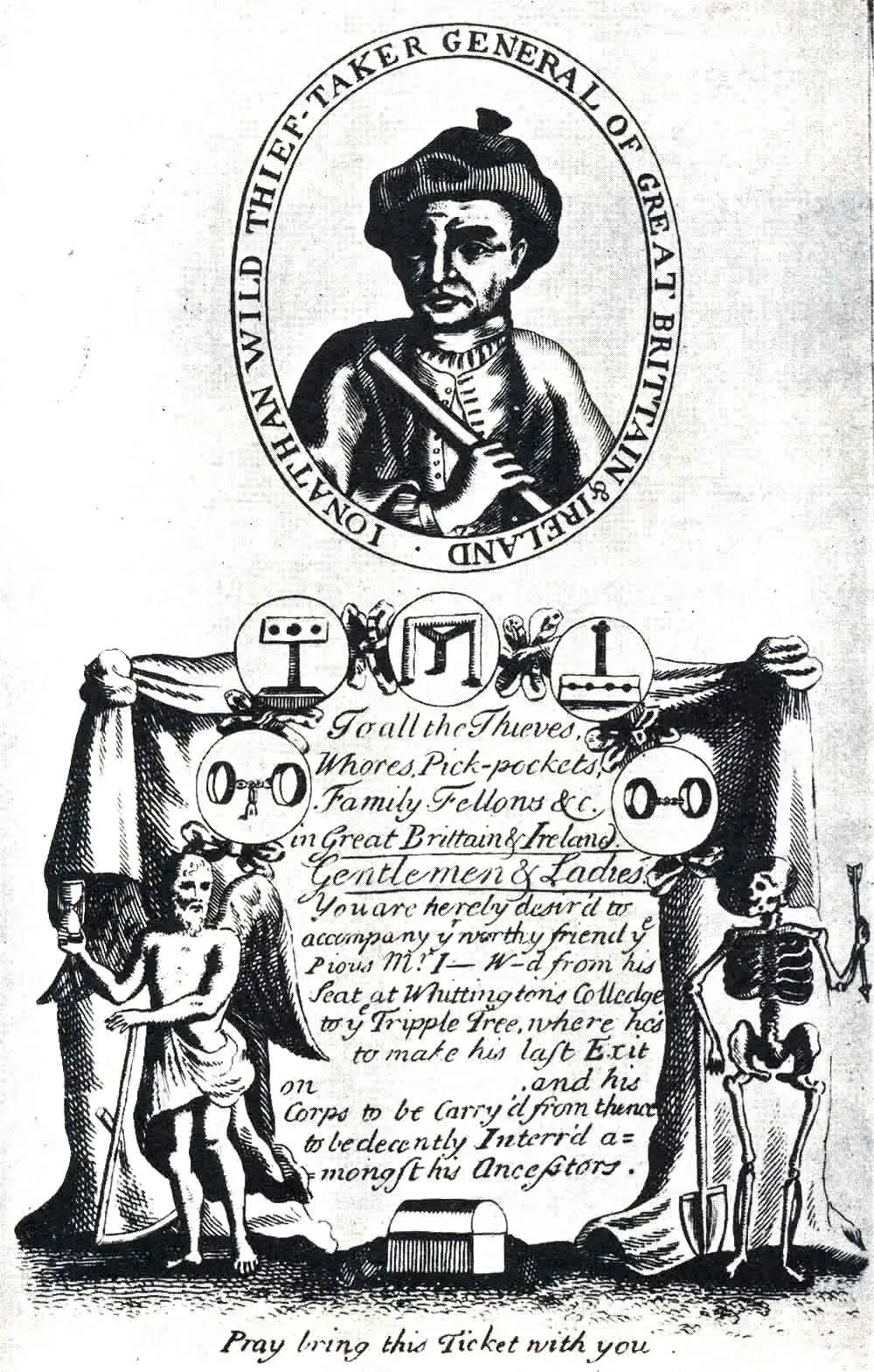
In the early 18th century, London was both enthralled and terrorized by Jonathan Wild, a man who orchestrated a vast criminal network while posing as a law enforcer. Wild cunningly positioned himself as a “thief-taker,” a person who captured criminals for rewards. However, he was, in fact, the orchestrator of many of the crimes he claimed to solve.
By controlling both the criminal underworld and the justice system, Wild ensured that only those thieves who defied his authority were apprehended, while his loyal subordinates operated with impunity. His double life eventually unraveled, leading to his arrest and execution. Wild’s story is a testament to the complexities of human nature and the blurred lines between heroism and villainy.
Isadora Duncan: The Dance Revolutionary
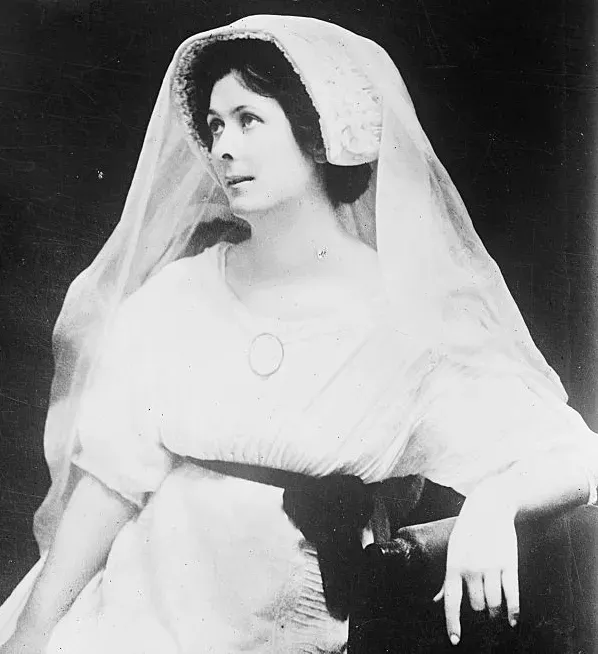
Isadora Duncan, born in 1877, revolutionized the world of dance by breaking away from the rigid structures of ballet to embrace natural movement. Dancing barefoot and clad in flowing garments, she sought to express raw emotion and the human experience through her performances. Her innovative approach laid the foundation for modern dance as we know it today.
Duncan’s personal life was as unconventional as her art. She engaged in numerous love affairs and faced personal tragedies, including the loss of her two children in a drowning accident. Her own death was equally dramatic; she died in 1927 when her scarf became entangled in the wheel of a car, leading to her strangulation. Duncan’s life and death underscore the often tumultuous intersection of art and personal existence.
Wojtek: The Soldier Bear
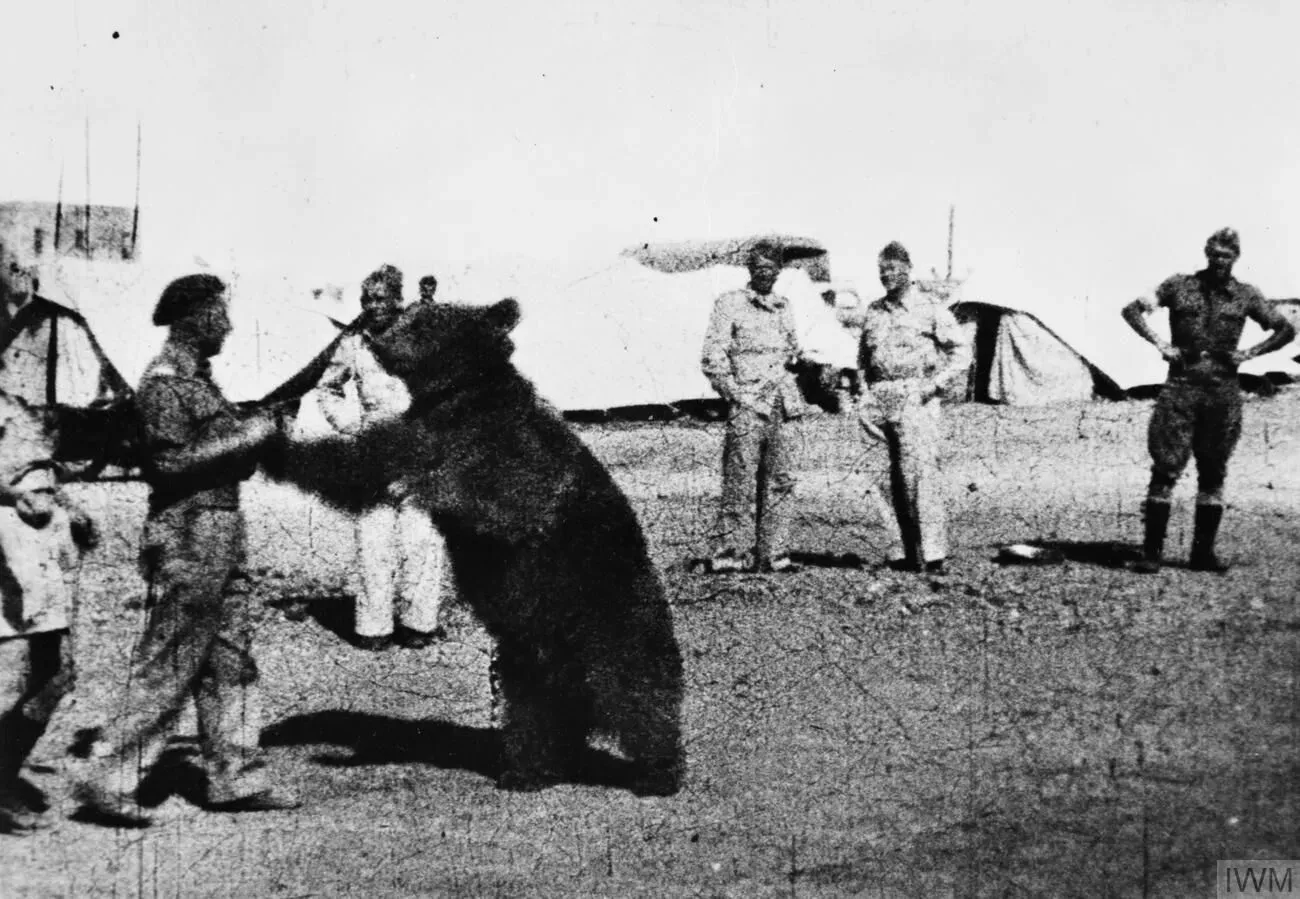
During World War II, the Polish Army adopted an unlikely comrade: a Syrian brown bear named Wojtek. Purchased as a cub by soldiers in Iran, Wojtek was raised among the troops, sharing their rations and even learning to salute. As he grew, he became a symbol of camaraderie and resilience for the soldiers.
Wojtek’s most notable contribution came during the Battle of Monte Cassino, where he helped carry ammunition to the front lines. To formalize his role, he was enlisted as a private in the Polish Army, complete with a service number and rank. After the war, Wojtek retired to the Edinburgh Zoo, where he lived out his days, visited by his former comrades. His story is a heartwarming example of the bonds that can form between humans and animals, even in the most trying circumstances.
Jean Ross: The Real-Life Sally Bowles
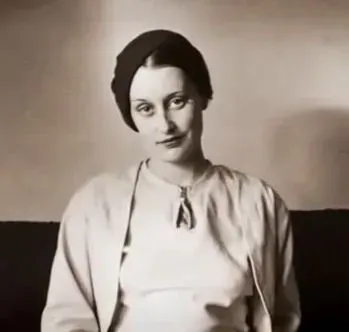
Jean Ross, a British cabaret singer in 1930s Berlin, became the inspiration for the character Sally Bowles in Christopher Isherwood’s “Goodbye to Berlin,” which later inspired the musical “Cabaret.” Ross’s life was a tapestry of artistic pursuit and political activism, set against the backdrop of a city on the brink of upheaval.
After fleeing Nazi Germany, Ross became a journalist, covering the Spanish Civil War and aligning herself with leftist causes. Her multifaceted life challenges the simplistic portrayals often found in fiction, highlighting the complexities of individuals who navigate art, politics, and personal convictions in turbulent times.
Phineas Gage: The Man with the Iron Will
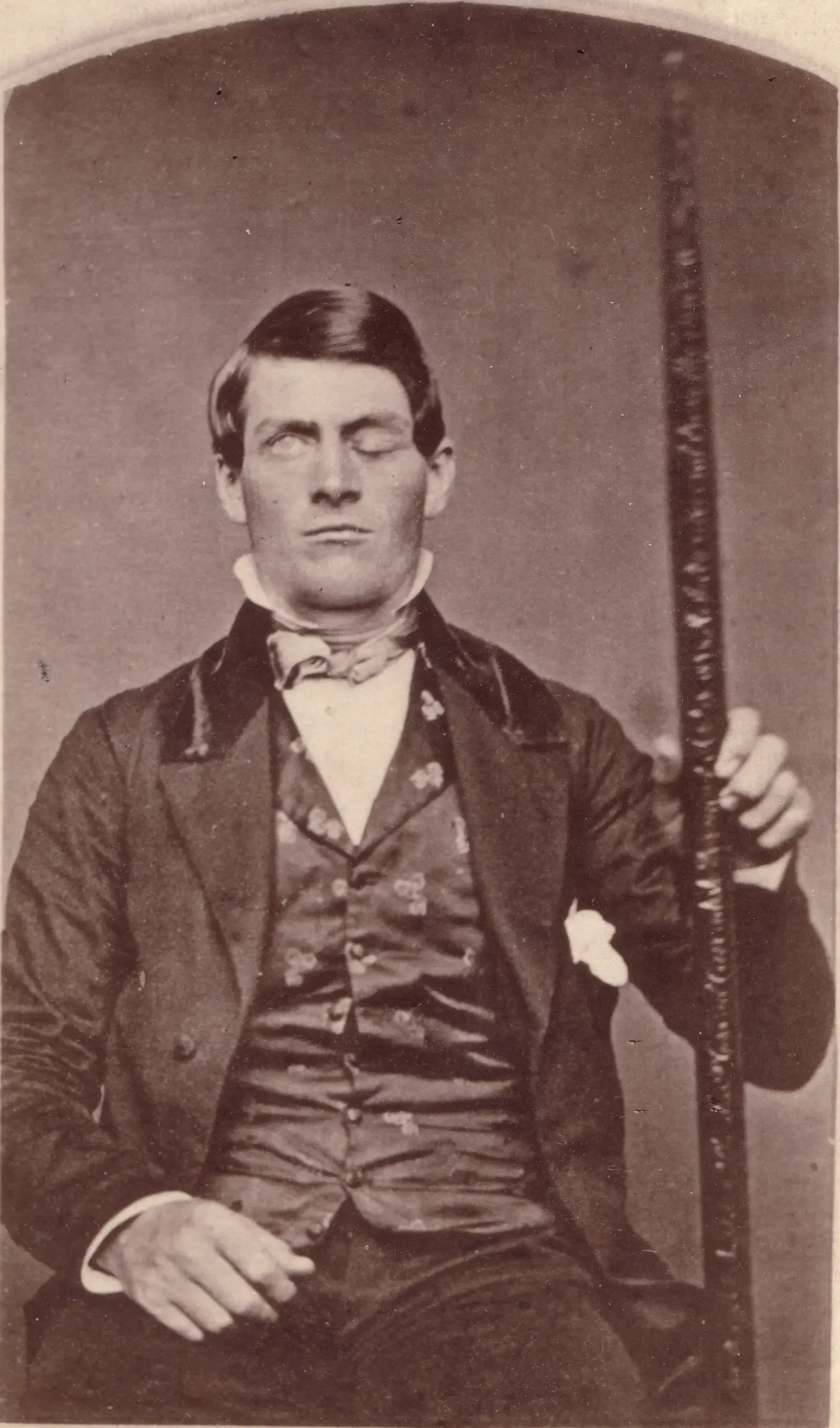
In 1848, railroad worker Phineas Gage survived a catastrophic accident that sent a tamping iron through his skull, destroying much of his brain’s left frontal lobe. Remarkably, Gage not only survived but was able to speak and walk shortly after the incident.
However, those who knew him noted significant changes in his personality and behavior, making Gage one of the first documented cases linking brain injury to changes in personality. His case has provided invaluable insights into the workings of the human brain and continues to be studied in neuroscience and psychology.
Emperor Norton I: America’s Self-Proclaimed Monarch
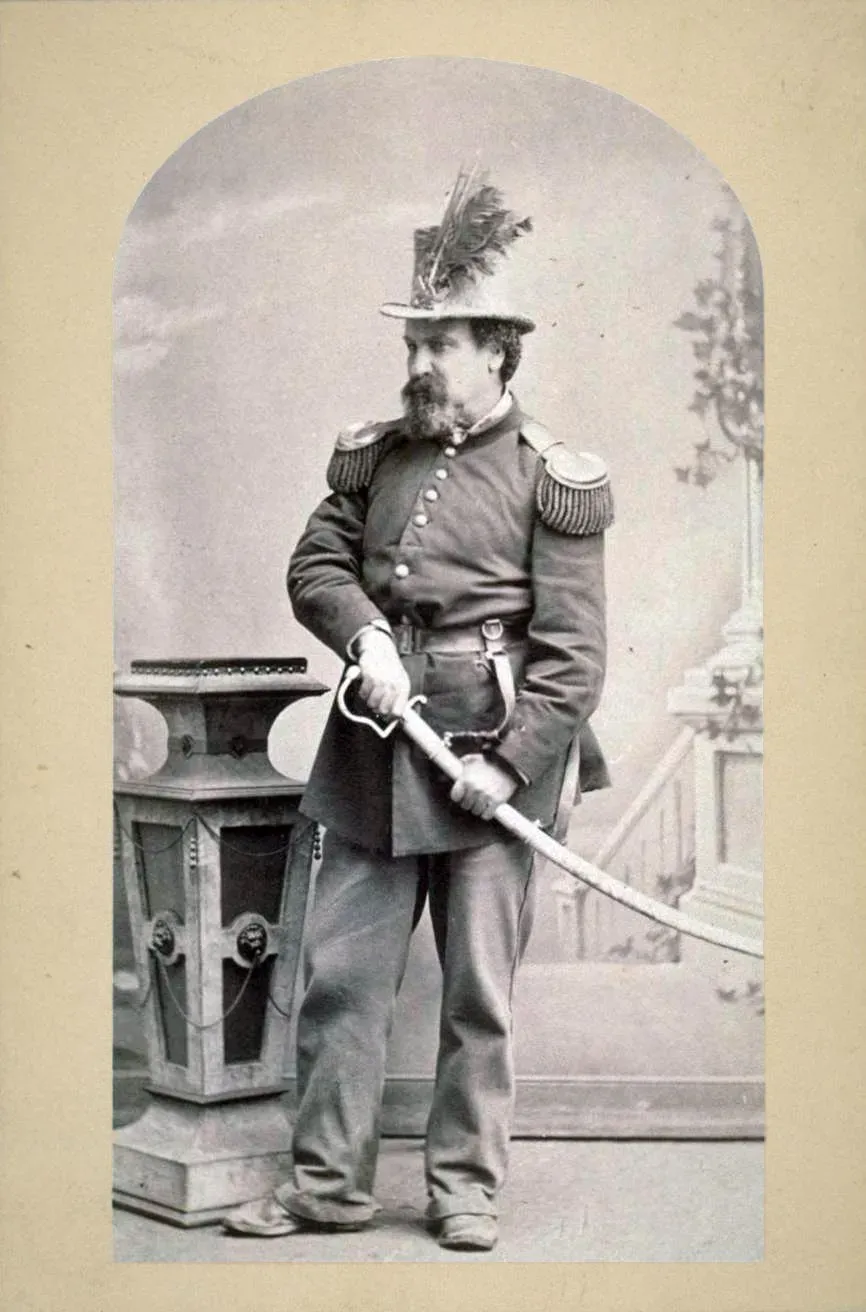
In 1859, Joshua Abraham Norton, a failed businessman in San Francisco, declared himself “Emperor of the United States.” Rather than dismissing him as delusional, the citizens of San Francisco embraced Norton, humoring his decrees and even accepting his self-issued currency.
Emperor Norton became a beloved figure, known for his eccentric proclamations and benevolent nature. His funeral in 1880 was attended by thousands, a testament to the affection the city held for its self-appointed monarch. Norton’s life is a fascinating example of how society can embrace and celebrate individuality and eccentricity.
Lyudmila Pavlichenko: The Deadliest Female Sniper
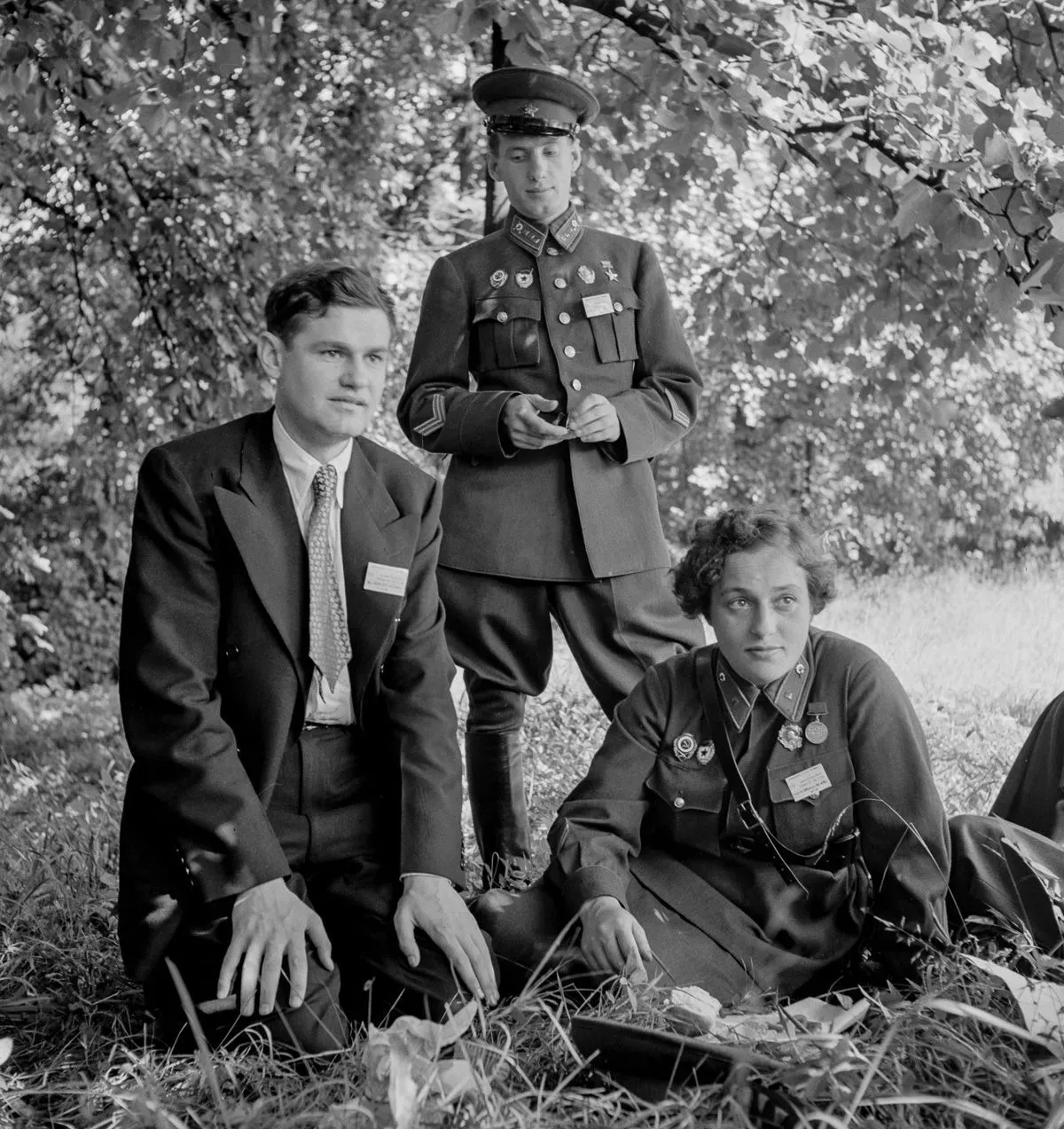
During World War II, Lyudmila Pavlichenko became one of the most successful snipers in history, with 309 confirmed kills. Serving in the Red Army, she earned the nickname “Lady Death” and became a symbol of Soviet resistance against the Nazis.
After being wounded, Pavlichenko toured the United States and Canada, advocating for the opening of a second front against Germany. Her story challenges traditional gender roles and highlights the significant contributions of women in combat during the war.
Ikkyu Sojun: The Zen Rebel
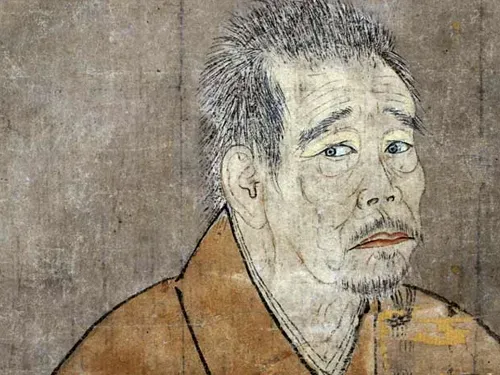
Ikkyu Sojun, a 15th-century Japanese Zen Buddhist monk, was known for his unconventional approach to spirituality. Rejecting the rigid formalities of monastic life, he embraced a path that included poetry, art, and even romantic relationships.
Ikkyu’s teachings emphasized the importance of direct experience and personal insight over ritualistic practice. His life and work have had a lasting impact on Japanese culture, influencing everything from the tea ceremony to literature. Ikkyu’s story is a reminder of the diverse paths to enlightenment and the value of authenticity in spiritual practice.
These nine individuals lived lives that defy conventional narratives, each embodying stories that are indeed stranger than fiction. Their experiences remind us that history is filled with tales of resilience, innovation, and the indomitable human spirit.