
Stand almost anywhere on Earth, and you’re standing on the aftermath of something dramatic. The smooth beach, the jagged mountain, the quiet field where nothing much seems to happen – all of it is the frozen echo of forces so violent it’s almost hard to imagine. Our planet looks calm on the surface, but its history reads more like an action movie than a bedtime story.
What’s even wilder is that many of the landscapes we admire today – from the Grand Canyon to the Himalayas – exist only because Earth spent billions of years breaking itself apart, crashing into itself, and occasionally nearly wiping the slate clean. Let’s walk through nine of the most powerful geological events that quite literally built the world beneath our feet.
The Formation of Earth’s First Crust and Oceans
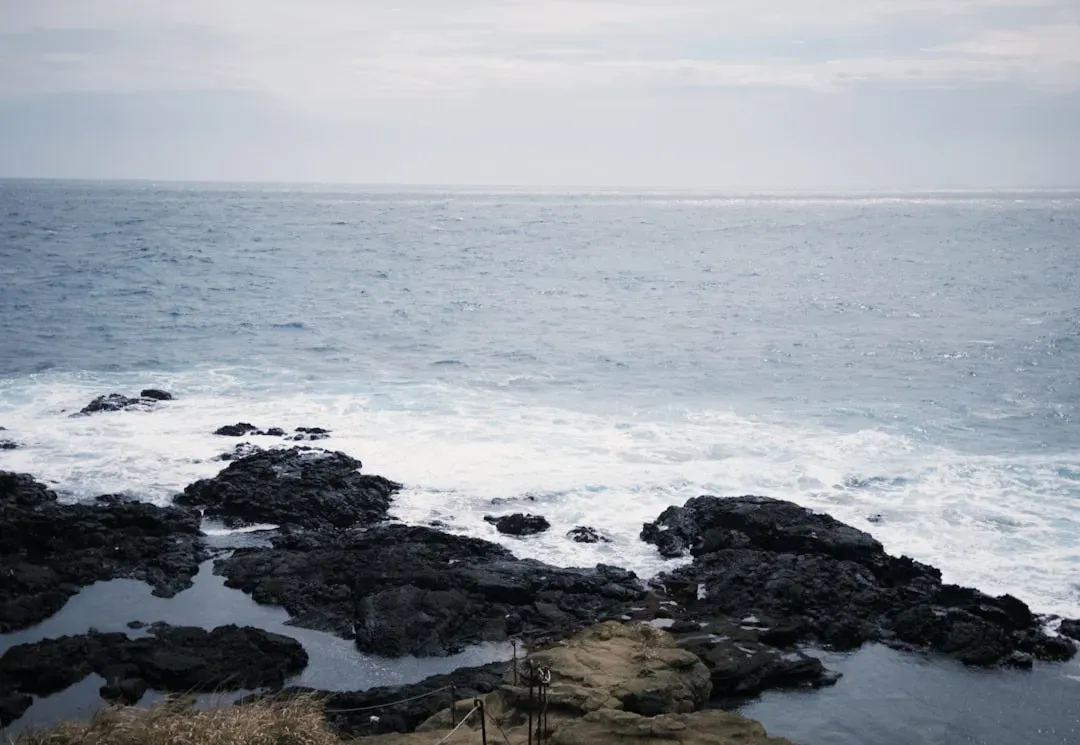
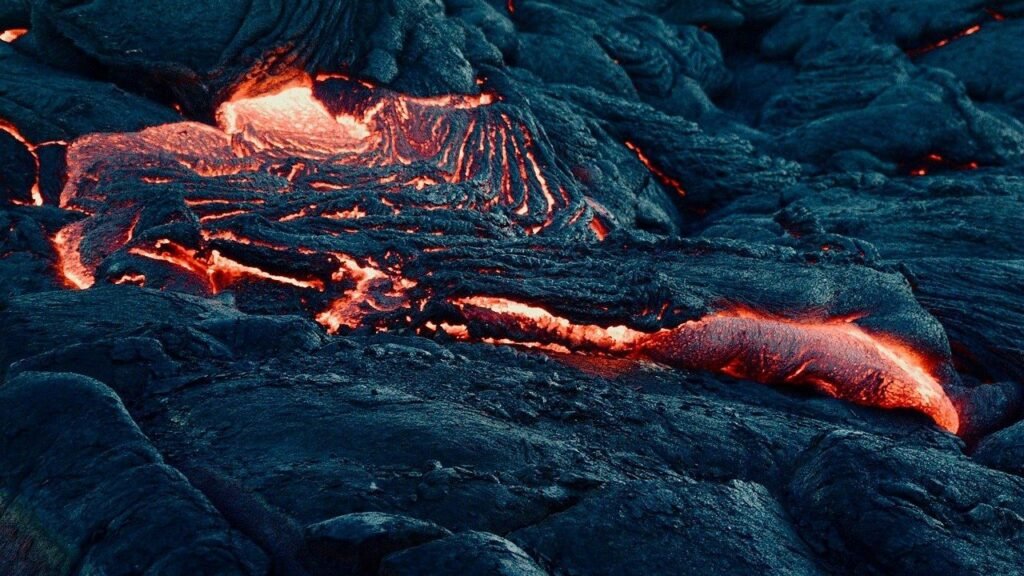
There was a time when Earth had no solid ground at all – just an ocean of magma and a hellish atmosphere. As the planet slowly cooled, a thin, fragile crust began to harden on top, like the surface of cooling lava. Water vapor from volcanic eruptions and leftover material from the early solar system condensed and fell as rain, eventually filling the low-lying areas to become the first primitive oceans.
This shift from fire to water transformed everything. Those early oceans provided a stable, protective environment where the first simple life could emerge, probably on the seafloor or in shallow coastal pools. The crust beneath them started moving, cracking, and recycling, setting the stage for plate tectonics. It’s strange to think that something as peaceful as a lake or a shoreline traces back to an era when the entire planet was closer to a furnace than a home.
The Onset of Plate Tectonics and Moving Continents
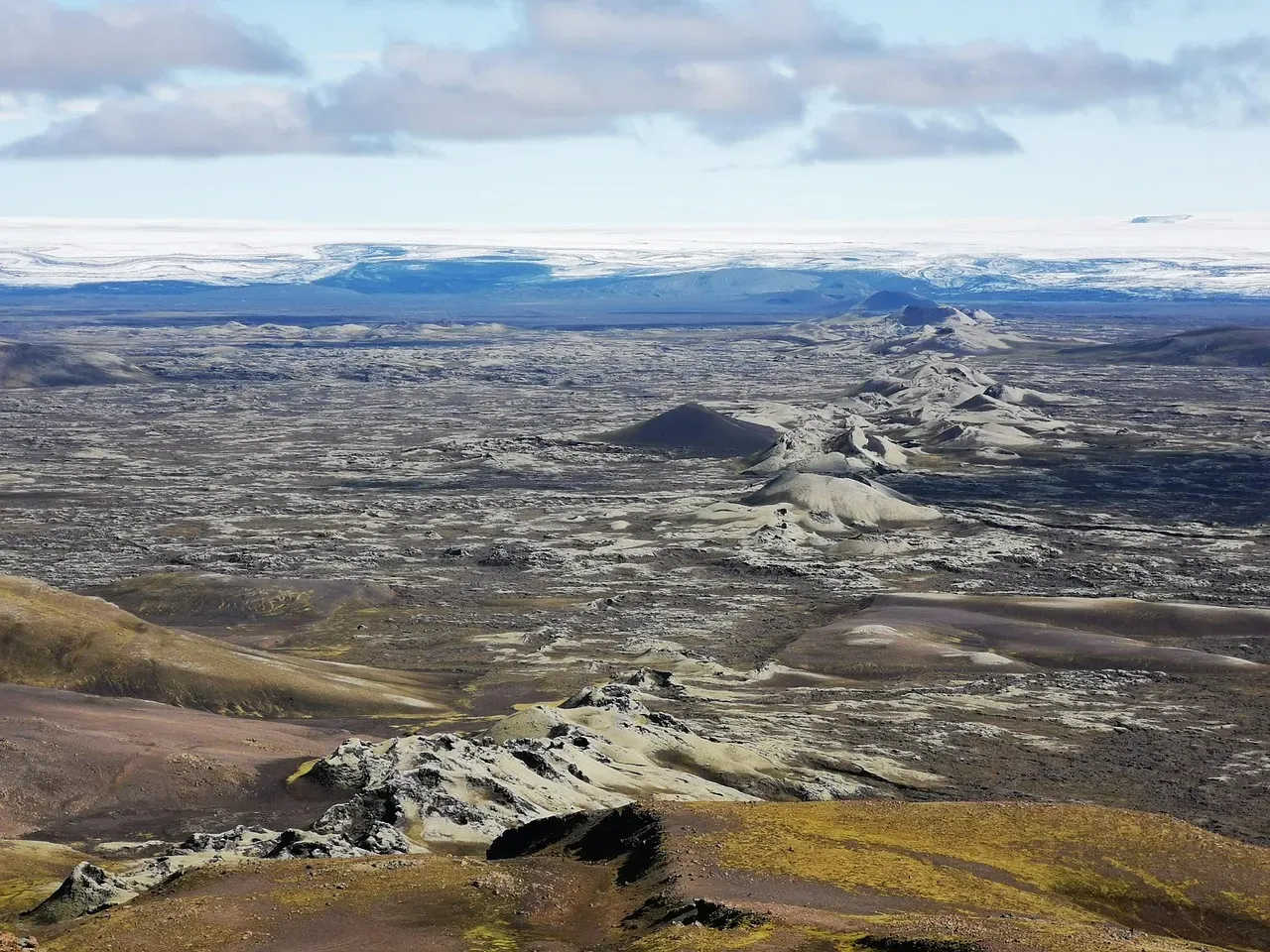
At some point in Earth’s early history, the crust stopped behaving like a single rigid shell and started acting like a broken eggshell sliding around on a softer, hotter mantle below. That moment – the birth of plate tectonics – turned Earth from a static rock into a restless, reshaping machine. Massive slabs of crust began drifting, colliding, and sinking beneath each other, constantly recycling and rebuilding the surface.
The continents we know today are basically rafts riding on these plates. Over hundreds of millions of years, they’ve crashed together to form supercontinents and then ripped apart again. Mountains rise, oceans open and close, and volcanoes trace out fiery arcs along plate boundaries. Without plate tectonics, there would likely be no towering mountain chains, fewer islands, and a much less diverse landscape – and possibly a far less hospitable climate for life.
The Great Oxygenation Event That Rusted the Planet
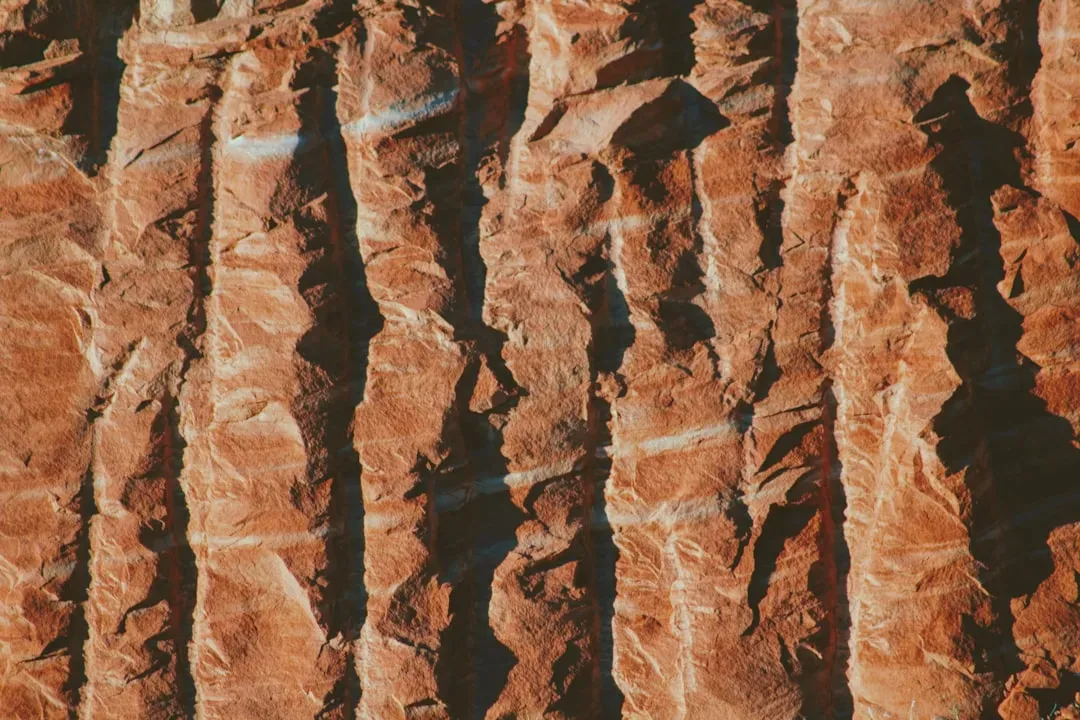
Billions of years ago, Earth’s atmosphere was almost completely devoid of oxygen. Then tiny photosynthetic microbes in the oceans began releasing oxygen as a waste product, slowly but relentlessly changing the air and water chemistry. Over vast stretches of time, that oxygen reacted with dissolved iron in the oceans, forming iron-rich minerals that settled to the seafloor and created thick layers of rock sometimes called “banded iron formations.”
At first, this oxygen boom was more catastrophe than miracle. Many early life forms that couldn’t handle oxygen likely died out, and Earth went through dramatic chemical and environmental shifts. But that same oxygen eventually built the atmosphere that animals – including us – depend on to breathe. The rust-colored rocks in ancient formations are like scars from a planetary makeover that turned a suffocating world into one where complex life could eventually flourish.
The Rise and Crash of the Supercontinents (Rodinia, Pangaea, and More)
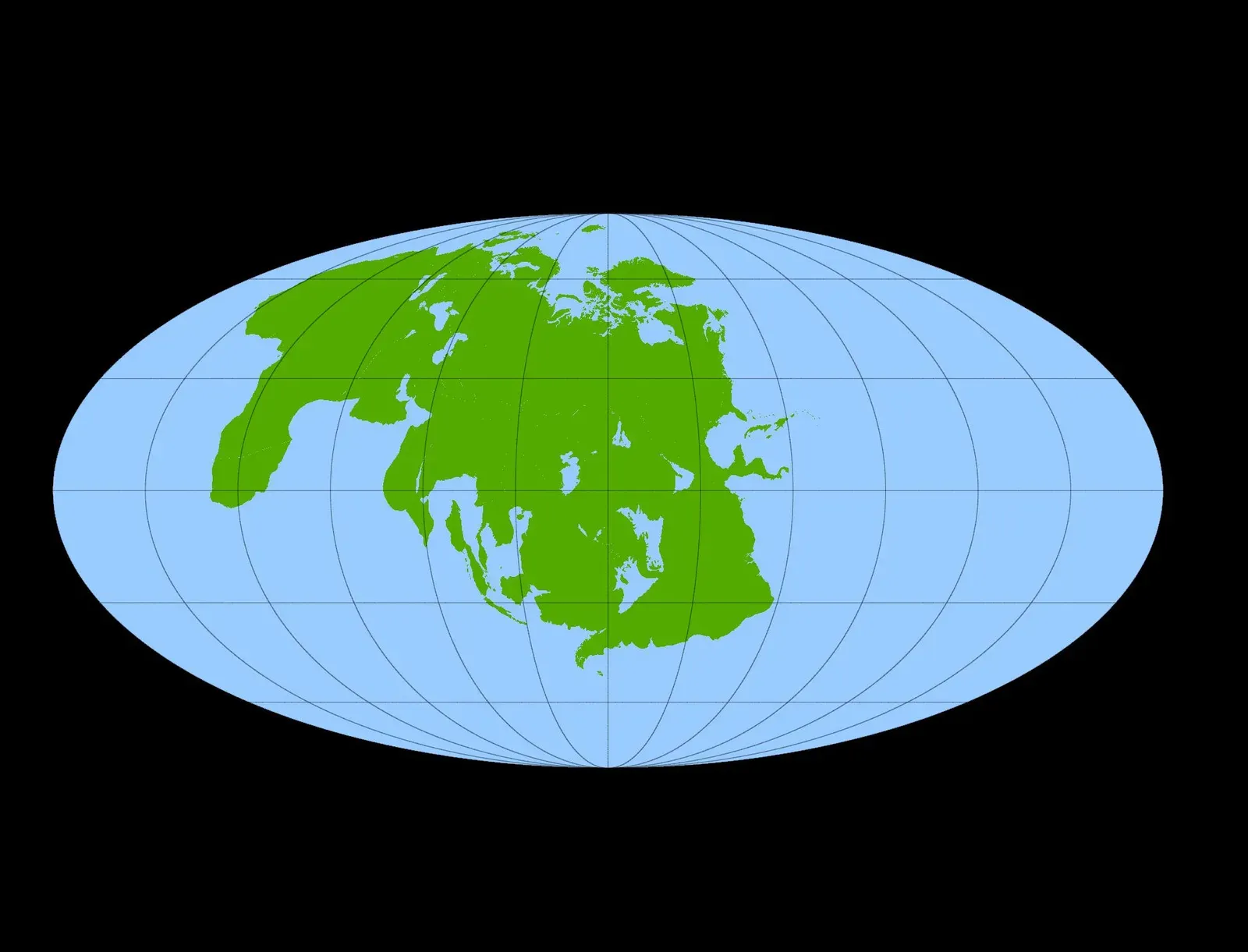
Continents don’t just wander around randomly; they sometimes gather into giant supercontinents that dominate the planet. Long before Pangaea, earlier supercontinents like Nuna and Rodinia came together, broke apart, and rearranged Earth’s geography on a global scale. When continents collide, they crumple and thicken, building huge mountain ranges and reshaping climates far beyond the collision zone.
Pangaea, the best-known supercontinent, stitched together nearly all land about a few hundred million years ago. Its interior was likely hot, dry, and harsh, while vast coastlines shrank. When Pangaea started to rip apart, the Atlantic Ocean opened and new continental shapes emerged. Many present-day landscapes, from the Appalachian Mountains to the coastlines of Africa and South America, still carry the fingerprints of that supercontinent’s rise and breakup.
Snowball Earth Glaciations That Nearly Froze the Planet
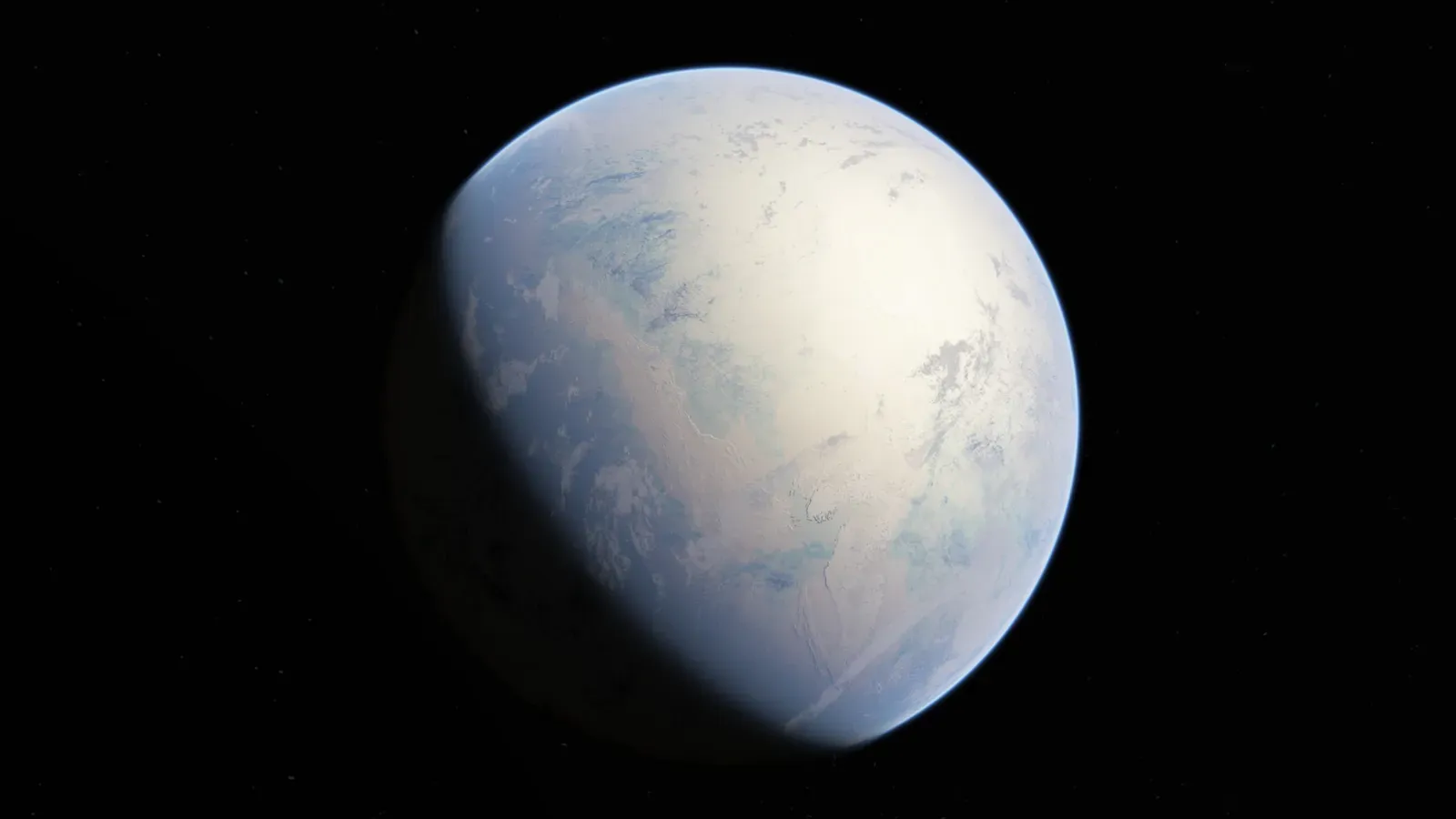
There were periods in Earth’s deep past when ice may have stretched from pole to pole, turning the planet into something resembling a frozen marble in space. Glaciers may have flowed over continents at low latitudes, and oceans could have been capped by thick ice. These so‑called Snowball Earth episodes would have been brutal for life, limiting habitable zones mostly to small refuges under the ice or near volcanic hotspots.
Yet these global deep freezes might also have been strangely productive in the long run. As ice advanced and retreated, it scraped and ground rock into fine sediment, exposing fresh minerals that later helped fuel complex ecosystems. Volcanic gases slowly built up in the atmosphere under the ice, eventually triggering intense greenhouse warming and rapid melting. When the planet thawed, huge influxes of nutrients into the oceans may have helped set the stage for the explosion of diverse life that followed.
The Great Dying: The End-Permian Mass Extinction
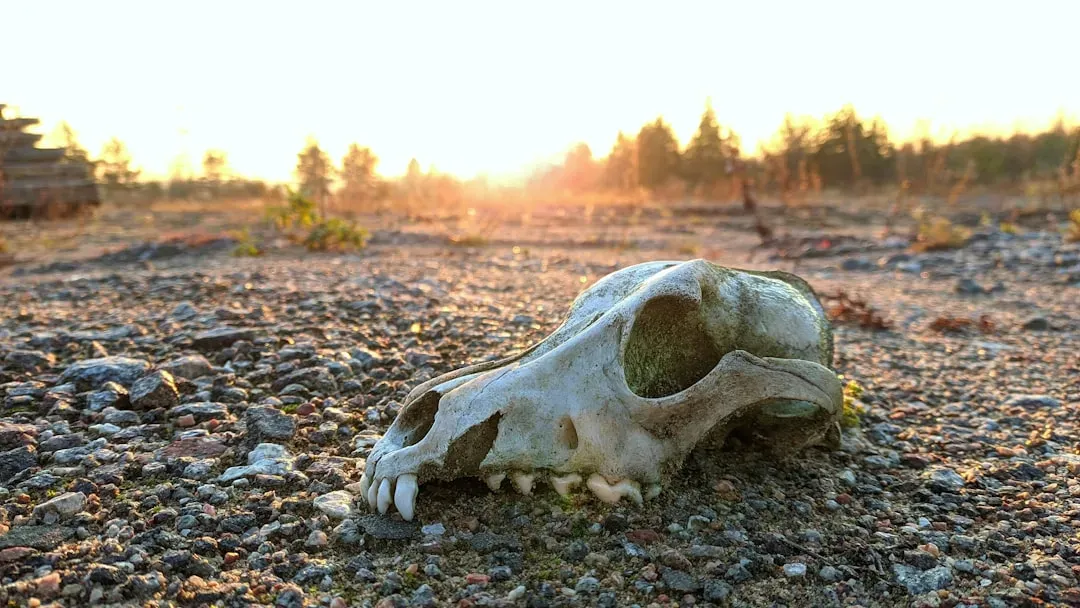
Roughly about a quarter of a billion years ago, Earth went through the closest thing it has ever seen to a total reset. During the end-Permian mass extinction, often nicknamed the Great Dying, the vast majority of marine species and a huge share of land species vanished. Many scientists connect this catastrophe to enormous volcanic eruptions in what is now Siberia, which spewed lava and gases over long periods of time.
Those eruptions likely pumped massive amounts of carbon dioxide and other gases into the atmosphere, heating the planet, acidifying the oceans, and stripping away oxygen from the water. Coral reefs collapsed, forests withered, and whole ecosystems unraveled. As horrifying as it sounds, life did slowly rebound, and the survivors paved the way for new groups to dominate. Some of the ecosystems and evolutionary paths that eventually led to dinosaurs and mammals may never have existed without this brutal filter event.
The Chicxulub Impact and the Fall of the Dinosaurs
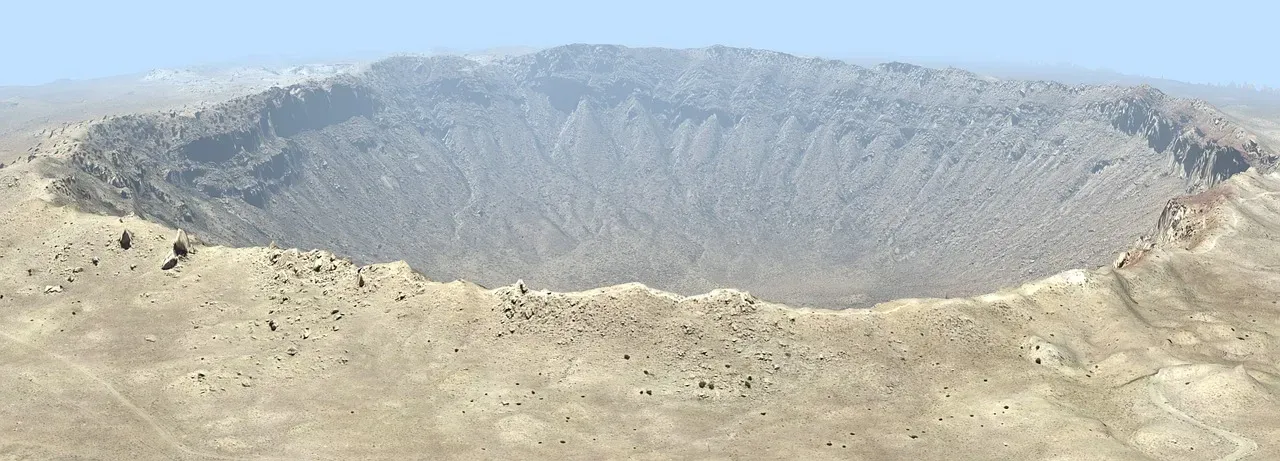
Sixty-six million years ago, an asteroid or comet slammed into what is now the Yucatán Peninsula in Mexico, carving out the Chicxulub crater. The energy released was far beyond anything humans could generate, triggering shock waves, wildfires, tsunamis, and a global dust cloud. That cloud likely dimmed sunlight for months or years, crushing photosynthesis and sending food chains into free fall.
On land, many large dinosaurs didn’t make it through the aftermath, while in the oceans, many reptile groups and marine organisms also disappeared. But extinction for some meant opportunity for others. Mammals, which had mostly been small and relatively minor players, started to diversify and expand into ecological roles left open. The modern landscapes we know – with grazing mammals, birds, and eventually humans – are all part of the long echo of that single, devastating impact.
The Sculpting Power of Ice Ages and Their Retreat
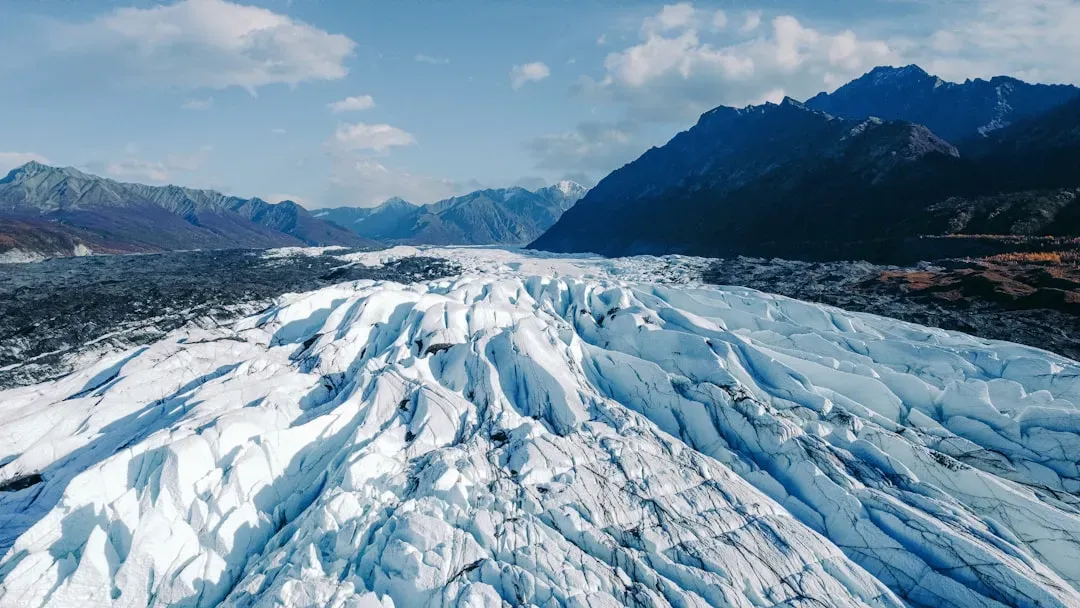
In the recent stretch of Earth’s history, repeated ice ages have carved and polished the land in ways that are still easy to see. Vast ice sheets spread over North America, Europe, and Asia, grinding mountains, scooping out basins, and pushing huge piles of rock and soil ahead of them. When the ice melted, it left behind valleys, lakes, rolling hills, and rich soils that now support farms, forests, and cities.
Many beloved landscapes, from the fjords of Norway to the Great Lakes of North America, are direct products of glacial sculpting. Even places that aren’t icy today were once under kilometers of ice. As the last major ice sheets retreated, they also raised sea levels, redrew coastlines, and changed local climates. In a very real sense, the ground we walk, farm, and build on was finished by ice acting like a slow, relentless sculptor with a chisel made of frozen water.
A Restless Planet Under Our Feet
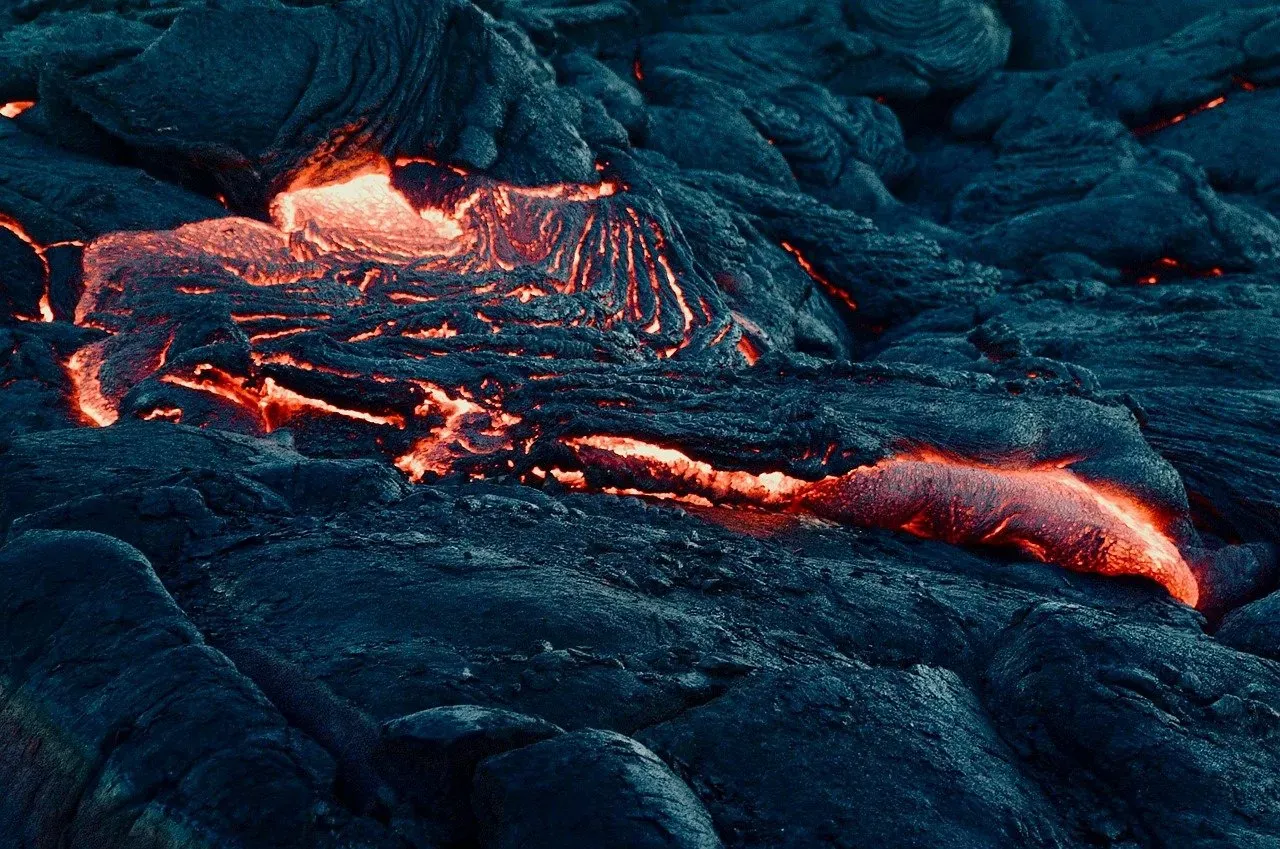
When you zoom out over Earth’s history, the calm landscapes we love start to look like snapshots from a long, chaotic film. Impacts, eruptions, freezing episodes, drifting continents, and crushing extinctions have all taken turns reshaping the planet. None of the places we know – not mountain ranges, not coastlines, not fertile plains – are permanent; they’re just current versions in a never-ending geological remix.
There’s something strangely comforting in that. We live on a world that survives its own extremes and keeps reinventing itself, even when the changes are harsh or frightening. Next time you see a cliff face, a folded mountain, or a smooth glacial valley, you’re looking at a frozen moment in an ongoing story. What other dramatic transformations are already quietly in motion beneath your feet right now?