
You see them every day on power lines, in parking lots, or cutting across the sky – and yet bird biology is so strange in places that it can feel almost alien. Hidden inside those feathers are behaviors that rewrite what we thought animals could do, from solving logic puzzles to reshaping entire landscapes. This article dives into lesser-known, well-documented facts that reveal just how bizarre, ingenious, and powerful birds really are. Far from being background creatures, they are engineers, strategists, and sometimes ruthless survivalists whose lives intersect with ours in ways we rarely notice. Once you’ve met the birds on this list, it becomes much harder to dismiss that sparrow outside your window as “just a bird.”
1. Some Birds See Ultraviolet Patterns We’re Completely Blind To
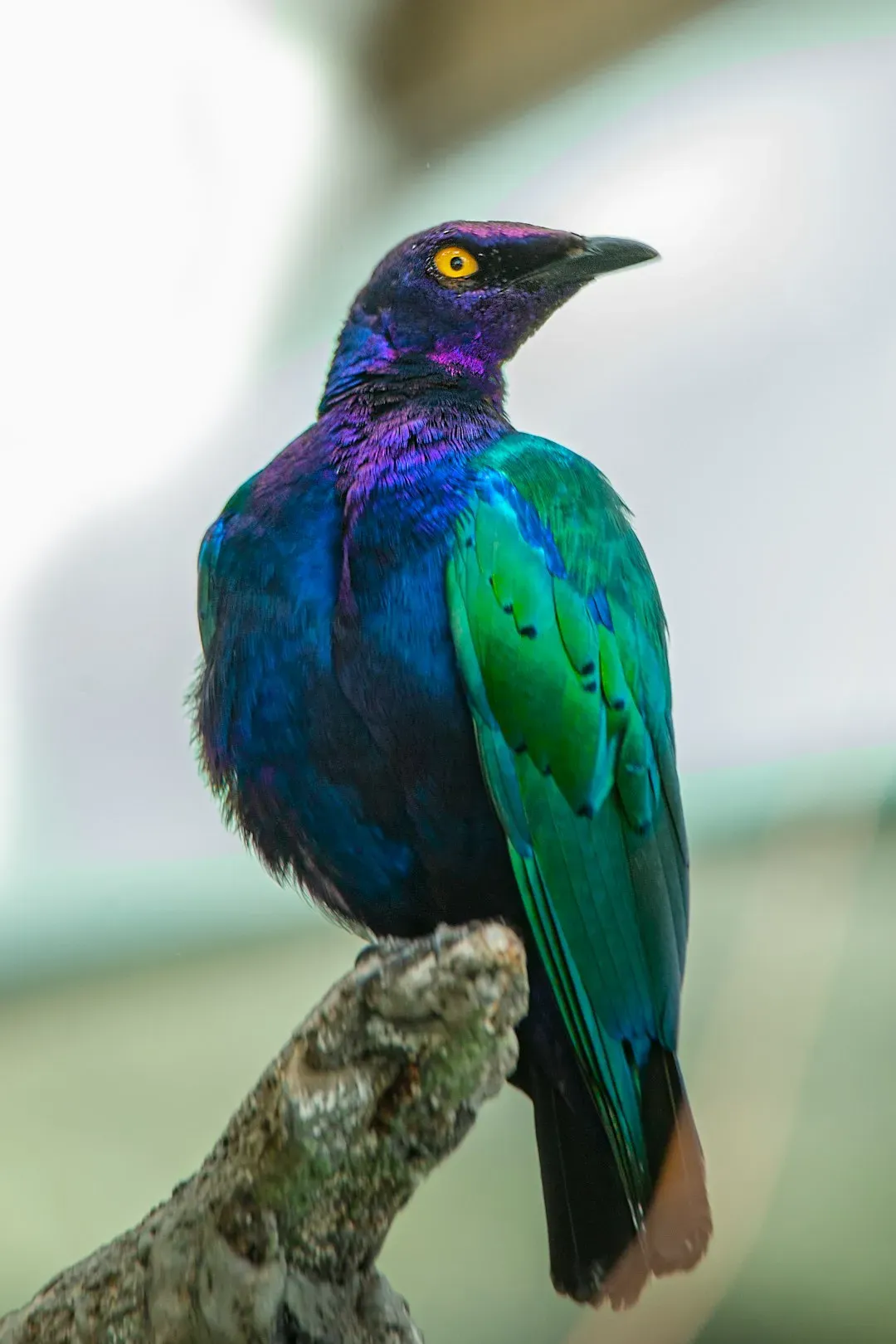
Imagine walking through a forest where every feather, flower, and fruit is overlaid with invisible neon signs only some animals can read. Many birds, from songbirds to raptors, can see ultraviolet light, granting them a richer color spectrum than humans have. What looks like a plain brown bird to us often carries bold UV patterns that signal species, sex, or health to other birds. Even the waxy coating on certain berries reflects UV, acting like a glowing “eat me” sign to hungry thrushes and finches.
This extra slice of the spectrum is not just decorative; it changes how birds navigate and choose mates. Some raptors may use subtle UV traces left by rodent urine to locate hunting grounds in open fields. In seabirds, UV cues can help partners recognize one another in dense, chaotic colonies where everyone sounds roughly similar. When we talk about “dull” birds, we are often judging with impoverished eyes, missing a whole hidden dimension of color that shapes their social and survival strategies.
2. The Bar-Headed Goose Flies Over the Himalayas on the Edge of What’s Biologically Possible
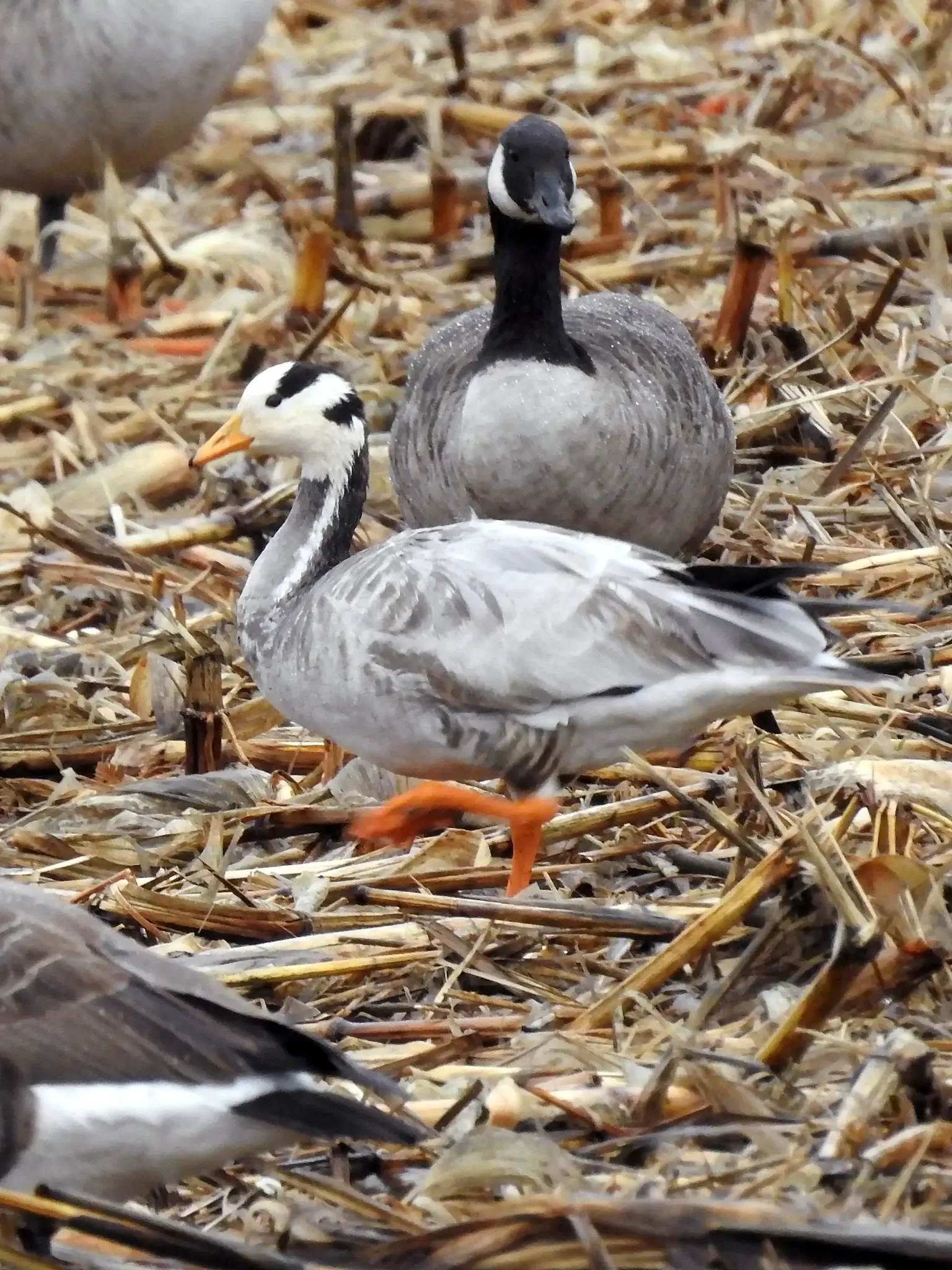
The idea of a bird casually flying over Mount Everest–level heights sounds like a myth, but bar-headed geese do something close to that twice a year. These geese migrate across the Himalayas, reaching altitudes where oxygen is so thin that unacclimated humans can fall unconscious. Their flight muscles and blood chemistry are tuned to this challenge: their hemoglobin binds oxygen more effectively, and their lungs extract more from every breath. Even their wingbeats are fine-tuned to be efficient at the razor-thin edge of hypoxia.
Field data from tagged birds show that many do not simply skirt around the highest peaks but cross through passes where air pressure is still brutally low. They often fly at night or in the early morning, when air is denser and temperatures are colder, which paradoxically helps keep them from overheating under the strain of such intense exertion. It is a migration strategy so extreme that it has become a model system for understanding human high-altitude physiology and even for medical research on oxygen delivery in critical care.
3. Crows and Ravens Can Plan, Use Tools, and Outsmart Human Experiments
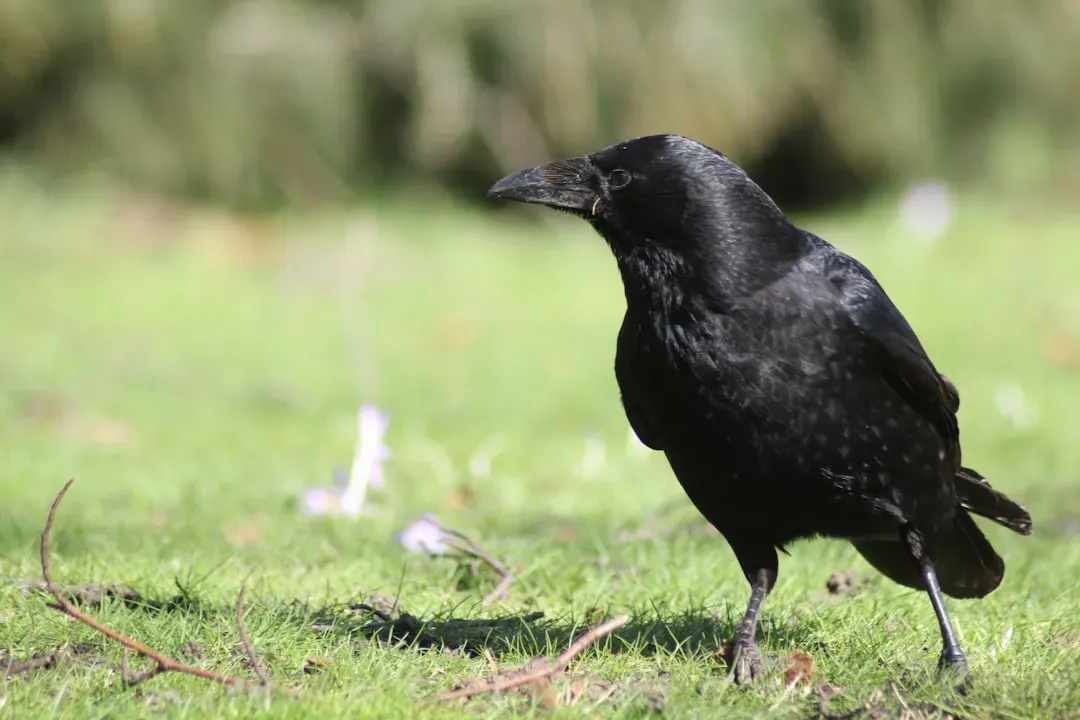
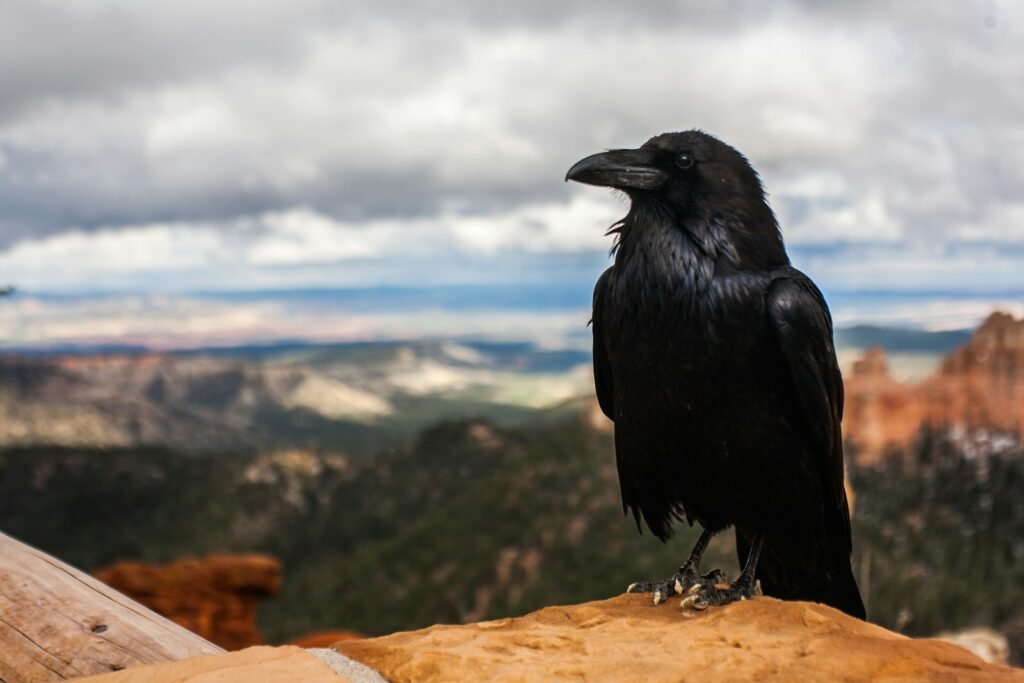
If you think intelligence belongs mainly to primates, corvids – the family that includes crows, ravens, and jays – are here to ruin that hierarchy. In controlled studies, ravens have passed tests that require them to plan ahead, using tools they will only need later rather than grabbing immediate rewards. New Caledonian crows routinely craft hooks from twigs or even metal wire to fish grubs out of crevices, tweaking the design if the first attempt fails. In some experiments, they’ve solved multi-step puzzles that stump young children.
What makes this even stranger is that their brains are small by absolute size but densely packed with neurons, especially in regions that handle complex problem-solving. Certain corvids also cache thousands of seeds and remember where they stashed them months later, in some cases adjusting hiding places based on whether a rival was watching. This cocktail of planning, spatial memory, and improvisation pushes bird cognition into territory that once seemed reserved for mammals like apes and dolphins. It forces us to rethink the lazy habit of using brain size as a shortcut for intelligence.
4. The Hoatzin Chick Climbs with Wing Claws Straight Out of Prehistoric Art
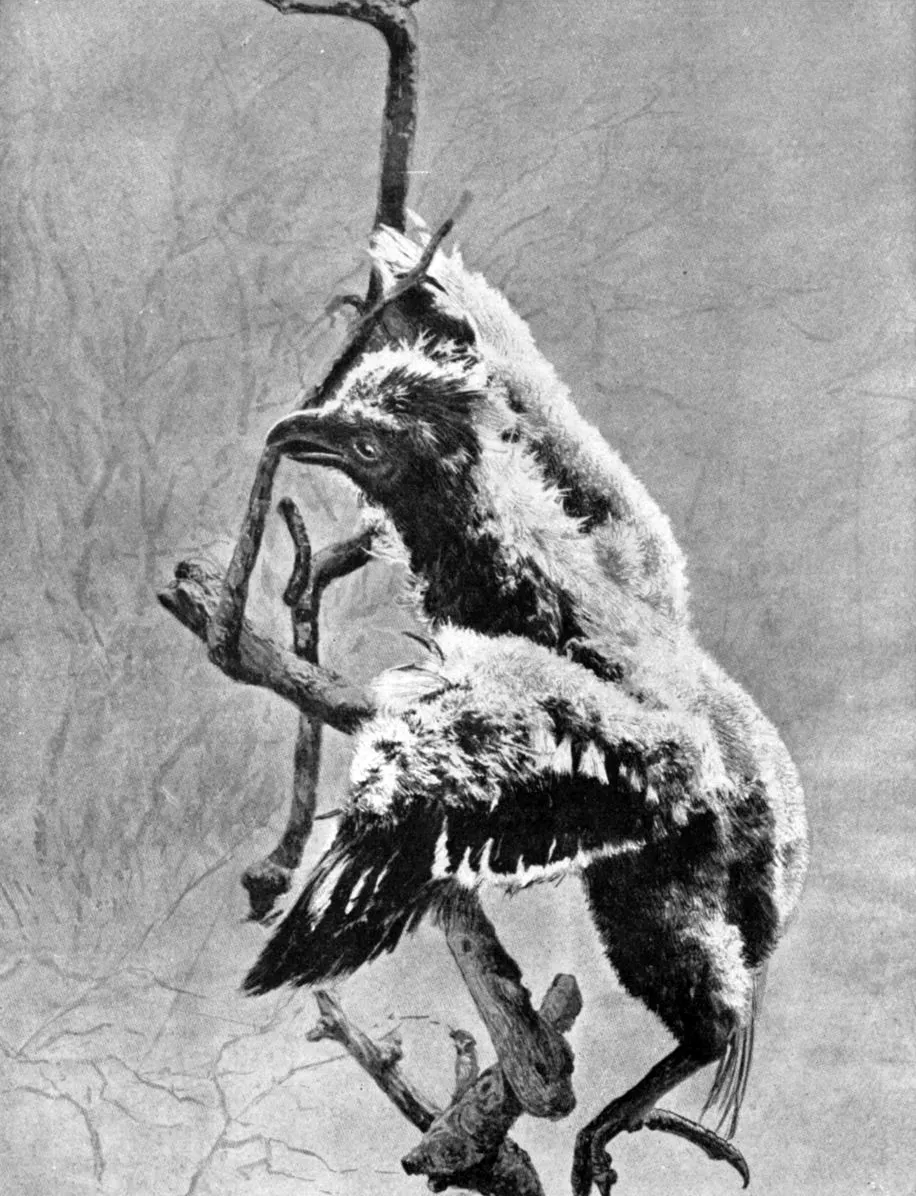
On the backwaters of the Amazon and Orinoco, the hoatzin already stands out as a messy, leaf-eating bird that smells a bit like a barnyard. But the real shock lies in its chicks, which hatch with tiny claws on their wings that they actually use for climbing. When a predator approaches, young hoatzins can drop into the water, swim clumsily, and then haul themselves back up branches using both feet and wing claws. To a human watching from a canoe, it looks more like a small reptile scrambling than a bird learning to fly.
These claws fall off as the chick matures and the wings become fully flight-ready, but the developmental quirk has made the hoatzin a favorite reference point in bird evolution discussions. It is not a living dinosaur, and its claws are not direct throwbacks to ancient species in a simple sense, yet they echo the clawed wings of early birds preserved in fossils. Hoatzins also ferment leaves in an enlarged crop, somewhat like a cow’s rumen, making them one of the only birds with this kind of gut system. Put together, these traits make the species feel like a biological outlier, stubbornly doing bird life its own way.
5. Seabirds Like Albatrosses Navigate Oceans with an Internal Map of Smell and Magnetism
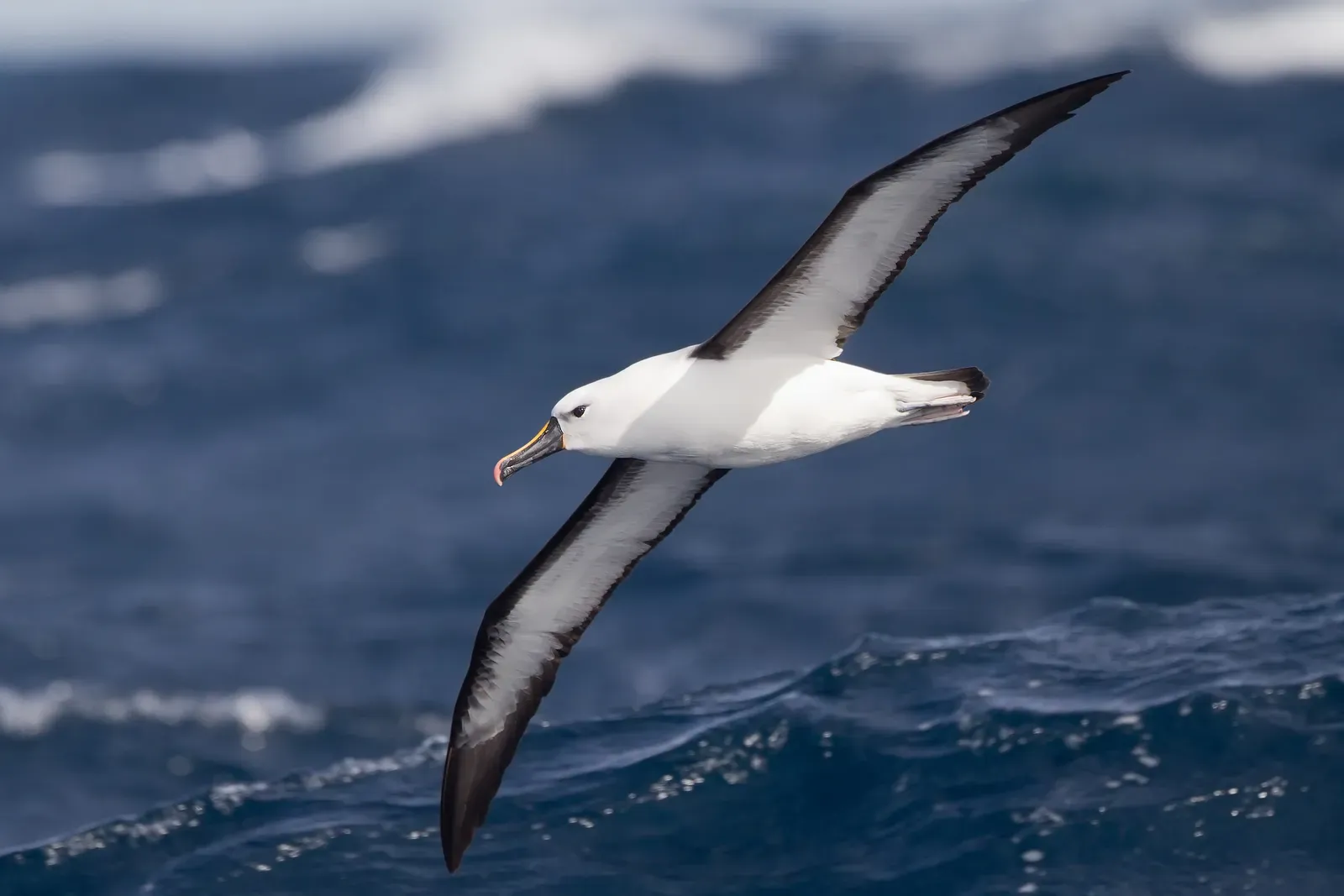
Watching an albatross glide over empty ocean for hours, barely flapping, you get the uneasy sense that it knows exactly where it is in a featureless blue desert. Many seabirds carry a sophisticated navigation toolkit that blends Earth’s magnetic field, subtle changes in smell, and possibly even low-frequency sounds from waves. Experiments where researchers temporarily blocked a bird’s magnetic sense or disrupted olfactory cues have shown that each of these inputs matters, sometimes in different stages of a journey. They do not just follow coastlines; they construct mental maps out of invisible gradients.
Some individual albatrosses circle the Southern Ocean, logging distances that would take a cargo ship weeks to traverse, then return to the same nesting site year after year. Storm petrels and shearwaters have similarly precise homing abilities, finding small islands after vast loops across open water. When I first read those tracking studies, it changed the way I look at a gull or tern over a pier; many of their relatives are essentially living long-haul pilots with sensory instruments we are only beginning to decode. For conservation planners, understanding these abilities matters, because a shipping lane or fishing fleet placed along a traditional route can disrupt an entire population’s life cycle.
6. Some Birds Engineer Their Own Ecosystems, Reshaping Landscapes Over Generations
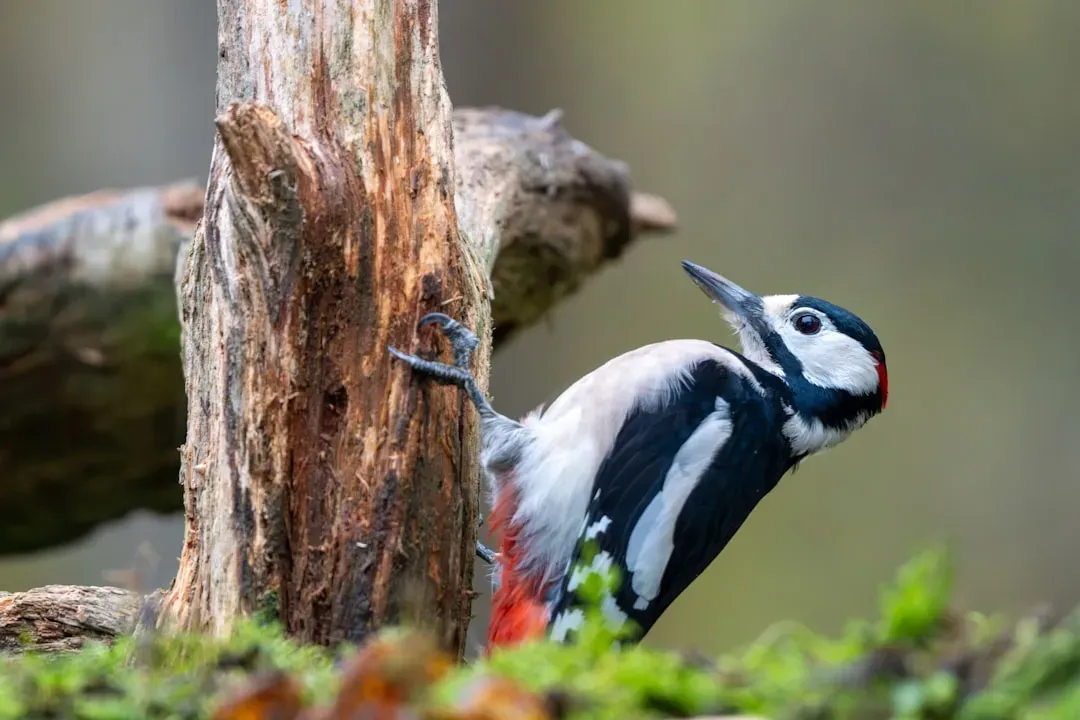
We often talk about beavers as ecosystem engineers, but birds deserve a share of that title. In certain forests, the presence of woodpeckers determines how many nesting cavities exist for dozens of other species, from owls to small mammals and insects. Their relentless drilling and excavation turn dead trunks into high-rise housing complexes, redistributing where various animals can live. On islands, seabird colonies deposit so many nutrients through guano that they literally change soil chemistry, driving shifts in plant communities.
There are even cases where the absence of birds has triggered slow-motion ecological collapses. On some oceanic islands, invasive predators wiped out nesting seabirds, and within a few decades the vegetation and invertebrate life shifted dramatically as the nutrient subsidies vanished. Fruit-eating birds disperse seeds over wide areas, essentially designing future forests one droppings pattern at a time. When we remove them from the picture, it is like erasing the gardeners and builders from an entire neighborhood and then acting surprised when everything falls apart.
7. Bird Migration Can Literally Shift the Night Sky with Invisible Rivers of Wings
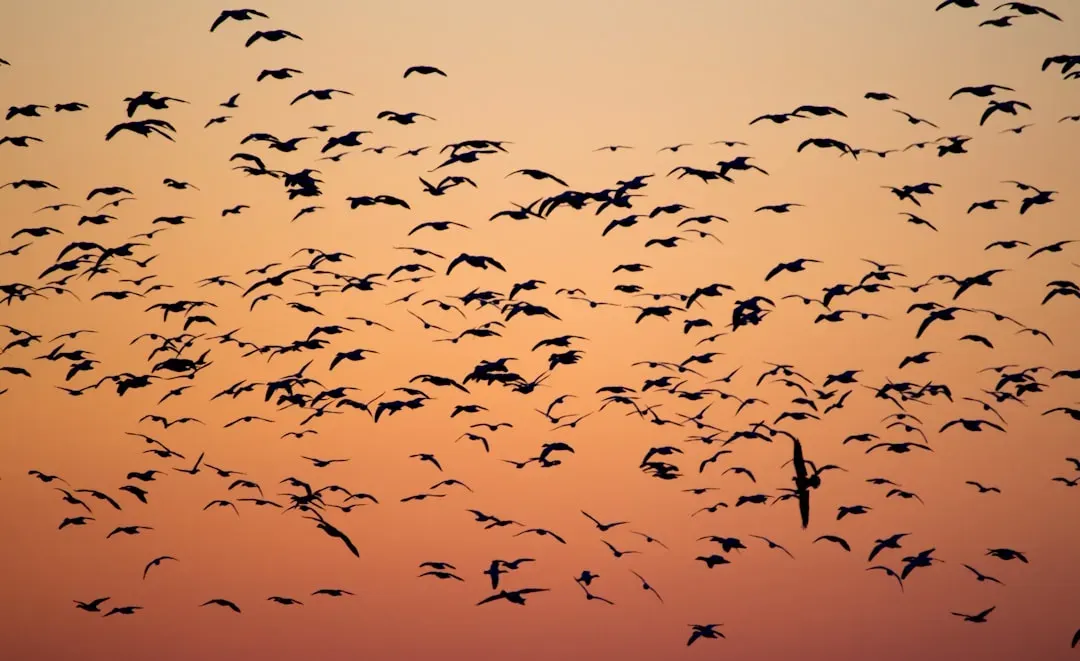
Most people think of migration as a daytime spectacle of V-shaped geese, but a huge portion of it happens under cover of darkness. Many songbirds travel at night, taking advantage of cooler air and calmer conditions, and they orient using a mix of stars, the Moon, the magnetic field, and even sunset colors remembered from earlier in the evening. Weather radar systems designed to monitor storms routinely pick up massive, pulsing clouds of birds lifting off after dusk and settling before dawn. To meteorologists, it is like watching invisible rivers come to life across the continent.
These nocturnal journeys are so dense during peak migration that urban light pollution can literally pull birds off course, drawing them into downtown glare where collisions with glass become deadly. In recent years, scientists and city planners have used radar and acoustic monitoring to time “lights out” campaigns on critical nights, dimming skyscrapers to save thousands of migrants. The funny thing is, when I lived in a mid-rise building and stepped onto the balcony in April around midnight, I could sometimes hear faint chips and flight calls overhead without seeing a single bird. Knowing there were highways of wings moving through the dark changed my sense of what the night sky really holds.
8. Birdsong Is a Learned Culture, Not Just an Inborn Soundtrack
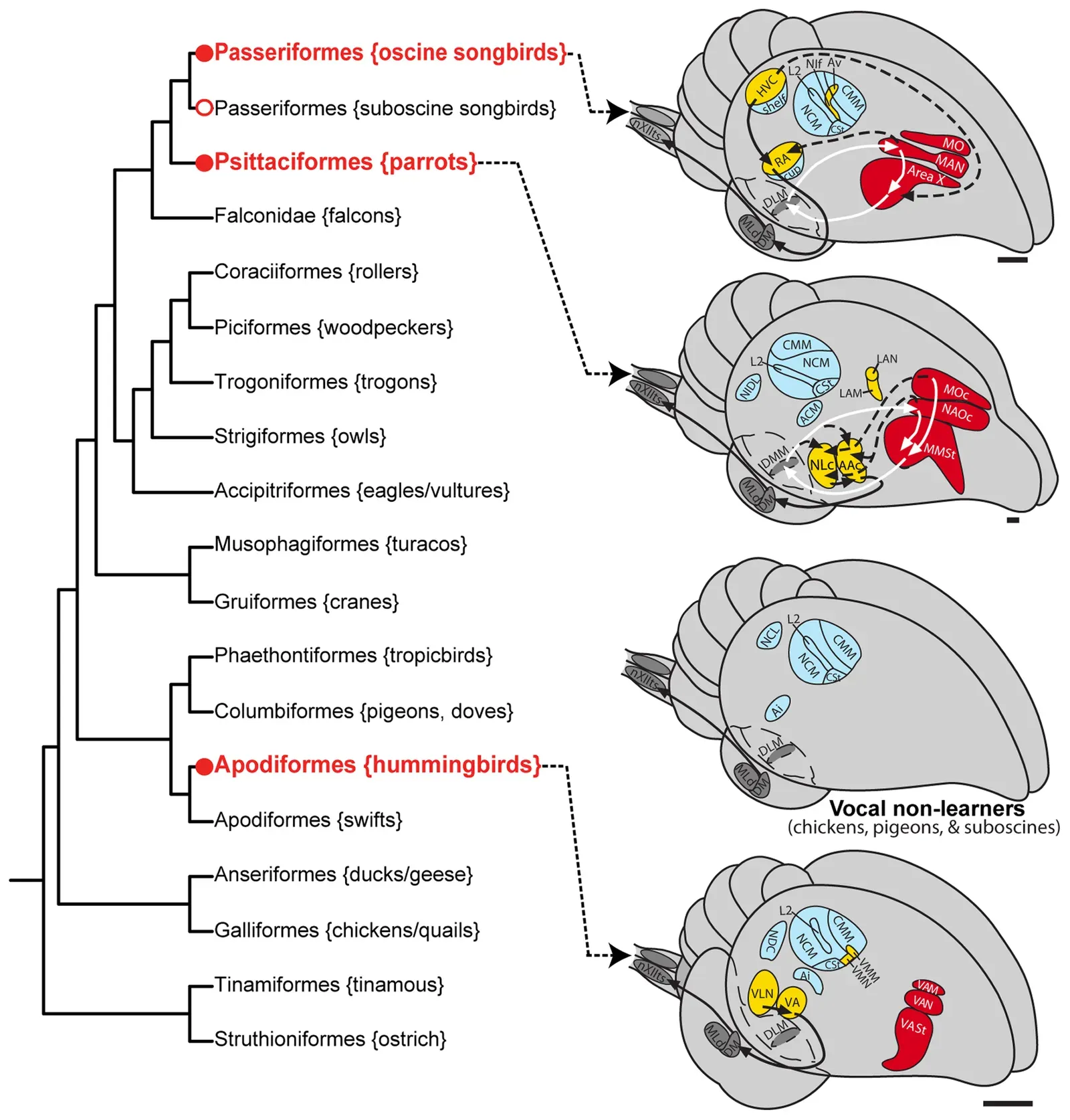
One of the most quietly radical discoveries in ornithology is that many birds do not simply inherit their songs; they learn them in a way that parallels how humans learn language. Young songbirds listen to adult tutors, babble in imperfect versions, and refine their songs through practice. If they grow up in acoustic isolation, their songs end up malformed or simplified. Regional “dialects” emerge when populations are somewhat isolated, leading to recognizably different song versions in distant valleys or islands.
This means birds can carry cultural traditions that change over time, spreading new song variants across landscapes the way a catchy tune travels through human communities. In some cases, researchers have watched a new song type sweep through a population over a decade, displacing older variants as young males copy the latest style. It complicates our understanding of what evolution looks like, because not all change requires genetic shifts; some rides on learning and memory. The idea that a sparrow at your feeder might be singing a local tradition, passed down through generations, makes every backyard chorus feel a little more like a living archive.
9. The Deeper Significance: Birds as Windows into Evolution, Brains, and a Changing Planet
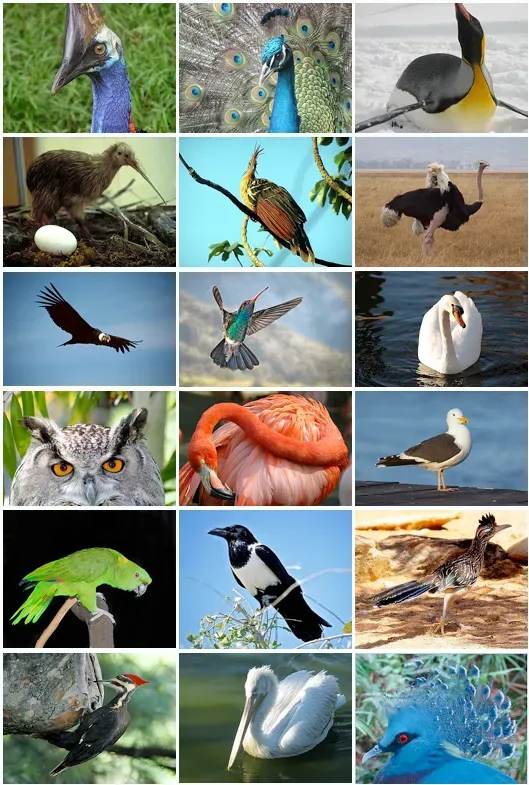
Stepping back from individual marvels, birds function as a kind of grand experiment that evolution has been running in parallel lines for tens of millions of years. You have high-altitude specialists like bar-headed geese illuminating the limits of oxygen use, brainy corvids revealing how intelligence can arise in a very different neural architecture, and ecosystem engineers reshaping forests and islands. Comparing them with earlier assumptions – from “instinct-driven” automatons to a simplistic ladder of intelligence – shows how much we underestimated their flexibility and complexity. The hoatzin’s claws, the fermenting gut, and the UV patterns in plumage are not just curiosities; they are data points in a broader story about how life can solve the same survival problems in wildly different ways.
Birds also serve as sensitive indicators of environmental change, sometimes long before humans notice subtle shifts. Migratory routes altered by climate change, seabirds struggling as fish stocks decline, and song patterns disrupted by urban noise all act as early warning systems for broader ecological stress. When we interpret these signs alongside modern satellite tracking, neurobiology, and genetics, birds become more than charismatic wildlife; they are testbeds for questions that reach into medicine, psychology, and climate science. In that sense, treating them as mere background scenery is like ignoring the instrument panel while flying a plane.
Staying Curious About the Birds Above Your Head
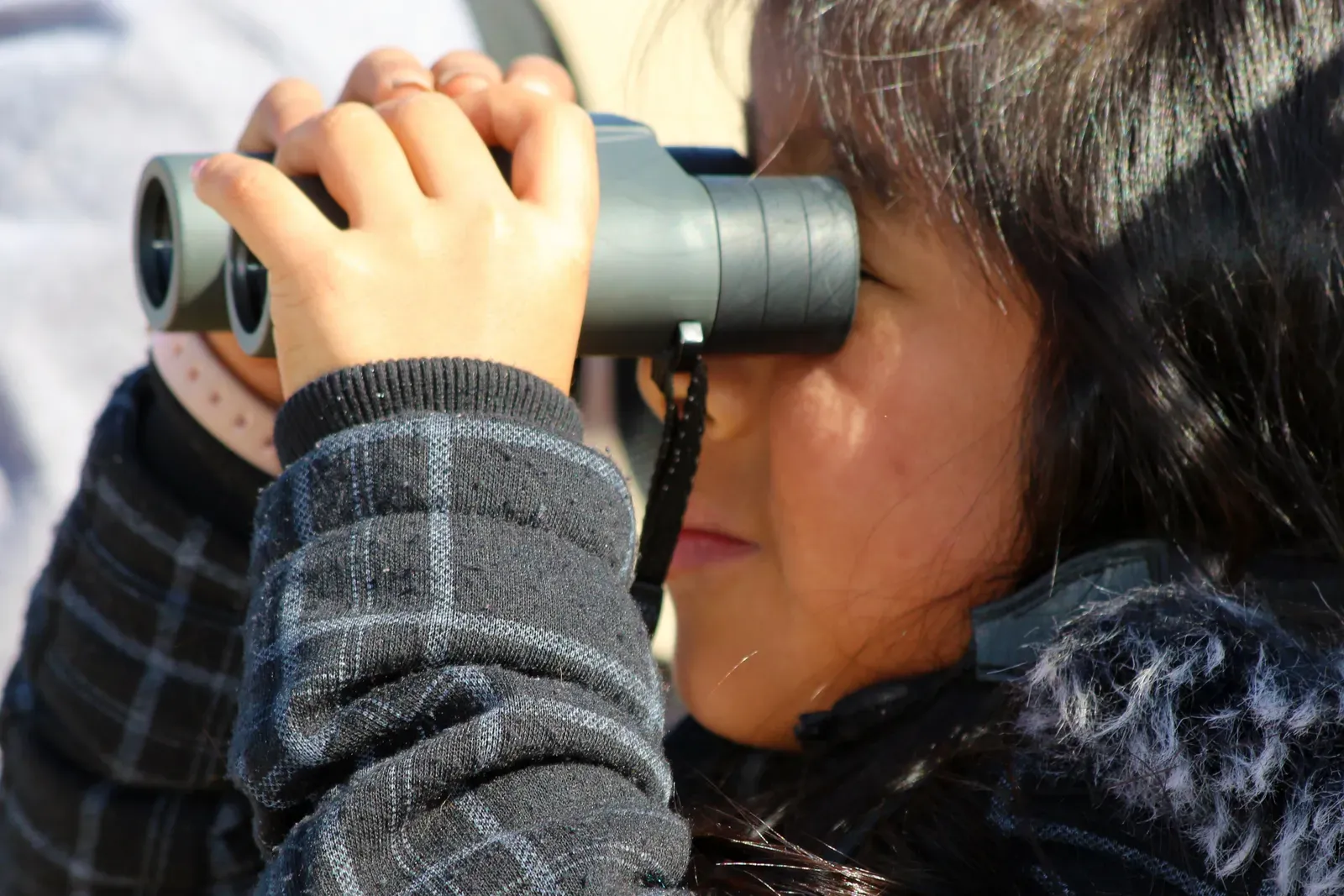
All of this might sound grand and remote, centered on exotic species and far-off oceans, but the gateway into this world is usually close at hand. A cheap pair of binoculars and a basic field guide or app can turn an ordinary park walk into a kind of live documentary, especially during spring and fall migration. Citizen science projects that collect bird sightings, audio recordings, or backyard feeder data have already helped researchers track population declines and shifts in timing linked to warming climates. Even simply dimming outdoor lights during peak migration weeks in your city can make a measurable difference for the unseen travelers passing overhead.
What has struck me, over years of reporting on wildlife, is how noticing birds changes the emotional texture of daily life. A crow using a crosswalk, a warbler in a city tree, a line of geese threading orange sunset – these small moments connect you to a much bigger, stranger story playing out around us all the time. The facts in this article barely scratch the surface, but they offer one clear invitation: pay attention, ask questions, and allow yourself to be surprised. If creatures with hollow bones and beaks can rewrite our ideas about brains, flight, and ecosystems, what else is hiding in plain sight above your head?
Suhail Ahmed is a passionate digital professional and nature enthusiast with over 8 years of experience in content strategy, SEO, web development, and digital operations. Alongside his freelance journey, Suhail actively contributes to nature and wildlife platforms like Discover Wildlife, where he channels his curiosity for the planet into engaging, educational storytelling.
With a strong background in managing digital ecosystems — from ecommerce stores and WordPress websites to social media and automation — Suhail merges technical precision with creative insight. His content reflects a rare balance: SEO-friendly yet deeply human, data-informed yet emotionally resonant.
Driven by a love for discovery and storytelling, Suhail believes in using digital platforms to amplify causes that matter — especially those protecting Earth’s biodiversity and inspiring sustainable living. Whether he’s managing online projects or crafting wildlife content, his goal remains the same: to inform, inspire, and leave a positive digital footprint.