
You probably grab them every single day without giving them a second thought. That pen on your desk. The food warming in your microwave. The shoes fastened with those satisfying strips of hook and loop. All of these things seem so ordinary, so unremarkable that you might never stop to wonder how they came into existence. Yet each one has a scientific story hiding beneath its mundane exterior, and honestly, these stories are way more fascinating than you’d ever expect.
Let’s be real, most of us assume that our favorite everyday items were carefully planned, methodically developed, and deliberately designed to solve a specific problem. Sometimes that’s true, I suppose. Yet more often than you’d imagine, the things we rely on most were born from spectacular failures, happy accidents, or moments of pure serendipity that nobody could have predicted. So let’s dive in and discover the unexpected science behind nine objects you’ve probably used this very week.
Velcro: When Nature Becomes Your Design Teacher
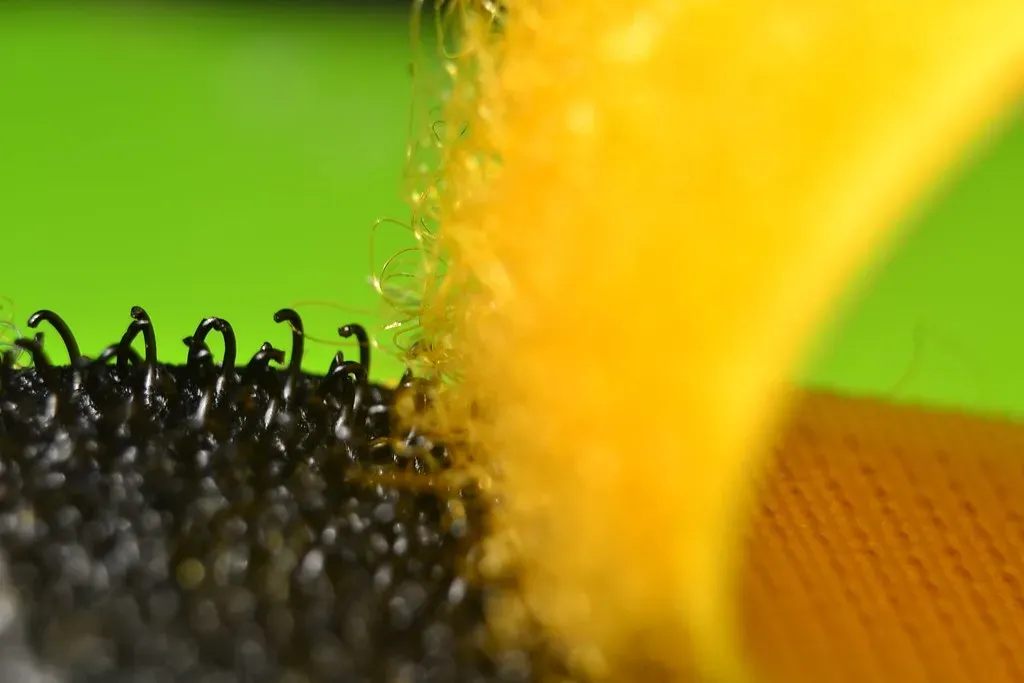
Picture this: It’s 1941, and a Swiss engineer named George de Mestral returns from a hunting trip in the Alps, annoyed to find cocklebur seeds stubbornly clinging to both his trousers and his dog’s fur. Most people would have just brushed them off and forgotten about it. De Mestral, though, did something different – he grabbed a microscope and examined those burrs, discovering hundreds of tiny hooks that latched onto anything with a loop, like fabric fibers or animal fur.
This wasn’t just idle curiosity. After years of trial and error, de Mestral eventually discovered that nylon, when sewn under hot infrared light, forms hooks that were perfect for the hook side of the fastener. By 1955, he had successfully patented the product. He gave his invention the name Velcro, combining the French words velours (velvet) and crochet (hook). It took nearly a decade of rejection and refinement before the world recognized what he’d created, which I find both frustrating and inspiring at the same time.
Bubble Wrap: The Wallpaper That Nobody Wanted
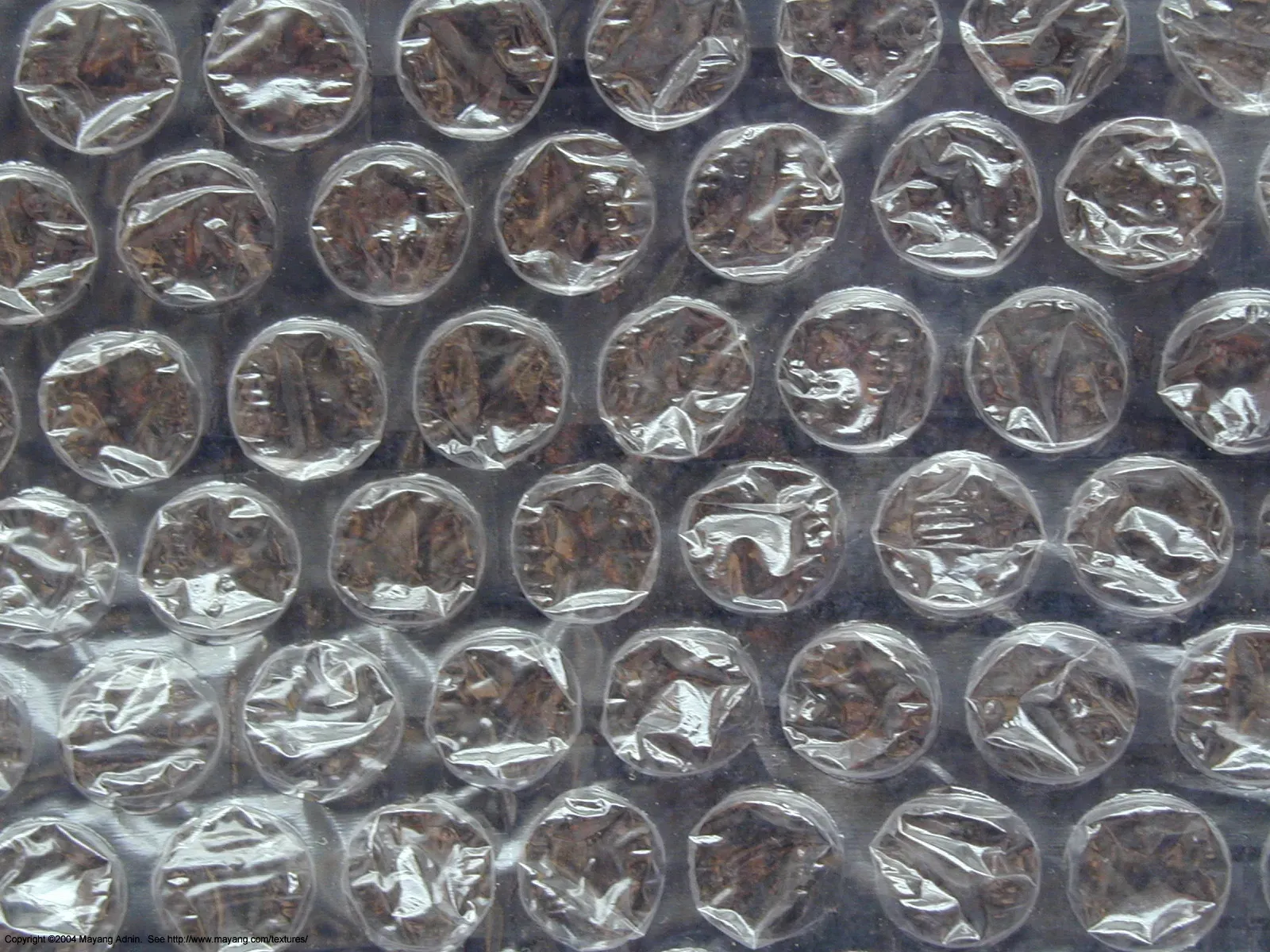
Bubble wrap was invented in 1957 by engineers Alfred Fielding and Marc Chavannes in Hawthorne, New Jersey, when they sealed two shower curtains together, creating a smattering of air bubbles. Here’s the kicker: they originally tried to sell it as wallpaper. Can you imagine walking into someone’s home and seeing their walls covered in bubble wrap? Neither could consumers in the late 1950s, apparently.
When the product turned out to be unsuccessful as wallpaper, the team sold it as greenhouse insulation. It wasn’t until they decided the next year to use it as packaging material that they found success, when IBM had recently introduced the 1401 unit and needed a way of protecting the delicate device during transit. Previously, the best way to protect an item during shipping was to surround it with balled up newsprint. Today we ship billions of items worldwide wrapped in the same material that failed spectacularly as decorative wallpaper.
The Microwave Oven: A Melted Candy Bar Changes Everything

In 1945, the heating effect of a high-power microwave beam was independently and accidentally discovered by Percy Spencer, an American self-taught engineer from Howland, Maine. Spencer loved carrying a peanut cluster bar in his pocket to feed squirrels during lunch, and chocolate melts at a much lower temperature (about 80 degrees Fahrenheit) which means melting a peanut cluster bar with microwaves was much more remarkable.
Spencer ran another test with the magnetron, this time putting an egg underneath the tube, and moments later, it exploded, covering his face in egg. The following day, Percy Spencer brought in corn kernels, popped them with his new invention, and shared some popcorn with the entire office. When completed, the unit was 5½ feet tall, weighed more than 750 lb. and cost about $5,000. It wasn’t until 1967, two decades after its invention, that the microwave oven finally caught on in American homes in the form of Amana’s compact Radarange.
Post-it Notes: The Glue That Was Too Weak to Work
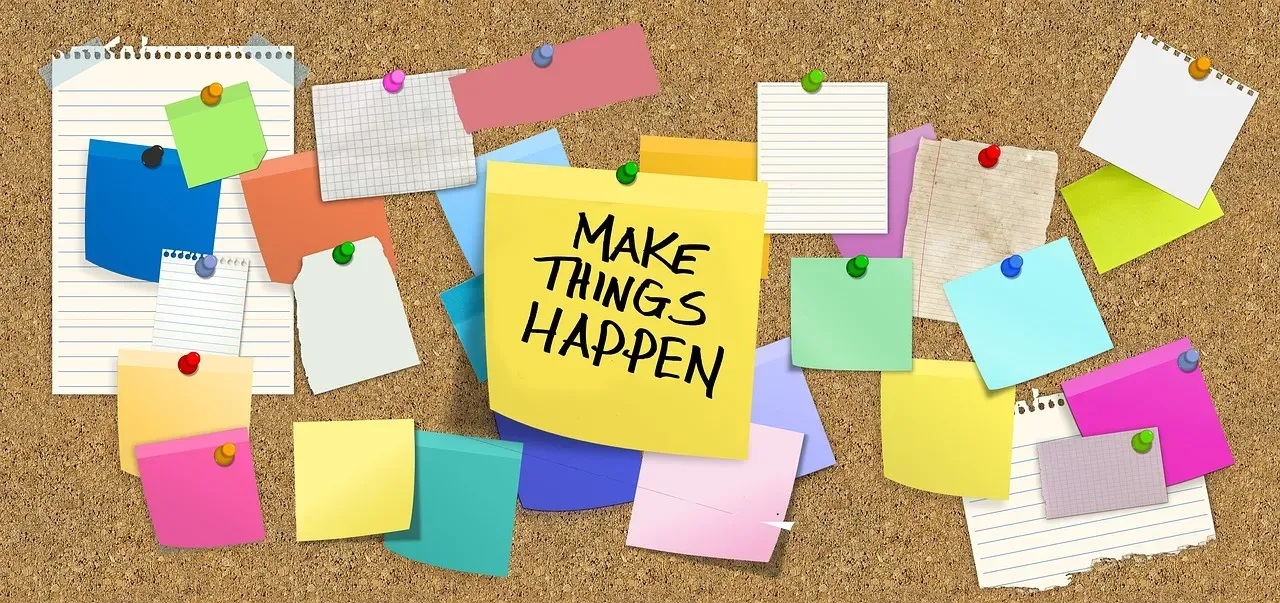
In 1968, Spencer Silver, a scientist at 3M in the United States, attempted to develop a super-strong adhesive but instead accidentally created a low-tack, reusable, pressure-sensitive adhesive for the aerospace industry. For five years, Silver promoted his solution without a problem within 3M both informally and through seminars, but failed to gain adherents. It’s hard to say for sure, but imagine spending five years trying to convince people that your failed experiment actually had value.
In 1974, a colleague who had attended one of his seminars, Arthur Fry, came up with the idea of using the adhesive to anchor his bookmark in his hymn book. The original notes’ canary yellow color was chosen by chance, from the color of the scrap paper available at the lab next door to the Post-it team. 3M launched a massive marketing campaign known as the Boise Blitz, involving renaming the product to Post-it Note and giving out free samples to offices in Boise, Idaho, with more than 90 percent of those who received free samples indicating they would buy the product.
Play-Doh: From Coal Dust Cleaner to Creative Clay
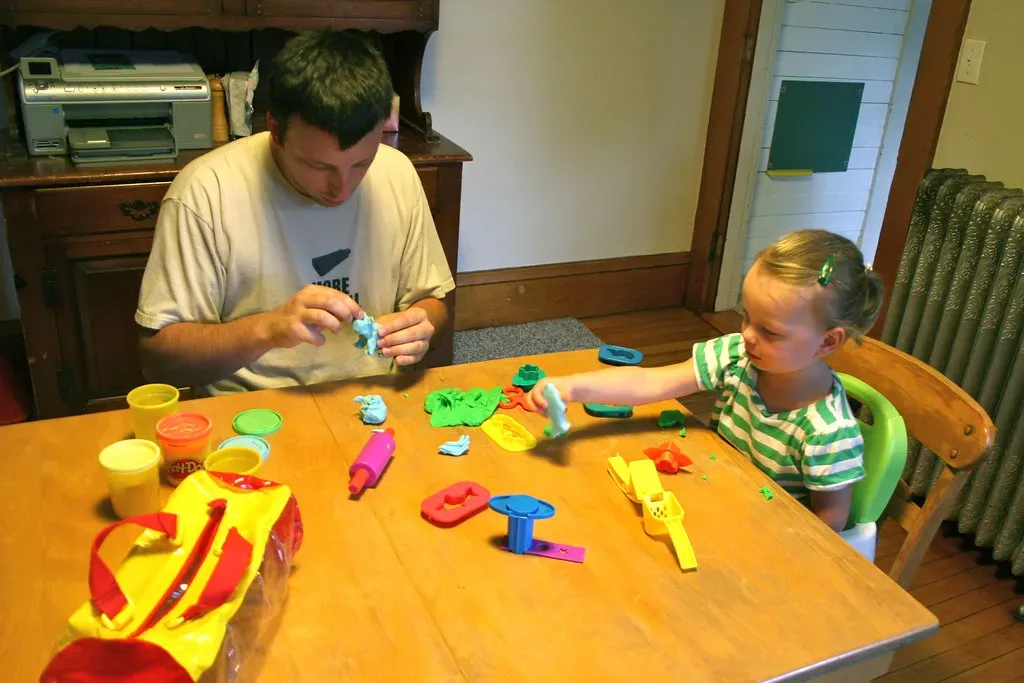
The stuff we now associate with childhood creativity had a completely different life before it became a toy. Coal stoves left a residue that was almost impossible to clean with soaps available at the time, and the answer was a clay-like putty made from salt, flour, water and other toxic ingredients. This wallpaper cleaning compound worked brilliantly for its intended purpose throughout the 1930s and 1940s.
The 1950s saw an increase in the use of gas, and without coal stoves, there was no need to clean the wallpaper, leaving the company slowly going bankrupt. It wasn’t until the inventor’s sister told him that she gave the cleaning putty to the children in her nursery school to play with that the idea of Play-Doh emerged, and after replacing the toxic substances with coloring and almond scent, this wall cleaner was re-branded and became the product kids have played with for 65 years. Sometimes the best innovations come from watching children just being children.
Air Conditioning: Solving a Printing Problem, Creating Modern Architecture

In 1902, an engineer named Willis Carrier was working at Buffalo, New York’s Sackett-Wilhelms Lithographing and Publishing Company and was tasked with finding a solution to control the humidity levels in the plant, which were wreaking havoc on paper and ink quality. His solution, known as the Apparatus for Treating Air, marked the birth of modern air conditioning.
Carrier’s system consisted of steam coils and an industrial fan, with cold water in the coils producing excess condensation, which would be blown out of the room to lower humidity and cool the air. It not only solved the printing problem, but also inadvertently introduced a revolutionary technology with wide-ranging applications. It allowed human beings to build up into the air, with skyscrapers and to develop cities in locales like Dubai that would be much less pleasant to spend time in without artificial cooling. I think we take for granted how much this single invention reshaped where and how humans could comfortably live.
The Toothbrush: From Hog Hair to Nylon Innovation
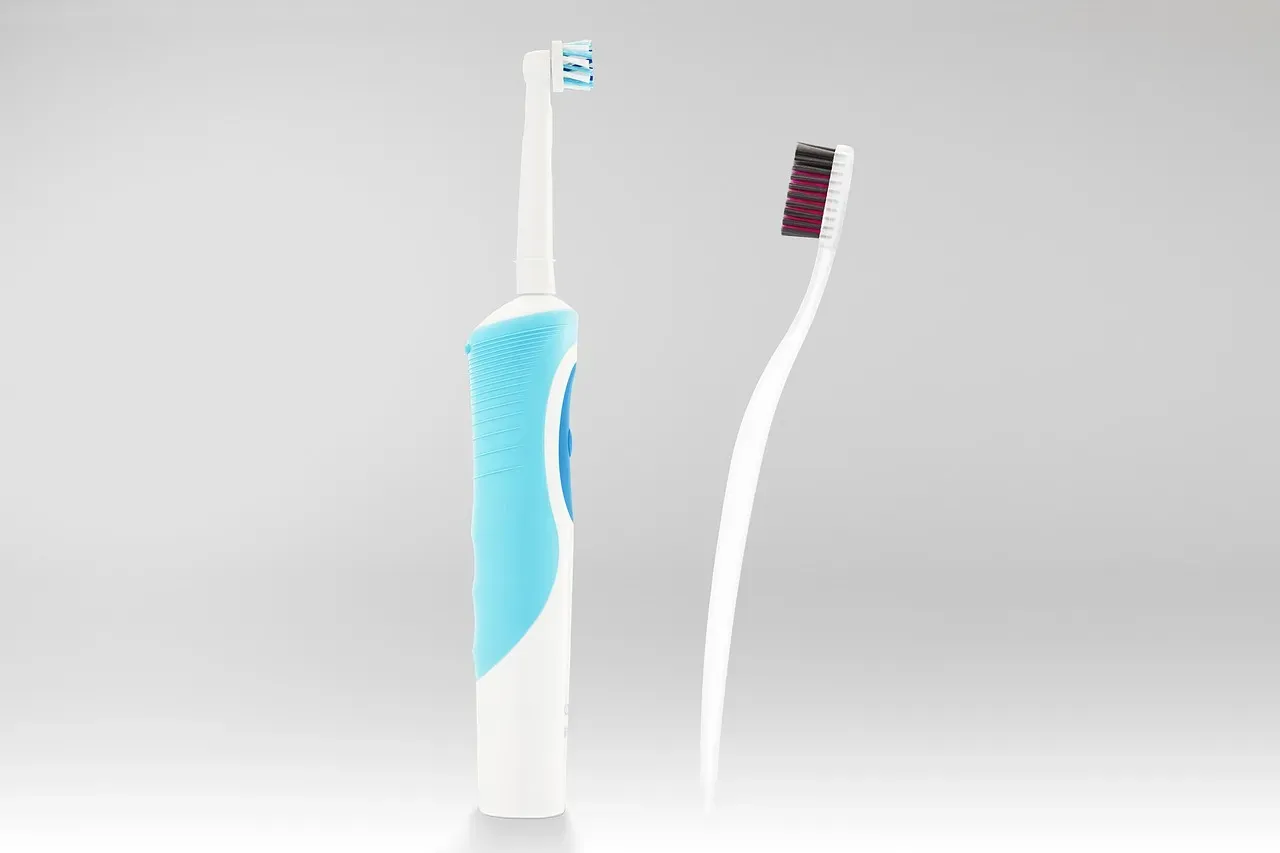
While the humble oral hygiene tool dates back to ancient civilizations, when frayed twigs were used to scrub teeth, the model for bristle brushes as we know them today didn’t emerge until the late 15th century, when a Chinese emperor patented a brush made of stiff, coarse hog hairs set into a handle made of bone or bamboo. Hog or horse hair toothbrushes continued to be used for hundreds of years.
It wasn’t until nylon was invented by a team at DuPont in 1935 that the material – the world’s first fully synthetic fiber – was put into toothbrushes. This shift from animal hair to synthetic bristles wasn’t just about convenience or manufacturing efficiency. The transition represented a fundamental change in how we approached personal hygiene and product design, moving from harvesting natural materials to engineering superior alternatives in laboratories.
Disposable Diapers: A Mother’s Kitchen Table Solution
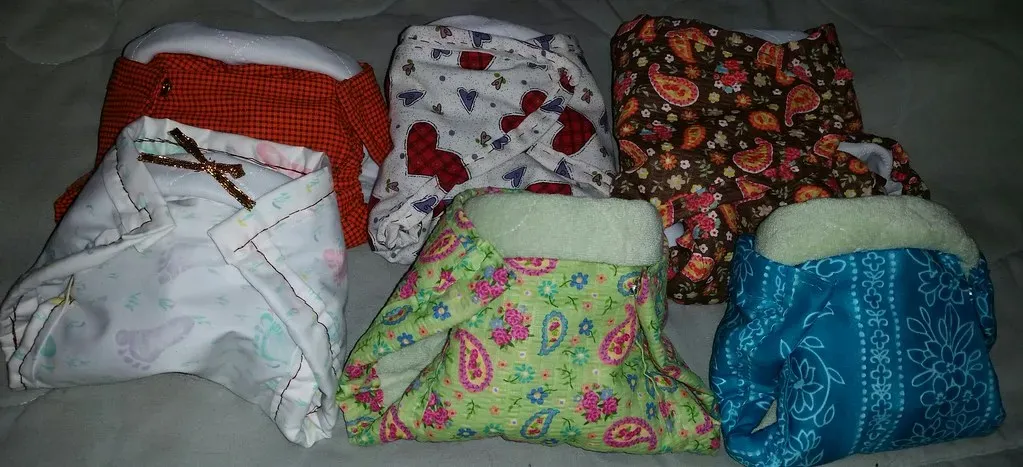
In 1947, Valerie Hunter Gordon was just about to welcome her third child when she decided she’d had enough of washing soiled cloth diapers, went on the hunt for single-use options, and to her surprise, there were none available, so she sat down and made them herself. Using her Singer sewing machine at her kitchen table, Gordon fashioned the Paddi out of gauze, for absorption, and with an outer nylon layer to hold the absorbent pad in place, with the nylon actually being a piece of parachute she got from her husband’s army base.
As soon as her friends saw what she was making, they wanted some of their own; Gordon figures she handmade more than 600 of them at that time. While disposable diapers are now a multibillion-dollar global business, they began as a humble homemade project. What started with fabric and a sewing machine at a kitchen table eventually became an industry that fundamentally changed parenting practices worldwide.
Barcodes: From Morse Code to Supermarket Scanners
As a kid, N. Joseph Woodland learned Morse Code through his participation in the Boy Scouts, and years later, when he was looking for a way to efficiently imprint data onto products for tracking and organization, he thought back to that childhood experience. He wondered if there was a way to visually render a version of Morse Code’s simple-but-virtually-limitless method of communication.
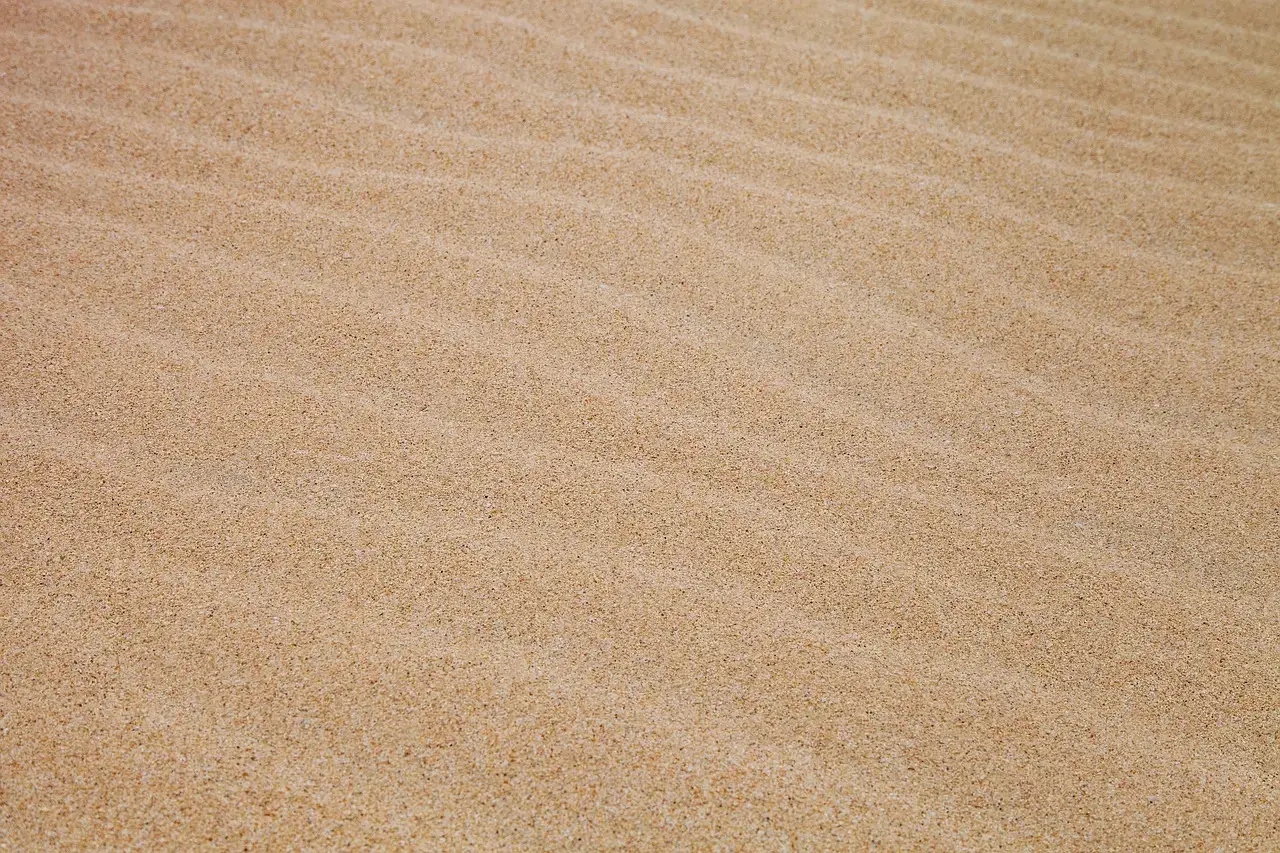
The moment of inspiration came at an unexpected place. While pondering this challenge, Woodland was sitting on a beach when he dragged his fingers through the sand, creating lines of varying thicknesses. That simple gesture sparked the realization that would become the modern barcode system. Those parallel lines that get scanned at every checkout counter trace their origins back to dots and dashes learned by a young Scout and finger marks in beach sand. It’s amazing how childhood experiences can resurface decades later to solve complex modern problems.
Conclusion
These nine everyday objects share something remarkable beyond their scientific origins. They remind us that innovation rarely follows a straight path. Failed experiments become billion-dollar products. Solutions designed for one problem end up solving completely different ones. Children playing with industrial cleaners spark new industries. A walk in the woods with a dog leads to a fastening system used in everything from shoes to space shuttles.
The next time you pop bubble wrap, stick a Post-it note to your monitor, or heat up lunch in the microwave, remember that these simple objects carry extraordinary stories of accidental discoveries, persistent inventors, and serendipitous moments that changed our daily lives forever. Sometimes the best inventions happen when we’re trying to solve a completely different problem, or when we’re curious enough to ask why something works the way it does. What everyday object are you using right now that might have an equally surprising story behind it?