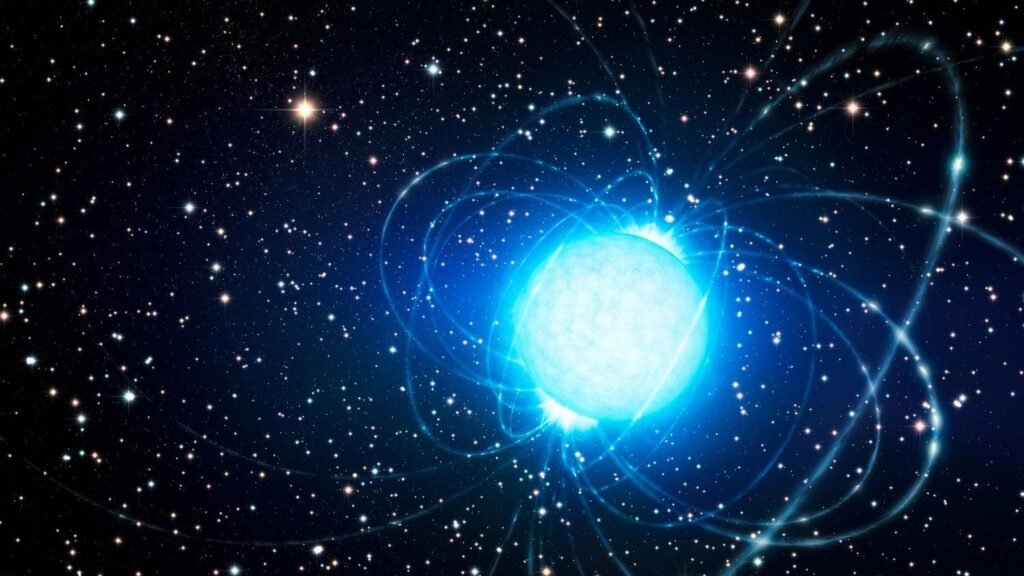

If you ever looked up at the night sky and thought, “I kind of get how this all works,” recent deep space discoveries are here to gently (or not so gently) correct you. Over just the past few years, telescopes like the James Webb Space Telescope (JWST) have started peeling back the universe’s oldest layers, and what we’re finding doesn’t always fit the neat diagrams from school. Galaxies that “shouldn’t” exist, planets where the weather sounds like a fever dream, and black holes that grow like cosmic cheaters are forcing scientists to redraw the big picture.
What I love about this moment in astronomy is that it feels like we’re collectively standing in a dark room, and someone just flicked on a dim light in the very back corner. We can’t see everything clearly yet, but the shadows look weird enough to know our old assumptions are in trouble. These nine discoveries don’t just tweak the fine print of cosmology; they challenge what we thought we knew about time, space, and even how special we are. Let’s just say: by the end, the word “normal” won’t mean much anymore.
1. The “Impossible” Ancient Galaxies Seen by James Webb
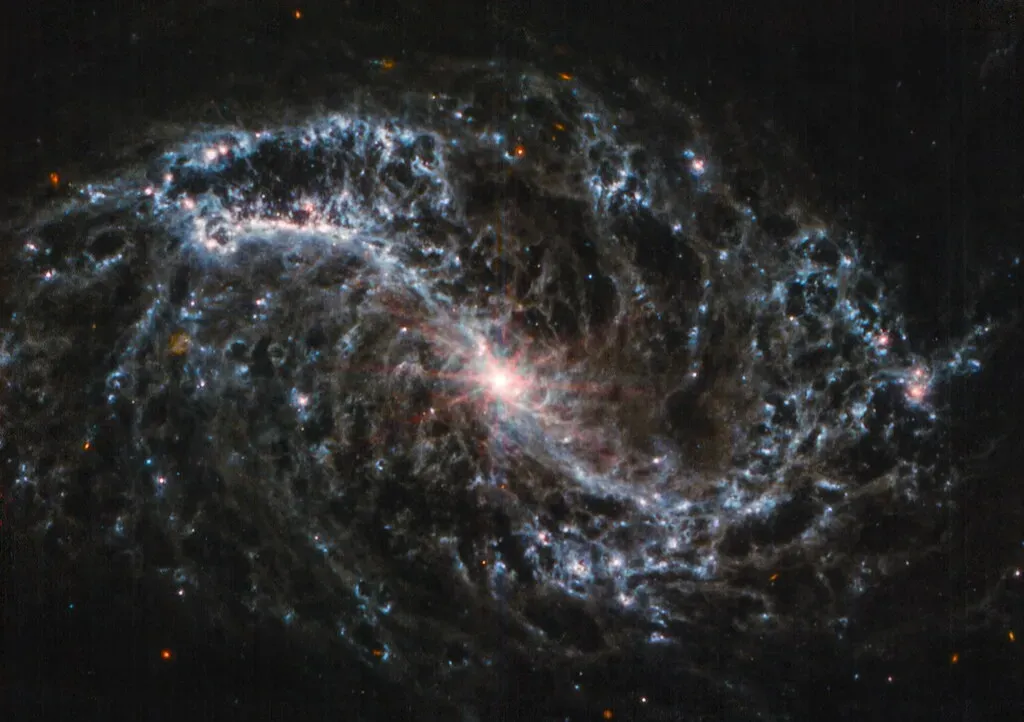
The James Webb Space Telescope has spotted galaxies so massive and so old that they almost feel like a cosmic prank. In the first major data releases, astronomers found fully formed, surprisingly bright galaxies existing a few hundred million years after the Big Bang – basically, right after the universe “turned on.” According to older simulations, galaxies that early should’ve been tiny, faint, and still assembling themselves like messy cosmic Legos.
Instead, Webb revealed systems packed with stars, some as mature as those in our Milky Way, just at a much earlier time than expected. This has triggered serious debates about whether our models of how quickly matter clumps together are incomplete, or whether something fundamental about dark matter, star formation, or even cosmic expansion needs rethinking. It’s like opening a baby photo album and finding a fully grown adult on page three. The universe appears to have hit fast-forward long before we thought it could.
2. Supermassive Black Holes That Grew Too Fast
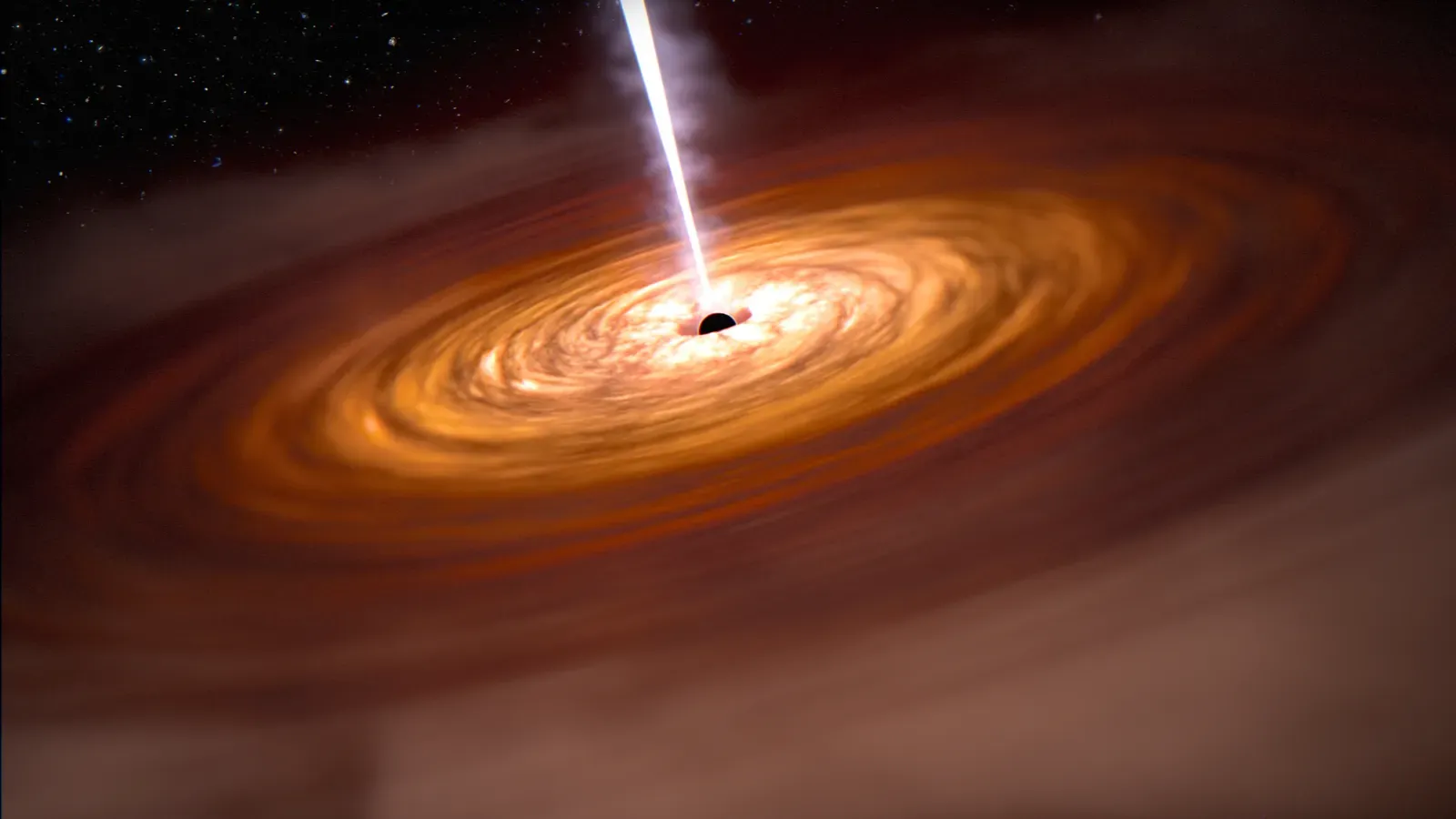
Black holes were already strange, but the monsters that Webb and other observatories are finding in the early universe take it to another level. Astronomers have identified supermassive black holes – millions to billions of times the mass of the Sun – less than a billion years after the Big Bang. By our current understanding, there simply shouldn’t have been enough time for black holes to grow that huge through normal processes like slowly gobbling gas and stars.
To explain this, scientists are now exploring ideas like “direct collapse” black holes, where enormous clouds of gas skip the star phase altogether and collapse straight into immense black holes. Others are reexamining whether black holes can accrete matter far more efficiently than we thought. Either way, the existence of these overachieving giants suggests we’re missing major chapters in the story of how structure forms in the universe. The cosmic hierarchy we imagined – small things first, then big – may not be so straightforward.
3. Rogue Planets Drifting Alone in the Dark
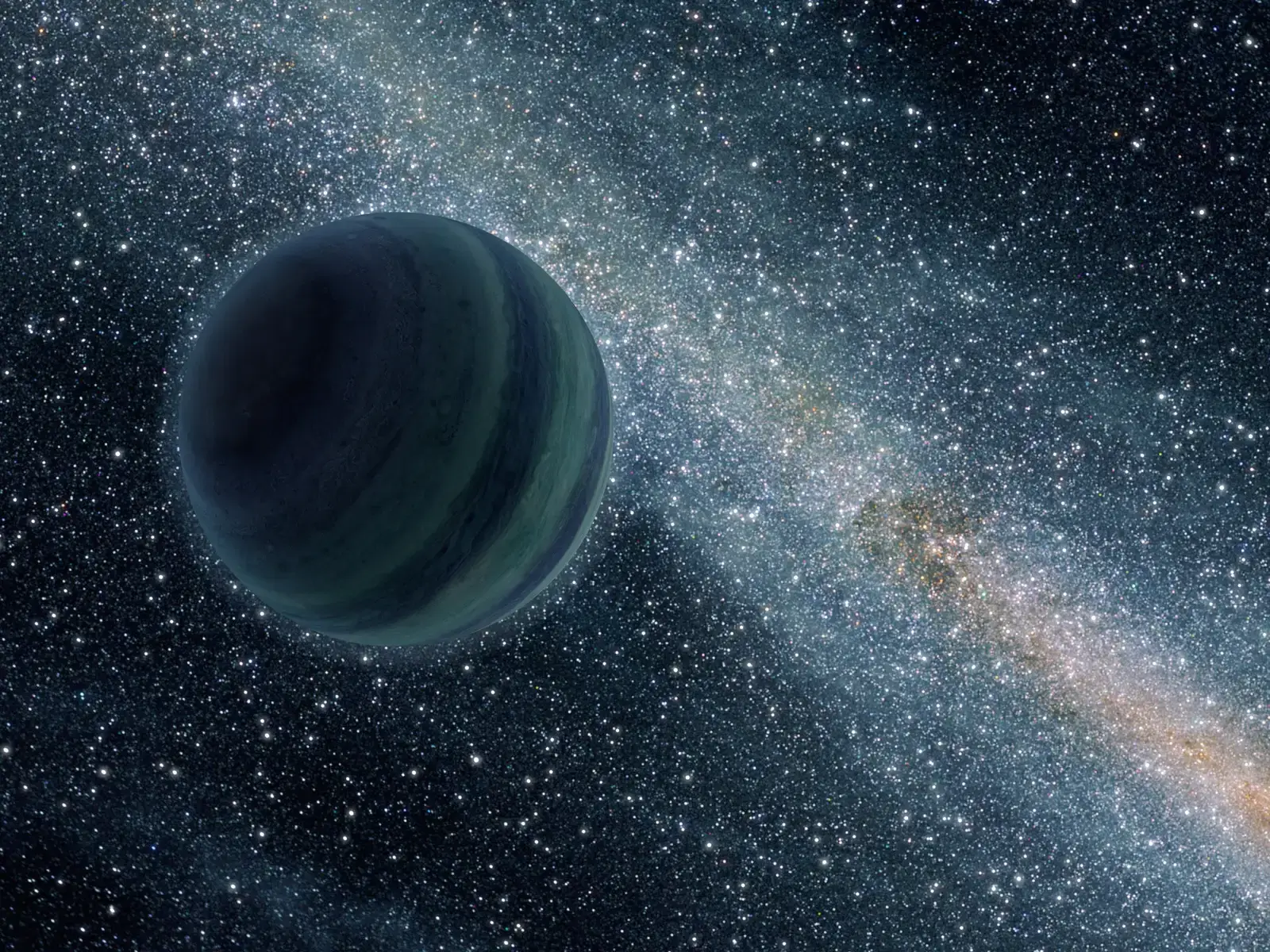
For most of human history, we assumed planets orbited stars the way Earth orbits the Sun – neatly, dependably, like ducks around a pond. Then surveys in our galaxy started turning up something much stranger: planets drifting alone through space, not bound to any star at all. These “rogue planets” are now thought to number in the billions, maybe even rivaling or outnumbering the planets that do have host stars.
Some of these worlds might have been flung out of their original planetary systems by gravitational chaos; others might have formed on their own out in the cold. What’s wild is that a large rogue planet with a thick atmosphere or internal heat could, in theory, harbor subsurface oceans, entirely starless but not necessarily lifeless. The classic idea that life demands a warm, sunny star suddenly feels a lot less secure. Space isn’t just sprinkled with planets around suns – it may be littered with orphaned worlds, quietly wandering the dark.
4. A Universe Packed With Exoplanets (Including Some Really Weird Ones)
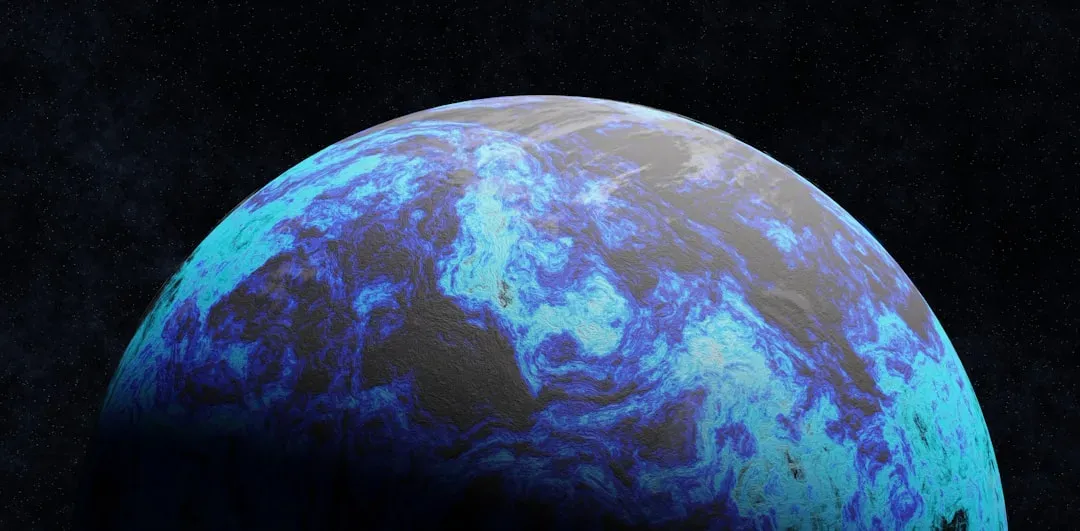
A few decades ago, we had never confirmed a single planet beyond our solar system. Today, we’ve cataloged thousands, with many more candidates waiting in the wings. The big surprise isn’t just how many there are, but how utterly bizarre some of them can be. We’ve found “hot Jupiters” hugging their stars in orbits so tight they complete a year in a few Earth days, and “super-Earths” that are bigger than Earth but smaller than Neptune, a type of planet our own solar system doesn’t even have.
Some exoplanets have clouds made of metal, rain that might be molten glass, and temperatures that would vaporize rock. Others, orbiting calmer stars at gentler distances, have become top candidates in the search for life, as observatories start sniffing their atmospheres for molecules like water vapor, methane, or even tentative biosignatures. The big emotional punch here is this: our solar system, which once felt like a blueprint, looks more like a quirky one-off. The universe’s default setting for planets is stranger and more diverse than we ever imagined.
5. Dark Energy and the Accelerating Expansion of the Universe
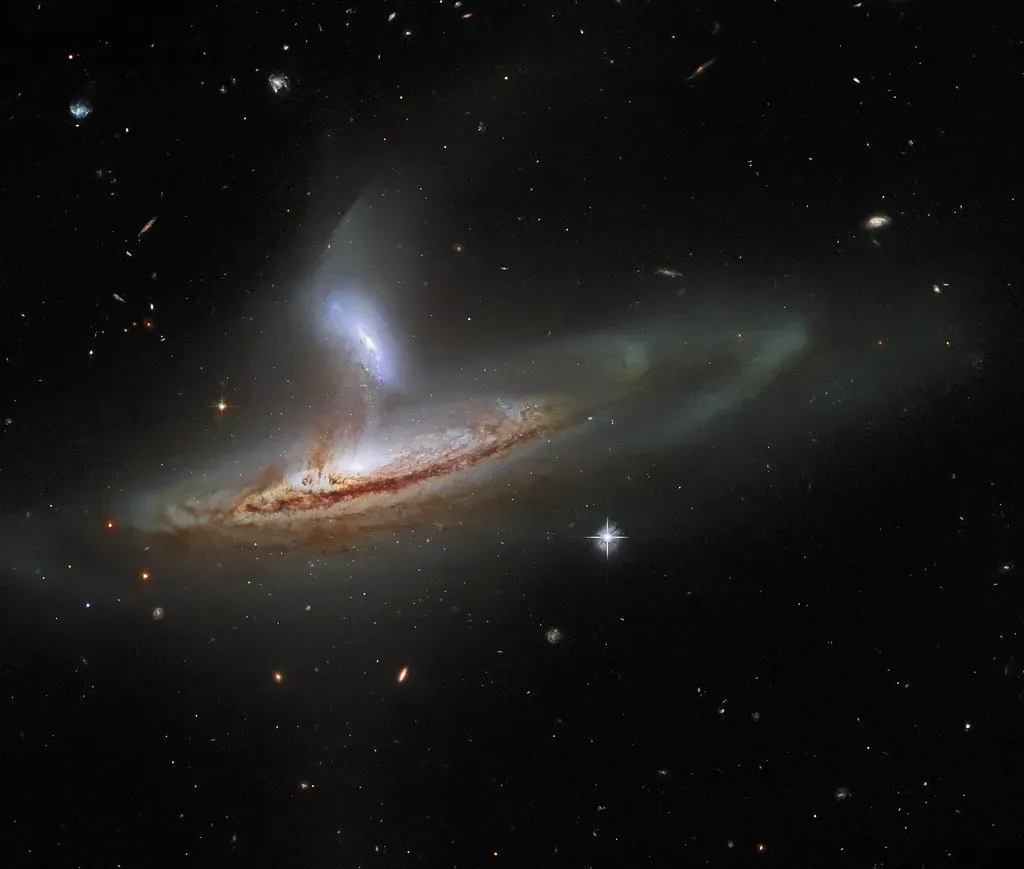
At the end of the twentieth century, astronomers measuring distant exploding stars noticed something that didn’t make sense: galaxies were not just moving away from each other, the expansion of the universe was speeding up. To explain this, scientists introduced the concept of dark energy, an unknown form of energy that appears to permeate space and push everything apart. Today, dark energy is thought to make up the majority of the total energy content of the universe, yet we still do not know what it actually is.
More recent measurements have only deepened the mystery, suggesting a delicate tug-of-war between gravity and this repulsive effect that shapes the fate of everything. Even the term “dark energy” is really just a placeholder, a label for a behavior we can measure but not truly understand. The unsettling part is that the long-term story of the cosmos – whether it drifts into a cold, thin nothingness or something even stranger – depends on this invisible actor. We live in a universe whose main driver is basically a question mark.
6. The Hubble Tension: Two Different Answers for the Age of the Universe
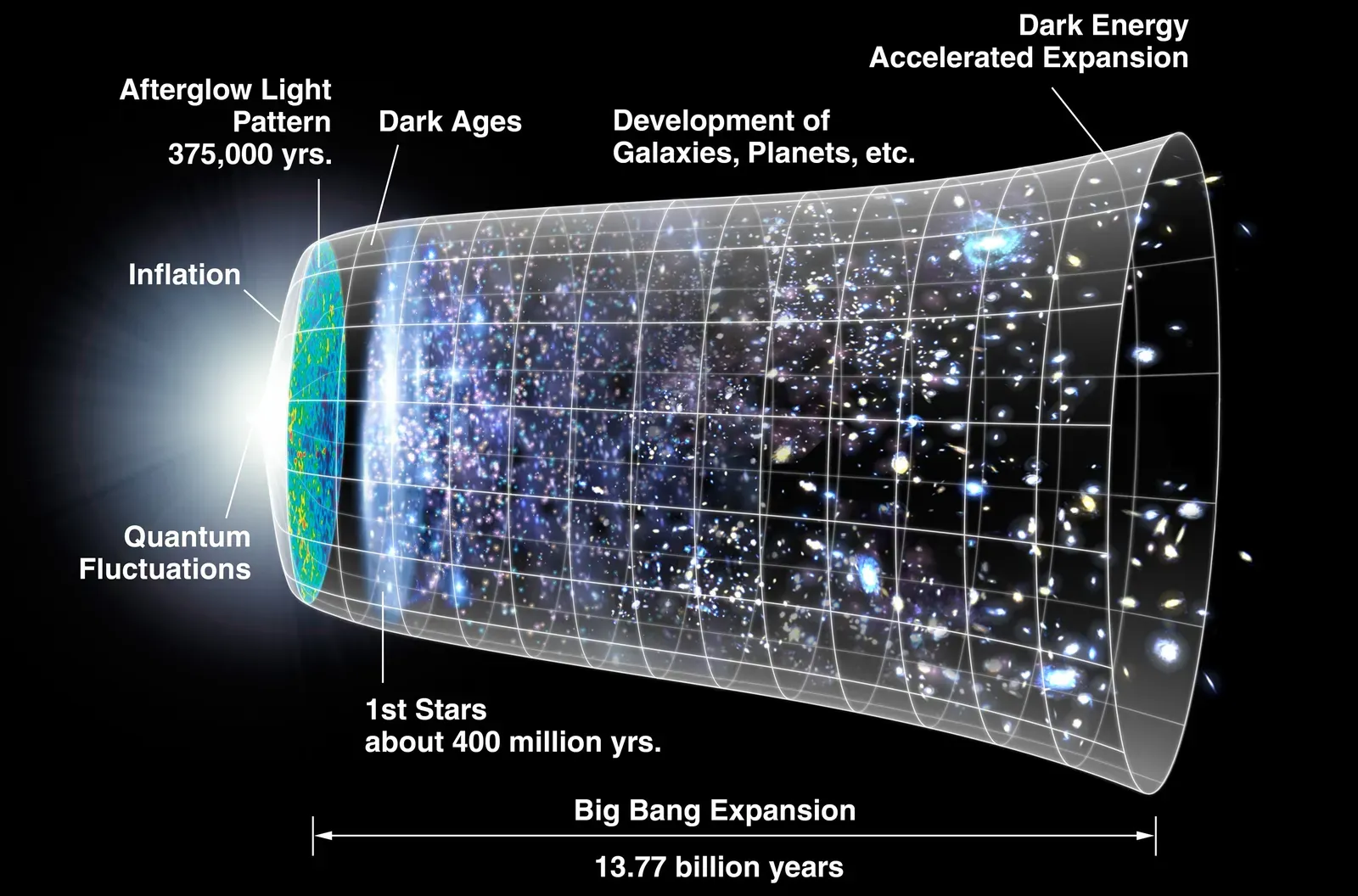
If you ask different groups of cosmologists how fast the universe is expanding, you’ll get two answers that stubbornly disagree. One method, using nearby supernovae and other distance markers, finds a faster rate of expansion. Another approach, based on measurements of the cosmic microwave background – the afterglow of the Big Bang – yields a slower rate. The gap between these two values has grown precise enough that it’s unlikely to be just an error or statistical fluke.
This conflict, known as the Hubble tension, suggests that either our understanding of the early universe is incomplete, or our grasp of the local, present-day cosmos is missing key physics. Researchers have proposed all sorts of possibilities, from subtle new properties of dark energy to unknown types of particles that briefly influenced the infant universe. On a personal level, I find this one especially mind-bending: something as seemingly basic as “How fast is everything flying apart?” turns out to be surprisingly hard to pin down. The universe won’t even give us a single clean number for its own expansion.
7. Fast Radio Bursts: Millisecond Mysteries From Deep Space
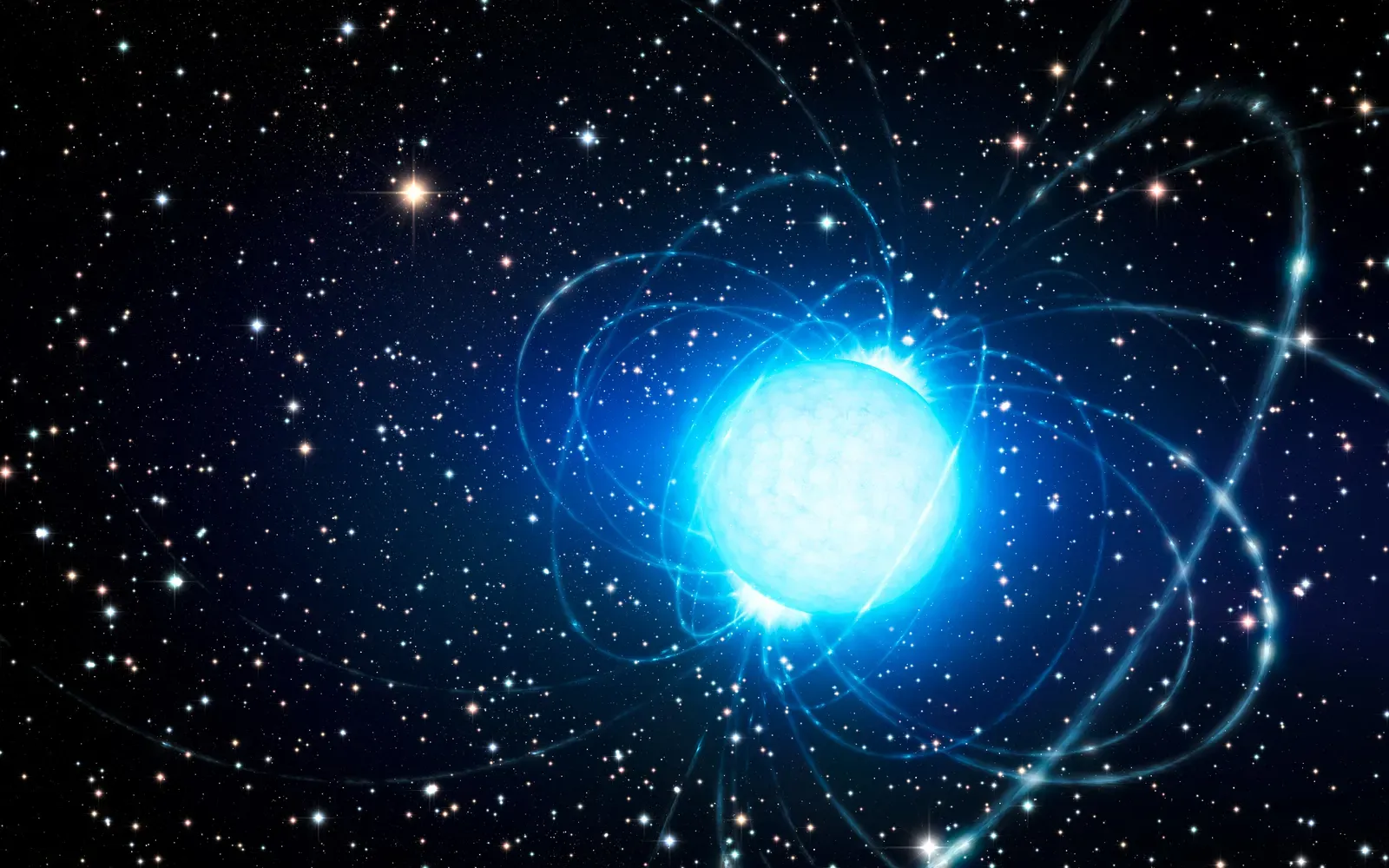
Fast radio bursts, or FRBs, are ultra-brief flashes of radio waves that erupt from distant galaxies, lasting only a fraction of a second but releasing enormous amounts of energy. They were first discovered in archival data and initially looked like some kind of glitch, but repeated detections from all over the sky made it clear they were real. Some FRBs repeat, others are one-off events, and their exact origins are still under investigation, though highly magnetized neutron stars are leading candidates.
What makes FRBs so captivating is how suddenly they appeared in our awareness, like a mysterious new language crackling across the universe. We had been staring at the sky for centuries, and only now, with modern radio telescopes and clever searches, did we notice these explosive whispers. Their signals travel through intergalactic space, getting subtly distorted along the way, which means they can also act as probes of the matter between galaxies. Every new burst is both a clue and a reminder that the cosmos is loudly doing things we only just learned how to hear.
8. The Cosmic Web: A Universe Built Like a Giant Neural Network
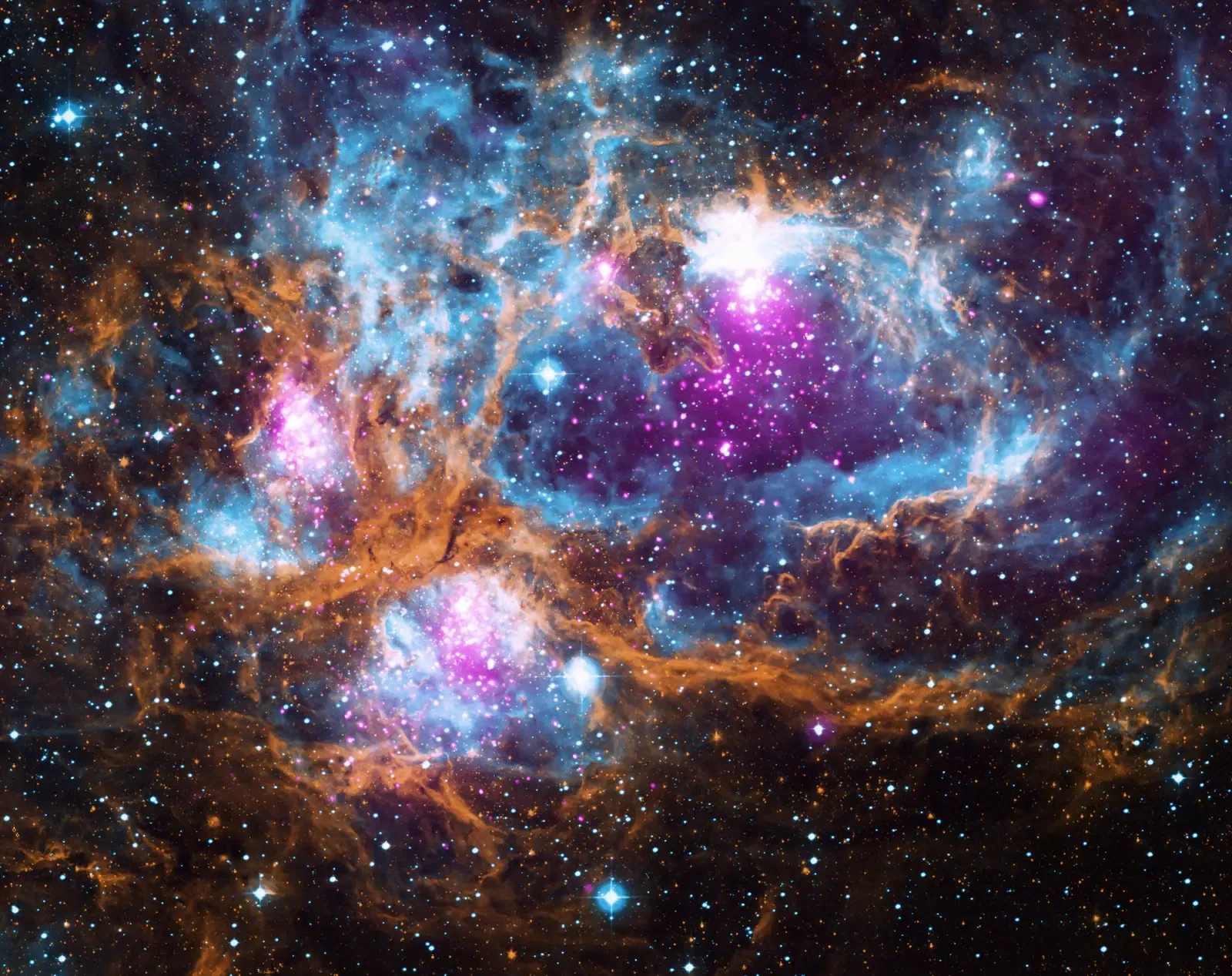
When astronomers map galaxies on the largest possible scales, a striking pattern emerges: the universe is not a random scatter of stars and galaxies, but an immense three-dimensional web. Galaxies cluster into filaments and nodes, with vast dark voids in between, creating a structure that looks uncannily like a neural network or a foam of soap bubbles. Gravity, dark matter, and time have woven this sprawling architecture over billions of years.
Recent surveys and simulations have made this structure more vivid, revealing how gas flows along these filaments to feed galaxies and how clusters form at the intersections like cosmic cities at highway junctions. Seeing the universe this way is emotionally powerful; it shifts your sense of scale from isolated star systems to a kind of grand, interconnected skeleton of matter. We’re not just living in a galaxy – we’re living on one glowing strand of a web that stretches across the observable cosmos.
9. Organic Molecules and Building Blocks of Life in the Most Unlikely Places
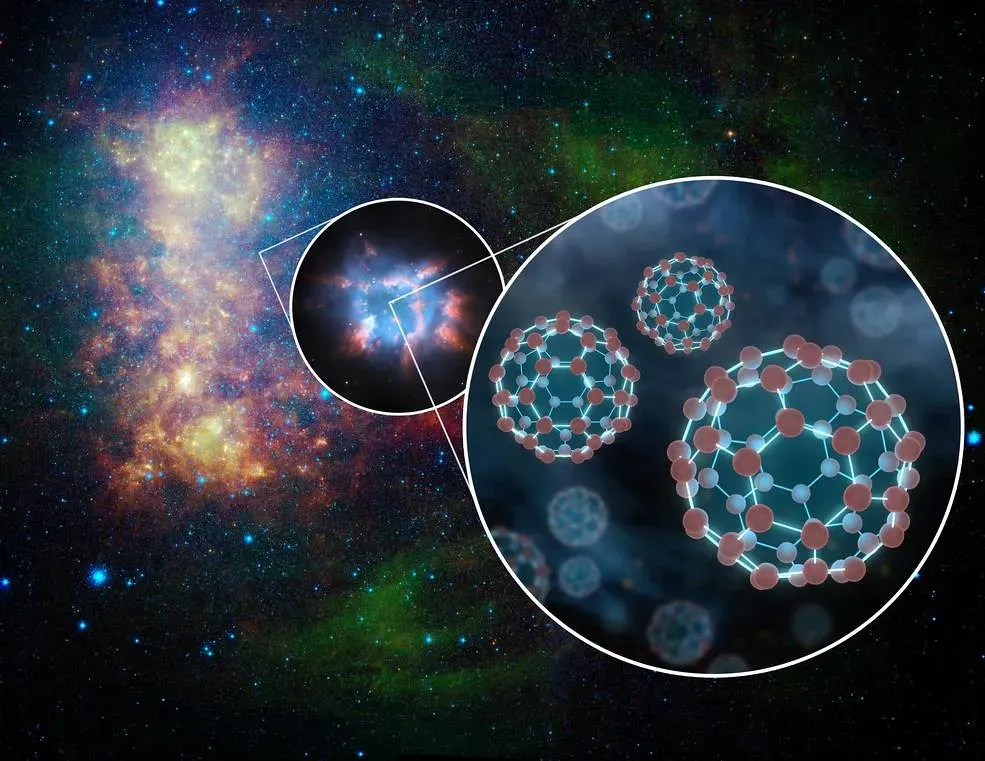
One of the quiet revolutions in space science is the growing list of complex organic molecules found far beyond Earth. Telescopes and space probes have detected ingredients like amino acid precursors, simple sugars, and other carbon-based compounds in interstellar clouds, on comets, and in the atmospheres or surfaces of distant worlds. Instruments on missions and observatories have shown that the chemistry leading toward life’s building blocks is not rare or confined to our planet.
Even more surprising, some exoplanet atmospheres and protoplanetary disks around young stars show hints of rich, active chemistry before any planets have finished forming. That suggests the seeds of biology may be mixed into planetary systems from the very start, like flour in a cosmic dough. It doesn’t prove life is common, but it does undercut the idea that Earth’s chemistry was some bizarre one-off accident. The universe, it seems, is preloading many worlds with the raw materials for something living to eventually emerge – whether or not we ever get to meet it.
In the end, these discoveries don’t just stretch our understanding of physics and astronomy; they tug at something more personal. They ask us to loosen our grip on the comforting story that the universe is simple, predictable, and basically understood. Instead, we find ourselves in a cosmos that’s faster, stranger, and more creative than we dared to think. If this is what we’ve learned in just a few decades of serious deep space exploration, what do you think is still waiting out there that we haven’t even learned how to notice yet?