
The deeper we look into the ocean, the stranger it gets. We’ve mapped the surface of Mars in more detail than the seafloor on our own planet, and every new expedition into the abyss seems to uncover something even weirder than the last. It’s not just about odd-looking fish or glowing jelly; there are entire systems, events, and mysteries unfolding in the dark that scientists still can’t fully explain.
What fascinates me most is how the deep sea constantly reminds us that we’re not as clever as we think. We send down billion-dollar robots and high-tech submersibles, and the ocean answers with a riddle. Below are nine of the most puzzling deep-ocean phenomena that keep marine biologists up at night – things that break rules, defy expectations, or simply refuse to be neatly understood.
The Midnight Bioluminescent Light Show
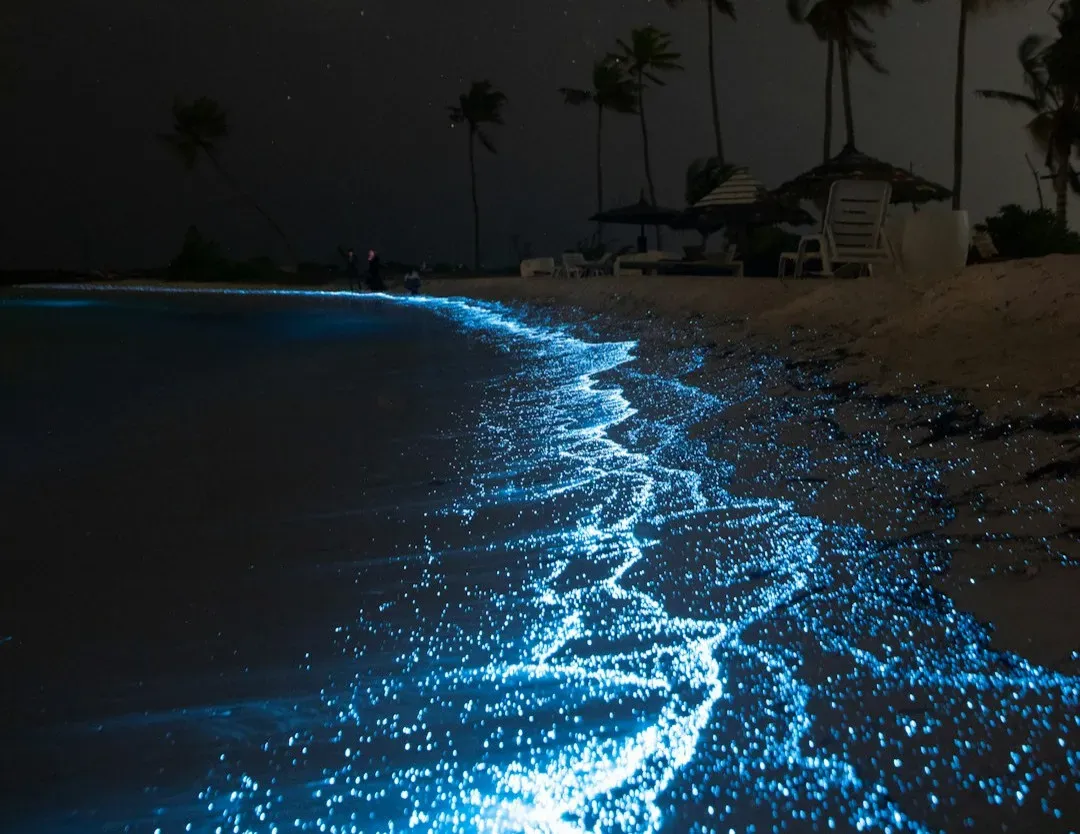
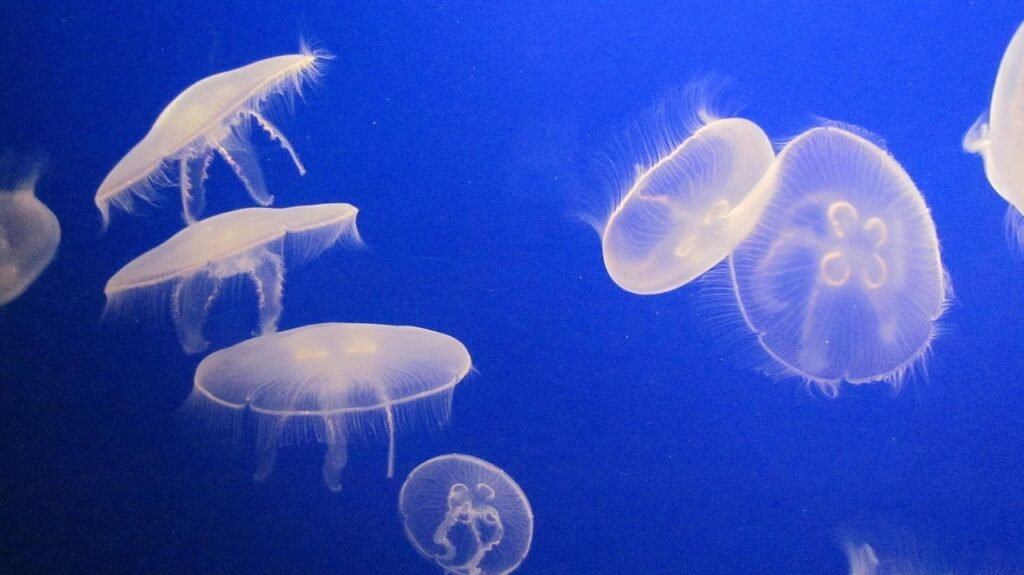
Imagine drifting in pitch-black water, deeper than sunlight can reach, and suddenly the darkness erupts into a silent fireworks display of blue, green, and sometimes red light. Bioluminescence is everywhere in the deep sea: from tiny drifting plankton to enormous jellyfish and lurking predators. Scientists understand the basics of how it works chemically, but what still puzzles them is how incredibly widespread and varied it is, and why some species glow in ways that don’t fit simple explanations like attracting prey or communicating.
In some zones hundreds of meters down, nearly every second animal you’d see is capable of producing its own light, turning the deep sea into a strange, inverted night sky. Some organisms produce blinding flashes, others emit a faint, eerie glow, and some create glowing “burglar alarms” that light up a predator so bigger hunters can swoop in. But then there are species that seem to waste precious energy on complex patterns or rare colors that barely anyone around them can detect. That gap between what we’d expect and what we actually observe is exactly what keeps biologists unsure whether we’re still missing whole chapters of the deep-sea communication playbook.
The Mysterious Deep Scattering Layer
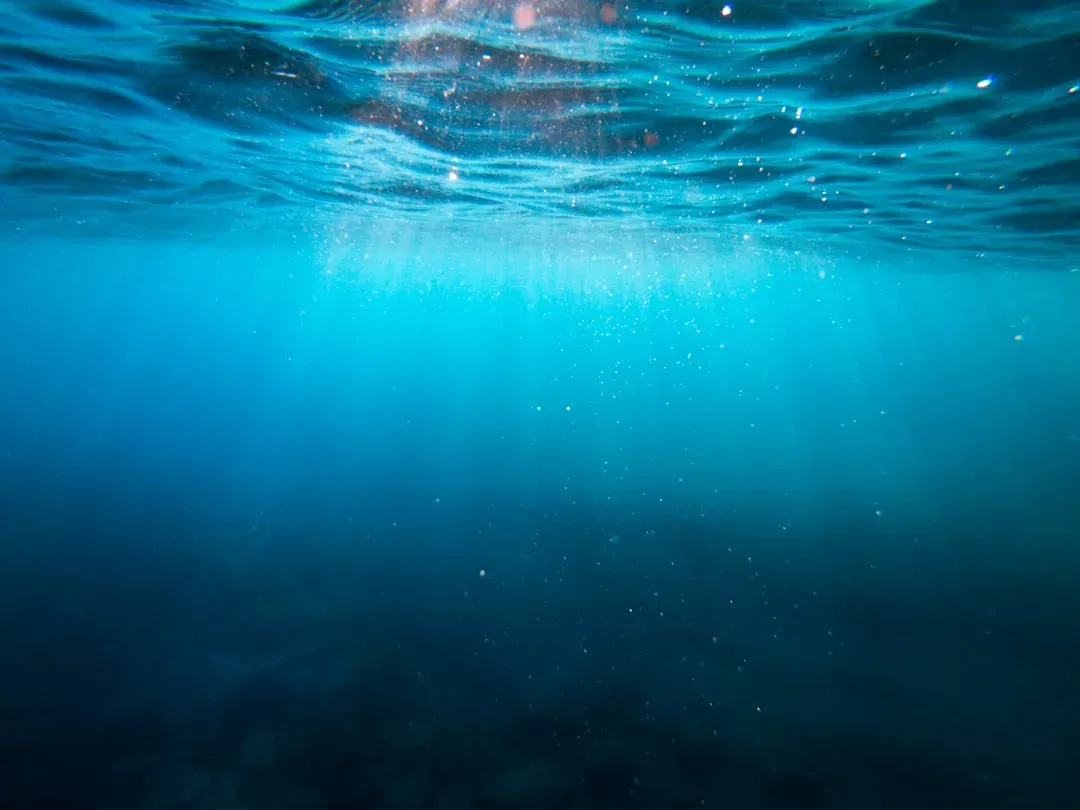
In the 1940s, naval sonar operators kept detecting what looked like a false seafloor that moved up and down every day. It turned out to be a vast, shifting cloud of animals: fish, squid, crustaceans, and gelatinous creatures making what is now known as the deep scattering layer. This living “false bottom” rises toward the surface at night and sinks back down by day, like a giant, slow-motion heartbeat of the ocean. Biologists know this daily commute is likely tied to feeding and avoiding predators, but the full scale and coordination of it is wildly complex and still not fully understood.
We’re talking about a migration involving countless animals spread across huge horizontal distances, many of them moving hundreds of meters vertically in a single day. The deep scattering layer is so dense it can literally block sonar, and yet we still don’t know exactly which species dominate different regions, how individuals navigate, or how climate change is altering this hidden super-highway. Some recent surveys suggest entire parts of this layer are thinning or shifting upward, but researchers can’t yet say whether that’s temporary, regional, or a warning sign of something bigger unfolding in the deep.
Strange Life Around Hydrothermal Vents
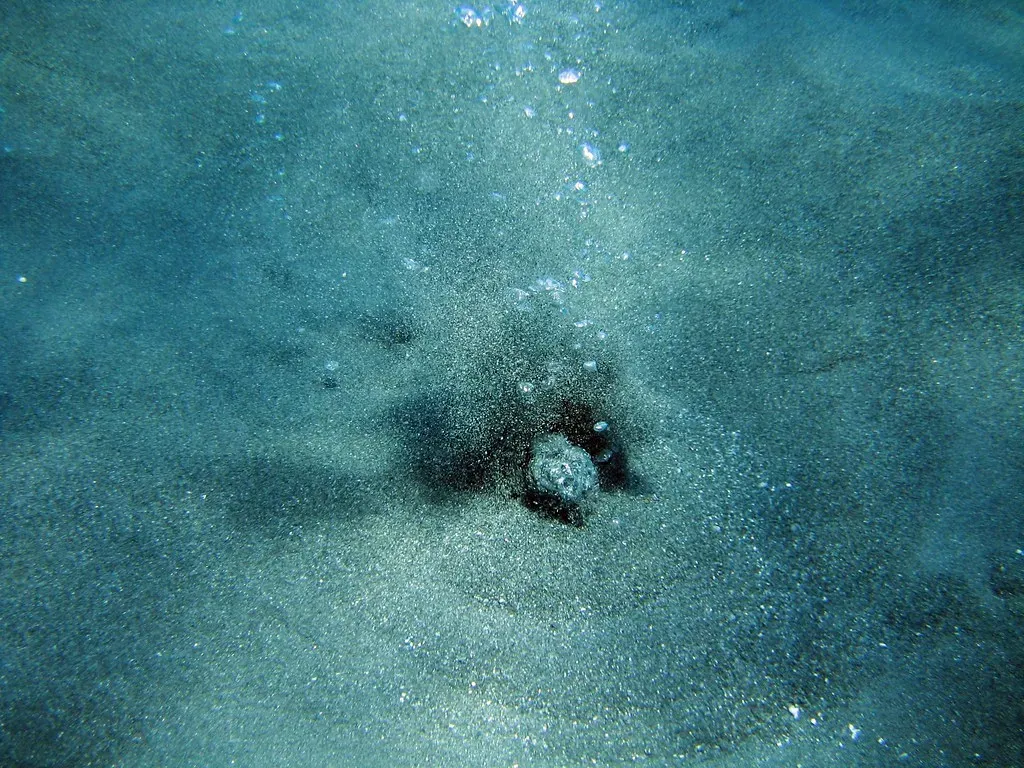
Hydrothermal vents are like underwater geysers, spewing superheated, mineral-rich water from cracks on the seafloor. When they were first discovered in the late 1970s, nobody expected to find bustling ecosystems there, thriving in total darkness and toxic chemicals. Yet there they were: giant tubeworms, pale crabs, blind shrimp, and mats of microbes living off chemical energy instead of sunlight. This flipped a fundamental assumption in biology – that all complex life on Earth ultimately depends on photosynthesis.
Marine biologists now know that chemosynthetic bacteria are the backbone of these communities, but plenty of questions remain. For example, some vent animals appear out of nowhere when a new vent opens, suggesting larvae can somehow find specific chemical signals over vast distances. Different ocean basins host totally different vent species, and nobody fully understands how often populations mix or how long these animals can survive when vents shut down. On top of that, vents are dynamic, short-lived habitats, so scientists are still trying to figure out how such fragile yet specialized life persists through cycles of destruction and renewal on the deep seafloor.
Cold Seeps and “Methane Snow” Landscapes
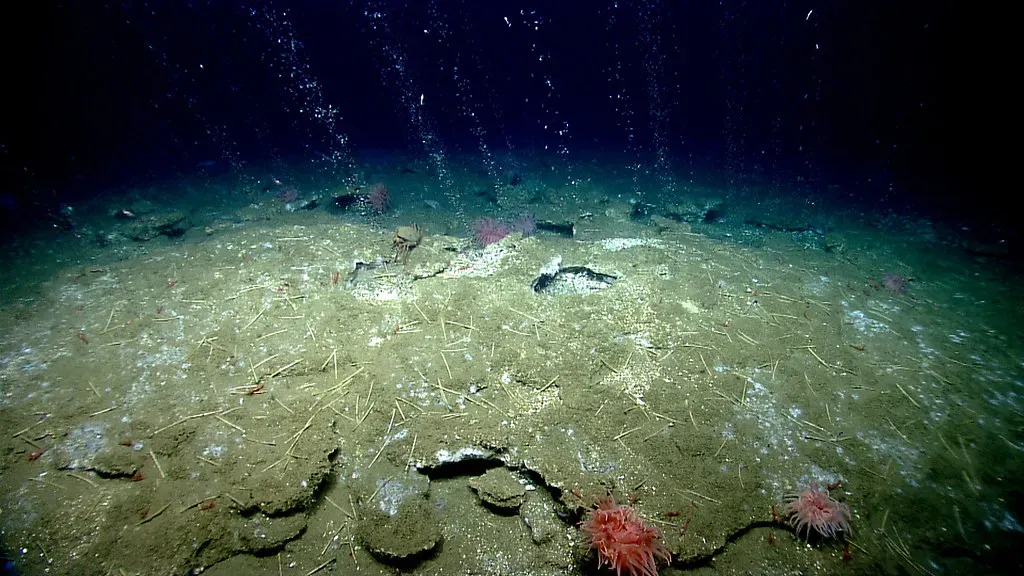
While vents blast hot, mineral-laden water, cold seeps quietly leak methane and other hydrocarbons at temperatures close to the surrounding seawater. From a distance, some of these sites look almost peaceful: pale patches like dusted snow, bubbling methane streams, and beds of clams and mussels that rely on symbiotic bacteria. Yet below that calm surface is a complex chemical puzzle where life walks a tightrope between energy and toxicity. The microbes that feed on methane and sulfide turn what should be a deadly environment into one of the deep sea’s strangest oases.
The baffling part is how cold seep ecosystems manage to remain stable for long periods and then suddenly shift when gas flow changes or seafloor collapses. In some regions, solid structures known as methane hydrates act like frozen fuel, locking methane into icy cages that can literally support mounds and overhangs. Slight temperature or pressure changes can destabilize them, but predicting when, how, and where that will happen is extremely difficult. Biologists, geologists, and climate scientists are all watching these areas closely, because they sit at the intersection of ecology, geology, and the global carbon cycle – and the rules they follow still aren’t clear.
The Puzzle of Deep-Sea Gigantism
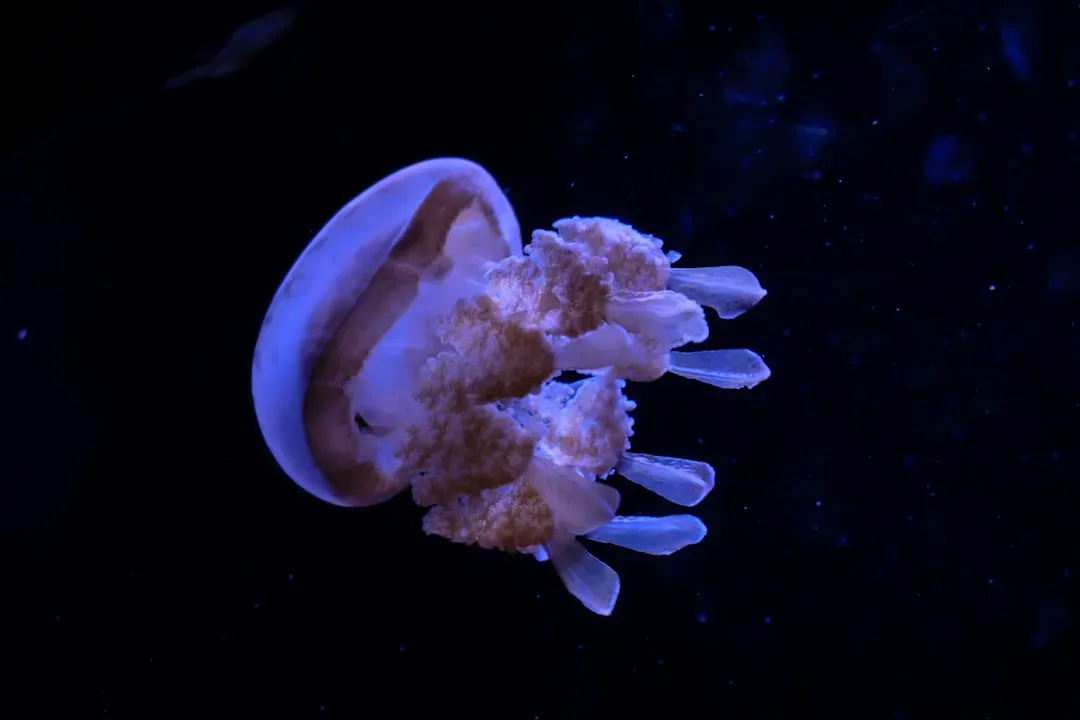
Why do some deep-sea creatures grow to such enormous sizes while their shallow-water relatives stay small? Think of oversized isopods the length of your forearm, giant amphipods, or squid with tentacles stretching as long as a bus. This phenomenon, often called deep-sea gigantism, has been noticed for decades, but there isn’t a single agreed-upon explanation. Some researchers suspect cold temperatures and high pressure favor larger body sizes, while others point to slow metabolisms and scarce predators giving animals room to “grow old and huge.”
The challenge is that different groups of animals seem to follow different patterns, and there are many exceptions that don’t fit any simple rule. Some lineages show giant forms at depth, while their close cousins stay modest in size even in the same conditions. Food scarcity should, in theory, keep animals small to conserve energy, yet some of the largest arthropods we know live in extremely food-limited habitats. Until more long-term data and genetic studies line up with environmental measurements, gigantism remains a loosely stitched-together hypothesis instead of a clean, satisfying theory.
The Mysterious Deep Ocean “Blue Holes” and Sinkholes
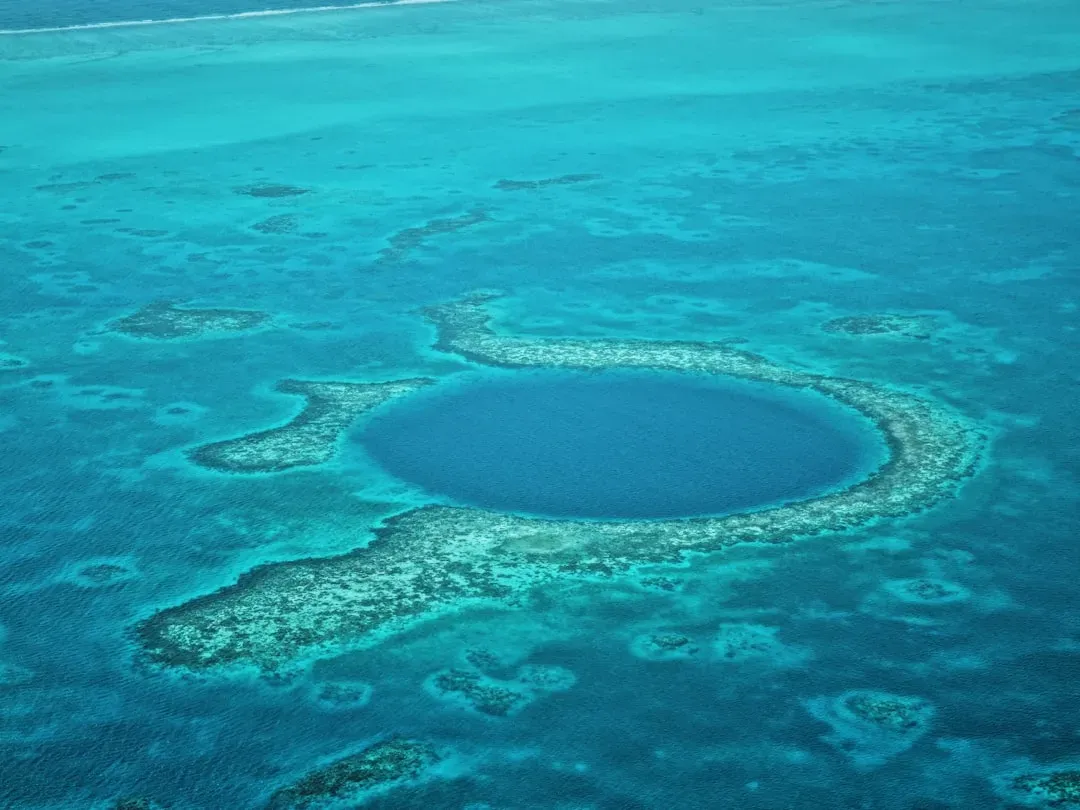
On some continental shelves and slopes, divers and submersibles have found vertical shafts and sinkholes dropping into darker, denser layers of water: so-called blue holes and marine sinkholes. These features can be tens or even hundreds of meters deep, often filled with unusual chemistry, low oxygen, or high levels of dissolved gases. Some host bizarre microbial communities that form layered “microbial mats,” creating bands of color and texture like a layered cake from a different planet. For marine biologists, they’re like self-contained experiments where evolution has had time to run in a semi-isolated pocket.
What’s still unclear is how stable these communities are and how they exchange life with the surrounding ocean. In some blue holes, the transition between normal seawater and hostile, anoxic layers happens over just a few meters, but species somehow manage to exploit these harsh gradients. There’s also growing interest in whether these places preserve chemical or biological records of past climate events or mass die-offs. Each hole seems to have its own personality, shaped by local geology, currents, and history, which makes it difficult to build a single, unifying model that explains them all.
Unexplained Deep-Sea Animal Migrations
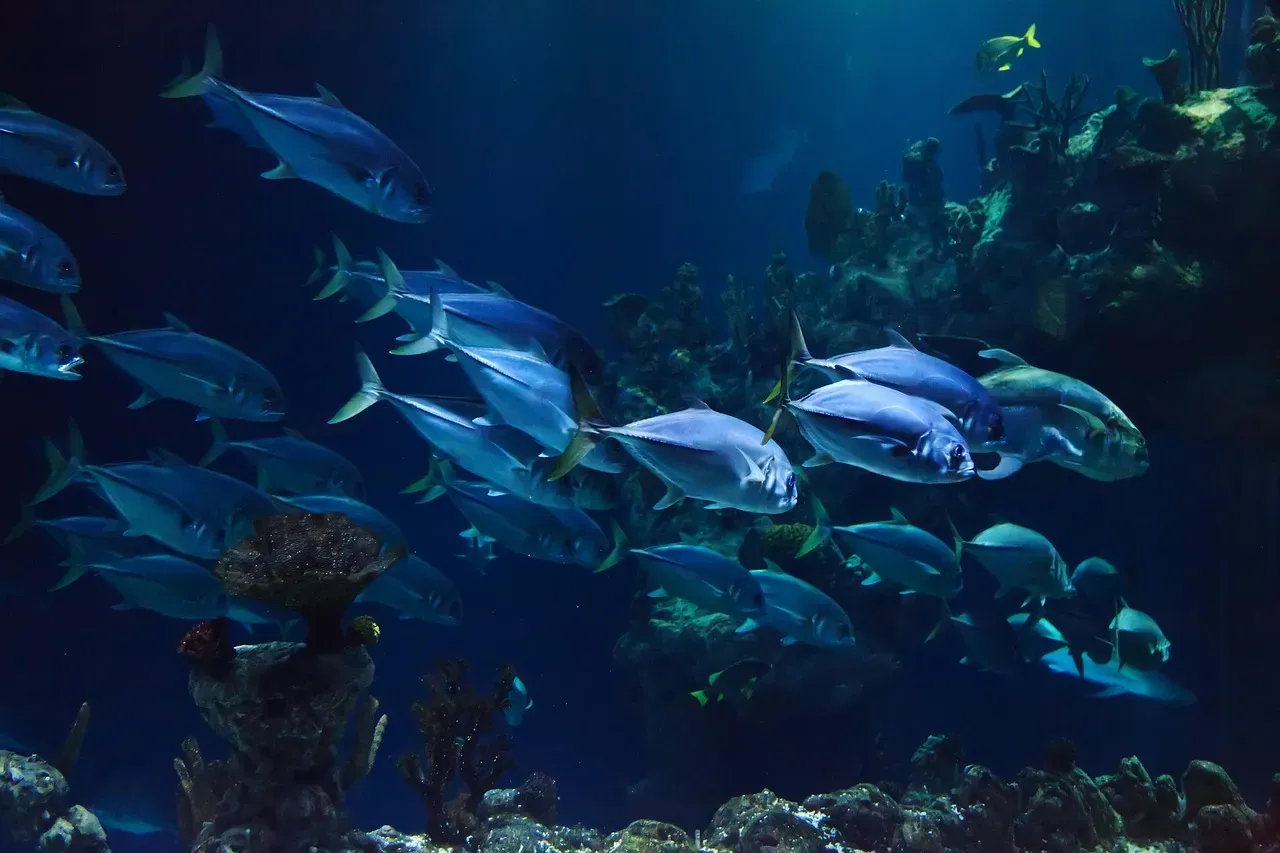
We know whales, tuna, and sharks migrate across ocean basins, but deep-sea animals do something even stranger: many move vertically through the water column in patterns that still don’t fully make sense. Beyond the well-known daily vertical migrations linked to the deep scattering layer, some species appear to move seasonally or with long-term cycles that don’t match obvious cues at the surface. In some regions, deep-water fish and invertebrates have been caught at depths where they weren’t expected, hinting at shifting or hidden migration routes.
Tracking these animals is incredibly hard because tags often fail under high pressure, and acoustic methods can only see so much detail. As climate patterns, oxygen levels, and food availability change, some deep-living species seem to be altering their depth preferences, but data is patchy and scattered. It’s as if we’re watching pieces of a moving puzzle without ever seeing the full picture on the box. Until better deep-rated tracking technology becomes more routine, biologists are left piecing together clues from catches, sonar profiles, and rare submersible encounters, knowing that major migration patterns are still largely invisible.
The Enigma of Deep-Sea “Bristle” and “Honeycomb” Patterns on the Seafloor
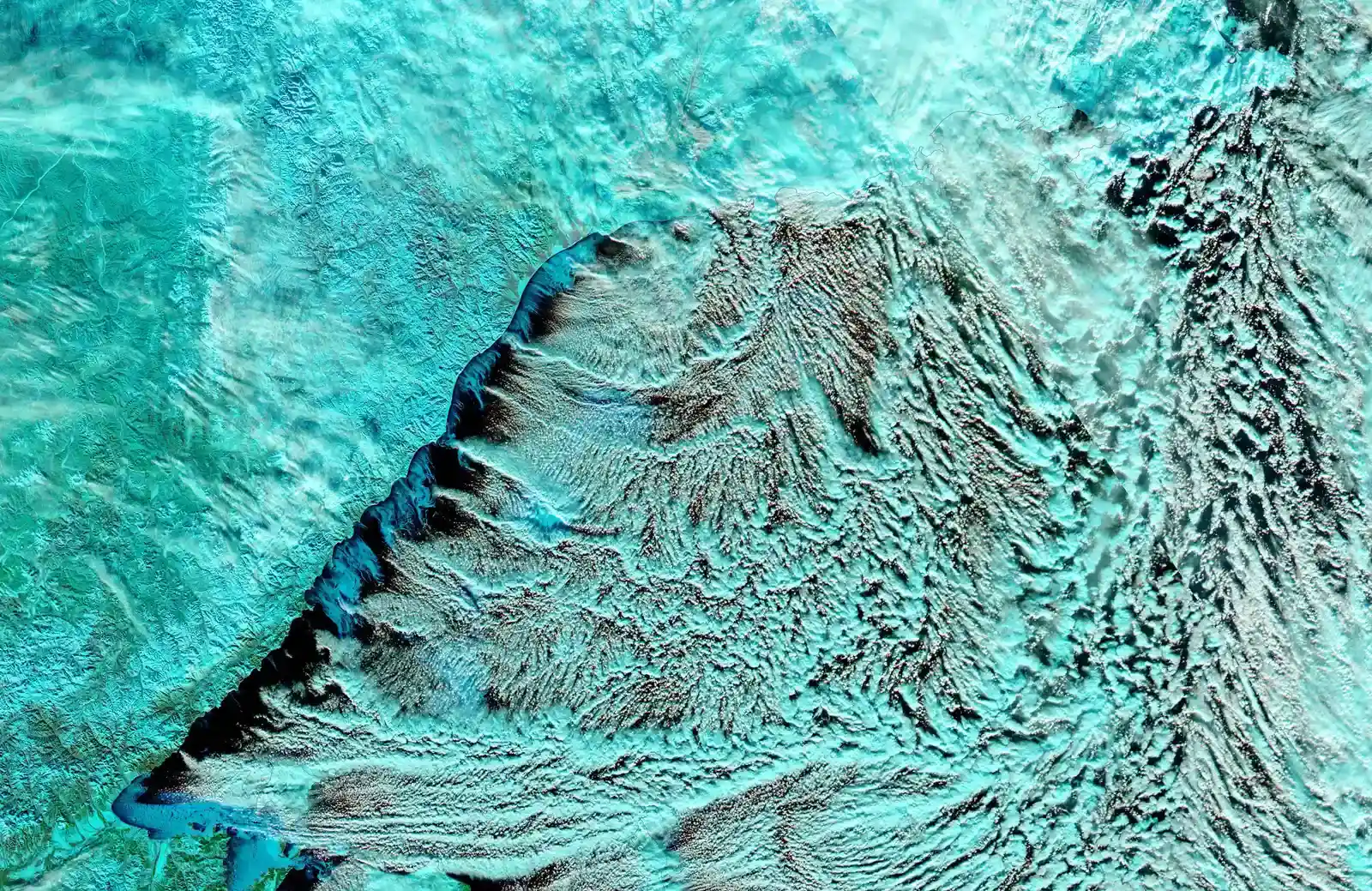
In recent years, high-resolution seafloor mapping has revealed bizarre patterns etched into soft sediments: rows of small, evenly spaced pits, honeycomb-like grids, and long linear grooves that look almost engineered. Some of these features stretch for many kilometers, too regular to be random but too delicate to survive strong currents or obvious geological disturbances. At first glance, it’s tempting to assume human activity, but many are in remote, rarely visited regions far from known fishing or mining operations.
Marine biologists suspect that some of these patterns might be created by unknown animals, maybe burrowing invertebrates or fish performing complex feeding or mating behaviors. In a few cases, deep-diving vehicles have seen fish or crustaceans near similar markings, but direct proof of who is doing what is still missing. It’s like finding footprints in fresh snow with no sight of the animal that left them, over and over again. Until cameras can sit quietly for months at a time on the seafloor without failing, many of these delicate, geometric mysteries remain unsolved sketches in survey data.
The Ultra-Deep Hadal Zone and Its Survivors
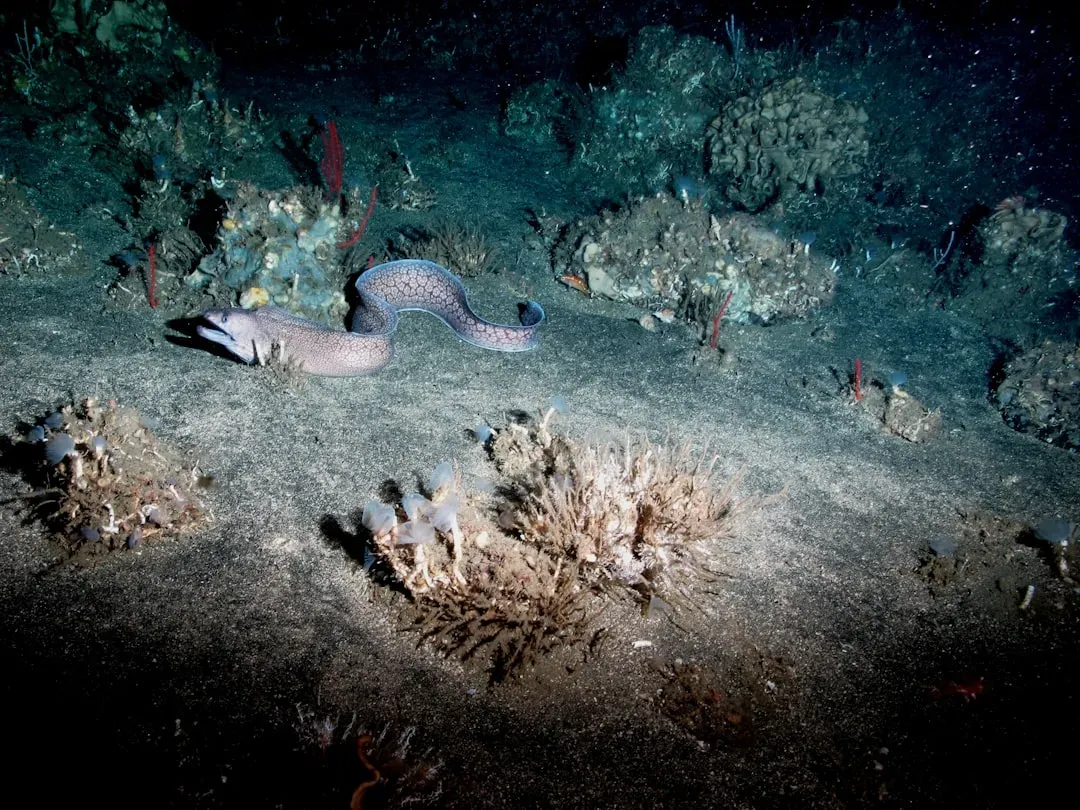
Beyond six thousand meters down, in trenches carved by tectonic plates, lies the hadal zone: a world of crushing pressure, perpetual darkness, and near-freezing temperatures. You’d expect life to taper off to almost nothing there, yet surveys have found surprisingly active communities of amphipods, snailfish, and microbes. These organisms aren’t just surviving; some seem well adapted, with flexible cell membranes, unusual proteins, and special molecules that protect their structures from being crushed. How such fine-tuned adaptations evolved, and how many times they evolved independently, is still a major open question.
Even more confusing is how food gets down there in sufficient amounts to support these communities. Bits of organic material slowly sinking from the surface should be heavily picked over by everything above the trenches, yet hadal sediments often show signs of relatively fresh material. Some studies suggest undersea landslides or funneled currents might periodically deliver nutritious pulses, but those events are hard to catch in real time. Every new sample from the deepest trenches reveals new species and surprising genetic differences, hinting that much of hadal biodiversity is still invisible to science and that our current understanding is only a thin slice of the full story.
The Ocean’s Deepest Secrets Are Still Ahead
The deeper scientists push into the ocean, the more obvious it becomes that we’re still at the exploratory stage, not the finishing touches. From glowing creatures putting on silent light shows, to chemical oases where life rewrites the rules, to trenches where animals live under pressures that would crush steel, the deep sea keeps offering up new riddles faster than we can solve the old ones. Each mystery isn’t just a curiosity; it’s a clue about how life copes with extremes and how Earth’s systems really work beneath the surface.
There’s a good chance that some of the most important discoveries about climate, evolution, and even potential life beyond Earth will come from these dark, high-pressure realms we’ve barely touched. For now, the deep ocean remains part laboratory, part haunted house, and part blank page. As technology improves and more people turn their attention to what’s happening miles below the waves, the next few decades could completely change how we think about our blue planet. Which of these deep-sea mysteries surprised you the most?