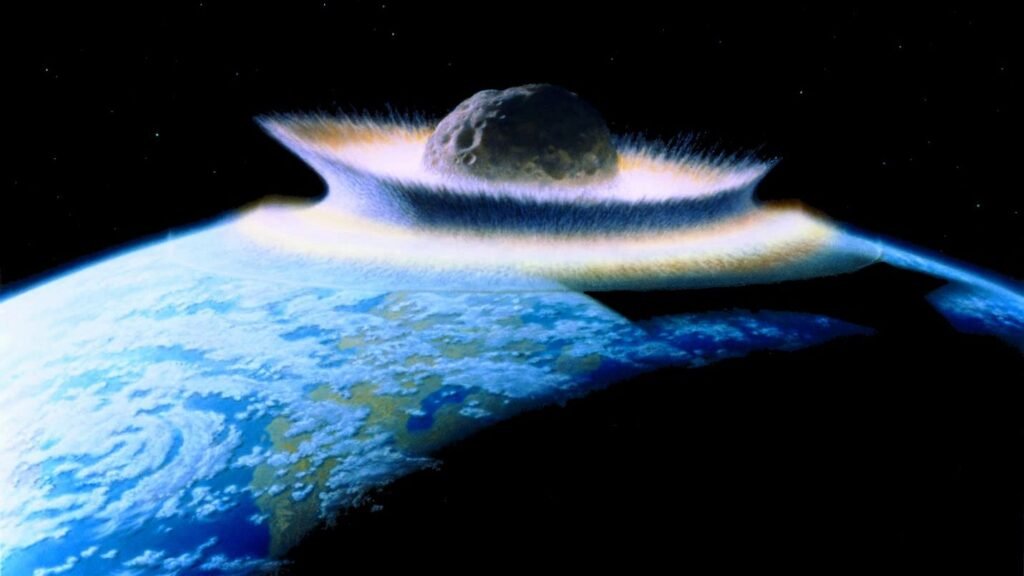

Earth feels solid and steady under our feet, but its story is written in fire, ice, and impacts from the sky. Over billions of years, celestial events have slammed into our planet, bathed it in radiation, tugged on its orbit, and even helped spark the conditions that let life appear in the first place. When you zoom out far enough, human history starts to look like a brief aftershock of much older, far more dramatic cosmic events.
Some of these events were so violent that, if you could watch them in real time, you’d probably assume Earth didn’t stand a chance. Yet again and again, catastrophe has been followed by creativity: mass extinctions opening the way for new life, violent impacts delivering the ingredients for oceans and biology. In a strange way, the universe has acted like a harsh but persistent sculptor, repeatedly smashing and reshaping our world until it became the planet we know now.
The Giant Impact That Created the Moon
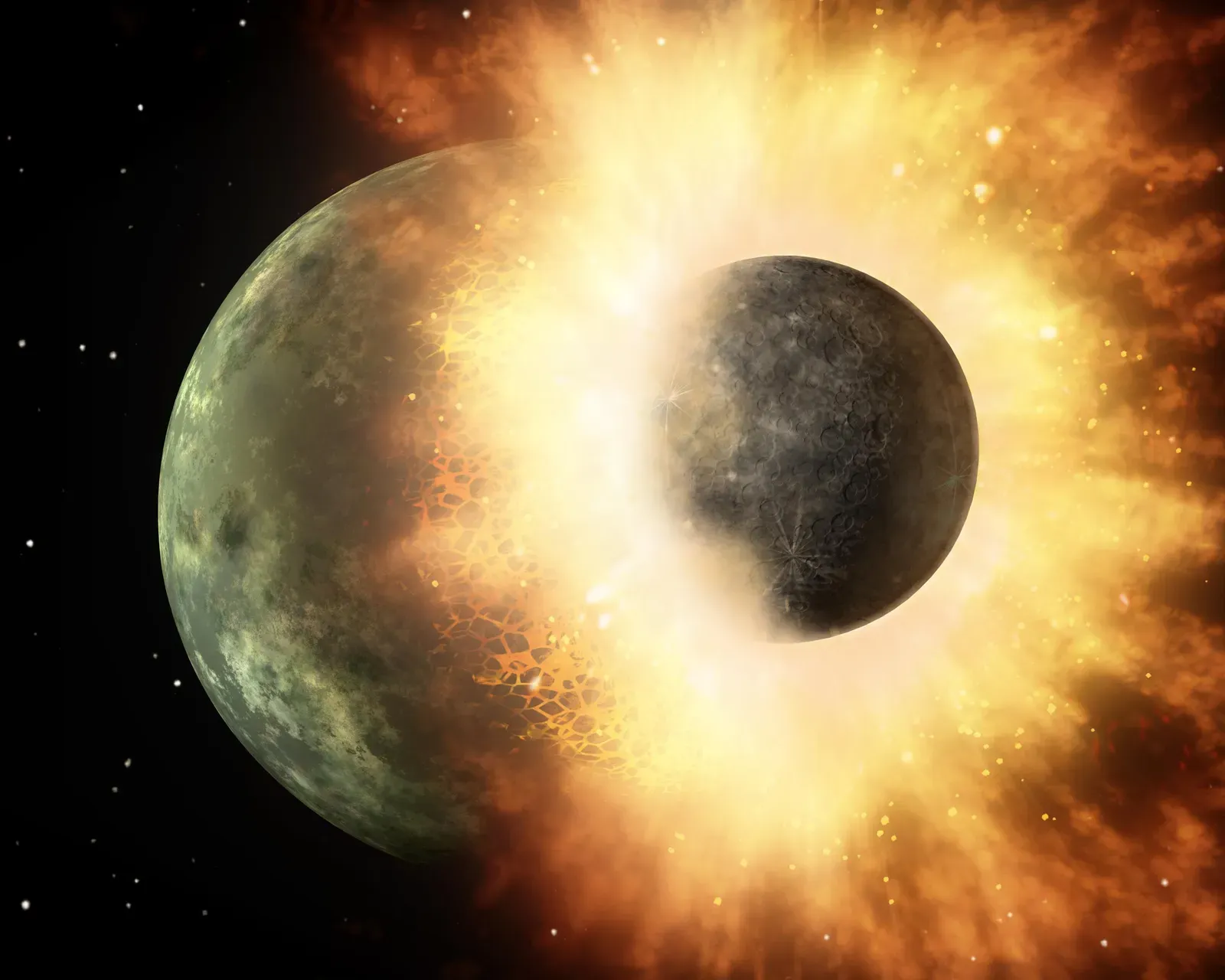
Imagine Earth as a young, half-formed world, still molten and unstable, when a Mars-sized object slammed into it with such force that entire chunks of rock were blasted into space. That colossal collision, known as the giant impact hypothesis, is currently the leading explanation for how our Moon formed. Evidence from lunar rocks suggests that the Moon’s composition is eerily similar to Earth’s outer layers, which fits the idea that both bodies were once part of a single, smashed-together system.
This single event reshaped everything that came after it. The Moon’s gravity stabilized Earth’s tilt, preventing wild swings that could have made long-term climates far more chaotic and hostile to complex life. It also slowed Earth’s rotation, turning what may have been a frantic few-hour “day” into something closer to what we know now. The tides driven by the Moon likely stirred early oceans, creating dynamic shorelines and tidal pools that could have helped early chemistry inch its way toward life.
Early Bombardment and the Delivery of Water
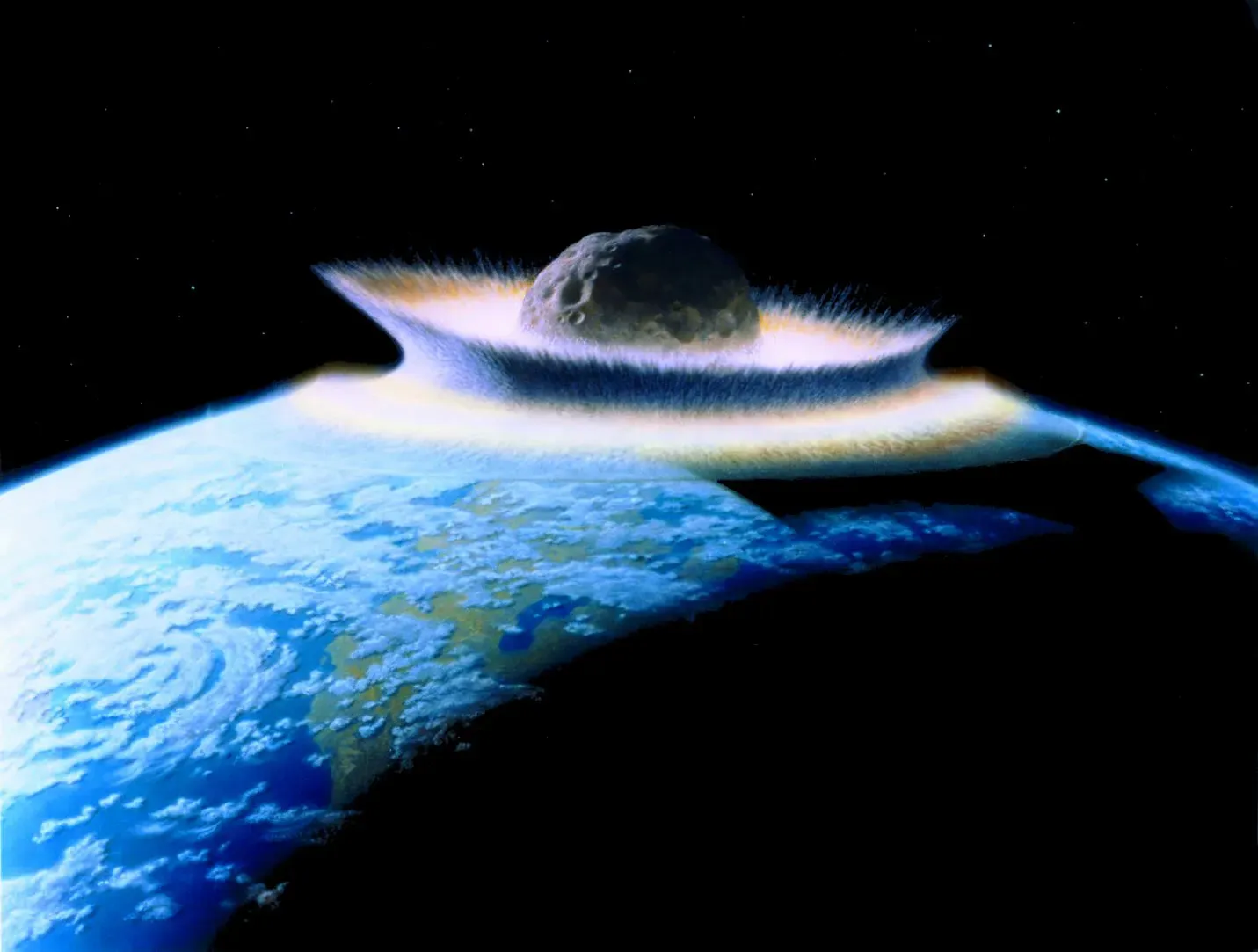
Not long after Earth formed, it spent hundreds of millions of years being pelted by a relentless rain of asteroids and comets. This era, often called the Late Heavy Bombardment, was not a gentle drizzle; it was more like living inside a cosmic shooting gallery. Enormous impact basins on the Moon testify to this violence, and Earth, with its stronger gravity, would have taken even more of that beating, though erosion and plate tectonics have erased much of the original scar tissue.
For all the destruction, those impacts likely helped deliver and redistribute key ingredients like water and volatile compounds. Some comets and water-rich asteroids carried ice that may have melted to feed Earth’s early oceans, mixing with water from Earth’s interior. The chemistry stirred up by such high-energy collisions could have produced organic molecules, setting the stage for prebiotic chemistry. In a twist that feels almost unfairly dramatic, the same impacts that could sterilize large parts of the surface might also have sown the seeds of future life.
Solar Radiation and the Birth of the Ozone Shield
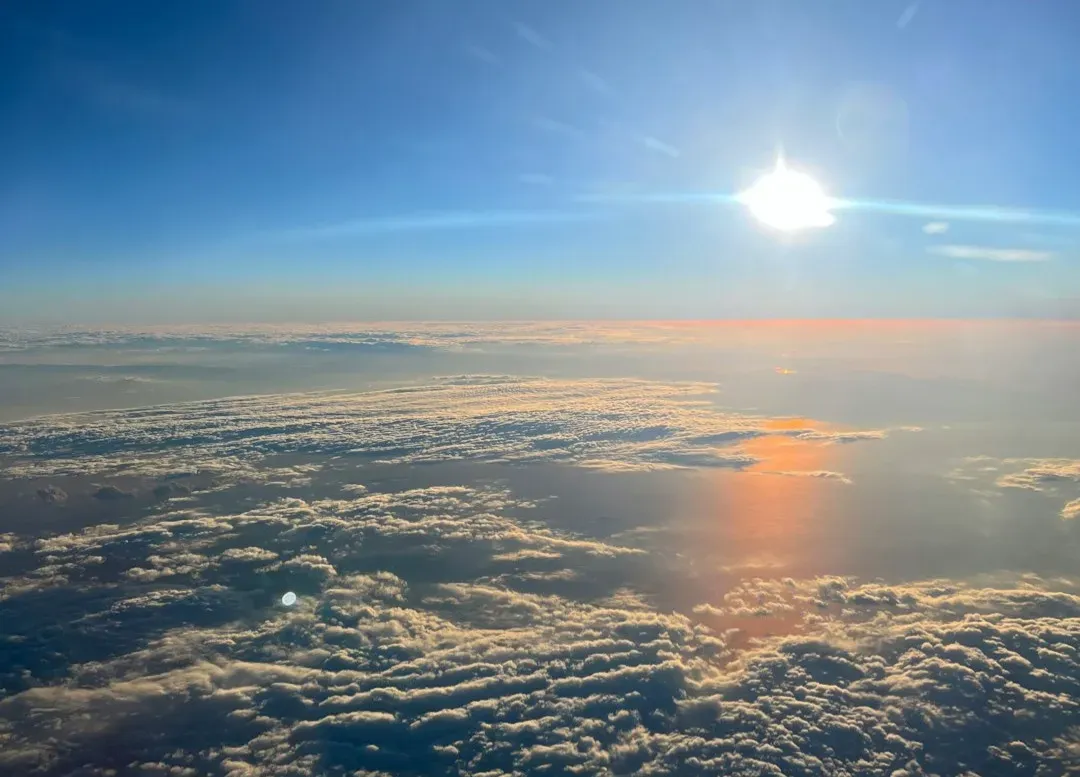
From the start, our Sun has been both a lifeline and a threat. Early Earth was bombarded by intense ultraviolet radiation and charged particles from a more active young Sun. Without protection, that radiation can tear apart biological molecules and strip away atmospheric gases. In those early days, Earth’s surface would have been a hostile place for any fragile, unshielded life trying to get a foothold near the top of the atmosphere or on exposed land.
Over time, tiny photosynthetic microbes in the oceans began releasing oxygen as a byproduct, slowly changing the chemistry of the atmosphere. Some of that oxygen rose high above the surface and formed ozone, a layer that absorbs much of the Sun’s most damaging ultraviolet light. The rise of the ozone shield did not just make sunlight less lethal; it created a safer environment for life to gradually creep out of the oceans and onto land. Without this interplay between solar radiation and atmospheric chemistry, Earth might have remained a world of oceans with only minimal life hiding in the depths.
Asteroid Impacts and the End of the Dinosaurs
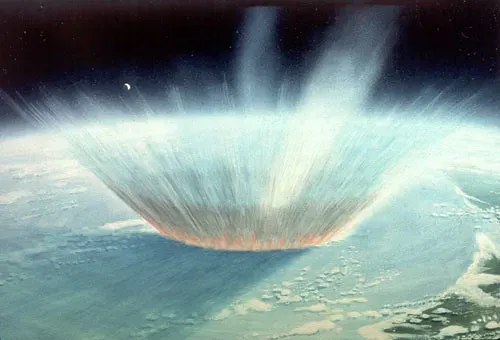
About sixty-six million years ago, a roughly city-sized asteroid struck near what is now the Yucatán Peninsula in Mexico, ending the reign of the non-avian dinosaurs in a geological instant. The energy released by that impact was equivalent to billions of nuclear bombs, triggering shock waves, wildfires, tsunamis, and a global dust cloud. That dust and soot darkened the sky, cooling the planet, choking off photosynthesis, and collapsing food chains from the bottom up.
As devastating as it was, the impact opened ecological space for mammals, including our own ancestors, to diversify and thrive. With large dinosaurs gone from most land habitats, smaller, warm-blooded animals that could adapt quickly had a rare opportunity. Over millions of years, that opportunity eventually led to primates, then hominins, and finally humans. It’s strange to think that a single terrifying day in Earth’s history may have tipped the balance so that our kind could one day stare back at the sky and wonder what else might be out there.
Supervolcano Eruptions and Climatic Shockwaves
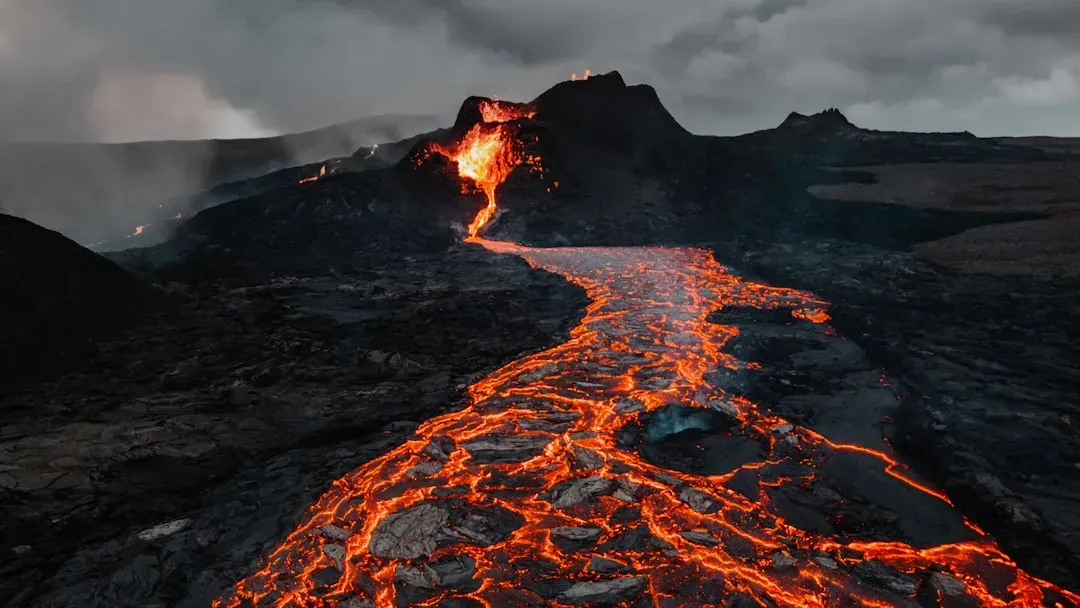
Earth has not needed help from space to unleash planet-altering events; sometimes the drama erupts from beneath our feet. Supervolcanoes, such as those that created the Deccan Traps in India or the Siberian Traps in Russia, have flooded regions the size of continents with lava. These eruptions can continue, pulse after pulse, for hundreds of thousands of years, belching out massive amounts of gases and particles into the atmosphere and altering climate on a global scale.
These prolonged volcanic episodes have been linked to several mass extinction events by drastically reshaping temperature, ocean chemistry, and atmospheric composition. For example, intense volcanic outgassing can lead to severe warming, ocean acidification, and depletion of oxygen in the seas. Life that cannot adapt to the new conditions disappears, making room for new types of organisms that can. The story of evolution is full of such volcanic turning points, where the planet’s own inner engine forces ecosystems to reboot.
Near-Earth Supernovae and Radiation Bursts
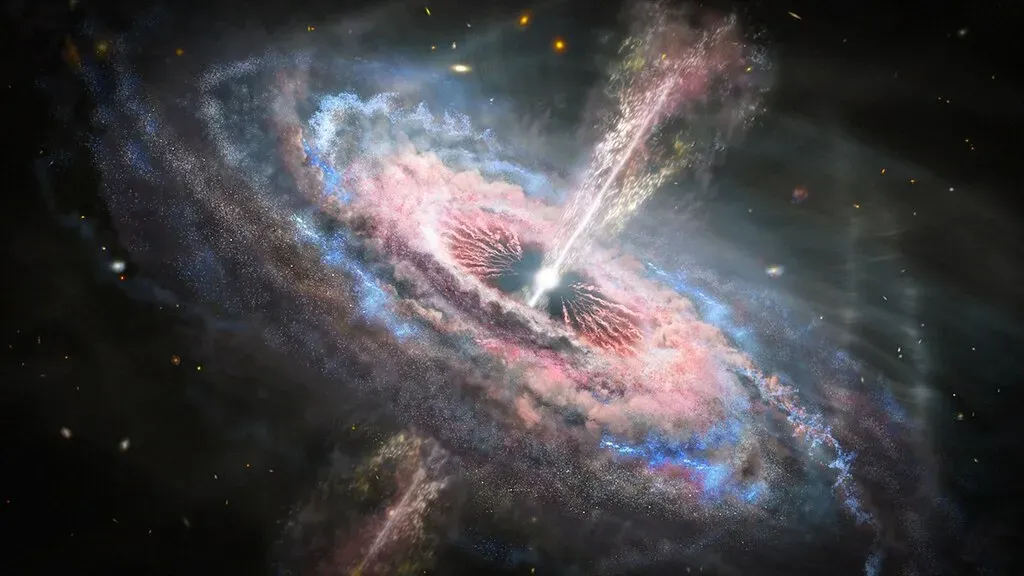
Even stars far beyond our solar system can influence Earth when they end their lives in violent supernova explosions. Evidence from layers of deep-sea sediments suggests that, a few million years ago, a nearby star likely exploded and sprinkled Earth with traces of heavy elements that such blasts create. While the event was not close enough to sterilize the planet, it may have increased cosmic radiation reaching the atmosphere and the surface for an extended period of time.
Spikes in radiation can affect atmospheric chemistry, potentially altering cloud formation, ozone levels, and even climate patterns. They can also slightly increase mutation rates in organisms, feeding the raw material that evolution works with over long timescales. Although the exact biological consequences of specific supernovae near Earth are still being studied, the idea that distant stellar deaths may have nudged our planet’s climate and evolutionary path adds a sobering sense of how interconnected the galaxy really is.
Milankovitch Cycles and the Rhythm of Ice Ages
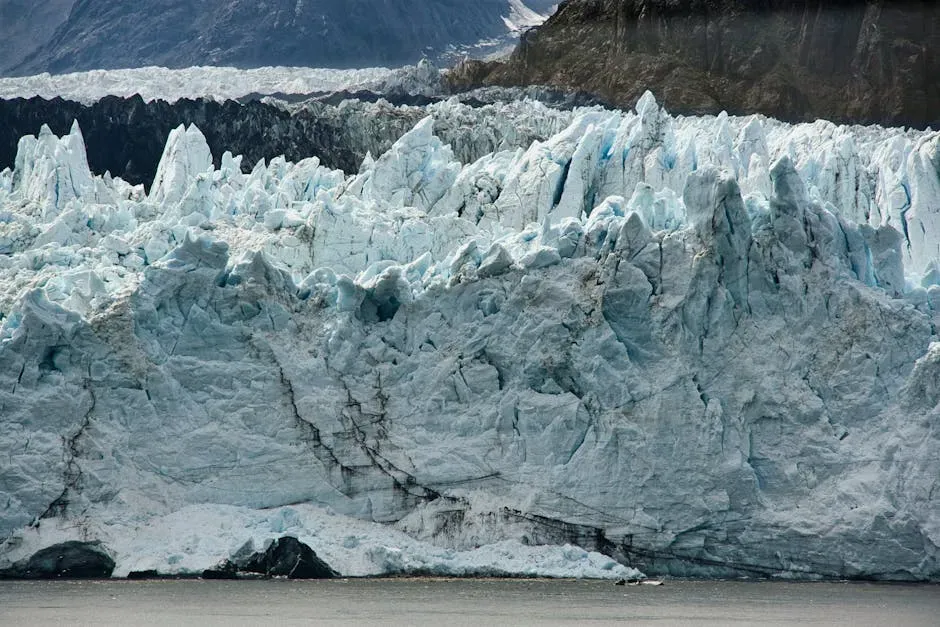
Earth does not travel around the Sun in a perfectly steady way; its orbit and tilt subtly change over tens of thousands of years. These slow variations, known as Milankovitch cycles, adjust how sunlight is distributed across the planet’s surface by latitude and season. A slight change in tilt, a gentle wobble in the axis, or a stretching of the orbit can be enough to tip the balance between growing ice sheets and melting ones over long periods.
These cycles are thought to play a major role in pacing the ice ages and warm interglacial periods of the last few million years. As ice sheets expand and retreat, they reshape landscapes, sea levels, and habitats, forcing plants and animals to migrate, adapt, or vanish. Human evolution unfolded against this backdrop of shifting climates, with our species learning to survive through glacial cold and warmer intervals. In a way, these gentle celestial nudges have been the metronome setting the tempo for large parts of Earth’s recent environmental and evolutionary history.
Solar Storms, the Magnetosphere, and Atmospheric Survival
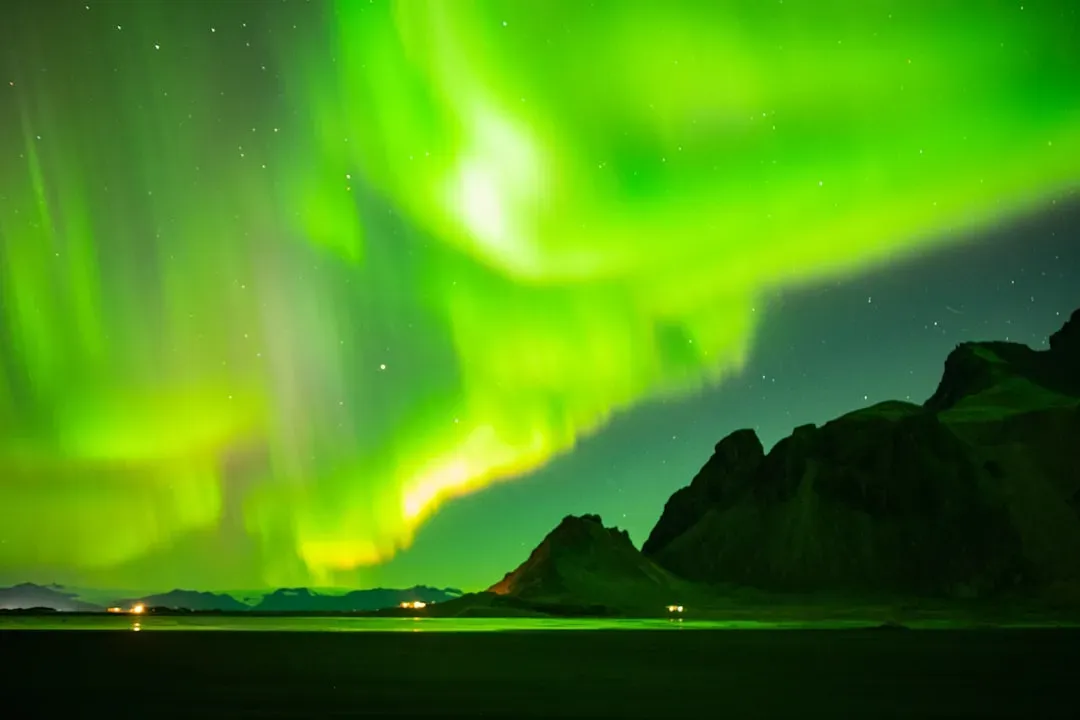
Our Sun occasionally throws tantrums in the form of powerful solar storms and coronal mass ejections, blasting out clouds of charged particles. When these hit Earth, they can disturb the planet’s magnetic field and energize particles trapped within it. We see some of the beauty of this process as glowing auroras near the poles, but the same storms can also disrupt satellites, power grids, and radio communication, as we have already experienced in our technological age.
Earth’s magnetic field, generated by the planet’s molten iron core, acts as a vital shield that deflects most of these charged particles away from the atmosphere. Without that magnetosphere, the solar wind could gradually strip away the upper layers of our air, as appears to have happened on Mars after it lost much of its magnetic protection. By guarding our atmosphere, this invisible shield has helped preserve the conditions that allow liquid water, a stable climate, and ultimately complex life to endure over billions of years despite the Sun’s occasional outbursts.
Human Space Activity: A New Celestial Factor
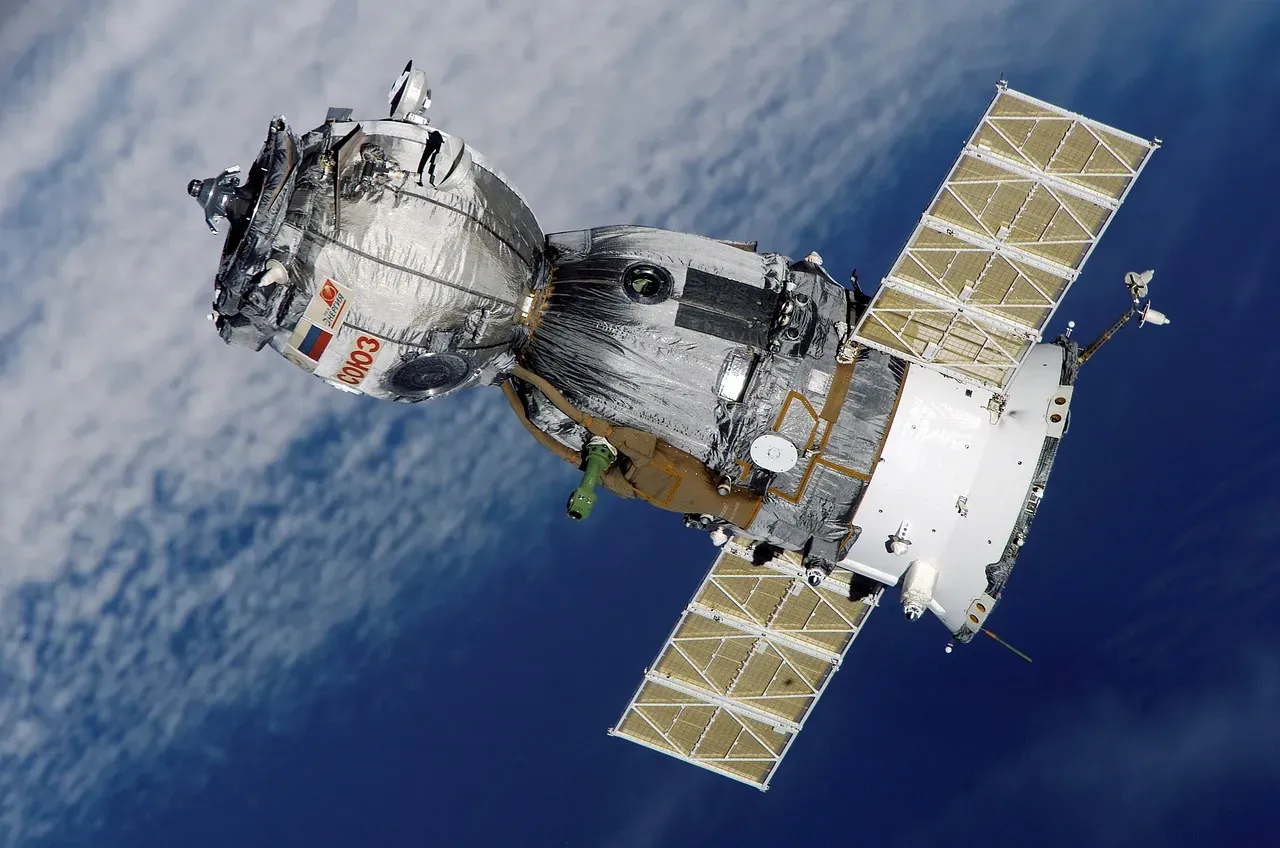
For most of Earth’s history, celestial events were something that simply happened to the planet, but in the last few decades, humans have begun reaching outward in a way that subtly feeds back on Earth itself. Satellites now blanket near-Earth space, shaping how we navigate, communicate, and observe our changing climate. At the same time, debris from old rockets and defunct satellites has started to accumulate, creating a human-made hazard in orbit that future generations will have to manage carefully.
Beyond the clutter, our growing ability to detect and track asteroids means we’re no longer passive victims of potential impacts. Projects to test deflection techniques, such as nudging an asteroid’s orbit, mark the first steps in deliberately altering celestial dynamics to protect Earth. We’re also starting to mine data from other planets and moons, using them as mirrors to better understand how worlds evolve and sometimes fail. In a sense, humanity has become an active participant in the story of celestial events, aware enough to read the cosmic patterns and just beginning to learn how to respond to them.