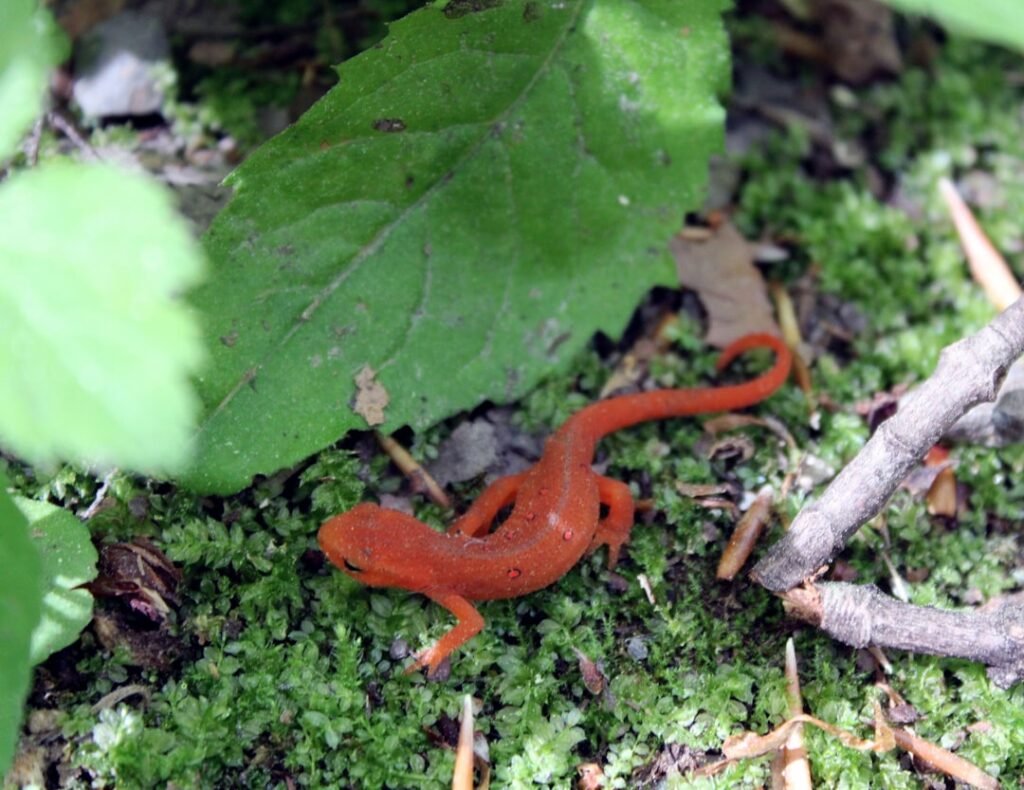

When a limb is lost in the wild, most creatures face a brutal truth: the damage is permanent. Yet scattered across Earth’s waterways, forests, and tidepools are species that treat injury like a reversible mistake. Their bodies rewrite wounds into blueprints, swap scar for structure, and quietly perform feats that medicine still dreams about. I remember watching a lab video of a tiny appendage sprout back on a salamander and feeling my own pulse pick up – like witnessing a magic trick that refuses to be called magic. Here’s the frontline tour of nine regenerators that turn crisis into renewal, and what their biology is teaching us right now.
Axolotl – The Amphibian That Rewinds Injury
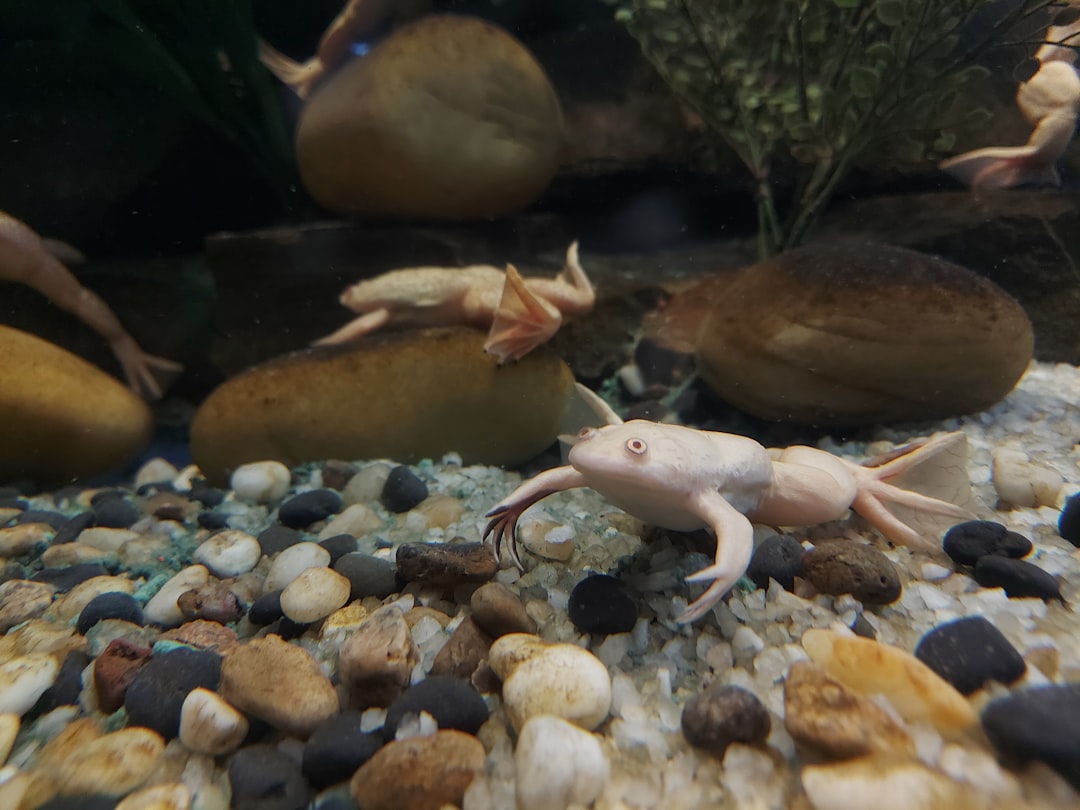
Axolotls rebuild complex limbs, tails, jaws, and even parts of the spinal cord by forming a blastema – an organized mound of cells that behaves like an embryo at the site of injury. Nerves release growth signals that keep this structure humming, while immune cells choreograph cleanup without triggering the scarring that shuts down regeneration in humans. The result is not a crude patch but a functional replica, bones and joints aligned like a reprinted blueprint. Researchers track gene networks here that flip mature cells back to a flexible, repair-ready state. It’s meticulous biology, more like restoration than repair.
Why it matters goes beyond curiosity. Lessons from axolotl inflammation and nerve signaling are reshaping how scientists think about treating spinal injuries, arthritis, and severe burns without scar tissue. The axolotl shows that perfect reconstruction is a solvable problem, not a fairytale.
Newts – Small Bodies, Big Regrowth
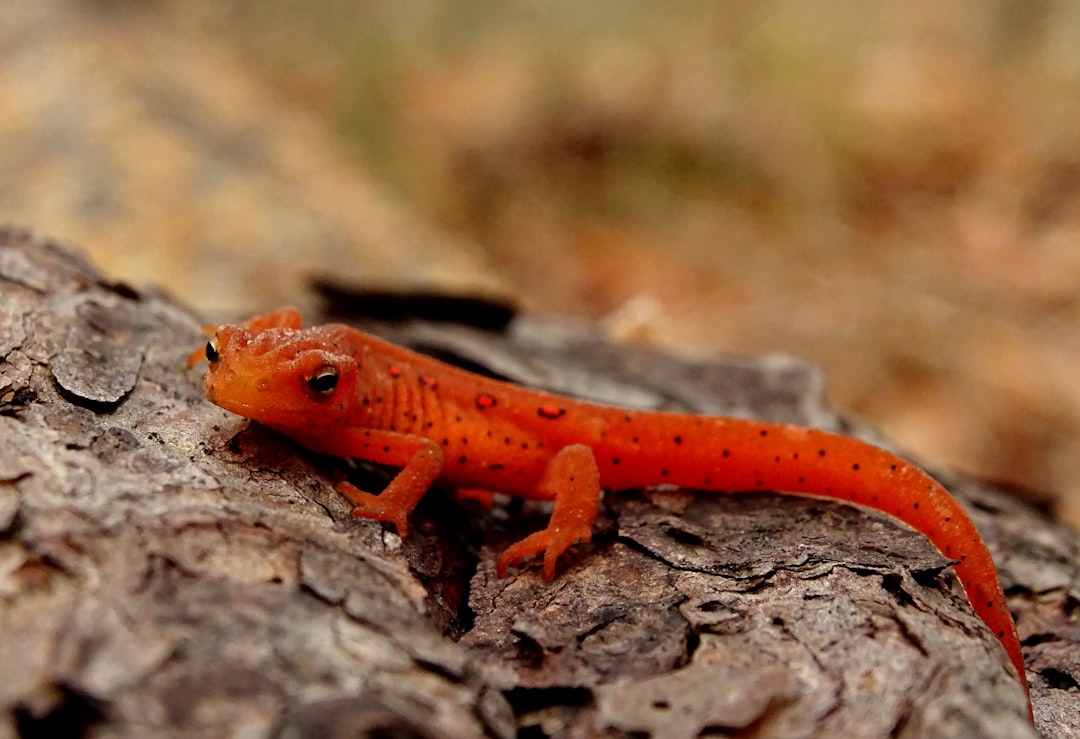
Newts take amphibian resilience a step further by regenerating eye lenses and parts of the heart, quietly defying the dogma that certain tissues are off-limits. After injury, their cells don’t panic; they negotiate, de-differentiate, and return to work with astonishing precision. Nerve presence again proves decisive, acting like a conductor for the cellular orchestra. The newt’s immune system leans toward pro-regenerative signals instead of the alarm bells that harden human scars. Watching their tissues regress and then refashion is like seeing time edited with surgical care.
Biologists use newts to map how organs retrieve lost instructions. The hope is to nudge human cells into a similar, temporary state of flexibility – just long enough to replace what disease erases.
Zebrafish – Hearts That Heal Themselves
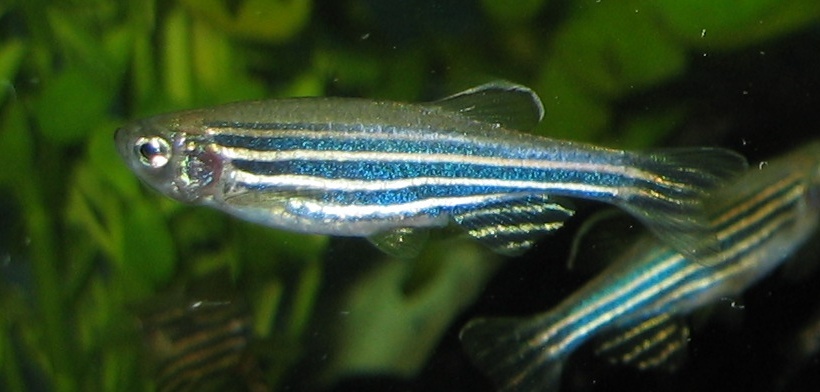
Zebrafish shrug off cardiac injury that would be catastrophic in mammals, rebuilding damaged heart muscle by coaxing existing cells to divide again. Blood vessels and connective tissue keep pace, restoring not just structure but pumping strength. In fins and skin, the same logic applies: minimal scarring, maximal architecture. Scientists now track single cells during this process to watch identities change, like following characters through a gripping plot twist. It’s regenerative choreography written in real time.
The implications are direct. Understanding how zebrafish silence scar pathways and reawaken growth could one day help heart attack survivors regain function rather than accept a lifetime of fragile tissue.
Planarian Flatworms – Masters of Molecular Reset
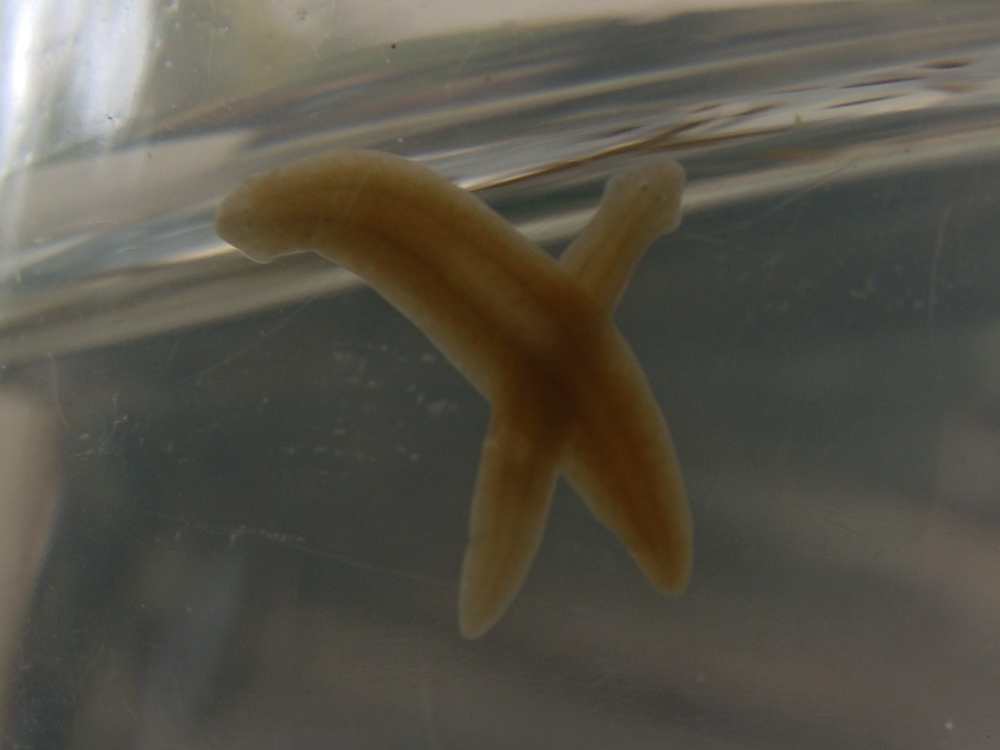
Slice a planarian, and nearly any fragment can rebuild a whole animal thanks to a vast population of adult stem cells. These cells carry molecular memory – signals that decide what becomes head, tail, or trunk – and they respond to injury with astonishing speed. Chemical gradients steer the rebuild like signposts on a night road. Across labs, planarians serve as a model for how complex body plans arise again and again without confusion. They make regeneration look routine, almost boring, until you remember what’s really happening.
The lesson is blunt and thrilling: abundant, well-regulated stem cells can replace almost anything. The challenge is learning how to create that safe abundance in human tissues without tipping into chaos.
Hydra – Perpetual Budding and Cellular Youth
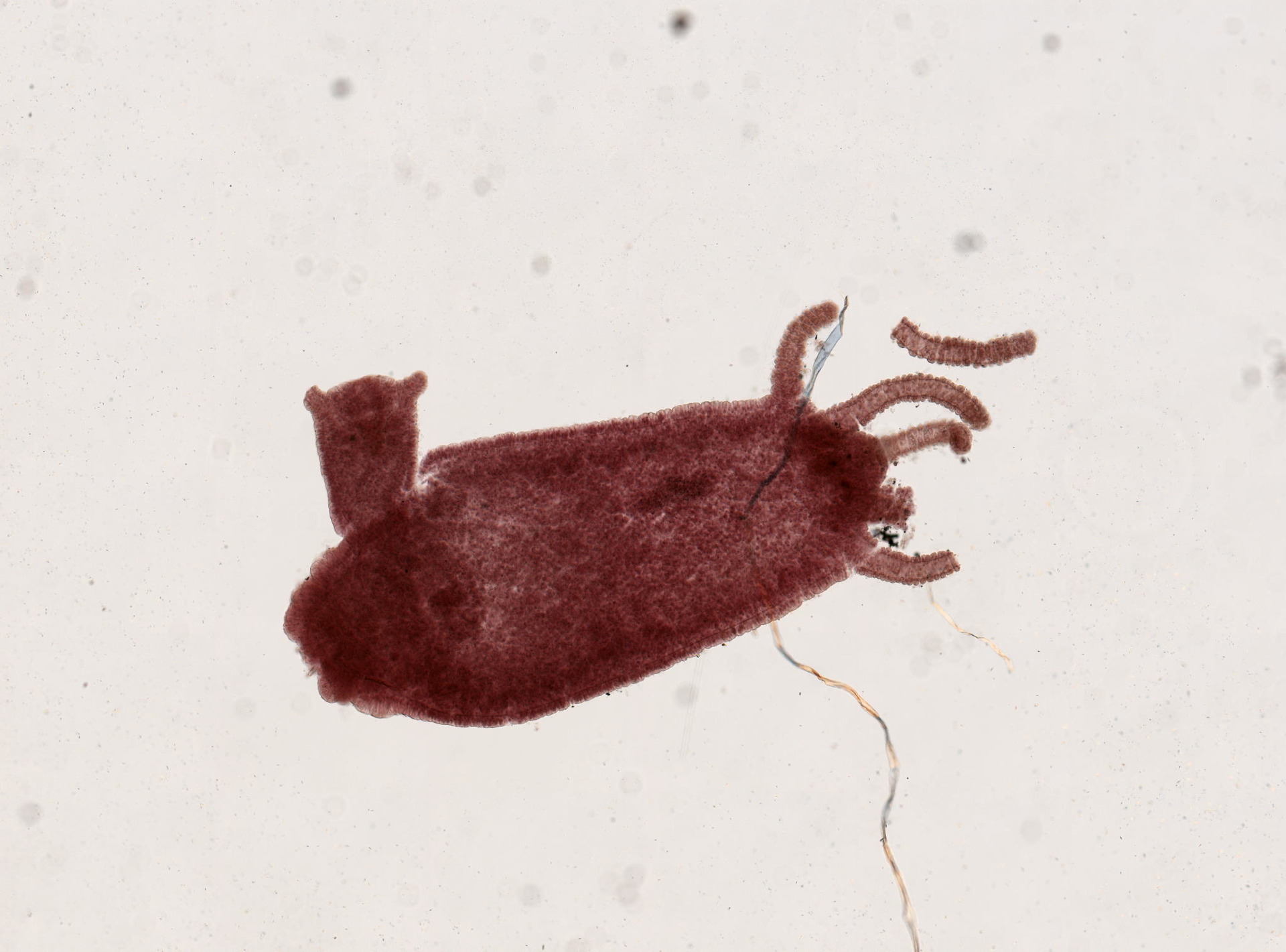
Hydra, a delicate freshwater polyp, constantly renews itself, so slicing it feels less like injury and more like pruning a vigorous plant. A rich interplay of signaling pathways sets head and body identities, and cells migrate into place with quiet confidence. Instead of aging into dysfunction, hydra maintains stemness as a lifestyle. The result is relentless capacity to rebuild, bud, and re-form. In the lab, it’s a living diagram of patterning done right.
I once joked that hydra treats injury like a scheduling hiccup, not an emergency. That attitude – slow, steady, and inexhaustibly organized – offers a template for longevity and maintenance that medicine craves.
Sea Stars – Arms with Hidden Blueprints
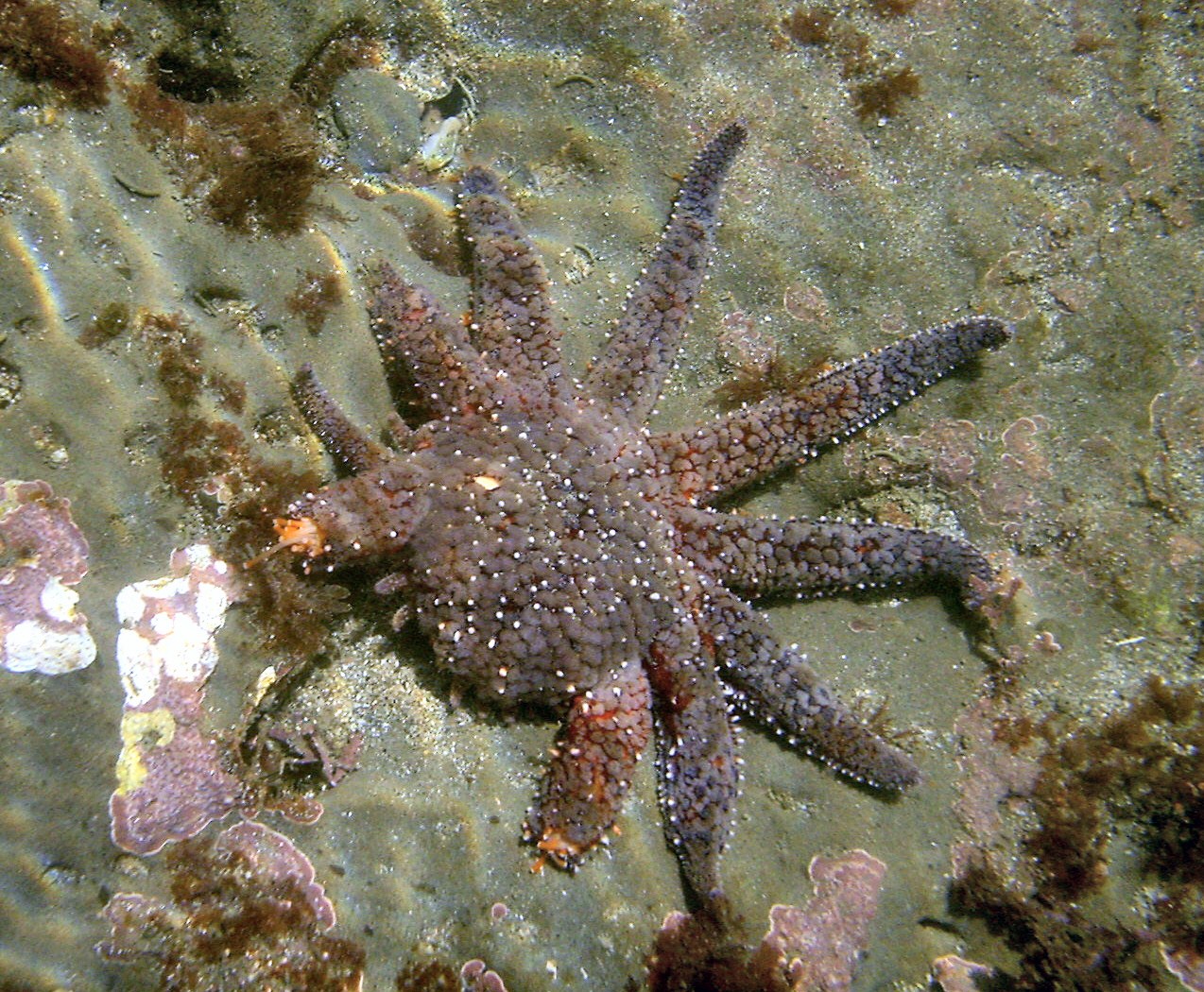
Lose an arm, and many sea stars start again, reassembling nerves, muscles, and skeletal plates until the limb works like new. Some species can even rebuild entire bodies from a portion that retains key central structures, revealing how much information is stored in seemingly simple tissues. It’s regeneration with built-in quality control: patterns lock into place only when the architecture is ready. Environmental conditions matter too; temperature and nutrition subtly adjust the pace, reminding us that regeneration lives inside an ecological context. Biology never forgets the habitat.
Marine labs use sea stars to study how nervous systems reconnect without tangling. That insight could inform smarter surgical repair of severed nerves on land.
Sea Cucumbers – Guts Out, Life Restored
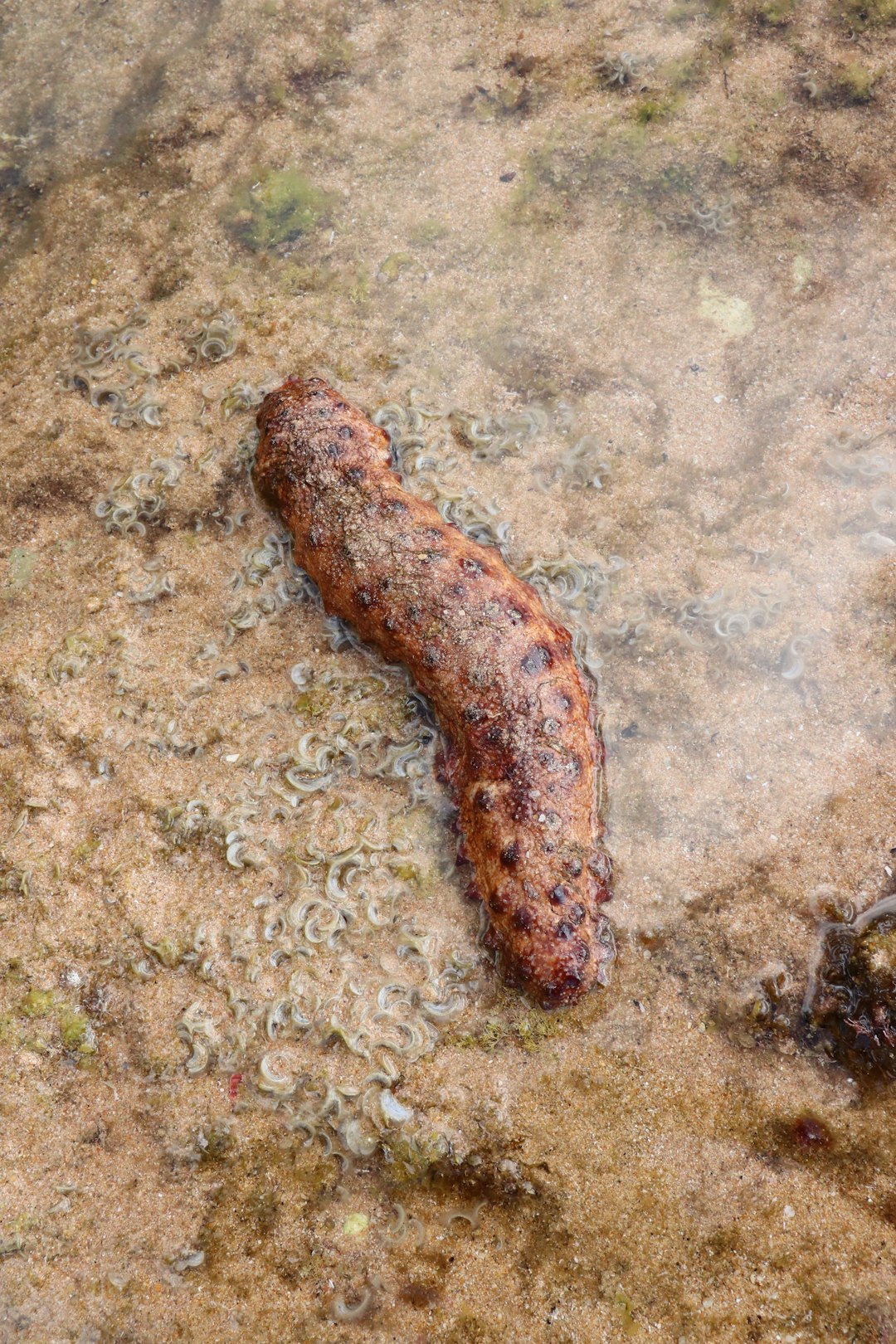
When threatened, sea cucumbers eject parts of their insides and later regrow the missing organs – a dramatic defense that doubles as an extreme regeneration test. Their collagen-rich tissues can soften and stiffen on command, a mechanical trick that helps them disassemble and rebuild with uncanny efficiency. Immune signals stay balanced so that cleanup doesn’t turn into scar. Researchers are mapping the gene switches that restart intestine and respiratory structures, one stage at a time. Think of it as a controlled demolition followed by ultra-precise construction.
Materials scientists are paying attention to the softening–stiffening chemistry. It hints at medical adhesives and scaffolds that change properties as healing progresses.
Spiny Mice – Mammals Breaking the Rules
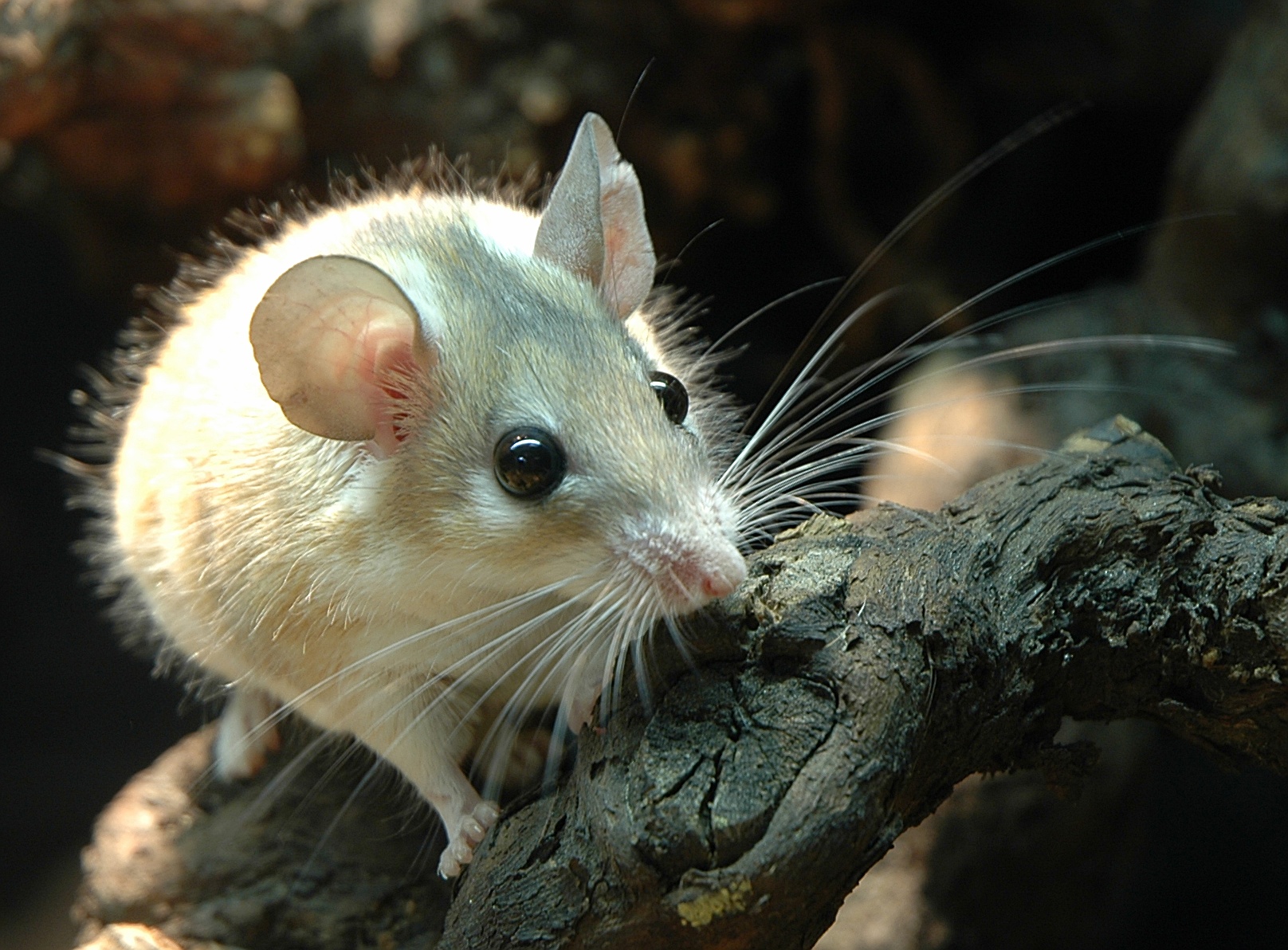
Spiny mice can close large skin wounds with minimal scarring, even regenerating hair follicles, sweat glands, and cartilage in delicate ear tissue. For a mammal, that’s headline news, because our default is to seal injuries fast, not beautifully. Their immune response skews toward regeneration-friendly cues, and extracellular matrix remodeling makes space for orderly growth. It’s like renovating a house without leaving drywall seams. The proof undercuts the claim that mammals simply can’t regenerate well.
Clinicians see a roadmap here for treating chronic wounds and surgical sites. If one small mammal can do this, the mammalian rulebook is clearly editable.
Deer Antlers – The Fastest Regrowing Appendages
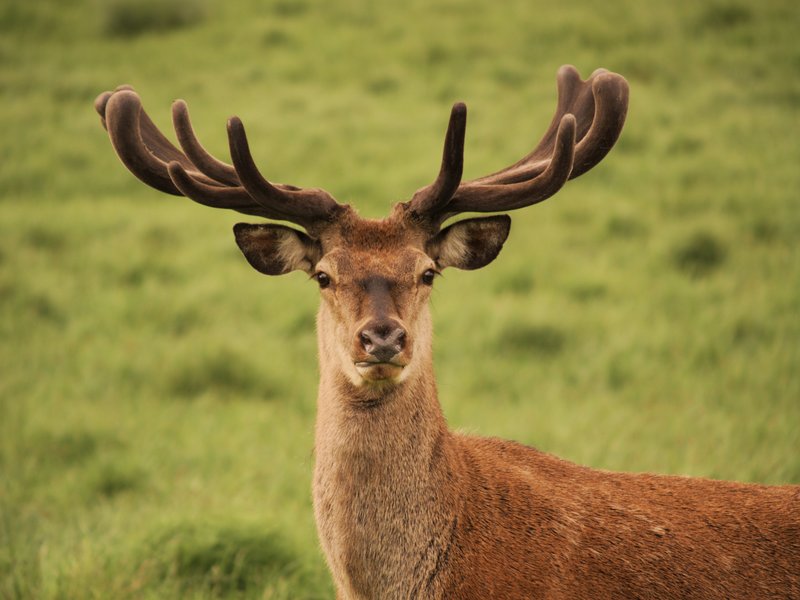
Every year, deer shed and regrow fully vascularized, innervated antlers from stem cell–rich pedicles, setting the bar for rapid, organized appendage regrowth in mammals. Blood supply, hormones, and local stem niches coordinate growth that forms complex bone with striking speed. The system resets seasonally like a well-tuned clock, then hardens on cue. Researchers probe these tissues to learn how to balance speed with safety, avoiding runaway growth while preserving precision. It’s a mammalian regeneration engine hiding in plain sight.
There’s a practical takeaway: protecting deer habitats safeguards a natural laboratory for bone regeneration research. The next time you see antlers catching morning light, consider them a reminder that nature already knows how to rebuild – are we ready to learn from it?
Suhail Ahmed is a passionate digital professional and nature enthusiast with over 8 years of experience in content strategy, SEO, web development, and digital operations. Alongside his freelance journey, Suhail actively contributes to nature and wildlife platforms like Discover Wildlife, where he channels his curiosity for the planet into engaging, educational storytelling.
With a strong background in managing digital ecosystems — from ecommerce stores and WordPress websites to social media and automation — Suhail merges technical precision with creative insight. His content reflects a rare balance: SEO-friendly yet deeply human, data-informed yet emotionally resonant.
Driven by a love for discovery and storytelling, Suhail believes in using digital platforms to amplify causes that matter — especially those protecting Earth’s biodiversity and inspiring sustainable living. Whether he’s managing online projects or crafting wildlife content, his goal remains the same: to inform, inspire, and leave a positive digital footprint.