
When we think about ancient civilizations, it’s easy to picture primitive tools, simple structures, and rudimentary knowledge. Yet scattered throughout history lie artifacts and achievements that challenge everything we thought we knew. From self-healing concrete that outlasts our modern mixes to mechanical computers tracking celestial movements, the ancients possessed capabilities that often went far beyond what their time periods should have allowed.
What’s fascinating is that many of these technologies weren’t just impressive for their era. Some were so advanced that we genuinely struggled to recreate them with modern science. Let’s be real, if someone told you a two thousand year old structure would still be standing strong while contemporary buildings crumble after a few decades, would you believe them? Yet that’s precisely what happened. So let’s dive in and explore nine ancient marvels that deserve far more recognition than they typically receive.
Roman Concrete That Self-Heals and Lasts Millennia
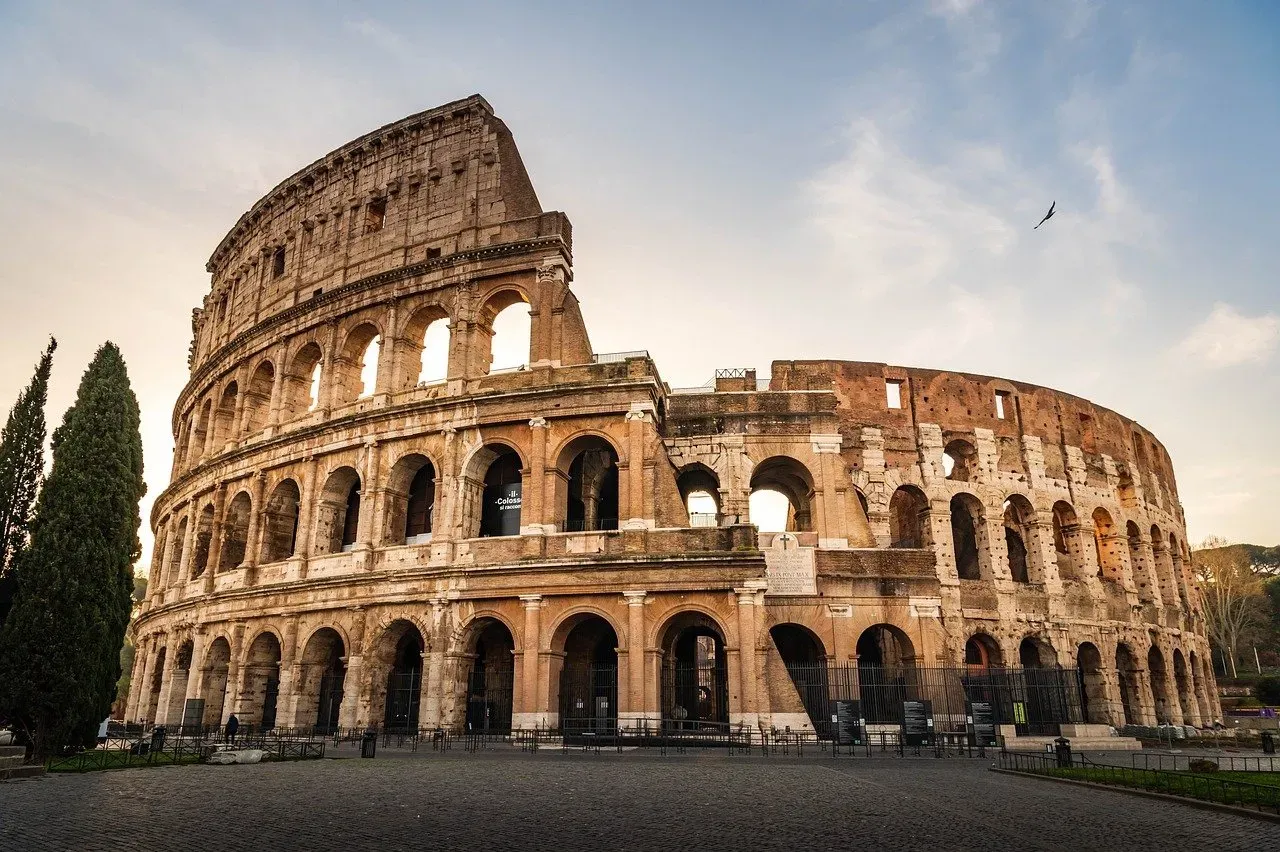
Rome’s famed Pantheon, which has the world’s largest unreinforced concrete dome and was dedicated in 128 C.E., is still intact, and some ancient Roman aqueducts still deliver water to Rome today. Meanwhile, modern concrete structures often deteriorate within decades. The secret? It turns out the Romans weren’t just lucky with their building materials.
Hot mixing was actually the key to the super-durable nature. The team produced samples of hot-mixed concrete that incorporated both ancient and modern formulations, deliberately cracked them, and then ran water through the cracks. Sure enough: Within two weeks the cracks had completely healed and the water could no longer flow. The lime clasts present in Roman concrete react with water to create calcium carbonate, essentially allowing the material to repair itself. Modern concrete just keeps flowing water through cracks, never healing at all.
The Antikythera Mechanism: A Two Thousand Year Old Computer
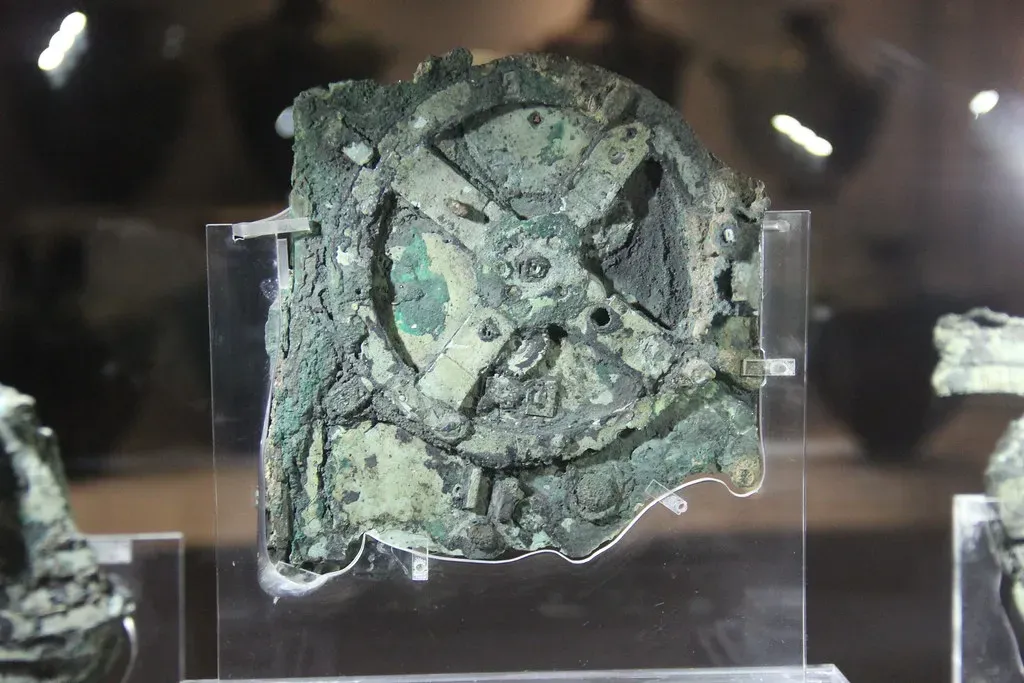
The Antikythera mechanism is an ancient Greek hand-powered orrery. It is the oldest known example of an analogue computer. It could be used to predict astronomical positions and eclipses decades in advance. Discovered in a shipwreck off a Greek island in 1901, this shoebox-sized bronze device contains at least thirty interlocking gears. Honestly, when archaeologists first saw it, many couldn’t believe what they were looking at.
No other geared mechanism of such complexity is known from the ancient world or indeed until medieval cathedral clocks were built a millennium later. The mechanism tracked solar and lunar cycles, predicted eclipses, and even displayed the timing of the ancient Olympic Games. The moon travels at different speeds as it orbits the Earth, and this speed differential is modelled by the Antikythera Mechanism, even though the Ancient Greeks were not aware of the actual elliptical shape of the orbit. The level of engineering sophistication required to build this device suggests a tradition of mechanical knowledge that was somehow lost to history for over a thousand years.
Damascus Steel: The Legendary Blades Lost to Time
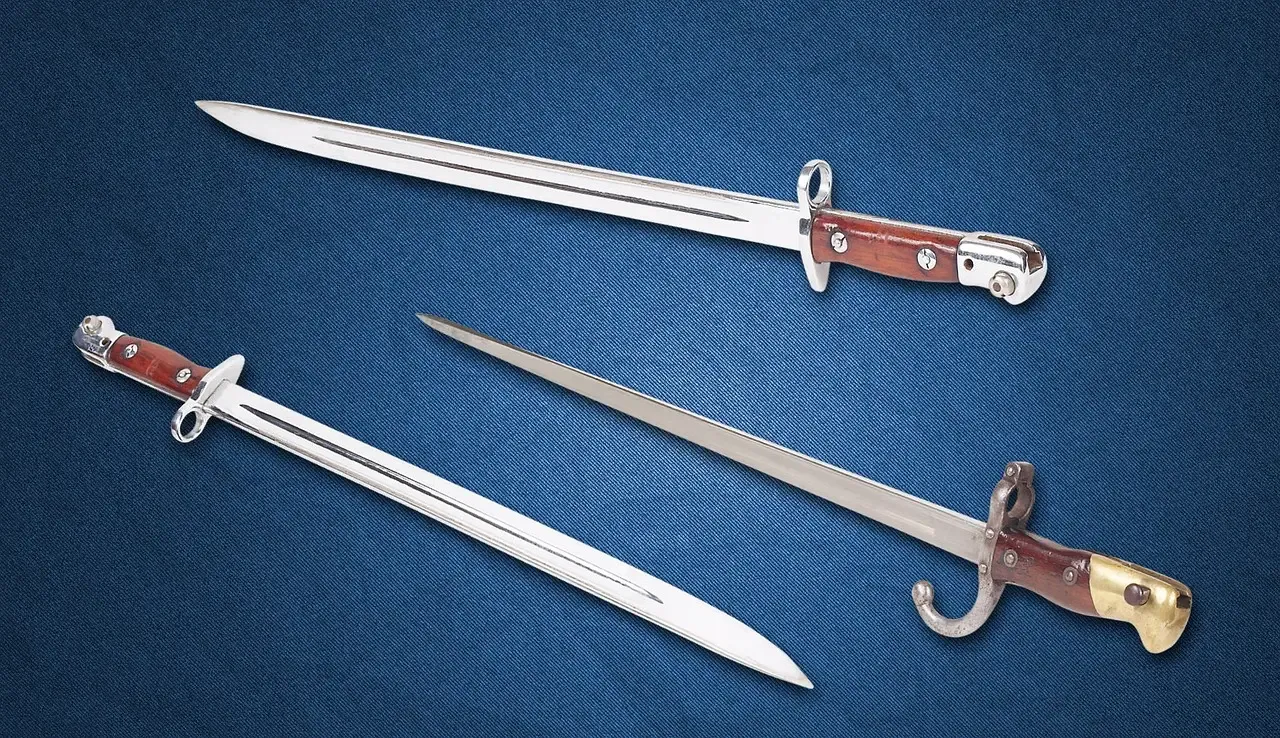
Damascus steel is the high-carbon crucible steel of the blades of historical swords forged using the wootz process in the Near East, characterized by distinctive patterns of banding and mottling reminiscent of flowing water. Damascus steel was reputed to be tough, resistant to shattering, and capable of being honed to a sharp, resilient edge. According to legend, these blades could slice through silk scarves as they fell and maintain their edge after cutting through stone or metal.
Unfortunately, the technique of producing wootz Damascus steel blades is a lost art. The date of the last blades produced with the highest-quality damascene patterns is uncertain, but is probably around 1750. Research has established strong evidence supporting the theory that the distinct surface patterns on these blades result from a carbide-banding phenomenon produced by the microsegregation of minor amounts of carbide-forming elements present in the wootz ingots from which the blades were forged. Further, it is likely that wootz Damascus blades with damascene patterns may have been produced only from wootz ingots supplied from those regions of India having appropriate impurity-containing ore deposits. When the ore sources changed or dried up, the craftsmen couldn’t replicate their legendary steel, even though they followed the same forging techniques.
Greek Fire: The Unstoppable Byzantine Weapon
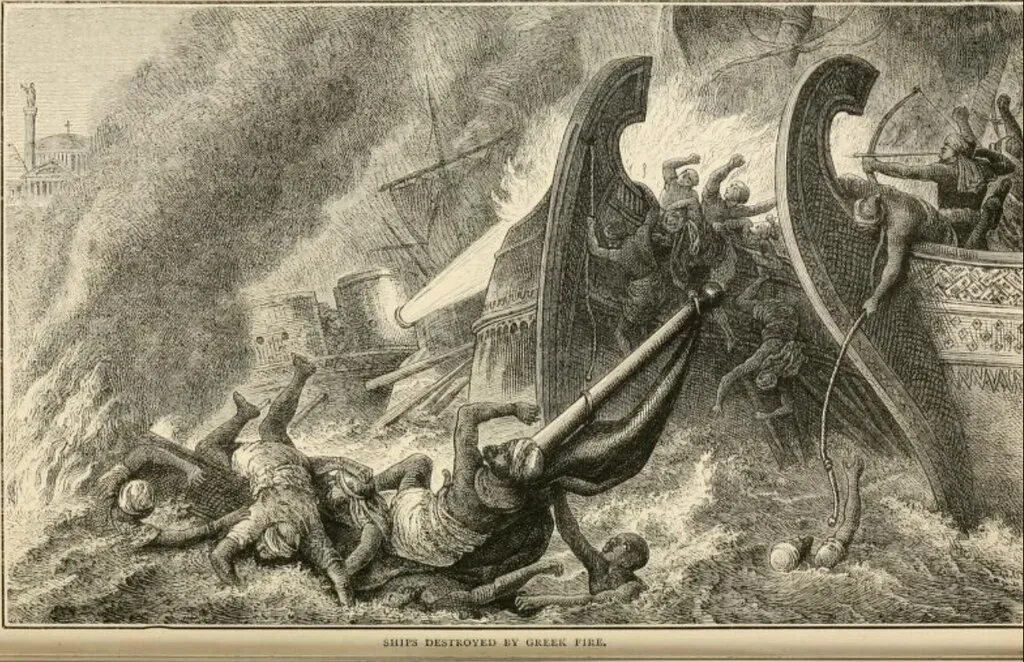
The Byzantine Empire possessed a military secret so valuable that its formula was guarded for centuries. Greek fire was an incendiary weapon that could burn on water, making it devastatingly effective in naval warfare. Think about how terrifying that must have been for enemy fleets watching their ships consumed by flames that water couldn’t extinguish.
The origins of the Greek fire are shrouded in mystery, but it is believed to have been invented by the Byzantines in the 7th century CE. Some historians speculate that it was developed by the Byzantine inventor and engineer Callinicus of Heliopolis, who is credited with creating several other military technologies and devices. Regardless of who invented it, Greek fire was a formidable weapon used significantly by the Byzantines in their wars against the Arab and Ottoman empires. The exact composition remains unknown to this day, as the Byzantines successfully kept it secret even from their own allies. The formula was eventually lost entirely, and despite modern attempts to recreate it, we can only speculate about its precise ingredients.
Ancient Egyptian Precision Stone Working

Ancient artisans left their marks all over Egypt, unique marks that reveal craftsmanship we would be hard pressed to duplicate today. The precision evident in Egyptian monuments isn’t just impressive aesthetically. It’s hard to say for sure, but when you examine the tolerances and symmetry achieved in granite statues and temple construction, you’re looking at work that rivals modern machining capabilities.
Using digital photography, computer-aided design software, and metrology instruments, Dunn exposes the extreme precision of these monuments and the type of advanced manufacturing expertise necessary to produce them. The question remains how they achieved such accuracy without the tools we consider essential today. Some surfaces show precision within thousandths of an inch, carved into one of the hardest stones on Earth. The techniques remain partially mysterious, suggesting tool technologies or methods that weren’t preserved in the archaeological record.
The Archimedes Screw: Elegant Water Management
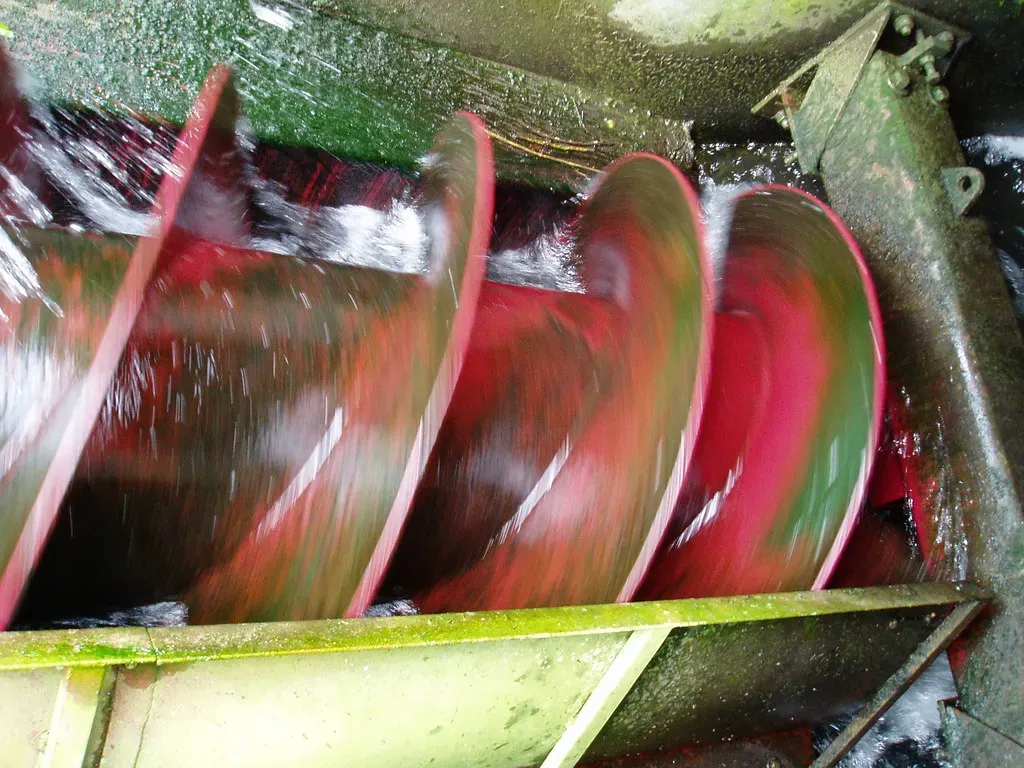
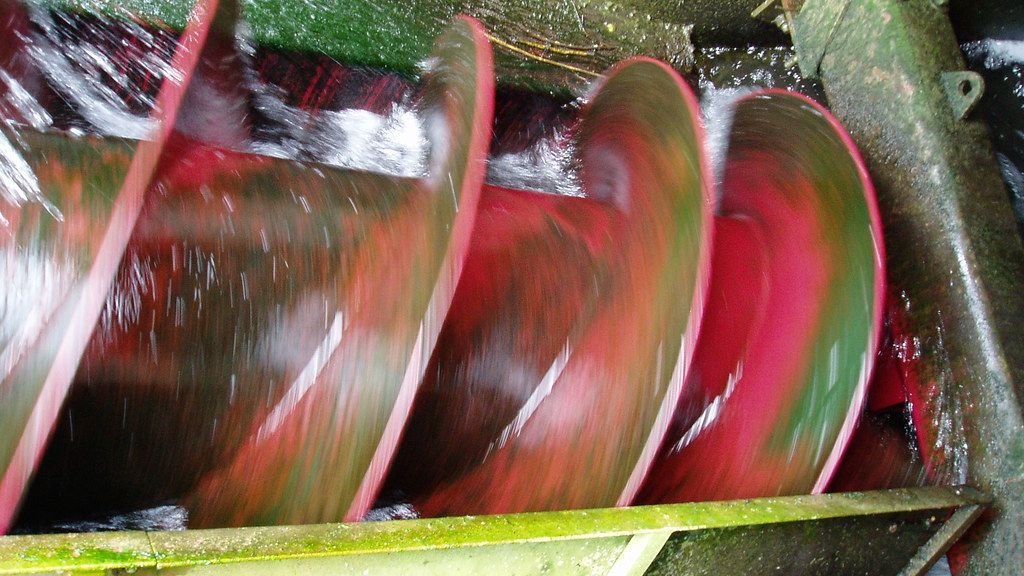
The Archimedes screw, a device created by the famous ancient Greek mathematician and engineer Archimedes, is a simple machine consisting of a long helical screw placed inside a tube or pipe. When the screw is turned, it lifts the material inside the tube upward. The Archimedes screw is an effective and efficient way to move water or other materials from a lower to a higher elevation.
Even though Archimedes is credited with popularizing the mechanism, the technology was most probably also used by Egyptians long before his Eureka moment. This ingenious device is still commonly used today in irrigation systems, water treatment plants, and sewage facilities. Its longevity speaks volumes about the sophistication of the engineering. The design is so fundamentally sound that thousands of years of technological advancement haven’t produced a significantly better alternative for many applications. It’s a testament to understanding fluid dynamics and mechanical advantage without modern mathematical notation.
Qanat Water Systems: Sustainable Ancient Engineering
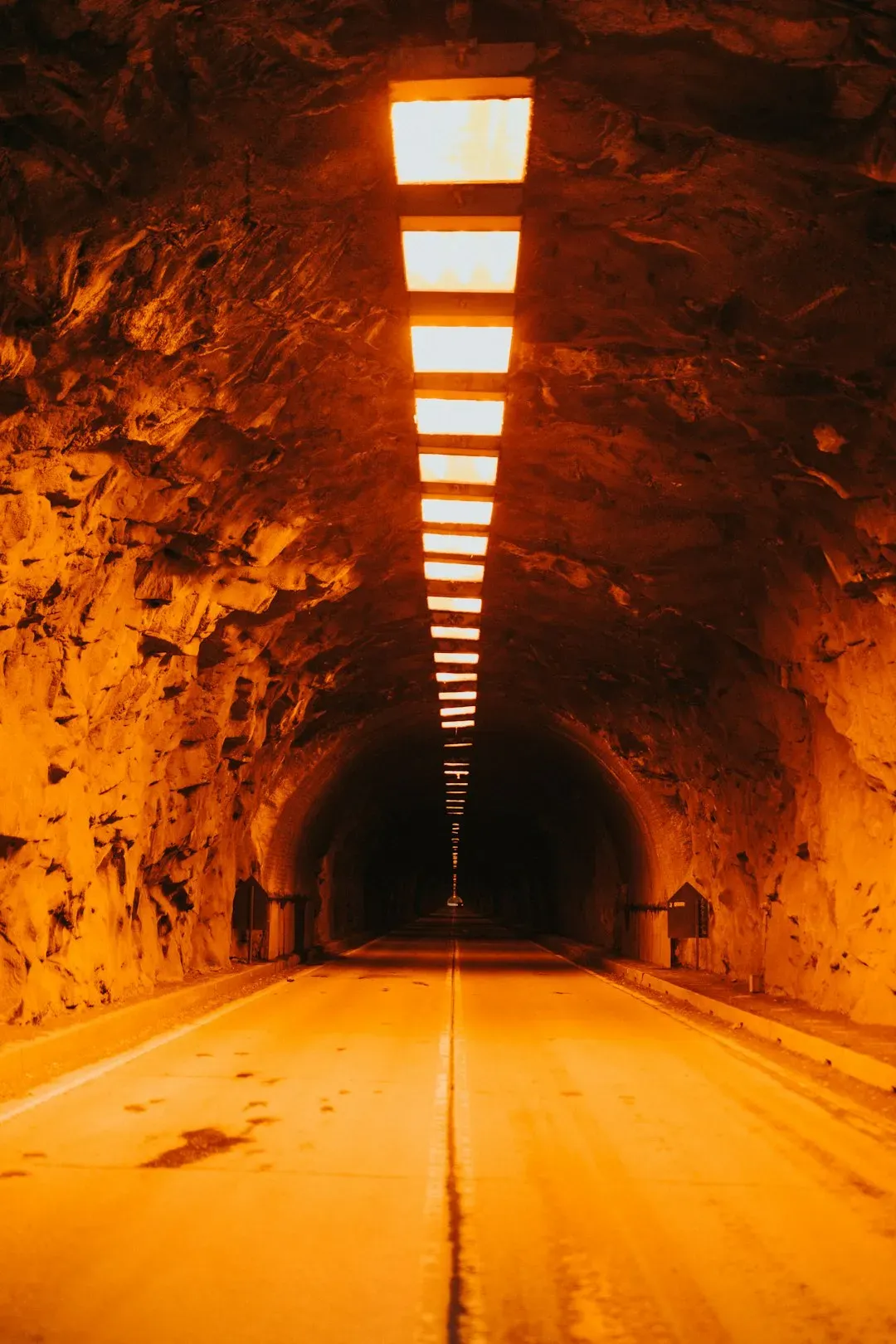
Engineering Ingenuity: The construction required precise knowledge of geology and hydrology. Workers, known as muqannis, would manually dig these channels, often working under hazardous conditions to ensure accuracy in slope and direction. Sustainability: Unlike surface canals, Qanats minimized water evaporation, making them ideal for regions with high temperatures.
The Qanat system is still operational in several parts of the world, including Iran, Afghanistan, and North Africa. Researchers are studying these systems as a sustainable solution to modern water scarcity problems, particularly in arid regions. These underground channels transported water from mountain aquifers to settlements across vast distances, some stretching for miles. The engineering required calculating precise gradients to maintain water flow without erosion or stagnation. What’s remarkable is that some qanats have operated continuously for over two thousand years, requiring minimal maintenance while delivering consistent water supplies.
Advanced Pre-Columbian Engineering in the Americas
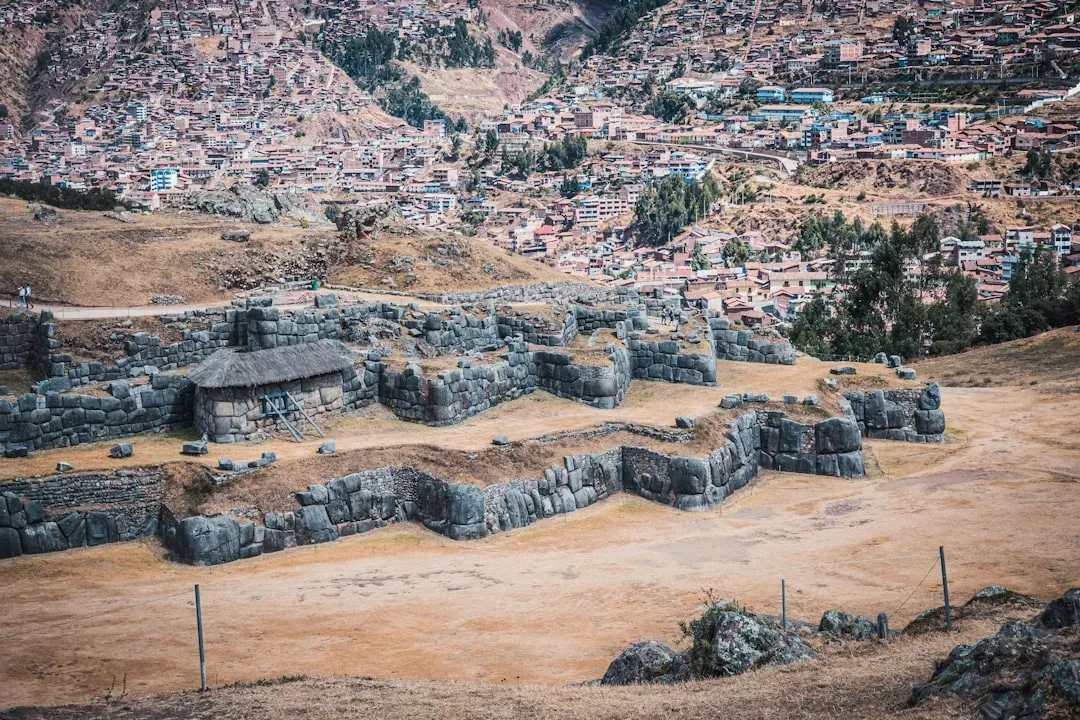
They produced advanced engineering including above ground and underground aqueducts, quake-proof masonry, artificial lakes, dykes, ‘fountains,’ pressurized water, road ways and complex terracing. Without wheeled transport or draft animals in many regions, American civilizations developed construction and water management techniques that were extraordinarily sophisticated.
The stone blocks at this location are massive, some weighing up to 100 tons. They were cut and connected together with almost alien precision. In fact, the precision is so advanced that even modern engineers would struggle to replicate the techniques used. Sites like Puma Punku in Bolivia showcase stonework with surfaces so smooth and cuts so precise that the blocks interlock without mortar. How they transported hundred-ton stones and achieved such accuracy remains partially unexplained, suggesting knowledge or techniques that weren’t recorded or were deliberately kept secret.
The Baghdad Battery: Ancient Electrochemistry Mystery
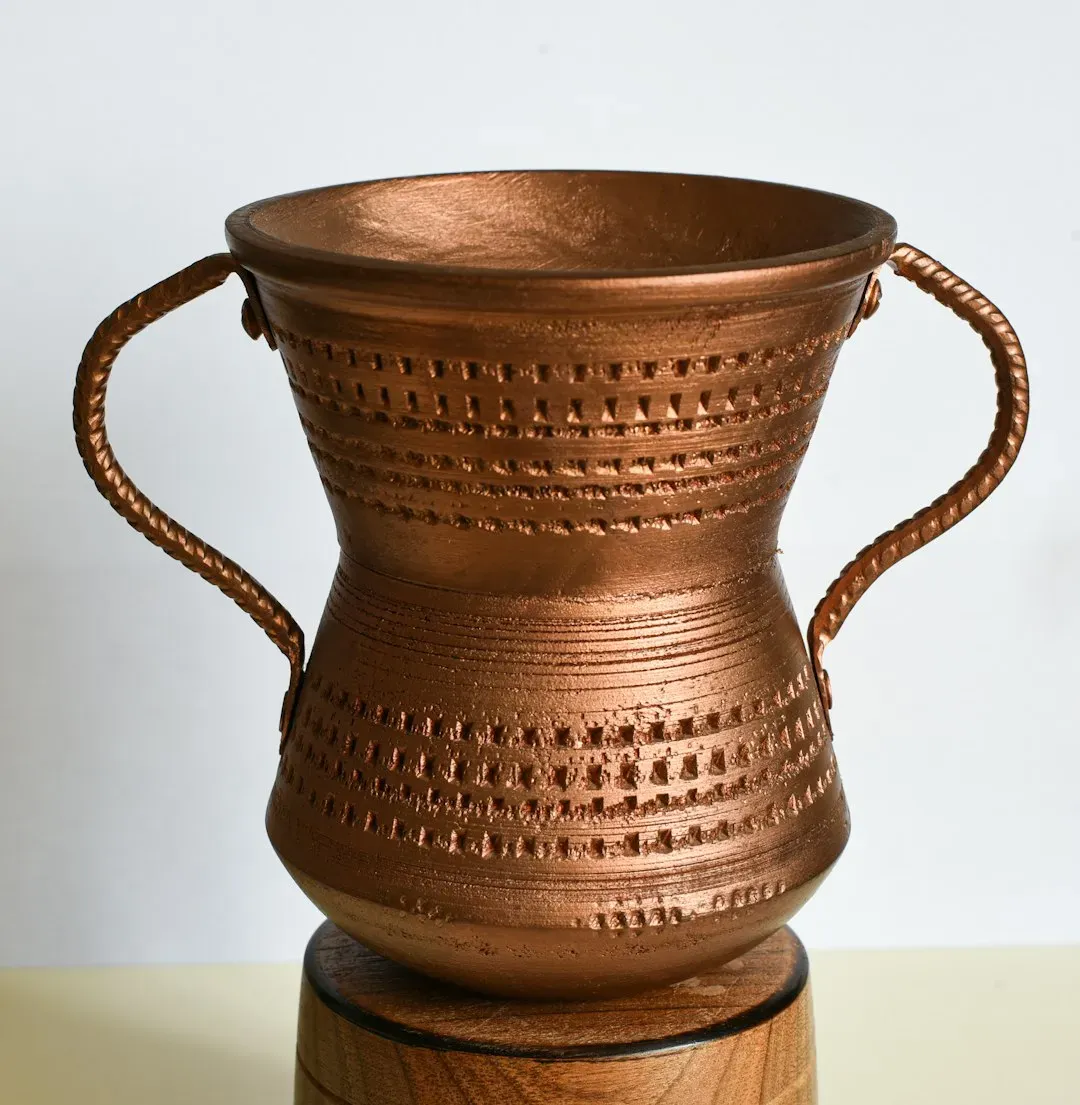
The Baghdad Battery is the name given to an artifact consisting of a ceramic pot, a tube of copper, and a rod of iron fixed together with bitumen. It was discovered in present-day Khujut Rabu, Iraq in 1936, close to the ancient city of Ctesiphon, the capital of the Parthian and Sasanian empires, and it is believed to date from either of these periods. Its purpose remains hotly debated among scholars.
After the Second World War, Willard Gray, an American working at the General Electric High Voltage Laboratory in Pittsfield, built replicas and, filling them with an electrolyte, found that the devices could produce 2 volts of electricity. There is no electroplated object known from this period, and the claims are universally rejected by archaeologists. Some researchers suggest medical applications, possibly for pain relief through electrical stimulation. Others propose it held sacred scrolls or served magical purposes. Whatever its true function, the artifact demonstrates that ancient peoples understood chemical reactions and material properties in ways we’re still trying to fully comprehend.
Conclusion: Rethinking Ancient Capabilities
These nine technologies reveal something crucial about how we perceive the past. Their work is not anachronistic, but a testament to the ingenuity and scientific potential of their respective civilizations. The ancients weren’t primitive people stumbling through trial and error. They were sophisticated engineers, chemists, and astronomers who solved complex problems with limited resources but unlimited creativity.
Many of these technologies were lost not because they were inferior but because knowledge transmission failed, trade routes shifted, or resources became unavailable. What’s truly humbling is recognizing that several thousand years ago, craftsmen created materials and devices that we struggled to understand or replicate with all our modern advantages. Maybe it’s time we gave ancient engineers the credit they truly deserve. What do you think about these incredible achievements? Which one surprised you the most?