
Some places on Earth feel like they’re humming with a quiet, invisible power. You step onto the stones, into the dust, under the shadow of colossal walls, and something in your body reacts before your brain can catch up. It’s not just history you’re feeling; it’s a strange overlap of what we can measure and what we can only sense.
Across the world, there are ancient sites where astronomy, geometry, acoustics, geology, and even psychology weave together with legends of gods, spirits, and otherworldly forces. Scientists bring their instruments; seekers bring their rituals. Somehow, both walk away convinced they’ve touched something real. Let’s go to nine of these places where lab coats and incense, telescopes and temple bells, all seem to be staring at the same mystery from different sides.
Stonehenge, England: Celestial Calculator or Sacred Gateway?
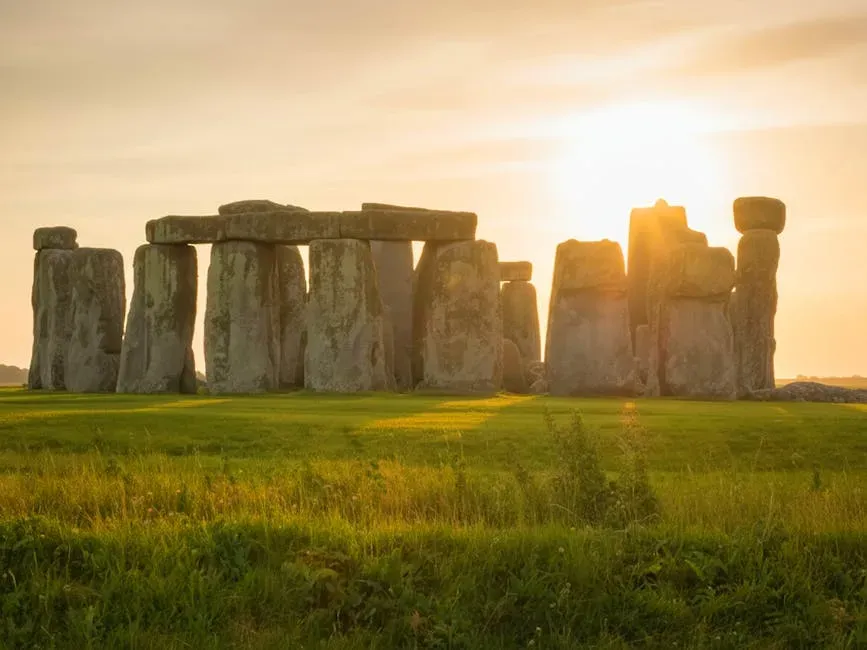
Walk up to Stonehenge at dawn and it doesn’t feel like you’re just visiting a pile of rocks; it feels more like you’ve wandered into the middle of a slow, ancient ritual that started long before you and will go on long after. The stones are aligned with the movements of the sun, especially the summer solstice sunrise and winter solstice sunset, which suggests that the builders understood the sky in a surprisingly sophisticated way. Archaeological work around the area has revealed nearby processional routes and burial mounds, hinting that Stonehenge wasn’t standing alone, but part of a complex ritual landscape.
Modern researchers have studied everything from the source of the bluestones in Wales to the acoustic properties of the circle, noting how the stones shape and contain sound like a kind of open-air chamber. Meanwhile, spiritual visitors see it as a portal, a temple, or even a living instrument for connecting to other realms. What fascinates me is that both sides, scientific and mystical, are obsessed with the same central question: this place clearly did something important, but what exactly was it tuning the human mind toward?
Great Pyramids of Giza, Egypt: Geometry, Stars, and the Afterlife
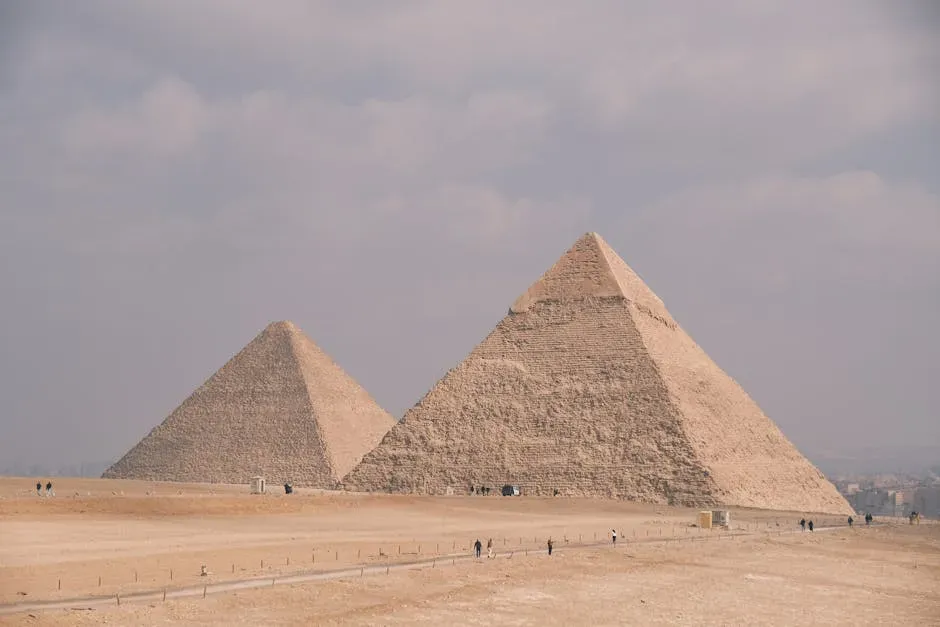
Standing at the base of the Great Pyramid, it’s almost disorienting to realize that the smooth lines you see in photos are actually made of enormous, rough-edged blocks stacked with impossible precision. The orientation of the pyramids is astonishingly accurate to the cardinal directions, and some narrow shafts inside the Great Pyramid align closely with specific stars, particularly those that were important in ancient Egyptian beliefs about the afterlife. Researchers have studied these alignments, the dimensions, and even hidden cavities using technologies like cosmic-ray muon imaging, uncovering new internal voids that deepen the puzzle.
From a mystical angle, the pyramids have long been treated as gateways for the soul and, in more modern esoteric traditions, as power generators, cosmic antennas, or even holders of secret wisdom. While many of the wilder claims aren’t supported by evidence, there’s no denying that the sheer accuracy of the construction inspires a sense of awe that feels almost spiritual. I’ve always felt the strangest part is how a structure built for death rituals ended up becoming one of humanity’s loudest symbols of timelessness and endurance, like the ancient architects managed to engineer a feeling as carefully as they engineered stone.
Machu Picchu, Peru: Sky-High Engineering and Sacred Landscape
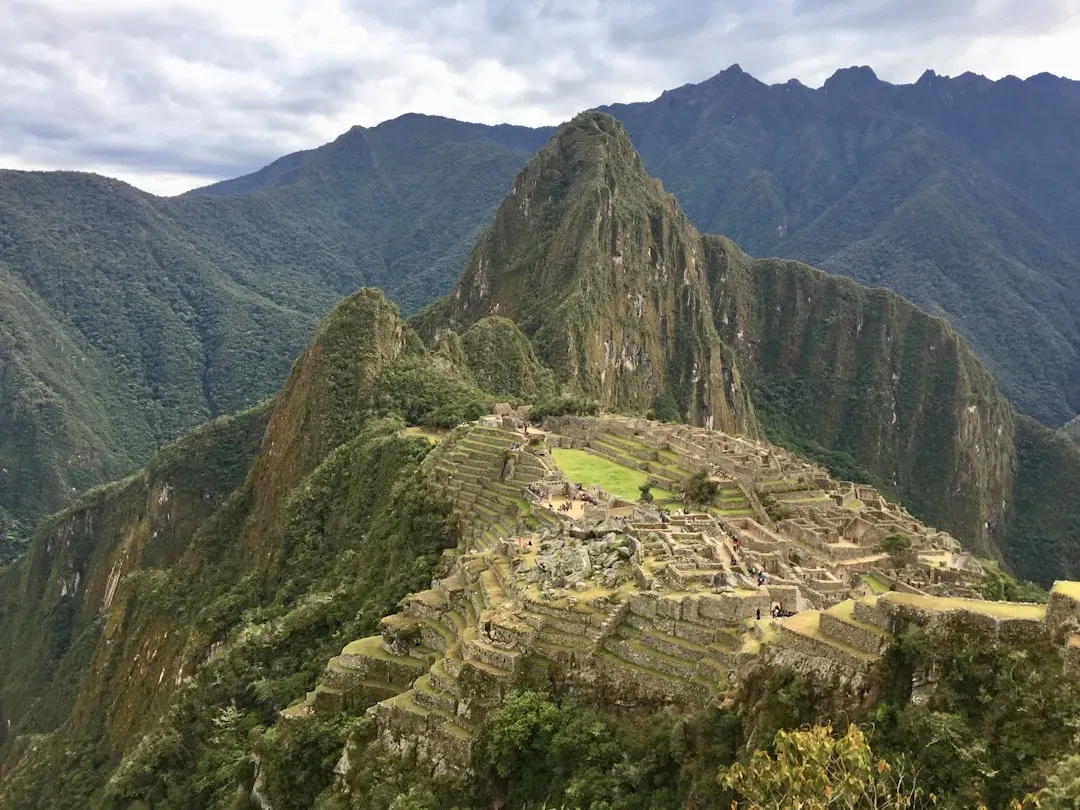
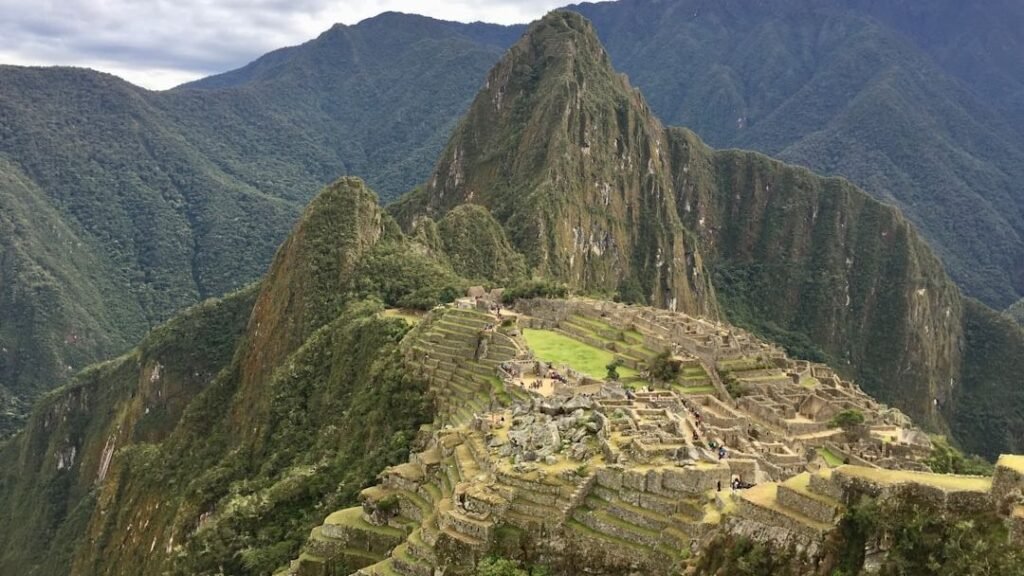
Machu Picchu looks like it was delicately placed between sky and gorge, a city trying to hold hands with the clouds. The Inca builders fitted stones together so tightly that you can’t easily slip a blade of grass between them, a technique that makes the site remarkably earthquake-resistant in such a seismically active region. The terraces weren’t just for crops; they managed water and stabilized the slopes, blending engineering, agriculture, and environmental control in a way that feels both practical and almost reverent toward the mountain itself.
Scattered around the site are ritual stones and structures that appear to echo surrounding peaks or frame celestial events, suggesting the Incas saw the whole area as a living sacred being. One particularly intriguing feature, the Intihuatana stone, is often described as a solar ritual point, and visitors still talk about feeling an intense calm or energy there. Even if you strip away every mystical claim, the way the city sits in its landscape makes it feel less like a human imposition and more like an agreement between people, stone, and sky. It’s as if the Incas tried to build not just in the mountains, but in conversation with them.
Gobekli Tepe, Türkiye: The World’s Oldest Temple or Something Else?
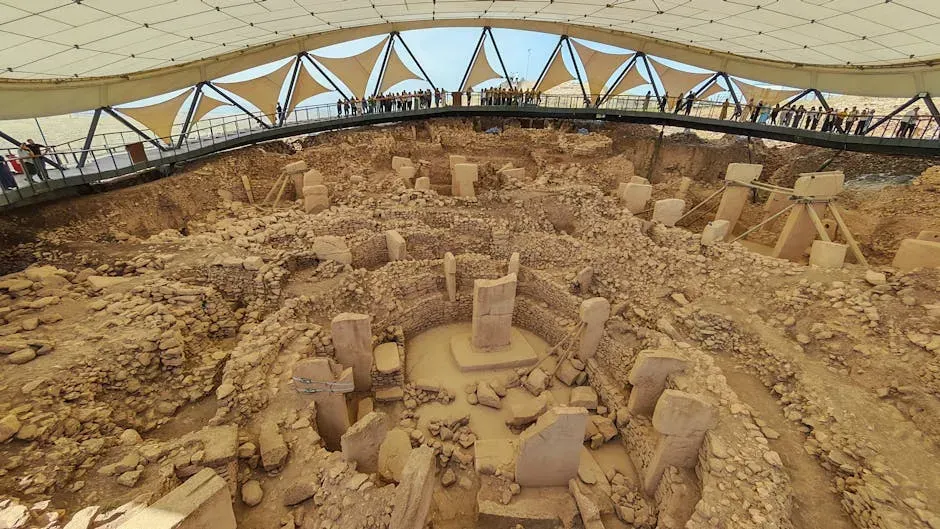
Gobekli Tepe turns the timeline of human spirituality on its head. Dating back to around eleven thousand years ago, it predates agriculture in that region, which challenges the old idea that farming came first and temples followed. Massive T-shaped stone pillars, many decorated with carved animals and abstract symbols, rise from circular enclosures, arranged in ways that suggest planned, communal ritual activity rather than scattered, casual gatherings. This level of organization, at such an early date, leaves archaeologists scratching their heads about who built it and why.
Some researchers have explored possible astronomical alignments of the pillars, while others focus on the symbolism of the animals and the social impact of gathering so many people for shared ceremonies. Mystically minded visitors and writers often see it as evidence of a lost wisdom tradition, a kind of forgotten spiritual center from a world we barely understand. Personally, what hits me hardest is the idea that long before cities, kings, or written laws, people were already building enormous places just to meet, imagine, and reach for something beyond the everyday. That alone feels almost miraculous.
Chichen Itza, Mexico: Sound Tricks, Shadow Serpents, and Cosmic Order
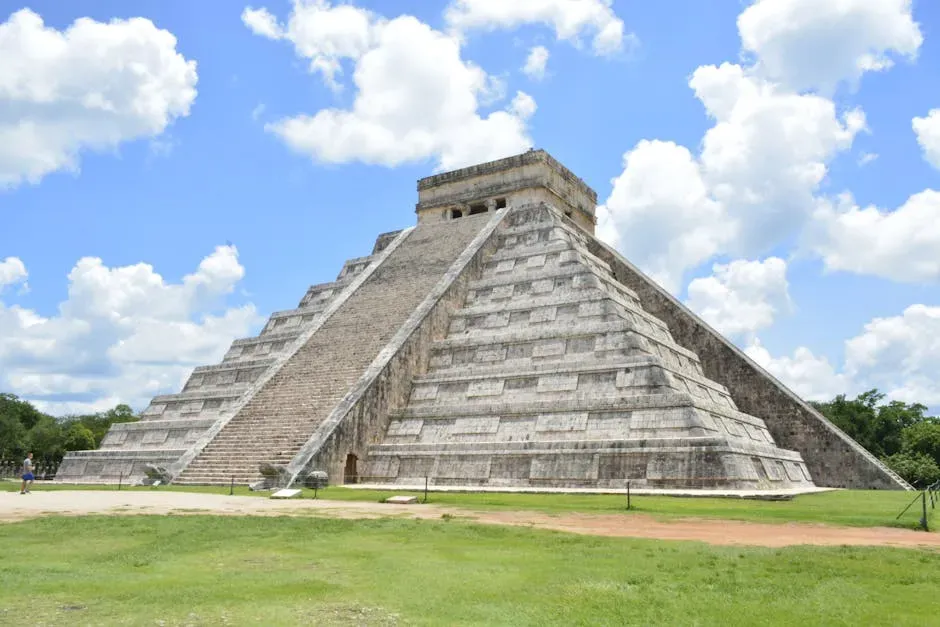
Chichen Itza is the kind of place that makes you feel as if math and myth were once fluent in the same language. The famous pyramid, often called El Castillo, is a precise calendar in stone, with stairways and terraces that echo cycles of days and seasons. During the equinoxes, the setting sun casts a series of triangular shadows along the side of the staircase, creating the uncanny illusion of a serpent descending to the carved serpent head at the base. Nobody casually stumbles into that kind of effect; it reflects an intimate relationship with the sky and the passage of time.
Then there’s the acoustic magic: clap near the pyramid and the echo comes back as a chirping sound that resembles the call of the sacred quetzal bird; speak at one end of the Great Ball Court and your voice carries clearly to the other. Physicists and acoustical engineers can model and explain these phenomena, showing how angles and surfaces shape waves of sound. Yet there’s still something thrilling about the idea that the Maya might have designed these spaces not just for what people saw, but for what they heard and felt. It’s like the architecture itself was a co-author in their ceremonies.
Delphi, Greece: Oracles, Fumes, and the Psychology of Awe
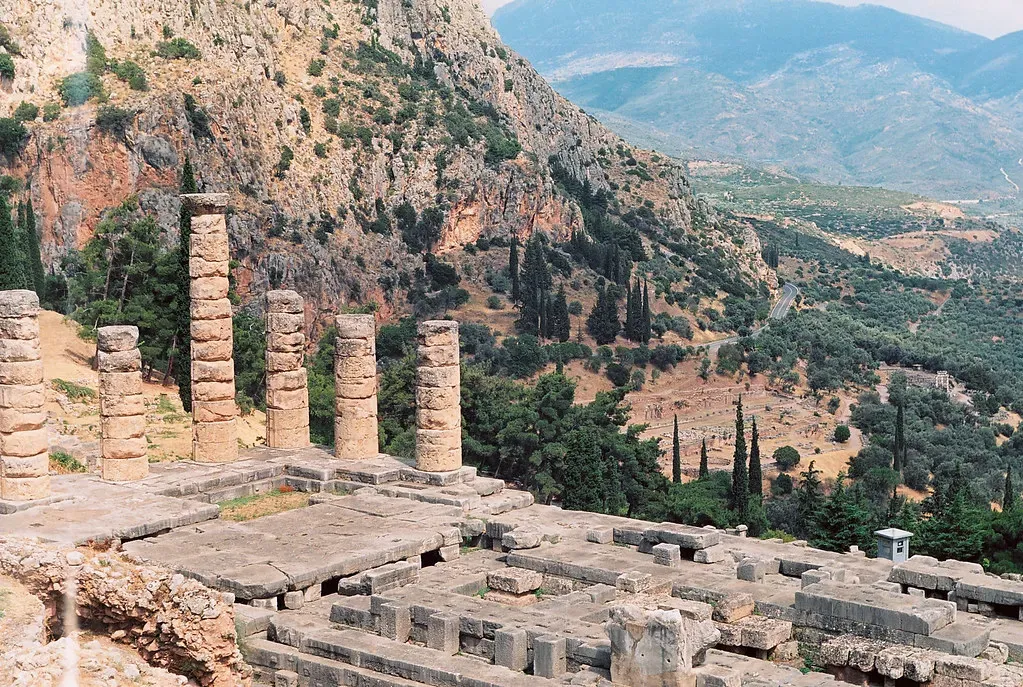
In ancient times, people traveled from across the Mediterranean to ask questions at Delphi, convinced that the god Apollo spoke through a local priestess. For centuries, stories described vapors rising from a fissure in the earth, sending the oracle into altered states. Modern geological research has found that the sanctuary does sit near fault lines where gases such as ethylene or other hydrocarbons could seep out, potentially creating mildly intoxicating or trance-inducing conditions under the right circumstances. The idea that geology might have literally fueled prophecy is both unsettling and fascinating.
But even if the gases played a role, they don’t fully explain why people believed so deeply, or why rulers staked crucial decisions on the oracle’s words. The power of suggestion, group belief, ritual, and setting all combined into a psychological amplifier that turned ambiguous statements into divine guidance in the minds of listeners. To me, Delphi shows how thin the line can be between mystical experience and altered perception, especially when the environment itself is part of the script. It’s a reminder that our brains are always negotiating with the world around us to decide what feels real.
Newgrange, Ireland: A Stone Age Tunnel of Light
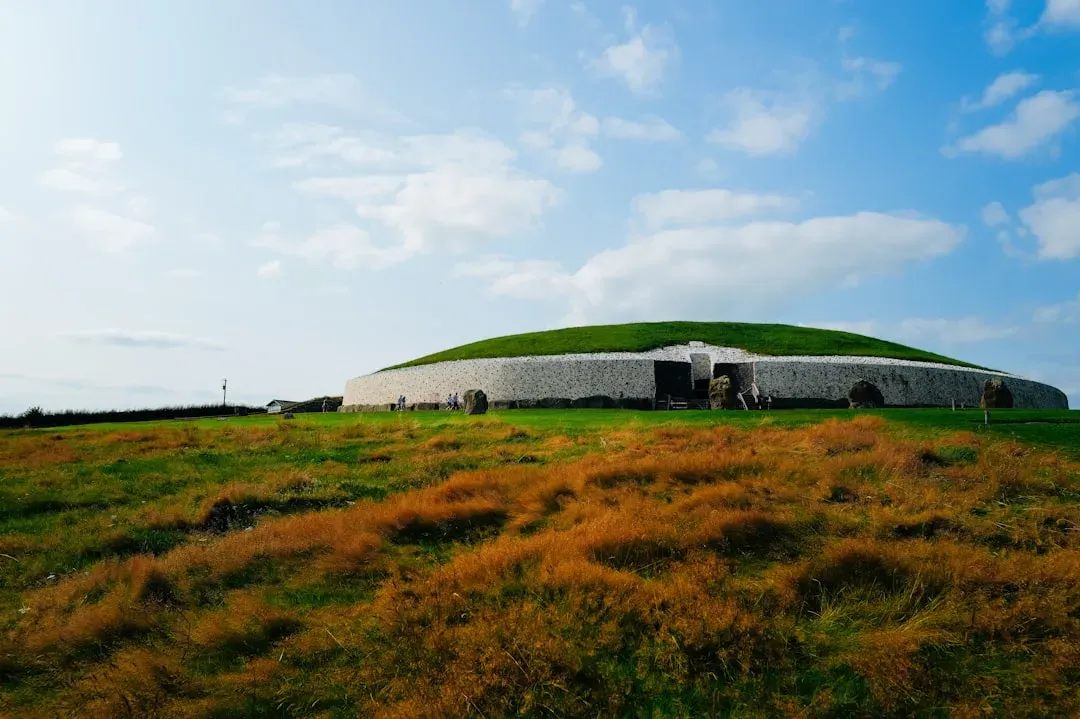
Newgrange looks from the outside like a grassy, rounded mound, almost modest, until you step inside and realize it’s aligned with astonishing precision to a single moment in time. On the winter solstice, and only around that day, the rising sun sends a beam of light through a small opening and along a passageway, slowly illuminating the inner chamber. The stone builders achieved this feat around five thousand years ago, long before metal tools in that region, by shaping and positioning massive stones in a careful architectural choreography. That level of alignment shows an astronomically tuned mind-set rather than random chance.
The interior is decorated with spirals and other carvings that have encouraged all sorts of interpretations, from solar symbolism to metaphors for cycles of life and death. Some visitors describe the solstice light as feeling like the earth itself briefly opens an eye, letting in a single bright thought before closing again for another year. Even if you’re purely skeptical, it’s hard not to be moved by the idea of people laboring for years to choreograph one narrow shaft of light. It feels like a message from the deep past saying, in its own way, that the darkest days still have a precise, promised turning point.
Angkor Wat, Cambodia: Temple, Cosmos, and the Weight of Water
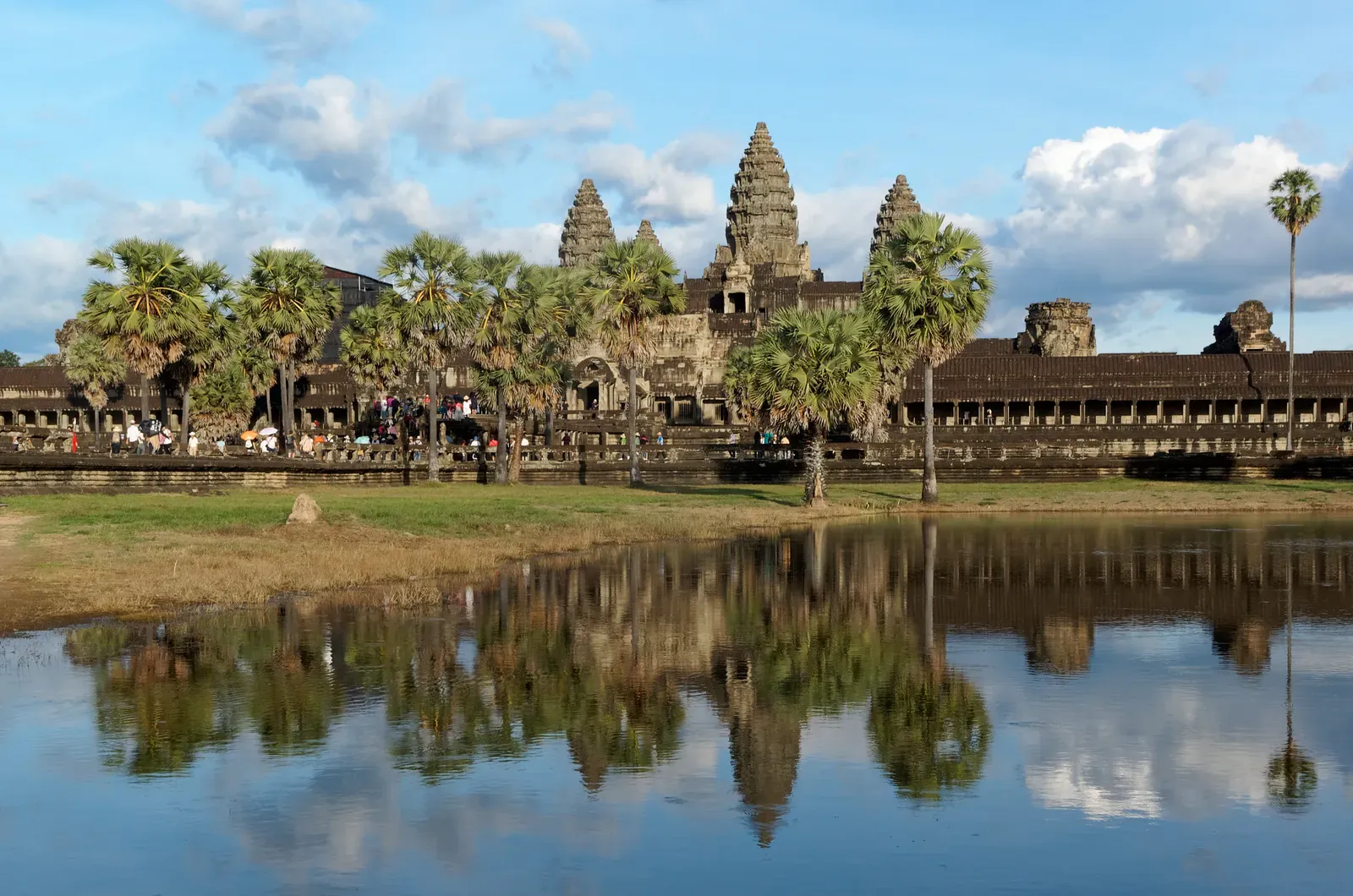
From above, Angkor Wat and the wider Angkor complex look almost like a cosmic circuit board etched into the Cambodian jungle. The main temple is a symbolic map of the universe, with central towers representing the holy mountain at the center of existence and concentric galleries acting as rings of creation. Its orientation aligns with celestial events, including the equinox sun rising directly over the central tower when viewed from a specific point. Detailed bas-reliefs wrap around the walls, telling sprawling mythological stories with an almost obsessive attention to detail.
Modern research has revealed that beneath this spiritual mapping was a huge and sophisticated hydraulic network of reservoirs, canals, and moats, controlling water for agriculture and possibly helping stabilize the massive structures. The same civilization that carved gods in stone also managed water flows like seasoned engineers, and when that system faltered, the city’s power seems to have declined. There’s something poignant in that: a place built to mirror the heavens resting on the very earthly challenge of water management. It underlines how spirituality and survival have always been tightly intertwined, even in the grandest temples.
Nazca Lines, Peru: Geoglyphs Between Earth and Sky
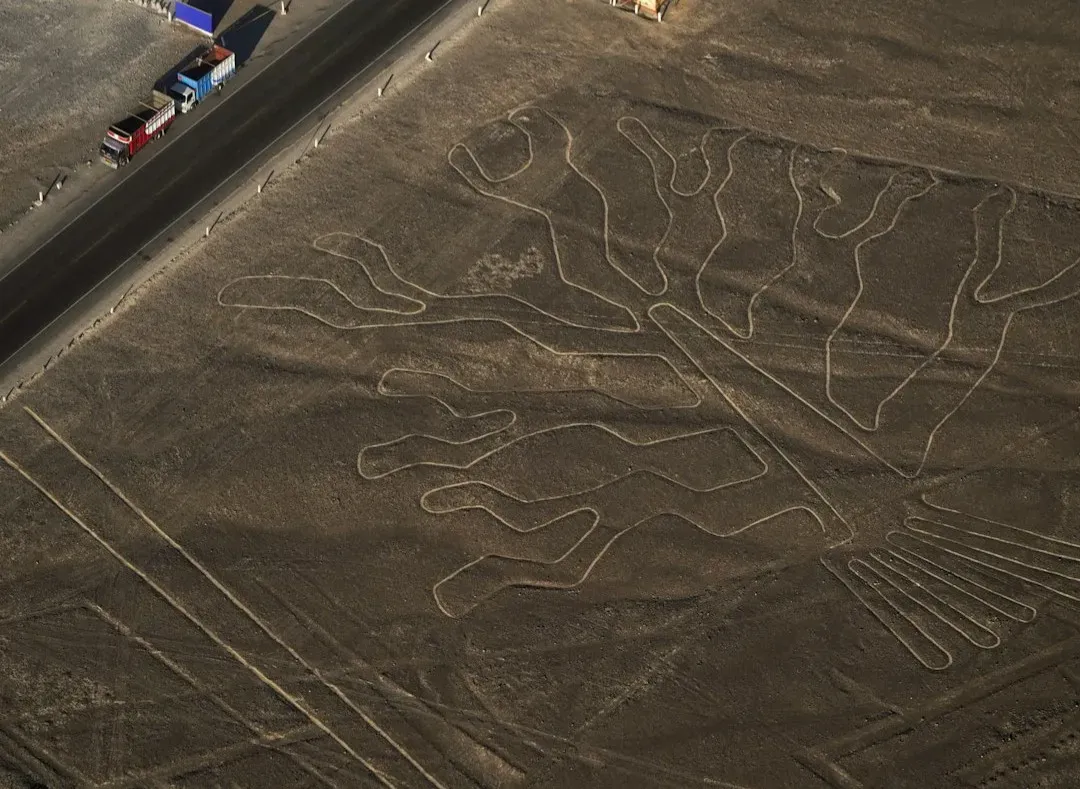
The Nazca Lines are one of those puzzles that make you instinctively squint, as if narrowing your eyes might suddenly reveal their full meaning. Spread across the desert are enormous geoglyphs, some geometric, some shaped like animals such as birds and monkeys, best appreciated from the air or surrounding hills. The lines are made by removing the darker top layer of stones to expose lighter soil beneath, a simple technique that has allowed them to endure for centuries in the dry climate. Studies suggest some of the lines may align roughly with certain celestial events, though not all researchers agree on how systematic this really is.
On the ground, many of the straight lines seem to function as paths, which has led to the idea that they were ritual processional routes, perhaps walked during ceremonies aimed at securing water or favor from deities. Later research into local geology and water sources has added weight to the possibility that some figures relate to underground aquifers or important landscape features. Still, there remains a persistent sense that the full story hasn’t quite surfaced. Maybe that’s why people are still drawn to see them with their own eyes, chasing the odd thrill of standing inside a message that looks like it was meant for someone watching from the sky.
Conclusion: Where Evidence Ends and Wonder Begins
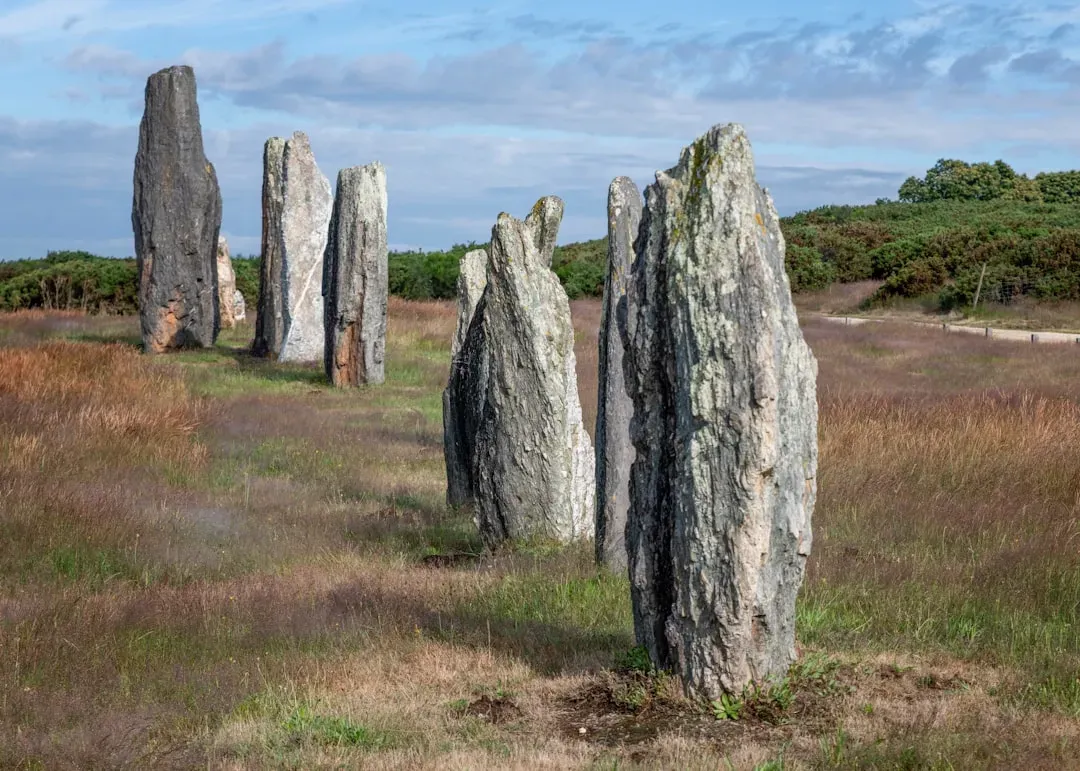
Across these nine sites, what keeps surfacing is a pattern: ancient people kept investing unreasonable amounts of time and effort into building places that connected earth, sky, and human minds. Measured angles, star alignments, echoing walls, shafts of light, subtle gases, and sacred landscapes all suggest that they were not casually superstitious, but deeply engaged in a kind of early, experiential science of meaning. Modern tools can measure alignments, map underground voids, model acoustics, and date stones with impressive accuracy. Yet even with all that data, something in these places refuses to be completely reduced to numbers.
Maybe the real convergence of science and mysticism is not in the stones themselves, but in us, in the way our rational curiosity and our hunger for wonder keep running into each other at these ancient thresholds. We test, we calculate, we simulate, but we also fall silent, feel goosebumps, and sense that people long ago were chasing many of the same questions we ask today. In the end, these sites are mirrors as much as monuments, reflecting back both our urge to measure the universe and our need to feel at home inside it. When you picture yourself standing among those stones or under those towers, which part of you stirs first: the scientist or the seeker?