For most of the last century, the story of human progress has been told as a slow, steady climb from crude stone tools to gleaming skyscrapers. But scattered across the planet are immense, ancient structures that do not fit neatly into that tidy arc. They are bigger than they “should” be, more precise than seems reasonable, and often built by cultures we still barely understand. Archaeologists are not suggesting space aliens, but many quietly admit that our ancestors were engineering thinkers on a scale we’re only just beginning to grasp. These nine megastructures do not simply impress – they force us to rewrite what we thought we knew about the minds, math, and muscle of the ancient world.
Göbekli Tepe: The Stone Circles That Should Not Exist
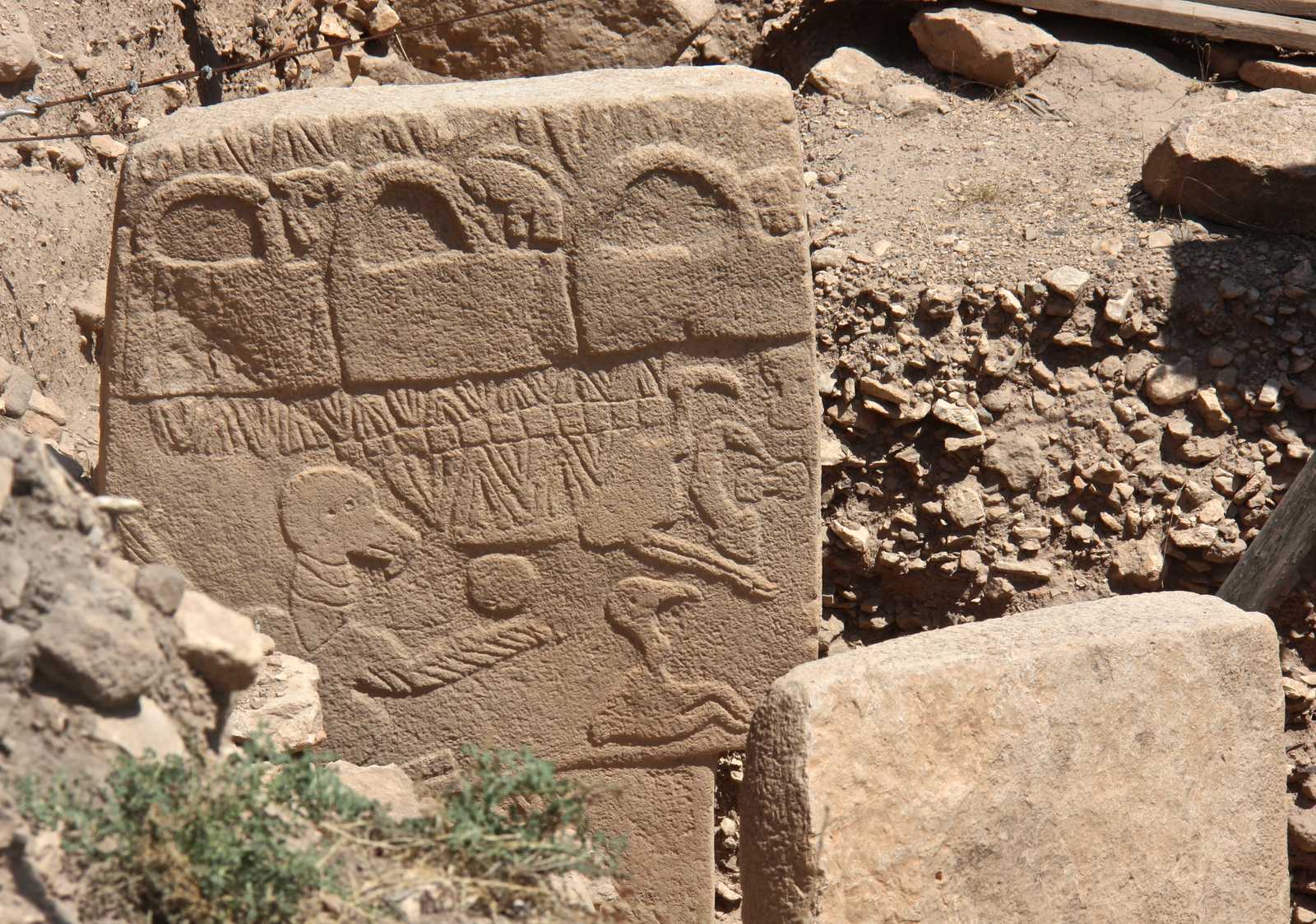
On a hilltop in southeastern Türkiye, an eleven‑thousand‑year‑old mystery stands in circles of carved stone that predate Stonehenge by roughly about six thousand years. Göbekli Tepe was built by hunter‑gatherers, at a time when agriculture had barely begun, yet it features T‑shaped pillars weighing up to many tons, arranged with deliberate geometry. The stones are decorated with foxes, birds, snakes, and abstract symbols, hinting at a rich symbolic system and perhaps an early form of shared mythology. When I first read about it, I remember thinking it sounded like discovering a cathedral in the middle of the Ice Age. The usual model says permanent monuments arise after settled farming, but here the order seems flipped: it looks like the urge to build something monumental may have helped pull people into more settled, organized communities.
Excavations have revealed sophisticated planning: pillars set in sockets, walls carefully backfilled, and multiple construction phases stacked like a layer cake of ritual architecture. Archaeologists using ground‑penetrating radar have detected more buried enclosures, suggesting the exposed structures are only a fraction of the whole. This is not a casual camp; it is a multi‑generational project that required logistics, shared design rules, and social coordination on a surprising scale. The site hints that complex religious or ceremonial centers, not just food production, might have been the engines that drove early social complexity. In other words, it suggests that ideas – and the places built to host them – may have been as important as crops in creating advanced civilizations.
Giza’s Great Pyramid: Millimeter Precision at Monumental Scale
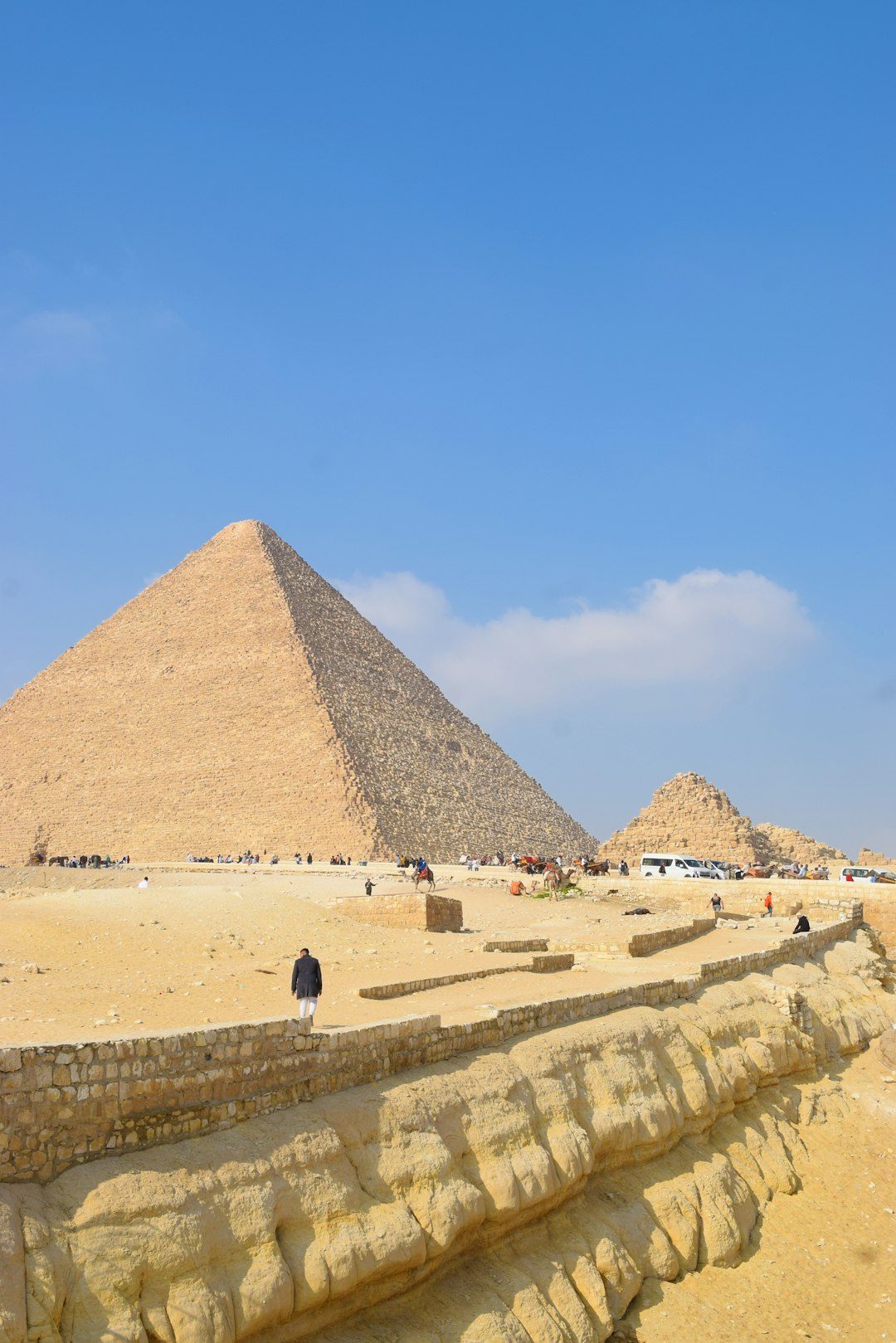
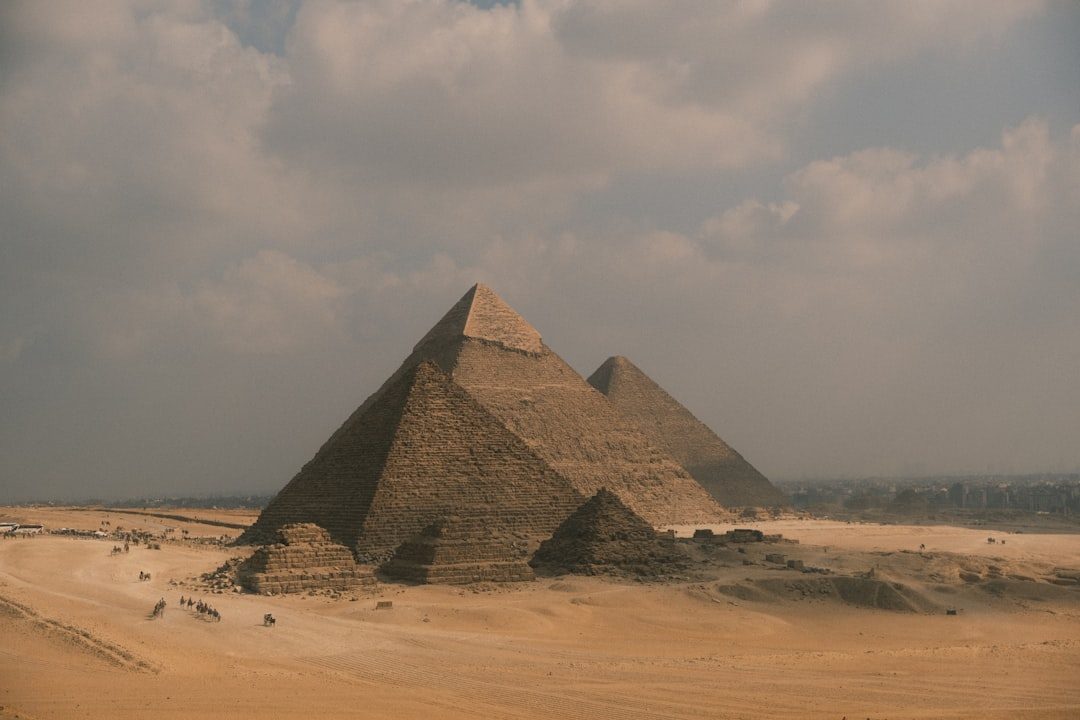
No list of ancient megastructures can skip the Great Pyramid of Giza, but seeing it through modern engineering eyes still feels startling. Completed around four and a half thousand years ago, it originally rose to about the height of a forty‑story building, aligned to the cardinal directions with an accuracy that rivals today’s surveyors. Its base is astonishingly level, deviating by only a tiny fraction of a degree across more than two hundred thirty meters. Inside, narrow shafts and hidden chambers reveal a three‑dimensional puzzle of load‑bearing corridors and relieving chambers, designed to manage colossal stone weight without collapse. For a civilization without steel, modern concrete, or digital modeling, that level of structural foresight is hard to overstate.
Modern researchers have started to reverse‑engineer the logistics behind it, using everything from drone mapping to muon tomography. The emerging picture is not of enslaved masses blindly stacking stone, but of a carefully organized workforce, supported by nearby worker villages, bakeries, and medical facilities. Experimental archaeology suggests teams could move blocks using water‑lubricated sledges and earthen ramps, combining low‑tech tools with high‑concept problem‑solving. The pyramid’s orientation may also encode surprisingly advanced observations of the night sky, tying architecture to astronomy. In that light, the Great Pyramid reads less like a tomb and more like a statement piece: a civilization proving, in stone, how precisely it could understand and manage the natural world.
Nabta Playa: A Desert Observatory Older Than Stonehenge
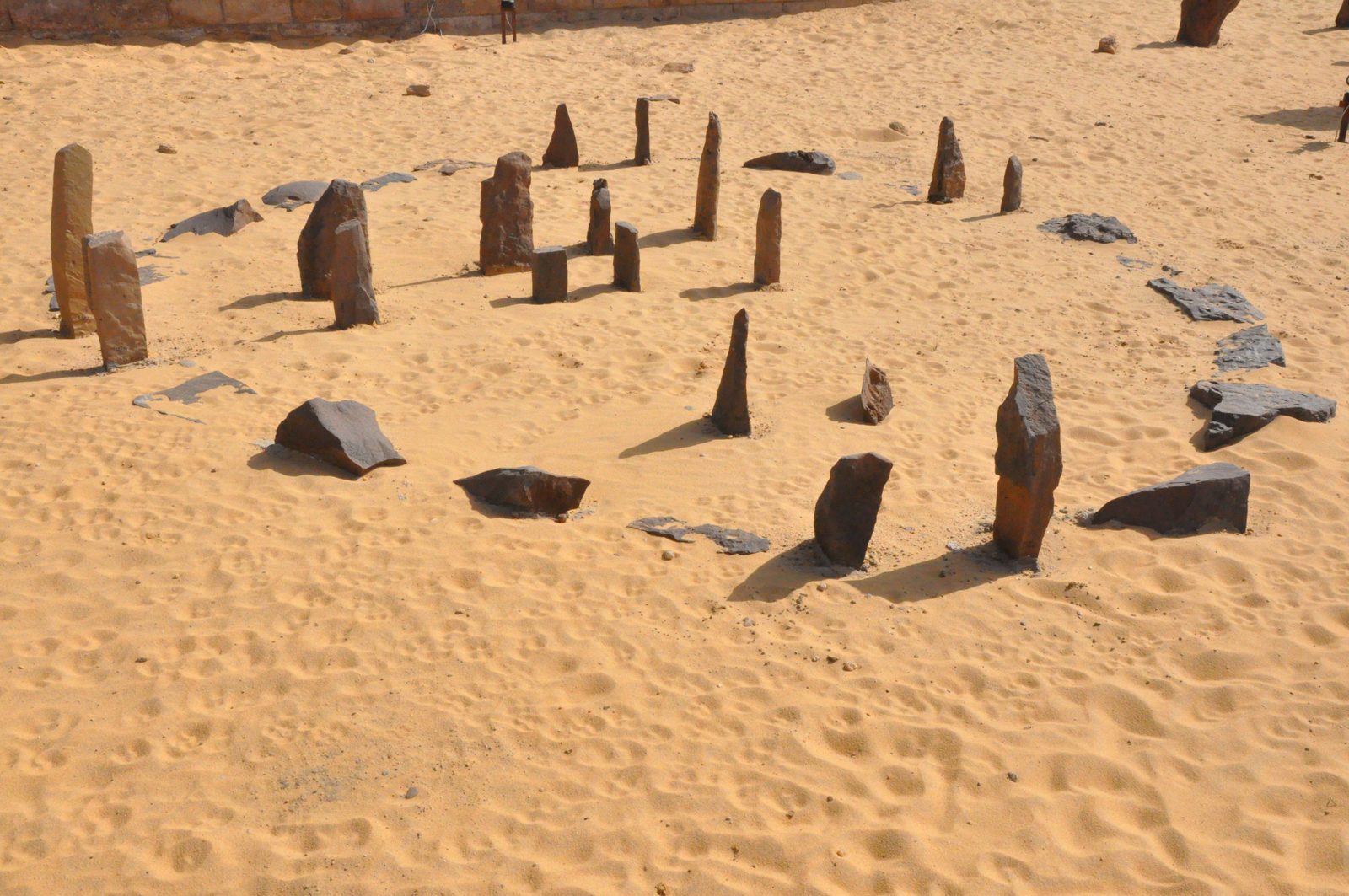
Beneath the sands of southern Egypt, in what is now hyper‑arid desert, an ancient lakeshore once drew early pastoralists who left behind something quietly astonishing. At Nabta Playa, stone circles and aligned megaliths appear to mark astronomical events such as solstices and star risings, and some of them may date back seven thousand years or more. This would make them older than Stonehenge and suggests that early Nile‑region herders were tracking the sky with serious intent. Standing there, you can imagine people watching the horizon for the right alignment of stones and stars to signal when seasonal rains or migrations might arrive. The desert looks empty today, but it holds a record of people using the heavens like a calendar carved into the landscape.
Astrophysicists and archaeologists have pored over the alignments, testing whether they match key stars or solar events better than chance. While debates continue over exactly which constellations were targeted and how formal the observatory truly was, few dispute that the creators had a sophisticated sense of cyclical patterns in the sky. That is a kind of infrastructure too – not of stone alone, but of timekeeping and prediction. In a world where survival depended on reading subtle environmental cues, coupling megaliths with celestial knowledge was an advanced form of climate intelligence. Nabta Playa shows that long before written calendars, humans were building durable tools to model time itself.
Sacsayhuamán and the Andean Stone Puzzle

High above the Peruvian city of Cusco, zigzag walls of Sacsayhuamán lock together with a precision that still makes engineers squint. Massive andesite blocks, some weighing as much as a loaded truck, are carved into irregular, interlocking polygons that fit so tightly you can barely slide a knife blade between them. The stones are not uniform bricks; each piece is a unique 3D puzzle element shaped to mesh with its neighbors along multiple axes. There is no mortar, yet the walls have withstood centuries of earthquakes that have toppled younger colonial buildings nearby. That level of seismic resilience feels almost like a form of encoded structural engineering knowledge, learned directly from living in a restless mountain belt.
Modern stonemasons and structural engineers studying the site point out that the complex joints help diffuse seismic energy, preventing catastrophic collapse. The Inca likely relied on hammerstones and abrasion rather than metal saws, but they used those simple tools with ruthless patience and geometric insight. Experimental reconstructions suggest coordinated teams could shape and adjust a single block many times until the fit was perfect. To me, Sacsayhuamán feels like the architectural equivalent of a handcrafted mechanical watch: no single piece tells the full story, but the total system reveals a deep, iterative design process. It reminds us that “advanced” can mean mastery of materials and local conditions, not just access to industrial machinery.
Teotihuacan: A Planned City of Pyramids and Hidden Tunnels
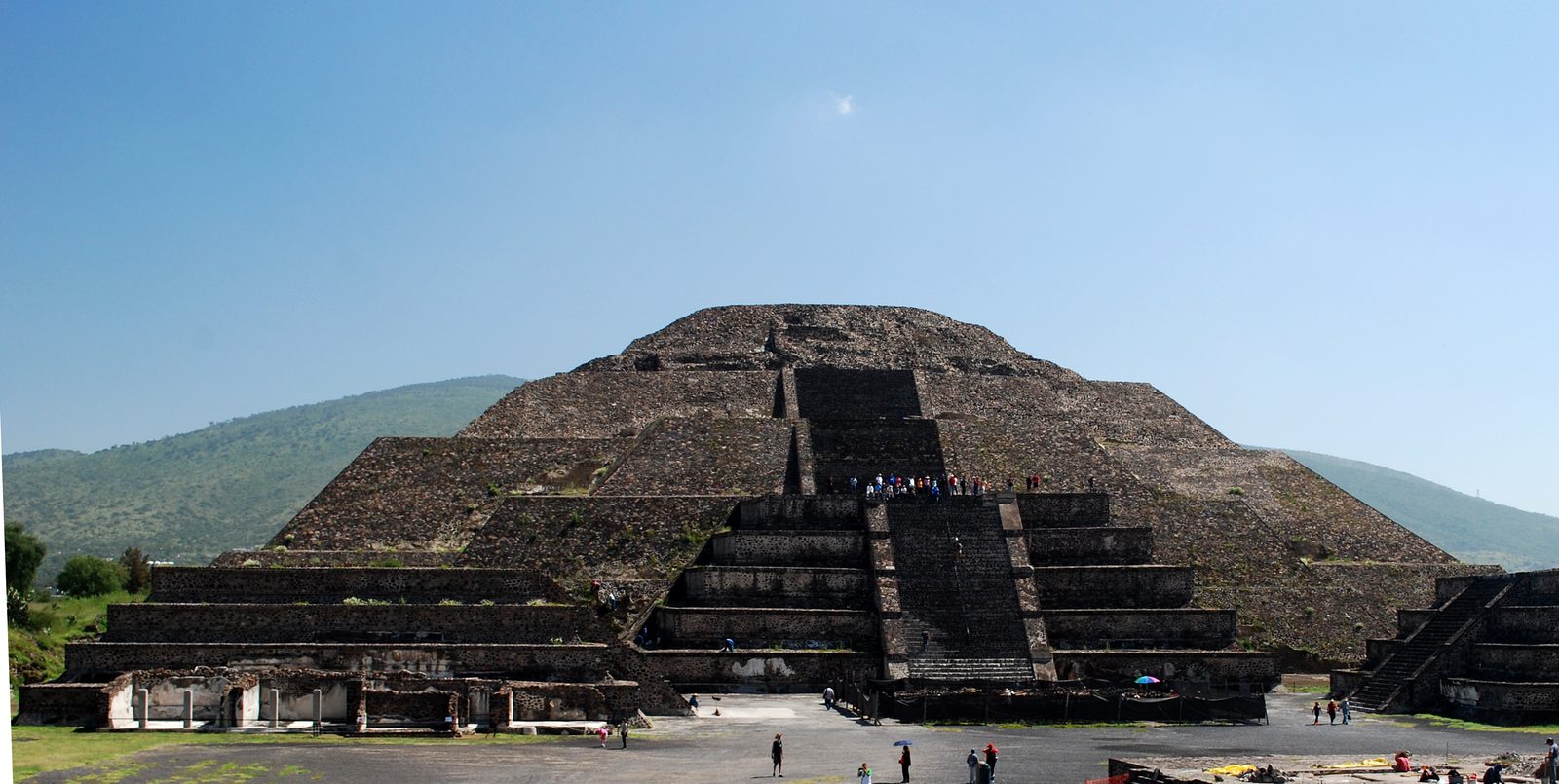
Just outside modern‑day Mexico City, the ancient metropolis of Teotihuacan once rivaled the largest cities anywhere on Earth, and its layout still stuns urban planners. The Avenue of the Dead runs straight for kilometers, flanked by stepped pyramids, apartment compounds, and plazas that seem organized to a master plan. The Pyramid of the Sun and Pyramid of the Moon dominate the skyline, built from millions of tons of stone and fill, yet aligned with astronomical and topographical features in ways that hint at a sophisticated worldview. At its peak, the city hosted a population that may have reached into the hundreds of thousands, making it a true urban megastructure. This was not a haphazard sprawl; it was an engineered environment animated by ritual, trade, and governance.
Recent explorations using ground‑penetrating radar and tiny robotic probes have revealed long tunnels beneath some of the main pyramids, filled with offerings, mercury‑coated chambers, and symbolic miniatures of the cosmos. These discoveries suggest that Teotihuacan’s builders were constructing not just monumental surfaces but layered, symbolic underworlds. The city’s gridded housing complexes show planned water management, standardized apartment layouts, and distributed workshops for crafts like obsidian toolmaking. In modern terms, you could almost frame Teotihuacan as an early experiment in smart‑city design driven by religious and political priorities. It demonstrates that large‑scale, centrally coordinated urban planning is far older – and more varied – than our industrial era tends to admit.
Angkor Wat and the Hydraulic City of the Khmer
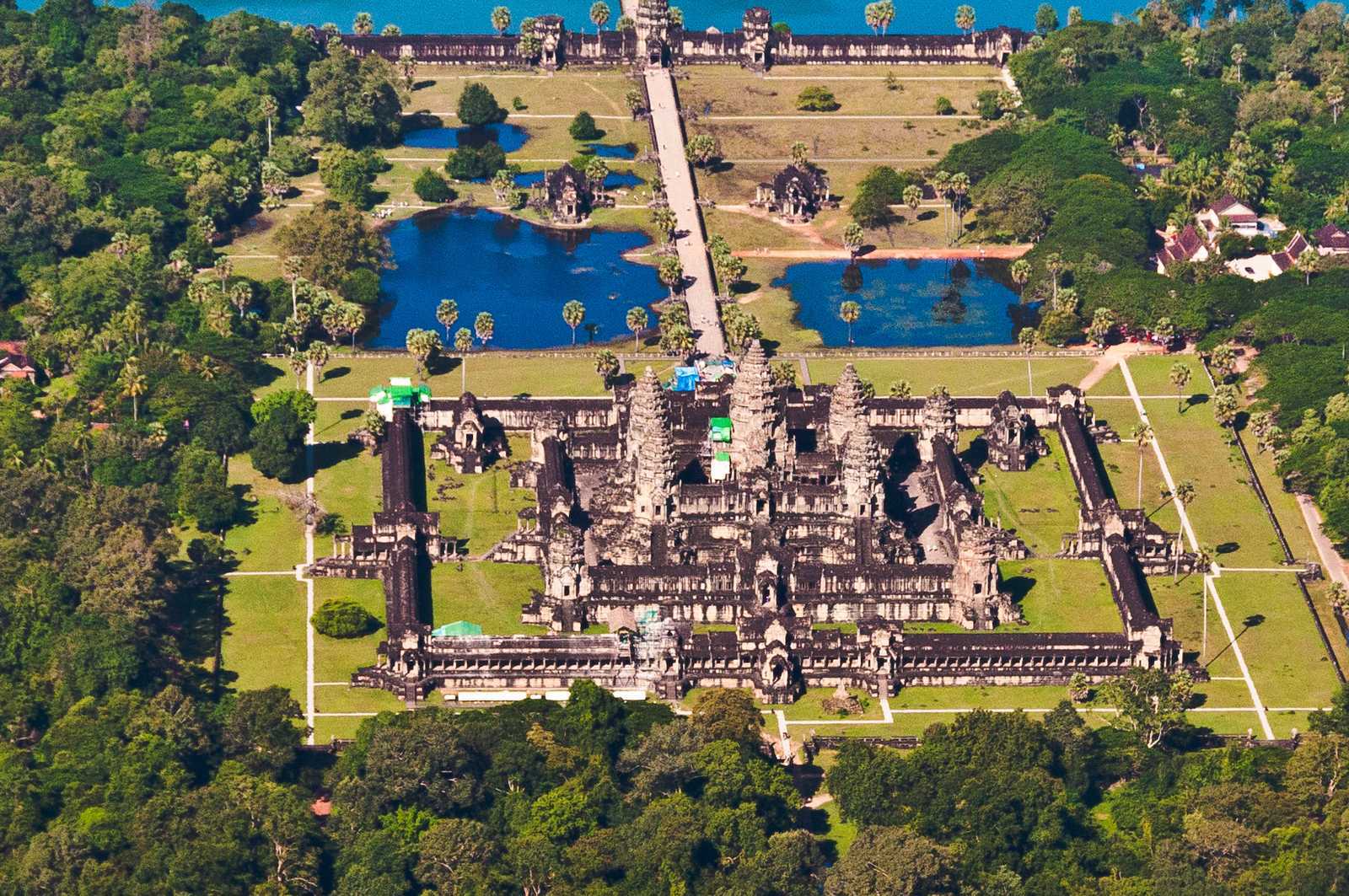
From the air, Cambodia’s Angkor is less a single temple than a vast circuit board of moats, reservoirs, and canals, with Angkor Wat as its glittering centerpiece. Built in the twelfth century, Angkor Wat itself is an intricately carved stone mountain, aligned to cardinal directions and celestial events, its towers rising like lotus buds from a carefully leveled platform. But the real megastructure is the broader urban system: a sprawling network of barays (huge reservoirs), embankments, and channels that managed seasonal monsoon water on a regional scale. When satellites and airborne laser scanning first mapped these features in detail, archaeologists realized they were looking at one of the largest low‑density cities in human history. The Khmer were essentially running a hydraulic machine made of earth, stone, and moving water.
Water engineers studying Angkor’s system describe it as a dynamic infrastructure that could buffer droughts, redirect floods, and supply rice paddies for a massive population. Some scholars argue that later over‑complexity and environmental stress contributed to the city’s gradual decline, turning Angkor into a cautionary tale about pushing infrastructure to its limits. Yet the very existence of such a system shows impressive long‑term planning and feedback between engineering and ecology. It is hard not to see echoes of modern discussions around climate resilience, reservoir design, and urban sprawl in Angkor’s rise and fall. The site makes clear that ancient “smart infrastructure” was already experimenting with how to live with, and sometimes against, volatile water cycles.
Why These Megastructures Matter Far Beyond Their Myths
It is tempting to treat these sites as beautiful anomalies or as backdrops for speculative theories, but doing that sells them short. Each megastructure is a data point in a much bigger pattern: humans have been solving large‑scale engineering problems with limited tools and abundant imagination for far longer than our usual narratives admit. Compared with modern concrete and steel, ancient builders relied on muscle, stone, wood, and earth, yet they achieved alignment tolerances, structural stability, and logistical feats that still impress professional engineers. Traditional textbooks once framed these cultures as “early” or “primitive,” but the evidence on the ground says something more nuanced: they were advanced in the dimensions that mattered to their environments and worldviews. Recognizing that forces us to widen what we mean by advanced civilization in the first place.
There is also a methodological shift here that feels important. Instead of dismissing unusual features as mysteries or miracles, researchers now combine satellite imagery, chemical analysis, archaeoastronomy, and experimental construction to test how these structures were made and used. When those methods succeed, they show that human ingenuity – not lost technologies or outside intervention – is usually enough to explain the results. At the same time, the open questions keep us honest, reminding scientists that there is still a lot we do not know about ancient knowledge systems. In a way, these monuments work like mirrors: they reflect both the capabilities of their builders and the assumptions of the modern minds trying to decode them.
From Ancient Tools to Modern Science: How We’re Finally Reading the Stones
If you had walked through Giza, Teotihuacan, or Angkor a century ago, you would have seen the same stones we see today, but not the hidden patterns that are now emerging. The real leap has been less in our intelligence and more in our toolkit. Lidar scanning can peel away forests to reveal buried causeways and city grids, while muon detectors can sense hidden voids inside pyramids by tracking cosmic particles streaming through stone. Isotope analysis of teeth and bones can trace where workers grew up, turning nameless laborers into mapped human networks. When I first saw side‑by‑side images of Angkor before and after lidar, it felt like watching an invisible city fade into view.
What is striking is how often simple ancient tools hold up under high‑tech scrutiny. Computer simulations of stone‑moving methods at Giza or wall dynamics at Sacsayhuamán usually confirm that ropes, sleds, ramps, and clever geometry are enough when scaled up with organization and time. Archaeology today looks a bit like forensic engineering, with teams modeling stress loads, water flows, and visibility lines as though these were modern infrastructure projects. This convergence means that every new technique adds another lens on the same structures, tightening or challenging earlier interpretations. It is a reminder that the story of ancient megastructures is not frozen in the past; it is actively being rewritten by the science we bring to them.
The Future Landscape: What Ancient Megastructures Mean for Tomorrow’s Cities
It might seem like these ancient projects sit in a different universe from our glass towers and data centers, but the connections are closer than they appear. Urban planners study Teotihuacan and Angkor to understand how large cities manage, and sometimes mismanage, water, traffic, and social space over centuries. Structural engineers look to Inca polygonal masonry as a model for seismic‑resilient systems that fail gracefully instead of catastrophically. Climate scientists and historians read Nabta Playa and early Nile sites as case studies in how societies respond when shifting environments force new calendars, routes, and rituals. The past becomes a set of stress tests that our modern systems have not yet run.
There is also a philosophical edge to all this. When we realize that people with no access to fossil fuels or modern computing created multi‑generational works of infrastructure, our own excuses start to feel thinner. If they could align pyramids to the stars, reroute monsoon waters, and build cities that lasted many human lifetimes, what exactly stops us from designing more sustainable, long‑view projects now? Future technology – from AI‑assisted modeling to advanced building materials – could pair nicely with design principles that are actually very old: work with local geology, design for failure, plan for centuries, not quarters. In that sense, the most radical thing about ancient megastructures may be how modern they feel when we look at them through the lens of tomorrow.
How You Can Engage With This Deep Human Story
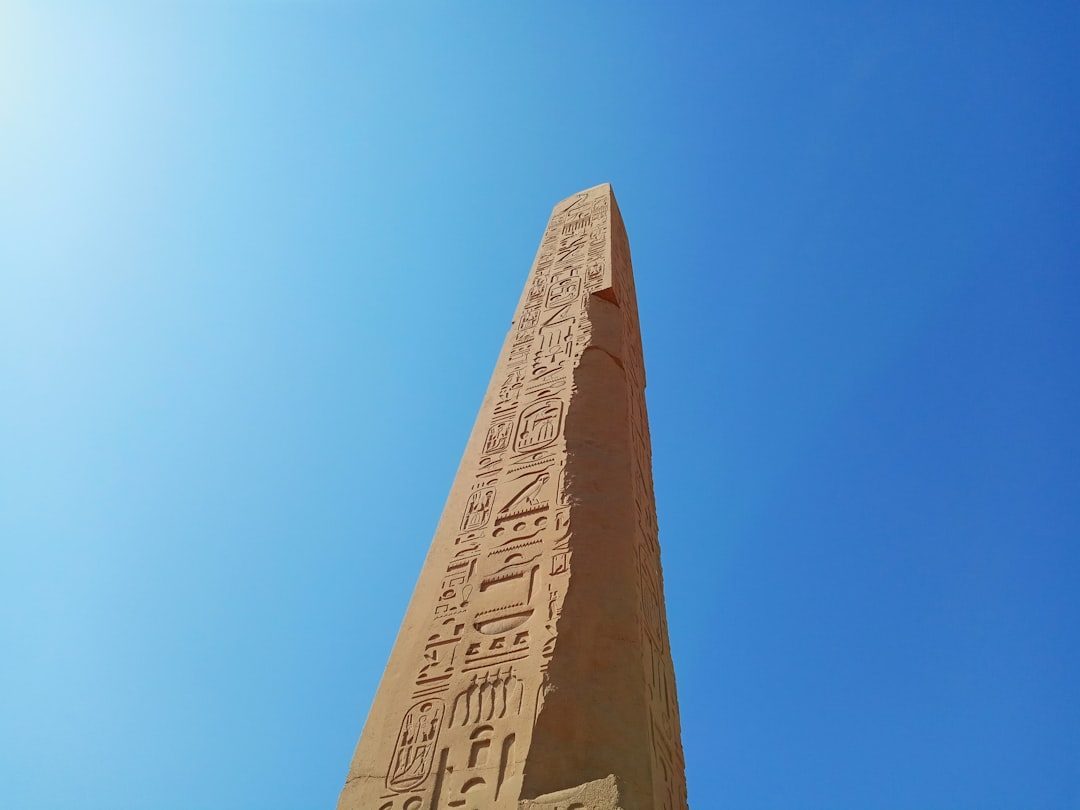
For most of us, the closest we get to these sites is a documentary, a photo, or a quick scroll past a dramatic aerial shot, but there are real ways to plug into the story. Visiting responsibly – if you have the means – supports local economies and can fund conservation, as long as you follow site guidelines and choose operators who respect both heritage and nearby communities. Even from home, you can explore open 3D models, virtual tours, and archaeological datasets that many research teams now share with the public. Supporting organizations that safeguard cultural heritage, whether through small donations or simply amplifying their work, helps protect these fragile archives of human knowledge. And perhaps most importantly, paying attention – asking how things were built, by whom, and at what cost – keeps us from turning them into empty backdrops.
These megastructures are not just about awe; they are about continuity. They show that problem‑solving, cooperation, and ambitious design have been part of our species’ toolkit for a very long time. The more we understand them, the harder it becomes to shrug and say that today’s challenges are beyond us. Next time you see a photo of some impossibly old, impossibly large stone monument, try looking at it less as a mystery and more as a message from people who were, fundamentally, a lot like us. If they could engineer their world with so little, what might we manage with so much?
Suhail Ahmed is a passionate digital professional and nature enthusiast with over 8 years of experience in content strategy, SEO, web development, and digital operations. Alongside his freelance journey, Suhail actively contributes to nature and wildlife platforms like Discover Wildlife, where he channels his curiosity for the planet into engaging, educational storytelling.
With a strong background in managing digital ecosystems — from ecommerce stores and WordPress websites to social media and automation — Suhail merges technical precision with creative insight. His content reflects a rare balance: SEO-friendly yet deeply human, data-informed yet emotionally resonant.
Driven by a love for discovery and storytelling, Suhail believes in using digital platforms to amplify causes that matter — especially those protecting Earth’s biodiversity and inspiring sustainable living. Whether he’s managing online projects or crafting wildlife content, his goal remains the same: to inform, inspire, and leave a positive digital footprint.