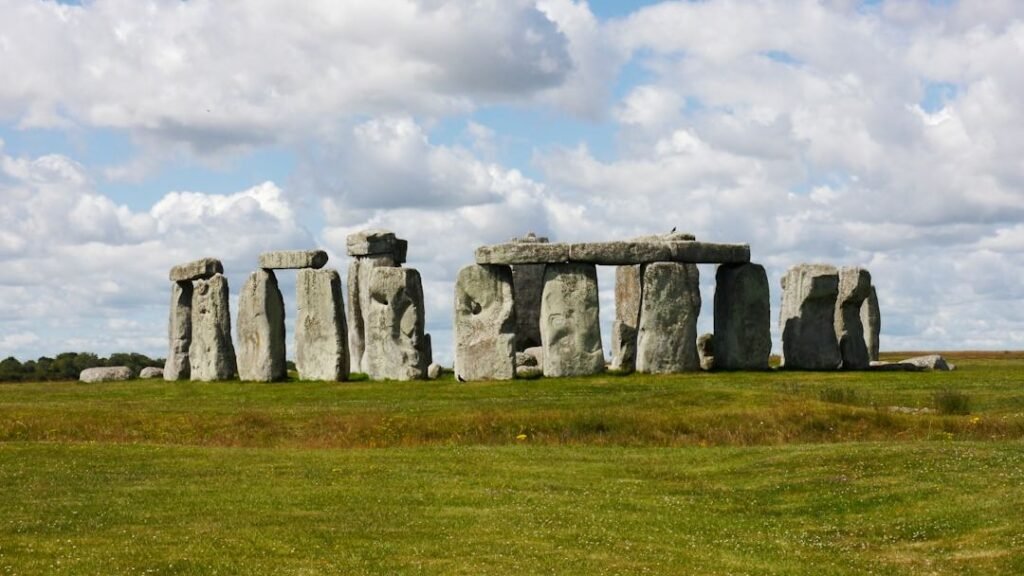

Every once in a while, archaeology hands us a mystery that feels more like a movie script than real life: entire civilizations that seemed to be thriving, building cities, trading, worshipping, raising families… and then, suddenly, they’re just gone. No farewell letter to history, no clear explanation, just ruins and clues scattered in the dirt. For me, these stories are a humbling reminder that even the most impressive societies can be temporary guests on the planet.
In this article, we’ll walk through nine of the most intriguing ancient cultures that effectively vanished, often leaving behind more questions than answers. You’ll notice a pattern: climate shifts, trade disruptions, war, disease, and sometimes their own success pushing them over the edge. Yet every case has a twist, some stubborn detail that refuses to fit neatly into a single theory. Let’s dig into the mysteries they left us and what their disappearance might quietly be warning us about today.
The Indus Valley Civilization: The Silent Cities of Harappa and Mohenjo-daro
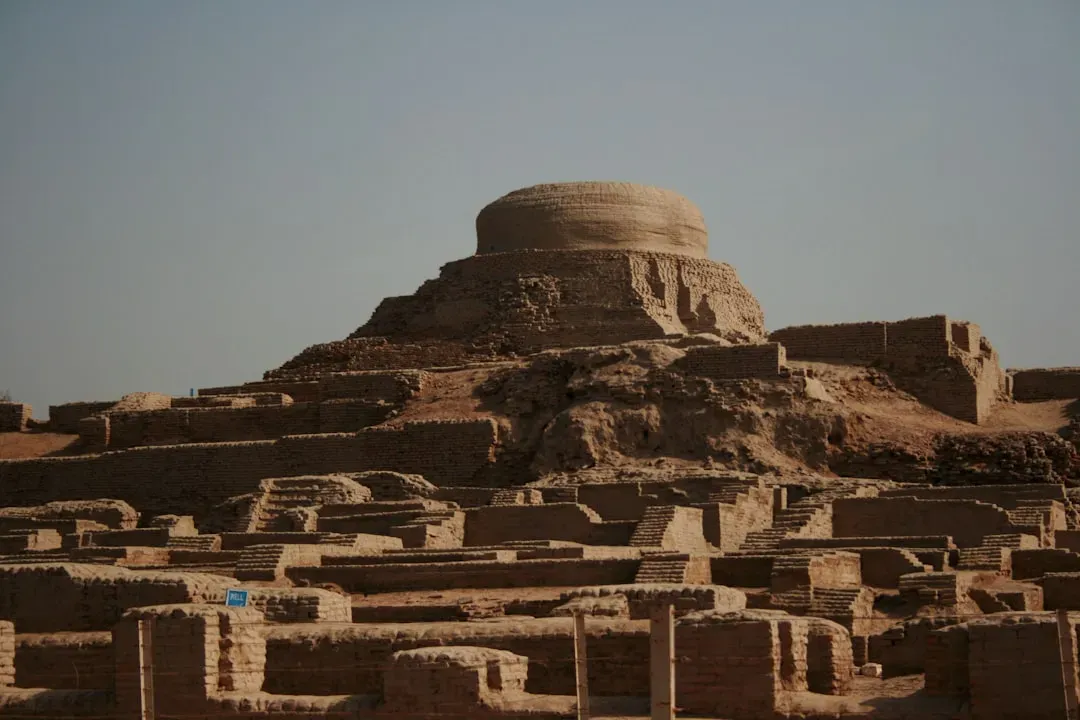
Imagine sprawling, carefully planned cities with straight streets, advanced drainage systems, standardized bricks, and public baths – yet almost no grand palaces, no obvious temples, and no royal tombs screaming about kings and conquests. That’s the Indus Valley civilization, stretching across what is now Pakistan and northwest India around five thousand years ago. Its big cities like Harappa and Mohenjo-daro thrived for centuries, then declined and were abandoned, with no single dramatic event carved in stone to explain why.
Some researchers point to climate change: shifting monsoons and drying rivers that may have turned fertile land into something far less generous. Others see evidence of trade networks with Mesopotamia collapsing, undermining the economic foundation that fed these urban centers. There’s also the puzzle of their writing system, which is still undeciphered, leaving us almost completely in the dark about how they understood their own fate. When I first learned that an entire literate civilization left behind thousands of inscriptions we still can’t read, it felt surreal – like coming across a massive library with every book locked shut.
Nabateans of Petra: Masters of Stone and Water Who Faded Away
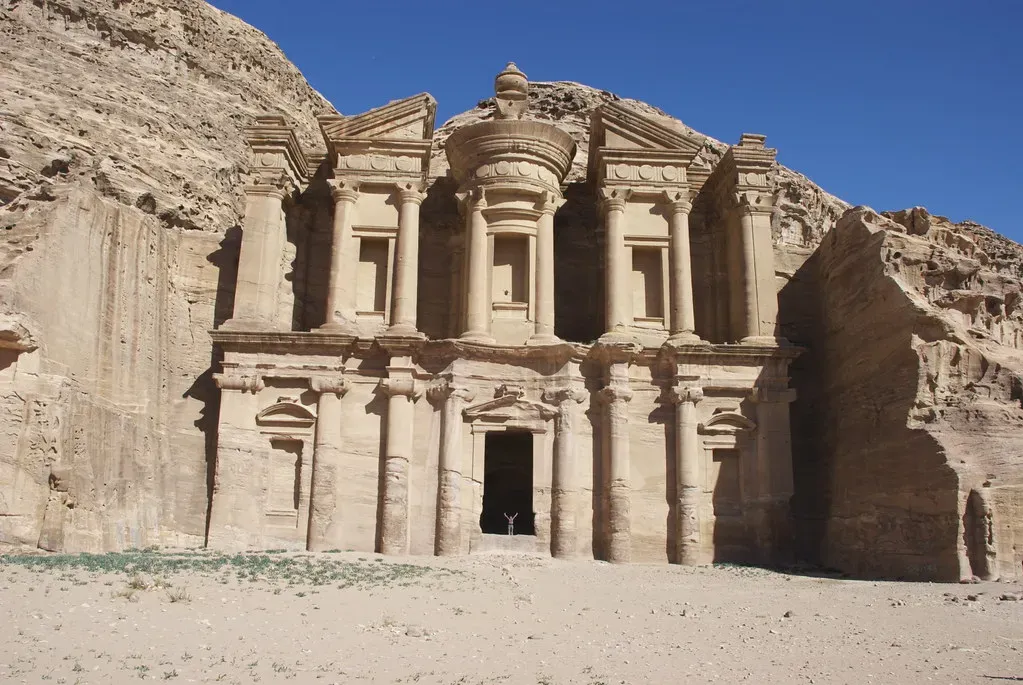
Hidden in a desert canyon, the rock-cut facades of Petra look like something out of a fantasy novel: towering tombs and temples carved directly into rose-red cliffs. The Nabateans, an Arab people, built this city into a wealthy trading hub by controlling caravan routes that linked Arabia, the Mediterranean, and beyond. They turned an unforgiving desert into a functioning city through brilliant water engineering, channeling precious rain into cisterns and reservoirs tucked beneath stone.
Yet by the early centuries of the Common Era, Petra had begun to decline, and the Nabatean culture gradually slipped from view. Roman conquest took control of their trade routes, and new sea routes undercut the land-based caravan economy that had made them rich. Earthquakes damaged the city, and without money and power to rebuild and adapt, Petra slowly emptied. When European travelers stumbled on it again in the nineteenth century, they were shocked that such a monumental place had essentially vanished from the world’s memory, like a celebrity who just quietly left the party and never came back.
Cahokia: The Lost City of Mounds in North America
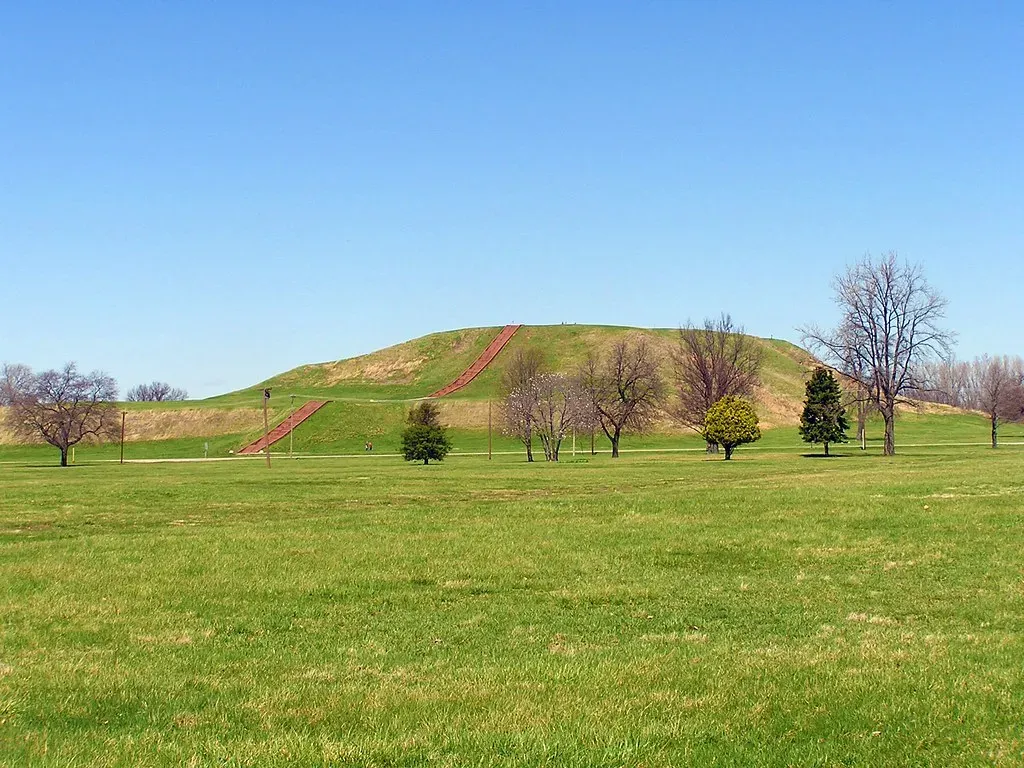
Long before skyscrapers rose in Chicago or St. Louis, there was Cahokia: a massive pre-Columbian city near present-day St. Louis, complete with enormous earthen mounds, broad plazas, and wooden palisades. At its peak around a thousand years ago, Cahokia may have rivaled or even exceeded the population of London at the time, drawing people from across the Mississippi Valley. Standing on Monks Mound today, you can feel that sense of scale; it’s like a silent, grassy pyramid reminding you there was once a city here that filled the horizon.
Then, by around the fourteenth century, Cahokia was largely deserted. Scholars suggest a messy cocktail of causes: environmental strain as forests were cleared and farmland exhausted, flooding from changes in the Mississippi River, social tensions, and perhaps disease. No single smoking gun has been found, and that’s part of the tension – you’re looking at the skeleton of a city without the diary explaining the breakup. I find Cahokia especially striking because it shatters the lazy myth that North America was mostly empty and “undeveloped” before Europeans arrived; there were complex cities here that rose and fell long before colonial maps were drawn.
The Olmec: The Mysterious “Mother Culture” of Mesoamerica
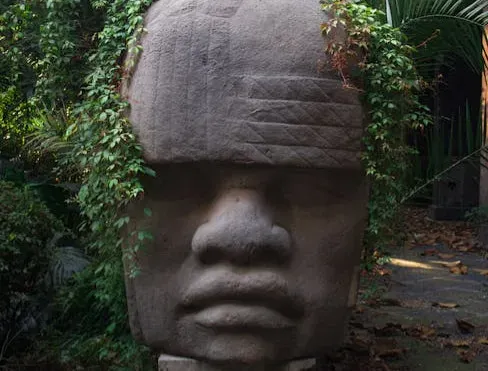
The Olmec are often called the “mother culture” of Mesoamerica, and whether or not that label is perfectly accurate, their influence is hard to deny. They appeared along the Gulf Coast of present-day Mexico, building ceremonial centers like San Lorenzo and La Venta with monumental earthen platforms and the famous colossal stone heads, each carved with hauntingly individual faces. You see early traces of ideas – like ritual ball games, complex iconography, and maybe even early writing – that later civilizations like the Maya and Aztec would develop further.
Around the first millennium before the Common Era, major Olmec sites were abandoned, and their distinct culture faded as new regional powers emerged. Environmental changes, especially river course shifts and flooding, may have undermined their agricultural base, making some sites less viable. There’s also evidence of internal upheaval, with monuments deliberately buried or destroyed, hinting at political or religious conflicts we can only guess at. The strangeness of those giant heads, staring out with a mix of calm and defiance, makes their disappearance feel personal, as if the faces are still demanding someone to remember what happened.
The Minoans of Crete: A Maritime Power Undone by Nature and Neighbors
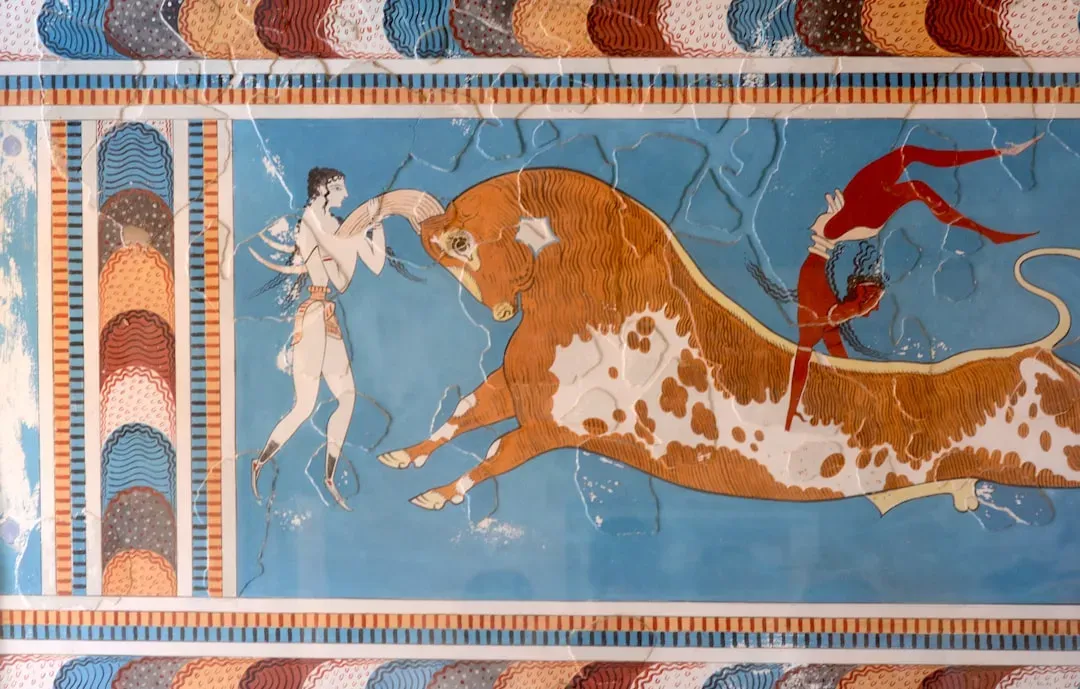
On the island of Crete in the Mediterranean, the Minoans built elaborate palatial complexes like Knossos, rich with colorful frescoes of dancers, bulls, and ships cutting through bright blue seas. They were master seafarers, trading across the eastern Mediterranean and shaping the cultural landscape long before classical Greece. Their writing systems, known as Cretan hieroglyphs and Linear A, remain undeciphered, adding another locked-door mystery to their story.
Their decline, roughly in the second millennium before the Common Era, has been tied to the massive volcanic eruption of Thera (Santorini), which sent tsunamis and ash across the region. That disaster likely damaged their fleet, disrupted agriculture, and shook their political and religious structures in ways we can only infer. Later, Mycenaean Greeks from the mainland seem to have taken over or heavily influenced Minoan sites, blending and eventually replacing their culture. It’s tempting to blame everything on the volcano, but archaeological layers suggest a slower, more tangled unraveling – like a rope fraying strand by strand rather than snapping in one dramatic instant.
The Clovis Culture: The Vanishing Pioneers of the Americas
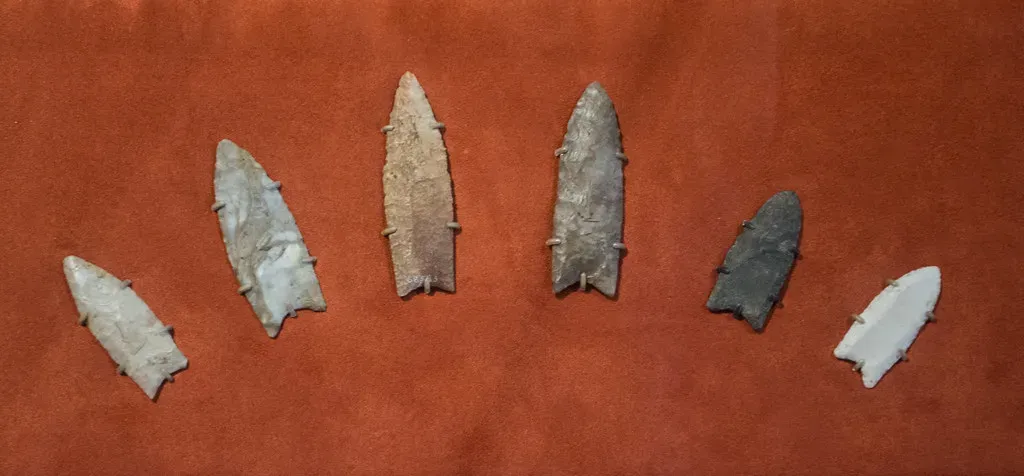
For decades, the Clovis culture was thought to represent the very first people in the Americas: hunter-gatherers known for their distinctive, carefully fluted stone spear points. They lived roughly between thirteen and ten thousand years ago, spread widely across North America, hunting large animals like mammoths and mastodons as the last Ice Age was ending. Their tools show striking skill, the kind of expertise you only get from years of knowledge passed down face-to-face.
Then, Clovis artifacts abruptly stop appearing in the archaeological record, and for a long time this was treated almost like a vanishing act. Current research suggests the story is less about extinction and more about transformation: as big Ice Age animals died out, whether from climate warming, human hunting, or both, Clovis ways of life evolved into new regional cultures. The people didn’t simply disappear, but the distinct Clovis toolkit and lifestyle did, replaced by different tools and strategies. It’s a reminder that sometimes what we call a “lost civilization” is really a lost pattern, with the descendants still very much alive – just wearing different cultural clothes.
The Kingdom of Aksum: A Forgotten Power of Africa’s Horn
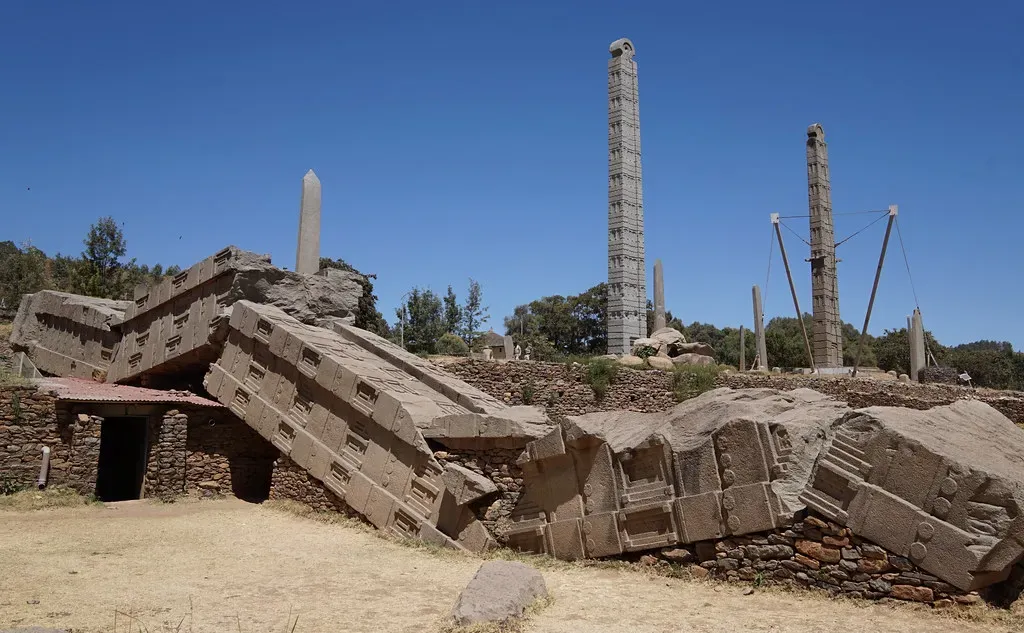
In what is now Ethiopia and Eritrea, the Kingdom of Aksum once stood as a major power, minting its own coins, trading with the Roman and Persian worlds, and building towering stone stelae that still pierce the sky. Aksum controlled vital Red Sea trade routes and developed a written script, Ge’ez, that is still used in liturgical contexts today. It was also one of the earliest states to adopt Christianity, weaving religion into its political identity in a deliberate, strategic way.
By the early medieval period, Aksum’s political core had weakened and much of its prominence faded from the international stage. Shifts in trade routes, especially the rise of Islamic ports and changing control of the Red Sea, likely undercut its economic might. Soil erosion, deforestation, and climate changes may have made agriculture more difficult, pushing power inland and into new forms. What struck me when I first read about Aksum is how little it features in many school histories, despite being as sophisticated and connected as many better-known empires; its relative “disappearance” is partly about archaeology, but also about what later historians chose to remember – or ignore.
The Hittite Empire: Bronze Age Superpower Turned Ghost
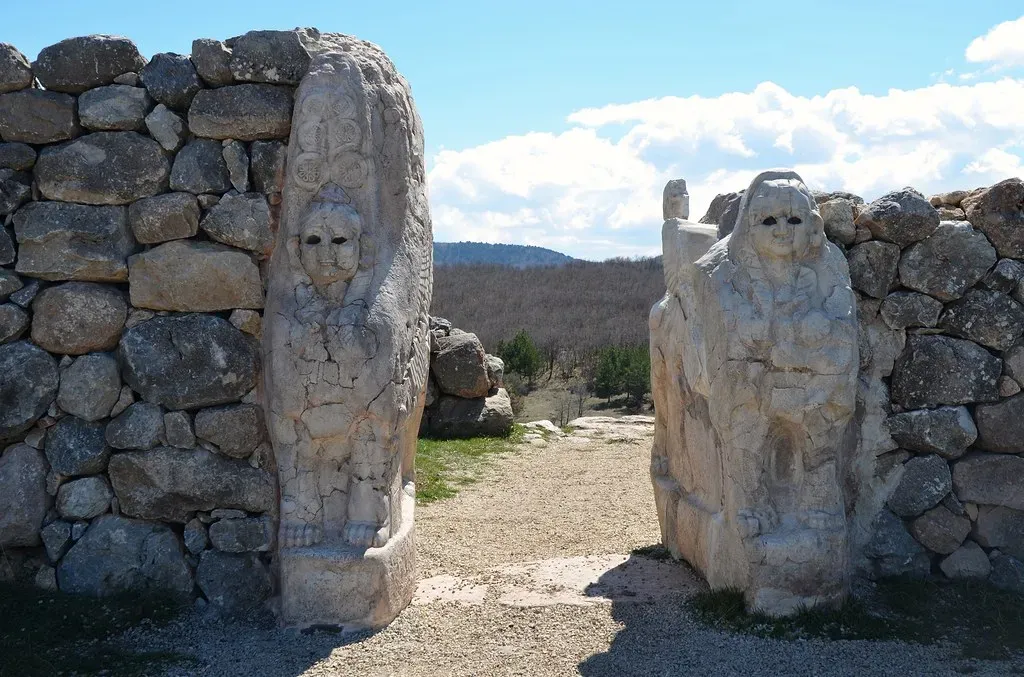
The Hittites ruled a formidable empire in Anatolia, with their capital at Hattusa in what is now central Turkey, and for a time they were one of the big three powers alongside Egypt and Assyria. They had advanced chariot warfare, complex laws, and diplomatic correspondence with other great kings of the Late Bronze Age. Then, around the twelfth century before the Common Era, their empire collapsed so thoroughly that for centuries later, people forgot they had ever existed at that scale.
This collapse was part of a wider crisis often called the Late Bronze Age collapse, in which several interconnected civilizations fell or shrank dramatically. Theories range from invasions by so-called “Sea Peoples,” to internal rebellions, to severe droughts and crop failures, to disrupted trade networks that toppled interdependent economies. Excavations at Hattusa reveal destruction layers and sudden abandonment, followed by centuries of relative silence in the record. To me, the Hittites are a sobering example of how even powerful, literate states can be erased so completely that later generations have to dig through hillsides just to recover their names.
Rapa Nui (Easter Island): Statues in a Deserted Landscape
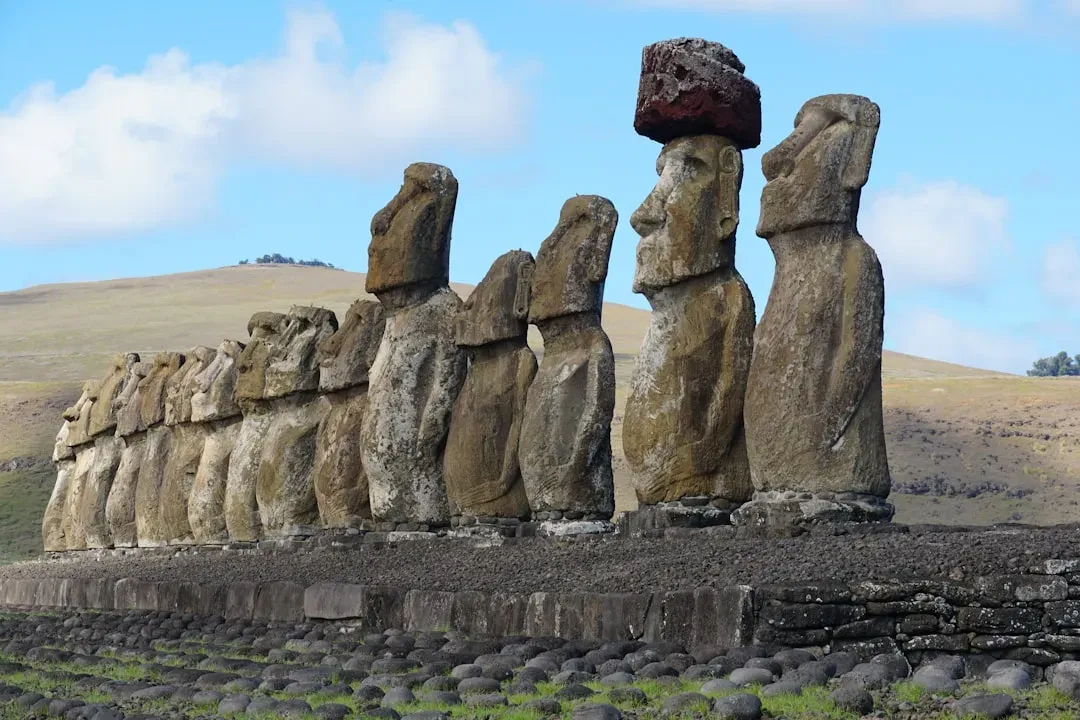
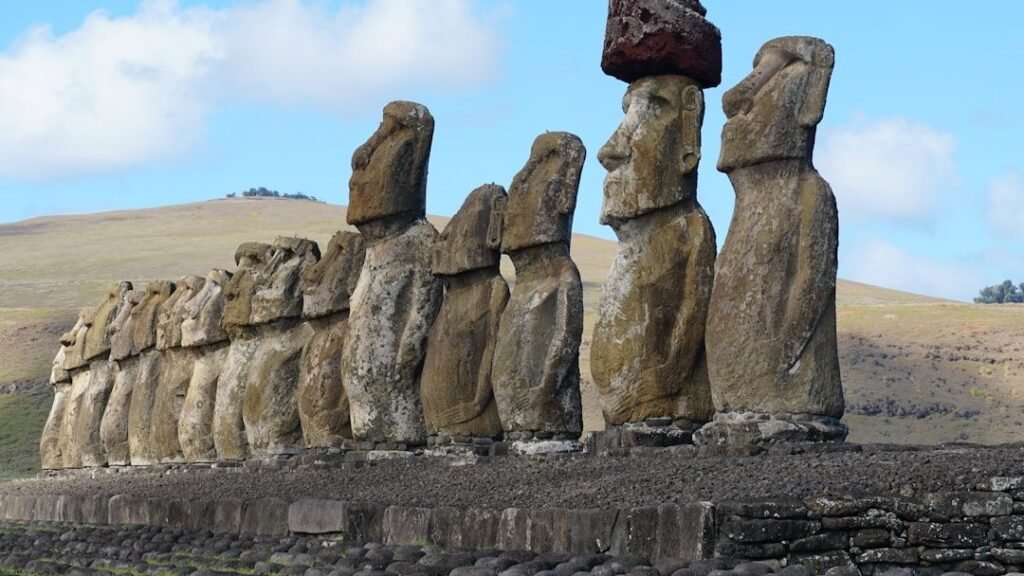
Rapa Nui, often called Easter Island, might be the most visually iconic mystery on this list: a remote Pacific island dotted with massive stone statues, the moai, standing with stoic faces turned inland. Polynesian voyagers settled the island centuries ago, creating a complex society with ancestor worship at its core and an impressive ability to move and erect these multi-ton statues. At its peak, the island seems to have supported a relatively dense population, farming in challenging conditions and managing limited resources.
By the time European ships arrived in the eighteenth century, the island’s society had dramatically changed, with many statues toppled and the population much smaller. Evidence points to ecological strain – deforestation, soil degradation, and loss of key resources – combined with internal conflict and, later, devastating impacts from outside contact, including disease and slave raids. There’s ongoing debate about exactly how the collapse unfolded, but the image of proud statues in a stripped landscape has become a powerful, if sometimes oversimplified, symbol of what happens when human ambitions outrun an environment’s limits. Standing in front of photos of Rapa Nui’s moai, I’ve often wondered what conversations happened there when people first realized the trees were not coming back.
Conclusion: Echoes from Civilizations That Faded Away
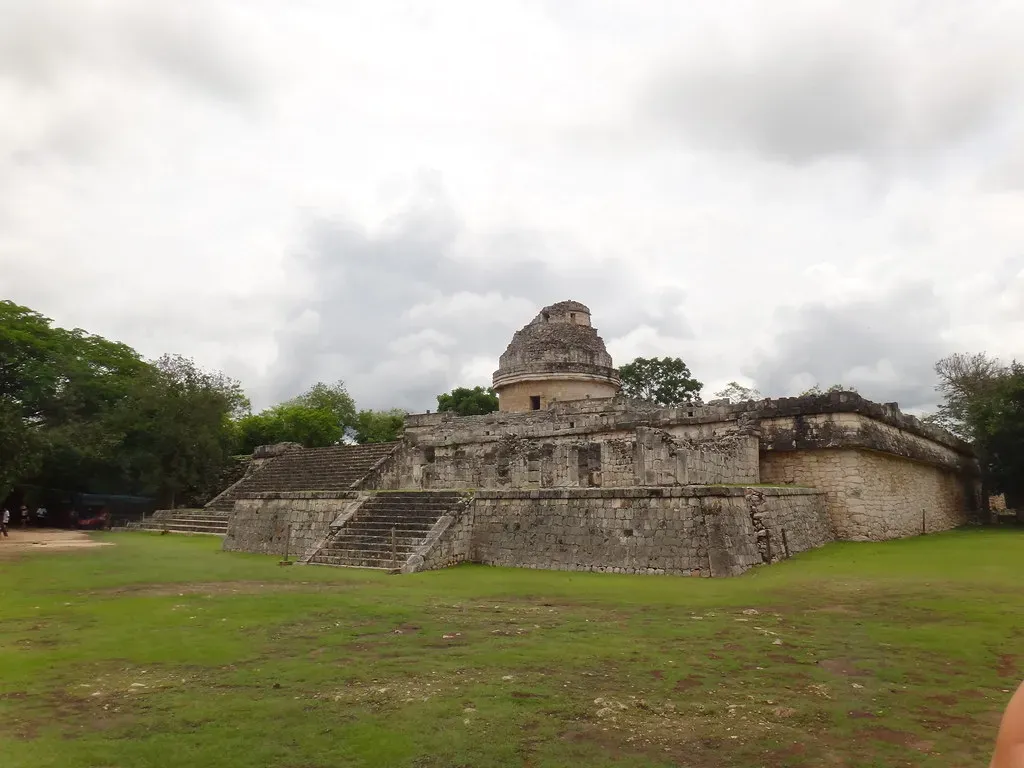
From Indus streets laid out in tidy grids to Rapa Nui’s silent stone faces, these vanished civilizations leave behind a strange mixture of presence and absence. Their engineering, art, and trade networks show extraordinary human creativity; their endings reveal how vulnerable even the smartest societies can be to shifting climates, fragile economies, and the unintended consequences of their own choices. It’s unsettling how often the downfall looks less like a single catastrophe and more like a slow slide, the kind you might not notice until it’s already too late.
What stays with me is that none of these cultures thought of themselves as “lost” while they were alive; they were just people trying to solve problems, feed families, and make meaning, much like us. Yet they left behind ruins instead of instructions, questions instead of guarantees. When you look at their stories together, they feel less like distant legends and more like cautionary mirrors. Knowing that, it’s hard not to ask: if someone digs through the remains of our own cities thousands of years from now, what will they think made us vanish – or endure?