
You ever wonder how our ancestors managed to build things that still leave us scratching our heads today? We’ve got skyscrapers, computers, and rockets shooting into space, yet some ancient structures and inventions from thousands of years ago continue to baffle the brightest minds in science. It’s humbling, really. These old civilizations didn’t have CAD software or power tools, but somehow they created marvels that we still can’t fully explain or replicate using the same methods.
What’s even more fascinating is that these mysteries aren’t just about big buildings. We’re talking about precise astronomical calculators, concrete that self-heals, and massive desert drawings that only make sense from the sky. The technologies behind these achievements challenge everything we thought we knew about human progress. Let’s dive in.
Ancient Egypt and the Pyramids of Giza

The pyramids were built as tombs for pharaohs over four thousand years ago, with the Great Pyramid of Giza originally standing at roughly 147 meters tall and made up of about 2.3 million stone blocks, each weighing between 2.5 and 15 tonnes. Imagine trying to lift a double-decker bus to the top of a cathedral millions of times over. That’s essentially what the ancient Egyptians did.
The construction of the pyramids can be explained with well-established scientific facts, however there are some aspects that even today are considered controversial hypotheses. Disagreements chiefly concern the methods used to move and place the stones. Multiple theories exist involving ramps, levers, water lubrication, and internal lifting systems. The ancient engineering feats at Giza were so impressive that even today scientists and engineers can’t be sure exactly how the pyramids were built, yet they have learned much about the people who built them and the political power necessary to make it happen. The precision and scale remain genuinely astonishing.
The Antikythera Mechanism from Ancient Greece
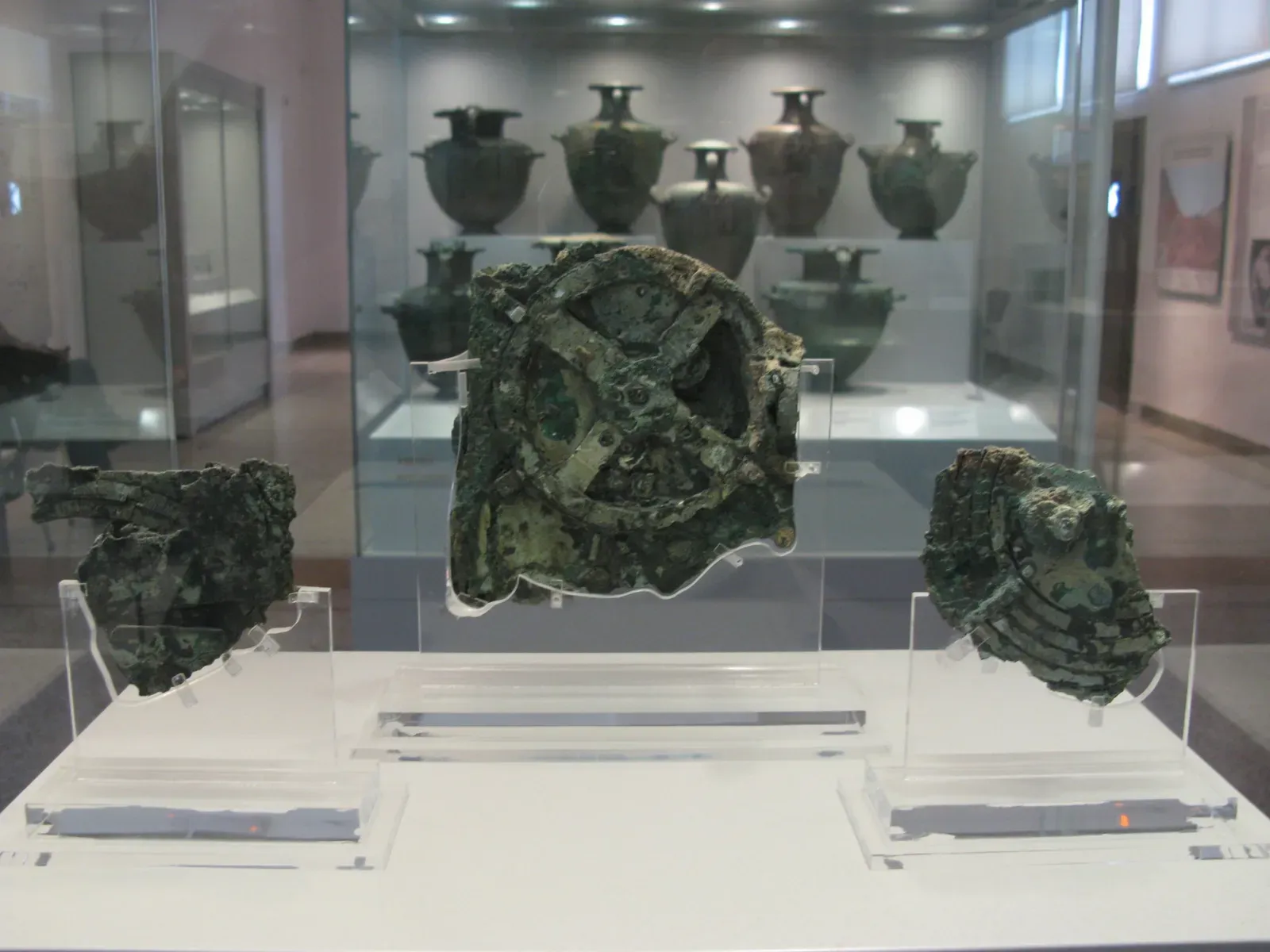
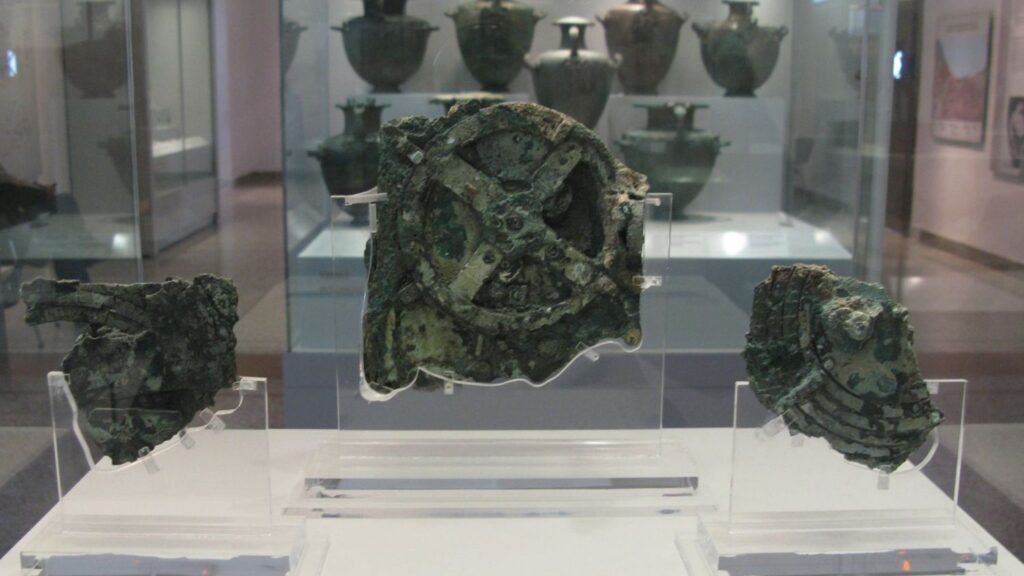
The Antikythera mechanism is an ancient Greek hand-powered orrery (model of the Solar System) and is the oldest known example of an analogue computer. Discovered in a shipwreck off the Greek island Antikythera in 1901, this bronze device was initially just a corroded lump of metal that nobody could make sense of.
The artefact was among wreckage retrieved from a shipwreck in 1901, and in 1902 it was noticed as containing a gear. The Antikythera mechanism had the first known set of scientific dials or scales, and no other geared mechanism of such complexity is known from the ancient world or indeed until medieval cathedral clocks were built a millennium later. Think about that. The Greeks built something around 100 BCE that wouldn’t be matched in complexity for over a thousand years. Turning a crank or knob to set the gears in motion, users could view the positions of the sun, moon and five known planets at any given date in the past or future. It’s honestly mind-blowing.
Roman Empire and Self-Healing Concrete

Let’s be real, modern concrete starts crumbling after a few decades, especially near salt water. Roman concrete? Many ancient Roman structures were built with concrete, and some ancient Roman aqueducts still deliver water to Rome today, while Rome’s Pantheon, dedicated in 128 C.E., is still intact.
Recent studies suggest that tiny lime clasts in the concrete gave it a previously unrecognized self-healing capability, and further characterization using high-resolution multiscale imaging provided new insights into the potential functionality of these lime clasts. Roman builders pre-mixed quicklime with dried volcanic ash known as pozzolana before adding water in a process called hot mixing, which involves an exothermic reaction producing high temperature and creates a distinct internal structure marked by microscopic fragments of partially reacted lime. When cracks form in the hardened concrete and water penetrates the material, the clasts react and calcium is released to fill these cracks. Essentially, it repairs itself. We’re only now starting to understand how they did it.
The Nazca Culture and Desert Geoglyphs of Peru
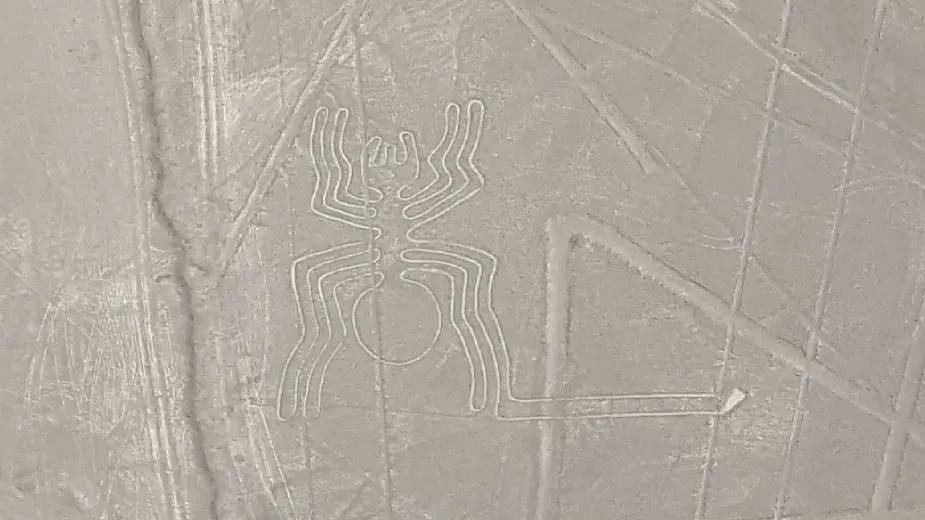
The Nazca Lines, massive geoglyphs etched into the desert floor of southern Peru, were created by the Nazca culture between 500 BC and 500 AD as enormous designs depicting animals, plants and geometric shapes, which can only be fully appreciated from the air. Here’s the thing: these ancient people had no way to fly, yet they created drawings so massive and precise that you need to be airborne to truly see them.
The scale and precision with which these pictograms were created cannot be overstated, as they stretch across the barren desert for miles without any deviation or error. Scholars suggest the ancient Nazca people used basic surveying techniques like ropes or wooden stakes to measure out the land and create lines, but why they did it remains one of the biggest mysteries, as they were clearly meant to be seen from the sky. Were they messages to gods? Astronomical calendars? Ritual pathways? Nobody knows for certain. The mystery just deepens the more you think about it.
Ancient Mesopotamia and the Baghdad Battery
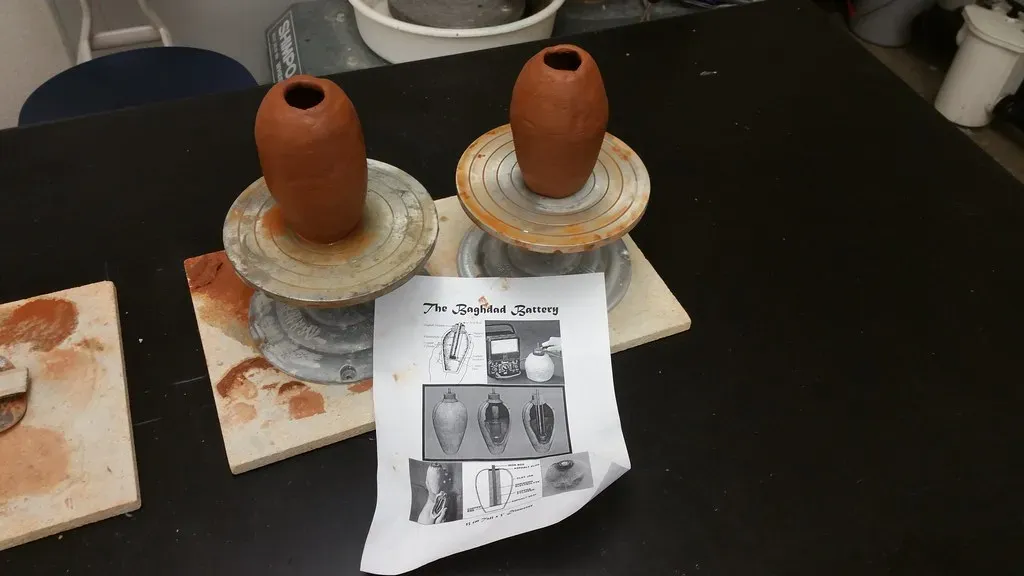
The discovery of a set of ceramic jars in modern-day Iraq dating back to around 200 BC led to the Baghdad Battery mystery, as each jar contains a copper cylinder and an iron rod which all bear striking resemblance to modern batteries or galvanic cells. Could ancient people have understood electricity?
When filled with an acidic substance such as vinegar or lemon juice, the jars could theoretically produce a small electric current. The true purpose of these “batteries” remains a mystery, with scholars suggesting they were used for electroplating or had medicinal or religious significance, but none of these theories have been proven or have evidence to back them. It’s hard to say for sure whether they actually generated power on purpose or if it’s all just coincidence. Still, the possibility that ancient craftsmen might have harnessed electrical currents centuries before modern science is genuinely fascinating.
Ancient India and the Rust-Proof Iron Pillar of Delhi
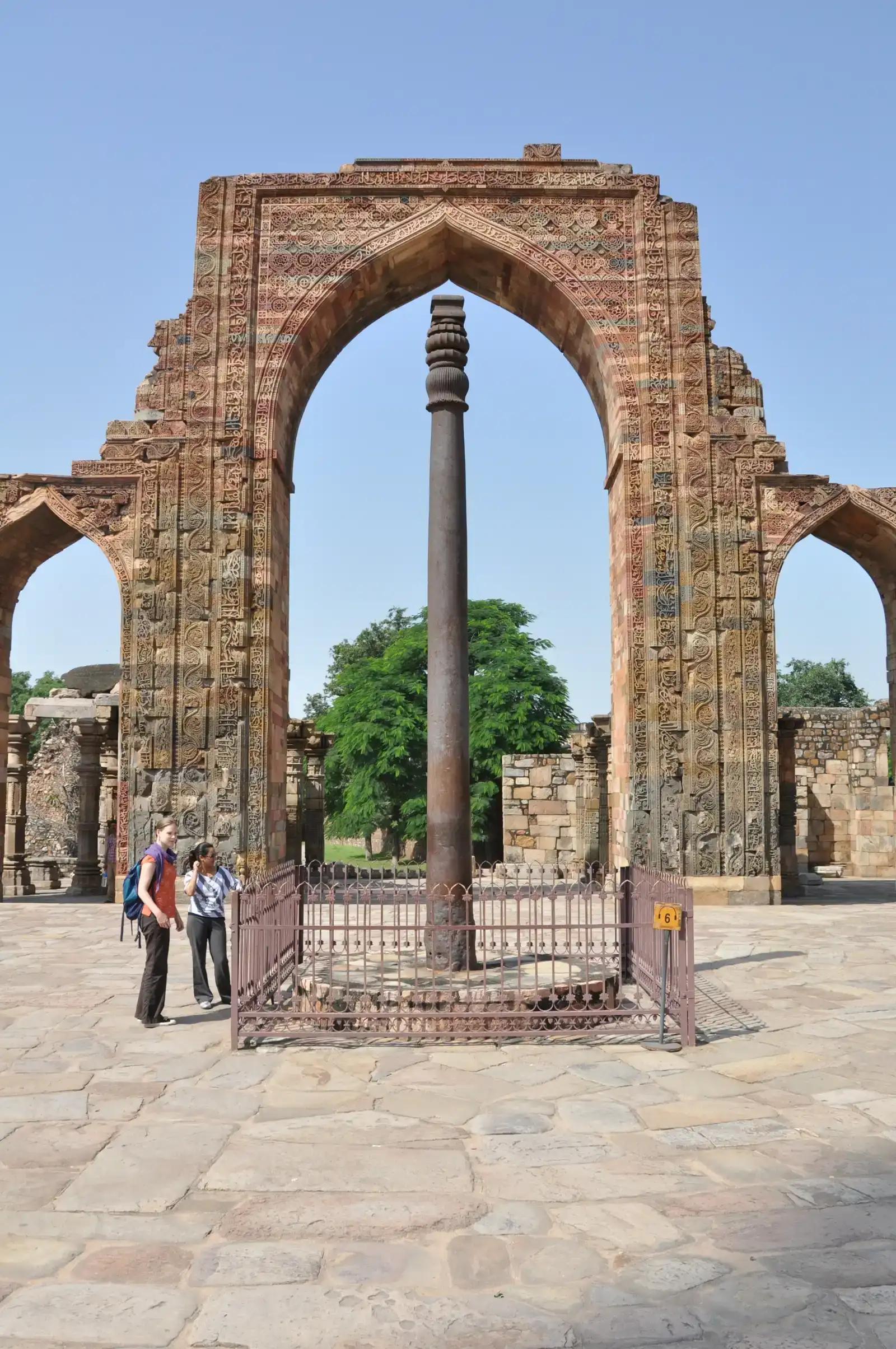
Delhi is home to an iron pillar over one thousand years old which has never rusted, and not until the invention of Stainless Steel by Harry Brearley in 1913 was it possible to prevent rusting, yet it was achieved in the reign of King Chandra. Standing over seven meters tall and weighing more than three thousand kilograms, this pillar has defied the elements for well over a millennium.
The iron pillar has ancient writing on it which has been preserved due to the lack of rusting, and after careful analysis scientists found the pillar had undergone a three-phase process which created a thin protective layer over it. Modern metallurgists have studied this pillar extensively, and while they’ve identified the protective coating, replicating the exact ancient process remains challenging. The skill level of these ancient Indian smiths was extraordinary.
Ancient Syria and the Lost Art of Damascus Steel

Damascus steel remains one of the most mysterious materials to date, and centuries ago it was renowned as the finest steel globally, originating in India and later transported to Damascus, Syria, with swords crafted from it prized for their beautiful patterns and superior physical characteristics. These blades were legendary during the Crusades, capable of slicing through European swords like butter.
Damascus steel was renowned for its flowing or watered pattern, and the swords originated in the Middle East during the 9th century, being multiple times stronger and sharper than Western swords used during the Crusades. The exact composition and forging technique were lost centuries ago. Modern blacksmiths have tried to recreate it, and while some have come close, nobody has perfectly replicated the original process. The secret died with the craftsmen who made it, leaving us with beautiful relics we can admire but not truly reproduce.
The Byzantine Empire and Greek Fire

Greek fire was like the ancient version of a flamethrower, except it could burn on water instead of just lighting people on fire, and this mysterious substance was so intense that it could light up the ocean. Imagine a weapon so terrifying that it could set the sea itself ablaze.
The Byzantines used it during naval battles to fry their enemies, and it was so top-secret that no one knew exactly what it was made of, with some saying it was a mixture of sulfur, pitch and naphtha while others think it was just really flammable chemicals mixed together, and it could be launched from a syringe-like device called a siphon and was rumored to be super sticky. Greek Fire is an interesting historical technology in that it sounds fantastic, was completely real, and its composition remains a mystery. The Byzantines guarded the formula so closely that it was eventually lost to history entirely.
Ancient Assyria and the Nimrud Lens
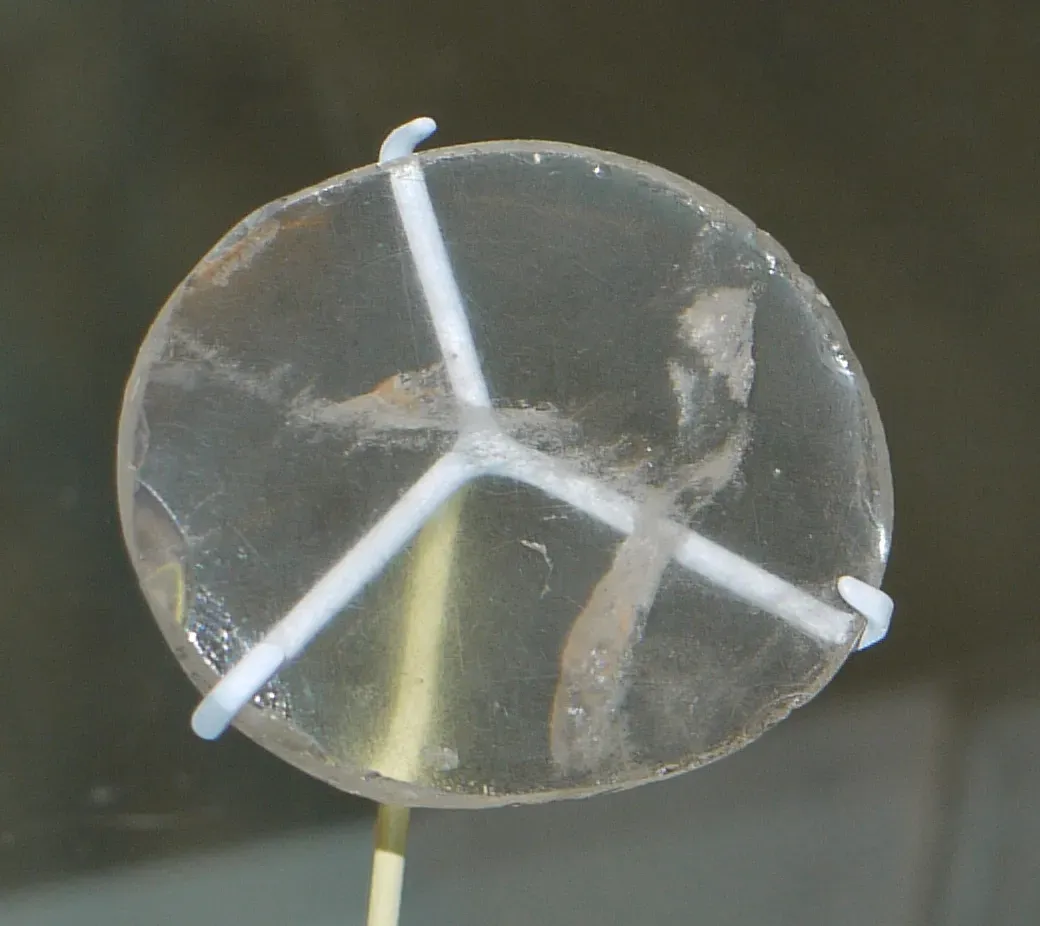
The Nimrud Lens, a 3,000-year-old rock crystal discovered in the Assyrian palace of Nimrud, raises questions about its purpose, as it is believed by some to be a magnifying glass or part of the world’s oldest telescope, while others argue it may be a coincidentally shaped piece of rock crystal with little practical use. The debate continues among researchers.
The groundbreaking lens represents technology that challenges conventional timelines about optical manufacturing, as its curved surfaces show intentional design rather than accidental formation, and some researchers speculate it allowed ancient astronomers to observe celestial bodies with enhanced detail. If the Assyrians really did have optical technology three thousand years ago, it would push back the history of lens-making by centuries. Whether it was truly functional or just decorative remains one of those tantalizing unknowns.