
Somewhere beneath the dense canopies of Central America, or buried in the desert sands of South Asia, entire worlds once thrived. Cities with running water and trade routes stretching thousands of miles. Temples aligned to celestial events. Scripts that no living person can read. Then, silence.
The question of why great civilizations disappear is one that historians, archaeologists, and scientists have wrestled with for generations. There has never been a point in modern history where humans know more about ancient civilization than now, thanks to the tireless work of scientists, historians, and archaeologists making new discoveries each day. Yet the more we uncover, the more questions seem to multiply. Here are nine civilizations whose ruins still hold more secrets than answers.
The Indus Valley Civilization: The Cities That Fell Quiet
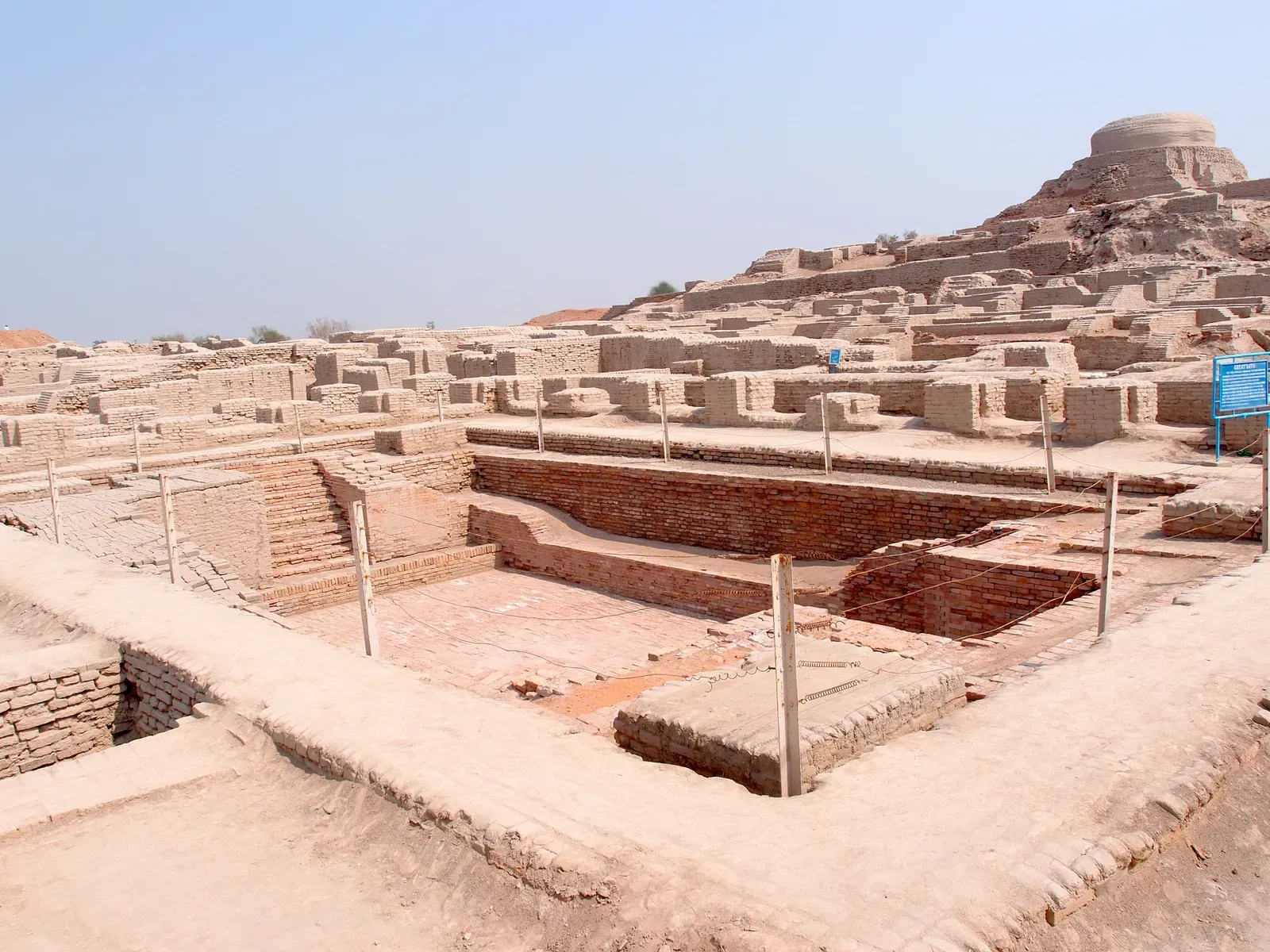
The Indus civilization, also known as the Harappan civilization, was one of the largest in ancient history, extending over parts of India, Pakistan, and Afghanistan and containing as many as five million people. At its height, the full extent of the Indus civilization is estimated to be around three million square kilometers, which is bigger than both ancient Egypt and ancient Mesopotamia combined. You’d expect a civilization of that scale to leave behind an obvious trail of collapse. Instead, what you find is something far stranger.
Around 1900 BCE, life simply drained away. There was no evidence of invasion, no mass graves, no signs of catastrophic warfare. The cities emptied methodically, as if the inhabitants knew something we don’t. New climate reconstructions show that the Indus Valley Civilization endured repeated long dry periods that gradually pushed its people toward the Indus River as rainfall diminished. These environmental stresses coincided with shrinking cities, shifting settlements, and eventually widespread deurbanization. Rather than a dramatic collapse, the civilization appears to have faded slowly under relentless climate pressure. Their script, etched onto thousands of seals, remains undeciphered – we have no Rosetta Stone to unlock their thoughts, beliefs, or reasons for leaving.
The Classic Maya: When the Rainforest Swallowed the Cities
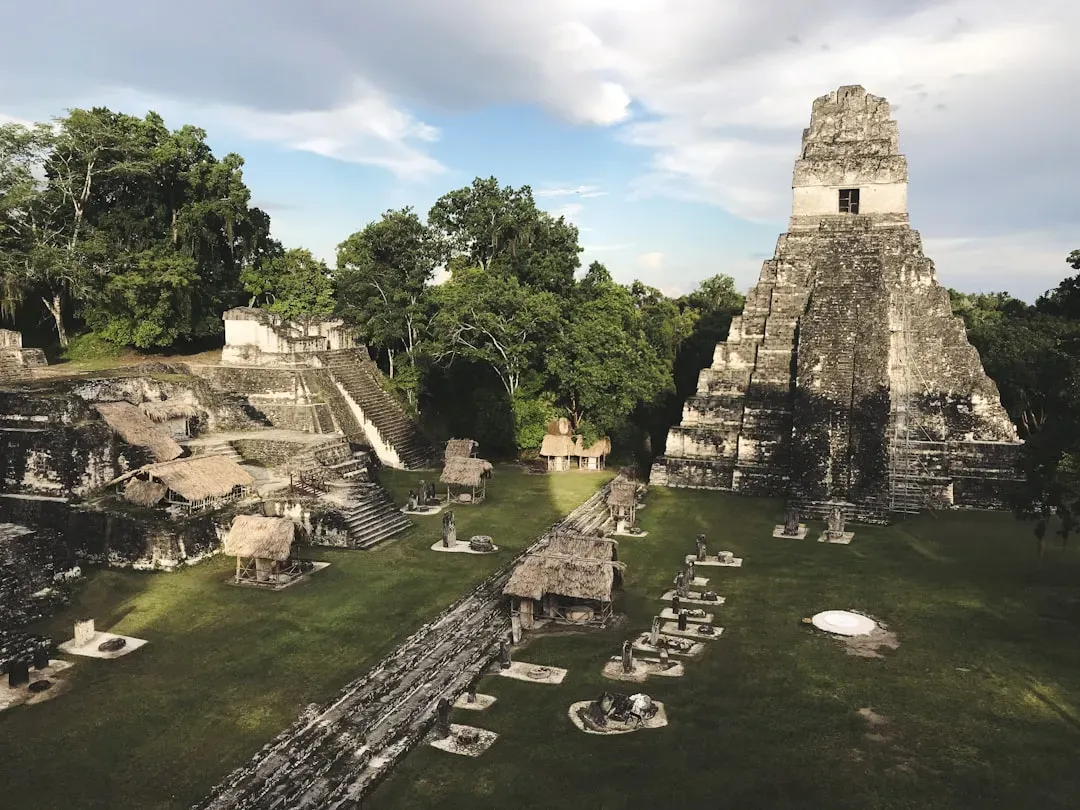
The Maya civilization, known for its impressive achievements in writing, art, and astronomy, mysteriously collapsed around the 9th century. Theories explaining their decline range from overpopulation and resource depletion to prolonged droughts and warfare. The dense jungles of Central America swallowed many of their cities, leaving us with only fragments of their once-great society. What’s remarkable is just how long researchers have debated the cause, and how recent science has shifted the conversation decisively.
Chemical evidence from a stalagmite in Mexico has revealed that the Classic Maya civilization’s decline coincided with repeated severe wet-season droughts, including one that lasted 13 years. A recent study published in the Proceedings of the National Academy of Sciences brings together several previously competing explanations for ancient urban growth and decline, including environmental pressures, warfare, and economic dynamics, in a single flexible model grounded in population ecology. Modern technology, like LiDAR, continues to reveal hidden structures, offering new insights into how the Maya lived and why they might have left their cities behind.
The Khmer Empire: The Hydraulic City That Ran Dry
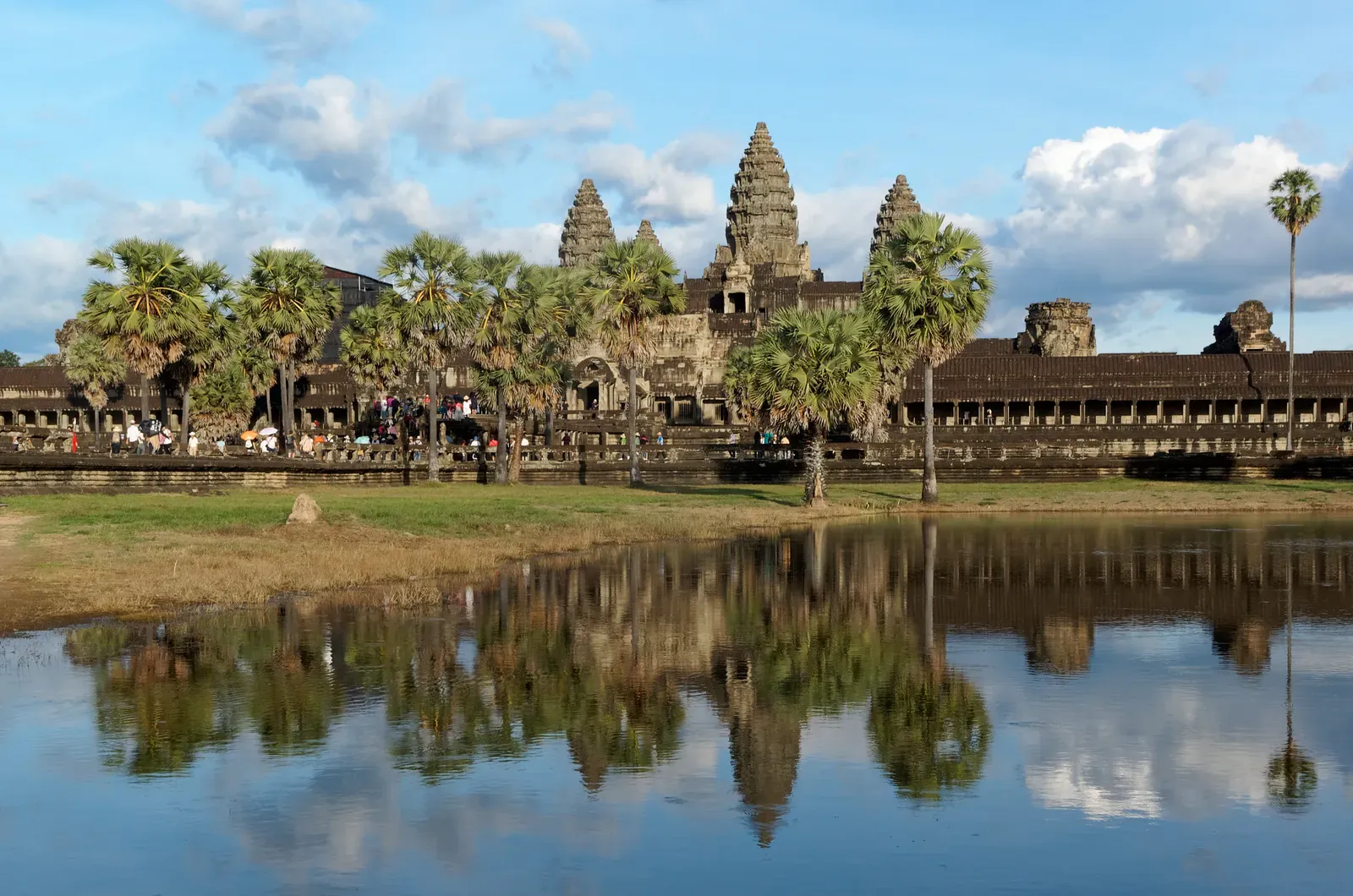
Angkor Wat was once simply part of a larger city, Angkor. The enormous temple complex, the largest religious monument on earth, occupying some 402 acres, was once a part of a metropolis larger than modern-day New York City. Angkor was the capital of the Khmer Empire. In its heyday, Angkor relied on an intricate engineered system of canals, moats, embankments, and reservoirs. That engineering achievement, as brilliant as it was, may have also been the empire’s fatal weakness.
Historians have offered various explanations for the fall of an empire that stretched across much of Southeast Asia between the 9th and 14th centuries, from deforestation to conflict with rival kingdoms. The strongest evidence yet suggests that two severe droughts, punctuated by bouts of heavy monsoon rain, may have weakened the empire by shrinking water supplies and damaging Angkor’s vast irrigation system, which was central to its economy. It is believed that Angkor, already suffering from deforestation and conflict with other kingdoms, overtaxed its hydraulic system, which increased the effects of the drought and precipitated the city’s decline. The study concludes that the Khmer water management system is an example of a sophisticated technology that failed in the face of extreme environmental conditions.
The Minoans: Europe’s First Great Civilization and Its Abrupt End
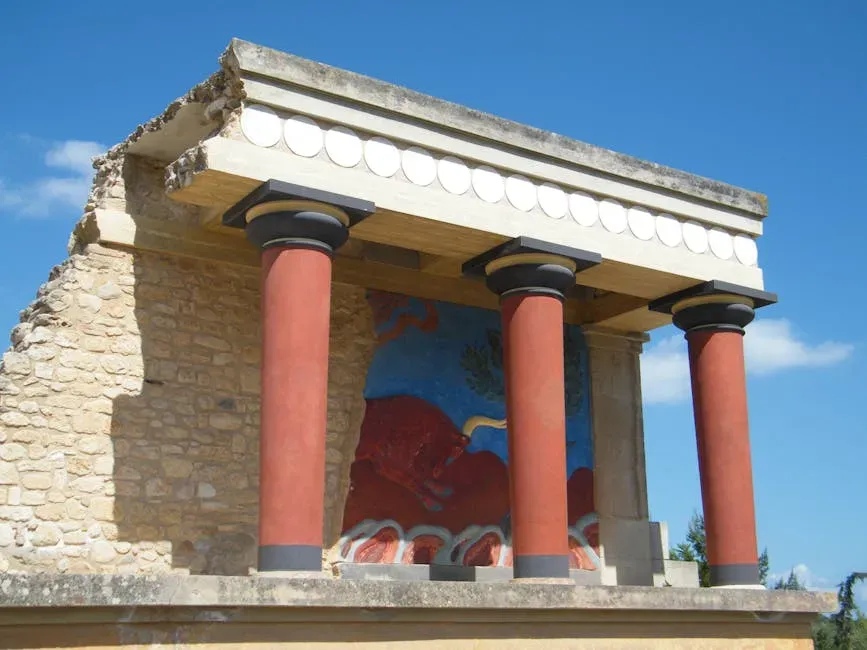
The Minoans, known as Europe’s first advanced civilization, flourished on the island of Crete from around 3000 to 1100 BCE. Their palaces, such as Knossos, reveal a rich artistic and maritime society. Around 1450 BCE, they suffered widespread destruction, possibly from a volcanic eruption or invasion. The eruption of Thera and subsequent tsunamis may have played a part. The Minoans built elaborate multi-story palaces with indoor plumbing and drainage systems that wouldn’t be seen again in Europe for thousands of years.
The only kind of written language they left behind was something researchers call Linear A. If Linear A can be cracked, it could open the door to a better understanding of the Minoan people and their untimely fate. To this day, that script remains undeciphered. The ruins of Knossos hint at a civilization with a rich religious life, an extensive trading network across the Mediterranean, and an artistic tradition that influenced Greek culture for centuries. What we still don’t know far outweighs what we do.
The Olmecs: Mesoamerica’s Forgotten Founders
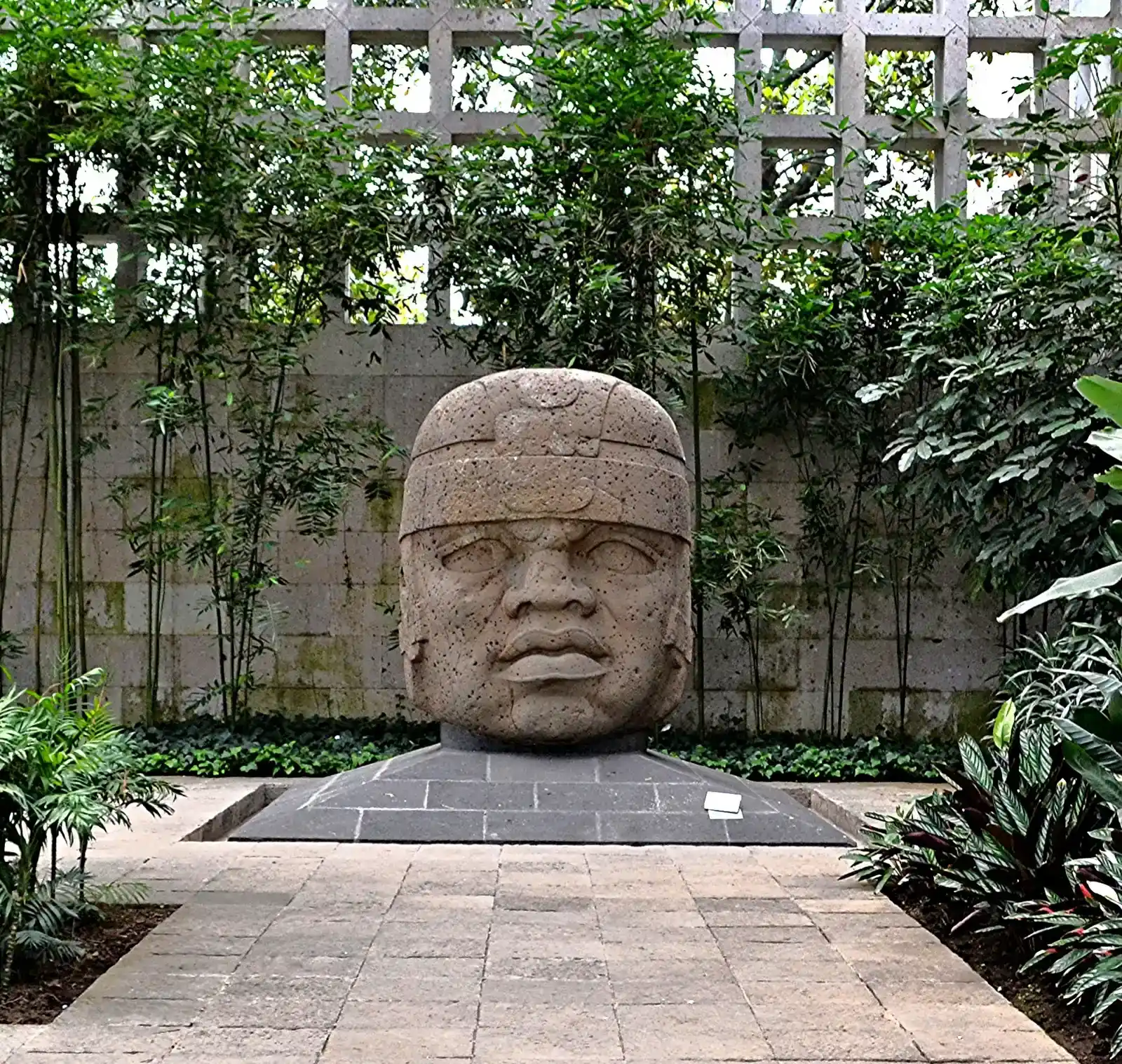
Considered the “mother culture” of Mesoamerica, the Olmecs laid the groundwork for many civilizations that followed, including the Maya and the Aztecs. From 1500 BCE, they thrived in the tropical lowlands of south-central Mexico. They are best known for their colossal stone head sculptures, weighing up to 50 tons and believed to depict their rulers. The Olmecs also likely developed the first writing system in the Americas and were early practitioners of the famed Mesoamerican ballgame.
Around 400 BCE, their major centers were systematically depopulated and, in some cases, monuments were deliberately defaced and buried. The reasons for this intentional abandonment are unknown, but possibilities include environmental changes, volcanic eruptions, or internal social strife. The Olmecs may have also over-exploited their natural resources, which would have contributed to any food loss they experienced. Others say there may have been tensions between the Olmecs and other local communities, which could have resulted in bloodshed. While it’s not clear what happened, only the eerie ruins of another lost civilization remain.
The Ancestral Puebloans: Cliff Dwellers Who Walked Away
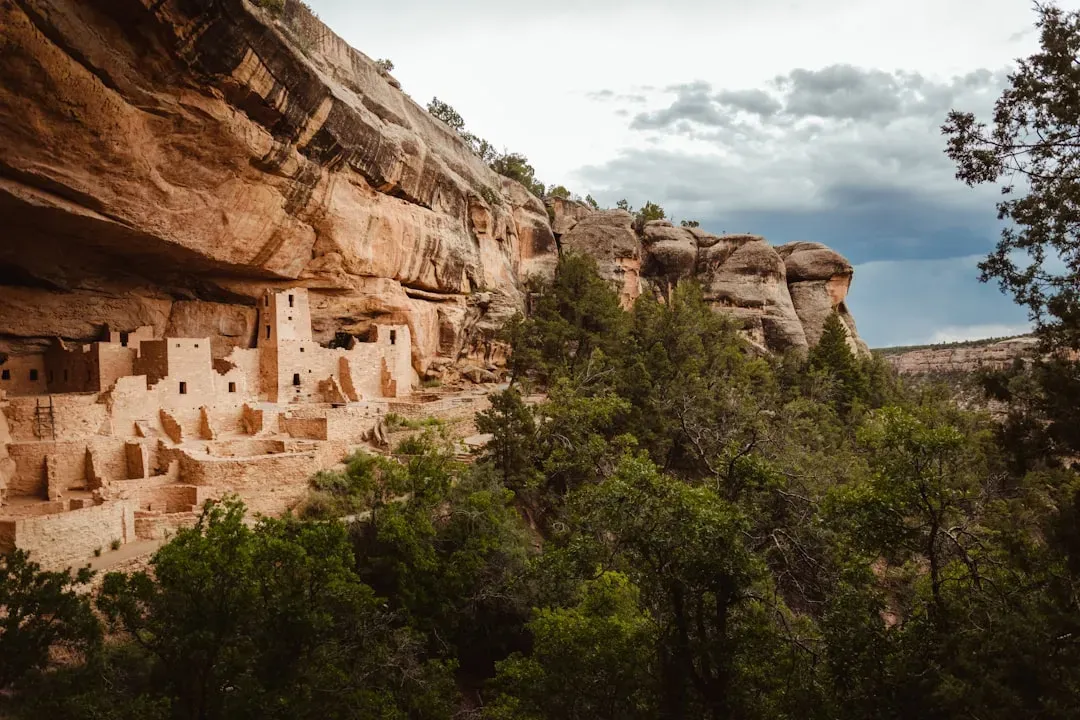
The Ancestral Puebloans built breathtaking cliff dwellings in the Four Corners region of the United States, places like Mesa Verde and Chaco Canyon. The name “Anasazi” comes from Navajo and means “ancient enemies.” Many contemporary descendants of this ancient civilization prefer the term Ancestral Puebloans. Whatever they were called, they once built great cities across the areas of Utah, Arizona, New Mexico, and Colorado, but by the end of the 13th century, the cities were largely abandoned.
By 1300 CE, they had abandoned these settlements. Evidence points to several factors, including the Great Drought, which strained agricultural resources. This, combined with resource depletion and social unrest, likely forced them to migrate south and east, forming new communities, including the modern Pueblo peoples. What makes the Ancestral Puebloans particularly compelling is that their descendants are still alive today. The story didn’t end with abandonment. It transformed. The ruins at Mesa Verde and Chaco Canyon remain among the most hauntingly beautiful archaeological sites in North America.
The Rapa Nui of Easter Island: The Mystery of the Stone Giants
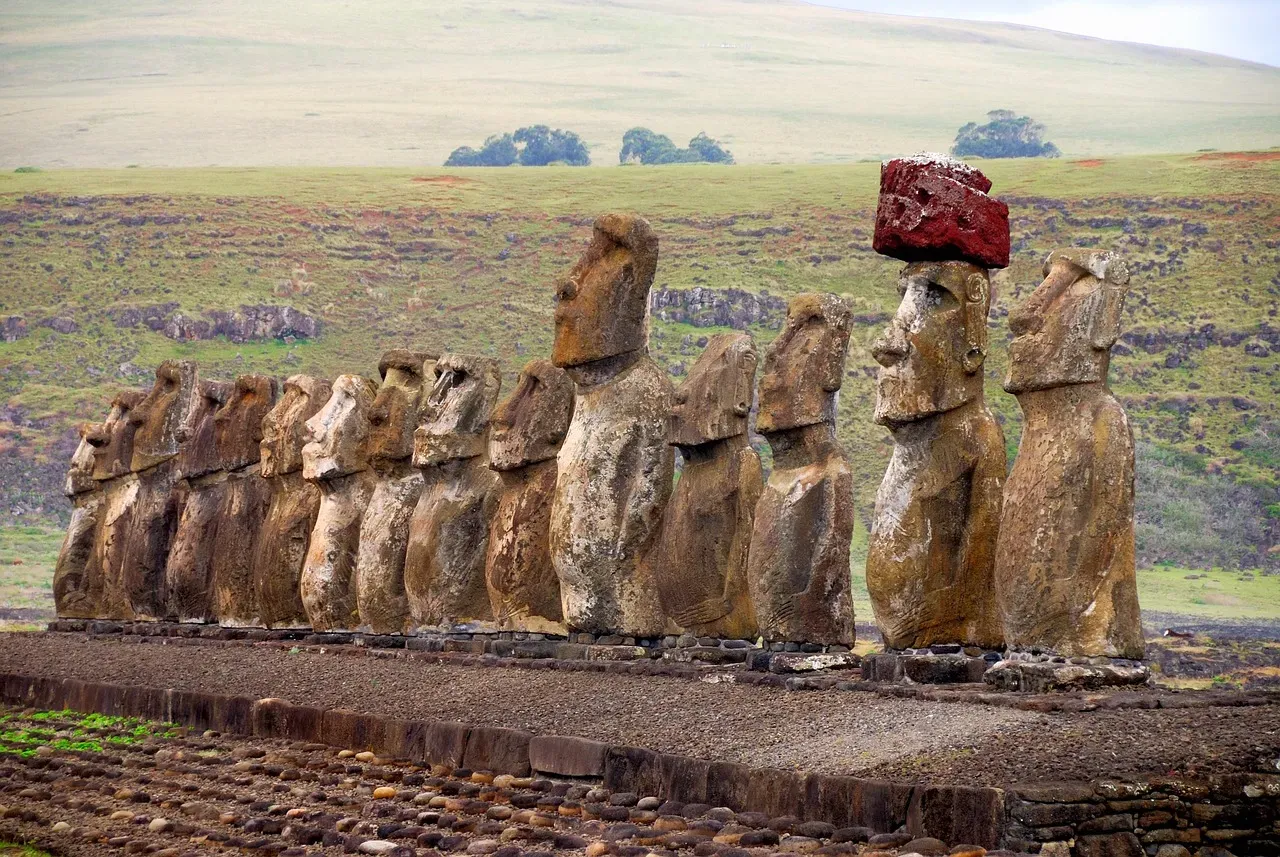
Famous for the massive stone heads that line its coast, Easter Island, known as Rapa Nui, was home to a thriving Polynesian civilization that first settled the island around 700 CE. Its residents were skilled navigators of the sea and demonstrated other advanced abilities. This civilization created the moai, the monolithic human figures carved by the Rapa Nui people sometime between 1250 and 1500 AD. How they transported and erected these enormous statues, some weighing dozens of tons, without wheeled vehicles or large draft animals, remains a subject of ongoing research.
By the 18th century, the population had drastically declined. Overexploitation of natural resources, deforestation, and societal conflicts are commonly cited as causes. Recent research published in Nature Ecology and Evolution also suggests that European contact and introduced diseases accelerated the collapse. Advanced computer modeling suggests that by 2080, waves driven by sea level rise could flood Ahu Tongariki and up to 51 cultural treasures on Rapa Nui. In other words, the secrets these stones hold may not survive long enough for us to fully decode them.
Great Zimbabwe: Africa’s Forgotten Stone Kingdom
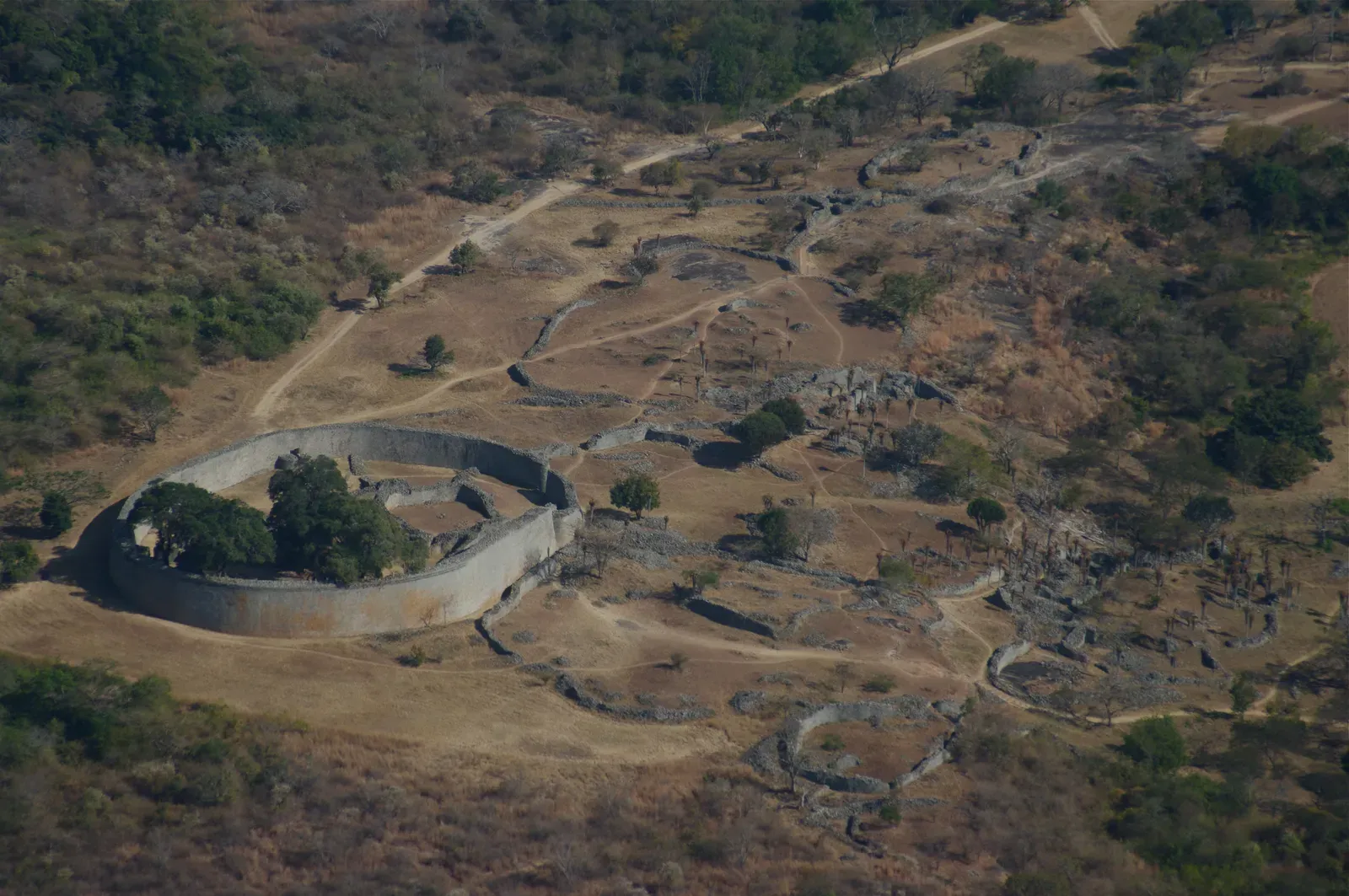
Great Zimbabwe, with its massive stone walls and intricate architecture, was once the capital of a powerful African kingdom. Flourishing between the 11th and 15th centuries, it played a central role in regional trade networks. Yet by the 16th century, the city was left to the elements. Scholars debate whether environmental degradation, political instability, or economic changes led to its decline. The ruins of Great Zimbabwe stand as a testament to a civilization whose history is still being unraveled.
The name “Zimbabwe” itself derives from the Shona language and translates roughly to “stone houses” or “venerated houses,” pointing to how deeply this civilization shaped regional identity. The scale of the dry-stone construction at Great Zimbabwe, assembled without mortar, is astonishing even by modern architectural standards. For decades, colonial-era scholars refused to believe that Africans had built the complex, attributing it to outside sources. That denial was not just wrong. It actively delayed the real archaeological work needed to understand who these people were and where they went.
The Akkadian Empire: The World’s First Empire and Its Sudden End
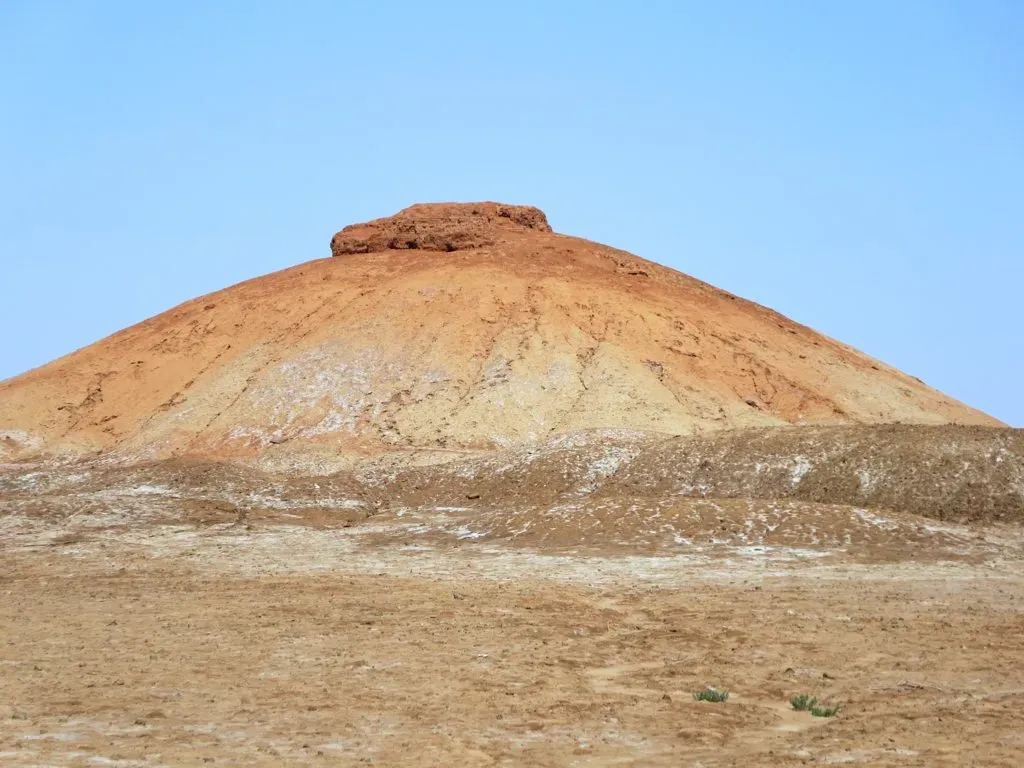
Joint interpretation of paleoclimatic and archaeological evidence underscores the important role of persistent, long-term drought in the collapse of the Akkadian civilization. Archaeological findings point to drought, wind, and dust, rather than failing leadership or military conquest, as primary agents of destruction to this first of the ancient civilizations. The Akkadians, who rose to prominence in Mesopotamia around 2300 BCE under Sargon of Akkad, are generally recognized as having built the world’s first true empire, stretching from the Persian Gulf to the Mediterranean.
These collapses occurred quite suddenly and frequently involved regional abandonment, replacement of one subsistence base by another, or conversion to a lower energy sociopolitical organization. Each of these collapse episodes has been discussed intensively within the archaeological community. That perspective is now changing with the accumulation of high-resolution paleoclimatic data that provide an independent measure of the timing, amplitude, and duration of past climate events. These climatic events were abrupt, involved new conditions that were unfamiliar to the inhabitants of the time, and persisted for decades to centuries. The Akkadian collapse is now one of the strongest documented cases of climate-driven societal failure in the ancient record.
Conclusion: What the Ruins Are Still Trying to Tell You
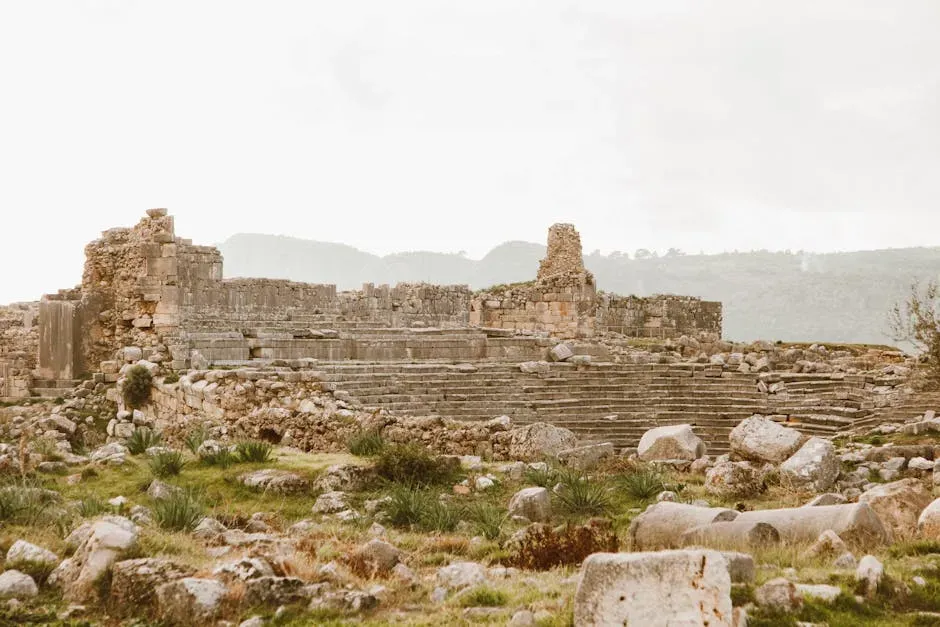
Standing at the edge of Angkor Wat at sunrise, or walking the silent streets of Mohenjo-daro, it’s easy to feel the weight of what was lost. These weren’t primitive peoples stumbling through history. They were engineers, astronomers, traders, artists, and urban planners who solved problems that still challenge us today. The stories of these lost civilizations invite us to marvel at human creativity and resilience. Each ruin, artifact, and legend is a doorway into the ingenuity of people who shaped their worlds in ways that still echo today.
These are just a few of the once-great cities and civilizations that have disappeared seemingly overnight throughout the history of the world. For all that we seem to know the history of our planet, every day new mysteries are uncovered, and each answer seems, sometimes, to only beget more questions as we dig deeper beneath the surface of our globe. The pattern across nearly every civilization on this list is striking: climate stress, resource depletion, and internal fragility all compounding together until the system gave way. That’s not just ancient history. It’s a recognizable kind of pressure. The ruins don’t just tell you about the past. They ask whether you’re paying attention to the present.