
History has a dark and deeply fascinating habit of swallowing empires whole. One century, you are building towering temples, carving out trade empires spanning thousands of miles, and feeding millions of people. The next, your cities lie silent, your writing systems forgotten, and your name erased from living memory. It sounds like fiction, but it happened again and again throughout human history.
What makes these stories so gripping is not just the scale of the collapse, but the mystery behind them. Scholars still argue, dig, and debate. Climate, invasion, revolt, volcanic fire – the suspects keep changing. Some of these endings read like cautionary tales. Others feel like crimes without a clear culprit. Get ready, because what you are about to discover across these nine lost worlds is stranger than anything you might have imagined. Let’s dive in.
1. The Maya: A Civilization That Practically Vanished Into the Jungle
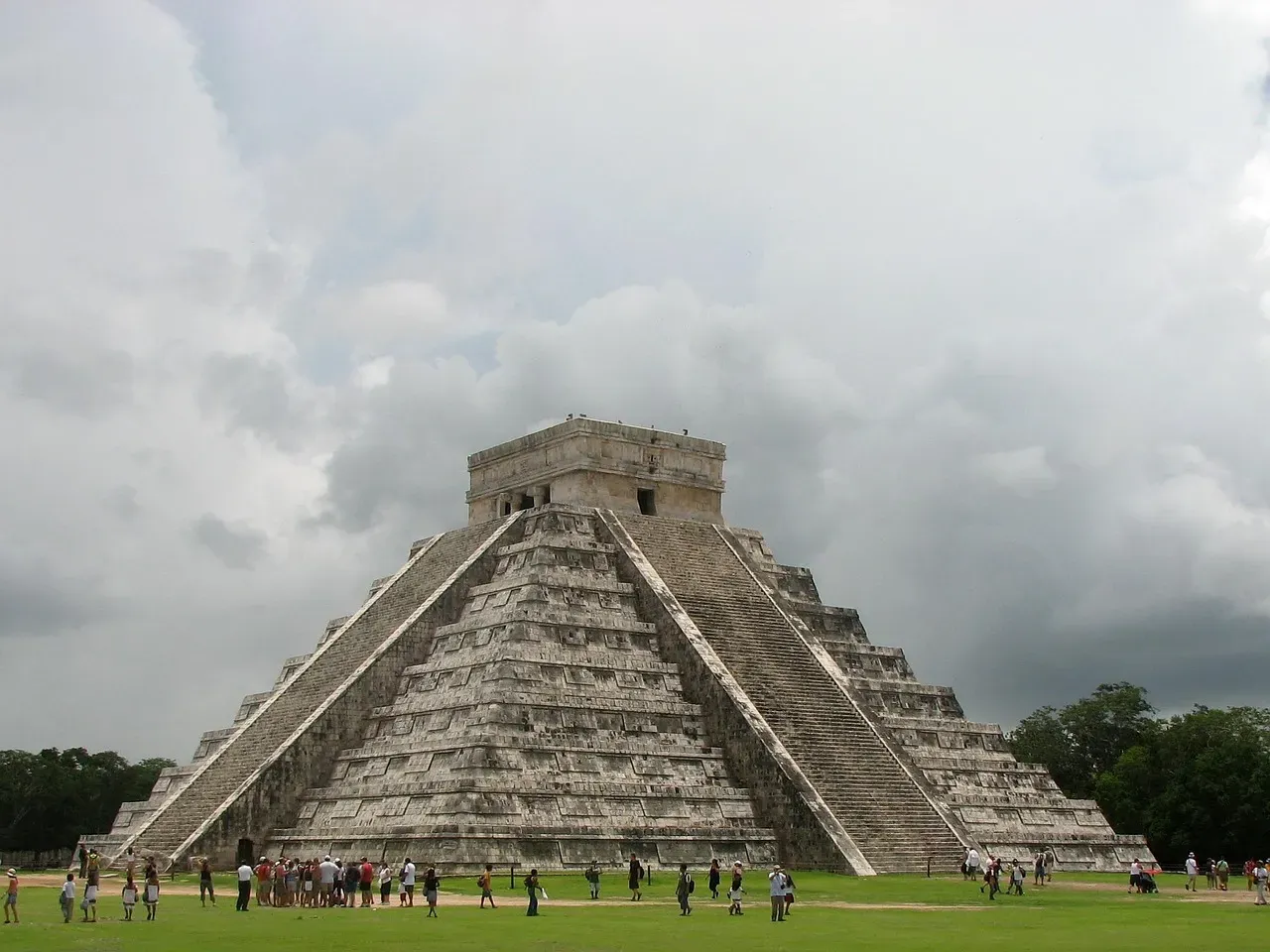
Around 250 CE, the Maya entered what is now known as the Classic Period, an era in which they built flourishing cities with temples and palaces, and population size peaked. By the end of the Classic Period, around 900 CE, almost all of the major cities in what was then the heart of Maya civilization – the southern lowlands region, in present-day northern Guatemala and neighboring portions of Mexico, Belize, and Honduras – had been abandoned. Think about that for a moment. Not a slow, gradual fade. Cities that once bustled with millions of people, simply left behind.
Scholars have suggested a number of potential reasons for the downfall of Maya civilization in the southern lowlands, including overpopulation, environmental degradation, warfare, shifting trade routes, and extended drought. Rapid deforestation exacerbated an already severe drought, reducing precipitation significantly and contributing to erosion and soil depletion. What makes this story so haunting is the sheer sophistication of what was lost – a civilization that tracked the stars, built monumental architecture, and understood mathematics in ways that still impress modern scholars.
2. The Indus Valley (Harappan) Civilization: The Giant No One Remembered
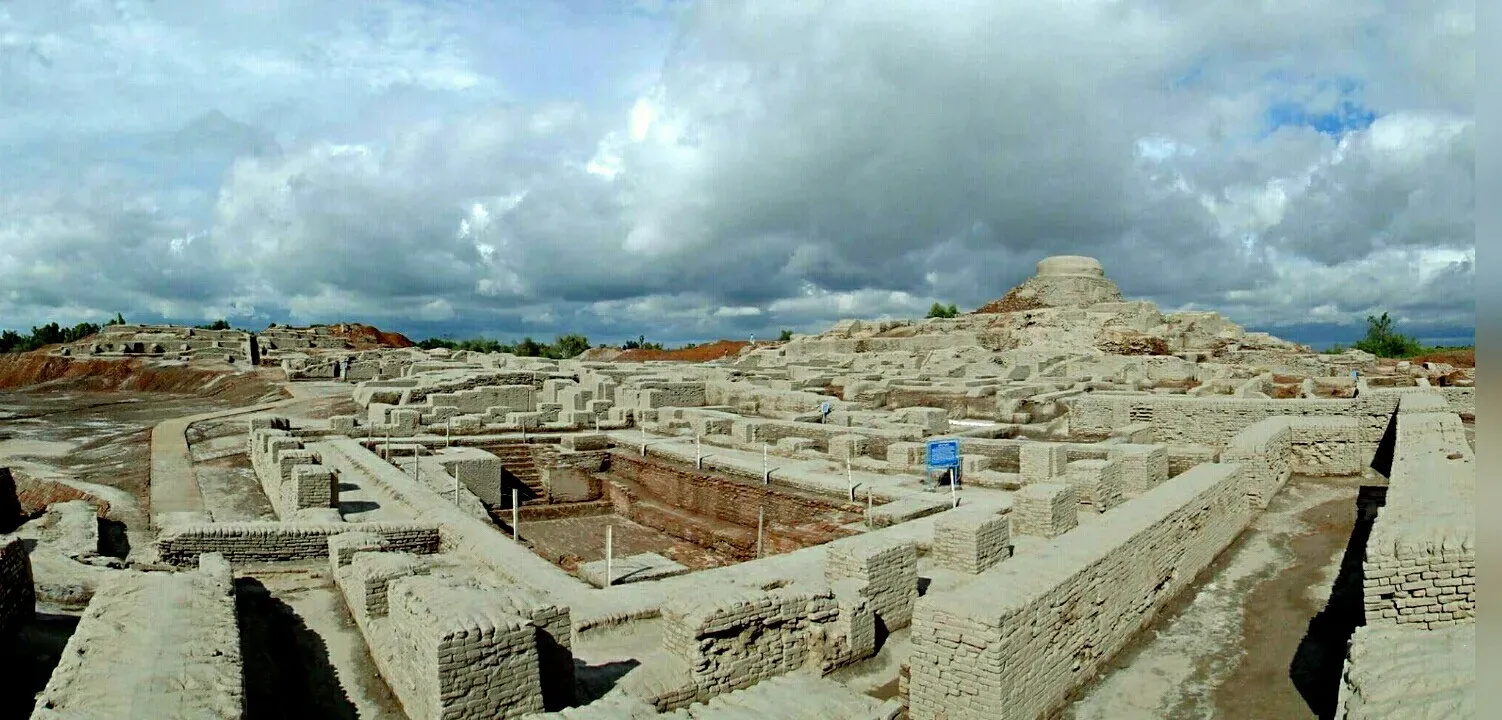
Ancient Egypt and Mesopotamia may be the best known of the first great urban cultures, but the largest was the Indus or Harappan civilization. This culture once extended over more than 386,000 square miles across the plains of the Indus River from the Arabian Sea to the Ganges, and at its peak may have accounted for roughly a tenth of the entire world population. Honestly, it is shocking that this civilization is not more widely discussed. It was enormous, advanced, and then practically erased.
The civilization developed about 5,200 years ago, and slowly disintegrated between 3,900 and 3,000 years ago – populations largely abandoned cities, migrating toward the east. Recent research suggests that the monsoon cycle essentially stopped for two centuries, making agriculture nearly impossible. Other factors, such as earthquakes or outbreaks of malaria or cholera, may have also played a role. A civilization that vast, brought to its knees by rain that simply stopped coming.
3. The Akkadian Empire: History’s First Empire, and One of History’s First Collapses
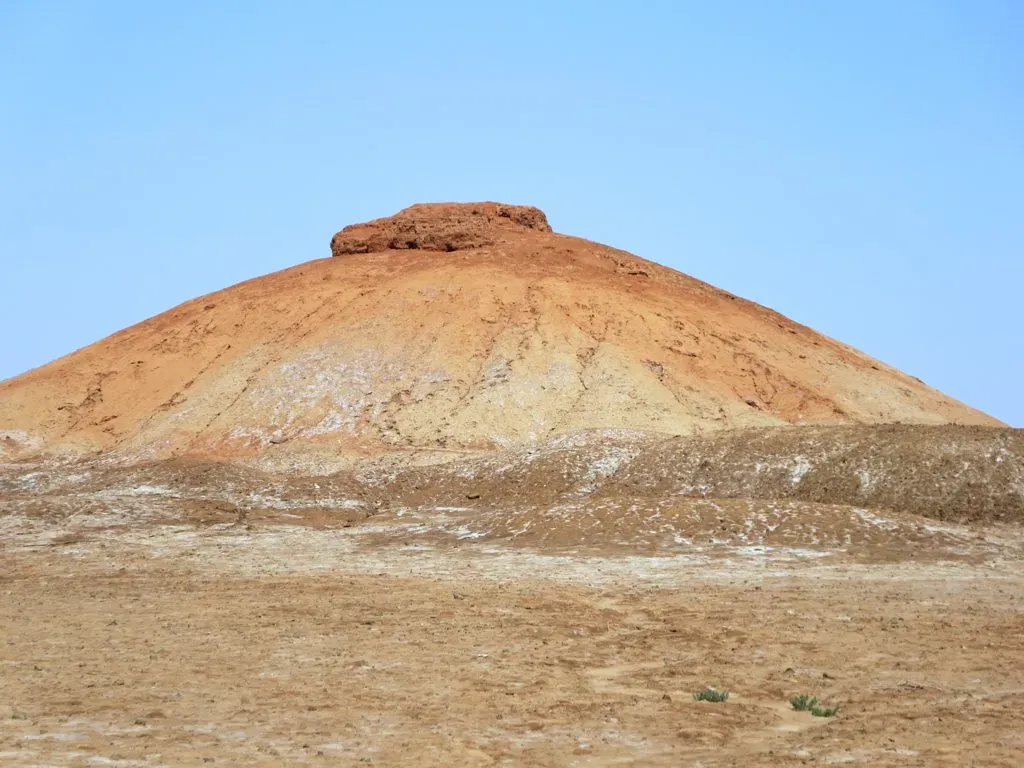
Akkadia was the world’s first empire. It was established in Mesopotamia around 4,300 years ago after its ruler, Sargon of Akkad, united a series of independent city states. Akkadian influence spanned along the Tigris and Euphrates rivers from what is now southern Iraq, through to Syria and Turkey. That is an extraordinary achievement for any era, let alone one that ancient. It was a blueprint for every empire that came after it.
About a century after its formation, the Akkadian Empire suddenly collapsed, followed by mass migration and conflicts. Studies identify two major drought periods which started 4,510 and 4,260 years ago, and lasted 110 and 290 years respectively. The latter event occurs precisely at the time of the Akkadian Empire’s collapse and provides a strong argument that climate change was at least in part responsible. The collapse was followed by mass migration from north to south which was met with resistance by local populations. A 180 kilometer wall – the “Repeller of the Amorites” – was even built between the Tigris and Euphrates in an effort to control immigration.
4. The Minoan Civilization: Europe’s First Great Culture, Undone by Fire and Conquest
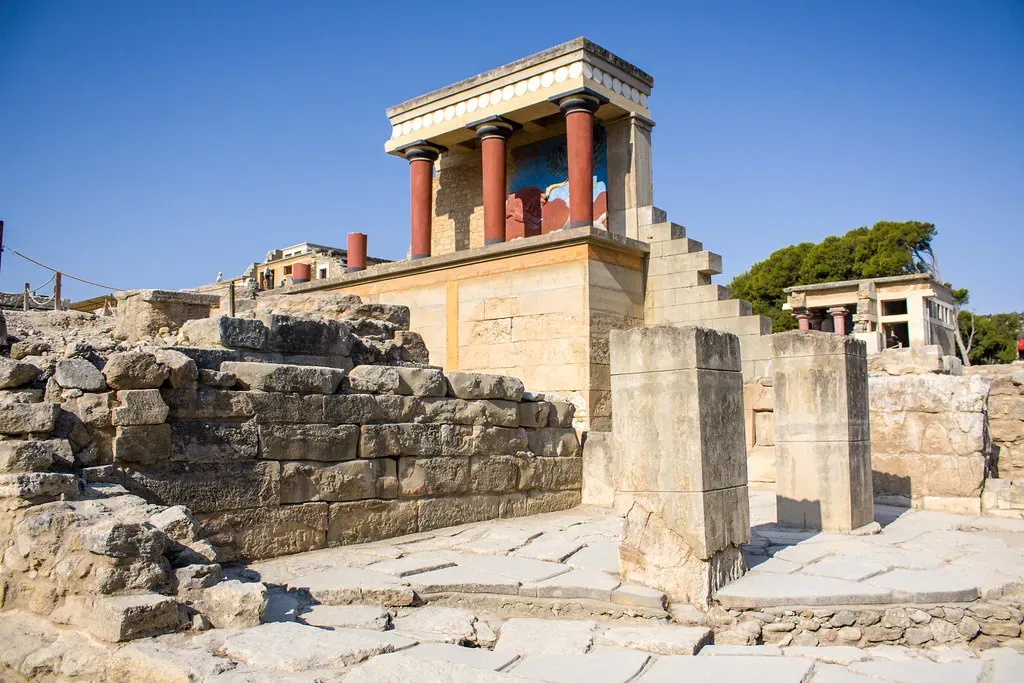
The Minoan Civilization developed on the island of Crete and rapidly became the dominant sea power in the region. Under Minos’ rule, Knossos flourished through maritime trade as well as overland commerce with other great cities. The Minoans developed a writing system known as Linear A and made advances in ship building, construction, ceramics, the arts and sciences, and warfare. These were not primitive people. They were sophisticated, culturally rich, and trading across the ancient Mediterranean world.
The eruption of Thera somewhere between 1650 and 1600 BCE began a series of severe environmental changes that undermined Minoan stability on Crete and throughout the Aegean. As the Minoans were a sea power and depended on their naval and merchant ships for their livelihood, the Thera eruption likely caused significant economic hardship and probable loss of empire in the long run. Whether these effects were enough to trigger the downfall of the Minoan civilization is under intense debate. The Mycenaean conquest of the Minoans occurred not many years after the eruption, and many archaeologists speculate that the eruption induced a crisis in Minoan civilization, which allowed the Mycenaeans to conquer them easily.
5. The Mycenaean Civilization: Palaces, Legends, and a Collapse Nobody Can Fully Explain
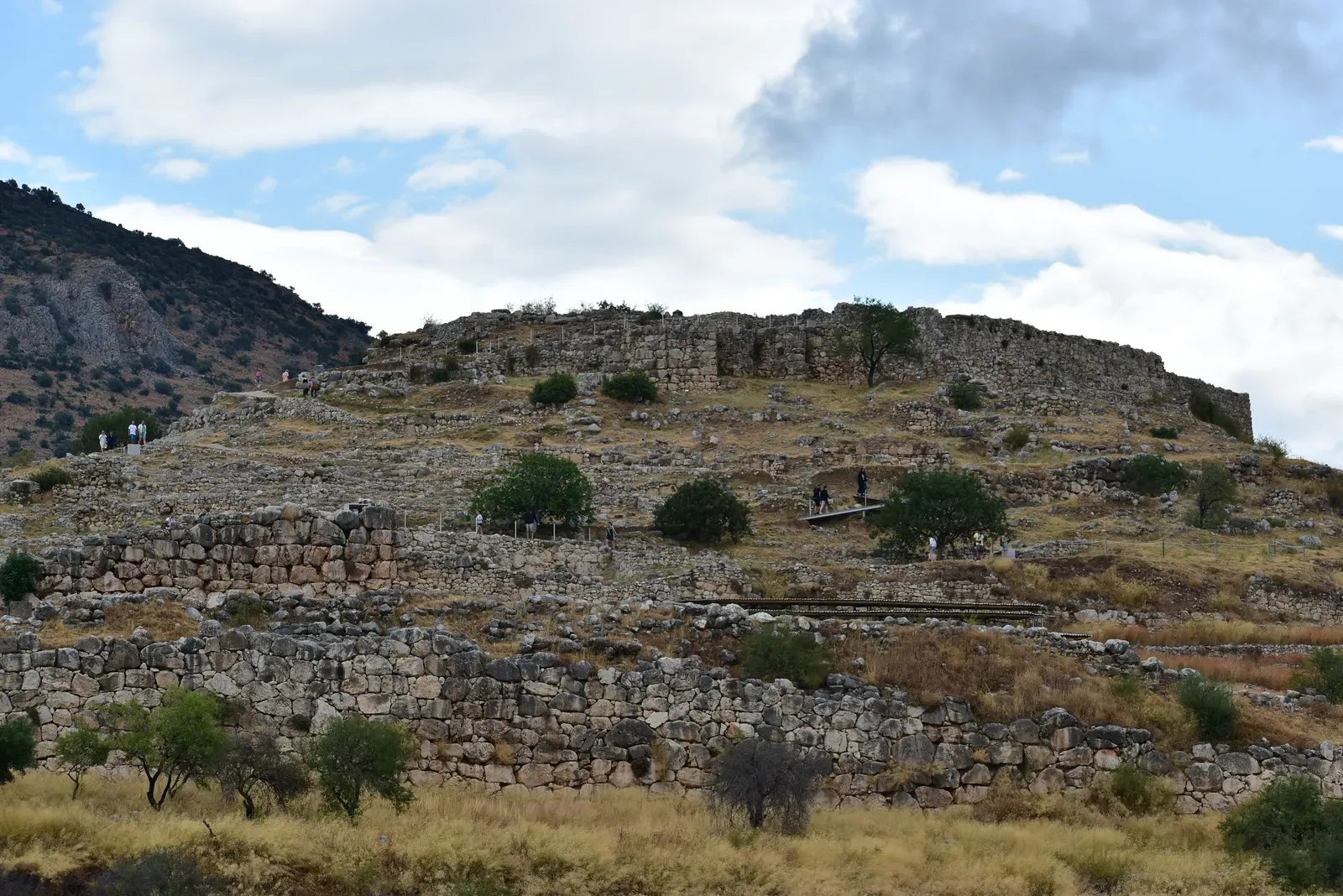
The Mycenaeans dominated Greek Bronze Age culture, leaving behind imposing palaces and legendary tales like those of Agamemnon. Around 1200 BCE, however, their civilization collapsed abruptly. The collapse was sudden, violent, and culturally disruptive for many Bronze Age civilizations, creating a sharp material decline for the region’s previously existing powers. The palace economy of Mycenaean Greece disintegrated, transforming into the small isolated village cultures of the Greek Dark Ages, which lasted from around 1100 to 750 BCE.
More than 3,200 years ago, the Mediterranean and Near East were home to a flourishing and interconnected Bronze Age civilization fueled by lucrative trade in valuable metals and finished goods. The great kingdoms and empires of the day – including the Egyptians, Babylonians, Minoans, Mycenaeans, Hittites and more – had the technological know-how to build monumental palaces. In a matter of decades, though, that thriving culture underwent a rapid and near-total collapse. It is likely that the simultaneous demise of so many ancient civilizations was not caused by a single event or disaster, but by a “perfect storm” of multiple factors converging at once.
6. The Ancestral Puebloans (Anasazi): Cliff Cities Abandoned in a Heartbeat
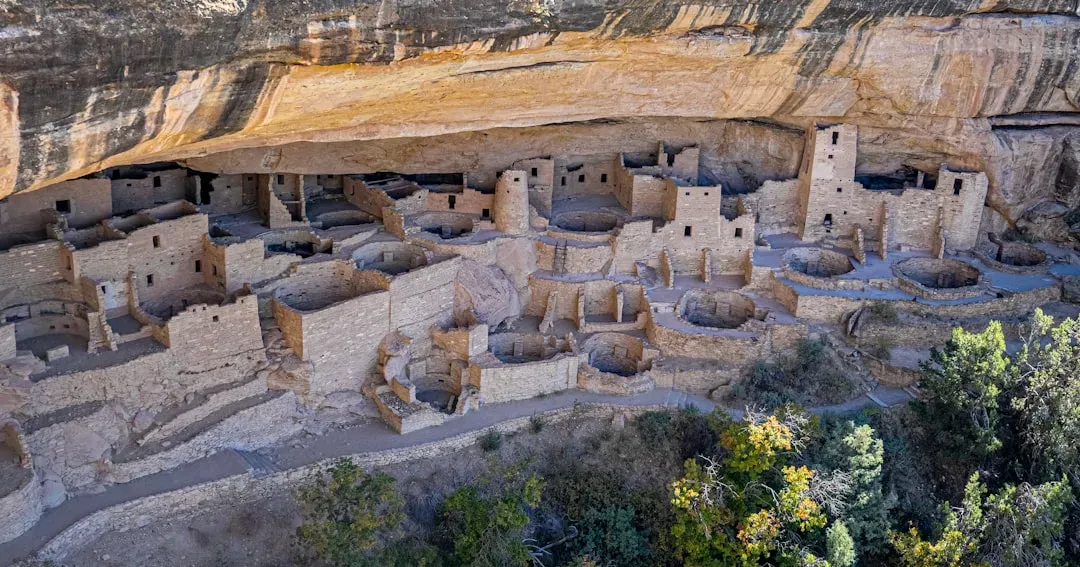
In the dry Four Corners region of the present-day United States, the Anasazi built spectacular stone dwellings into the sides of cliffs during the 12th and 13th centuries, some of which contained hundreds of rooms. No other United States building would be taller until the construction of the first skyscrapers in the 1880s. Yet the cliff dwellings did not remain occupied for long, and the end apparently was not pretty.
Researchers have uncovered signs of massacres and cannibalism, as well as evidence of deforestation, water management problems, and a crippling long-term drought that many believe precipitated the slide into violence. Religious and political upheaval, akin to what Europe faced following the Protestant Reformation, may have added to the chaos, which ultimately forced the Anasazi to abandon their homeland by 1300 CE and flee south. Their modern-day descendants include the Hopi and Zuni peoples, some of whom consider the term Anasazi offensive, preferring instead to say “ancestral Puebloans.”
7. Cahokia: North America’s Forgotten Metropolis
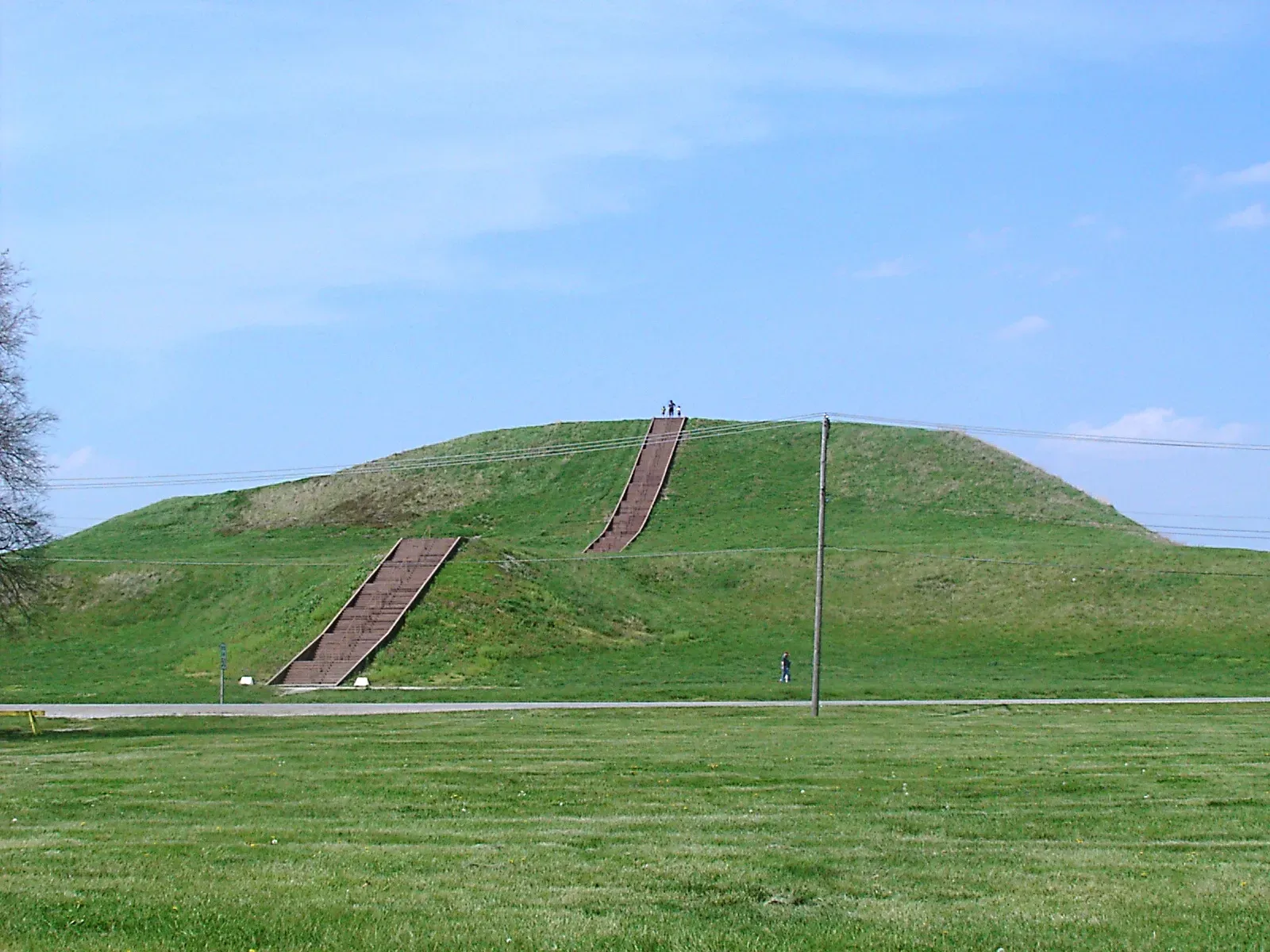
Thanks to the spread of corn cultivation from Mexico, indigenous villages began appearing around 1,200 years ago in the fertile river valleys of the American Southeast and Midwest. By far the largest of these was Cahokia, located a few miles from present-day St. Louis, Missouri, which at its peak hosted a population of up to 20,000 – similar to that of London at the time. Surrounded by a high wooden stockade, this inaugural American city featured many plazas and at least 120 earthen mounds, the largest of which stood 100 feet tall and was built with roughly 14 million baskets of soil.
Cahokia’s decline began around 1250 or 1300, and culminated in the site’s mysterious abandonment by 1350. Scholars suggest environmental stress – like flooding or resource depletion – as well as political and social upheaval may have triggered the sudden collapse. I find this one particularly sobering. Here was a city with a population rivaling medieval London, and most people today have never even heard its name. That alone tells you something about how completely a civilization can vanish from collective memory.
8. The Rapa Nui of Easter Island: A Paradise Consumed by Its Own Ambition
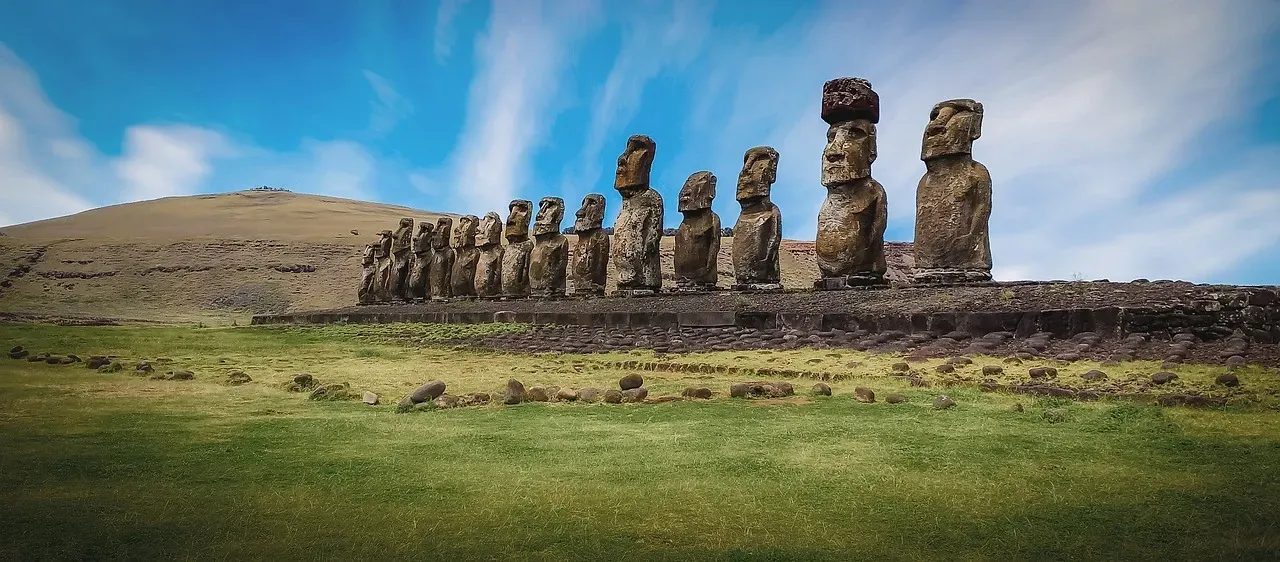
Famous for the massive stone heads that line its coast, Easter Island, known as Rapa Nui, was home to a thriving Polynesian civilization that first settled the island around 700 CE. Its residents were skilled navigators of the sea and demonstrated other advanced abilities. By analyzing charcoal fragments and pollen in sediment cores, scientists discovered that Easter Islanders cut down almost every last tree, and that rats ate the trees’ seeds before the forest could re-germinate. This ecological catastrophe, which eliminated the ability to make rope or seagoing canoes and reduced the populace to burning grass for fuel, may have then ushered in a period of mass starvation and civil war.
The arrival of Europeans only added to the decimation, starting in 1722 when the first Europeans to set foot on Easter Island immediately shot several islanders dead. By the 1870s, several waves of smallpox, along with a major Peruvian slave raid, had reduced the number of natives to roughly 100 people. A civilization that carved colossal stone monuments, brought down partly by rats eating tree seeds. It is a tragic irony that history rarely fails to deliver.
9. The Thonis-Heracleion of Egypt: An Entire City Swallowed by the Sea
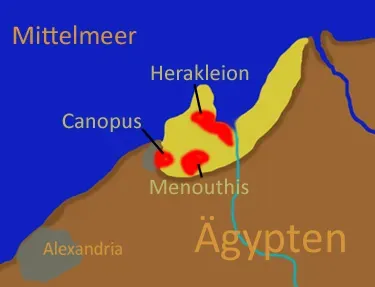
Experts believe that Thonis (also called Thonis-Heracleion) was established around 2,700 years ago in modern-day Abu Qir Bay. Based on the artifacts found in the region, it is believed that they were a major trading port for surrounding regions. This region would have controlled the majority of maritime traffic entering Egypt from Europe to trade. The city was essentially ancient Egypt’s gateway to the world – a bustling, cosmopolitan port that handled an enormous amount of commerce.
It is believed that Thonis was eventually abandoned, and other cities became the primary trade hubs after a number of natural disasters struck Thonis. These events included tsunamis, earthquakes, rising sea levels, and floods. Buildings would eventually collapse into the water due to significant structural damage. This Egyptian city was lost underneath the waves centuries ago, and divers in the region have found various artifacts hiding in the silt off the coast of Egypt. Some of the artifacts found included pottery shards, jewelry, coins, lamps, and temple ruins. There is something almost poetic and deeply eerie about an entire city lying still on the sea floor, perfectly preserved but forever submerged.
A Final Thought Worth Sitting With
What strikes you most when you look across all nine of these fallen civilizations is how familiar their problems sound. Drought. Deforestation. Overpopulation. Political infighting. Overreliance on fragile supply chains. These were not backward peoples who simply could not cope. War, famine, climate change, and overpopulation are just some of the reasons ancient civilizations have disappeared from the pages of history. They were, in many ways, remarkable societies – smart, creative, resilient – who eventually ran into forces they could not overcome.
Every ruin on this list was once someone’s home, marketplace, or temple. Every collapsed city was once filled with people who believed their world would last forever. History, it seems, has a way of proving everyone wrong. The deeper question is not just why these civilizations fell. It is what, if anything, we have learned from them. What do you think – are modern societies any better equipped to avoid these same traps? Tell us in the comments.