
We like to think of ourselves as thoroughly modern, guided by data, algorithms, and peer-reviewed studies, yet so many of our deepest assumptions come from people who lived thousands of years before smart phones, steam engines, or even writing in some cases. Under the surface of our politics, our health choices, our sense of self, and even our ideas about the universe, ancient beliefs still hum like a buried power line. Historians and anthropologists are increasingly showing that these old ideas did not simply vanish; they were recycled, refined, and dressed up in scientific language. Neuroscientists, physicists, and psychologists, in turn, keep stumbling onto questions that would have felt strangely familiar to priests in Mesopotamia or philosophers in Athens. This strange continuity raises an unsettling question: how much of what we call progress is actually a very old story, retold with better tools?
The Cosmic Order: From Mythic Skies to Modern Physics
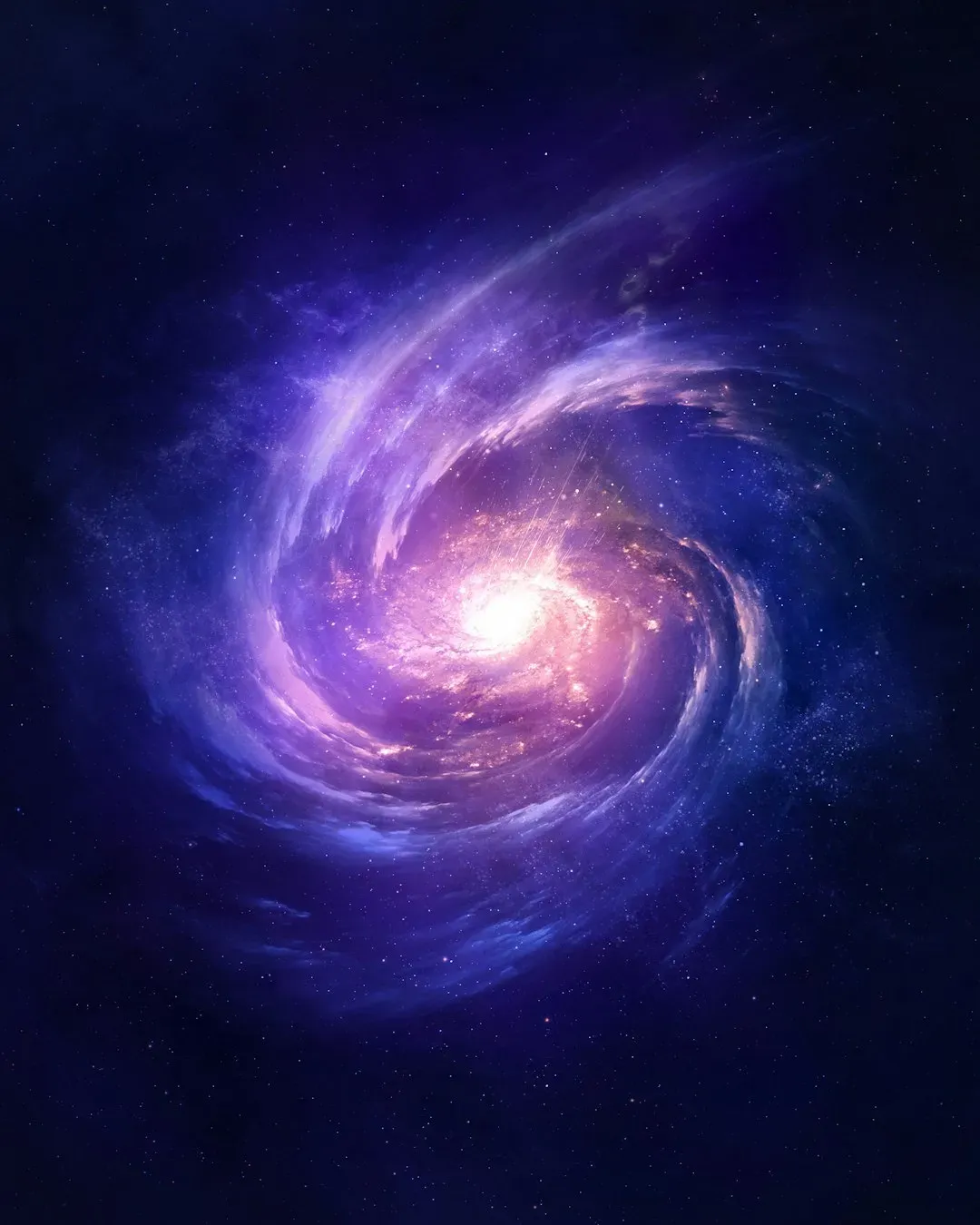
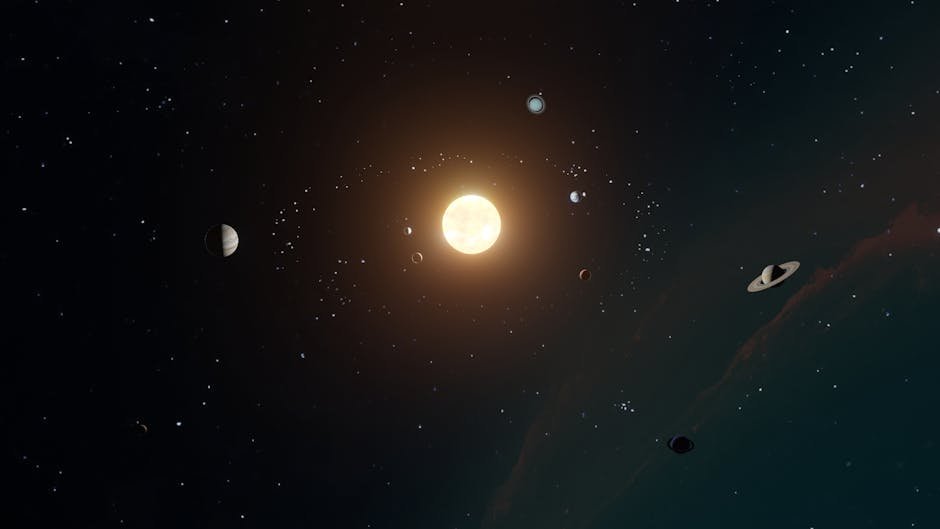
One of the oldest human beliefs is that the universe is not random, but ordered, meaningful, and somehow written in the sky. Ancient Mesopotamians, Egyptians, and Chinese astronomer-priests traced planetary paths and eclipses because they thought the heavens encoded fate and royal destiny. Today, we use radio telescopes instead of temple courtyards, yet we still talk about “laws” of nature, as if the cosmos follows a rational code waiting to be deciphered. Cosmology’s search for a unified theory that connects gravity, quantum fields, and dark matter is, in a sense, a very sophisticated quest for cosmic order. Even the language of fine-tuning in physics echoes older intuitions that the universe is not just a chaotic accident.
Where ancient sky-watchers saw omens, modern scientists see data, yet the emotional pull is similar: we want to believe the universe makes sense. Surveys of scientists show that, even among those who are not religious, many feel a profound awe bordering on spiritual when confronting the deep structure of reality. That feeling is not trivial; it can shape which questions get asked and which theories feel “elegant” or “beautiful,” words that are aesthetic as much as logical. The tension between pure randomness and underlying order drives debates from multiverse theories to discussions about whether mathematics is discovered or invented. In that sense, every time we look at images from the James Webb Space Telescope and feel that strange combination of fear and wonder, we are participating in a very ancient habit of mind.
Fate, Free Will, and the Old Argument About Choice
The idea that our lives are either woven by fate or shaped by free will is as old as written stories themselves. Greek tragedies revolve around heroes trying and failing to escape prophecies, while ancient Indian and Near Eastern traditions framed life as a web of karma, duty, and cosmic law. Today we rarely talk about oracles, but we do talk about genetics, brain wiring, and childhood environments as if they fix our futures. Behavioral genetics studies suggest that a large share of traits, from risk-taking to political leaning, have heritable components, and neuroscience experiments show brain activity predicting a decision moments before a person becomes consciously aware of choosing.
Yet legal systems, education, and therapy all quietly bet on the idea that people can change course. Judges weigh intent, schools try to “intervene early,” and entire self-help industries are built on the promise of rewiring habits. This mirrors a very old compromise: destiny sets the stage, but choice still matters. The modern twist is that we now use probabilities instead of prophecies, and risk scores instead of curses, but the philosophical dilemma is remarkably familiar. When we wrestle with questions like whether an algorithm should be allowed to predict criminal recidivism, we are updating an ancient argument about how much of a person’s path is already written and how much can be rewritten.
Healing Energies: From Sacred Rituals to Psychosomatic Science

For most of human history, healing was not just physical; it was spiritual, energetic, and deeply symbolic. Ancient Egyptians combined herbs with incantations, traditional Chinese physicians mapped invisible meridians, and many Indigenous cultures viewed illness as a disturbance in relationships with ancestors, land, or spirits. Modern biomedicine mostly stripped that away, focusing on pathogens, organs, and molecules, which brought undeniable successes like antibiotics and vaccines. And yet, the stubborn reality of placebo effects, psychosomatic symptoms, and mind–body interactions has pushed science back toward questions that older healers would recognize.
Clinical trials repeatedly show that belief, expectation, and context can produce measurable changes in pain, immune markers, and even some neurological symptoms. Practices like meditation, breathing rituals, and communal ceremonies are now studied with MRI scanners and hormone assays, revealing shifts in brain networks and stress chemistry. Some alternative medicine ideas are clearly unsupported and sometimes dangerous, but the broader intuition that meaning and emotion shape physical health is no longer fringe. Hospitals and clinics are slowly reintroducing elements that look a lot like secularized ritual: guided imagery, music therapy, carefully designed calming spaces. Behind the sterile equipment, an old belief survives – that healing is not purely mechanical, and that what we feel and believe can alter what our bodies do.
The Moral Universe: Ancient Codes and Modern Human Rights
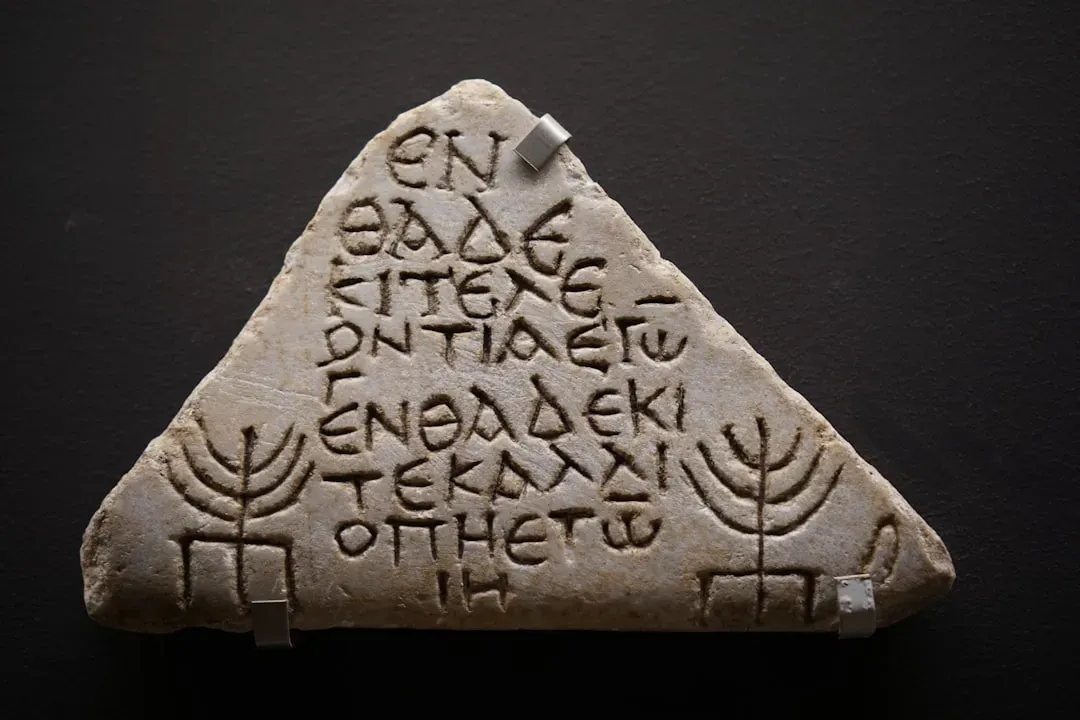
Ancient law codes, from Hammurabi in Mesopotamia to early Hebrew, Indian, and Chinese texts, rested on the belief that morality is anchored in something larger than individual preference. These codes used divine authority, cosmic balance, or ancestral wisdom to justify rules about fairness, punishment, and protection of the vulnerable – though they often excluded many groups by today’s standards. Modern human rights frameworks claim to be secular and universal, grounded in reason and shared humanity rather than gods, yet they inherit this old conviction that some things are simply wrong everywhere, for everyone. The idea that torture, slavery, or genocide are not just locally frowned upon but globally unacceptable is a direct descendant of ancient appeals to higher order.
Psychology and anthropology complicate this picture by showing how moral intuitions differ across cultures and contexts, but they also reveal recurring themes: care vs. harm, fairness, loyalty, authority, and purity. These themes echo the pillars of old religious systems and ethical philosophies from Greece, India, China, and the Middle East. When international courts prosecute war crimes, they are effectively saying that there is a shared moral universe that overrides borders, much like ancient empires claimed their laws were backed by cosmic truth. Even heated online debates about justice and oppression often draw, unconsciously, on religiously flavored concepts like sin, redemption, and moral purity. Beneath the hashtags, ancient ethics keeps breathing.
The Soul and the Self: Reincarnated in Psychology and Neuroscience
Most ancient cultures believed that humans carried some kind of enduring essence, whether it was a soul, spirit, or subtle body that survived death or linked lifetimes. Philosophers from Plato to early Buddhist and Hindu thinkers debated what this inner entity was and how it related to the body and mind. Modern neuroscience, on the surface, demolished this by showing that personality, memory, and even a sense of “I” can be altered by brain injury, disease, or drugs. Yet the belief in a deeper, enduring self has not vanished; it has slid into ideas about authentic identity, “true selves,” and personal growth that unfold across a lifetime.
Psychological research on narrative identity shows that people naturally weave life events into a story that explains who they really are, borrowing themes of trial, transformation, and rebirth that are strikingly similar to religious myths. Near-death experiences, while debated and explainable in brain terms, continue to fuel popular books and documentaries precisely because they resonate with old beliefs in a journey beyond the body. Even debates about artificial intelligence and digital consciousness often smuggle in assumptions about what counts as a “real” self. When we ask whether a machine could ever have an inner life, we are replaying an ancient argument about what, if anything, makes human awareness special.
Cycles of Time: From Agricultural Calendars to Climate Anxiety
Ancient farmers in Mesoamerica, the Nile Valley, and across Asia saw time as a series of repeating cycles tied to rivers, monsoons, and star patterns. Their calendars did not just track days; they encoded rituals of planting, harvest, and renewal, with myths of death and rebirth attached to the seasons. Modern industrial life encouraged a different view: time as linear progress, a one-way arrow toward better technology and higher productivity. Yet ecological science and climate change have pulled us back toward cyclical thinking, reminding us that planetary systems operate on loops, feedbacks, and thresholds.
Carbon cycles, ocean currents, and biodiversity patterns behave less like a straight road and more like a set of overlapping circles that can be pushed out of balance. Indigenous knowledge systems, long dismissed as “pre-scientific,” are increasingly recognized for their sophisticated understanding of seasonal rhythms and long-term ecosystem dynamics. Concepts like regenerative agriculture, circular economies, and planetary boundaries feel new, but they lean heavily on an old intuition: what we take must, in some form, return, or the system collapses. In that sense, our climate anxieties and discussions about living within limits are late-stage echoes of festival calendars and solstice ceremonies designed to keep humans in sync with repeating natural patterns.
Why It Matters: Old Stories Guiding New Science
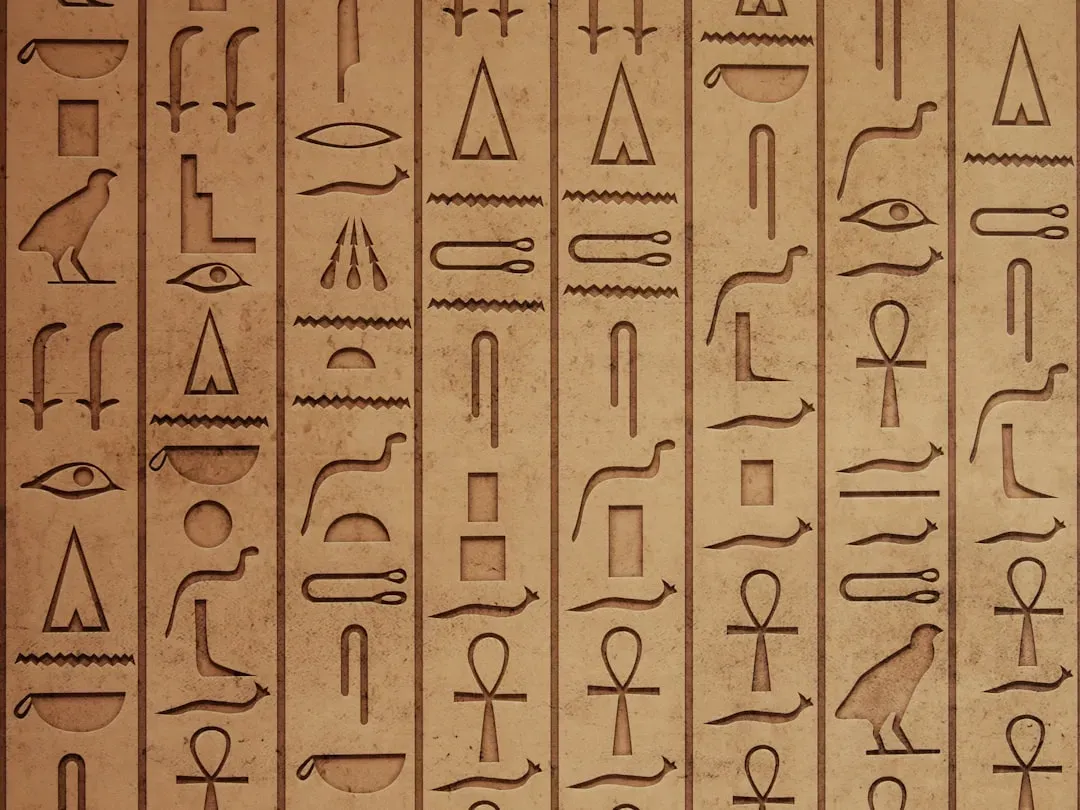
Understanding how ancient beliefs still shape us is not just a fun historical trivia exercise; it changes how we evaluate modern ideas and technologies. When a biotech company promises to “rewrite fate” with gene editing, it taps into long-standing myths about breaking curses and seizing control from the gods. When a wellness brand markets “energy balancing” or “detox rituals,” it draws on ancient healing narratives, whether or not the specific claims stand up to scientific scrutiny. Recognizing these lineages helps us spot when we are being swayed by emotional archetypes rather than solid evidence.
At the same time, seeing the continuity can soften the rigid boundary we often draw between science and tradition. Many scientific questions grew out of older philosophical and religious puzzles, and some traditional practices contain kernels of empirically useful knowledge wrapped in symbolic language. The challenge is not to romanticize the past or dismiss it, but to ask: which ancient intuitions align with data, and which do not? That kind of analysis can improve everything from public health messaging to climate policy, because it respects how people actually think and feel rather than assuming we are pure rational calculators. In a world where misinformation spreads quickly, being aware of the old stories under new claims becomes a form of intellectual self-defense.
The Future Landscape: Tech, Ritual, and Reinvented Myths

Looking ahead, it is hard to imagine a future where ancient beliefs simply fade away; more likely, they will be upgraded, remixed, and embedded inside new technologies. Virtual reality and augmented reality are already being used to create digital pilgrimage sites, meditation environments, and simulated afterlife experiences that feel eerily similar to age-old visions of sacred spaces. Neurotechnology that can stimulate specific brain regions may eventually produce controlled mystical or transcendent states, raising ethical questions that sound very much like debates about ritual drugs and vision quests. As climate pressures, inequality, and rapid change generate anxiety, demand for meaning-making systems is likely to grow, not shrink.
We might see new “data religions” forming around algorithmic predictions, or civic rituals built on environmental markers instead of harvest gods, but the structure will feel familiar. Science itself will continue wrestling with questions that blur into philosophy and theology: what consciousness is, why there is something rather than nothing, whether moral realism makes sense. The risk is that advanced technologies could give ancient-style authority to untested or exploitative belief systems, wrapping them in persuasive interfaces and personalized recommendations. The opportunity is that we can consciously design institutions, education, and communication that acknowledge our mythic leanings while still insisting on evidence and transparency. The future, in other words, will almost certainly be high-tech – and haunted by very old ghosts.
Everyday Choices: How to Engage With Ancient Beliefs in a Modern World
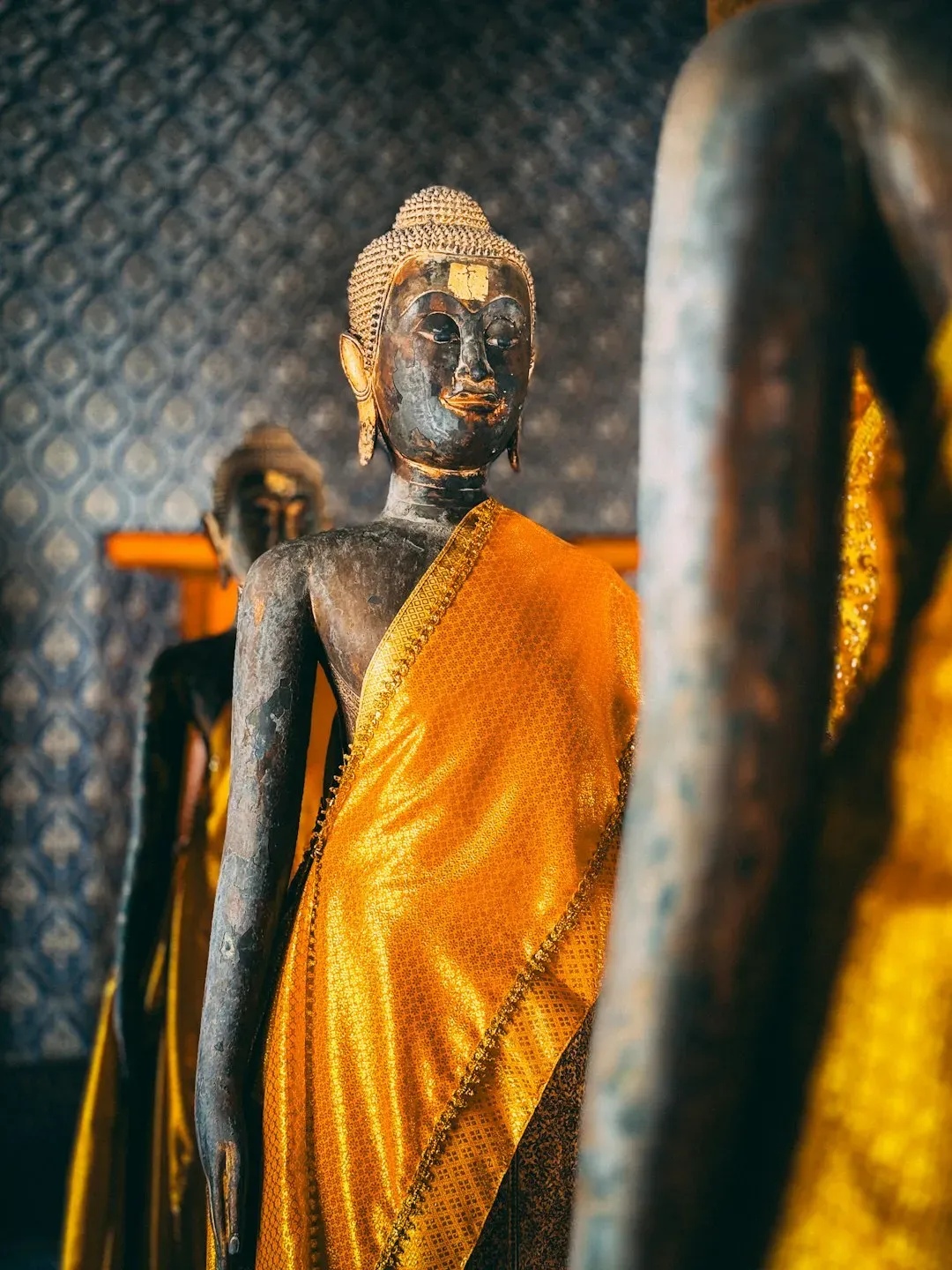
For most of us, engaging with these lingering ancient beliefs does not mean becoming a historian; it starts with paying closer attention to our own assumptions. When you feel drawn to a health practice, a self-improvement trend, or a cosmic explanation of events, it is worth pausing to ask what older story it might be echoing. You do not have to reject it outright, but you can separate the parts that are emotionally satisfying from the parts that are scientifically supported. Small habits help, like checking whether a claim comes from peer-reviewed research, long-tested tradition, or just clever marketing language wrapped in sacred-sounding words.
Supporting good science and thoughtful dialogue is another practical step. That can mean backing public research institutions, science journalism, and local museums that explore the deep timelines of human belief alongside new discoveries. It can also mean listening seriously to Indigenous and traditional knowledge holders while still asking hard questions about evidence and outcomes. In a world where ancient ideas keep resurfacing in new clothes, curiosity and critical thinking are not enemies; they are the twin tools that let us honor our past without being ruled by it.
Suhail Ahmed is a passionate digital professional and nature enthusiast with over 8 years of experience in content strategy, SEO, web development, and digital operations. Alongside his freelance journey, Suhail actively contributes to nature and wildlife platforms like Discover Wildlife, where he channels his curiosity for the planet into engaging, educational storytelling.
With a strong background in managing digital ecosystems — from ecommerce stores and WordPress websites to social media and automation — Suhail merges technical precision with creative insight. His content reflects a rare balance: SEO-friendly yet deeply human, data-informed yet emotionally resonant.
Driven by a love for discovery and storytelling, Suhail believes in using digital platforms to amplify causes that matter — especially those protecting Earth’s biodiversity and inspiring sustainable living. Whether he’s managing online projects or crafting wildlife content, his goal remains the same: to inform, inspire, and leave a positive digital footprint.