On the Great Plains, recovery can arrive quietly – on slender legs and a fierce yellow stare. Burrowing owls, once fading from so many grasslands, are reclaiming their daylight realm thanks to a new wave of prairie stewardship. Tribal nations, federal refuges, private conservancies, and local communities are stitching habitat back together, one prairie dog town and shortgrass acre at a time. The result isn’t just the return of a charismatic little owl; it’s a sign that entire prairie food webs are rebooting under a more thoughtful, science-driven playbook.
American Prairie, Montana: Rewilding at Full Scale
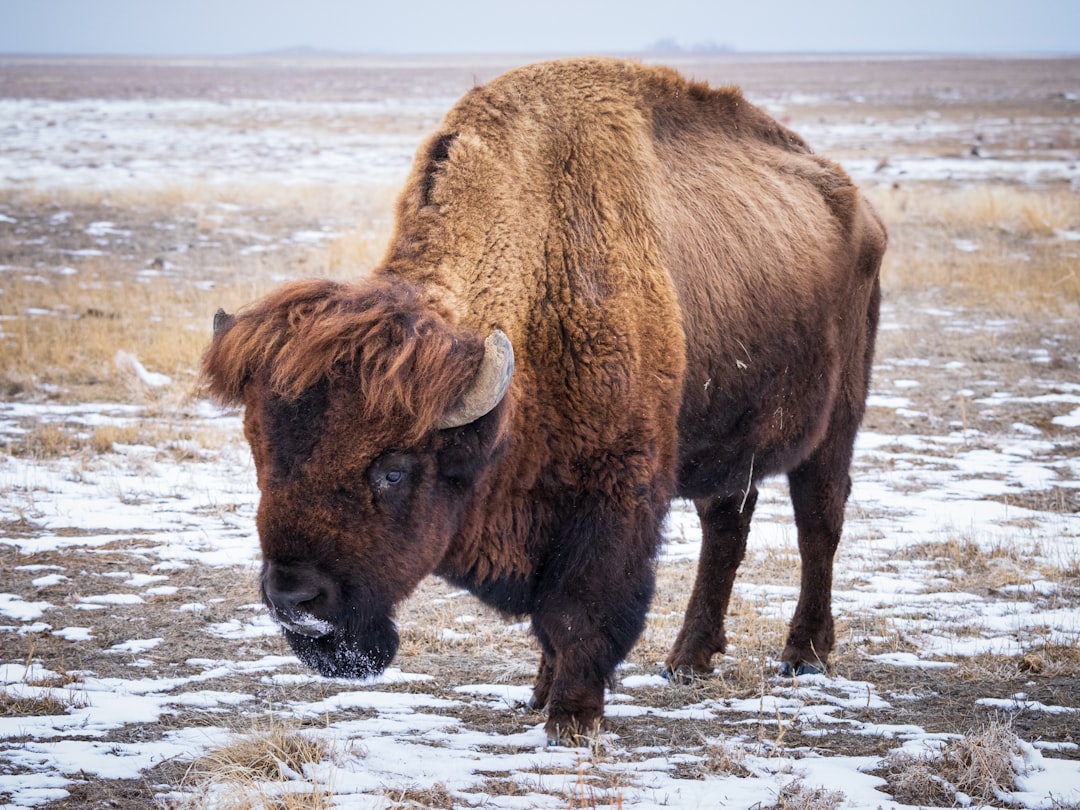
Step onto these windswept flats and you feel a big idea under your boots: let the prairie function like a prairie again. American Prairie’s strategy links deeded parcels with adjacent public lands to restore keystone processes, from bison grazing to prairie dog engineering. That means low, open vegetation, miles of burrow networks, and the very structure burrowing owls need to nest, scan for predators, and launch grasshopper-hunting sorties. Managers also mitigate sylvatic plague in prairie dogs and seed forage to encourage colony growth – unflashy tasks that quietly unlock nest sites for owls.
What’s striking here is the pace of learning-by-doing. Owl pairs are returning where dog towns expand and stay healthy, and where cattle rotations keep grass short enough for a clear sightline. It’s a living laboratory in 2025, and it shows how predator-prey dynamics, disease control, and grass height management add up to a small owl with a safer front door.
Fort Belknap Indian Community, Montana: Tribal Grasslands Power a Comeback
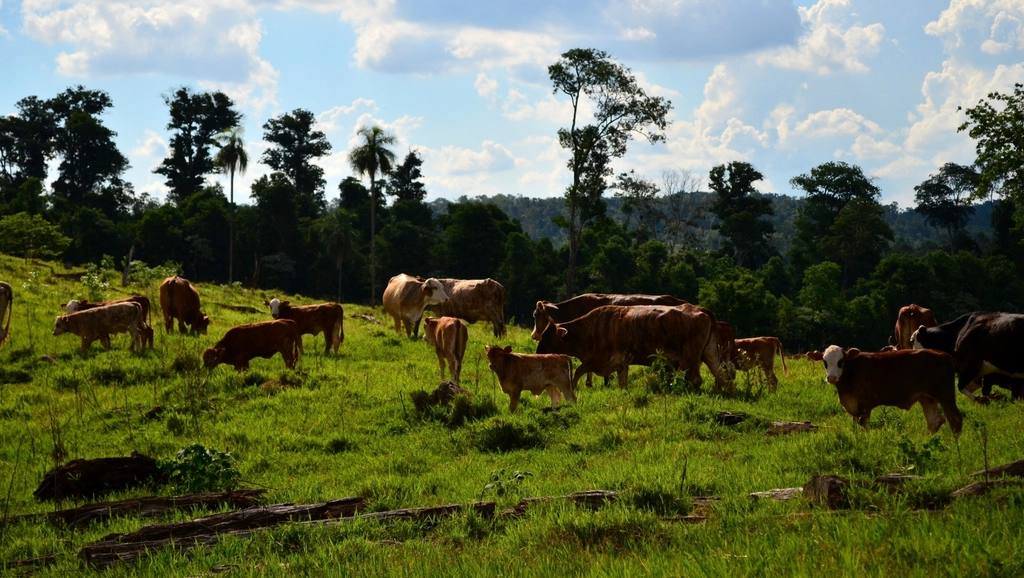
On Fort Belknap, conservation isn’t a trend – it’s kinship. Decades of restoration for bison, swift fox, prairie dogs, and black-footed ferrets are also rebuilding habitat for burrowing owls that rely on intact, short-stature grasslands. New tribal–federal agreements to enroll and improve working grasslands are scaling up the canvas, blending cultural priorities with modern wildlife science. The buffalo pastures and colony complexes here function like bustling neighborhoods, with owls using abandoned dog burrows as snug, ventilated nurseries.
Researchers and tribal wildlife crews are layering in tech – mapping burrow networks, tracking plague risk, and targeting colony translocations when needed. The payoff is more than nest counts; it’s local stewardship capacity and a blueprint other prairie communities can tailor to their lands. I still remember an owl here bobbing like a metronome on a sunbaked mound, a tiny sentinel in a very big story.
Lake Mason National Wildlife Refuge, Montana: Prairie Dog Towns Reborn
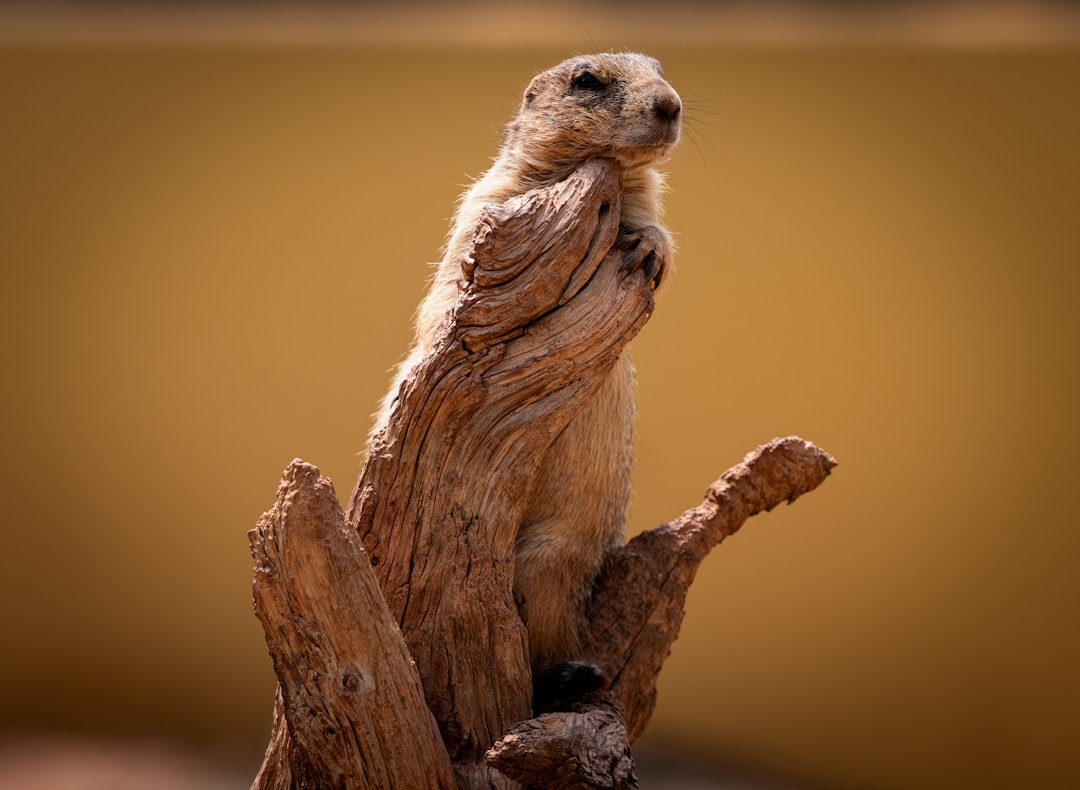
Lake Mason shows how a single, protected colony can punch above its weight. Within its mixed-grass and wetland mosaic, active prairie dog towns provide the ready-made real estate burrowing owls require. That’s textbook species-specific ecology: the owls don’t dig; they borrow, then refit the tunnels with grass linings and insect caches. Refuge managers keep vegetation low, limit disturbance, and tie habitat actions to monitoring so they see when owls occupy new burrows.
This site underscores a key lesson of 2025 prairie recovery: you don’t always need vast acreage to matter. A healthy town complex, buffered from shooting pressure and disease flare-ups, can seed owl pairs across surrounding rangelands. Think of it as a habitat spark plug for the wider Charles M. Russell country.
Pawnee National Grassland, Colorado: Shortgrass and Smart Nesting
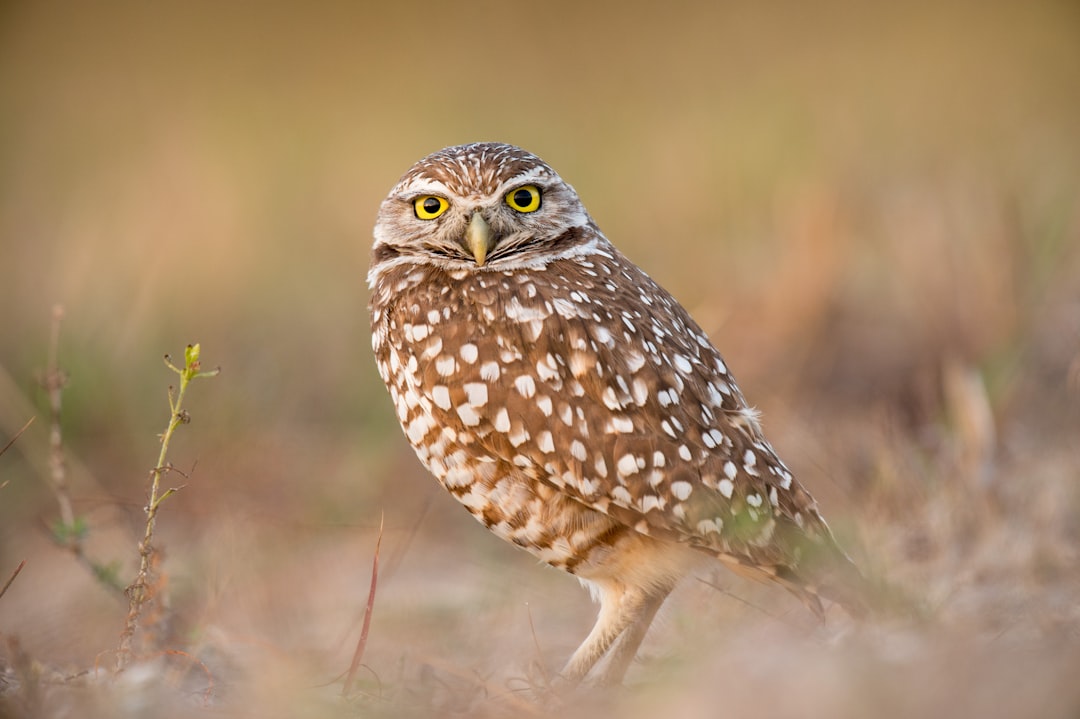
Come spring, Pawnee’s gravel roads turn into a moving bird blind. Burrowing owls arrive with the prairie wind, pairing up in abandoned dog tunnels and hawking beetles from the mounds. Managers here keep a keen eye on grass height, because owls abandon sites when cover grows too tall to spot coyotes or badgers. Artificial burrows supplement the housing market in areas where soils, predators, or human activity make natural sites scarce.
It’s a study in practical contrasts: the same cattle grazing that can degrade native plants in some contexts can, when timed well, maintain the short structure owls prefer. Seasonal closures on nearby cliffs protect raptors; out on the flats, road buffers and signage reduce disturbance around nesting burrows. The result is a prairie that works for ranch trucks and wingbeats.
Rocky Mountain Arsenal National Wildlife Refuge, Colorado: Urban Prairie Dog Metropolis
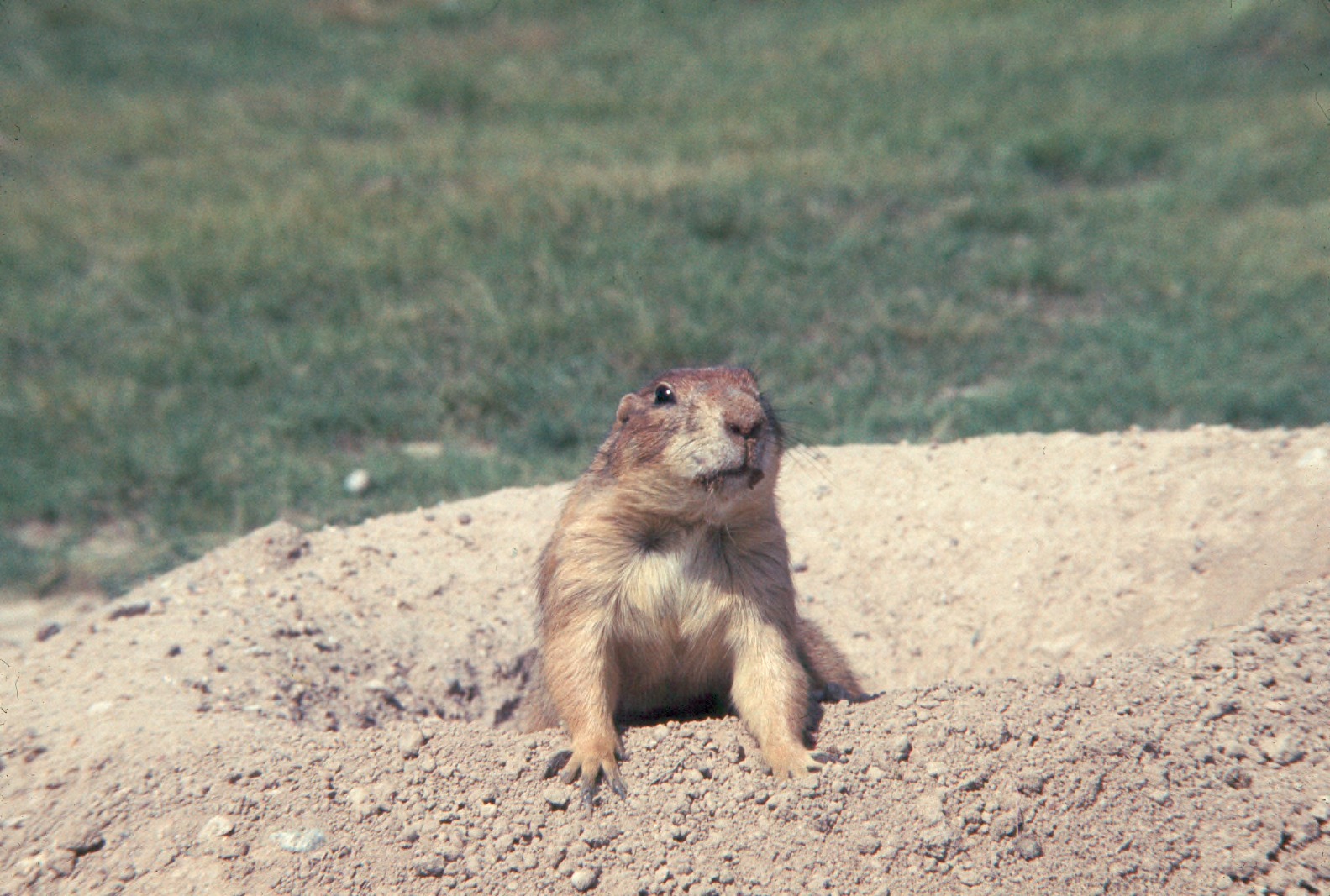
Only minutes from Denver’s skyline, an urban wildlife comeback hums along old industrial soils. The Arsenal’s sprawling prairie dog towns are a magnet for owls that tolerate people better than most raptors and hunt by daylight. Here, managers balance public access with sensitive zones so owl families can raise chicks while visitors watch from designated routes. The refuge has leaned into community science and education, turning casual sightings into data that guide mowing and trail timing.
This is why recovery feels possible: if burrowing owls can thrive in a metro refuge, they can thrive across working prairies with smart rules. Abundant prey, predictable disturbance, and thoughtfully short vegetation stack the odds in their favor. It’s urban ecology with talons and tiny feathered brows.
Thunder Basin National Grassland, Wyoming: Managing the Mosaic
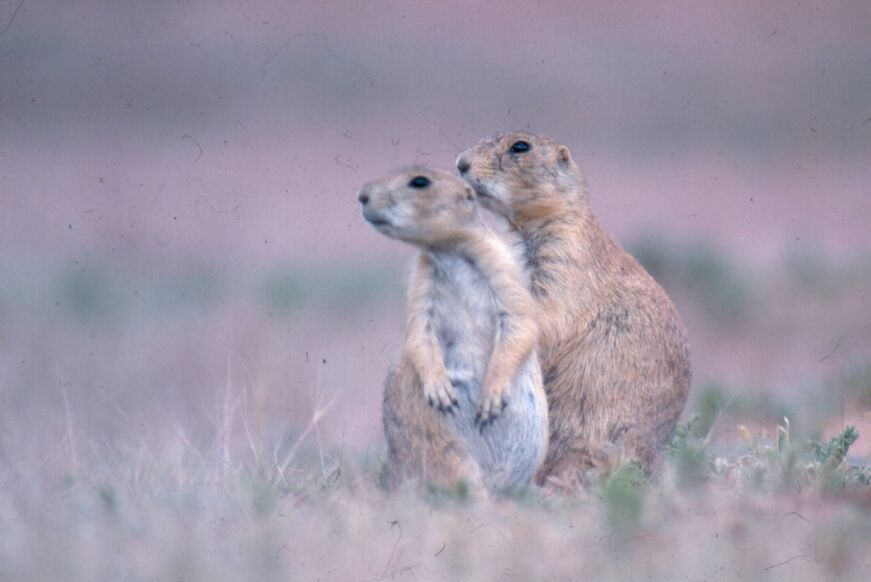
Thunder Basin is where tough choices meet tougher birds. After plague crashes and policy whiplash, managers now sculpt a mosaic that explicitly safeguards species tied to prairie dog colonies, burrowing owls included. Seasonal shooting restrictions over core colony acres, plus targets for maintaining active dog-town acreage, protect the burrow network the owls depend on. Short grass and open sightlines come from a mix of bison-like grazing surrogates and careful fire use.
Why it matters: the Basin is a proving ground for coexistence with energy, grazing, and wildlife. When prairie dog complexes survive here, mountain plovers, ferruginous hawks, and burrowing owls all benefit. It’s not perfection; it’s persistence. And that’s how a ground-nesting owl gains time to court, brood, and fledge.
Little Missouri National Grassland, North Dakota: Badlands with Burrowers
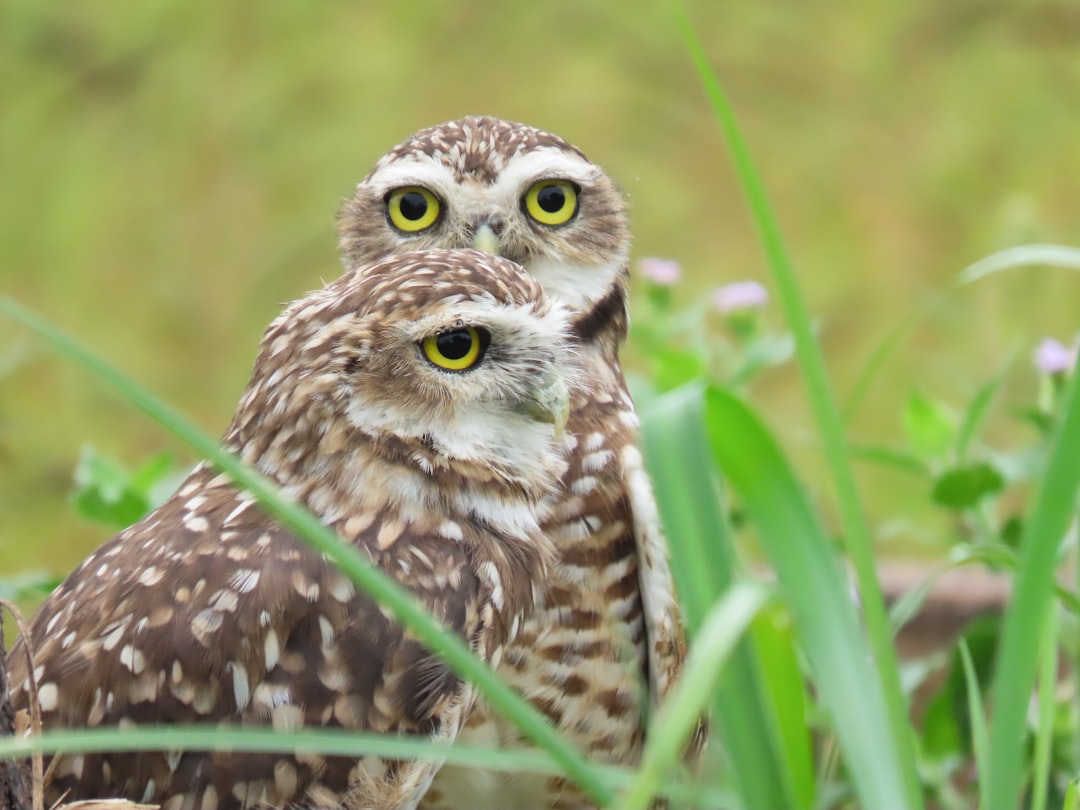
In the sculpted breaks of the Little Missouri, mixed-grass prairie spills into gumbo and hoodoos, and the owls slip between. Active dog towns dot one of the larger national grasslands, giving owls their burrow entrances and dust-powdered lookouts. Field crews track lekking grouse and grassland songbirds as indicators, but ground-dwelling raptors are a different puzzle – more tied to colony health than to any single vegetation metric.
The management recipe leans on continuity: keep colonies intact across years, reduce invasive annuals that change fire behavior, and limit disturbance during nesting season. When that happens, the burrowing owl’s low flight and shoulder-high scan become part of the everyday scenery again. It’s a quiet restoration, and that’s the point.
Buffalo Gap National Grassland and Badlands, South Dakota: Conata Basin’s Web of Life
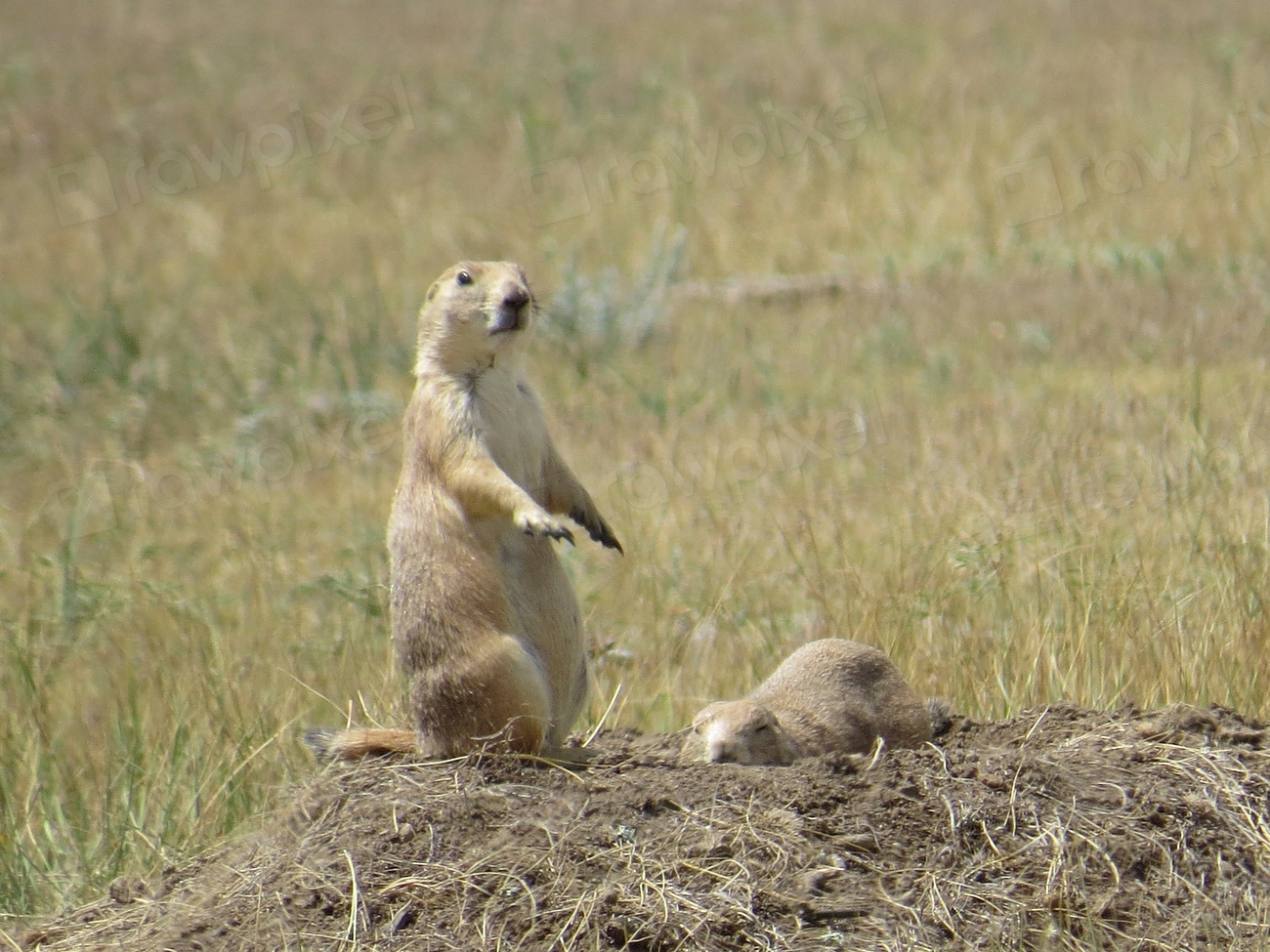
Follow the rim of Badlands at dusk and you’ll hear it – prairie dog chatter, then the soft whoosh of an owl sweeping low. Conata Basin’s colony complex, knit with adjacent parklands, is one of the most studied predator–prey systems on the Plains. Ferret management and plague response here ripple through the food web, setting the stage for agile burrowing owls to occupy tunnels, hawk moths and crickets, and dash for cover at the first alarm bark.
Managers mind the details: vaccinating ferrets, dusting dog burrows to control fleas that spread plague, and pacing human access when birds are nesting. The takeaway is big: protect the engineer (the prairie dog), and the tenants – owls included – come back. It’s conservation by neighborhood watch.
Muleshoe National Wildlife Refuge, Texas: Southern Stronghold on the Llano Estacado
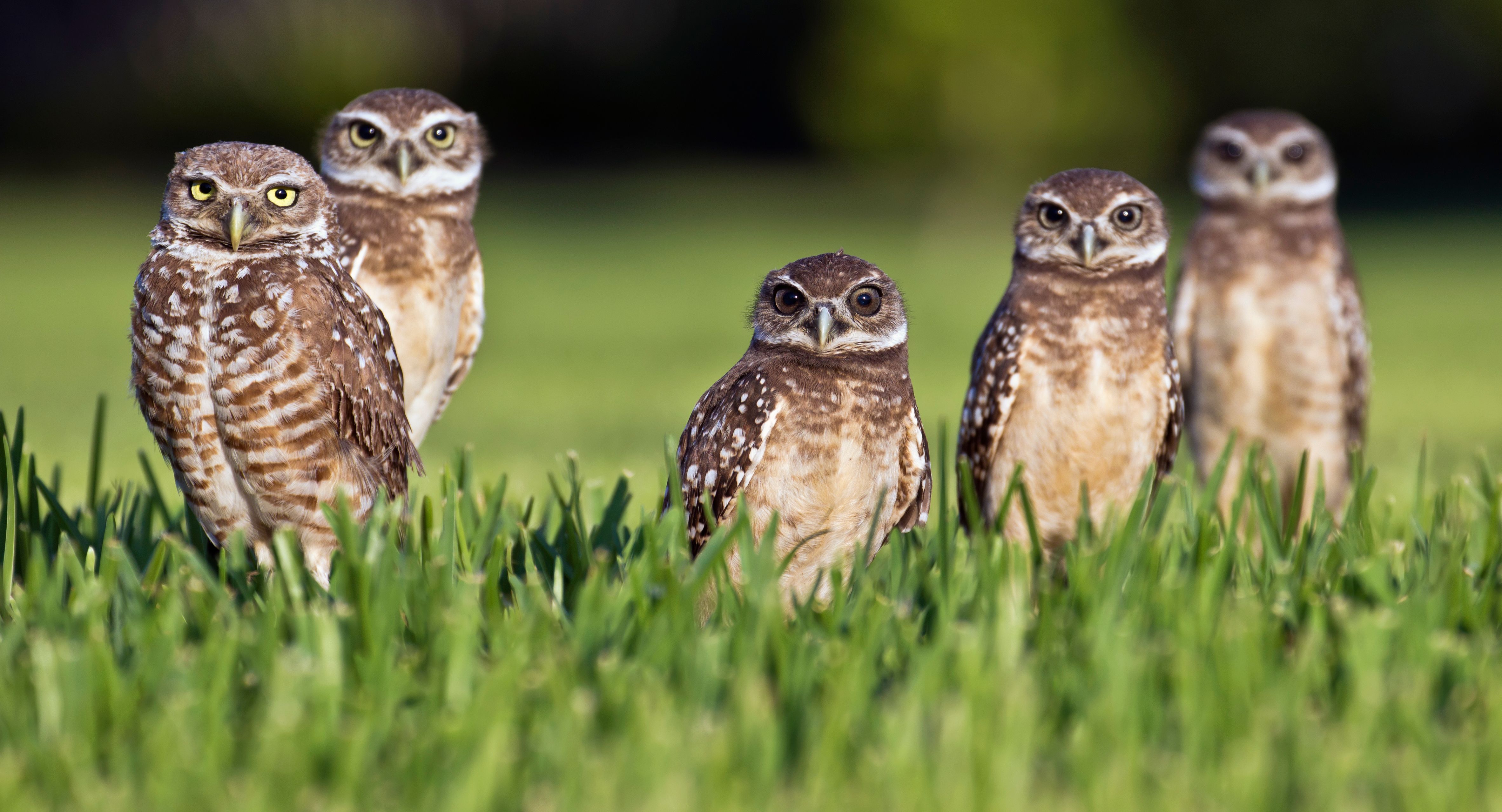
Down on the shortgrass edge of the Southern Plains, Muleshoe’s prairie dog towns anchor a different climate story – hotter summers, longer droughts, and still the same underground need. Burrowing owls use the colonies like seaside cottages on a vast dry ocean, pooling energy by nesting near each other and chasing a menu heavy on grasshoppers. The refuge pairs grassland management with wetland basins that explode with migrants in wetter years, proving that varied habitat nearby can buffer dry spells.
This is also where readers can help the most. Respect seasonal buffers around active burrows, keep dogs leashed on prairie trails, and report owl sightings to refuge staff or community science platforms during breeding season. Small actions translate into cleaner datasets and fewer nest failures. That’s how a tiny, ground-dwelling owl wins the future – one careful step at a time.
Across these nine reserves, the pattern is clear: protect prairie dog engineers, keep grass short and sightlines open, pace human disturbance during nesting, and plan for plague. The reward is a daylight owl reclaiming its place in the American prairie story – alert, audacious, and oddly endearing. What would you have guessed makes such a big difference for such a small bird?
Suhail Ahmed is a passionate digital professional and nature enthusiast with over 8 years of experience in content strategy, SEO, web development, and digital operations. Alongside his freelance journey, Suhail actively contributes to nature and wildlife platforms like Discover Wildlife, where he channels his curiosity for the planet into engaging, educational storytelling.
With a strong background in managing digital ecosystems — from ecommerce stores and WordPress websites to social media and automation — Suhail merges technical precision with creative insight. His content reflects a rare balance: SEO-friendly yet deeply human, data-informed yet emotionally resonant.
Driven by a love for discovery and storytelling, Suhail believes in using digital platforms to amplify causes that matter — especially those protecting Earth’s biodiversity and inspiring sustainable living. Whether he’s managing online projects or crafting wildlife content, his goal remains the same: to inform, inspire, and leave a positive digital footprint.