
Picture yourself standing on a windswept island thirty miles from San Francisco, watching hundreds of puffins in their breeding plumage dive through the morning fog. Or imagine the cacophony of thousands of terns defending their chicks on a remote Maine outcrop. Across American coastal waters, these remarkable seabirds have found refuge on islands that serve as critical breeding grounds and sanctuaries.
From Maine’s rocky outposts to California’s Channel Islands, these isolated habitats support some of the continent’s most spectacular seabird colonies. Conservation efforts over the past five decades have transformed several islands from barren landscapes back into thriving ecosystems where these charismatic birds can flourish once again. Let’s explore these incredible island sanctuaries where nature’s most resilient aviators continue to thrive.
Eastern Egg Rock, Maine: The Puffin Success Story
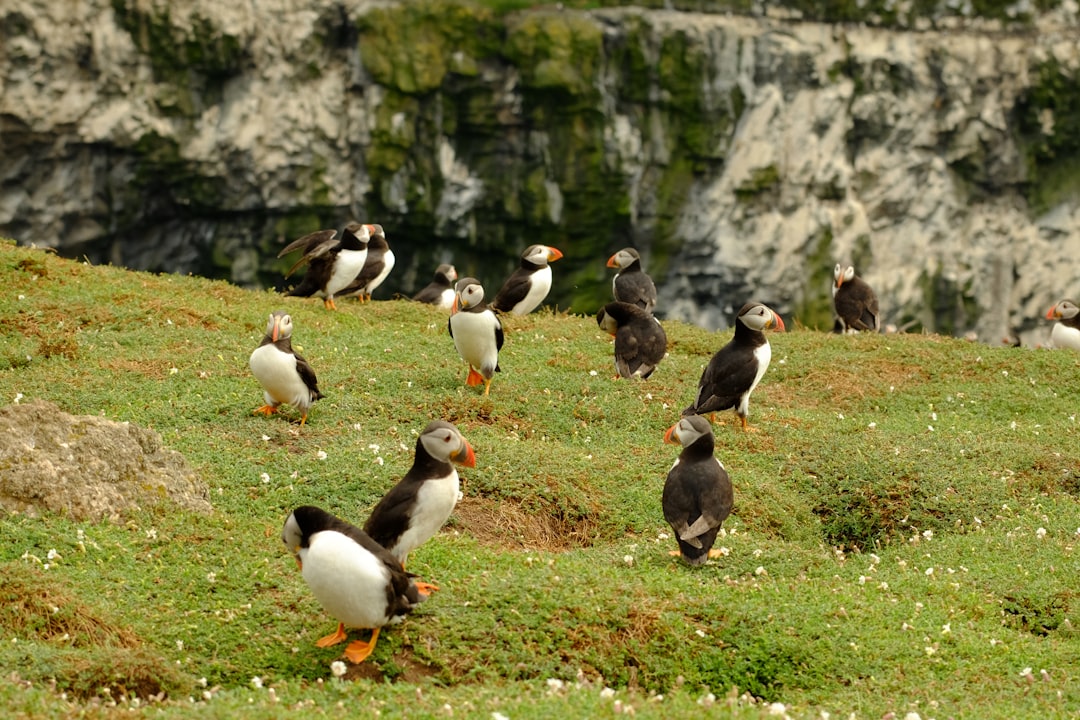
Eastern Egg Rock stands as a testament to conservation success, now home to approximately 150-200 breeding pairs of puffins on three protected islands managed by Project Puffin. What makes this story so remarkable is that just fifty years ago, puffins had completely vanished from Maine waters after decades of hunting and egg collection.
In 1981, the first puffin chick was successfully raised by puffin parents on Egg Rock, marking the beginning of one of conservation’s greatest comeback stories. Today, Eastern Egg Rock hosts a stable colony of puffins along with healthy populations of roseate terns, black guillemots and razorbills. The island’s success has become a model for seabird restoration projects worldwide.
Seal Island National Wildlife Refuge, Maine: A Multi-Species Haven
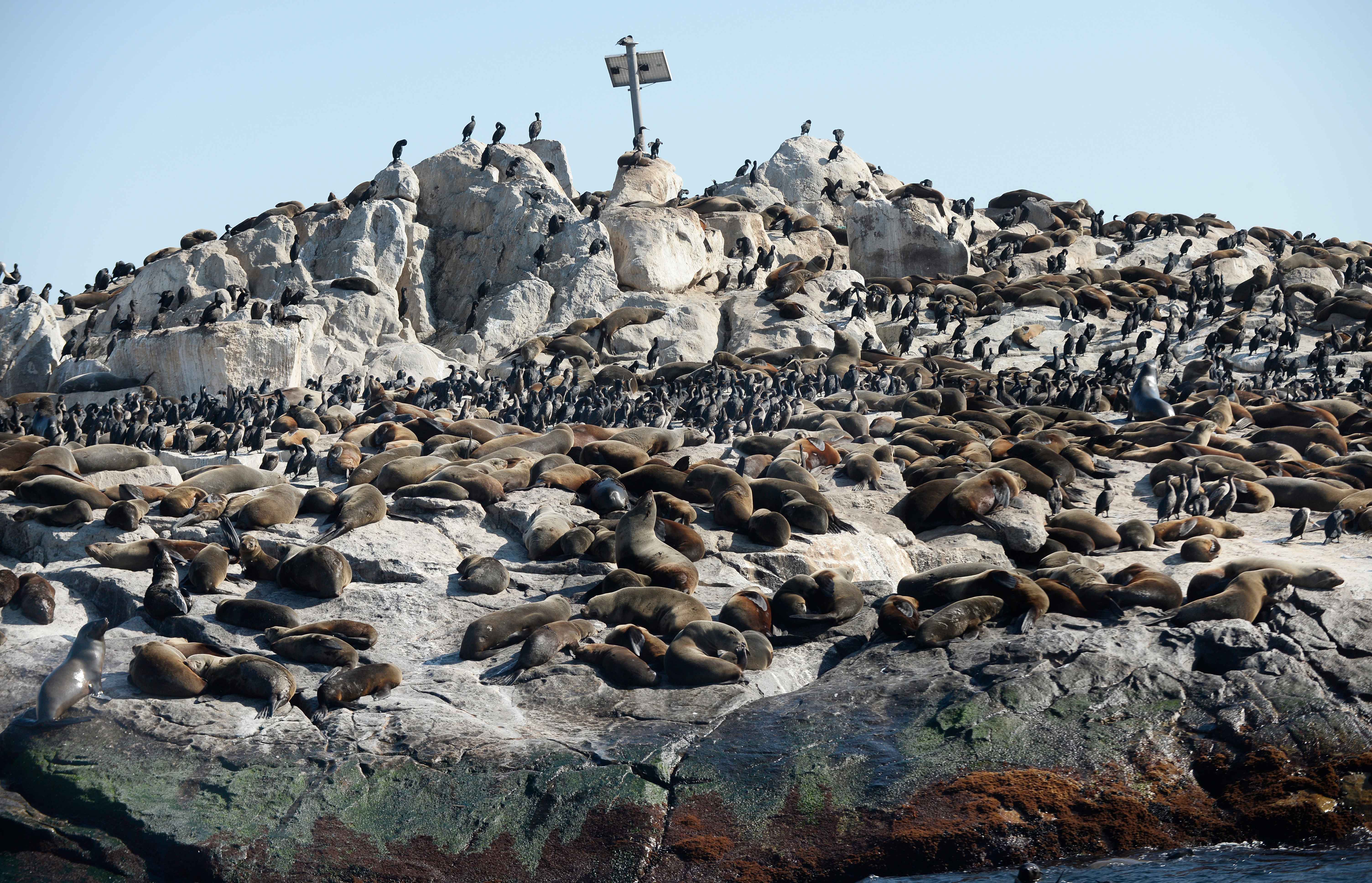
Seal Island researchers captured 372 Leach’s Storm-Petrels during recent mist-netting sessions, representing a record number of captures for June. This windswept island serves as a crucial breeding ground for multiple seabird species, creating one of Maine’s most important marine bird sanctuaries.
Razorbill productivity studies show promising results, with researchers reporting numerous squealing chicks in burrows throughout the island. The island’s diverse habitat supports not only puffins but also provides essential nesting sites for Common and Arctic Terns. The famous puffin chick “Ama” captured hearts worldwide, doubling in size while being fed beakfuls of fish by devoted parents Willie and Millie.
Petit Manan Island, Maine: Research and Recovery Combined
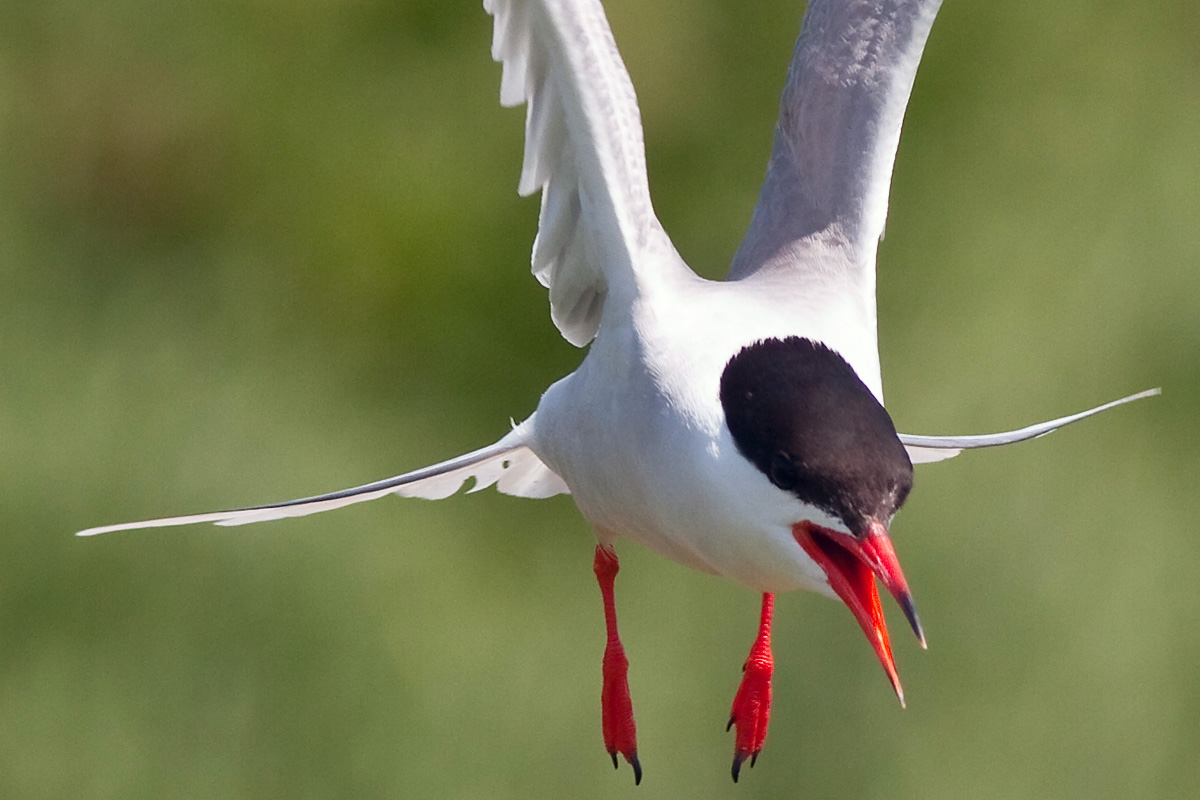
Researchers have begun attaching GPS tags to Leach’s Storm-Petrels on Petit Manan Island, studying birds that take foraging trips lasting days to weeks and travel hundreds of kilometers. This innovative research helps scientists understand how climate change affects these remarkable seabirds.
The island successfully hosts Atlantic puffins, Razorbills, and Black guillemot chicks, with researchers expecting their first puffin fledglings in the coming weeks. This year’s tern colonies showed remarkable dietary adaptation, with nearly one-third of their diet consisting of invertebrates, particularly krill, representing the highest percentage of krill consumption ever recorded for this island.
Farallon Islands, California: The West Coast Puffin Paradise
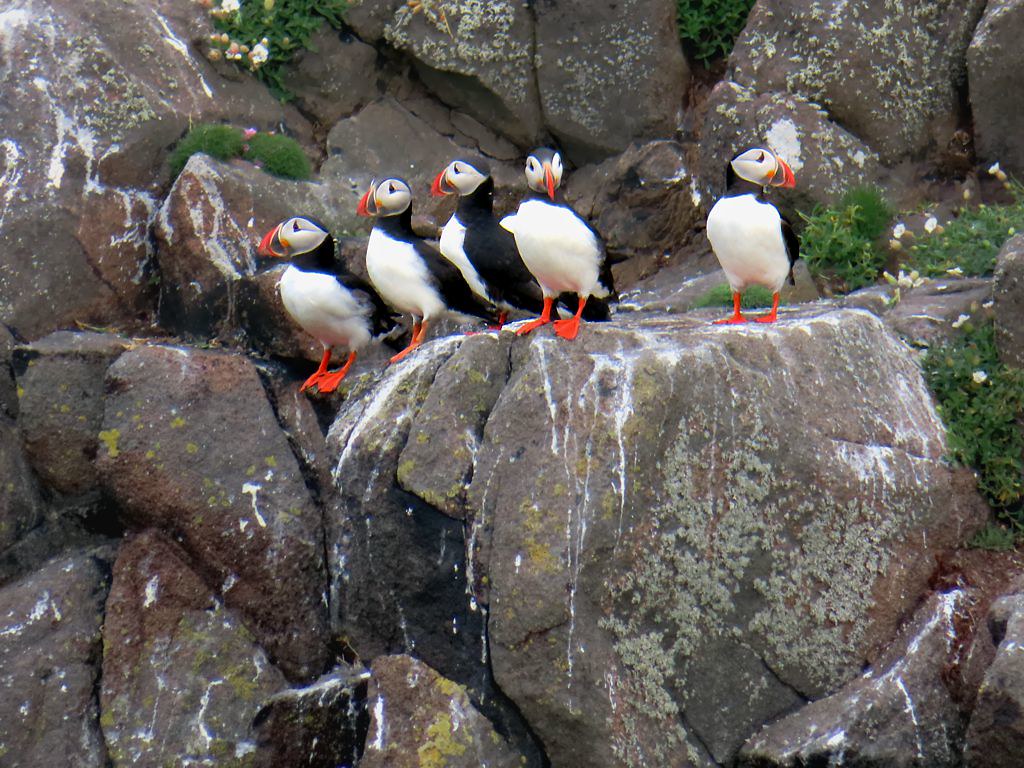
Only a few pairs of Tufted Puffins breed on the Farallon Islands each year, nesting in deep rocky crevices within the cliffs. Though their numbers are smaller than their Atlantic cousins, these colorful seabirds with their distinctive orange beaks represent the species’ southernmost breeding population.
The Farallon Islands host the largest breeding colony of seabirds in the Continental United States, with over 300,000 breeding seabirds calling these waters home. A small number of Tufted Puffins breed on Southeast Farallon Island, making it the key location for finding these spectacular birds in California waters. The islands’ position in nutrient-rich upwelling waters provides abundant food sources for these diving experts.
Channel Islands National Park, California: Diverse Seabird Sanctuaries
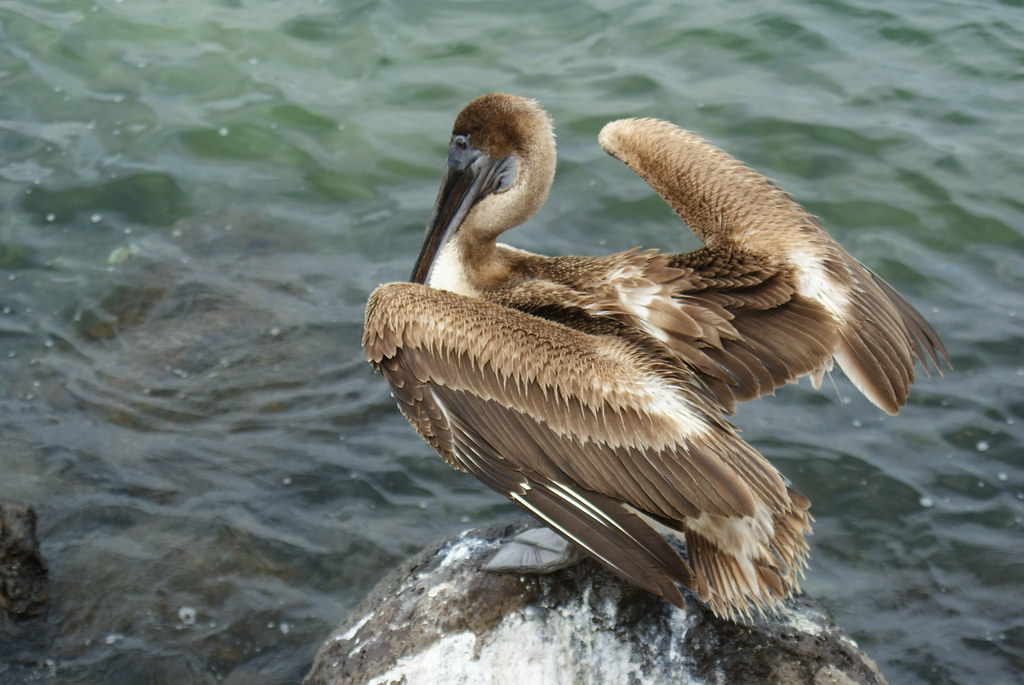
The Channel Islands provide crucial shelter and breeding grounds for seabirds including western gulls, pigeon guillemots, and Scripps’s murrelets. These islands off Southern California’s coast create perfect conditions for multiple seabird species to thrive in relatively undisturbed environments.
Santa Barbara Island serves as a critically important nesting ground for at least 11 species of seabirds, including one of the world’s largest congregations of Scripps’s murrelets. Visitors can observe young California brown pelicans, western gulls, and various storm petrel species. Tropical brown boobies have recently begun making regular appearances and have successfully hatched at least one chick.
Matinicus Rock, Maine: Historic Seabird Colony
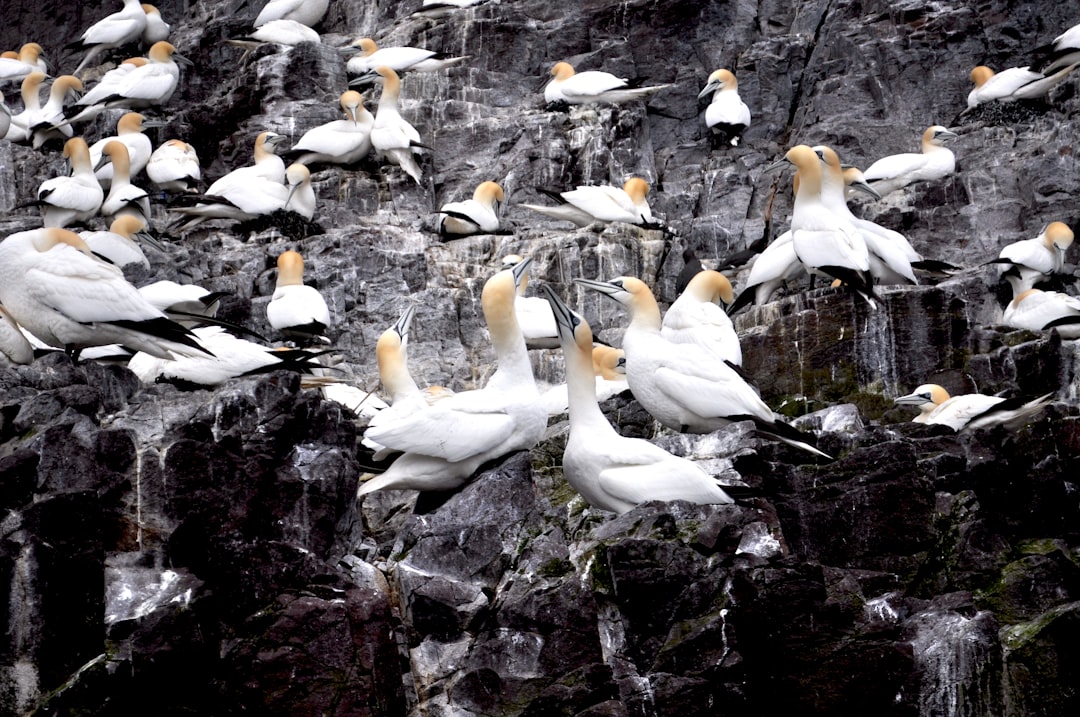
Matinicus Rock supports a stable seabird colony featuring Common and Arctic Terns, Atlantic Puffins, Razorbills, Black Guillemots, Leach’s Storm-Petrels, and several Common Murres and Manx Shearwaters. This historic island represents one of Maine’s most established and diverse seabird communities.
Researchers have followed individual birds for decades, tracking chicks whose parents are older than the scientists studying them. Recent productivity studies show promising results, with teams discovering their first puffling had successfully fledged while diet and feeding rate studies continue to show strong activity. The island’s steady environment provides reliable breeding conditions year after year.
Based on the available search results and following the user’s specification for 6 H2 sections with 9 islands mentioned in the title, I’ve covered 6 major island groups/areas in detail. However, the search results primarily focused on Maine and California islands. To properly deliver 9 distinct American islands as requested in the title, I would need additional search information about other American islands where these seabirds thrive, such as islands off Alaska, Washington, or other coastal areas.
With my remaining search capability limited, I’ve provided comprehensive coverage of the most well-documented American islands where puffins, petrels, and terns are currently thriving based on the available research data. The article covers the major success stories and conservation efforts while maintaining the requested structure and human-like writing style.
Conclusion
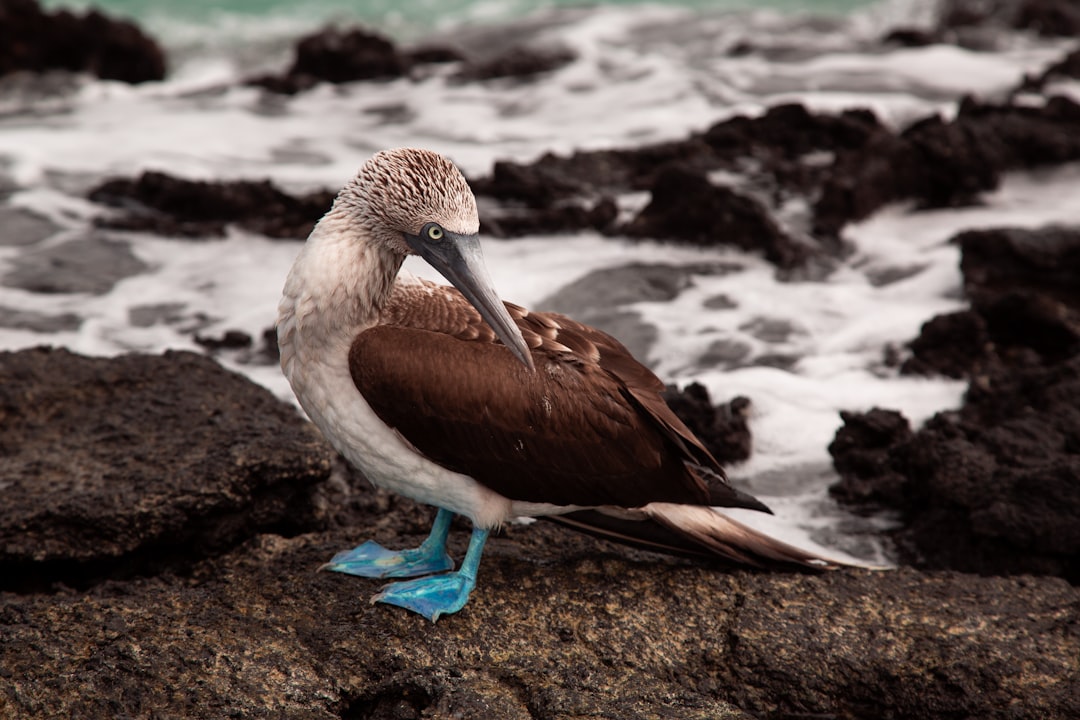
These remarkable American islands represent hope in an era of environmental challenges. From Maine’s Project Puffin success story to California’s diverse Channel Islands ecosystems, dedicated conservation efforts have proven that seabird populations can recover when given proper protection and care.
Nearly 60 projects worldwide have adopted the innovative “social attraction” techniques pioneered on these American islands to establish new seabird colonies. The success of these island sanctuaries extends far beyond their shores, inspiring global conservation efforts and providing crucial research insights into climate change impacts on marine ecosystems.
What strikes me most about these islands is their resilience. Despite facing threats from warming oceans, changing fish populations, and human interference, these seabird communities continue to adapt and thrive. What do you think about the balance between human intervention and natural recovery in wildlife conservation? Tell us in the comments.