They look like underwater gardens, but coral reefs are far closer to bustling cities than quiet flower beds. Every crevice hides a drama: a shrimp defending its burrow, a parrotfish chiseling rock, a shark patrolling like a night-time security guard. Scientists warn these ocean metropolises are under siege from warming seas and pollution, yet new research keeps revealing just how intricate, resilient, and surprising they really are. That tension between fragility and tenacity is what makes reefs both heartbreaking and hopeful. As we learn more about how they build, communicate, and even engineer entire coastlines, a new picture is emerging of reefs not as passive victims, but as dynamic systems we still barely understand.
The Hidden Architects: Tiny Animals That Build Giant Cities
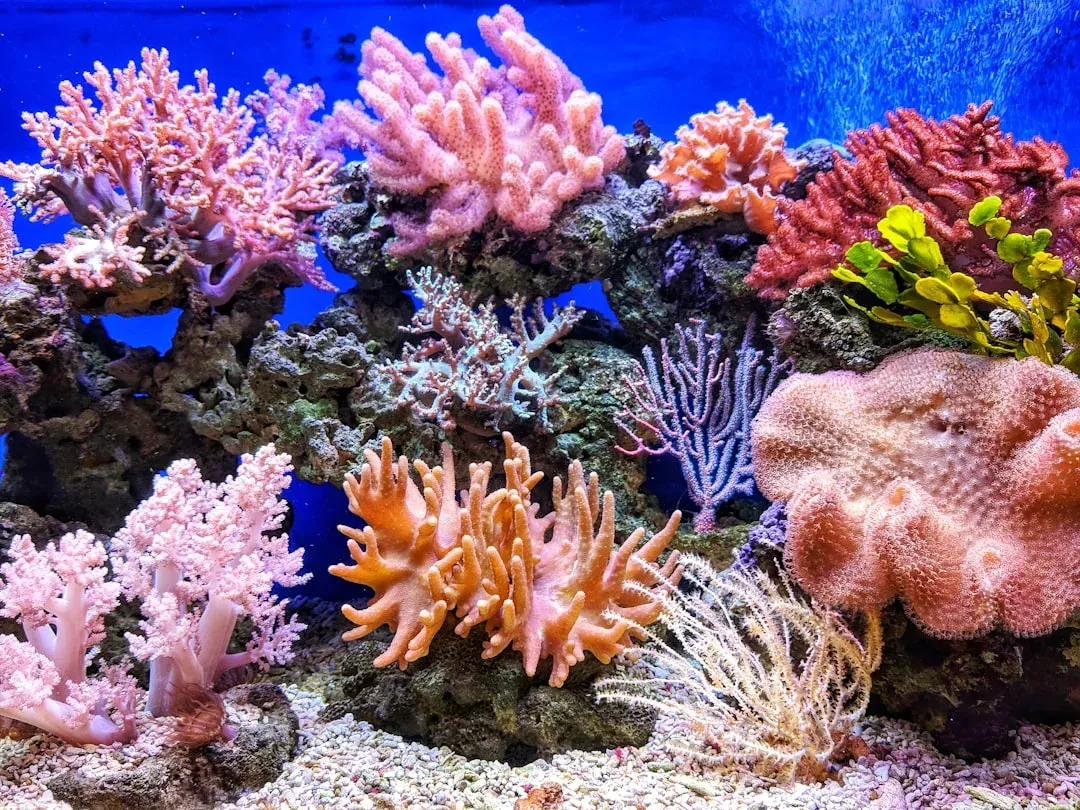
It is easy to mistake corals for plants or even rocks, but they are, in fact, animals no bigger than a pencil eraser that collectively construct structures large enough to see from space. Each coral polyp is a soft-bodied creature related to jellyfish and sea anemones, and it lives anchored inside a stony cup of calcium carbonate that it slowly secretes. Multiply that tiny effort by millions of polyps over centuries, and you get vast reef systems stretching hundreds of miles, like the Great Barrier Reef along Australia’s coast. These structures are living on the surface, where the polyps feed and grow, and essentially fossilized underneath, layer upon layer of skeleton.
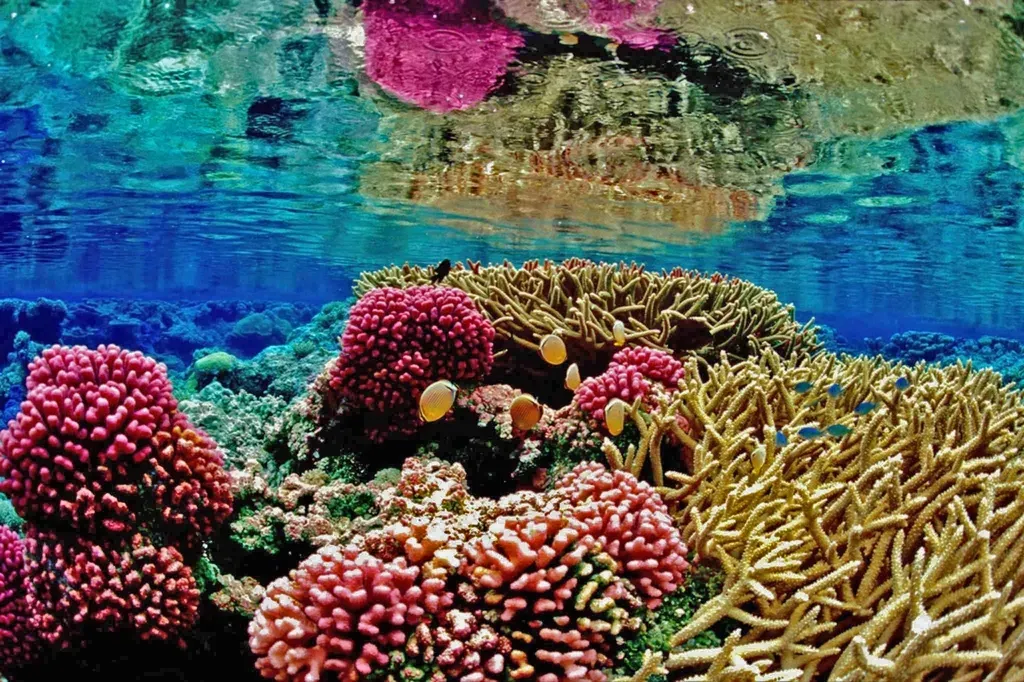
What fascinates researchers is how these minuscule builders coordinate growth so that a reef rises at just about the rate sea level changes, at least under natural conditions. In healthy tropical waters, coral colonies can grow vertically by several millimeters a year, which sounds slow until you scale it up over millennia. The result is something akin to a self-built skyscraper district: branching corals forming high-rises, boulder corals acting as heavy infrastructure, and encrusting species filling the gaps like mortar. Together, they form complex three-dimensional habitats that rival rainforests in structural diversity. That hidden architecture is the foundation for almost every other amazing fact about reefs.
Vast Biodiversity Hotspots: Rainforests of the Sea

For ecosystems that cover less than a tiny slice of the ocean floor, coral reefs punch wildly above their weight in terms of life supported. Marine biologists estimate that reefs occupy well under one tenth of the ocean’s area, yet they provide habitat, food, or nursery grounds for roughly about one quarter of all known marine species. That includes everything from microscopic plankton to massive groupers and reef sharks, plus hundreds of species of corals, sponges, and algae. Walking through a city market is probably the closest human equivalent: sights, sounds, and interactions exploding in every direction.
Many of the species that depend on reefs are still unnamed or poorly understood, especially tiny invertebrates and cryptic fishes that hide in coral rubble or within sponges. Every expedition that turns over rocks or samples reef crevices tends to uncork new species and new ecological relationships. This biological richness is not just an abstract number; it underpins resilient food webs, coastal fisheries, and, ultimately, human diets. In many tropical nations, a significant fraction of the animal protein people eat can be traced back, directly or indirectly, to reef ecosystems. Losing a reef is not just losing pretty scenery – it is like shutting down a city’s entire food distribution network overnight.
Glow in the Dark: The Surprising Language of Coral Colors
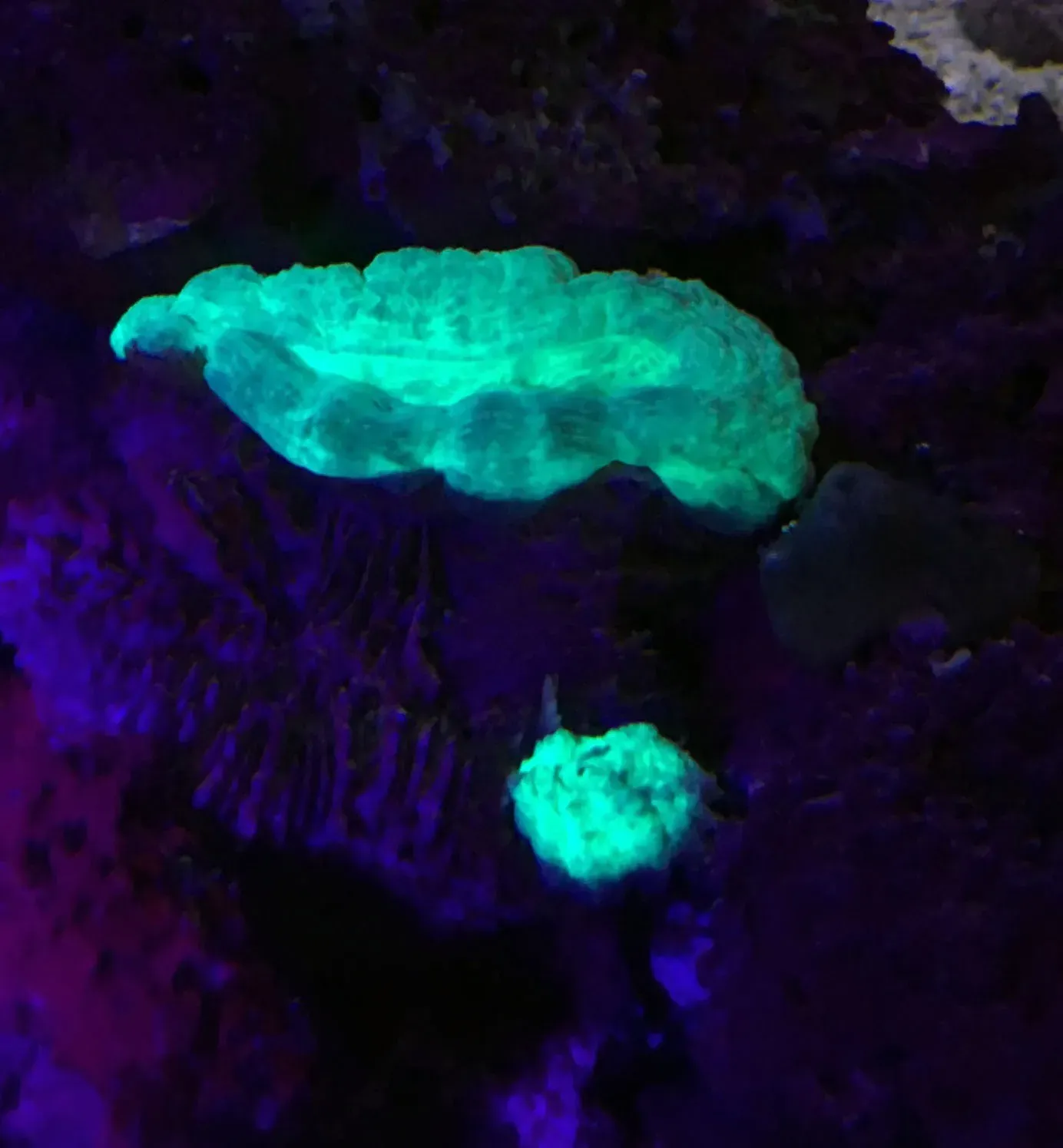
Those neon pinks, electric blues, and eerie greens that make coral reef photos look unreal are more than decoration. Many corals and reef animals produce fluorescent and bioluminescent proteins that absorb light at one wavelength and re-emit it at another, creating that surreal glow. Scientists originally noticed these pigments because they made great tools in medical imaging, but in the reef itself, they likely play multiple roles, from acting as sunscreens to mediating communication and camouflage. Under blue light at night, a reef can look like a living galaxy, each polyp and fish streaking with soft, ghostlike color.
There is growing evidence that some fluorescent pigments help corals manage light stress, scattering excess energy that could otherwise damage their delicate symbiotic algae. In deeper or shaded habitats, the same pigments may work like tiny light amplifiers, making the most of dim sunlight that trickles down. For divers and researchers, using special filters and lights to reveal this hidden glow has opened up a different way of mapping coral health and species diversity. I still remember the first time I saw a reef under fluorescence: the scene felt less like wildlife observation and more like walking into an alien nightclub, where color itself seemed to be part of the survival strategy.
Invisible Partnerships: Solar-Powered Animals
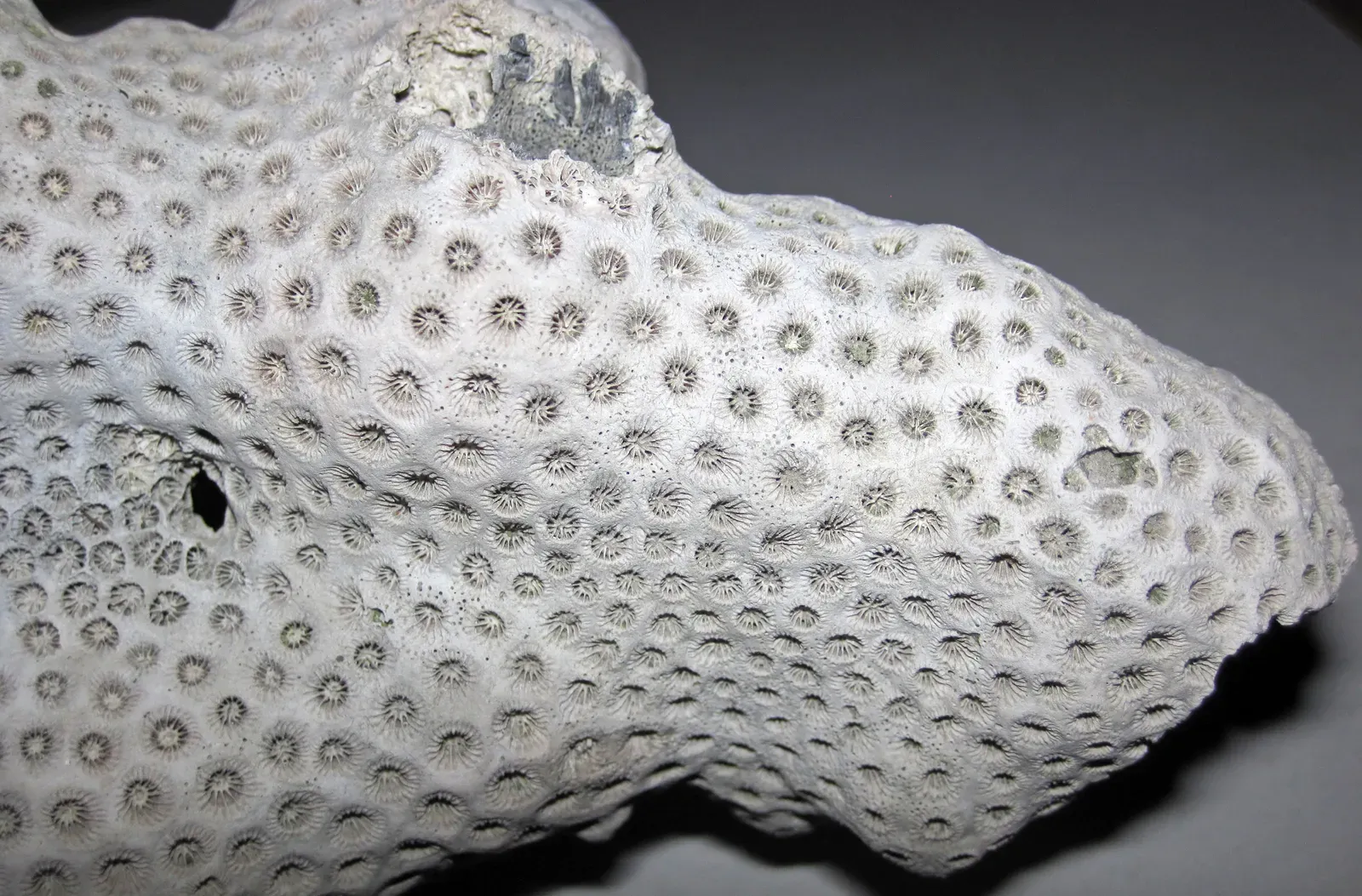
One of the most astonishing facts about coral reefs is that their animal architects are, in a way, solar powered. Most reef-building corals host microscopic algae, called zooxanthellae, inside their tissues in a tight symbiosis. The algae use sunlight to photosynthesize, producing sugars and other compounds that feed the coral host, while the coral provides the algae with a safe home and nutrients. This deal is so efficient that, in clear tropical waters, the majority of a coral’s energy can come from its internal algae farms rather than from catching passing prey with its tentacles.
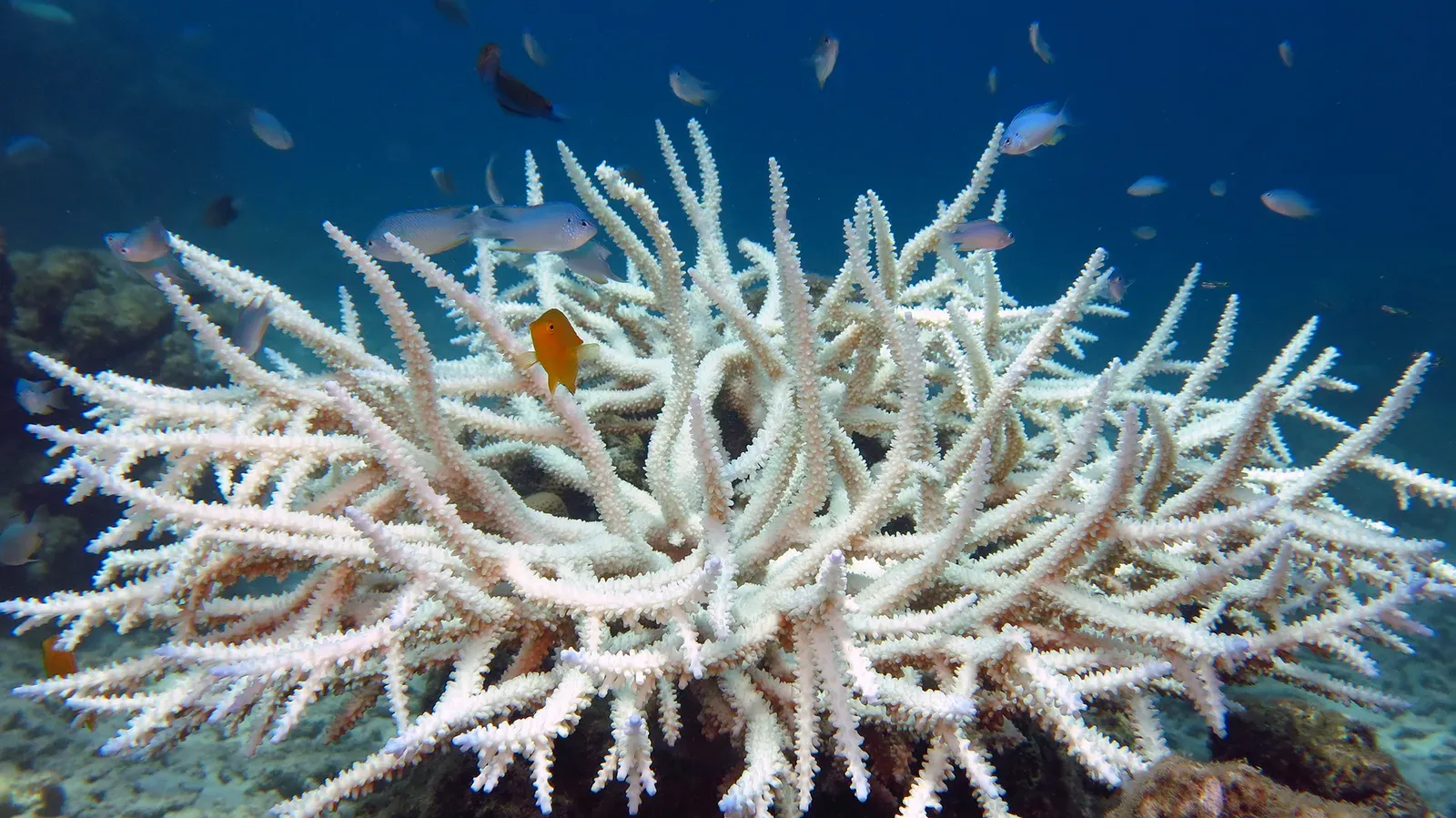
This invisible partnership is why reefs thrive in some of the nutrient-poorest waters on Earth, places that might otherwise resemble marine deserts. However, it is also the relationship’s Achilles’ heel. When water becomes too warm or too polluted, the algae start producing harmful compounds instead of food, and corals eject them in a last-ditch survival move. This leads to coral bleaching, where once-vibrant colonies turn stark white as they lose their pigmented symbionts. If conditions improve quickly enough, new algae can move back in, and the coral can recover; if not, the skeleton becomes overgrown by algae and the reef begins to die back. In other words, the same solar engine that powers these cities can stall dangerously fast.
Wave Shields and Food Banks: Why Coral Reefs Matter to People
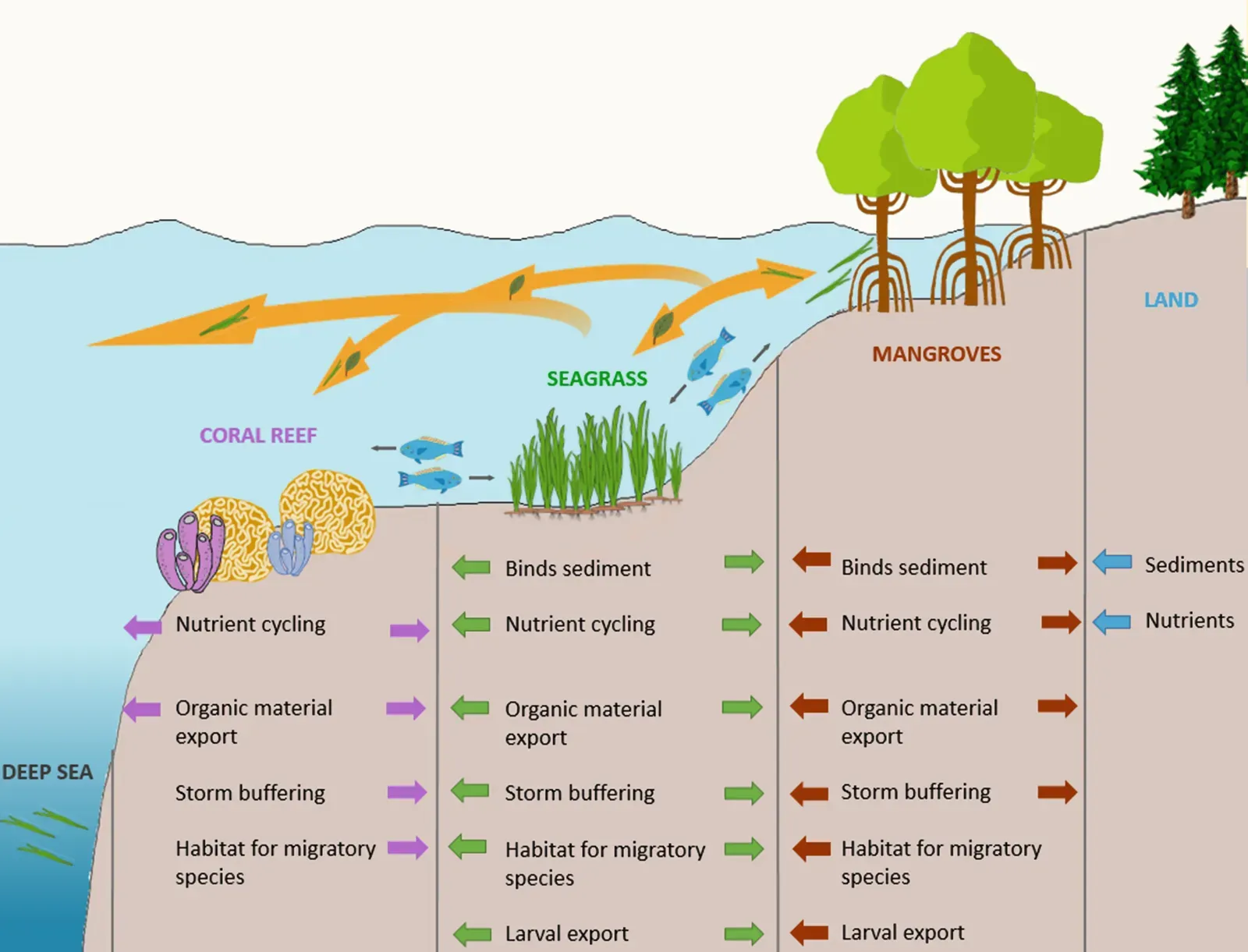
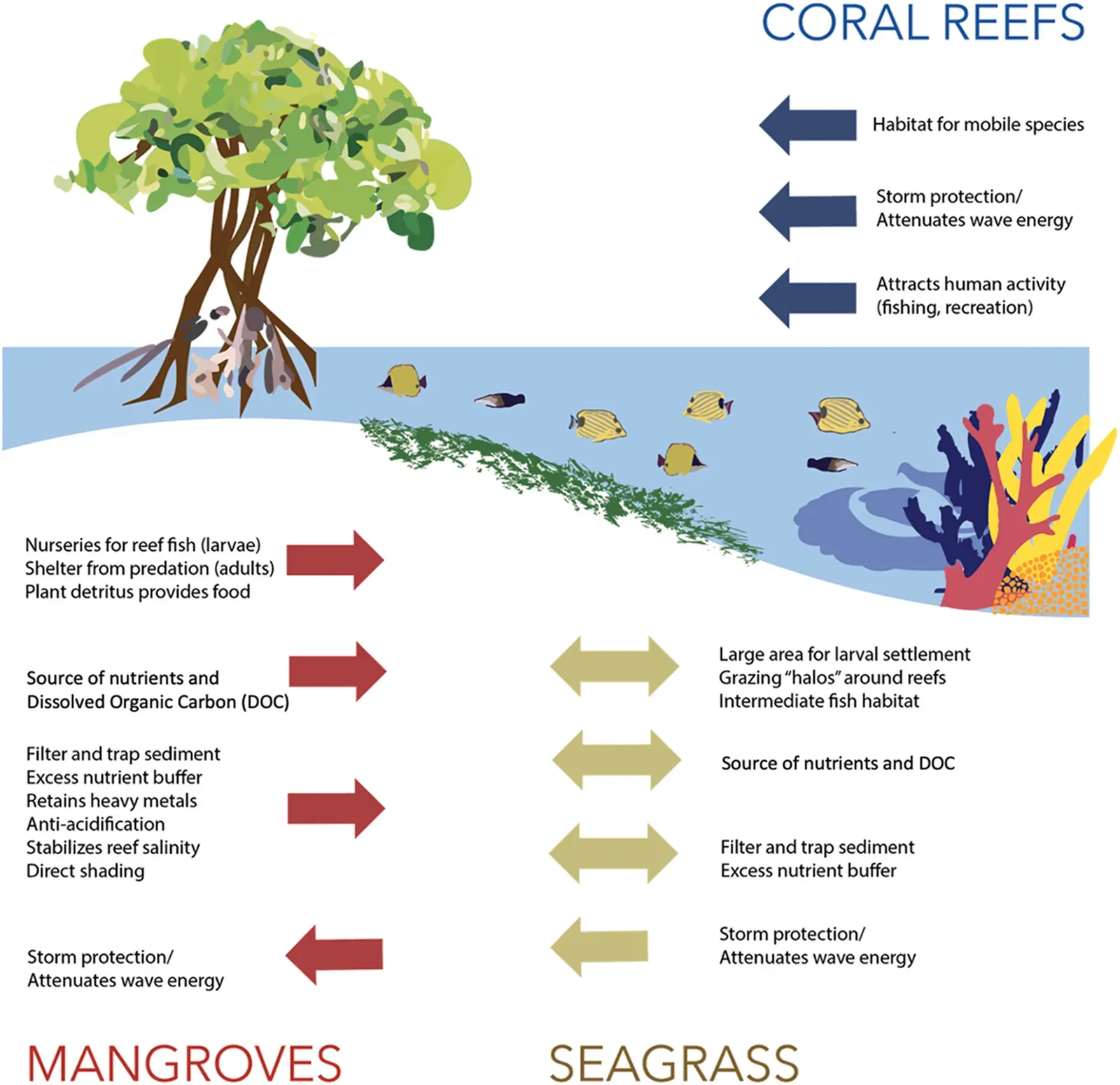
Beyond their wonder factor, coral reefs are practical lifesavers for coastal communities around the world. Reefs act like natural breakwaters, absorbing and dissipating wave energy before it hits shorelines, which can significantly reduce erosion and flooding. Studies have found that healthy reef crests can cut incoming wave energy by more than half in many locations, sometimes making the difference between a storm event and a disaster. That invisible wall of limestone and living coral can therefore protect homes, roads, and freshwater supplies along low-lying coasts.
Reefs also function as food banks and economic engines. Fisheries associated with coral reefs support the livelihoods of millions of people, especially in island and tropical nations where alternatives are limited. Tourism built around reef diving, snorkeling, and wildlife watching brings in billions of dollars each year globally, funding local businesses from boat operators to restaurants. A rough snapshot of their human value includes:
- Coastal protection for hundreds of millions of people living near tropical shorelines.
- Key protein source for communities where reef fish are part of daily diets.
- Tourism revenue that, in some countries, accounts for a substantial part of national income.
When a reef declines, all of that can unravel quickly, making reef conservation as much a human development issue as an environmental one.
Under Pressure: Climate Change, Pollution, and Shifting Baselines
Despite their apparent resilience, coral reefs are now facing a barrage of pressures they have never experienced at this pace or scale. Ocean warming is driving more frequent and severe bleaching events, with mass die-offs recorded in places that once seemed relatively stable. At the same time, the water is becoming more acidic as it absorbs carbon dioxide from the atmosphere, making it harder for corals to build and maintain their stony skeletons. Local stressors make things worse: overfishing removes key species, nutrient pollution fuels algal overgrowth, and sediment from coastal development smothers corals.
One of the subtler threats is what scientists call shifting baselines. Each generation tends to think the degraded state they inherit is “normal,” whether that’s fewer fish on the reef or less branching coral cover. Talk to older fishers in some Pacific islands, and they describe fish schools so dense they darkened the water – something younger divers have never seen. That quiet forgetting makes it harder to grasp how much has already been lost, and how urgent recovery really is. On the other hand, documenting these changes with long-term monitoring, satellite imagery, and historical accounts is helping to reset expectations. It reminds us that today’s struggling reefs are shadows of what they were – and could be again, if pressures ease.
Repairing the Cities: From Coral Gardening to Assisted Evolution
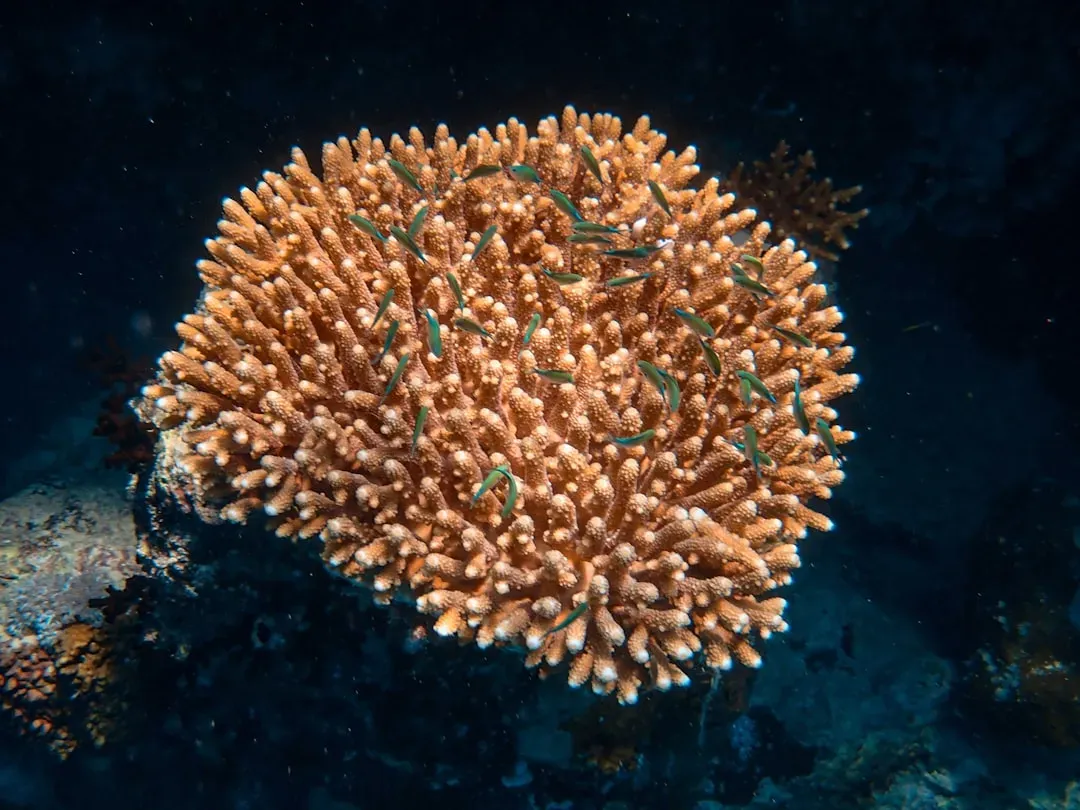
In response to accelerating losses, scientists, conservationists, and local communities are experimenting with ways to help reefs recover faster than they might on their own. Coral gardening involves growing small coral fragments in underwater nurseries or on artificial structures, then transplanting them back onto damaged reefs. These fragments can grow several times faster than larger colonies, helping to jump-start new habitat. In some Caribbean and Pacific projects, these efforts have begun to restore once-decimated stands of branching corals, which are particularly good at providing shelter for reef fish.
More experimental approaches push even further, exploring whether we can help corals adapt to hotter, more acidic seas. Researchers are selectively breeding or conditioning corals and their symbiotic algae to tolerate higher temperatures, a strategy sometimes called assisted evolution. Others are trialing techniques like microfragmentation, which involves cutting corals into tiny pieces that heal and expand rapidly, then fusing into larger colonies. While none of these methods are silver bullets, they hint at a new era of active reef management that goes beyond simply designating protected areas. The big ethical question hovering over all of this is how far humans should intervene to reshape nature in order to save it, and who decides which reefs receive that help.
The Future Seascape: Can Coral Reefs Survive the Century?
Looking ahead, coral reefs sit at a crossroads between decline and transformation. If global greenhouse gas emissions continue on a high path, many scientists warn that the vast majority of today’s warm-water reefs could be severely degraded by the end of this century. That would not mean every coral disappears, but the ornate, fish-rich cities we know today could shrink into patchier, simpler communities dominated by a few hardy species. Coastal protection, fisheries, and tourism would all feel the impact, particularly in regions with limited resources to adapt.
Yet the future is not fixed, and some reefs already show signs of surprising resilience. Refugia – areas where currents, upwelling, or local conditions keep waters cooler or less acidic – may serve as strongholds and seed banks for recovery if global temperatures stabilize. Ambitious climate action, paired with local measures like reducing pollution and halting overfishing, could give reefs the breathing space they need to adjust. Emerging technologies, from improved reef monitoring drones to genetic tools, might help identify and support the toughest corals. The choice facing us now is whether we treat reefs as collateral damage in a warming world, or as vital infrastructure worth fighting for while there is still time.
What You Can Do: Everyday Choices for Extraordinary Ecosystems
It is easy to feel distant from coral reefs if you live far from tropical seas, but individual choices, especially in wealthier countries, still ripple out to those underwater cities. Reducing your personal carbon footprint by cutting energy use, supporting clean energy policies, or rethinking frequent long-haul flights helps tackle the root driver of ocean warming and acidification. Being picky about seafood – choosing options certified as sustainable and avoiding species linked to destructive fishing practices – can reduce pressure on reef-associated fisheries. Even something as mundane as what goes down your drain matters, since some chemical sunscreens and household pollutants can harm corals and coastal waters.
Supporting organizations that work directly on reef conservation, from community-led marine protected areas to scientific restoration projects, is another tangible step. If you do visit reefs as a tourist, choosing operators that follow strict reef-safe guidelines, never touching corals or wildlife, and avoiding souvenir trade in shells or dried corals can make your trip part of the solution rather than the problem. Perhaps most importantly, talking about reefs – sharing what you learn with friends, students, or colleagues – helps keep these ecosystems in the public imagination. Cities, whether on land or underwater, depend on the attention and care of their residents and neighbors. The question now is how many of these vibrant ocean cities we will still recognize a few decades from today.
Suhail Ahmed is a passionate digital professional and nature enthusiast with over 8 years of experience in content strategy, SEO, web development, and digital operations. Alongside his freelance journey, Suhail actively contributes to nature and wildlife platforms like Discover Wildlife, where he channels his curiosity for the planet into engaging, educational storytelling.
With a strong background in managing digital ecosystems — from ecommerce stores and WordPress websites to social media and automation — Suhail merges technical precision with creative insight. His content reflects a rare balance: SEO-friendly yet deeply human, data-informed yet emotionally resonant.
Driven by a love for discovery and storytelling, Suhail believes in using digital platforms to amplify causes that matter — especially those protecting Earth’s biodiversity and inspiring sustainable living. Whether he’s managing online projects or crafting wildlife content, his goal remains the same: to inform, inspire, and leave a positive digital footprint.