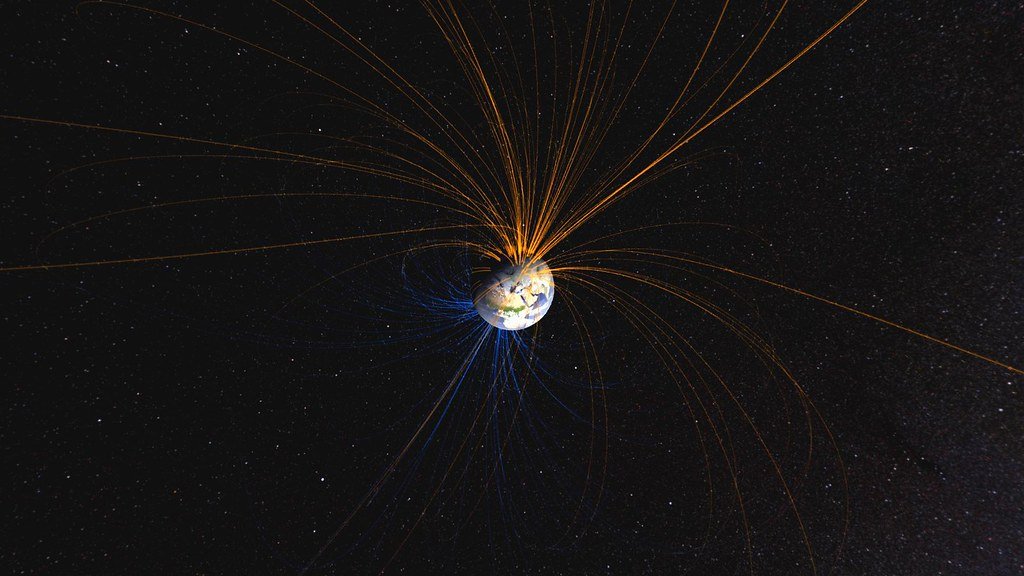
Space exploration has long been a point of fascination and inspiration, captivating the imagination of scientists, explorers, and the general public alike. Beyond the allure of the unknown, space exploration has had a profound impact on life on Earth, driving technological innovation, enhancing our understanding of the universe, and even improving the quality of everyday life. This article delves into eight significant ways in which space exploration has transformed our world, illustrating how cosmic curiosity continues to benefit humanity.
1. Advancements in Telecommunications

One of the most direct benefits of space exploration is the development of satellite technology. These orbiting devices have revolutionized global communications, facilitating everything from international phone calls to live broadcasts of events around the world. Without the technological advancements driven by the necessity of maintaining communication between spacecraft and Earth, the global communication networks we rely on today might not exist. This has transformed industries, economies, and even personal relationships, bringing the world closer together.
2. Improvements in Weather Forecasting

Weather satellites, an offshoot of space exploration technology, have vastly improved the accuracy and reliability of weather forecasting. These satellites monitor Earth’s climate, track weather patterns, and even predict natural disasters like hurricanes and typhoons. This capability has helped save lives by allowing for timely evacuations and has also minimized economic losses due to weather-related disruptions.
3. Advances in Medicine
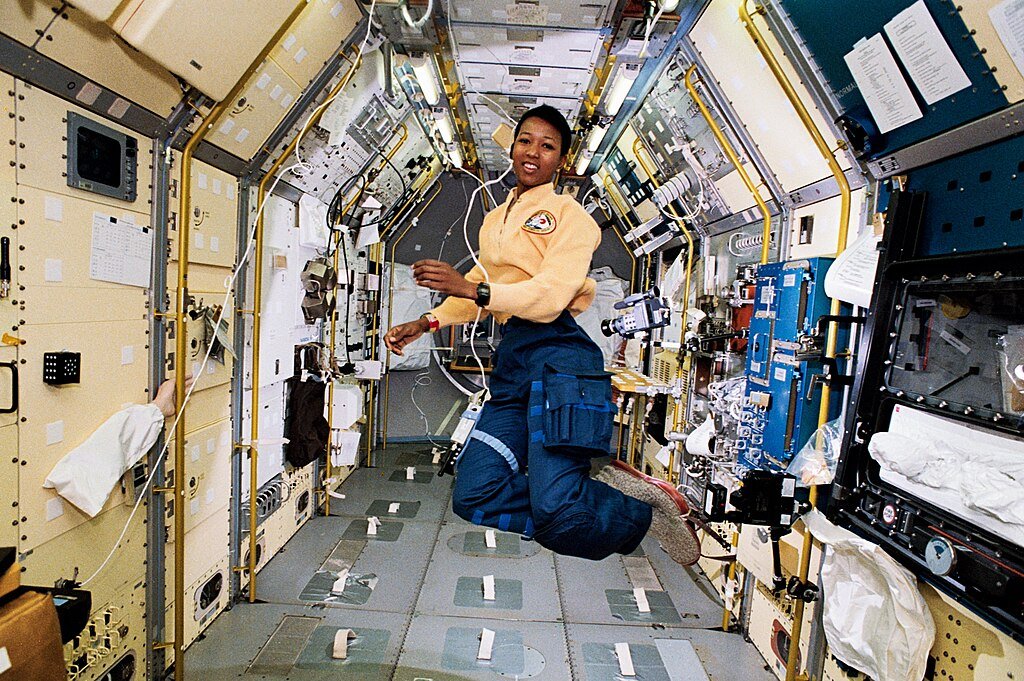
Space exploration has led to significant medical advances. For instance, technologies developed for monitoring the health of astronauts in space have been adapted for use in remote medical diagnostics. Innovations such as advanced imaging techniques, telemedicine, and robotic surgery systems owe much to research conducted in the harsh environment of space. Additionally, materials developed for aerospace applications, like specialized coatings and breathable fabrics, are now used in medical equipment and wearable health devices.
4. New Perspectives on Earth’s Environment

Viewing Earth from space has given scientists a unique perspective on the planet’s ecosystem. NASA and other space agencies use space-based observations to monitor environmental changes and provide critical data on global warming, deforestation, and ocean health. These insights have been instrumental in shaping policies and global initiatives aimed at protecting our environment. The ability to view Earth as a single entity from space underscores the interconnectedness of global ecosystems and emphasizes the importance of stewardship of our planet.
5. Inspiration for Technological Innovation
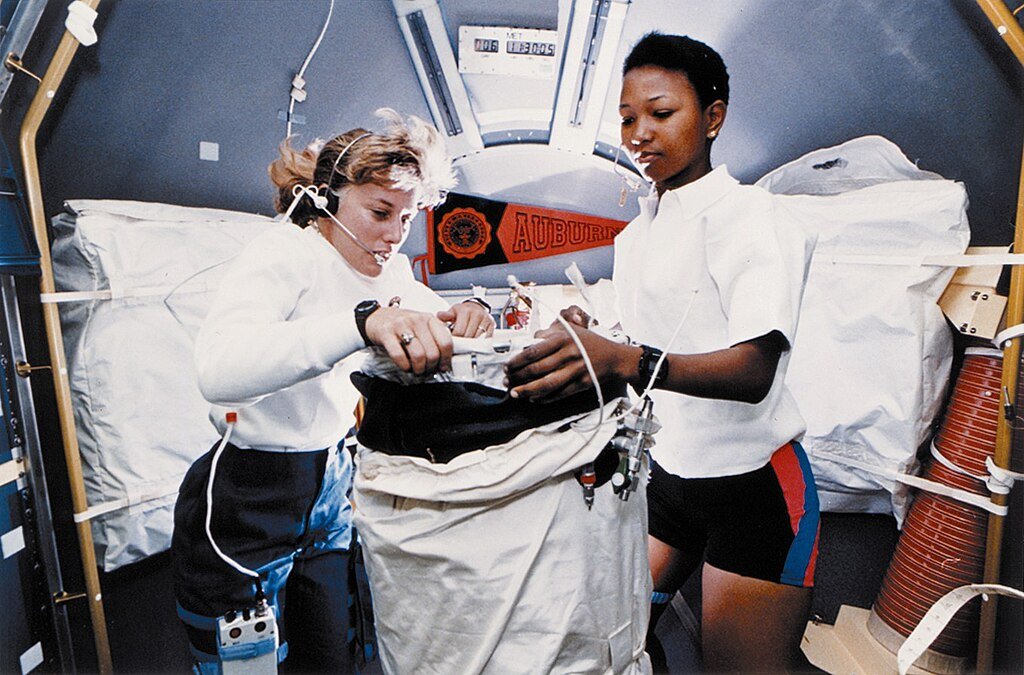
Space exploration provides a continuous source of inspiration for technological innovation. The challenges associated with sending humans and machines into space have spurred advancements in robotics, materials science, and computer software. From the development of solar panels to improvements in battery technology, the spin-offs of space exploration have been widely adopted into everyday technology, driving efficiency and sustainability.
6. Enhancement of National Security

Satellites developed for space exploration also play a crucial role in national security. These technologies enhance surveillance capabilities, provide real-time intelligence, and support global positioning systems (GPS) used for navigation. The strategic advantage gained through space-based technologies is a powerful tool for maintaining global security, helping to monitor compliance with international treaties and alerting to potential threats.
7. Development of New Products and Materials

The quest to explore space has led to the development of new products and materials that have found applications on Earth. Memory foam, originally designed for seat cushioning to improve crash protection in NASA spacecraft, is now widely used in mattresses and pillows. Similarly, scratch-resistant lenses and improved athletic shoes have all emerged from materials research funded by space exploration initiatives.
8. Fostering International Cooperation

Space exploration is a field that transcends national borders, bringing together scientists and engineers from around the world to achieve common goals. The International Space Station (ISS) is a prime example of this cooperation, with contributions from agencies across multiple countries. This partnership fosters peace, helps share costs and expertise, and builds friendships beyond Earthly politics, setting a positive example for international collaboration in other domains.
Conclusion

Space exploration is much more than a quest for scientific knowledge; it is a powerful engine of innovation and progress that has continuously reshaped life on Earth. From enhancing our daily communications to providing new medical technologies and materials, the echoes of cosmic exploration are felt in countless aspects of our lives. As we look to the stars, we not only grasp at the future potential for human exploration beyond our planet but also appreciate the profound ways in which our journeys into space continue to transform our existence on Earth. Through continued exploration, we can expect even more groundbreaking discoveries that will benefit humanity for generations to come.