
For more than a century, seismology has been built on the idea that most earthquakes are the predictable result of tectonic plates grinding past one another. Yet scattered across the globe are seismic events so strange that they seem to break the rules entirely, whispering that Earth still keeps some of its most powerful processes hidden. From months-long “silent” quakes that never shake a window to gravity waves triggered by eruptions thousands of kilometers away, these phenomena are forcing scientists to redraw the edges of what we think we know. Each one is a glitch in the matrix of our models, a reminder that our instruments can now hear things we barely understand. And behind the mystery lies a very real concern: if we misread these signals, we might miss clues to future hazards.
The Hidden Clues of Slow Slip Earthquakes
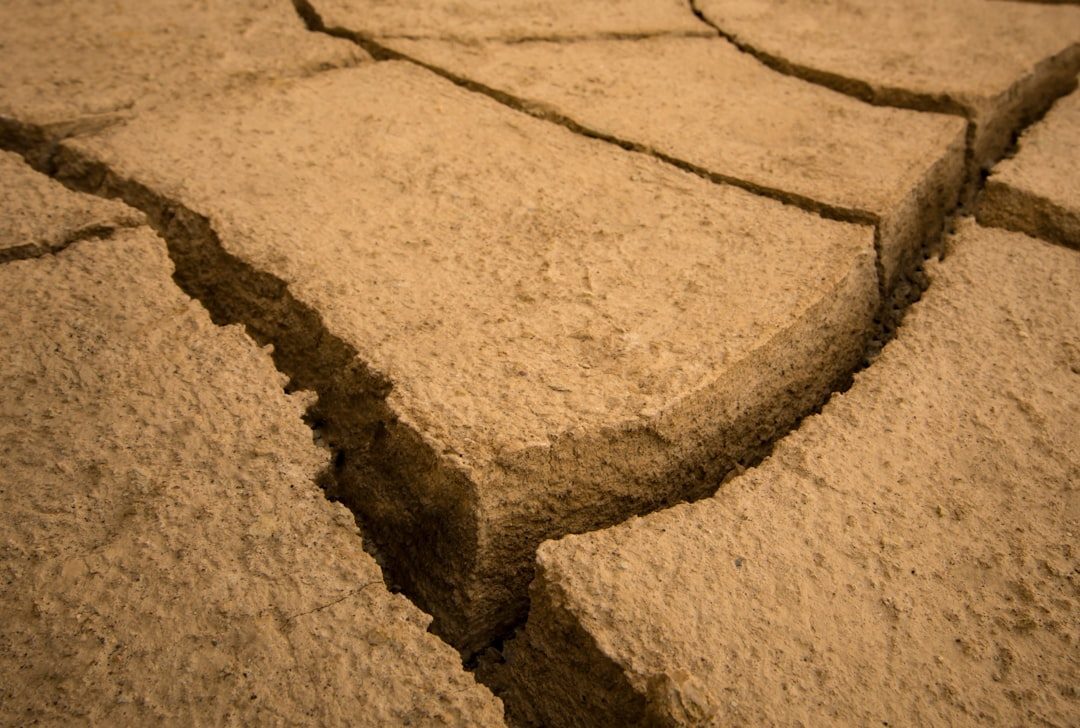
Imagine a major fault slowly tearing like taffy instead of snapping like glass – and doing it so quietly that no one at the surface feels a thing. That is the unsettling reality of slow slip earthquakes, which can unfold over days, weeks, or even months, releasing as much energy as a large conventional quake but without the dramatic shaking. First identified in detail along subduction zones in places like Japan, New Zealand, and the Cascadia margin off the U.S. Pacific Northwest, these events show up as puzzling drifts in GPS stations instead of spikes in seismograms. At first, some researchers wondered if the data were just instrumental noise, or seasonal effects such as groundwater changes or snow load. But the repeating patterns, synchronized with known plate motions, made it clear that a new class of seismic behavior was on display.
What makes slow slip so unnerving is its relationship to truly devastating earthquakes. In some regions, slow slip appears to load stress onto locked parts of a fault, potentially bringing them closer to failure, while in others it may release stress harmlessly and reduce risk. The same behavior has even been found deep beneath volcanoes, hinting at a subtle interplay between magma, fluids, and friction. As one geophysicist once told me offhand over coffee, slow slip is like watching a fault breathe. We can record it with exquisite precision, but we still do not fully understand what each inhalation and exhalation truly means for the next big quake.
Tremor Without Quakes: The Strange World of Non-Volcanic Tremor
Not all seismic vibrations come in sharp jolts; some arrive as a weird, low rumble that seems to have no beginning or end. Non-volcanic tremor, discovered in the early 2000s beneath subduction zones in Japan and later in Cascadia and elsewhere, is one of the eeriest additions to Earth’s seismic vocabulary. Unlike classic earthquakes, which release their energy in seconds, tremor can persist for hours or even days as a fuzzy, incessant hum in the seismograms. It is too deep and too subtle to be felt, but when you listen to sped-up audio of the data, it sounds almost like boiling water or distant machinery. The truly baffling part is that this tremor often appears together with slow slip, as if the fault is both sliding and shaking in a way that defies simple categories.
Scientists initially thought such signals must be linked to magma because of their resemblance to volcanic tremor, but these events occur far from magmatic systems, deep along the plate interface. Some studies suggest that high-pressure fluids are squirting through tiny cracks as the plates grind past each other, generating this ghostly noise. Others argue for a swarm of tiny, overlapping microquakes too small to distinguish individually. In practical terms, tremor has become a kind of stethoscope on the deep Earth, letting geologists eavesdrop on processes previously beyond reach. Yet it still leaves a nagging question: are these harmless murmurs, or cryptic warnings from the deep parts of major faults?
Mysterious Ringing: Earth’s Long-Period “Stormquakes”
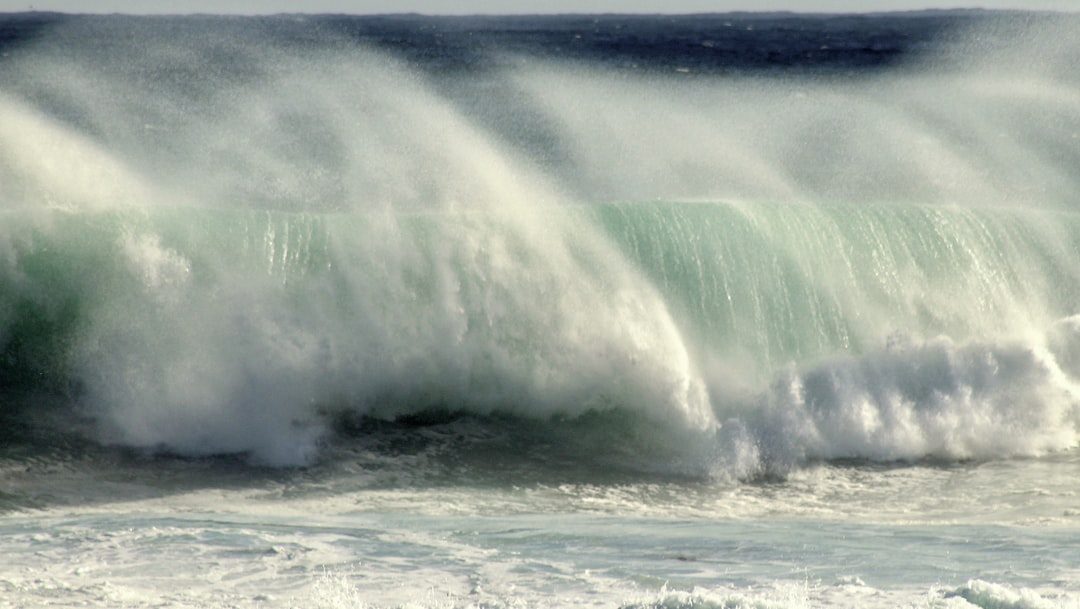
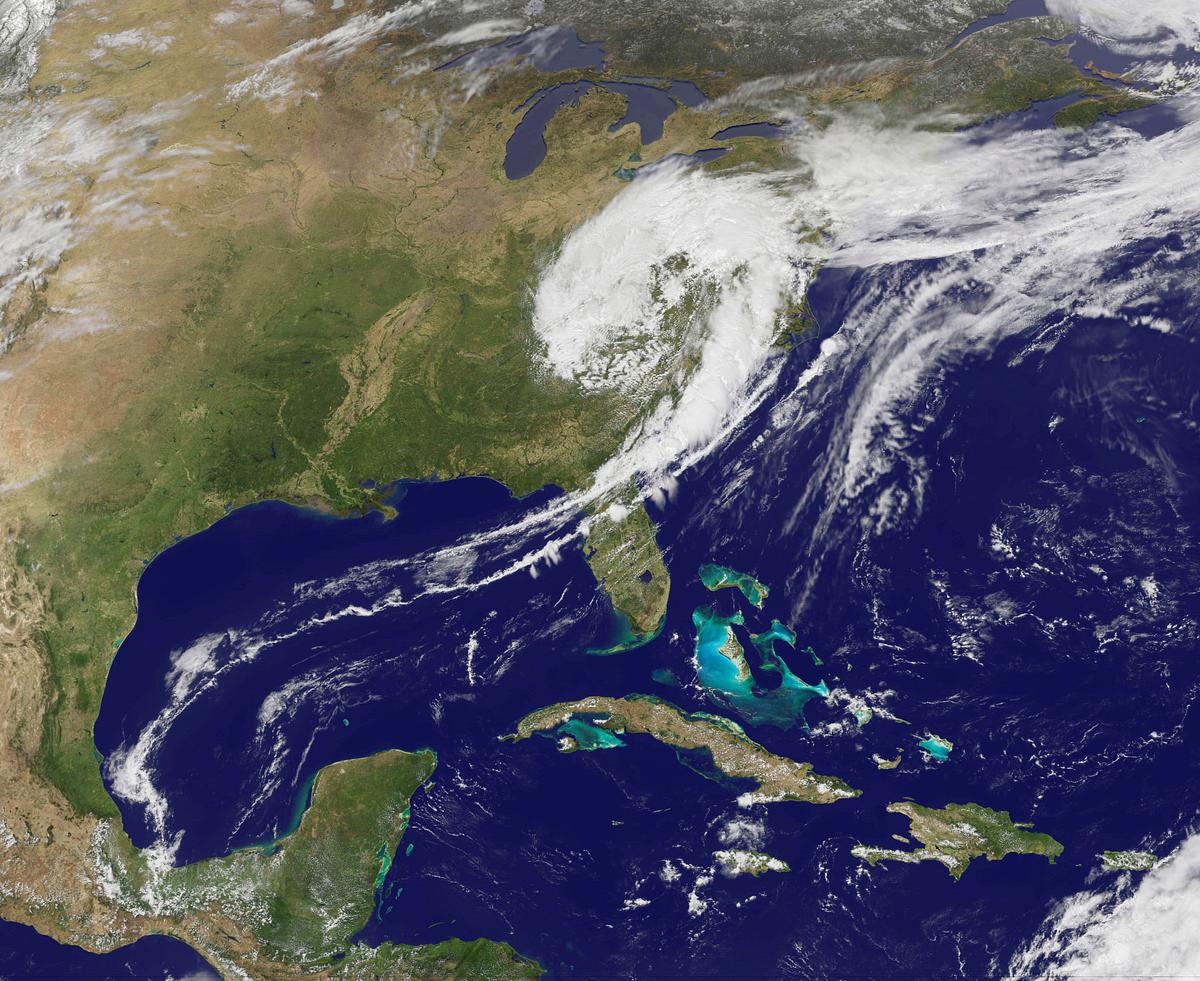
In recent years, seismologists poring over global datasets stumbled on something almost unbelievable: earthquakes seemingly generated not by shifting tectonic plates, but by ocean storms. These so-called stormquakes are long-period seismic events triggered when powerful cyclones or nor’easters slam ocean waves into shallow continental shelves, converting wave energy into vibrations that travel deep into the crust. The signals can propagate thousands of kilometers, turning distant seismometers into unintentional eavesdroppers on weather systems. For decades, this background “noise” was brushed off as an annoyance, the equivalent of static on a radio. Only when researchers began systematically mining long-term records did the discrete, repeating signatures of stormquakes emerge.
It is both fascinating and a little unsettling to realize that extreme weather can effectively shake the solid Earth. The energy of a single stormquake is modest compared with a tectonic quake, but their sheer number and persistence have forced a rethink of how oceans and crust interact. Some scientists now see them as an untapped tool for imaging Earth’s interior, using storms as a free, natural source of seismic energy. Others have raised the prospect that as climate change alters the intensity and tracks of major storms, the pattern of stormquakes might shift too, subtly rewriting the global map of micro-seismicity. The idea that hurricane seasons could leave a seismic fingerprint deep in continental crust pushes our understanding of “earthquakes” into surprisingly stormy territory.
The Enigma of Deep-Focus Earthquakes
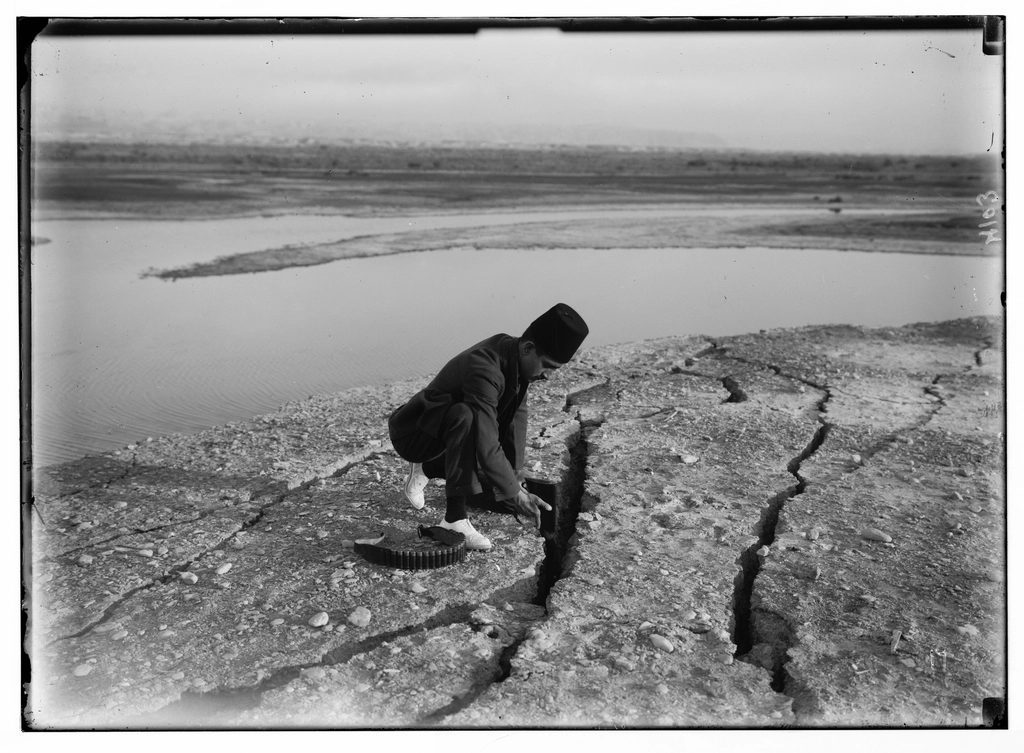
Most people imagine earthquakes as shallow events, tearing through the brittle upper crust where rocks can snap and fracture. But a perplexing class of deep-focus earthquakes occurs hundreds of kilometers beneath the surface, far below the depth where rocks should be capable of brittle failure. Some of these deep quakes, especially in subduction zones beneath places like Fiji, Japan, and South America, can reach magnitudes that rival their shallow cousins. The physics, however, are not supposed to work down there; at those pressures and temperatures, rock should deform plastically, flowing rather than fracturing. It is as if steel beams were suddenly cracking like dry twigs in the heart of a blast furnace.
One leading idea is that water trapped in the subducting slab helps trigger a phase change in minerals such as olivine, causing abrupt transformations that release energy catastrophically. Another hypothesis focuses on microscopic instabilities in the way high-pressure minerals deform, leading to runaway shearing on tiny scales that cascades into a quake. Neither explanation fully accounts for the diversity and scale of observed events, and some deep-focus earthquakes exhibit curious aftershock patterns that do not match standard models. For hazard planners at the surface, these distant events are usually less dangerous, but their scientific importance is huge. They reveal the raw mechanics of how cold slabs penetrate the mantle, and by extension, how our planet has cooled and evolved over geologic time.
Key deep-focus curiosities often highlighted by researchers include:
- Depths exceeding several hundred kilometers, far beyond traditional brittle regimes.
- Unusual rupture speeds and aftershock behavior compared with shallow quakes.
- Clusters tightly confined to subducting slabs rather than spread broadly in the mantle.
When Volcanoes Whisper: Harmonic Tremor and Unrest
Volcanoes rarely explode out of nowhere; more often, they mutter and murmur first in the language of seismic signals. Among the strangest of these are harmonic tremors, almost musical-like vibrations that can persist for hours or days beneath restless volcanoes. Unlike the chaotic jolt of a classic quake, harmonic tremor shows up as neat bands of frequencies in seismic data, suggesting a resonant process – something in the volcano is literally “ringing.” Many volcanologists interpret these signals as the result of magma or gas sloshing through cracks and conduits, like air reverberating in an organ pipe. At times, this tremor has preceded major eruptions, making it a tantalizing but not always reliable warning sign.
The puzzle is that harmonic tremor does not always lead to an eruption, and not every eruption produces tremor. That inconsistency makes forecasting incredibly challenging, forcing scientists to weigh tremor alongside deformation data, gas emissions, and thermal images. In some famous cases, residents living near volcanoes have faced agonizing evacuation decisions while experts debated the meaning of persistent tremor. Personally, whenever I talk with volcanologists, I’m struck by how honestly they describe this uncertainty; the more they hear volcanoes “sing,” the more complex the song becomes. The stakes are very real – misreading these gentle seismic whispers can mean the difference between timely warnings and tragic surprises.
Gravity’s Echo: Seismic Waves from Distant Disasters
In 2013, geophysicists analyzing global seismic data noticed something almost sci-fi: the massive eruption of a volcano in one part of the world appeared to trigger measurable gravitational and pressure disturbances elsewhere, detectable as tiny signals on highly sensitive instruments. These were not ordinary seismic waves traveling through rock, but hybrid signals shaped by the coupling of earth, atmosphere, and gravity fields. Similar delicate signatures have been picked up from giant landslides, meteoroid impacts, and even the colossal atmospheric pressure waves from major explosions. At first glance, these appear as faint, low-frequency wiggles buried in noise, easy to overlook without sophisticated processing.
What makes these events so intriguing is that they blur the old boundaries of seismology. Instead of just tracking how rocks break, researchers are now watching how the entire Earth system responds – air, water, rock, and gravity interacting in subtle choreography. These faint signals might one day help detect remote disasters in real time, even when communication lines are down. There is already research exploring whether similar methods could be used for early detection of tsunamis or to refine models of how the atmosphere and solid Earth exchange energy. It is a reminder that when the planet experiences a major shock, the echoes do not stop at the crust.
Why These Strange Quakes Matter Far Beyond Curiosity
It is tempting to treat these unusual seismic phenomena as mere scientific oddities, the geological equivalent of rare bird sightings. But they are far more than intellectual curiosities; they reveal the hidden modes by which Earth stores and releases energy. Traditional hazard models often assume that tectonic stress is released mainly through familiar, fast earthquakes along well-mapped faults. Slow slip, tremor, deep-focus events, and stormquakes show that this is only part of the story. If we ignore the weird stuff, we risk misunderstanding how stress migrates through complex fault networks and how different regions might be linked in ways we never anticipated.
There is also a humbling lesson in how quickly long-held assumptions can crumble once new data arrive. A few decades ago, most of these events would have been dismissed as noise or artifacts; now they are central to frontier research. Compared with classic seismology, which focused on big, infrequent jolts, modern approaches mine continuous streams of “weak” signals for patterns and anomalies. This shift has parallels in other fields, like astronomy’s move from rare bright supernovae to constant monitoring of subtle transients. In every case, recognizing the importance of the strange and the marginal has opened doors to deeper understanding – and, potentially, better protection for people living in harm’s way.
The Future Landscape: Smarter Sensors, Planet-Scale Listening
What comes next for decoding these puzzling seismic events is less about building one giant new instrument and more about wiring the entire planet together. Dense networks of low-cost seismic sensors, GPS stations, and even fiber-optic cables are turning cities, coastlines, and seafloors into continuous observatories. Some researchers are already repurposing undersea telecommunications cables as kilometer-scale strain meters, picking up passing waves and tiny deformations along the seafloor. Machine learning systems trained on enormous archives of data are beginning to spot subtle patterns that human analysts would miss, flagging precursors or clusters of unusual signals in almost real time. The goal is to catch these strange events as they unfold, not years later in a retrospective analysis.
There are real challenges, though. Funding long-term monitoring projects can be difficult when political priorities shift, and some of the most critical regions – like subduction zones offshore – are the hardest and most expensive to instrument. Data-sharing across borders is still uneven, leaving gaps in global coverage that obscure the full picture of how seismic energy moves. On top of that, the sheer volume of data raises thorny questions about storage, access, and how to quickly separate meaningful signals from an ocean of noise. Yet if those hurdles can be overcome, the payoff could be enormous: an era in which we not only detect more of Earth’s mysterious seismic behavior, but interpret it with enough confidence to improve early warnings and long-term risk planning worldwide.
How Curious Readers Can Engage with Earth’s Hidden Rhythms
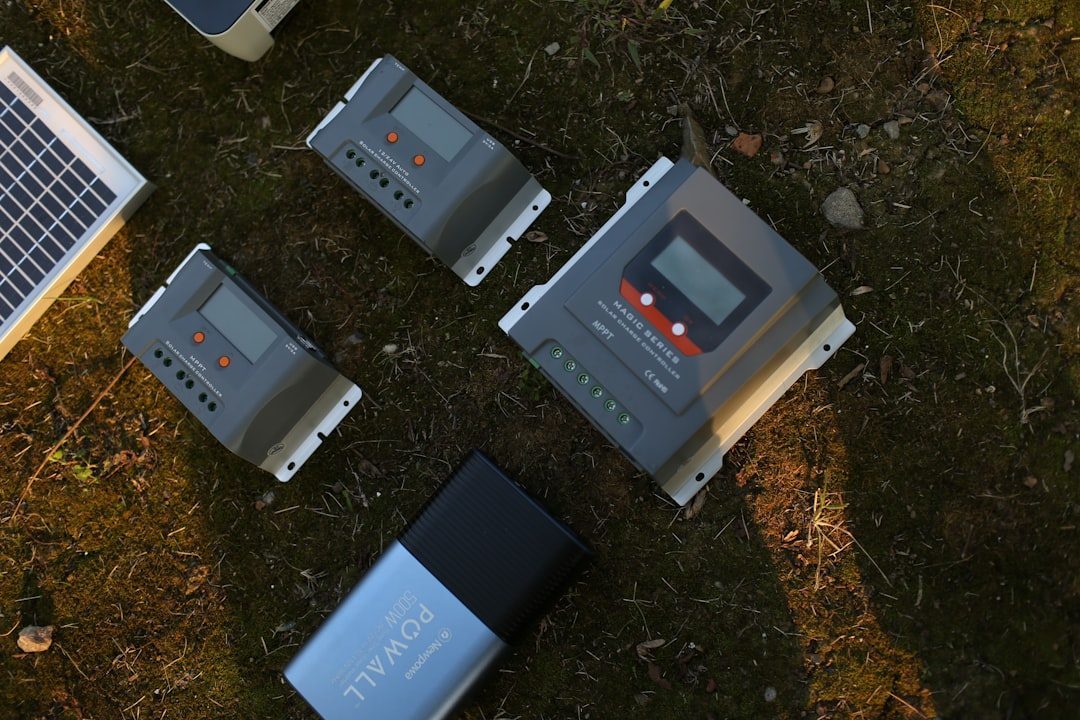
Even if you are far from a fault line or volcano, you are not powerless to engage with this unfolding story of strange earthquakes and seismic mysteries. Citizen science projects now invite people to host low-cost sensors in their homes, schools, or offices, contributing data that help fill in regional blind spots. Educational apps and public dashboards let you watch real-time seismic activity, noticing how often the planet quivers in ways that never make headlines. Supporting science communication initiatives – through donations, sharing reliable articles, or simply introducing kids to basic Earth science – helps ensure that this research stays visible and well funded. Paying attention to local hazard maps, building codes, and emergency drills translates abstract science into real-world preparedness.
There is also value in staying healthily skeptical, asking good questions, and seeking information from reputable geological surveys and research institutions rather than rumor or sensational posts. When the news mentions a strange tremor swarm or an unusual quake sequence, you can now see it as part of a much larger effort to decode Earth’s hidden rhythms, not just an isolated scare. The more people understand that the planet’s behavior is complex and sometimes counterintuitive, the easier it becomes to have calm, informed conversations when something unexpected happens. In a way, we are all now part of a global listening experiment, learning to interpret the murmurs, sighs, and occasional shouts of a very active planet.
Suhail Ahmed is a passionate digital professional and nature enthusiast with over 8 years of experience in content strategy, SEO, web development, and digital operations. Alongside his freelance journey, Suhail actively contributes to nature and wildlife platforms like Discover Wildlife, where he channels his curiosity for the planet into engaging, educational storytelling.
With a strong background in managing digital ecosystems — from ecommerce stores and WordPress websites to social media and automation — Suhail merges technical precision with creative insight. His content reflects a rare balance: SEO-friendly yet deeply human, data-informed yet emotionally resonant.
Driven by a love for discovery and storytelling, Suhail believes in using digital platforms to amplify causes that matter — especially those protecting Earth’s biodiversity and inspiring sustainable living. Whether he’s managing online projects or crafting wildlife content, his goal remains the same: to inform, inspire, and leave a positive digital footprint.